Understanding the Unique Landscape of SME HR in Travel
Welcome, fresh CEOs, to the vibrant and often unpredictable world of Malaysia’s travel industry! As you embark on leading a Small or Medium-sized Enterprise (SME) in this dynamic sector, it’s crucial to recognize that your approach to Human Resources (HR) will significantly differ from that of a large corporation. The success of your travel SME hinges not just on innovative itineraries or shrewd marketing, but fundamentally on how you manage your most valuable asset: your people. This section offers a step-by-step approach to understand SMEs HR structure for fresh CEOs, guiding you through the distinct characteristics and challenges of HR in this unique landscape.
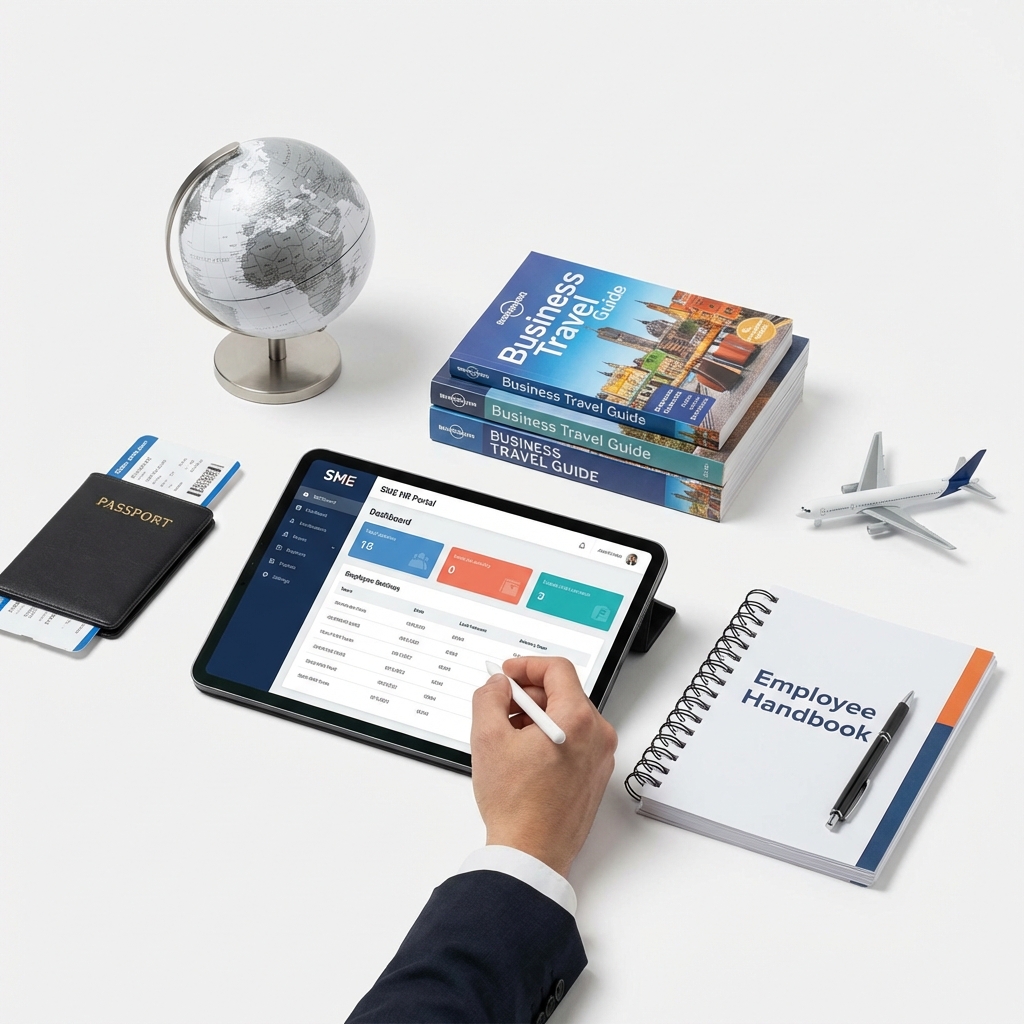
1. Defining SME HR: What Makes it Different?
Unlike multinational corporations with dedicated HR departments spanning recruitment, compensation, benefits, and employee relations, HR within a travel SME in Malaysia operates on a much leaner scale. Often, the HR function might be managed by a single individual, or even by the CEO themselves. This typically means:
- Lean Operations & Generalist Roles: HR professionals in SMEs are often generalists, juggling recruitment, payroll, performance management, compliance, and employee well-being simultaneously. There’s less specialization and more direct, hands-on involvement across all HR facets.
- Limited Resources: Budget constraints can restrict access to advanced HR software, extensive training programs, and competitive benefits packages that larger companies offer. Creativity and resourcefulness become key.
- Stronger Cultural Impact: The smaller team size in an SME means company culture is more palpable and directly influenced by leadership. Every HR decision, every interaction, has a more immediate and profound impact on the work environment.
- Agility & Direct Communication: Without layers of bureaucracy, decision-making in SME HR can be faster. Communication channels are often more direct, fostering a close-knit environment but also requiring careful navigation of personal dynamics.
2. Key HR Challenges for Travel SMEs in Malaysia
Operating a travel SME in Malaysia comes with a specific set of HR hurdles that demand strategic foresight from a new CEO:
- Talent Acquisition & Retention: Competing for skilled talent—be it seasoned tour managers, digital marketing specialists, or multilingual guides—is a constant battle. Larger companies often outbid SMEs on salaries and benefits, leading to challenges in attracting and, crucially, retaining valuable employees in a competitive market. The demanding nature of the travel industry can also contribute to higher turnover if employee engagement is not prioritised.
- Seasonal Fluctuations & Workforce Planning: The inherent seasonality of the travel industry (peak holiday seasons vs. off-peak periods) creates complex staffing demands. CEOs must master flexible workforce planning, utilizing part-time staff, contract workers, and effective scheduling to manage fluctuating demand without over- or under-staffing.
- Skills Gap & Training: The travel industry is constantly evolving with new technologies, sustainable tourism trends, and changing customer expectations. Keeping your team’s skills current with limited training budgets is a significant challenge. Investing in targeted, cost-effective training is vital for long-term competitiveness.
- Compliance & Regulatory Navigation: Navigating Malaysia’s intricate labour laws (e.g., Employment Act 1955, EPF, SOCSO, EIS) can be daunting for Malaysian SMEs frequently grapple with unique HR challenges, often lacking dedicated legal or HR compliance officers. Missteps can lead to fines, legal disputes, and reputational damage.
- Employee Well-being & Burnout: The fast-paced, client-facing nature of travel can be demanding, often requiring irregular hours and high-pressure situations. Addressing work-life balance and preventing burnout is essential for maintaining a healthy, motivated, and productive workforce.
3. Why HR Expertise is Crucial for a New Travel CEO’s Success
For a fresh CEO in the Malaysian travel sector, treating HR as a strategic imperative, rather than just an administrative task, is fundamental to sustainable success:
- Drives Strategic Growth: Your people are the core of your service offering. Effective HR practices ensure you have the right talent in the right roles, aligning individual performance with your business objectives and directly contributing to growth.
- Enhances Talent Management: In a service-oriented industry like travel, exceptional customer experience is paramount. This begins with an engaged, skilled, and motivated team. Strong HR ensures you can attract, develop, and retain these critical individuals.
- Mitigates Risks & Ensures Compliance: A thorough understanding of labour laws and best practices protects your business from legal vulnerabilities, financial penalties, and reputational harm, allowing you to focus on growth.
- Fosters a Positive Culture & Engagement: Your company culture directly impacts employee morale, productivity, and customer satisfaction. A CEO with HR acumen can intentionally shape a positive, inclusive, and supportive environment that attracts and keeps top talent.
- Promotes Adaptability & Resilience: The travel industry is prone to rapid changes, from global health crises to technological disruptions. A strong HR foundation enables your SME to build a flexible, resilient workforce that can quickly adapt to new challenges and opportunities, ensuring business continuity and competitive advantage.
Embracing and mastering the unique HR landscape of a travel SME in Malaysia isn’t just about managing people; it’s about building the foundational strength and agility needed to thrive in a competitive and ever-evolving market. Your investment in HR understanding will undoubtedly be a cornerstone of your leadership success.
Step-by-Step: Building Your Travel Team (Recruitment & Onboarding)
As a new CEO in the dynamic Malaysian travel sector, establishing a robust human resources framework is paramount to your company’s success. Your ability to attract, hire, and retain exceptional talent directly impacts service quality, operational efficiency, and ultimately, your market position. This guide provides a practical, step-by-step approach to developing effective recruitment strategies and seamless onboarding processes, ensuring you build a high-performing team ready to navigate the unique challenges and opportunities within the travel industry.
1. Attracting Top Talent in Malaysia’s Competitive Travel Market
Malaysia’s travel industry, characterized by its vibrant culture and diverse offerings, also presents a competitive landscape for talent acquisition. To stand out, new CEOs must implement proactive and strategic recruitment initiatives. Begin by clearly defining your employer brand; what makes your company a unique and desirable place to work? Highlight your company culture, growth opportunities, and any unique benefits tailored to the travel sector, such as travel perks or flexible work arrangements. Leverage online platforms extensively, including LinkedIn, JobStreet, and specialized travel industry job boards. Active engagement with universities offering tourism and hospitality courses can also tap into fresh, eager talent pools.
Consider attending industry career fairs and networking events to personally connect with potential candidates. Furthermore, explore innovative recruitment methods like employee referral programs, which often yield high-quality candidates who are a good cultural fit. To gain deeper insights into the regional talent landscape and best practices, refer to authoritative sources such as Randstad Malaysia’s talent acquisition services, which offer valuable perspectives on securing top-tier professionals in the Malaysian market. Understanding market trends and competitive compensation packages is crucial for attracting and securing the best individuals who can drive your travel business forward.
2. Crafting Efficient Interview & Selection Processes for SMEs
For SMEs in the travel field, efficient and effective interview and selection processes are vital to minimize resource drain and maximize hiring accuracy. Start by creating detailed job descriptions that go beyond tasks, outlining required skills, desired personality traits, and alignment with company values. Implement a multi-stage interview process that includes initial screening calls, structured interviews, and practical assessments. Structured interviews, where all candidates are asked the same set of questions, help ensure fairness and provide a consistent basis for comparison, reducing unconscious bias.
For roles in travel, consider scenario-based questions that test problem-solving skills, customer service aptitude, and adaptability to unforeseen travel disruptions. Practical assessments could involve itinerary planning exercises, language proficiency tests (given Malaysia’s multicultural environment), or simulated customer interactions. Always involve at least two interviewers to provide diverse perspectives and ensure a comprehensive evaluation. During the selection phase, prioritize candidates who not only possess the technical skills but also demonstrate passion for travel, cultural sensitivity, and a strong customer-centric mindset – qualities indispensable in the travel industry. A systematic approach ensures you’re not just filling a vacancy, but strategically building your team.
3. Smooth Onboarding: Integrating New Employees Effectively
A seamless onboarding process is critical for employee retention and productivity, particularly in the fast-paced travel industry where new hires need to quickly grasp complex systems and diverse product knowledge. Onboarding should begin even before the employee’s first day, with pre-boarding activities such as sending a welcome email, providing necessary paperwork electronically, and sharing an introductory packet about the company culture and team members. This reduces first-day anxiety and sets a positive tone.
On the first day, focus on making the new hire feel welcome and integrated. Introduce them to their team and key stakeholders, set up their workspace, and walk them through essential systems. Over the first few weeks, provide comprehensive training on your specific travel products, booking systems, customer relationship management (CRM) software, and company policies. Assigning a mentor or a ‘buddy’ can significantly aid in integration, offering a go-to person for questions and fostering a sense of belonging. Regularly schedule check-ins to monitor progress, address concerns, and provide constructive feedback. Understanding the intricacies of building an effective HR structure, from recruitment to a robust onboarding process, is a Step by Step to understand SMEs HR Structure for the fresh the CEO in Travels field in malaysia, ensuring your new team members are set up for long-term success and contribute effectively to your travel company’s growth.
Managing & Developing Your People: Performance and Growth
For a fresh CEO entering the dynamic travel field in Malaysia, understanding and implementing a robust SMEs HR Structure is paramount, especially when it comes to managing and developing your most valuable asset: your people. This section outlines practical strategies for performance management, employee development, and fostering a positive work environment, all crucial for maximizing team productivity and ensuring employee retention in a travel SME.
1. Implementing Practical Performance Review Systems
Effective performance review systems are not just about identifying weaknesses; they are powerful tools for recognizing strengths, setting clear expectations, and aligning individual goals with the company’s vision. For a travel SME, these systems should be agile and relevant to the unique demands of the industry.
Start by establishing clear Key Performance Indicators (KPIs) for each role, whether it’s customer satisfaction scores for travel consultants, booking accuracy for operations staff, or sales targets for agents. Regular, constructive feedback is more impactful than annual reviews alone. Consider a blend of formal reviews (e.g., semi-annual) and informal check-ins. Incorporate self-assessments to empower employees and encourage self-reflection. Performance reviews should also serve as a starting point for development plans, identifying areas where staff can grow and excel. Documenting performance discussions and agreed-upon goals ensures accountability and provides a clear record of progress, contributing significantly to a transparent HR structure.
2. Upskilling & Training Initiatives for Travel Staff
The travel industry is constantly evolving, driven by new technologies, emerging destinations, and changing customer preferences. Continuous upskilling and training are not merely benefits; they are necessities for keeping your team competitive and motivated. For a travel SME, investing in staff development translates directly into enhanced service quality and innovation.
Focus on training that directly impacts performance and customer experience. This includes product knowledge on new travel packages, destinations, and local attractions in Malaysia; advanced customer service techniques; proficiency in global distribution systems (GDS) and other travel technology platforms; and even language skills for dealing with diverse clientele. Consider a mix of internal workshops, online courses, and partnerships with industry bodies. Create clear career development paths, showing employees how their acquired skills can lead to advancement within your company. A well-trained team is more confident, productive, and less likely to seek opportunities elsewhere.
3. Boosting Employee Engagement and Retention Strategies
High employee engagement is the bedrock of a successful travel SME, leading to lower turnover, increased productivity, and a more positive work environment. Retaining skilled and experienced staff is especially critical in an industry where product knowledge and customer relationships are key.
Go beyond competitive salaries. Implement recognition programs that celebrate achievements, both big and small, whether through awards, bonuses, or public acknowledgement. Foster a culture of open communication where employees feel heard and valued; regular surveys and feedback sessions can provide invaluable insights. Promote work-life balance, which is particularly appealing in an industry that often demands flexibility. Offer opportunities for professional growth, allowing employees to take on new responsibilities or lead projects. Creating a positive and supportive workplace culture can significantly enhance job satisfaction. According to a study by SHRM (Society for Human Resource Management), highly engaged employees are more likely to stay with their organization, highlighting the direct link between engagement and retention. By prioritizing engagement, you build a loyal and dedicated team eager to contribute to your travel SME’s success in Malaysia and beyond.
Navigating Malaysian HR Compliance and Administration
As a fresh CEO stepping into the dynamic travel industry in Malaysia, understanding the intricacies of Human Resources (HR) compliance and administration is paramount. For Small and Medium-sized Enterprises (SMEs), navigating the legal and administrative landscape of HR can seem daunting, but it’s a critical foundation for sustainable growth and operational efficiency. This section offers essential insights, providing a Step by Step to understand SMEs HR Structure for the fresh the CEO in Travels field in malaysia, ensuring your travel business remains compliant with local labor laws and adheres to best practices.
1. Key Malaysian Labour Laws (e.g., Employment Act 1955) Simplified
The cornerstone of Malaysian employment law is the Employment Act 1955 (EA 1955). Initially covering only certain categories of employees, its scope was significantly expanded in 2023 to virtually encompass all employees regardless of their wages, making it indispensable for every employer. For travel SMEs, grasping its core provisions is non-negotiable. The EA 1955 dictates fundamental aspects of the employer-employee relationship, including:
- Working Hours: Stipulates standard daily and weekly working hours, overtime regulations, and rest day requirements. Adhering to these is crucial, especially in the travel sector where varied shift patterns might be common.
- Leave Entitlements: Outlines minimum provisions for annual leave, sick leave (including hospitalisation), maternity leave (increased to 98 days), and the newly introduced paternity leave (7 days). Public holidays, as gazetted, must also be observed.
- Termination of Employment: Specifies notice periods, grounds for dismissal, and the process for handling termination, ensuring fairness and preventing wrongful dismissal claims.
- Payment of Wages: Covers aspects like wage periods, authorised deductions, and timely payment, which must be made within the first seven days after the wage period.
Beyond the EA 1955, other crucial regulations include the Minimum Wages Order 2022, setting the national minimum wage, and the Employees’ Social Security Act 1969 (SOCSO) and Employees Provident Fund Act 1999 (EPF), which mandate social security and retirement savings contributions. Familiarising yourself with these legal frameworks is the first vital step towards building a legally sound HR structure. For a comprehensive overview of the Employment Act 1955, you can refer to authoritative resources like this Overview of Employment Act 1955, Malaysia.
2. Payroll & Benefits Management for Travel SMEs
Effective payroll and benefits management goes beyond merely paying salaries; it involves precise calculation, timely statutory contributions, and offering competitive packages that attract and retain talent in the travel industry. For Malaysian SMEs, key considerations include:
- Statutory Contributions:
- Employee Provident Fund (EPF): A compulsory savings scheme for retirement. Both employer and employee contribute a percentage of the monthly wages.
- Social Security Organization (SOCSO): Provides protection for employees against industrial accidents and occupational diseases (under the Employment Injury Scheme) and invalidity (under the Invalidity Scheme).
- Employment Insurance System (EIS): Managed by SOCSO, EIS provides financial assistance to retrenched workers and helps them find new employment.
- Income Tax (PCB – Potongan Cukai Berjadual): Employers are responsible for deducting monthly tax installments from employee salaries and remitting them to the Inland Revenue Board (LHDN).
- Benefits Specific to Travel: Beyond statutory requirements, consider benefits that resonate with the travel sector. This might include travel allowances, discounted travel packages, professional development courses related to tourism and hospitality, or performance-based incentives linked to sales targets or customer satisfaction. Crafting a benefits package that is both attractive and sustainable for your SME is essential for talent acquisition in a competitive market. Leveraging cloud-based payroll software can significantly streamline these complex calculations and ensure compliance.
3. Essential HR Record-Keeping and Documentation
Meticulous HR record-keeping is not just a best practice; it’s a legal imperative. Proper documentation safeguards your business against potential disputes, facilitates audits, and ensures smooth HR operations. For travel SMEs, a robust documentation system is critical:
- Employment Contracts: Every employee must have a clear, legally sound employment contract outlining terms and conditions, job scope, remuneration, and termination clauses.
- Employee Personal Files: Comprehensive files for each employee should include personal details (IC/passport copies), academic qualifications, medical records, emergency contacts, and copies of all relevant HR communications.
- Attendance and Leave Records: Accurate tracking of attendance, working hours, and all types of leave taken is vital for payroll accuracy and compliance with the EA 1955.
- Payroll Records: Detailed records of salaries, wages, allowances, deductions, and statutory contributions must be maintained for a minimum of 7 years as required by law.
- Performance Management & Disciplinary Records: Documenting performance reviews, training records, and any disciplinary actions taken provides an objective history and supports fair decision-making processes.
Furthermore, new CEOs must also be mindful of the Personal Data Protection Act 2010 (PDPA), ensuring that all employee personal data is collected, processed, and stored in compliance with privacy regulations. Digitalizing HR records through HRIS (Human Resources Information System) can enhance security, accessibility, and efficiency, making it easier to manage and retrieve information as needed for your growing travel business.
By proactively addressing these key areas of Malaysian HR compliance and administration, new CEOs in the travel industry can build a resilient and compliant workforce, allowing them to focus on innovation and growth in their exciting ventures.
Strategic HR for Growth: Future-Proofing Your Travel Business
For a fresh CEO stepping into the vibrant, yet competitive, travel field in Malaysia, understanding the intricate layers of human resources is paramount. Moving beyond mere administrative tasks, strategic HR is the compass that guides your travel business towards sustainable growth and resilience. This section offers a comprehensive, Step by Step to understand SMEs HR Structure for the fresh the CEO in Travels field in malaysia, illustrating how leveraging HR strategically can future-proof your operations, cultivate a thriving company culture, and ensure adaptability in a rapidly evolving industry. As travel patterns shift and customer expectations evolve, your human capital becomes your most valuable asset, demanding a proactive and forward-thinking HR approach.
1.
Leveraging HR Technology for SME Efficiency
In an SME travel business, efficiency is not just a goal; it’s a necessity. Modern HR technology offers a powerful toolkit to streamline operations, reduce administrative burden, and free up valuable time for strategic initiatives. For travel agencies, tour operators, or hospitality providers, this could mean implementing cloud-based HRIS (Human Resources Information Systems) for automated payroll processing, leave management, and employee record-keeping. Imagine the time saved by automating repetitive tasks, allowing your team to focus on customer experience and innovative travel packages. Recruitment platforms can simplify talent acquisition, from posting jobs to tracking applicants, ensuring you find the right people with the specific language skills or destination knowledge crucial for your business. Performance management systems can track employee goals, provide regular feedback, and identify training needs, fostering continuous improvement. Furthermore, data analytics capabilities within these systems can provide insights into workforce trends, employee engagement, and operational costs, enabling data-driven decisions that propel your business forward. Adopting the right HR tech isn’t an expense; it’s an investment in productivity, compliance, and strategic decision-making.
2.
Building a Resilient and Positive Company Culture
The travel industry thrives on human connection and exceptional service. A strong, positive company culture is the bedrock upon which your brand reputation and employee loyalty are built. For a CEO in the Malaysian travel sector, fostering such a culture means prioritizing employee well-being, transparent communication, and a shared vision. It’s about creating an environment where employees feel valued, empowered, and motivated to go the extra mile for clients. This translates into higher employee retention, reduced turnover costs, and ultimately, superior customer satisfaction – a critical differentiator in travel. Encourage open dialogue, celebrate successes, and provide opportunities for professional development. A resilient culture also means your team can adapt quickly to external shocks, like changes in travel regulations or global events. It fosters teamwork and a collective problem-solving mindset, essential for navigating the unpredictable nature of the travel business. As research from organizations like SHRM consistently shows, a robust company culture directly impacts employee engagement and overall business performance, making it a non-negotiable element of strategic HR.
3.
Succession Planning for Key Roles in a Small Team
In a smaller travel SME, the departure of a single key employee – perhaps a senior tour manager with invaluable destination knowledge, a highly skilled reservation specialist, or an experienced marketing lead – can create significant operational gaps and impact business continuity. This makes proactive succession planning not just a best practice, but a critical strategic imperative. For a fresh CEO, identifying these vital roles and developing a strategy to fill them, even before a vacancy arises, is crucial. This involves cross-training employees in multiple functions, identifying high-potential individuals within the team, and investing in their continuous professional development. Mentorship programs can be incredibly effective in transferring institutional knowledge and skills. Consider creating a skills matrix to visualize your team’s current capabilities and pinpoint areas where future talent might be needed. While it might seem like a task for larger corporations, robust succession planning for an SME ensures that your travel business isn’t vulnerable to unexpected departures, safeguarding your operational stability and capacity for growth. It builds a deeper talent bench, ensuring that your Malaysian travel business can seamlessly continue delivering exceptional service and innovating, regardless of personnel changes.
Embracing strategic HR is no longer a luxury but a fundamental necessity for any travel business aiming for sustained success, especially for new leaders in Malaysia. By thoughtfully integrating HR technology, intentionally cultivating a strong company culture, and diligently planning for leadership succession, CEOs can build a resilient, adaptable, and high-performing organization. These strategic HR pillars not only future-proof your travel business against industry uncertainties but also transform your human capital into a powerful competitive advantage, ensuring long-term growth and a distinguished presence in the dynamic travel landscape.
Partner with Shelby Global
You are looking for reliable HR Sevice Suppliers? Contact Shelby Global Now! To connect with verified talents and upgrade your orginization.
—————————————
References
– :
– Randstad Malaysia’s talent acquisition services: https://www.randstad.com.my/hr-solutions/talent-acquisition-services/
– SHRM (Society for Human Resource Management): https://www.shrm.org/resources-and-tools/tools-and-samples/hr-qa/how-to-improve-employee-engagement
– Overview of Employment Act 1955, Malaysia: https://www.lawyerment.com/library/law/labour_law/employment_act_1955_overview.htm
– SHRM: Why Company Culture Matters More Than Ever: https://www.shrm.org/resources-and-tools/hr-topics/employee-relations/pages/why-company-culture-matters-more-than-ever.aspx