
Introduction
Welcome to our comprehensive guide on How to decrease Attrition Rates in production fields and manners 2026. As the manufacturing sector faces unprecedented transformations, businesses are grappling with an ever-widening skills gap and shifting workforce expectations. The challenge of keeping top talent engaged and committed has never been more critical. Throughout this detailed exploration, we will unpack the core reasons why employees leave and examine actionable, data-driven methodologies on How to decrease Attrition Rates in production fields and manners 2026. By understanding the root causes of turnover and implementing strategic retention practices, production managers and HR leaders can cultivate an environment where skilled workers thrive and operations run smoothly without costly interruptions.
Recent studies suggest that manufacturing turnover continues to hover at alarming rates. When experienced workers walk out the door, they take invaluable institutional knowledge with them, directly impacting operational efficiency, safety, and bottom-line profitability. Therefore, exploring How to decrease Attrition Rates in production fields and manners 2026 is not just an HR concern; it is a fundamental business imperative. From shop floor operators to seasoned line supervisors, every member of the workforce plays a crucial role in maintaining seamless production lines. If you are looking to build a resilient and loyal team, learning How to decrease Attrition Rates in production fields and manners 2026 will serve as the foundation for your long-term success and sustainability.
The Current Landscape of Manufacturing Turnover
In recent years, the manufacturing and production sectors have witnessed a surge in voluntary resignations. The reasons are multifaceted: physically demanding work, rigid schedules, stagnant wages, and limited career advancement opportunities often push employees to seek alternative employment. According to a recent guide on manufacturing employee retention by NetSuite, the consequences of high turnover are severe and disruptive. The top challenges include:
- Decreased daily productivity and efficiency on the shop floor.
- Missed production deadlines leading to frustrated clients and lost revenue.
- Significant financial losses due to the constant recruiting, onboarding, and training of new staff.
- Loss of critical institutional knowledge regarding complex machinery and safety protocols.
As we look ahead, addressing these core issues is the first step in understanding How to decrease Attrition Rates in production fields and manners 2026. Moreover, the integration of advanced technologies and automation on the shop floor means that today’s production workers require more specialized training than ever before. When a highly skilled technician leaves, the cost to replace them is not just monetary; it involves a steep learning curve for the new hire, which can bottleneck entire production cycles. Leaders must pivot from reactive hiring to proactive talent management. Recognizing these industry-wide shifts helps contextualize the urgency behind learning How to decrease Attrition Rates in production fields and manners 2026.
Why Retaining Production Talent Matters
Retention is about much more than simply minimizing the number of exit interviews HR has to conduct. It is about fostering a workplace culture that values continuous improvement, safety, and employee well-being. Companies that prioritize retention see a direct correlation with enhanced product quality and improved workplace safety metrics. Experienced employees are more adept at identifying potential hazards and troubleshooting complex machinery issues before they escalate. For valuable regional insights and specific case studies, you might want to review What Does the HR Report of Production Field in Singapore Reveal for 2026? which highlights similar workforce dynamics and regional retention challenges.
When organizations invest in their people, they build a collaborative environment that naturally repels turnover. Establishing clear communication channels, offering competitive benefits, and creating structured career progression pathways are vital components. As we dive deeper into this guide, we will break down the precise strategies that leadership teams must adopt. Mastering How to decrease Attrition Rates in production fields and manners 2026 requires a holistic approach, blending empathetic leadership with modern, adaptable HR practices. This foundational understanding sets the stage for the specific methodologies and innovative approaches we will explore in the upcoming sections.
Now that we have established the critical importance of workforce stability and the high costs associated with turnover, let us transition into the core strategies and practical steps you can take. The next section will delve into assessing your current workplace culture and identifying the immediate changes required to retain your most valuable production employees in a highly competitive market.

Step 1: Implement Competitive Compensation Models
When shifting our focus from assessing workplace culture to enacting tangible changes, the most direct lever you can pull as a leadership team is your financial offering. If you find yourself wondering exactly How to decrease Attrition Rates in production fields and manners 2026, the foundational answer almost always begins with restructuring compensation. While it is true that money is not the only reason employees stay at a job, inadequate pay is undoubtedly one of the primary reasons they leave for a competitor. High turnover in manufacturing incurs crippling operational costs—ranging from lost productivity and disrupted supply chains to extensive recruiting and retraining efforts. Consequently, paying above-market base rates often ends up saving the organization significant money in the long run. By implementing highly competitive compensation models, you provide a critical baseline of financial security. This financial peace of mind allows your workers to focus entirely on their daily performance, safety protocols, and output quality, rather than endlessly looking for a secondary income stream or entertaining offers from a competing employer.
Conducting a Market Analysis for Salary Budget Optimization
Understanding How to decrease Attrition Rates in production fields and manners 2026 requires continuous data analysis and external benchmarking. Industry norms fluctuate rapidly across regions, and a wage that was considered exceptionally generous just last year might be the bare minimum expected today. To prevent your top performers and skilled machine operators from being poached, you must regularly audit local labor markets and competing manufacturing plants.
For executives managing complex operational budgets, finding the right equilibrium between employee satisfaction and bottom-line margins is key. A strategic approach involves exploring What Are Salary Budget Optimizing Manners for CEOs 2026? to guarantee that compensation enhancements do not inadvertently compromise overall profitability. Some effective budgeting and benchmarking manners include:
- Regular Salary Audits: Compare your baseline production wages with local competitors at least twice a year to ensure you remain in the top quartile of regional payers.
- Skill-Based Pay Adjustments: Offer premium hourly rates or distinct salary bands for workers handling advanced machinery, robotics programming, or critical quality assurance roles.
- Cost-of-Living Alignment: Adjust wages dynamically to reflect regional inflation and housing costs, ensuring your workers maintain their standard of purchasing power despite economic shifts.
Structuring Dynamic Benefits and Incentives
Knowing How to decrease Attrition Rates in production fields and manners 2026 means moving beyond standard hourly wages and looking comprehensively at the overall benefits package. In an increasingly tight and competitive labor market, the physical demands, unpredictable shift work, and repetitive nature of the job require comprehensive support systems to prevent fatigue and burnout.
According to authoritative industry insights, such as the 13 Employee Retention Strategies for the Manufacturing Industry, offering competitive and holistic benefits is crucial for long-term workforce stability. Workers need the assurance that their health, their families, and their financial futures are fully secure. In any comprehensive strategy on How to decrease Attrition Rates in production fields and manners 2026, dynamic incentives and tailored perks hold massive weight. Consider implementing these enhanced reward models:
- Performance and Production Bonuses: Tie a meaningful percentage of compensation directly to output quality, efficiency, and safety metrics. This creates a shared sense of ownership and aligns worker goals with company success.
- Enhanced Health and Wellness Plans: Go beyond basic coverage by including robust physical therapy, accessible mental health resources, and premium medical insurance to effectively address the physical toll of manufacturing work.
- Retention or Tenure Bonuses: Reward longevity with periodic financial milestones and retention bonuses, effectively increasing the opportunity cost of leaving for your most seasoned operators.
Communicating Value and Progression
A core tenet of How to decrease Attrition Rates in production fields and manners 2026 is ensuring your workforce explicitly understands the true and total value of their compensation. Many production employees only calculate their weekly take-home pay, remaining completely unaware of the heavy financial weight of the health insurance premiums, retirement matching, and paid time off provided by the company. Presenting a personalized, annual “Total Rewards Statement” can significantly foster loyalty by making the hidden financial value of their employment completely visible and understandable.
Furthermore, explicitly tying compensation structures to clear career pathways shows employees that staying with your company leads to continued financial growth and professional development. Mastering How to decrease Attrition Rates in production fields and manners 2026 prepares your management team for further, more nuanced operational improvements. With a financially secure, highly motivated, and fiercely loyal workforce in place, you are ready to pivot from monetary compensation toward creating an environment where employees genuinely thrive on a daily basis. The next section will explore the psychological and environmental aspects of retention by establishing a culture of deep employee engagement, continuous feedback, and uncompromised workplace safety.
Step 2: Enhance Factory Workplace Safety
When factory managers ask about How to decrease Attrition Rates in production fields and manners 2026, the physical environment must be the first area of focus. Modernizing factory safety is no longer just a compliance requirement; it is a critical strategy for retention. An employee who feels physically at risk will quickly seek employment elsewhere, making environmental safety an uncompromised pillar of any retention strategy. Understanding How to decrease Attrition Rates in production fields and manners 2026 requires leaders to view daily workplace safety tips not as mere checklists, but as an employer branding tool that signals genuine care for the frontline workforce. In a highly competitive labor market, production workers actively evaluate their safety conditions before deciding to stay with an employer long-term.
Implementing Advanced Hazard Detection
By 2026, relying solely on manual safety inspections is insufficient. Forward-thinking manufacturers are deploying smart tech and AI-driven monitoring systems to identify hazards before they cause incidents. When discussing How to decrease Attrition Rates in production fields and manners 2026, introducing computer vision and automated alert systems directly correlates with increased workforce confidence. If an employee sees that management invests in their daily well-being, their loyalty to the organization deepens. Experts at the World Economic Forum have highlighted that proactive workplace safety is now a competitive advantage, returning millions of workdays and drastically cutting voluntary turnover.
Furthermore, integrating ergonomic improvements into daily operations addresses another facet of physical wear and tear. Solving How to decrease Attrition Rates in production fields and manners 2026 means reducing the physical strain on workers. Production lines that adopt these ergonomic safeguards send a clear message that the company values human health over unchecked production speed. Some key integrations include:
- Wearable health monitors that track worker fatigue and vital signs.
- Automated lifting aids that assist with heavy materials.
- Industrial exoskeletons that protect against long-term musculoskeletal injuries.
Building a Culture of Psychological and Physical Security
Workplace safety extends beyond the physical; psychological safety is equally paramount. To fully master How to decrease Attrition Rates in production fields and manners 2026, leaders must foster a culture where workers feel empowered to report hazards without fear of reprimand. This shift turns safety into a shared mission rather than a top-down mandate. Creating a comprehensive framework for this level of safety requires structural HR support, especially when scaling from small to large operations. For insights into shaping robust operational frameworks, regional managers often research What are the Market Demand Trends in Singapore’s Production Field 2026? to see how peer organizations manage workforce expectations and safety demands.
Every effective strategy for How to decrease Attrition Rates in production fields and manners 2026 includes open feedback loops. Supervisors must actively listen to safety concerns raised by the shop floor and act upon them visibly. When workers observe that their input leads to tangible environmental improvements—such as upgraded protective gear or clearer emergency protocols—their engagement spikes. Adding to this, structured response plans ensure that every reported issue is categorized and resolved efficiently.
The ROI of a Safety-First Approach
The return on investment for modernized safety is evident in retention metrics. Implementing these practices provides a clear roadmap for How to decrease Attrition Rates in production fields and manners 2026. A safe environment provides several sequential benefits that transform operational culture:
- Immediate Hazard Reduction: Rapidly decreases the likelihood of severe workplace injuries.
- Cost Mitigation: Reduces costly workers’ compensation claims over the fiscal year.
- Operational Consistency: Minimizes unexpected operational downtime caused by preventable accidents.
- Enhanced Loyalty: Keeps skilled operators on the payroll by fostering deep-seated trust.
Addressing How to decrease Attrition Rates in production fields and manners 2026 through continuous safety improvements proves to employees that their lives are valued above mere production quotas.
With a foundation of uncompromised safety established, the focus can shift to the next vital pillar of retention. Ensuring workers return home safely every day paves the way for deeper professional engagement. The upcoming section will delve into how investing in targeted skills training and career development pathways further solidifies employee loyalty.
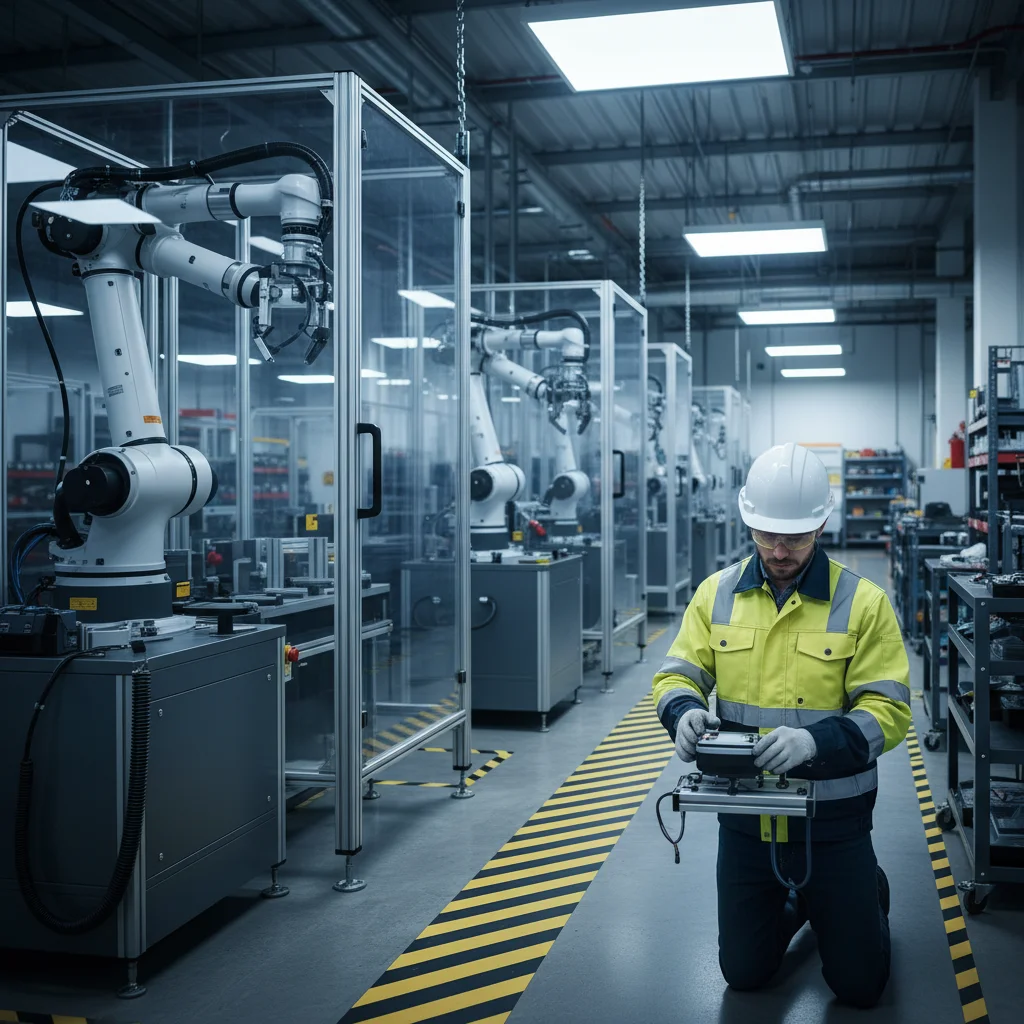
Step 3: Offer Clear Career Advancement Paths
The foundation of long-term employee commitment often boils down to one fundamental element: continuous growth. While competitive salaries and solid benefits can initially attract top talent, creating tangible opportunities for professional evolution is a critical strategy when determining How to decrease Attrition Rates in production fields and manners 2026. Without a visible trajectory to move up the corporate ladder or gain new technical proficiencies, even the most dedicated workers will eventually feel stagnant and seek greener pastures. Manufacturers must realize that factory floor personnel, assembly line technicians, and shift managers all desire a profound sense of upward mobility. By addressing these core human needs for progress and mastery, human resource teams can build a workforce that is not only highly skilled but deeply rooted in the company’s long-term vision.
Mapping Out Transparent Trajectories
To understand How to decrease Attrition Rates in production fields and manners 2026, companies need to stop viewing floor workers as static resources. Instead, plant managers and HR teams should map out transparent career trajectories right from the onboarding stage. When an employee starts as a machine operator, they should immediately see the milestones required to become a shift supervisor, a quality assurance specialist, or an operations manager.
These maps must outline the exact skills, certifications, and tenure expected for each level of advancement. Such clarity eliminates guesswork and office politics, allowing individuals to take control of their own destinies. A recent Vietnam’s Q1 2026 manufacturing market report demonstrated that facilities offering structured advancement guidelines saw a significant jump in employee engagement metrics. If you truly want to master How to decrease Attrition Rates in production fields and manners 2026, creating this transparency is absolutely non-negotiable.
Cross-Training and Skill Diversification
Another critical component to solving How to decrease Attrition Rates in production fields and manners 2026 is robust cross-training. Factory floors have traditionally been highly siloed environments where a worker performs the exact same task for years. Breaking down these silos not only improves operational flexibility but also combats the extreme boredom and burnout that often lead to turnover.
- Implement rotational programs: Allow line workers to shadow other departments like supply chain management or equipment maintenance.
- Offer micro-certifications: Reward employees who master new machinery or software with internal certifications that come with slight pay bumps or upgraded job titles.
- Mentorship assignments: Pair junior staff with senior specialists, giving the younger generation a tangible goal to strive toward.
By diversifying a worker’s skill set, you directly address How to decrease Attrition Rates in production fields and manners 2026 because the employees recognize they are becoming more valuable assets. As noted in The Manufacturers’ Guide to Finding and Retaining Talent by NIST, empowering employees to envision possible career advancement enables supervisors to mentor effectively and ensures operations strengthen from within.
Integrating Technology into Career Development
In today’s fast-paced industrial landscape, career paths must proactively integrate new technological proficiencies. To figure out How to decrease Attrition Rates in production fields and manners 2026, leaders need to incorporate training on automated systems, robotics, and artificial intelligence into the standard career ladder. Production manners are shifting rapidly; an operator who only knows manual assembly is at risk of obsolescence, which creates workplace anxiety and disengagement.
When you provide pathways for manual workers to become automation technicians or data analysts within the same facility, you foster immense loyalty. The exact methodology on How to decrease Attrition Rates in production fields and manners 2026 demands that companies evolve their advancement structures to match the digital transformation of the plant floor.
Providing a clear map for the future keeps teams inspired, but motivation alone cannot sustain an unoptimized work environment. The next crucial step in our guide will examine the importance of prioritizing physical safety and mental well-being in the modern industrial workplace to ensure that the environment itself supports long-term retention.
Step 4: Improve Work-Life Balance Options
Following our exploration of physical and mental safety, the next crucial step in understanding How to decrease Attrition Rates in production fields and manners 2026 involves examining and improving work-life balance. In traditionally rigid manufacturing environments, maintaining an equilibrium between personal life and shift work has often been overlooked. However, modern operational standards indicate that offering adaptable options is a primary driver in retaining top talent. If you are researching How to decrease Attrition Rates in production fields and manners 2026, realizing the connection between personal well-being and professional loyalty is paramount.
In fact, recent data from The Manufacturing Institute’s Engagement and Retention Study shows that work-life balance and job compatibility with personal demands are critical factors for almost 70% of employees when deciding to stay with their current employer. Ignoring these aspects inevitably leads to burnout, low morale, and high turnover.
Implementing Flexible Scheduling in Shifts
When leadership asks How to decrease Attrition Rates in production fields and manners 2026, the first structural change to consider is flexible shift scheduling. Unlike standard corporate roles where remote work is easily implemented, the factory floor requires physical presence. Yet, flexibility is still achievable. Managers can introduce rotational shifts, compressed workweeks, or staggered start times to provide operators with the freedom to manage their personal responsibilities without compromising operational output.
- Compressed Workweeks: Allowing employees to work longer hours over fewer days gives them extended weekends to rest and recover comprehensively.
- Shift Swapping: Developing an internal digital system where workers can effortlessly swap shifts helps accommodate personal emergencies or important family events.
- Part-time and Hybrid Models: For non-line roles such as quality assurance, supply chain logistics, or inventory management, partial remote work can vastly improve overall job satisfaction.
Those studying How to decrease Attrition Rates in production fields and manners 2026 often find that these small degrees of autonomy empower workers, increasing their commitment to the organization and proactively decreasing absenteeism. To understand the broader economic impact of these operational models, you can review the Malaysia Production Field: Market Demand Trend Report 2026?, which highlights how adaptable scheduling aligns perfectly with changing market demands and regional talent expectations.
Fostering a Culture of Well-Being and Time Off
Another fundamental pillar in mastering How to decrease Attrition Rates in production fields and manners 2026 is actively encouraging employees to take their paid time off. In high-pressure industrial environments, workers frequently skip vacations out of fear of falling behind or burdening their peers. HR leaders and line supervisors must lead by example, cultivating an environment where taking a break is not just allowed but actively encouraged for long-term health.
- Mandatory Downtime: Implementing strict internal policies that ensure all staff utilize a minimum percentage of their annual leave without facing any professional stigma.
- On-Site Amenities: Providing comfortable break rooms, modern wellness programs, and quiet spaces so that brief daily breaks on the factory floor are genuinely restorative.
- Family-Centric Policies: Offering improved parental leave and comprehensive childcare support acknowledges that an employee’s family life directly influences their daily work performance.
Ultimately, answering How to decrease Attrition Rates in production fields and manners 2026 relies on seeing the workforce as individual people with diverse lives outside the facility doors. When an organization rescales its operations to respect these personal boundaries, organic loyalty naturally increases, directly countering the industry’s notoriously high turnover trend.
By establishing robust work-life balance frameworks, your industrial facility sets the stage for highly engaged and consistently energized workers. Building upon this solid foundation of well-being, the next step in our guide will explore how investing in continuous career growth, technical upskilling, and transparent progression pathways can further secure your workforce for the long term.
Step 5: Foster a Positive Team Culture
While continuous career growth, technical upskilling, and transparent progression pathways secure your workforce’s long-term capabilities, these elements must be supported by a healthy day-to-day work environment. When looking at How to decrease Attrition Rates in production fields and manners 2026, creating a positive, collaborative, and inclusive culture on the shop floor is just as crucial as providing structural career opportunities. A thriving team culture acts as the glue that binds your workforce together, mitigating the physical and mental stress often associated with manufacturing roles.
Establish Open Lines of Communication
Understanding How to decrease Attrition Rates in production fields and manners 2026 starts with giving employees a voice. In many industrial environments, a persistent disconnect between front-office management and plant-floor operators can foster feelings of alienation and underappreciation. Breaking down these silos requires intentional and consistent communication strategies. By establishing transparent dialogue, managers can identify frustrations before they escalate into turnover.
Consider implementing these communication practices:
- Daily Shift Huddles: Short, focused meetings at the beginning of a shift to discuss goals, address immediate safety concerns, and share company updates.
- Accessible Feedback Channels: Utilize digital platforms or traditional suggestion boxes where employees can anonymously share their ideas for process improvements or air grievances safely.
- Cross-Departmental Meetings: Periodically bring together members from different teams to foster mutual understanding and respect across the entire production line.
Implement Meaningful Recognition Programs
Another critical aspect of How to decrease Attrition Rates in production fields and manners 2026 revolves around appreciation. The repetitive and physically demanding nature of manufacturing means that when hard work goes unnoticed, fatigue and burnout follow closely behind. According to extensive guides on retention strategies for the manufacturing industry, consistent recognition programs can dramatically reduce turnover by making employees feel valued and seen.
Effective recognition does not have to be exclusively monetary. You can build a culture of appreciation through:
- Spotlighting individual or team achievements on a shared recognition board in the breakroom.
- Encouraging peer-to-peer praise where colleagues can nominate each other for demonstrating exceptional teamwork or adherence to safety protocols.
- Celebrating personal milestones, such as work anniversaries or certifications, to show that the company cares about the individual, not just their output.
Promote Work-Life Balance and Well-being
In conversations about How to decrease Attrition Rates in production fields and manners 2026, flexibility is rarely the first concept that comes to mind, given the strict timelines of manufacturing plants. However, production schedules can still be optimized to support a better work-life balance. Providing predictable scheduling, ensuring that overtime is managed fairly, and offering mental health support resources are practical ways to combat exhaustion.
Coupling these wellness initiatives with fair compensation structures ensures a holistic approach to retention. For instance, reviewing insights like What’s the Salary Range for Production Jobs in Vietnam 2026? provides essential context on financial expectations. Even if pay matches the market average, a toxic or overly rigid culture will still drive talent away. Therefore, addressing both financial and cultural needs is mandatory for How to decrease Attrition Rates in production fields and manners 2026.
Leadership Presence on the Shop Floor
Ultimately, knowing How to decrease Attrition Rates in production fields and manners 2026 requires leaders who are visible, approachable, and actively engaged with their teams. When supervisors spend time on the floor, they not only monitor efficiency but also build genuine relationships. A leadership team that models respect, actively listens to concerns, and steps in to assist during critical production bottlenecks earns the deep loyalty of its workforce. By fostering this level of mutual respect, companies can cultivate an environment where employees choose to stay and grow. With a strong cultural foundation in place, the next crucial phase is to align these efforts with modern technological tools that streamline human resources processes and further elevate the employee experience.

Conclusion
As we have explored throughout this comprehensive guide, addressing workforce stability requires a multifaceted approach. For organizations wondering How to decrease Attrition Rates in production fields and manners 2026, the answer lies in seamlessly integrating robust employee retention strategies with cutting-edge human resources technologies. Establishing a supportive environment is essential, but it must be paired with actionable data and modern tools to ensure long-term success. By analyzing current turnover trends and proactively recognizing the signs of employee dissatisfaction, manufacturing leaders can build a resilient, future-ready workforce.
Integrating Technology and Human-Centric Strategies
One of the most effective methods for managing employee retention is leveraging HR technology to track engagement and performance. When leaders ask How to decrease Attrition Rates in production fields and manners 2026, they must look toward data-driven decision-making. Much like the insights found in discussions on How HR Tools Transform Vietnam Logistics by 2026?, implementing intuitive HR software enables production managers to anticipate turnover before it happens. By merging human-centric leadership with technological advancements, companies create an ecosystem where employees feel valued, supported, and continuously engaged.
- Predictive Analytics: Utilizing AI and machine learning to identify flight risks and intervene before top talent decides to leave the company.
- Automated Feedback Loops: Deploying regular pulse surveys to gather real-time sentiment from the shop floor, ensuring that workers’ voices are heard and acted upon.
- Streamlined Upskilling Platforms: Providing digital learning environments where operators and technicians can develop new skills, fostering internal mobility and career growth.
The successful deployment of these technological frameworks is a non-negotiable factor when outlining How to decrease Attrition Rates in production fields and manners 2026. Without the proper tools to measure progress, even the most well-intentioned cultural initiatives may fall short of their desired impact.
Fostering a Lasting Culture of Engagement
Beyond technology, the core of any successful retention strategy is the human element. Exploring How to decrease Attrition Rates in production fields and manners 2026 reveals that frontline workers desire respect, safety, and a clear path for advancement. According to industry experts at McKinsey & Company on retaining manufacturing talent, fostering a culture of inclusion and recognition dramatically reduces the likelihood of voluntary exits. Workers who see a tangible future within their organization are far less likely to seek employment elsewhere.
- Transparent Leadership: Openly communicating company goals, changes, and operational shifts to build trust between management and the production floor.
- Meaningful Recognition: Moving beyond generic rewards to offer personalized acknowledgment for safety milestones, productivity achievements, and innovative problem-solving.
- Holistic Well-being Programs: Addressing the physical and mental toll of manufacturing jobs by offering flexible scheduling where possible, mental health resources, and adequate rest periods.
Leaders who master these cultural elements consistently find themselves succeeding in the quest of How to decrease Attrition Rates in production fields and manners 2026. They understand that competitive compensation only gets candidates through the door; it is the daily work environment that convinces them to stay.
Final Thoughts on Future-Proofing Your Workforce
In closing, navigating the complexities of the modern industrial landscape demands both empathy and innovation. The ultimate blueprint for How to decrease Attrition Rates in production fields and manners 2026 involves a continuous cycle of listening, adapting, and investing in your people. From the warehouse floor to the executive suite, every stakeholder plays a vital role in curbing turnover. By combining the power of advanced HR tools with a deeply ingrained culture of appreciation and development, manufacturers can transform the challenge of attrition into an opportunity for profound organizational growth. Ultimately, when you invest in the potential of your workforce, they will invest their future in you.


































































































