
Understanding the HR Landscape in Singapore’s Production Field
Singapore’s production sector stands as a bedrock of its economy, a vibrant ecosystem encompassing advanced manufacturing, precision engineering, biomedical sciences, chemicals, and electronics. This dynamic landscape demands not just cutting-edge technology and skilled labour but also sophisticated human resource management. In such a high-stakes environment, the ability to generate a comprehensive HR report of production field in Singapore is not merely an administrative task; it’s a strategic imperative. These reports provide invaluable insights into workforce performance, talent acquisition, retention challenges, and operational efficiency, directly impacting the sector’s competitiveness and sustainability on a global stage. By understanding the nuances of HR reporting, businesses can unlock their human capital’s full potential, ensuring agility and resilience in an ever-evolving industrial world.

1. Defining Singapore’s Diverse Production Sector
Singapore’s production sector is renowned for its diversity, technological sophistication, and high value-add. Far from traditional manufacturing, it embraces advanced concepts like Industry 4.0, smart factories, and sustainable production processes. Key sub-sectors include aerospace, where complex components are engineered; biomedical manufacturing, producing pharmaceuticals and medical devices; and electronics, a cornerstone of the global tech supply chain. Precision engineering underpins many of these industries, requiring a highly skilled workforce proficient in automation, robotics, and data analytics. This diversification mitigates risks and creates a robust ecosystem that consistently attracts foreign investment and fosters local innovation. The constant evolution of this sector means HR strategies must be equally adaptive, focusing on continuous upskilling and talent development to meet future demands, making the tracking capabilities of a detailed HR report of production field in Singapore essential for anticipating future workforce needs.
2. The Critical Role of Robust HR Reporting
In Singapore’s competitive production field, robust HR reporting transcends mere compliance; it becomes a strategic tool for operational excellence and long-term growth. Detailed HR report of production field in Singapore offers a data-driven lens into the efficacy of workforce management, allowing leadership to identify trends, mitigate risks, and make informed decisions. For instance, analyzing turnover rates in specific production lines can highlight issues related to workload, management styles, or compensation, prompting targeted interventions. Moreover, in a sector where safety and productivity are paramount, reports on training completion, safety incidents, and skill gaps are crucial for maintaining high standards and preventing disruptions. As Singapore continues to invest heavily in its vital Singaporean manufacturing industry, robust HR reporting helps companies optimize their human capital, ensuring they remain competitive and adhere to stringent regulatory frameworks. This proactive approach ensures that HR functions are not just supportive but integral to achieving business objectives.
3. Key Metrics and Indicators for Production HR Reports
Developing an effective HR report for the production field in Singapore requires focusing on specific, actionable metrics that reflect both human capital health and operational performance. Essential indicators include:
- Attrition and Retention Rates: Tracking how many employees leave and stay, especially in critical skilled roles, provides insights into job satisfaction, compensation competitiveness, and career development opportunities. High attrition can signal underlying issues in workplace culture or leadership.
- Absenteeism Rates: High absenteeism directly impacts production schedules and efficiency. Reports can pinpoint patterns, identify potential health or engagement issues, and inform wellness programs or revised shift management strategies.
- Training and Development Hours: In a rapidly evolving sector, continuous upskilling is vital. Tracking training hours per employee, types of training undertaken, and certification rates demonstrates investment in human capital and readiness for technological shifts.
- Safety Incident Rates (e.g., LTIFR): Critical for production environments, these metrics measure workplace safety, compliance with regulations, and the effectiveness of safety protocols. A declining trend indicates a successful safety culture.
- Productivity Metrics Tied to HR: While primarily operational, HR reports can incorporate metrics like output per employee, cycle time per task, or defects per operator, correlating them with staffing levels, training, and engagement scores.
- Overtime Hours: While sometimes necessary, excessive overtime can lead to burnout and reduced productivity. Monitoring this can inform staffing adjustments or process improvements.
- Employee Engagement and Satisfaction Scores: Surveys and feedback mechanisms provide qualitative data that, when quantified, offer a pulse on morale, motivation, and overall workplace sentiment, directly influencing retention and productivity.
By meticulously tracking and analyzing these indicators, businesses can create a comprehensive HR report of production field in Singapore that serves as a powerful instrument for strategic planning, operational optimization, and ensuring a sustainable, high-performing workforce ready to meet the demands of tomorrow’s manufacturing landscape.
Key Insights and Emerging Trends for 2026
As the global economy navigates rapid technological shifts and evolving workforce dynamics, the production field in Singapore faces a unique set of challenges and opportunities. A comprehensive HR report of production field in singapore reveals critical insights, underscoring the urgent need for strategic HR interventions. For 2026, the focus for Human Resources leaders in Singapore’s manufacturing and production sectors must pivot towards proactive talent management, embracing advanced technologies, and fostering a culture of continuous learning. Delving into specific data and observations from current HR reports, this section highlights what’s new and impactful for the coming year, providing a roadmap for sustaining competitive advantage in a highly dynamic landscape.
-
Talent Acquisition & Retention Strategies in a Tight Market
Singapore’s production sector continues to grapple with a persistently tight labor market, exacerbated by an aging workforce and increasing competition for specialized skills. HR reports consistently point to challenges in attracting and retaining local talent, particularly for roles requiring proficiency in advanced manufacturing techniques and digital literacy. For 2026, successful talent acquisition will hinge on innovative employer branding that showcases career progression pathways, cutting-edge technology adoption, and a commitment to employee well-being. Companies must move beyond traditional recruitment methods, exploring partnerships with vocational institutions and universities to build a robust talent pipeline from an early stage. Retention strategies are equally critical; they extend beyond competitive salaries to encompass comprehensive benefits packages, flexible work arrangements where feasible, and a strong emphasis on creating an inclusive and engaging work environment. The modern production employee in Singapore seeks not just a job, but a career with purpose and opportunities for growth, making sustained investment in employee experience a paramount concern.
-
Impact of Automation, AI, and Industry 4.0 on the Workforce
The acceleration of Industry 4.0 technologies – including automation, artificial intelligence (AI), robotics, and data analytics – is profoundly reshaping the production field in Singapore. Far from merely replacing human labor, these technologies are transforming job roles, demanding new skill sets, and enhancing productivity. Current HR reports highlight a growing divide between organizations that are effectively integrating these technologies and those that risk falling behind. While some repetitive tasks are being automated, there’s a surge in demand for roles focused on operating, maintaining, and programming advanced machinery, as well as data interpretation and process optimization. The Economic Development Board (EDB) of Singapore has consistently championed the transformation of manufacturing, emphasizing advanced manufacturing and a high-value workforce. According to the EDB Singapore: Manufacturing Singapore: Charting the Next Bound, the country’s manufacturing sector is striving to maintain its competitive edge through innovation and technology adoption. This necessitates a proactive approach from HR departments to assess future skill requirements, manage workforce transitions, and communicate the long-term benefits of technological adoption to existing employees.
-
Upskilling and Reskilling Initiatives for Future Readiness
Given the rapid technological advancements and the evolving demands of the production sector, upskilling and reskilling initiatives are no longer optional but a strategic imperative for 2026. HR reports indicate a significant skills gap, particularly in areas like advanced robotics, data science, cybersecurity for operational technology, and predictive maintenance. To bridge this gap, companies in Singapore’s production field must invest heavily in continuous learning programs. This includes establishing internal academies, leveraging government-backed schemes like SkillsFuture, and forming collaborations with training providers and industry associations. The focus should be on practical, hands-on training that equips employees with both technical competencies and essential soft skills such as problem-solving, critical thinking, and adaptability. Proactive HR teams are developing personalized learning pathways, identifying high-potential employees for advanced training, and integrating learning into the daily workflow. By fostering a culture of lifelong learning, organizations can ensure their workforce remains agile, future-ready, and capable of driving innovation in Singapore’s competitive production landscape, ultimately contributing to sustained growth and resilience in the face of ongoing disruption.
Navigating Workforce Challenges in the Production Sector
Singapore’s production sector, a cornerstone of its economy, is a hotbed of innovation and rapid technological advancement. However, this dynamism presents a unique set of hurdles for Human Resources professionals. The relentless pace of change, coupled with evolving global economic landscapes, means HR teams are constantly challenged in their efforts to attract, manage, and retain the diverse talent essential for sustained growth and competitiveness. From recalibrating skill sets to fostering inclusive environments and safeguarding employee well-being, HR leaders in Singapore’s manufacturing and production industries are at the forefront of shaping a resilient and future-ready workforce.

1. Addressing Skill Gaps and Labour Shortages Effectively
The advent of Industry 4.0 technologies—including automation, AI, robotics, and advanced data analytics—has fundamentally reshaped the skill requirements within Singapore’s production sector. HR professionals face the critical task of bridging the widening gap between the skills possessed by the current workforce and those demanded by new, sophisticated manufacturing processes. This includes a scarcity of talent in specialized areas such as additive manufacturing, industrial IoT, and data science, alongside persistent challenges in attracting sufficient local labour for certain operational roles. To counteract these shortages, strategic HR initiatives are crucial. Companies are increasingly investing in robust upskilling and reskilling programmes, often in collaboration with government bodies like SkillsFuture Singapore, to empower employees with future-proof capabilities. Developing a comprehensive HR report of production field in singapore can provide invaluable insights into specific areas of deficiency, allowing for targeted training and recruitment drives. Furthermore, HR must explore innovative talent acquisition strategies, including forging stronger ties with educational institutions and tapping into a broader talent pool. The ongoing transformation highlights the need for continuous learning and adaptation to maintain competitive advantage, as detailed in initiatives like Transforming the Manufacturing Sector through SkillsFuture.
2. Managing Diverse Workforces and Cultural Nuances
Singapore’s reputation as a global hub naturally translates into a highly diverse workforce within its production sector, comprising local talent alongside skilled professionals and migrant workers from various cultural backgrounds. While diversity is a significant asset, it also introduces complexities for HR in terms of management and integration. Challenges range from overcoming language barriers and differing communication styles to harmonising varied work ethics, expectations, and cultural norms. HR professionals are tasked with fostering an inclusive environment where every employee feels valued, respected, and understood. This necessitates the implementation of effective cross-cultural training programmes, the establishment of clear and open communication channels, and the development of fair and equitable HR policies that account for diverse perspectives. Building a cohesive team requires leaders and managers to be equipped with cultural intelligence and empathy, ensuring that diversity translates into enhanced collaboration and innovation rather than friction. Proactive engagement strategies that celebrate cultural differences and promote mutual understanding are key to unlocking the full potential of a multinational production workforce.
3. Employee Engagement, Well-being, and Mental Health Strategies
In the demanding environment of the production sector, employee engagement and well-being have become paramount for talent retention and productivity. Long hours, shift work, physically demanding tasks, and the pressure of meeting production targets can lead to elevated stress levels, burnout, and mental health challenges among staff. HR professionals are increasingly responsible for developing holistic strategies that go beyond traditional compensation and benefits to address these critical aspects. This includes implementing comprehensive employee assistance programmes (EAPs), offering mental health support services, and promoting a healthy work-life balance through flexible work arrangements where feasible. Regular employee feedback mechanisms, recognition programmes, and opportunities for professional growth are vital for boosting engagement and fostering a sense of purpose. Creating a supportive organisational culture where open conversations about well-being are encouraged, and where leaders demonstrate genuine care for their teams, is fundamental. By prioritising the physical and mental health of their workforce, HR can significantly improve job satisfaction, reduce absenteeism, and ultimately cultivate a loyal and highly productive team crucial for the sustained success of Singapore’s production industry.
Strategic HR Initiatives for Sustainable Growth
In the dynamic and competitive landscape of Singapore’s production field, Human Resources (HR) plays an increasingly pivotal role beyond traditional administrative functions. To ensure not only survival but also sustainable growth, HR departments must evolve into strategic partners, driving initiatives that foster resilience, innovation, and productivity. This section proposes actionable strategies and best practices for HR departments to thrive and contribute significantly to the long-term success of manufacturing and production companies in the region. A robust HR report of production field in Singapore consistently highlights the need for proactive HR leadership to navigate global supply chain shifts, technological advancements, and evolving workforce expectations.
1. Leveraging HR Analytics for Data-Driven Decisions
The age of big data has transformed how businesses operate, and HR is no exception. Leveraging HR analytics allows production companies in Singapore to move beyond intuition, making data-driven decisions that optimize workforce performance and strategic planning. By collecting and analyzing HR data – such as recruitment metrics, training effectiveness, attrition rates, performance reviews, and even safety incident reports – organizations can gain invaluable insights. For instance, predictive analytics can identify potential talent flight risks, allowing HR to intervene proactively with retention strategies. Analysis of productivity data correlated with training programs can demonstrate the ROI of learning initiatives, while understanding absence patterns can inform better workforce scheduling. In the fast-paced production environment, this capability ensures that talent investments are strategically aligned with operational goals, minimizing downtime and maximizing output. For a comprehensive overview of industry trends and workforce development needs in the manufacturing sector, insights derived from such analytics are crucial for any detailed HR report of production field in Singapore.
2. Implementing Effective Performance Management Systems
Effective performance management systems are fundamental to driving productivity and employee engagement within the production field. Moving beyond traditional annual reviews, modern systems emphasize continuous feedback, transparent goal setting, and ongoing development discussions. For production workers, this means setting clear, measurable objectives tied directly to production targets, quality standards, and safety protocols. Regular check-ins allow managers to provide real-time coaching, address performance gaps promptly, and recognize achievements, fostering a culture of accountability and continuous improvement. Such systems should also incorporate 360-degree feedback, allowing peers and subordinates to contribute to a holistic view of performance. When employees understand how their individual contributions align with organizational goals, their motivation and productivity soar. This approach not only enhances individual performance but also contributes to a more skilled and committed workforce, a key factor often underscored in an HR report of production field in Singapore focusing on operational excellence.
3. Fostering a Culture of Continuous Learning and Development
The rapid pace of technological innovation, particularly with Industry 4.0 advancements in automation and digitalization, demands that the workforce in the production field is constantly learning and adapting. Fostering a culture of continuous learning and development is therefore paramount for sustainable growth. HR departments must design and implement robust training programs that address current skill gaps and prepare employees for future roles. This includes reskilling initiatives for new machinery operation, upskilling in areas like data analysis for predictive maintenance, and soft skills training for improved teamwork and problem-solving. Blended learning approaches, incorporating on-the-job training, e-learning modules, and workshops, can cater to diverse learning styles and schedules. Investing in employee growth not only enhances operational efficiency and safety but also significantly boosts morale, reduces turnover, and positions the company as an employer of choice. The proactive development of a skilled workforce is a critical component for the long-term viability and competitiveness of Singapore’s manufacturing sector, as outlined in various government initiatives and labor reports by entities like the Ministry of Manpower. Understanding the nuances of the manufacturing sector’s unique HR challenges and opportunities, including specific employment practices, is vital for driving such initiatives effectively. This commitment to talent development is a defining characteristic of high-performing organizations, ensuring they remain agile and competitive, a theme consistently echoed in any forward-looking HR report of production field in Singapore.
Future Outlook: The HR Report of Singapore’s Production Field Post-2026
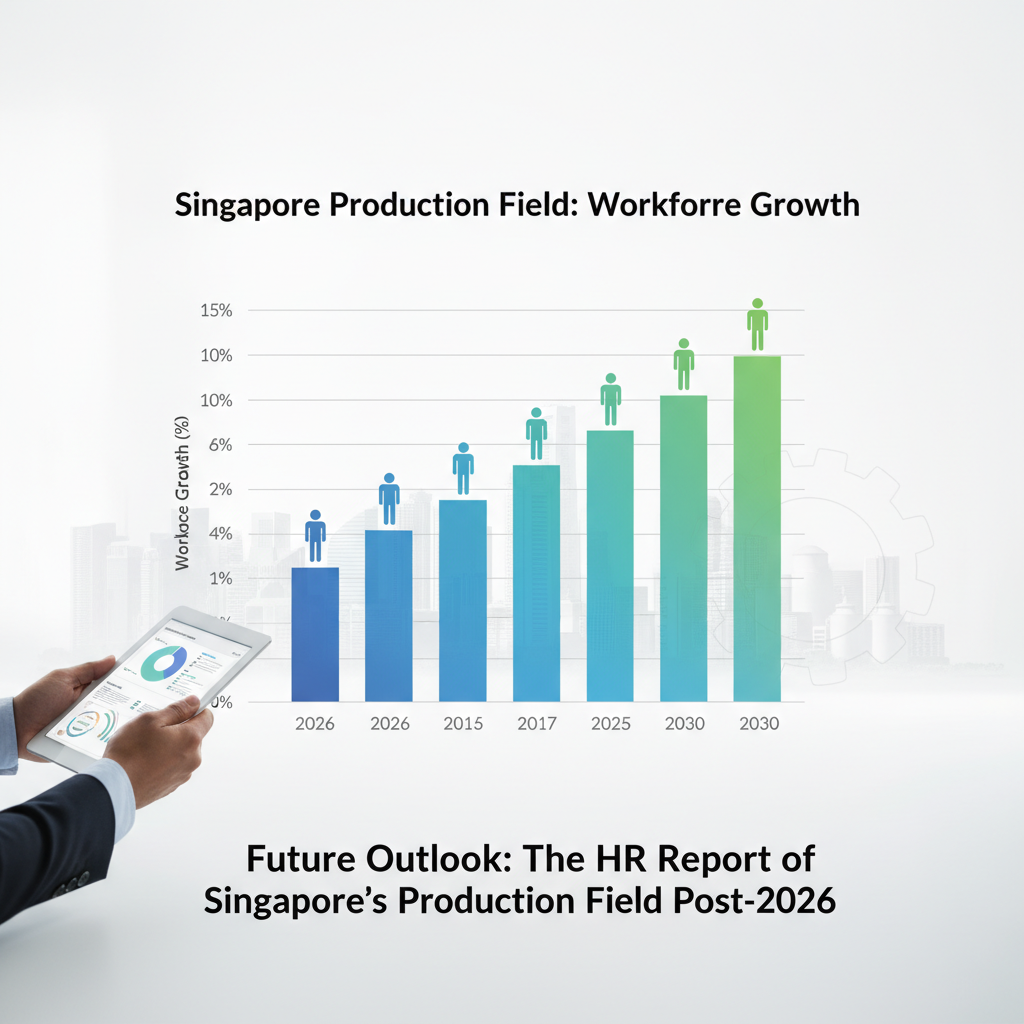
As Singapore’s production field hurtles towards 2026 and beyond, the human resources (HR) landscape is poised for significant transformation. Driven by advancements in technology, evolving global market demands, and a heightened emphasis on sustainability, the strategic role of HR will become even more critical. This forward-looking section of our HR report of production field in Singapore delves into predictions, long-term implications, and offers actionable recommendations to ensure the continued success and resilience of this vital sector.
1. Predicting Future Workforce Demands and Adaptability
The post-2026 era for Singapore’s production field will be defined by an accelerating adoption of Industry 4.0 technologies – artificial intelligence (AI), robotics, automation, and the Internet of Things (IoT). While these innovations promise enhanced productivity and efficiency, they simultaneously reshape the very nature of work and the required skill sets. HR will face the paramount challenge of anticipating and addressing emerging skill gaps. The demand for roles focused on data analytics, AI deployment, automation maintenance, cybersecurity, and advanced manufacturing processes will skyrocket, while routine, repetitive tasks will diminish. This necessitates a proactive and robust approach to workforce planning, focusing on reskilling and upskilling initiatives. Singapore’s existing skills transformation frameworks, such as SkillsFuture, will play an even more vital role, requiring continuous adaptation to meet dynamic industry needs. HR departments must champion a culture of continuous learning, fostering adaptability and resilience among employees. Furthermore, the workforce itself will become more diverse, with a blend of full-time employees, freelancers, and project-based talent, demanding flexible HR policies and robust talent management systems that cater to varied work arrangements and employee expectations. Attracting and retaining top talent in a competitive global landscape will hinge on an organization’s ability to offer not just competitive remuneration, but also opportunities for growth, meaningful work, and a supportive environment.
2. The Growing Role of ESG (Environmental, Social, Governance) in HR
ESG factors are rapidly transcending mere corporate social responsibility; they are becoming fundamental to business strategy and, by extension, HR practices in the production field. Post-2026, HR will be instrumental in integrating ESG principles into every facet of the employee lifecycle. Environmentally, HR will support green initiatives by identifying and developing “green skills” – expertise in sustainable production, waste reduction, and energy efficiency. This includes training on eco-friendly manufacturing processes and promoting a sustainable workplace culture. Socially, the focus will intensify on worker well-being, diversity, equity, and inclusion (DEI). HR will be responsible for creating inclusive environments that attract and retain a diverse workforce, ensuring fair labor practices, safe working conditions, and promoting mental health and work-life balance. Transparent reporting on social metrics, such as gender pay gaps, employee turnover, and training hours, will become standard. From a Governance perspective, HR will uphold ethical recruitment practices, ensure compliance with labor laws and international standards, and foster a culture of integrity and accountability throughout the organization. Companies with strong ESG credentials will not only mitigate risks and enhance their reputation but also gain a significant competitive edge in attracting a new generation of talent who increasingly prioritize ethical and sustainable employers. HR’s role will shift from purely administrative to a strategic partner in embedding ESG values deeply within the organizational DNA.
3. Recommendations for Policy Makers and Businesses
For Singapore’s production field to thrive beyond 2026, a concerted effort from both policy makers and businesses is essential. Policy makers should continue to invest heavily in national upskilling and reskilling initiatives, ensuring that education and training programs are agile enough to respond to emerging technological demands. Incentives for businesses adopting advanced manufacturing technologies and sustainable practices should be expanded, coupled with support for small and medium-sized enterprises (SMEs) in their digital and green transitions. Reviewing existing labor laws to accommodate more flexible work arrangements and alternative employment models will also be crucial for talent mobility and adaptability. Furthermore, fostering greater collaboration between industry, academia, and government agencies can create a robust ecosystem for innovation and talent development.
For businesses, the mandate is clear: proactive HR strategies are no longer optional but imperative. Companies must conduct regular workforce capability assessments to identify future skill needs and invest significantly in internal training programs, apprenticeships, and partnerships with educational institutions. Embracing automation and AI should be seen as an opportunity to augment human capabilities, not replace them, requiring careful change management and communication. Developing a strong employer brand that highlights commitment to ESG principles will be vital for talent attraction and retention. This includes transparent reporting, robust DEI programs, and a genuine focus on employee well-being. Finally, building resilient HR structures that can navigate future disruptions – be they technological, economic, or environmental – will ensure the long-term success of individual firms and the overall vitality of Singapore’s production sector. By proactively addressing these evolving HR challenges, Singapore can maintain its leading edge in the global manufacturing landscape.
Partner with Shelby Global
You are looking for reliable HR Sevice Suppliers? Contact Shelby Global Now! To connect with verified talents and upgrade your orginization.
—————————————
References
– Manufacturing Industry – EDB Singapore: https://www.edb.gov.sg/en/our-industries/manufacturing.html
– EDB Singapore: Manufacturing Singapore: Charting the Next Bound: https://www.edb.gov.sg/en/news-and-events/in-the-news/article-singapore-manufacturing-charting-the-next-bound.html
– Transforming the Manufacturing Sector through SkillsFuture: https://www.skillsfuture.gov.sg/news-and-articles/media-articles/2021/october/transforming-the-manufacturing-sector-through-skillsfuture
– Ministry of Manpower Singapore – Employment Practices in Manufacturing Sector: https://www.mom.gov.sg/employment-practices/sector-specific-employment-practices/manufacturing
– World Economic Forum – The Future of Jobs Report 2023: https://www.weforum.org/reports/the-future-of-jobs-report-2023/



































































































