Introduction
The digital economy is evolving at an unprecedented pace, and as we navigate this transformative year, understanding How to apply AI technology for SMEs in Ecommerce field in India 2026 has become the ultimate priority for business owners. With the Indian e-commerce market projected to surpass the US$ 145 billion mark soon and aiming for even greater milestones, small and medium-sized enterprises (SMEs) are no longer just competing with local vendors. They are up against global giants equipped with cutting-edge technological frameworks and algorithmic intelligence. In this highly competitive landscape, relying on manual processes and traditional business workflows is a surefire way to lose market share. Today, Artificial Intelligence is not just a corporate buzzword but an accessible, transformative tool that effectively levels the playing field for smaller, agile businesses.
For modern entrepreneurs and digital merchants, mastering How to apply AI technology for SMEs in Ecommerce field in India 2026 means looking far beyond basic automation. It involves implementing intelligent systems capable of predicting consumer behavior, optimizing supply chain logistics, and delivering hyper-personalized shopping experiences at scale. The democratization of AI tools—backed by cloud-based platforms and robust government digital initiatives—has made these advanced solutions more affordable and easier to implement than ever before. Rather than requiring multi-million dollar tech budgets, today’s AI-as-a-service platforms empower SMEs to plug and play sophisticated algorithms directly into their existing online storefronts.
The Rising Importance of AI Integration
The strategic urgency surrounding How to apply AI technology for SMEs in Ecommerce field in India 2026 is largely driven by shifting consumer expectations and logistical demands. Today’s Indian consumers expect seamless interactions, instant customer service via intelligent chatbots, and lightning-fast delivery times. If an SME fails to meet these expectations, the modern shopper will simply click away to a competitor. In fact, according to recent insights shared by the India Brand Equity Foundation (IBEF), generative artificial intelligence could enhance productivity in India’s retail industry by up to 35-37% by 2030. By leveraging AI, SMEs can automate first-level customer inquiries, implement dynamic pricing models, and utilize predictive analytics to ensure they never run out of top-selling inventory. The cost of inaction is severe; businesses delaying AI adoption risk significantly higher operational costs and reduced profitability.
Moreover, the strategic approach to How to apply AI technology for SMEs in Ecommerce field in India 2026 mirrors global and cross-industry trends where smart algorithms are radically reshaping core operations. For context, just as intelligent automation is revolutionizing the tourism and hospitality sector—detailed extensively in our guide on How Will AI Agents Transform Vietnam Travel by 2026?—the retail and digital commerce ecosystems in India are experiencing a remarkably similar wave of AI-driven disruption. The primary focus is rapidly shifting from whether to adopt AI to how quickly and efficiently it can be seamlessly integrated into everyday business processes to maintain a distinct competitive edge.
Core Benefits for the E-commerce Sector
When ambitious business leaders ask How to apply AI technology for SMEs in Ecommerce field in India 2026, they are essentially looking for actionable pathways to improve their bottom line. The operational benefits are manifold and immediate. First, AI-powered predictive logistics allow online sellers to select the fastest, most cost-effective shipping routes, thereby dramatically reducing failed delivery attempts. Second, visual search capabilities and augmented reality (AR) try-ons, which were once completely exclusive to major platforms, are now widely available as plug-and-play solutions for SMEs, drastically enhancing the user’s shopping experience. Finally, generative AI tools help merchants effortlessly craft compelling product descriptions, localized marketing campaigns, and highly targeted email newsletters without the need to hire a massive, expensive creative team.
What to Expect in This Guide
This comprehensive blog post will serve as your ultimate roadmap for navigating the complexities of digital retail transformation. We will explore step-by-step How to apply AI technology for SMEs in Ecommerce field in India 2026, breaking down the essential tools, proven strategies, and industry best practices tailored specifically for the fast-paced Indian market. From optimizing initial customer acquisition channels to streamlining complex backend logistics, the following sections will equip you with the deep knowledge needed to turn artificial intelligence into your most valuable business asset. Let us dive directly into the foundational technologies and immediate steps your SME can take today to thrive in the dynamic, AI-first commerce landscape.
Step 1: Assess Your SME Ecommerce Bottlenecks
Before adopting artificial intelligence, you must first take a critical look at your existing operations. The first step in understanding How to apply AI technology for SMEs in Ecommerce field in India 2026 is identifying exactly where your business currently struggles. For many small and medium-sized enterprises (SMEs), these bottlenecks often manifest as rising customer acquisition costs, frequent stockouts, high return rates, and delayed deliveries. By clearly mapping out these friction points, you can avoid investing in vanity metrics and instead focus on AI solutions that solve real business problems.
When business leaders ask How to apply AI technology for SMEs in Ecommerce field in India 2026, they frequently overlook the importance of a comprehensive audit. AI is not a magic wand that instantly fixes poor business processes; rather, it is an amplifier of efficiency. Therefore, you must document your daily, weekly, and monthly pain points. Do your customer support representatives spend hours answering repetitive questions? Are your warehouse workers struggling with manual order fulfillment? Recognizing these limitations forms the bedrock of a successful AI integration strategy.
Identify Operational Inefficiencies
Operational bottlenecks are the silent killers of profit margins in the ecommerce sector. As you explore How to apply AI technology for SMEs in Ecommerce field in India 2026, start by auditing your backend operations. Look at your data entry procedures, order processing workflows, and employee allocation. Often, SMEs rely on outdated, manual spreadsheet tracking, leading to human errors and slowed dispatch times. According to recent reports on the state of the industry by the India Brand Equity Foundation (IBEF), the rapid growth of the digital retail landscape demands automated, error-free operational frameworks. AI-driven automation tools can replace repetitive tasks, allowing your workforce to focus on strategic growth rather than monotonous data logging.
Furthermore, internal team dynamics play a huge role in overcoming bottlenecks. If you are curious about broader tech transformations in the region, you might find it useful to read about How AI Agents Affect Singapore’s Tech Field by 2026?. Understanding these cross-border technological shifts can inspire innovative approaches to handling your own backend hurdles.
Evaluate Customer Experience Gaps
The modern Indian consumer expects immediate responses, hyper-personalized recommendations, and a seamless checkout process. If your store has a high bounce rate or an alarming cart abandonment rate, these are critical bottlenecks. When decoding How to apply AI technology for SMEs in Ecommerce field in India 2026, evaluating your customer journey is paramount. Where do shoppers drop off? Are they unable to find specific products due to a clunky search function? Are they leaving because shipping costs are calculated too late in the checkout phase?
Using basic analytics tools to map the user journey will reveal where human intervention falls short. For instance, if queries regarding return policies go unanswered during off-hours, you are losing sales. This is exactly where understanding How to apply AI technology for SMEs in Ecommerce field in India 2026 becomes highly practical. Identifying these customer experience gaps sets the stage for deploying conversational AI chatbots and intuitive search algorithms later on.
Analyze Supply Chain and Inventory Flaws
Finally, your inventory management and supply chain logistics must be heavily scrutinized. Overstocking ties up valuable capital, while understocking drives frustrated buyers to your competitors. Figuring out How to apply AI technology for SMEs in Ecommerce field in India 2026 involves reviewing your historical sales data to spot patterns of misalignment between supply and demand. Are you constantly facing delayed vendor shipments or unpredictable logistics costs?
In addition to stock issues, reverse logistics represent a massive operational and financial drain. Many Indian SMEs face high return rates in categories like apparel and electronics. Tracking the exact reasons for these returns—whether due to sizing issues, damaged goods, or delayed shipping—is crucial. Mapping out the return journey will highlight the precise bottlenecks where machine learning algorithms could eventually step in to verify product quality, predict return likelihood, or suggest better sizing options to users before they even hit the purchase button.
By assessing how often inventory forecasts miss the mark, you outline a clear use-case for predictive analytics. Once you have a documented list of these specific weaknesses—from poor customer response times to inefficient stock keeping—you are ready to move forward. With your core bottlenecks clearly identified, you can seamlessly transition into the next phase: choosing the right intelligent tools to turn these weaknesses into competitive advantages.
Step 2: Choose Cost-Effective AI Integration Tools
Once you have identified your core operational bottlenecks, the next logical phase in your digital transformation is selecting the right software suite. Knowing How to apply AI technology for SMEs in Ecommerce field in India 2026 hinges entirely on deploying tools that deliver immediate ROI without draining your limited budgets. With the rapid evolution of digital infrastructure and SaaS ecosystems tailored for the subcontinent, small businesses no longer need enterprise-level capital to access machine learning algorithms, generative content creators, or predictive analytics.
Focus on Accessible SaaS Platforms and Plug-and-Play Solutions
The primary barrier to advanced tech adoption has historically been the high cost of custom development. However, mastering How to apply AI technology for SMEs in Ecommerce field in India 2026 means leaning heavily into Software-as-a-Service (SaaS) and plug-and-play applications. These cloud-based platforms offer subscription models that drastically lower the barrier to entry. For example, instead of building a proprietary recommendation engine from scratch, Indian retail entrepreneurs can utilize affordable plugins that sync instantly with their existing Shopify, WooCommerce, or custom-built online storefronts.
When searching for these tools, prioritize solutions that offer robust customer support and localized pricing. Localized tools often come equipped to handle regional dialects, multiple payment gateways, and uniquely Indian logistical nuances. Exploring resources provided by leading local logistics platforms like Shiprocket, which recently highlighted the top AI tools for daily e-commerce operations, can help you discover platforms perfectly tailored for optimizing inventory management, automated shipping processes, and dynamic customer communication. In essence, understanding How to apply AI technology for SMEs in Ecommerce field in India 2026 involves matching these local solutions directly to your specific market demands.
Ensure Seamless CRM and Inventory Integrations
A crucial factor in figuring out How to apply AI technology for SMEs in Ecommerce field in India 2026 is ensuring that your new intelligent tools can communicate seamlessly with your existing software stack. An AI chatbot that cannot pull live inventory data from your warehouse system will only frustrate shoppers. Look for artificial intelligence integrations that offer seamless API connections to your current Customer Relationship Management (CRM) software and Enterprise Resource Planning (ERP) databases. Key areas to focus on include:
- Real-time inventory synchronization across all sales channels.
- Automated customer follow-ups and personalized email workflows.
- Predictive analytics for seasonal demand forecasting.
Many business owners wonder about the crossover of these technological methodologies into other sectors and regions. For instance, analyzing How AI Agent Effect to Production Field in Malaysia by 2026? reveals striking similarities. Whether it is an online retail store in Mumbai or a manufacturing hub in Kuala Lumpur, seamless integration between AI agents and core operational software remains the defining factor of success. This interconnected framework minimizes manual data entry and significantly reduces the likelihood of human error.
Emphasize Scalability and User-Friendly Interfaces
The ultimate goal for any growing enterprise is to scale operations efficiently. As you strategize on How to apply AI technology for SMEs in Ecommerce field in India 2026, it is vital to select tools that can grow alongside your business volume. An intelligent marketing automation tool that handles 500 email queries a month must be able to manage 50,000 queries flawlessly when your holiday sales reach their peak.
Furthermore, user adoption among your internal team is just as important as the technology itself. If the chosen tools are overly complex, your staff will resist using them, effectively nullifying the investment. Therefore, a critical component of learning How to apply AI technology for SMEs in Ecommerce field in India 2026 is prioritizing intuitive dashboards, low-code or no-code environments, and comprehensive training modules. Tools designed with the end-user in mind will accelerate your team’s transition and foster an innovation-first workplace culture.
With an arsenal of cost-effective, scalable, and highly integrated intelligent tools at your disposal, your business is primed to automate repetitive administrative tasks and vastly enhance customer satisfaction. As we move forward into the next critical step, we will explore how to properly structure and clean your business data so these powerful new tools can perform at their maximum potential.
Step 3: Automate Customer Support with AI Chatbots
As your business data becomes meticulously structured and ready for action, the logical next phase in How to apply AI technology for SMEs in Ecommerce field in India 2026 is completely transforming your customer service layer. Customers in the modern digital age demand instant gratification, expecting quick and accurate responses regardless of the time of day. For a growing small to medium enterprise, expanding a human support team to meet these round-the-clock expectations is often financially prohibitive. This is exactly where advanced conversational agents come into play, serving as an essential pillar when considering How to apply AI technology for SMEs in Ecommerce field in India 2026.
The Power of 24/7 Multilingual Support and Instant Resolution
India’s remarkably diverse linguistic landscape presents a unique challenge for online retailers. A major aspect of How to apply AI technology for SMEs in Ecommerce field in India 2026 involves utilizing Natural Language Processing (NLP) to break down these language barriers. Today’s conversational agents do not just speak English; they seamlessly switch between Hindi, Tamil, Bengali, Marathi, and other regional languages, ensuring a highly localized shopping experience.
- Immediate Responses: Recent industry metrics indicate that a massive percentage of online shoppers expect a response within five minutes. AI bots handle this high volume effortlessly, dramatically reducing cart abandonment rates.
- Cost Reduction: Implementing intelligent bots can drastically decrease the average cost per resolved ticket. Instead of paying a human agent for every routine order-tracking query, the system automatically fetches the necessary shipping data.
- Intelligent Escalation: The AI acts as a reliable first line of defense. It effectively filters out 60 to 70 percent of basic inquiries and only escalates complex, sensitive grievances to human representatives equipped to handle them.
Seamless Integration with WhatsApp and Local Payment Systems
If you genuinely want to master How to apply AI technology for SMEs in Ecommerce field in India 2026, you cannot ignore the platforms where Indian consumers spend most of their digital lives. WhatsApp is essentially the digital storefront for millions of buyers. Advanced bots now integrate directly into the WhatsApp Business API to facilitate smooth transactions.
- Order Tracking on WhatsApp: Customers can simply text a dedicated business number to get real-time shipping updates without logging into a separate portal.
- UPI and Payment Gateways: The latest systems can push secure Razorpay, PhonePe, or Paytm links directly within the chat interface, enabling seamless checkouts without the user ever leaving the messaging app.
- Vernacular Voice Notes: Cutting-edge tools are beginning to process regional voice notes, understanding the code-mixed Hindi-English (Hinglish) that is so incredibly common across the region.
According to recent industry analysis on AI tools for business in 2026, native integrations with Indian payment systems and conversational apps are precisely what separate generic tech solutions from true revenue-driving infrastructure.
Shifting from Reactive Support to Proactive Sales
A fundamental mindset shift is required to fully grasp How to apply AI technology for SMEs in Ecommerce field in India 2026. Customer service is no longer just an operational cost center; it is a proactive revenue-generating engine. Intelligent virtual assistants can monitor a user’s browsing behavior and proactively intervene. If a customer lingers on a checkout page, the bot can offer a time-sensitive discount code or answer specific sizing queries before the buyer abandons their cart.
Furthermore, as these highly repetitive tasks are fully automated, business owners can completely rethink their internal resource allocation. By drastically reducing the need for massive customer service teams, leadership can focus their budgets on high-level strategic hires. While our focus remains firmly on the Indian market, comparing regional strategies, such as exploring a New Retail CEO: Step-by-Step SME HR Structure in Malaysia 2026?, can offer excellent insights into how automated support frees up capital to build leaner, more specialized management teams across Asian markets.
Ultimately, successfully integrating How to apply AI technology for SMEs in Ecommerce field in India 2026 requires viewing these chatbots not just as static FAQ answerers, but as an always-on digital workforce that drives conversion, builds lasting loyalty, and scales effortlessly during peak festival seasons.
With your customer interactions now highly automated and intelligently managed to ensure complete satisfaction, your next major opportunity lies hidden within the supply chain. Ensuring that the products your bots are aggressively selling are actually in stock and delivered efficiently brings us to our next critical phase: optimizing inventory and logistics operations.
Step 4: Implement AI for Inventory Prediction
Once your marketing and sales engines are heavily optimized with artificial intelligence, you must address the backend operations. Ensuring that your products are consistently available without tying up excessive working capital is a delicate balancing act. As Indian consumers become more accustomed to rapid delivery times, out-of-stock messages can permanently damage a brand’s reputation. Understanding How to apply AI technology for SMEs in Ecommerce field in India 2026 is critical at this juncture, as manual stock counting and basic spreadsheet predictions are no longer sufficient to keep up with dynamic consumer demands and complex multichannel fulfillment.
In the highly competitive Indian market, where festive sales spikes and regional purchasing differences create massive supply chain fluctuations, relying on outdated methods leads to costly stockouts or overstocking. Mastering How to apply AI technology for SMEs in Ecommerce field in India 2026 means shifting from a reactive approach to a predictive one. Artificial intelligence empowers smaller merchants to accurately forecast demand, ensuring the right product is at the right warehouse at exactly the right time.
The Mechanics of Predictive Analytics in Warehousing
Small and medium enterprises often hesitate to upgrade their supply chain software, assuming that advanced machine learning models are reserved for global retail giants. However, figuring out How to apply AI technology for SMEs in Ecommerce field in India 2026 is becoming increasingly accessible. Cloud-based platforms now integrate directly with popular ecommerce dashboards to offer seamless inventory tracking.
To successfully integrate these smart tools, SMEs should follow these foundational steps:
- Consolidate Historical Data: Gather your past sales data, seasonal trends, and promotional periods into a single database. The AI model needs this information to recognize buying patterns.
- Analyze External Variables: Modern systems factor in external data such as local weather, upcoming festivals (like Diwali or Holi), and economic shifts to refine their forecasts.
- Automate Replenishment: Set up intelligent triggers that automatically reorder fast-moving items before they run out. According to insights on AI-driven inventory management from IBM, automated replenishment significantly reduces the risk of understocking and overstocking by adapting to real-time market fluctuations.
- Monitor Supplier Performance: AI tools can track lead times and evaluate the reliability of your vendors, alerting you to potential supply chain bottlenecks before they impact your customers.
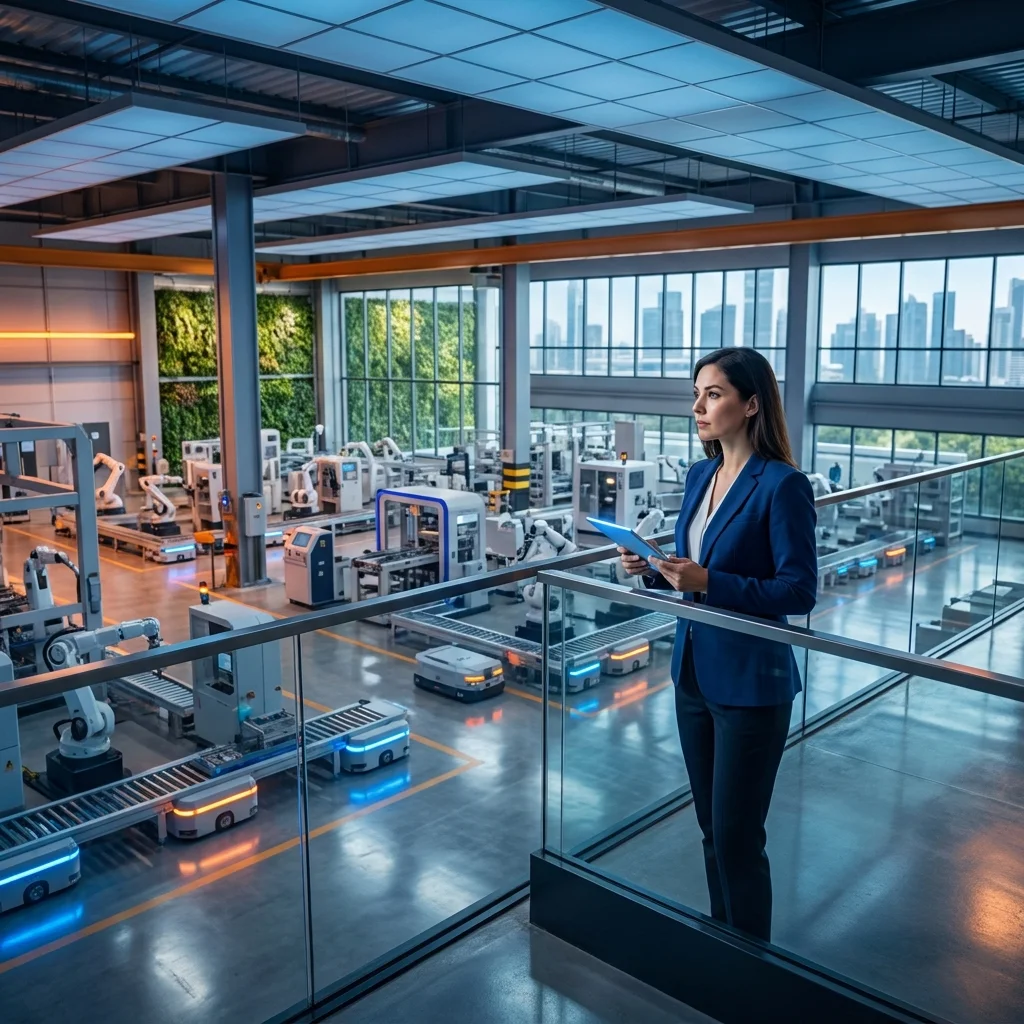
Through these steps, learning How to apply AI technology for SMEs in Ecommerce field in India 2026 becomes a streamlined process rather than an overwhelming IT overhaul. AI not only minimizes the physical holding costs but also maximizes the profitability of every square foot of your storage facility. This level of automation means your human workforce is no longer bogged down by tedious data entry, allowing them to concentrate on strategic vendor negotiations and business expansion.
Cross-Border Learning and Financial Optimization
Looking at technological adoption across borders can provide a solid blueprint for Indian merchants. For instance, evaluating How AI Agents Affect Singapore’s Tech Field by 2026? reveals that businesses embracing automation experience drastically lowered overhead costs and improved agility. Indian ecommerce brands can replicate this success by utilizing AI agents to manage supplier communications, track shipping delays, and dynamically adjust inventory levels based on real-time logistics constraints.
When you fully grasp How to apply AI technology for SMEs in Ecommerce field in India 2026, you also protect your profit margins from inflation and volatile shipping costs. The machine learning algorithms can recommend the most cost-effective shipping routes and procurement schedules, directly boosting your bottom line. Furthermore, discovering How to apply AI technology for SMEs in Ecommerce field in India 2026 ensures that your capital is never locked up in stagnant inventory, giving you the financial freedom to invest in product growth and aggressive marketing campaigns.
With an AI-powered inventory system securing your backend operations, your team can operate with the confidence that supply will seamlessly meet demand. This operational stability sets the perfect foundation for the next phase of your digital transformation. Once your logistics are running autonomously, you can shift your focus toward maximizing the lifetime value of every buyer, which leads us directly to the strategies required for AI-driven customer retention and personalized support.
Step 5: Track ROI and Scale AI Solutions
While maximizing the lifetime value of every buyer autonomously is a powerful capability, shifting your focus toward the financial impact of these tools is the logical next priority. You cannot truly master How to apply AI technology for SMEs in Ecommerce field in India 2026 without a strict framework for tracking Return on Investment (ROI) and a strategy for scaling your solutions. Many smaller enterprises fall into the trap of deploying intelligent tools without continuously measuring their bottom-line impact. To build a sustainable and profitable technical ecosystem, scaling must be driven by hard data rather than industry hype.
Establish Clear Baselines and Core Metrics
Before expanding any artificial intelligence pilot, you need to prove its financial and operational value. A core component of How to apply AI technology for SMEs in Ecommerce field in India 2026 is establishing clear performance baselines before deployment. Without knowing your pre-implementation numbers, it is impossible to calculate true uplift. Retail and ecommerce managers should monitor specific metrics to evaluate success effectively:
- Customer Acquisition Cost (CAC): Assess whether generative ad campaigns, automated A/B testing, and intelligent targeting have reduced the overall cost of acquiring a new shopper.
- Average Order Value (AOV): Measure if personalized product recommendations and dynamic upselling algorithms are successfully encouraging customers to spend more per transaction.
- Operational Cost Savings: Calculate the exact workforce hours saved by automating repetitive tasks such as customer support queries, inventory forecasting, and manual data entry.
For more comprehensive methodologies on tracking these financial shifts, industry leaders recommend reviewing actionable guides on generating AI ROI, which highlight the importance of factoring in both direct revenue growth and indirect cost reductions. Understanding these financial nuances is critical when considering How to apply AI technology for SMEs in Ecommerce field in India 2026 efficiently without draining your quarterly budget.
Transition from Pilot Projects to Broad Adoption
Once you have validated the ROI of your initial deployments—perhaps a predictive inventory system or an automated support widget—it is time to scale. The answer to How to apply AI technology for SMEs in Ecommerce field in India 2026 lies in expanding these isolated pilots into interconnected, business-wide systems. For example, the behavioral data collected by your customer service chatbot should directly inform your automated marketing campaigns and supply chain predictions.
Scaling requires a highly integrated approach. You should explore unifying your data streams so that marketing, sales, and supply chain tools communicate seamlessly in real-time. Interestingly, looking at regional neighbors can provide excellent blueprints for this level of integration. If you want to understand broader regional shifts, you might read about How Will AI Agents Transform Singapore’s Ecommerce by 2026?. The automation lessons learned in similar competitive Asian markets are highly applicable when mapping out How to apply AI technology for SMEs in Ecommerce field in India 2026.
Overcoming Common Scaling Roadblocks
As you expand these advanced technologies across your entire operation, you will inevitably encounter friction. Scaling intelligent systems requires not just extensive technical bandwidth but profound cultural alignment within your team. Staff members might feel overwhelmed by new digital interfaces or naturally fear role displacement.
- Provide continuous training programs to help employees transition from manual operators to strategic supervisors of intelligent agents.
- Invest in robust data security protocols and scalable cloud infrastructure to seamlessly handle the increased processing demands of complex algorithms.
- Regularly audit your machine learning models for bias and performance degradation to ensure the automated output remains highly relevant and culturally appropriate for the dynamic Indian consumer market.
When enterprise leadership prioritizes transparency and continuous education, the entire organization can confidently embrace these next-generation tools. Mastering How to apply AI technology for SMEs in Ecommerce field in India 2026 ultimately means cultivating an agile workforce that leverages machine intelligence to outperform larger, better-funded competitors. By systematically tracking your financial returns and scaling cautiously but deliberately, you set the stage for long-term market dominance. This data-driven expansion seamlessly prepares us for the final phase of your transformation journey: navigating complex ethical considerations and preparing for future innovations.

Conclusion
As we wrap up this comprehensive guide, understanding How to apply AI technology for SMEs in Ecommerce field in India 2026 is no longer just a theoretical exercise; it is an urgent business imperative. The digital retail landscape is evolving at a breakneck pace, and artificial intelligence has transitioned from a futuristic luxury to a foundational requirement for sustainable growth. By prioritizing intelligent automation, hyper-personalized customer experiences, and predictive supply chain management, small and medium enterprises can now punch above their weight class and compete with global retail giants. However, technology alone cannot drive transformation. True success requires a holistic strategy that combines ethical integration, continuous innovation, and the right human capital framework to oversee these advanced systems.
Ensuring Ethical and Transparent AI Integration
When determining How to apply AI technology for SMEs in Ecommerce field in India 2026, business leaders must place a strong emphasis on data privacy and ethical usage. Indian consumers are becoming increasingly aware of how their digital footprints are tracked and utilized. Therefore, deploying machine learning algorithms comes with the responsibility of securing sensitive customer data and ensuring transparency. Algorithms must be audited regularly to prevent biases in product recommendations or dynamic pricing models. Cultivating trust through transparent data policies ensures that your tech investments enhance customer loyalty rather than alienating your core audience.
Moreover, maintaining ethical standards requires a dedicated and well-structured workforce. You need professionals who can bridge the gap between technical execution and ethical compliance. Just as leaders in other robust tech markets are rethinking their organizational designs—a concept explored in our resource on Why HR structures for SMEs CEO in IT field in Singapore 2026?—Indian online retail businesses must also evolve their internal hierarchies. Building a team that understands both the operational capabilities and the moral responsibilities of automated systems will safeguard your brand’s reputation and long-term viability.
Preparing for the Next Wave of Innovations
Looking ahead, the roadmap for How to apply AI technology for SMEs in Ecommerce field in India 2026 involves staying agile and preparing for the next wave of disruptive innovations. Technologies such as augmented reality (AR) virtual try-ons, voice-activated shopping assistants, and hyper-local predictive logistics are becoming more accessible to smaller brands. According to insights from the Economic Times SME portal, the adoption of generative tech tools for automated marketing and catalogue management is rapidly accelerating across the subcontinent. To leverage these advancements, your business infrastructure must be built on scalable cloud platforms that can seamlessly integrate new plugins and application programming interfaces (APIs) as they emerge.
Adaptability will be your greatest asset. When asking How to apply AI technology for SMEs in Ecommerce field in India 2026, remember that the answer will continue to shift as new models are released and consumer behaviors change. Small and medium enterprises must foster a culture of continuous learning and experimentation by following these core steps:
- Run small-scale pilot programs for new automated tools to minimize initial risk.
- Analyze the return on investment (ROI) using concrete performance metrics.
- Rapidly deploy successful models across the entire organization to scale operations effectively.
By maintaining this agile mindset, your e-commerce brand will remain at the cutting edge of retail innovation.
A Roadmap to Sustainable Market Leadership
Ultimately, mastering How to apply AI technology for SMEs in Ecommerce field in India 2026 is about creating a symbiotic relationship between advanced algorithms and human ingenuity. These tools should not be viewed merely as a mechanism for cutting costs or reducing headcount; rather, they serve as a powerful engine for augmenting human potential, scaling personalized interactions, and driving unprecedented revenue growth. The businesses that thrive will be those that use intelligent software to handle repetitive tasks, freeing up their human workforce to focus on creative strategy, brand building, and deep customer relationship management.
To take the first step today, we recommend implementing the following structured action plan:
- Audit current capabilities: Assess your existing data infrastructure and identify structural bottlenecks.
- Identify high-friction touchpoints: Pinpoint areas in the customer journey where automation can provide immediate relief.
- Partner with experts: Collaborate with reputable technology vendors who deeply understand the unique dynamics of the Indian market.
In conclusion, learning How to apply AI technology for SMEs in Ecommerce field in India 2026 will be the defining factor that separates industry leaders from those left behind. Embrace the digital revolution, invest thoughtfully in your technical infrastructure, and position your enterprise to capture the immense opportunities that lie ahead in the vibrant online retail landscape of tomorrow.