
Understanding Malaysia’s Production Field Landscape
Malaysia stands as a vibrant and dynamic economy in Southeast Asia, with a production field landscape characterized by remarkable diversity and resilience. From high-tech manufacturing hubs to vast agricultural plantations and crucial mining operations, these sectors collectively form the backbone of the nation’s economic prosperity. A comprehensive market demand trend report of production field in Malaysia reveals a nation consistently adapting to global shifts, focusing on innovation, and leveraging strategic policies to maintain its competitive edge. This overview delves into Malaysia’s key production sectors, their current standing, and their profound economic significance, offering insights into the forces shaping their trajectory.

1. Key Economic Contributors: Manufacturing, Agriculture, Mining
The manufacturing sector remains the largest contributor to Malaysia’s Gross Domestic Product (GDP) and a primary driver of its export performance. Predominantly led by electrical and electronics (E&E) industries, chemicals, machinery and equipment, and refined petroleum products, this sector has seen continuous expansion and diversification. It’s a key recipient of foreign direct investment (FDI), fostering technological adoption and high-value-added production. The government’s push for Industry4WRD initiatives further strengthens the digitalization in manufacturing, aiming for greater automation and smart factory solutions, enhancing overall industrial production.
Historically significant, Malaysia’s agriculture sector continues to play a vital role, particularly in rural economies and food security. Palm oil remains the dominant commodity, with Malaysia being one of the world’s largest producers and exporters. Other important crops include rubber, cocoa, and various food crops. The sector is increasingly focusing on sustainable practices and modern farming techniques to improve yield, diversify agricultural output, and reduce reliance on primary commodities by encouraging higher value-added products.
While its contribution to GDP has seen some fluctuations, the mining industry, primarily oil and gas, remains crucial for government revenue and energy supply. Malaysia is a significant producer of natural gas and crude oil. Beyond hydrocarbons, the country also has reserves of tin. Exploration and production activities characterize this sector, which also faces global energy transition pressures.
2. Historical Growth Trajectories and Performance (2020-2023)
The period between 2020 and 2023 presented unique challenges and opportunities. The onset of the COVID-19 pandemic in 2020 initially led to significant disruptions in supply chain resilience, labor availability, and global market demand. Manufacturing experienced temporary slowdowns but demonstrated remarkable resilience, particularly in essential goods production. The Industrial Production Index (IPI) showed a recovery trajectory, with robust growth rebounding significantly in 2021 and 2022.
The agriculture sector displayed consistent performance, partly insulated from immediate industrial shocks, ensuring food supply and sustaining export revenues. The mining industry faced volatility due to fluctuating global commodity prices but generally recovered. Overall, Malaysia’s economic growth during this period underscored the adaptive capacity of its production sectors, supported by timely government interventions and robust export performance. This historical data is crucial for any market demand trend report.
3. Government Policies & Initiatives Supporting Production & Exports
Malaysia’s government has been proactive in formulating policies to bolster its production fields and enhance export performance. Key initiatives include the National Investment Aspirations (NIA), attracting high-quality investments in complex and high-tech manufacturing, promoting advanced materials and sustainable practices. The Industry4WRD policy is a significant roadmap for the manufacturing sector’s transformation, emphasizing automation, IoT, AI, and big data analytics to improve industrial production and competitiveness.
Furthermore, incentives for research and development (R&D), workforce development programs, and infrastructure development projects continue to support sector growth. Efforts to streamline business processes, foster innovation, and facilitate access to financing are also pivotal. Malaysia actively pursues regional trade agreements and bilateral pacts to open new markets for its exports. These policies are instrumental in shaping future market trends, fostering sustainable economic growth, and attracting further foreign direct investment, solidifying Malaysia’s position in global supply chains. A thorough market demand trend report of production field in Malaysia would heavily factor in these governmental directives.
Current Market Demand Drivers and Influencers
Understanding the intricate web of factors influencing demand is paramount for any comprehensive market demand trend report of production field in malaysia. Malaysia’s diverse production landscape, encompassing everything from semiconductors to palm oil, faces a dynamic interplay of domestic consumption patterns, global economic shifts, and rapid technological advancements. These drivers and influencers dictate investment priorities, shape manufacturing strategies, and ultimately determine the growth trajectory of key industrial sectors, both for local consumption and international export.
-
Domestic Consumption Trends & Population Growth Dynamics
Malaysia’s domestic market serves as a foundational demand driver, significantly buoyed by its growing population and evolving consumer preferences. With a population steadily expanding, coupled with increasing urbanization, there’s a sustained demand for consumer goods, housing, and services. Rising disposable incomes among the middle-class segment fuel sectors like automotive, food & beverage, and retail. The shift towards e-commerce and digital services further amplifies demand in logistics, payment processing, and digital content creation, compelling traditional businesses to adapt their production and distribution models. Consumer spending patterns are also increasingly influenced by sustainability concerns, driving demand for eco-friendly products and services across various production fields. Demographic shifts, including an aging population in certain regions and a dominant youth segment, create niche markets and influence product development cycles, particularly in healthcare and leisure industries. This internal engine of growth provides a stable base for local manufacturers and service providers, reducing over-reliance on volatile export markets.
-
Export Market Dynamics & Global Trade Agreements Impact
As a highly open economy, Malaysia’s production sectors are intrinsically linked to global trade dynamics. Export growth remains a critical demand driver, particularly for key industries such as electrical and electronics (E&E), chemicals, petroleum products, and manufactured goods. The health of major trading partners – including China, the United States, and the European Union – directly impacts demand for Malaysian exports. Global supply chain disruptions, as experienced recently, highlight the need for resilience and diversification, influencing sourcing and manufacturing locations. Furthermore, Malaysia’s active participation in global trade agreements significantly shapes its export landscape. Agreements like the Comprehensive and Progressive Agreement for Trans-Pacific Partnership (CPTPP) and the Regional Comprehensive Economic Partnership (RCEP) offer enhanced market access, reduced tariffs, and simplified trade procedures. These pacts not openly boost demand for existing Malaysian products but also attract foreign direct investment (FDI), stimulating production capacity and fostering technology transfer. Conversely, rising protectionism or geopolitical tensions can hinder export demand, necessitating strategic adjustments in trade policy and market diversification efforts. The World Bank’s Malaysia Economic Monitor frequently highlights the critical role of global trade in the nation’s economic outlook.
-
Technological Adoption, Automation, and Industry 4.0 Impact
The rapid adoption of advanced technologies, automation, and the principles of Industry 4.0 are profoundly reshaping demand drivers in Malaysia’s production field. This technological push is not merely about enhancing efficiency but also about creating entirely new demands and high-value production opportunities. Smart manufacturing, powered by Artificial Intelligence (AI) and the Internet of Things (IoT), drives demand for advanced sensors, robotics, data analytics services, and specialized software solutions. Companies are investing in automation technologies to improve productivity, reduce operational costs, and meet stringent international quality standards, thereby stimulating demand in the automation and robotics sectors. The push towards digital transformation across industries, from agriculture to healthcare, creates a robust demand for cloud computing services, cybersecurity solutions, and skilled IT professionals. This shift also fosters the growth of precision engineering, advanced materials, and R&D activities, as industries seek innovative solutions. Consequently, the demand for a highly skilled workforce capable of managing and innovating within these advanced technological environments becomes paramount, influencing educational and vocational training priorities. This technological evolution is propelling Malaysia towards becoming a high-tech manufacturing hub, creating sustained demand for cutting-edge industrial solutions and digital infrastructure.
Sector-Specific Market Demand Analysis
Understanding the intricate dynamics of market demand is paramount for businesses operating within Malaysia’s diverse production landscape. A comprehensive market demand trend report of production field in Malaysia offers invaluable insights into the specific growth drivers and evolving consumer preferences across key sub-sectors. From traditional powerhouses to burgeoning niche markets, Malaysia’s industrial fabric is constantly adapting to global shifts and domestic opportunities, necessitating a detailed breakdown of demand trends to inform strategic planning and investment decisions.
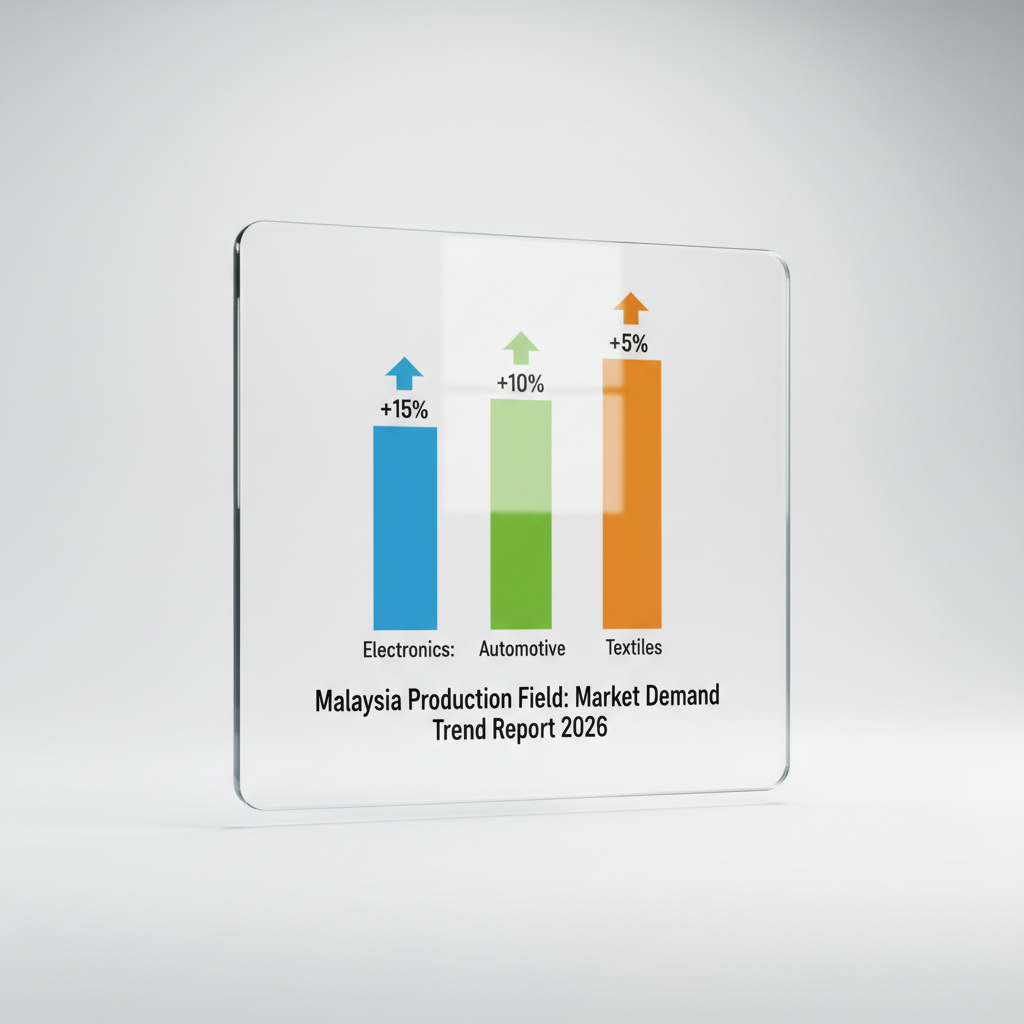
1. Manufacturing Sector (Electronics, Automotive, Chemicals)
Malaysia’s manufacturing sector remains a cornerstone of its economy, showcasing robust market demand trends driven by global supply chain shifts and technological advancements. The Electronics and Electrical (E&E) sub-sector, a global leader in semiconductor manufacturing and integrated circuits, continues to experience high demand, fueled by the accelerating pace of digital transformation, the proliferation of 5G technology, AI, and IoT devices worldwide. Growth drivers include significant foreign direct investment (FDI) in high-tech manufacturing, government incentives for advanced automation, and Malaysia’s established ecosystem for E&E production. Businesses seeking opportunities here should consult a granular market demand trend report to pinpoint specific component or service gaps.
The Automotive industry, while facing global transitions, demonstrates unique demand patterns. Domestic demand is bolstered by steady economic growth and government policies promoting local assembly and energy-efficient vehicles (EEV). A significant growth driver is the increasing adoption of Electric Vehicles (EVs), with government initiatives for infrastructure development and tax incentives creating new avenues for manufacturing EV components and assembly. Companies monitoring the Malaysia’s robust manufacturing sector statistics will note the emphasis on high-value activities.
In the Chemicals sub-sector, demand is largely driven by its pivotal role in supplying raw materials to other manufacturing industries, including plastics, rubber, and pharmaceuticals. Malaysia’s rich natural resources and established petrochemical complexes contribute to a strong export market, particularly for specialized chemicals and polymers. The expansion of downstream activities, coupled with an increasing focus on sustainable chemical production, are key growth drivers shaping market demand within this sector.
2. Primary Industries (Palm Oil, Rubber, Oil & Gas Exploration)
Malaysia’s primary industries continue to play a vital role, albeit with evolving market demand trends. The Palm Oil industry faces sustained global demand, driven by its versatility in food, oleochemicals, and biofuels. Key growth drivers include rising populations, increasing affluence in emerging markets, and a growing emphasis on certified sustainable palm oil (CSPO), with Malaysian Sustainable Palm Oil (MSPO) certification bolstering market access. Businesses must analyze demand for specific palm oil derivatives and navigate global sustainability mandates.
The Rubber industry, historically significant, sees demand sustained by the automotive tyre sector and, notably, by the medical glove manufacturing segment, which experienced a surge during and post-pandemic. Innovation in rubber products, including engineering rubber and new biomaterials, also contributes to demand. Growth drivers include global healthcare expansion, hygiene awareness, and a need for specialized rubber components in various industrial applications, all of which influence a comprehensive market demand trend report.
For Oil & Gas Exploration, demand trends are intricately linked to global energy prices, geopolitical stability, and the ongoing energy transition. While exploration activities persist to ensure national energy security, there’s a discernible shift towards optimizing existing assets and increasing focus on downstream petrochemical integration. Growth drivers include investments in enhancing recovery from mature fields, expansion of Liquefied Natural Gas (LNG) processing, and the development of gas-to-power projects, balancing traditional fossil fuel demand with commitments to lower carbon emissions.
3. Emerging Production Niches (Green Technology, Halal Products, Medical Devices)
Malaysia is strategically cultivating emerging production niches, recognizing their potential as future growth engines. The Green Technology sector demonstrates escalating market demand, propelled by global climate change concerns and national commitments to renewable energy and sustainable development. Growth drivers encompass government incentives for solar and bioenergy projects, demand for energy-efficient solutions in manufacturing and construction, and a growing consumer preference for eco-friendly products. This segment holds immense potential for investors looking at future market demand trend reports.
The Halal Products market is experiencing robust growth, positioning Malaysia as a global hub for Halal certification and production. Demand spans food & beverages, pharmaceuticals, cosmetics, and logistics, driven by the expanding global Muslim consumer market and increasing awareness of ethical consumption. Growth drivers include Malaysia’s strong Halal certification framework, government support for Halal industry development, and a rising international appreciation for quality-assured Halal goods. A detailed market demand trend report within this niche reveals significant export opportunities.
Finally, the Medical Devices sector is witnessing substantial demand expansion. An aging population, increased health awareness, medical tourism initiatives, and investments in healthcare infrastructure are primary growth drivers. Malaysia’s strength lies in manufacturing disposable medical devices (e.g., gloves, catheters) and supporting components. The COVID-19 pandemic further highlighted the criticality of this sector, spurring investment and innovation to meet both domestic and international market demand trends for a wide array of medical equipment and supplies.
In conclusion, Malaysia’s production fields are characterized by dynamic market demand trends, each shaped by unique growth drivers and global influences. For stakeholders, continuous monitoring and analysis through a detailed market demand trend report of production field in Malaysia are essential to harness opportunities and navigate challenges effectively across these diverse and evolving sectors.
Challenges, Risks, and Mitigation Strategies
Malaysia’s production field, a vital pillar of the nation’s economy, stands at a critical juncture, navigating a complex web of challenges and risks. Understanding these hurdles is paramount for stakeholders seeking a comprehensive market demand trend report of production field in malaysia, enabling them to formulate robust mitigation strategies and foster sustainable growth. This section delves into the economic, environmental, and operational risks that could impede progress, alongside potential solutions designed to enhance resilience and competitiveness.
1. Supply Chain Disruptions & Geopolitical Risks
The intricate global supply chains that underpin Malaysia’s production capabilities are increasingly susceptible to disruptions, a reality underscored by recent geopolitical tensions and global health crises. Events like the COVID-19 pandemic, conflicts in key shipping lanes, and trade disputes have exposed vulnerabilities, leading to delays in raw material procurement, increased logistics costs, and unpredictable delivery schedules. For instance, the electronics and automotive sectors, heavily reliant on imported components, have repeatedly faced production bottlenecks, impacting output and profitability. Geopolitical instability in regions crucial for energy and commodity supply further exacerbates these risks, threatening energy security and driving up operational expenses.
To mitigate these challenges, Malaysian producers must prioritize supply chain resilience. Strategies include diversifying supplier bases, particularly by exploring regional alternatives within ASEAN, and investing in localized production capabilities where feasible. Enhanced inventory management systems, utilizing predictive analytics, can help buffer against sudden shocks. Furthermore, fostering strong diplomatic and trade relationships can help navigate geopolitical complexities. Understanding the broader global economic landscape and its impact on trade flows is crucial for preemptive risk management.
2. Labor Shortages, Skill Gaps, and Wage Pressures
The Malaysian production field grapples with persistent challenges related to its workforce. Labor shortages, particularly for skilled positions in advanced manufacturing, automation, and digital technologies, remain a significant concern. The demographic shift, coupled with a preference among younger generations for non-production roles, contributes to a shrinking pool of readily available workers. This skill mismatch not only hinders the adoption of Industry 4.0 technologies but also impacts productivity and product quality. Concurrently, rising wage pressures, driven by inflation and the increasing cost of living, challenge the cost-competitiveness of Malaysian manufacturers compared to regional peers.
Addressing these labor market dynamics requires a multi-pronged approach. Investment in talent development programs, vocational training, and reskilling initiatives, in collaboration with educational institutions, is essential to bridge existing skill gaps. Promoting lifelong learning and digital literacy can equip the current workforce with future-proof skills. Attracting and retaining talent also necessitates competitive remuneration packages and improved working conditions, including workplace safety and employee welfare. Automation and robotics can help alleviate labor dependency for repetitive tasks, allowing the existing workforce to focus on higher-value activities, contributing positively to the overall market demand trend report of production field in malaysia by ensuring stable output.
3. Environmental Regulations, Sustainability Pressures, and Resource Scarcity
Increasing global awareness of environmental issues and the urgency of climate action place significant pressure on Malaysia’s production field. Stricter environmental regulations, including carbon emission targets, waste management guidelines, and water usage restrictions, are becoming the norm, necessitating substantial investments in green technologies and sustainable practices. The growing demand from consumers and international buyers for eco-friendly products and ethically sourced materials means that producers must increasingly adhere to ESG (Environmental, Social, and Governance) criteria, impacting market access and brand reputation.
Furthermore, resource scarcity – particularly concerning water, energy, and certain raw materials – poses an operational risk. Fluctuations in energy prices and limited access to critical inputs can drive up production costs and affect supply consistency. To mitigate these environmental and resource-related risks, businesses must adopt circular economy principles, focusing on waste reduction, recycling, and reuse. Investing in renewable energy sources, enhancing energy efficiency, and implementing advanced water management systems are crucial steps. Companies that proactively integrate sustainability into their core operations will not only ensure regulatory compliance but also unlock new market opportunities and enhance their long-term competitiveness in a world increasingly valuing responsible production.
Future Outlook and Strategic Recommendations (2024-2026)
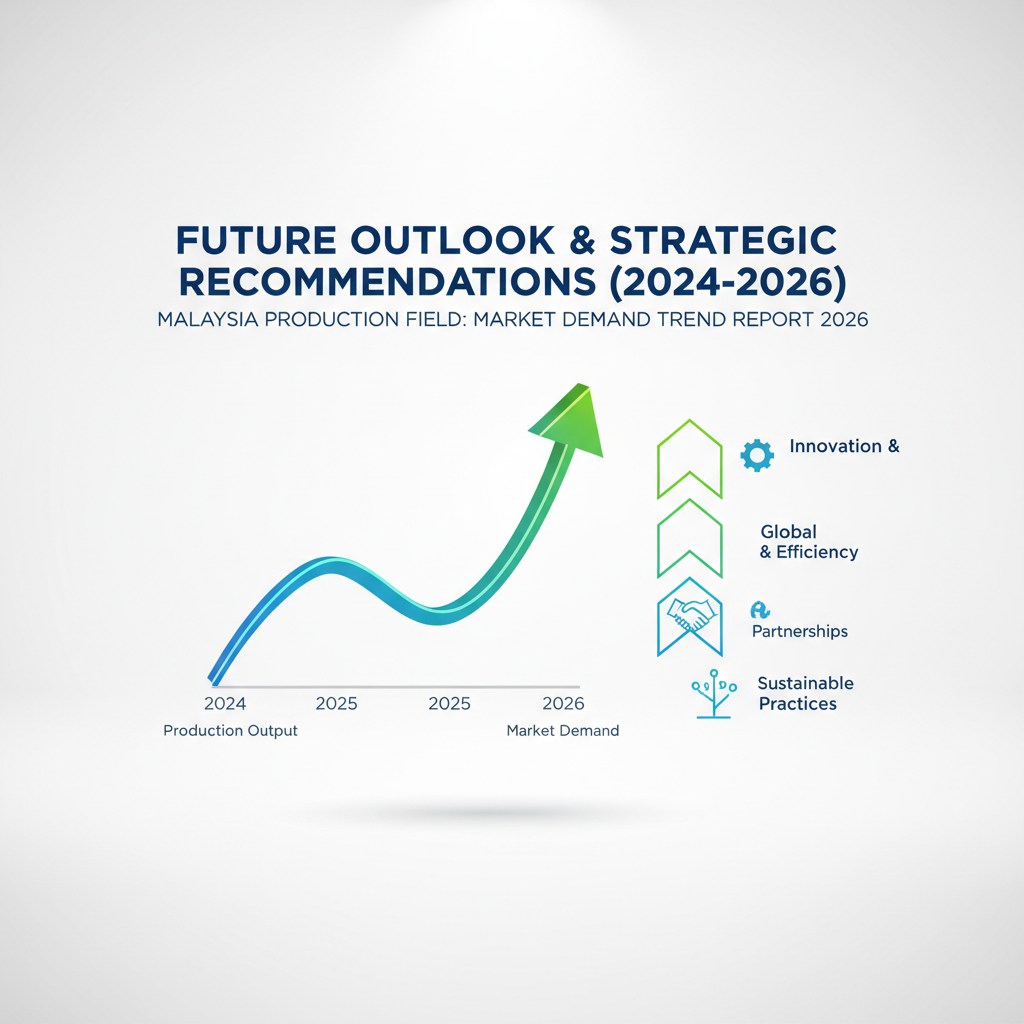
Malaysia’s production field stands at a pivotal juncture, poised for significant transformation and growth over the next three years (2024-2026). Driven by global economic shifts, technological advancements, and a renewed focus on sustainability, understanding the evolving market demand trend report of production field in Malaysia is crucial for businesses and policymakers alike. This outlook projects key areas of expansion and offers actionable strategic recommendations to ensure the nation capitalizes on emerging opportunities, fortifying its position as a competitive manufacturing hub in Southeast Asia.
The overarching trend indicates a move towards higher-value, technology-intensive manufacturing, underpinned by principles of efficiency and environmental responsibility. The strategic integration of cutting-edge technologies and a proactive approach to skill development will be paramount in navigating this dynamic landscape and securing long-term economic resilience.
-
Projected Growth Areas and Emerging Opportunities
The Malaysian production field is expected to witness robust growth in several sectors. High-value manufacturing, particularly within the electrical & electronics (E&E) segment, will continue its trajectory as a primary growth engine, driven by increasing global demand for semiconductors, advanced components, and smart devices. Beyond E&E, significant opportunities lie in the expansion of the medical devices sector, propelled by an aging global population and rising healthcare expenditures. The adoption of Industry 4.0 technologies such as automation, Artificial Intelligence (AI), and the Internet of Things (IoT) will redefine operational efficiencies across all manufacturing verticals. Furthermore, the push for sustainable manufacturing practices is creating a burgeoning market for green technology and circular economy solutions, including advanced recycling and renewable energy component production. The imperative for digital transformation will permeate all industries, creating new niches for solution providers and system integrators. This holistic growth approach is critical for the nation’s economic diversification and resilience.
-
Key Investment Hotspots and R&D Focus Areas
To fully harness these opportunities, strategic investments must be directed towards specific hotspots. Robotics and advanced materials represent critical areas for capital allocation, fostering innovation and enhancing product capabilities. Investments in research and development (R&D) should prioritize next-generation manufacturing processes, including robotics, and the development of advanced materials for high-performance applications. Creating a robust innovation ecosystem is paramount, encouraging collaboration between academia, industry, and government to translate research into commercially viable products. Another crucial focus is talent development. Addressing the anticipated skills gap in technical fields, data analytics, and advanced manufacturing operations will require significant investment in vocational training, reskilling, and upskilling programs. Foreign Direct Investment (FDI) will continue to play a vital role, particularly in attracting companies that bring cutting-edge technology and expertise. Prioritizing these areas will ensure Malaysia’s production field remains competitive and future-ready.
-
Policy Recommendations for Sustainable Production Growth and Competitiveness
To sustain growth and enhance global competitiveness, policymakers must implement a multi-faceted approach. First, refining the regulatory framework to be more agile and responsive to technological changes is essential. This includes streamlining approval processes and offering targeted incentives for companies investing in Industry 4.0 adoption, green technologies, and R&D. Second, strengthening the local supply chain resilience and fostering the integration of local SMEs into global value chains should be a priority, moving beyond mere assembly to higher-value activities like design and proprietary manufacturing. This requires specific programs for workforce upskilling and technology adoption support for smaller enterprises. Furthermore, robust infrastructure development, especially in digital connectivity and logistics, is critical to support the evolving demands of advanced manufacturing. Finally, continuous engagement with industry stakeholders to adapt policies to real-world challenges and opportunities, particularly in light of the dynamic market demand trend report of production field in Malaysia, will be key to fostering a resilient and competitive manufacturing ecosystem.
Partner with Shelby Global
You are looking for reliable HR Sevice Suppliers? Contact Shelby Global Now! To connect with verified talents and upgrade your orginization.
—————————————
References
– :
– World Bank Malaysia Economic Monitor: https://www.worldbank.org/en/country/malaysia/overview#3
– MIDA Statistics: https://www.mida.gov.my/statistics/
– World Bank East Asia and Pacific Economic Update, October 2023: From Recovery to Resilience: https://www.worldbank.org/en/region/eap/publication/east-asia-and-pacific-economic-update-october-2023
– High-value manufacturing in Malaysia: https://www.mida.gov.my/invest-in-malaysia/investment-opportunities/manufacturing/high-technology-industry/



































































































