
Foundation: Understanding Malaysia’s SME HR Landscape
For a fresh CEO stepping into Malaysia’s dynamic production sector, navigating the unique intricacies of Human Resources (HR) within Small to Medium Enterprises (SMEs) is paramount. This foundational understanding is crucial for strategic decision-making and ensuring a productive, compliant workforce. Unlike larger corporations with established HR departments and extensive resources, SMEs often operate with lean teams, requiring a more agile and hands-on approach to HR. This section lays the groundwork, outlining the specific HR challenges and the regulatory environment that defines the Malaysian SME landscape, providing a Step by Step to understand SMEs HR Structure for the fresh the CEO in production field in malaysia.

1. Malaysian Labor Laws & Compliance for SMEs
Compliance with Malaysian labor laws is non-negotiable, and for SMEs, understanding and adhering to these regulations can be a significant undertaking. The primary legislative framework includes the Employment Act 1955 (EA 1955), which governs conditions of employment, and the Industrial Relations Act 1967, addressing industrial disputes and trade unions. Key areas of compliance for production sector SMEs include:
- Minimum Wage Orders: Ensuring all employees receive at least the gazetted minimum wage.
- Statutory Contributions: Diligent and timely contributions to the Employees Provident Fund (EPF), Social Security Organisation (SOCSO), and the Employment Insurance System (EIS).
- Working Hours & Overtime: Strict adherence to regulations on daily and weekly working hours, rest days, public holidays, and fair calculation of overtime pay, which is particularly relevant in a production environment with shift work.
- Employee Welfare & Safety: Providing a safe working environment, especially critical in manufacturing, and adhering to the Occupational Safety and Health Act 1994 (OSHA).
- Termination & Dismissal Procedures: Following proper legal protocols for employee separation to avoid costly disputes.
SMEs often lack dedicated legal or HR compliance teams, making it essential for the CEO to grasp these fundamentals or delegate to a knowledgeable individual. Staying updated on amendments and new legislations, such as recent changes to the EA 1955 concerning paternity leave, flexible working arrangements, and reduced weekly working hours, is vital for uninterrupted operations and avoiding penalties. For a comprehensive overview of your obligations, refer to the official resources provided by the Ministry of Human Resources Malaysia.
2. Typical HR Challenges in Production SMEs
The production sector presents its own set of unique HR challenges, amplified within an SME context. For a new CEO, recognizing these hurdles is the first step towards developing effective solutions:
- Talent Attraction & Retention: Competing with larger corporations for skilled labor, especially technicians, engineers, and production line workers, is tough. SMEs often struggle to offer comparable salaries, benefits, or career progression opportunities. Retaining valuable employees amidst competitive market demands is an ongoing battle.
- Skill Gaps & Training: Rapid technological advancements in manufacturing require continuous upskilling. SMEs may lack the budget or structured programs for comprehensive employee training, leading to skill deficits that hinder productivity and innovation.
- Workplace Safety & Health: Production environments inherently carry higher risks. Ensuring strict adherence to safety protocols, providing regular training, and investing in protective equipment is paramount, yet can be a financial strain for smaller enterprises.
- Performance Management & Productivity: Implementing effective performance appraisal systems that genuinely motivate and improve output can be challenging without dedicated HR expertise. Addressing underperformance or disciplinary issues efficiently requires consistent application of policies.
- Employee Engagement & Culture: Fostering a positive, engaged workplace culture is vital for morale and retention. In a production setting, this involves managing diverse workforces, addressing grievances promptly, and building team cohesion across shifts.
- Limited HR Resources: Many SMEs operate with a single HR generalist or even a non-HR professional managing HR functions, leading to stretched resources and a reactive rather than proactive approach to HR strategy. Understanding the full scope of Step by Step to understand SMEs HR Structure for the fresh the CEO in production field in malaysia is crucial for addressing these resource limitations effectively.
3. Role of HR in Small to Medium Enterprises (SMEs)
In an SME, HR is far more than just an administrative function; it’s a strategic partner essential for business growth and stability. For the new CEO, understanding this expanded role is critical. HR in SMEs typically encompasses:
- Strategic Recruitment & Onboarding: Beyond simply filling vacancies, HR proactively identifies talent needs, manages the hiring process efficiently, and ensures smooth onboarding to quickly integrate new hires into the production workflow.
- Employee Development & Training: Identifying skill gaps and facilitating cost-effective training programs, including on-the-job training, to enhance productivity and worker safety.
- Compensation & Benefits Management: Developing fair and competitive compensation structures that attract and retain talent within budgetary constraints, while ensuring statutory compliance.
- Employee Relations & Engagement: Acting as a bridge between management and employees, addressing grievances, mediating conflicts, and fostering a positive work environment that contributes to higher morale and lower turnover.
- Compliance & Risk Management: Ensuring the company adheres to all labor laws, regulations, and safety standards, thereby mitigating legal and financial risks.
- HR Policy Development: Creating and implementing clear, fair, and legally compliant HR policies that guide employee behavior and management decisions.
By effectively managing these areas, HR in a Malaysian production SME directly contributes to operational efficiency, reduces employee turnover, and builds a resilient workforce capable of driving the company’s objectives. A CEO who prioritizes and strategically invests in HR, even with limited resources, will lay a strong foundation for sustainable success.
Deconstructing the Current HR Structure & Processes
As a fresh CEO stepping into the dynamic production field in Malaysia, gaining a granular understanding of your SME’s existing Human Resources landscape is not just beneficial—it’s foundational. This section provides a practical, Step by Step to understand SMEs HR Structure for the fresh the CEO in production field in malaysia, guiding you through evaluating the current HR setup, identifying key personnel, and meticulously mapping out all existing processes, from recruitment to employee exit. This crucial initial audit will illuminate strengths, pinpoint critical gaps, and pave the way for strategic improvements that align with your business objectives and Malaysian HR regulations.
1. Mapping Existing HR Functions and Roles
Your journey begins by meticulously charting the ‘who does what’ within your company’s HR ecosystem. Even if your SME doesn’t have a dedicated HR department, these functions are still being performed, often by administrative staff, finance personnel, or even production managers. Start by identifying all activities that fall under the HR umbrella: payroll processing, leave management, employee record-keeping, disciplinary actions, training coordination, and benefits administration. For each function, pinpoint the individual or team currently responsible. Create a clear visual map, perhaps an organizational chart, detailing these responsibilities. This exercise will not only clarify reporting lines but also highlight potential overlaps or, more critically, areas where essential HR functions might be neglected or handled inefficiently. Understanding these foundational elements is crucial for effective workforce planning Malaysia and ensuring compliance with the latest Malaysian Employment Act 1955 and related HR regulations. This initial mapping forms the bedrock for addressing common SME HR challenges and lays the groundwork for future HR process optimization.
2. Analyzing Recruitment & Onboarding Workflows
Next, dive deep into how your company attracts, selects, and integrates new talent—a critical area for a production-focused SME. Trace the current recruitment process from its very inception: How is a vacancy identified? What is the approval process? What channels are used for advertising (e.g., job portals, internal referrals)? Document each step, including resume screening, interview stages, background checks, and offer letter generation. Following this, meticulously analyze the onboarding workflow. What happens from the moment a new hire accepts an offer until they are fully integrated and productive? Are there structured orientation programs, mentorship initiatives, or comprehensive training schedules? Assess the effectiveness of each stage. Are you attracting the right caliber of candidates for your production lines? Is the onboarding process efficient enough to minimize time-to-productivity and reduce early turnover? Identifying bottlenecks or ineffective steps here is paramount for improving talent acquisition strategies SME and ensuring a strong start for new employees. A well-defined and smooth recruitment-to-onboarding pipeline is vital for sustained growth and managing overall employee lifecycle management.
3. Evaluating Performance Management Systems
Finally, turn your attention to how employee performance is currently managed and developed within your organization. This includes formal appraisal systems, informal feedback mechanisms, goal-setting processes, and professional development initiatives. Investigate the frequency and format of performance reviews: Are they annual, bi-annual, or ad-hoc? Are they tied to clear, measurable objectives, especially relevant to production targets? Beyond formal reviews, how is ongoing feedback provided? Is it constructive, timely, and actionable? Assess if the current system genuinely motivates employees, identifies high-performers, addresses underperformance effectively, and supports career growth within the company. Many SMEs in Malaysia might rely on less formal systems, which, while flexible, can lack consistency and objectivity. Evaluate whether these systems contribute to overall productivity and employee engagement or if they merely serve as an administrative exercise. Understanding these dynamics is key to driving HR process optimization, fostering a culture of continuous improvement, and ensuring that your human capital is effectively leveraged to meet production demands. A robust performance management system is a cornerstone of effective employee lifecycle management and vital for strategic workforce planning Malaysia.
Key HR Pillars for Production Efficiency & Growth
Focusing on critical HR areas that directly impact production line efficiency, talent retention, and operational excellence within a manufacturing environment.
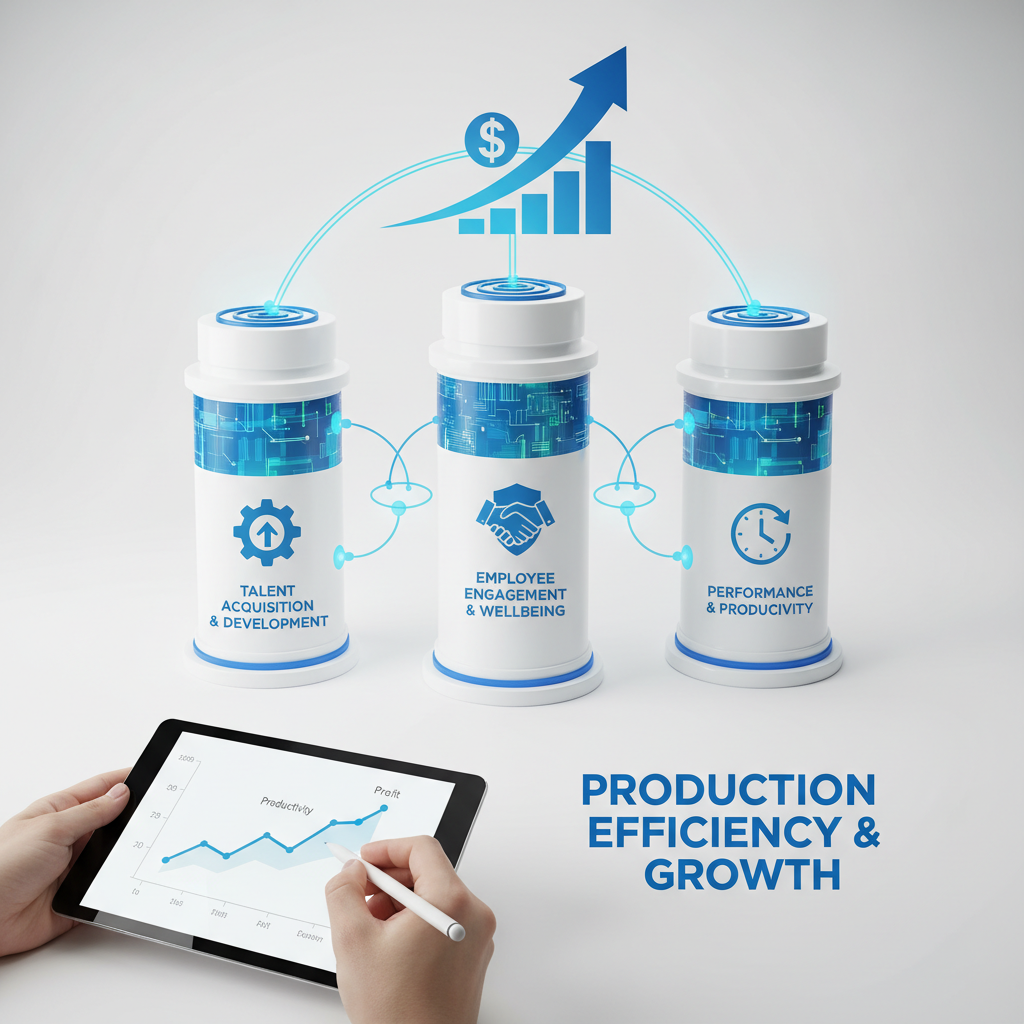
For any new CEO entering the dynamic Malaysian manufacturing sector, understanding the foundational elements of Human Resources is not just beneficial, but absolutely crucial for sustained success. A robust HR structure acts as the backbone for operational excellence, directly influencing everything from production line efficiency to long-term growth. This section offers a comprehensive look at the key HR pillars that every fresh CEO in the production field in Malaysia should master, providing a Step by Step to understand SMEs HR Structure for the fresh the CEO in production field in malaysia. By strategically addressing these areas, companies can transform their workforce into a powerful engine for productivity and innovation.
1. Workforce Planning & Talent Acquisition Strategies
Effective workforce planning is the cornerstone of a high-performing manufacturing operation. It involves meticulously forecasting future talent needs based on production demands, technological advancements, and market shifts. For SMEs in Malaysia’s competitive landscape, this means not just filling immediate vacancies but strategically building a pipeline of skilled workers. Talent management in production begins with a proactive approach to attraction. Developing compelling employer branding, leveraging local recruitment channels, and optimizing the hiring process are vital to attracting and securing top talent. This pillar addresses the critical challenge of finding and onboarding individuals who can seamlessly integrate into the production environment, contributing to immediate productivity improvement through HR and long-term organizational goals. A fresh CEO must analyze current skill gaps and project future requirements to ensure the factory is always adequately staffed with competent individuals ready to contribute to operational excellence HR.
2. Skills Development & Training for Production Staff
The manufacturing industry is in a constant state of evolution, driven by automation, Industry 4.0, and new production methodologies. Therefore, continuous skills development and training are not luxuries but necessities for maintaining efficiency and competitiveness. HR plays a pivotal role in designing and implementing targeted training programs that enhance the capabilities of the Malaysian manufacturing workforce. This includes technical training on new machinery, quality control protocols, safety procedures, and lean manufacturing principles. Investing in upskilling and reskilling initiatives directly impacts production line efficiency by reducing errors, improving product quality, and boosting employee confidence. For instance, well-trained staff are less prone to accidents, leading to fewer production stoppages and lower operational costs. As outlined by the Society for Human Resource Management (SHRM), robust training programs are critical for enhancing employee capabilities and driving organizational success, contributing significantly to overall manufacturing HR solutions. Such programs ensure that the workforce can adapt quickly to changes, innovate processes, and uphold stringent production standards.
3. Employee Engagement & Retention in Manufacturing
High employee turnover can severely cripple production efficiency, leading to increased recruitment costs, loss of institutional knowledge, and disruption to production flows. Therefore, fostering a culture of strong employee engagement and retention is paramount. This involves creating a positive and supportive workplace environment where production staff feel valued, heard, and motivated. Strategies include implementing fair compensation and benefits packages, offering clear career development paths, providing regular feedback, and establishing effective recognition programs. Open communication channels, opportunities for involvement in problem-solving, and a focus on work-life balance can significantly boost morale and reduce absenteeism. For a new CEO, understanding the nuances of the SME HR strategy Malaysia and its impact on employee satisfaction is vital. An engaged workforce is more committed, productive, and less likely to seek opportunities elsewhere, directly contributing to stable production lines and sustained growth. By prioritizing employee well-being and professional growth, factories can build loyal teams that drive consistent quality and output.
In conclusion, for any fresh CEO navigating the complexities of the production field in Malaysia, mastering these HR pillars is not optional but fundamental. From strategic workforce planning and continuous skills development to fostering deep employee engagement, each area intricately weaves into the fabric of operational efficiency and long-term business growth. By adopting a holistic and proactive approach to HR, manufacturing SMEs can build resilient, highly productive teams capable of meeting the demands of a competitive global market. This structured approach provides a clear path forward, ensuring that human capital becomes the ultimate competitive advantage.
Leveraging Technology & Data for HR Improvement
As a fresh CEO stepping into the dynamic world of production in Malaysia, especially within Small and Medium-sized Enterprises (SMEs), gaining a clear understanding of the human resources landscape is paramount. Navigating the unique “SMEs HR Structure for the fresh the CEO in production field in malaysia” requires more than just traditional oversight; it demands a forward-thinking approach leveraging technology and data. This section explores how a new leader can strategically implement HR technology and robust data analytics to unlock critical insights, streamline operations, and empower informed decision-making, transforming HR from a cost center into a strategic partner for growth and productivity.
1. Implementing HR Information Systems (HRIS)
The foundational step in digitalizing HR is the adoption of an HR Information System (HRIS). An HRIS centralizes all employee-related data, acting as a single source of truth for everything from recruitment and onboarding to payroll, benefits administration, time and attendance tracking, and performance management. For a CEO seeking to understand the intricacies of an SME’s workforce, an HRIS offers unparalleled visibility. It eliminates disparate spreadsheets and manual records, significantly reducing administrative burdens and minimizing errors. By consolidating data, an HRIS facilitates efficient data retrieval and reporting, offering immediate insights into headcount, demographics, and key HR metrics. This initial step in HR Technology Adoption is crucial for establishing a structured, scalable HR framework. It allows a fresh CEO to quickly grasp the existing talent pool and operational efficiency, offering a foundational “Step by Step to understand SMEs HR Structure for the fresh the CEO in production field in malaysia” through organized data. An effective HRIS system not only streamlines processes but also lays the groundwork for advanced data analytics, ensuring HR decisions are backed by reliable information.
2. Data Analytics for Workforce Insights
Beyond mere data centralization, the real power lies in harnessing data analytics to derive actionable workforce insights. A modern HR department, guided by a discerning CEO, moves towards becoming truly data-driven HR. By analyzing information from the HRIS, CEOs can identify critical trends in employee turnover, absenteeism, training effectiveness, and productivity metrics specific to the production environment. Understanding high attrition among specific employee groups allows for targeted retention strategies. Evaluating training ROI ensures resources are allocated effectively. This analytical approach empowers predictive analytics, enabling a CEO to forecast future talent needs, identify potential skill gaps, and strategically plan for workforce planning. This depth of understanding is vital for a CEO new to the production sector in Malaysia, providing a granular view essential for a comprehensive Step by Step to understand SMEs HR Structure for the fresh the CEO in production field in malaysia. It shifts HR from reactive problem-solving to proactive strategic contribution, supporting operational efficiency and competitive advantage.
3. Automating HR Processes (e.g., Leave, Claims)
The final, yet equally critical, element is the automation of routine HR processes. While an HRIS centralizes data, automation takes efficiency to the next level. Imagine employees easily applying for leave, submitting claims, or updating personal information through a self-service portal, eliminating the need for paper forms and manual approvals. This significantly reduces the administrative burden on HR staff, allowing them to shift focus from transactional tasks to strategic initiatives like talent development, employee engagement, and long-term organizational planning. Processes such as onboarding, performance review cycles, and benefits enrollment can all be streamlined through HR automation. The result is greater efficiency, accuracy, and a dramatically improved employee experience, fostering a more positive and productive work environment. For a fresh CEO, freeing up HR bandwidth means the team can dedicate more time to understanding and refining the “SMEs HR Structure for the fresh the CEO in production field in malaysia,” ultimately contributing to higher employee satisfaction and retention in the demanding production field. This strategic use of technology ensures HR operations are agile, accurate, and aligned with overall business objectives.
Embracing HR technology and data analytics is not merely an option but a strategic imperative for a fresh CEO aiming to optimize production SMEs in Malaysia. By systematically implementing an HRIS, leveraging data for profound workforce insights, and automating routine processes, a CEO can unlock the full potential of their human capital. This integrated approach transforms HR into a powerful strategic asset, providing a clear “Step by Step to understand SMEs HR Structure for the fresh the CEO in production field in malaysia” and enabling the company to adapt, innovate, and thrive in a competitive landscape. Such a data-driven strategy ensures that every HR decision contributes directly to the company’s productivity, profitability, and long-term success.
Strategic HR: Future-Proofing Your Malaysian SME
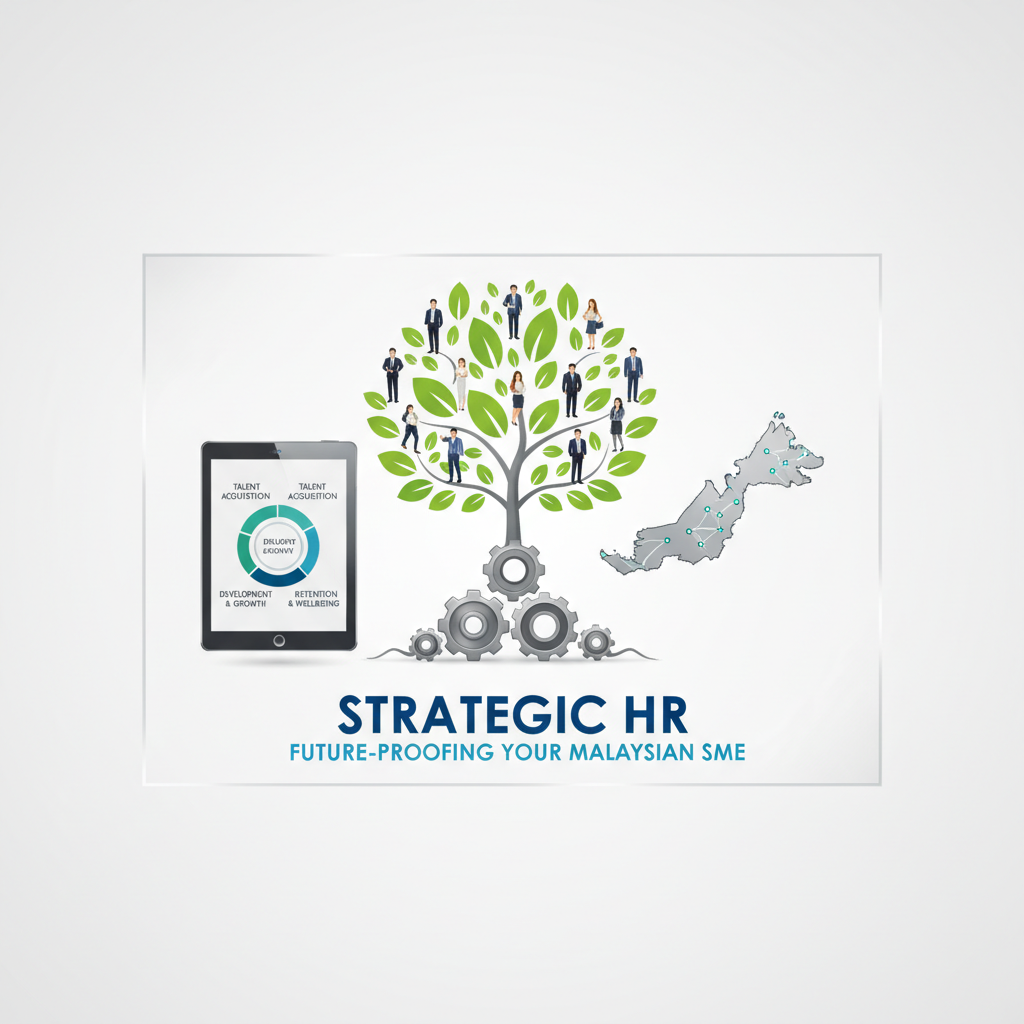
Malaysian SMEs are the backbone of the nation’s economy, yet many are still navigating the complexities of HR management with a day-to-day operational mindset. For a fresh CEO, especially one from a production background, understanding and implementing strategic HR isn’t just about compliance; it’s about building a resilient, scalable, and future-ready organization. Moving beyond administrative tasks, strategic HR planning focuses on long-term growth, talent development, and adapting to dynamic industry trends. This section provides a foundational understanding of how to integrate strategic HR practices into your SME, ensuring your most valuable asset – your people – are equipped for the challenges and opportunities ahead.
-
Developing an HR Strategic Roadmap
For a CEO seeking to understand the HR structure of a Malaysian SME, crafting an HR strategic roadmap is the crucial first step. This isn’t merely a document; it’s a living plan that aligns your HR initiatives directly with your business objectives. Begin by assessing your current workforce capabilities against your long-term production and expansion goals. What skills gaps exist? Where are your critical talent areas? A comprehensive roadmap will outline strategies for talent acquisition, retention, performance management, and employee engagement tailored to the unique cultural and economic landscape of Malaysia. This involves forecasting workforce needs, identifying key performance indicators (KPIs) for HR, and establishing robust compensation and benefits frameworks that are competitive within the Malaysian market. Leveraging data analytics can help inform these decisions, moving HR from reactive to proactive. For example, analyzing turnover rates can reveal underlying issues, while skills inventories can highlight areas for immediate training investment. This roadmap ensures that every HR action taken contributes directly to the SME’s strategic vision and profitability.
-
Succession Planning & Leadership Development
One of the most critical aspects of future-proofing any Malaysian SME, particularly for a fresh CEO overseeing production, is robust succession planning and continuous leadership development. Relying solely on key individuals without a clear pipeline of successors creates significant vulnerability. Start by identifying critical roles within your organization – not just at the senior level, but also key operational roles in production that, if left vacant, could disrupt operations. Develop a systematic approach to identify high-potential employees (HiPOs) who demonstrate not only technical proficiency but also leadership qualities and alignment with company values. Implement structured development programs that include mentorship, cross-functional projects, external training, and opportunities for increasing responsibility. For a production-focused CEO, this might mean developing future team leaders and supervisors who can drive efficiency and innovation. By investing in your people’s growth, you not only prepare for future leadership transitions but also boost employee morale, engagement, and loyalty. This proactive approach ensures business continuity and cultivates a culture of continuous learning and advancement within your SME.
-
Adapting to Industry 4.0 & Automation Impacts
The advent of Industry 4.0 and increasing automation presents both challenges and unparalleled opportunities for Malaysian SMEs, and your HR strategy must evolve to meet them. For a fresh CEO from a production field, understanding the profound impact of technology on your workforce is paramount. This involves more than just implementing new machinery; it requires a strategic HR focus on upskilling and reskilling your existing employees to work alongside automation and embrace new digital tools. Evaluate how AI, robotics, and data analytics might transform job roles within your production lines and administrative functions. Develop training programs that focus on digital literacy, advanced technical skills, and essential human skills like problem-solving, critical thinking, and adaptability, which remain indispensable. Furthermore, strategic HR can play a pivotal role in change management, ensuring employees understand the benefits of adopting new technologies and mitigating fears of job displacement. By strategically embracing HR technology, such as cloud-based HRIS (Human Resources Information Systems) or performance management platforms, Malaysian SMEs can streamline HR operations, gain deeper insights into their workforce, and ensure their human capital is ready to thrive in a technologically advanced future. It’s about ensuring your workforce remains agile and competitive, positioning your SME for sustained growth. A strategic approach to talent development, often supported by government initiatives, is vital. This comprehensive strategy, including a Step by Step to understand SMEs HR Structure for the fresh the CEO in production field in malaysia, will serve as your blueprint for success.
Partner with Shelby Global
You are looking for reliable HR Sevice Suppliers? Contact Shelby Global Now! To connect with verified talents and upgrade your orginization.
—————————————
References
– Ministry of Human Resources Malaysia: https://www.mohr.gov.my/
– Malaysian Employment Law Update: Key Changes to the Employment Act 1955: https://www.zicolaw.com/news/malaysian-employment-law-update-key-changes-to-the-employment-act-1955/
– SHRM: Learning & Development: https://www.shrm.org/resources-and-tools/hr-topics/talent-management/learning-and-development
– The Power Of People Analytics: How Data Can Drive HR Decisions: https://www.forbes.com/sites/forbeshumanresourcescouncil/2021/04/14/the-power-of-people-analytics-how-data-can-drive-hr-decisions/
– HRD Corp Strategic Initiatives: https://hrdcorp.gov.my/hrd-corp-announces-dynamic-shift-in-hrd-claimable-courses/



































































































