
The Evolving HR Landscape for Vietnam’s Marketing Agencies
The marketing landscape in Vietnam is undergoing rapid transformation, driven by digital acceleration and a dynamic consumer market. For marketing agencies in this high-growth environment, attracting, retaining, and developing top talent is paramount. This section highlights the growing importance of robust HR data in Vietnam’s fast-paced marketing sector and its influence on agency operations and strategic planning, enhancing competitive edge. Where creativity and speed are paramount, understanding your workforce through comprehensive HR reports is no longer a luxury but a necessity for sustainable growth. The surge in demand for skilled digital marketing talent pressures HR to innovate and leverage data.
1. Why HR Data is Crucial for Marketing Agency Growth
In the competitive realm of Vietnamese marketing, an effective HR strategy, powered by insightful HR data analytics, is a cornerstone for success. Agencies that meticulously track HR metrics gain a distinct advantage in talent management strategies. This data provides deep visibility into employee engagement levels, identifying potential areas for improvement and fostering a more productive work environment. For instance, analyzing employee turnover rates can reveal underlying issues in agency culture or compensation structures, prompting timely interventions to enhance talent retention. Furthermore, HR data is invaluable for workforce planning, ensuring that agencies have the right people with the right skills at the right time to meet client demands and capitalize on market opportunities. It informs strategic decisions regarding skill development programs, enabling agencies to upskill their teams in emerging areas like AI-driven marketing or programmatic advertising. Performance management also benefits immensely from data-driven insights, allowing for fair and objective evaluations that motivate employees and align individual goals with agency objectives. Ultimately, robust HR reporting helps agencies cultivate a strong employer branding, attracting the best digital marketing talent in Vietnam. It transforms HR from a purely administrative function into a strategic partner, directly contributing to the agency’s bottom line and overall growth trajectory.
2. Overview of Vietnam’s Marketing Sector in 2026
Vietnam’s marketing sector in 2026 is characterized by vibrant growth and rapid digital adoption, making it one of Southeast Asia’s most dynamic markets. Propelled by a young, digitally-native population and increasing internet penetration, the demand for sophisticated digital marketing services continues to skyrocket. Local and international brands are heavily investing in online advertising, content marketing, social media, and e-commerce solutions, creating a booming ecosystem for marketing agencies. This rapid expansion, however, presents unique HR challenges, particularly in recruitment challenges for specialized digital marketing talent. Agencies are constantly vying for professionals skilled in SEO, SEM, data analytics, creative content creation, and programmatic advertising. The competitive landscape necessitates agencies to offer not only attractive compensation but also compelling career development paths and a positive agency culture to secure and retain top performers. According to a recent Google Temasek Bain & Company’s e-Conomy SEA report, the sector is projected to maintain double-digit growth, underscoring the urgency for agencies to refine their HR best practices. The influx of new technologies and evolving consumer behaviors means that HR strategies must be agile, focused on continuous learning, and adept at leveraging HR technology solutions to manage a diverse and demanding workforce. This strategic outlook is crucial for any marketing agency seeking to thrive in Vietnam’s energetic market.
3. Key Trends Shaping HR in Vietnamese Agencies
The HR landscape within Vietnamese marketing agencies is evolving, driven by global shifts and local market specificities. One prominent trend is the increasing adoption of HR technology solutions, such as ATS and HRIS, to streamline operations and improve data accuracy. This digital transformation streamlines payroll, employee records, and HR report generation. Another significant trend is the rise of flexible work models, including hybrid and remote arrangements, now a key expectation for talented professionals. Agencies adapt policies and HR best practices to support these models, balancing flexibility with cohesion. Focus on employee experience is intensifying, with investments in engagement programs, well-being initiatives, and clear career paths. HR teams are increasingly analytical, moving beyond administration to strategic HR, utilizing metrics and advanced analytics for talent forecasting, skill gap identification, and ROI measurement. For instance, an in-depth HR report of a marketing agency in Vietnam can reveal critical insights into workforce demographics, training effectiveness, and compensation competitiveness, directly informing strategic decisions. Continuous skill development in areas like AI, data science, and privacy is paramount. Agencies prioritizing these, supported by HR data analytics, are better positioned to overcome recruitment challenges and gain a competitive edge in Vietnam’s dynamic marketing sector. For more detailed insights, exploring a dedicated HR report of a marketing agency in Vietnam can offer invaluable perspectives.
Talent Acquisition & Retention Insights in 2026
As Vietnam’s economy continues its robust growth, particularly within the dynamic marketing and advertising sector, the landscape for attracting and retaining top talent in 2026 presents both exhilarating opportunities and formidable challenges. Marketing agencies in Vietnam are at the forefront of this competitive talent war, vying for skilled professionals who can navigate increasingly complex digital ecosystems. This section delves into the critical strategies and hurdles that define talent management in the Vietnamese marketing sphere, offering insights essential for any forward-thinking HR report of marketing agency in vietnam.
1. Recruitment Challenges: Finding Niche Marketing Skills
The acceleration of digital transformation means that the demand for highly specialized marketing skills is outstripping supply. Agencies face significant recruitment challenges in finding candidates proficient in areas such as artificial intelligence (AI) in marketing, advanced data analytics, programmatic advertising, content localization for diverse platforms, and cutting-edge SEO/SEM techniques. The skill gap marketing Vietnam experiences is particularly acute for roles requiring both technical prowess and strategic creative thinking. Many traditional educational pipelines are struggling to keep pace with these evolving demands, leading to a shallow pool of truly proficient Vietnamese marketing talent.
Furthermore, the competitive landscape extends beyond traditional marketing firms. Tech giants and multinational corporations, often with deeper pockets, are also aggressively recruiting digital talent, intensifying the pressure on local marketing agency workforce Vietnam. Agencies must therefore broaden their search, consider reskilling existing employees, and invest in robust employer branding strategies. Building a strong employer branding Vietnam agencies can effectively counter the allure of larger firms by highlighting unique cultural values, professional development opportunities, and impactful work. Focusing on continuous learning and internal academies can turn promising generalists into niche experts, a crucial tactic for digital marketing recruitment Vietnam.
2. Effective Strategies for Talent Retention
Acquiring talent is only half the battle; retaining it in a market where professionals are highly sought after requires multifaceted approaches. Employee retention strategies Vietnam agencies employ must extend far beyond competitive salaries, though compensation remains a critical factor. Modern employees, particularly the dominant Millennial workforce Vietnam marketing and the emerging Gen Z marketing talent Vietnam, prioritize work-life balance, professional growth, and a positive company culture.
Key retention drivers include flexible work arrangements, such as remote or hybrid models, which have become non-negotiable for many. Offering comprehensive professional development marketing Vietnam programs, including certifications, workshops, and mentorship, demonstrates a commitment to employee growth. Agencies must cultivate a culture of recognition, psychological safety, and open communication. Investing in talent management Vietnam agencies involves regular performance feedback, clear career progression paths, and opportunities for cross-functional collaboration. Furthermore, fostering a sense of community and purpose, where employees feel their work contributes meaningfully, significantly boosts loyalty. Flexible work marketing Vietnam policies combined with robust wellness programs contribute to overall job satisfaction and reduce turnover, impacting HR trends Vietnam marketing positively.
3. Demographic Shifts and Their Impact on Workforce Planning
Understanding Vietnam’s evolving demographics is paramount for strategic workforce planning. The country boasts a youthful population, with Millennials and Gen Z making up a substantial portion of the labor force. These generations bring different expectations regarding leadership, feedback, technology, and social impact. They seek transparent communication, diverse and inclusive environments, and companies aligned with their values.
Agencies must tailor their recruitment and retention strategies to appeal to these cohorts. This includes leveraging social media for recruitment, showcasing authentic company culture, and offering benefits that resonate with a younger demographic, such as opportunities for social responsibility initiatives and advanced tech tools. Addressing diversity in marketing Vietnam is also increasingly important, not just for ethical reasons but for fostering varied perspectives crucial for creative problem-solving. As the future of work marketing Vietnam evolves, adapting to these demographic shifts will determine an agency’s ability to build a resilient and innovative team. This involves revisiting traditional compensation marketing Vietnam structures, integrating continuous learning into daily operations, and implementing sophisticated performance management marketing Vietnam systems that are fair, transparent, and growth-oriented.
In conclusion, 2026 demands a proactive and adaptable approach to talent for Vietnamese marketing agencies. By strategically addressing recruitment challenges for niche skills, implementing comprehensive retention strategies, and understanding the nuances of demographic shifts, agencies can secure their competitive edge and foster a thriving, future-ready workforce.
Compensation, Benefits, and Employee Well-being
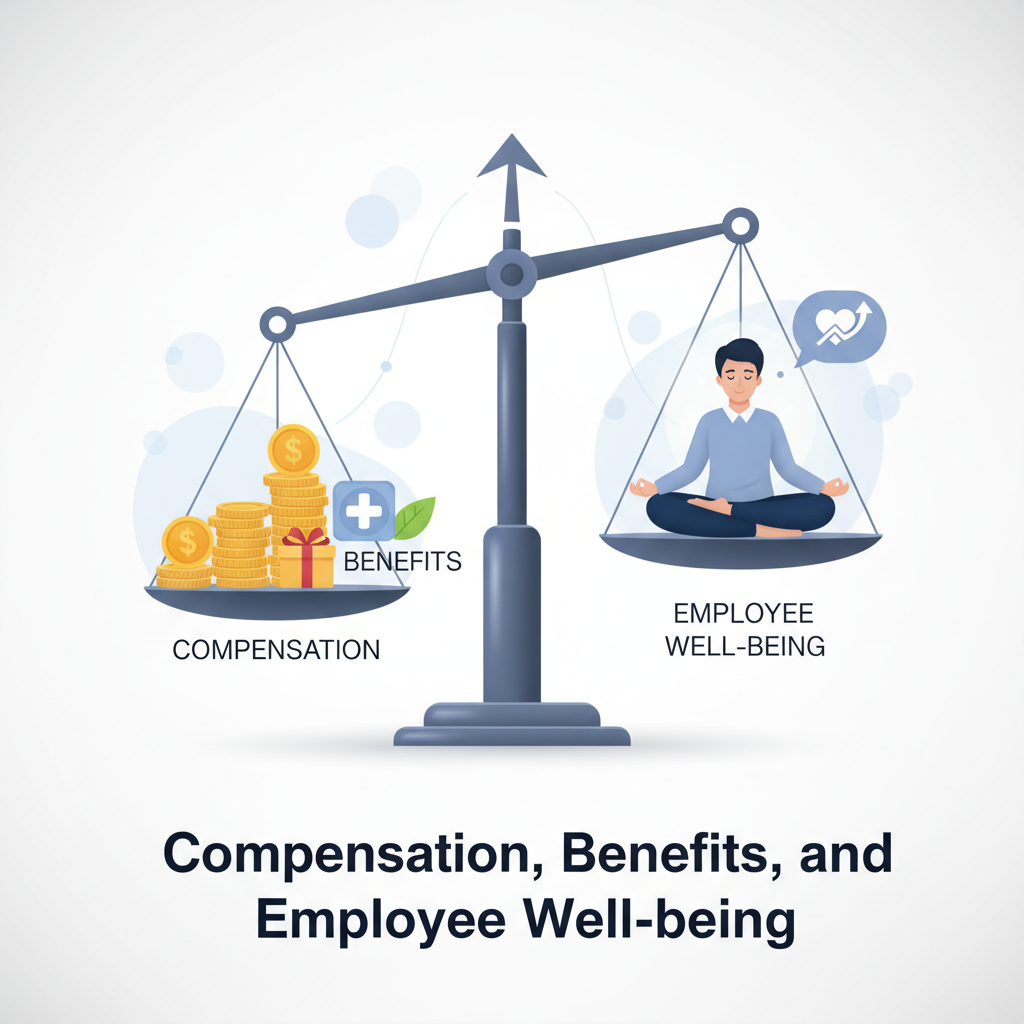
In the vibrant and rapidly evolving landscape of Vietnam’s marketing industry, attracting and retaining top talent requires more than just competitive salaries. A comprehensive approach to compensation, benefits, and employee well-being is crucial for any successful HR report of marketing agency in Vietnam. This section delves into the financial and non-financial incentives offered by agencies, covering salary benchmarks, employee perks, and the increasing focus on mental health and work-life balance, all critical components shaping the modern workplace experience.
1. Salary Benchmarks for Key Marketing Roles in Vietnam
Understanding salary benchmarks is fundamental for marketing agencies in Vietnam to remain competitive. The market for skilled marketing professionals is dynamic, influenced by factors such as experience, specific skill sets (e.g., digital marketing, data analytics, brand strategy), and the size and type of agency. For entry-level positions like Junior Marketing Executive, salaries might range from VND 8-15 million per month. Mid-level roles, such as Marketing Manager or Digital Marketing Specialist, typically command VND 20-40 million, while senior positions like Marketing Director or Head of Digital could range from VND 60 million upwards, often complemented by performance-based bonuses.
Recent salary surveys for Vietnam indicate a steady upward trend, especially for roles requiring specialized digital expertise. Agencies are increasingly willing to invest in talent that can drive measurable ROI and navigate the complexities of Vietnam’s digital consumer landscape. This means professionals with a strong grasp of SEO, SEM, social media marketing, and e-commerce strategies are often in high demand, potentially commanding salaries at the higher end of these benchmarks. A comprehensive HR report of marketing agency in Vietnam often highlights these specific skill-based premiums.
2. The Rise of Non-Monetary Benefits and Perks
While competitive salaries are a primary draw, non-monetary benefits and perks have emerged as significant differentiators in attracting and retaining talent. Beyond the basic health insurance and annual leave, modern marketing agencies are innovating to create appealing work environments. This includes offering flexible working arrangements, such as remote work options or hybrid models, which have become particularly valued post-pandemic. Professional development opportunities, including subsidized courses, workshops, and industry conference attendance, are also highly sought after, with many agencies dedicating a budget that reflects an impressive 16% increase in training investment year-over-year.
Other popular perks include comprehensive health and wellness programs, team-building retreats, subsidized meals, transportation allowances, and even pet-friendly offices in some innovative spaces. These benefits contribute to a positive company culture, fostering employee loyalty and reducing turnover. For an HR report of marketing agency in Vietnam, evaluating the impact of these non-monetary incentives on employee satisfaction and productivity is crucial.
3. Prioritizing Employee Mental Health and Work-Life Balance
Recognizing the demanding nature of the marketing industry, leading agencies in Vietnam are placing an unprecedented emphasis on employee mental health and work-life balance. Long hours and high-pressure deadlines can lead to burnout, impacting creativity and productivity. To counter this, many agencies are implementing initiatives such as employee assistance programs (EAPs) offering counseling services, mindfulness workshops, and dedicated quiet spaces for relaxation.
Promoting work-life balance goes beyond simply offering flexible hours; it involves fostering a culture that respects personal time and encourages employees to disconnect. This might include discouraging late-night emails, promoting regular breaks, and organizing social activities that don’t involve work-related discussions. Some agencies are even exploring concepts like unlimited paid time off or four-day work weeks to demonstrate their commitment to employee well-being. This holistic approach not only enhances employee satisfaction but also improves overall productivity and reduces attrition, ensuring the long-term sustainability and success of the marketing agency in Vietnam.
Skill Gaps and Development Priorities for 2026
Identifying and addressing skill shortages is paramount for any thriving industry, and the Vietnamese marketing sector is no exception. This section of our comprehensive HR report of marketing agency in Vietnam delves into current and projected skill gaps within the local talent pool, outlining crucial areas for training and professional development to ensure agencies remain competitive and innovative through 2026 and beyond. As the digital landscape evolves, so too must the capabilities of the workforce. Agencies must proactively invest in human capital to meet the demands of a rapidly changing market, characterized by new technologies and sophisticated consumer behaviors.
The strategic imperative for Vietnamese marketing agencies is clear: adapt or be left behind. This involves not only attracting new talent but, more critically, upskilling and reskilling the existing workforce. Our analysis indicates a significant shift in core competencies, moving beyond traditional marketing disciplines towards a more data-driven, technologically adept, and strategically agile approach. Understanding these emerging demands is the first step in formulating effective development priorities that will secure the industry’s future success.
-
Emerging Skill Demands: AI, Data Analytics, and Digital Prowess
By 2026, proficiency in Artificial Intelligence (AI), advanced data analytics, and comprehensive digital prowess will be fundamental requirements for Vietnamese marketing talent, where a significant deficit currently exists. Leveraging AI for personalized content creation, predictive analytics, customer segmentation, and campaign optimization is becoming indispensable. Marketers need to understand not just AI tool outputs but their underlying principles. Data analytics skills, encompassing Google Analytics, social media insights, statistical modeling, and audience behavior prediction, are vital for demonstrating ROI and refining strategies. Without robust data interpretation, agencies risk uninformed decisions and missed market intelligence opportunities. Furthermore, deep digital prowess extends beyond basic social media management to encompass SEO, SEM, programmatic advertising, content marketing, e-commerce integration, and user experience (UX) design. A recent report by McKinsey highlights the transformative impact of AI and data on marketing performance globally, underscoring the urgency for Vietnamese agencies to close this skill gap. The future of effective marketing lies in the seamless integration of creative strategy with technological sophistication, demanding a talent pool comfortable operating at this intersection.
-
Bridging the Gap: Training and Upskilling Initiatives
Addressing these emerging skill demands requires a proactive and multi-faceted approach to training and upskilling. Vietnamese marketing agencies must invest in structured initiatives that provide practical application opportunities. This includes developing in-house training programs, organizing workshops led by industry experts, and sponsoring certifications in platforms like Google Ads, Google Analytics, Salesforce Marketing Cloud, or HubSpot. Partnerships with local universities and vocational training centers can also play a crucial role, allowing agencies to co-create curricula that align with industry needs and provide a pipeline for future talent. Focused bootcamps on specific technologies, such as Python for data analysis or advanced AI prompting techniques, could rapidly elevate existing skill sets. Moreover, creating mentorship programs where experienced digital specialists guide junior marketers can accelerate learning and foster knowledge sharing. The goal is to move beyond theoretical understanding to practical mastery, enabling employees to immediately apply new skills to client projects. Investing in robust training programs is not merely an expense; it is a strategic investment in the agency’s future capabilities and competitive edge, as detailed in our analysis of the HR report of marketing agency in Vietnam. These initiatives must be continuous, reflecting the dynamic nature of the marketing landscape and ensuring the workforce remains at the forefront of industry best practices.
-
The Role of Continuous Learning in Career Advancement
In a field as dynamic as marketing, the concept of a static skill set is obsolete. Continuous learning is no longer a luxury but a fundamental requirement for career advancement and sustained success within Vietnamese marketing agencies. Employees who commit to lifelong learning are better equipped to adapt to new trends, technologies, and consumer behaviors, making them invaluable assets. Agencies should foster an environment that encourages and rewards continuous professional development. This includes offering access to online learning platforms (e.g., Coursera, LinkedIn Learning), subscribing to industry journals and research, and facilitating participation in conferences and webinars. Integrating personal development plans into annual performance reviews can provide a structured framework for employees to identify skill gaps and pursue relevant training. By linking learning initiatives directly to career pathways, agencies can motivate their talent to take ownership of their professional growth. For instance, a marketer who consistently upskills in programmatic advertising or AI tools could be fast-tracked for a team lead position in digital innovation. This approach not only enhances individual capabilities but also creates a more agile, knowledgeable, and resilient workforce capable of driving sustained growth and innovation in the competitive Vietnamese market. Ultimately, a culture of continuous learning benefits both the individual, through enhanced career prospects, and the organization, through improved performance and adaptability.
Future Outlook: Strategic HR for Sustainable Growth
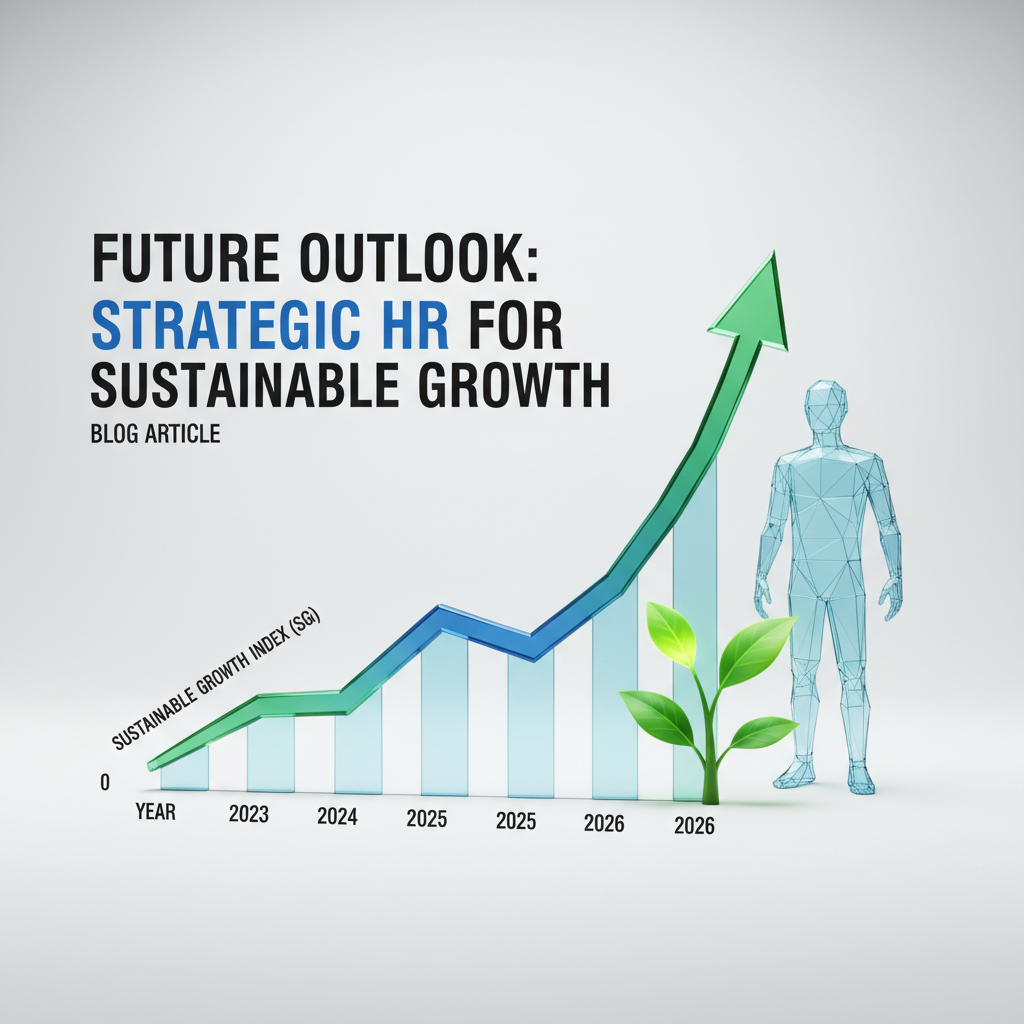
As marketing agencies navigate an increasingly dynamic global landscape, the role of HR transcends traditional administrative functions to become a crucial driver of sustainable growth. This section looks ahead, providing actionable recommendations for HR leaders and agency owners on leveraging HR insights to foster a resilient, adaptive, and high-performing workforce for long-term success. By embracing strategic HR, Vietnamese marketing agencies can not only overcome current challenges but also proactively shape their future, ensuring they attract, retain, and develop the talent necessary to thrive in a competitive market.
1. Leveraging Data for Proactive HR Decision-Making
The future of HR in marketing agencies hinges on the intelligent use of data. Moving beyond basic metrics, HR leaders must embrace advanced HR analytics to gain deep insights into workforce trends, talent management, and employee engagement. By analyzing recruitment funnels, retention rates, performance metrics, and skill development gaps, agencies can anticipate future needs and make proactive decisions. For instance, predictive analytics can identify at-risk employees for turnover, allowing HR to implement targeted retention programs. Data can also inform effective workforce planning, ensuring the agency has the right talent with the right skills for upcoming projects and digital transformation initiatives. Investing in HR technology that supports robust data collection and analysis is paramount. This strategic approach to data empowers HR to move from reactive problem-solving to proactive strategy formulation, directly impacting the agency’s bottom line and competitive advantage. Understanding the latest human capital trends is critical for leveraging data effectively.
2. Building a Resilient and Agile Marketing Workforce
The rapidly evolving nature of the marketing industry demands a workforce that is not only highly skilled but also resilient and agile. This means fostering a culture of continuous learning and adaptability, where upskilling and reskilling are integrated into employee development programs. Agencies must equip their teams with the ability to quickly pivot to new technologies, platforms, and client demands. Emphasizing employee well-being, including mental health support and flexible work arrangements, contributes significantly to resilience. A diverse & inclusion strategy also builds a stronger, more adaptive team, bringing varied perspectives to problem-solving. Creating an organizational agility framework allows teams to respond swiftly to market changes, fostering innovation and maintaining a competitive edge. HR’s role here is to champion these initiatives, developing policies and programs that support psychological safety, collaborative environments, and clear communication channels, ensuring the workforce can thrive amidst uncertainty and emerge stronger.
3. Recommendations for HR Leaders in Vietnamese Agencies
For HR leaders in Vietnamese marketing agencies, several strategic recommendations stand out. Firstly, prioritize the development of a strong, distinctive agency culture that attracts and retains top talent. This culture should emphasize innovation, collaboration, and employee growth, aligning with the aspirations of the local workforce. Secondly, invest heavily in leadership development programs, ensuring managers are equipped to inspire, coach, and manage diverse teams effectively. Given the specific market dynamics, understanding local labor laws and cultural nuances is critical for effective compensation & benefits packages and recruitment strategies. Furthermore, HR should champion digital transformation within the agency, not just in marketing efforts but also in internal HR processes, adopting HR technology for greater efficiency and employee experience. Finally, HR leaders should continuously assess the effectiveness of their talent management and employee engagement initiatives. For a deeper dive into the specific landscape, consult a comprehensive HR report of marketing agency in vietnam to inform localized strategies and ensure long-term success in this vibrant market.
Partner with Shelby Global
You are looking for reliable HR Sevice Suppliers? Contact Shelby Global Now! To connect with verified talents and upgrade your orginization.
—————————————
References
– Google Temasek Bain & Company’s e-Conomy SEA report: https://economysea.withgoogle.com/
– The Future of Jobs Report 2023 – World Economic Forum: https://www.weforum.org/reports/the-future-of-jobs-report-2023/
– salary surveys for Vietnam: https://www.robertwalters.com.vn/en/salary-survey.html
– McKinsey report on AI and data impact on marketing performance: https://www.mckinsey.com/capabilities/growth-marketing-and-sales/our-insights/the-next-frontier-of-marketing-performance
– Deloitte Human Capital Trends: https://www2.deloitte.com/us/en/insights/topics/talent/human-capital-trends.html