
Laying the Foundation: Understanding Singapore’s SME HR Landscape
Stepping into the CEO role for an FMCG company in Singapore presents unique opportunities and challenges. For fresh leadership, especially within Small and Medium-sized Enterprises (SMEs), a deep understanding of human resources (HR) is foundational. Singapore’s vibrant SME sector, particularly in Fast-Moving Consumer Goods, operates distinctly from multinational corporations, with leaner structures, agile decision-making, and a local focus. This section provides a comprehensive Step by Step to understand SMEs HR Structure for the fresh the CEO in FMCG companies in singapore, delving into critical HR aspects that will shape your strategic approach.

-
Key Characteristics of Singaporean FMCG SMEs
Singaporean FMCG SMEs are the backbone of local consumption. These enterprises often exhibit distinct characteristics compared to large multinational corporations. They are typically owner-managed or family-owned, fostering an entrepreneurial culture and a personal approach to employee relations. Decision-making is often centralized and rapid, an advantage in a fast-paced market, though HR functions might not be fully departmentalized, with responsibilities falling to senior management. Resource constraints are defining; budgets for HR software, extensive training, or competitive compensation are often limited. Many operate with a smaller talent pool, necessitating multi-functional roles and a strong emphasis on internal development. Their focus is frequently on niche markets or local distribution, requiring a workforce deeply attuned to local consumer preferences. Understanding these inherent traits is a critical first step for a new CEO.
-
Overview of Local Labor Laws & Regulations (MOM)
Navigating Singapore’s robust regulatory environment is paramount for any CEO, particularly concerning labor laws. The Ministry of Manpower (MOM) is the primary authority overseeing employment practices, ensuring fair and safe workplaces. A solid grasp of key legislations is non-negotiable. The Employment Act forms the bedrock of employment rights and responsibilities, covering areas like contracts, working hours, leave entitlements, and termination procedures for non-managerial and non-executive employees. For all employees, the Central Provident Fund (CPF) Act mandates contributions towards retirement, healthcare, and housing. Singapore also has stringent foreign worker policies, including the Fair Consideration Framework, requiring employers to fairly consider Singaporean job applicants. Workplace safety and health are rigorously enforced. Compliance isn’t just about avoiding penalties; it’s about fostering a fair, secure, and productive work environment. For detailed information, consult the MOM’s official website on employment practices, ensuring your SME operates within legal boundaries.
-
Common HR Challenges for SMEs in Singapore
Despite their agility, Singaporean FMCG SMEs face unique HR challenges. Talent attraction and retention stand out as primary concerns. Competing against multinational corporations for skilled individuals, especially in marketing, sales, and supply chain, can be daunting given often limited compensation and benefits. Many SMEs struggle with a lack of dedicated HR expertise, leading to reactive rather than proactive HR management, inconsistent policy application, and difficulties in implementing strategic workforce planning. This resource constraint also impacts training and development, with smaller budgets limiting access to advanced upskilling programs. Furthermore, managing employee performance, fostering strong company culture, and ensuring robust succession planning become complex without structured HR frameworks. Navigating the digital transformation of HR processes also poses a significant hurdle for SMEs lacking initial investment or technical know-how. Addressing these requires a strategic, albeit lean, approach, leveraging technology and focusing on building a compelling employee value proposition beyond just monetary incentives.
For a fresh CEO in a Singaporean FMCG SME, understanding these nuanced HR dynamics is paramount. From appreciating the unique characteristics of these agile businesses to mastering local labor laws and strategically tackling common HR hurdles, a holistic perspective will empower you to build a resilient, engaged, and high-performing workforce. Investing time and thought into these foundational HR elements will not only ensure compliance but also drive talent development, foster a positive work environment, and ultimately propel your company towards sustainable success in Singapore’s competitive FMCG landscape.
Initial Assessment: Decoding Your Current HR Structure
Stepping into the role of CEO, particularly in the dynamic FMCG sector in Singapore, demands a rapid and insightful understanding of every operational facet. Among the most critical is the Human Resources department. A robust HR foundation is not just about compliance; it’s the engine driving employee performance, talent retention, and ultimately, business success. For a fresh CEO, undertaking a Step by Step to understand SMEs HR Structure for the fresh the CEO in FMCG companies in singapore is paramount. This initial assessment guides you through evaluating the existing HR setup, focusing on key personnel, policies, and crucial performance data to quickly align HR strategy with overarching business goals.
1. Identifying Key HR Personnel and Their Roles
Your first critical step is to map out the HR team. Understand who holds which positions, their specific responsibilities, and their reporting lines. In an SME context within the FMCG industry, HR teams often wear multiple hats, making role clarity even more vital. Engage with your HR Director or Head of HR to gain insights into the team’s capabilities, strengths, and areas for development. Evaluate their understanding of business objectives and their alignment with the company’s strategic vision. Are there specialists in areas like talent acquisition, compensation & benefits, or learning & development? Or is the team more generalized? Assess whether the current HR structure is adequately staffed and skilled to support the company’s growth ambitions and to navigate the unique challenges of the Singaporean talent market. Understanding the individuals and their collective capacity is foundational to optimizing your HR Strategy FMCG Singapore.
2. Reviewing Existing HR Policies and Procedures
Once you understand who is doing what, the next step is to examine how things are done. Dive into the company’s HR policy manual and standard operating procedures. This includes everything from recruitment and onboarding processes to performance management, compensation structures, disciplinary actions, and termination protocols. Pay close attention to policies related to employee benefits, leave, and workplace conduct, ensuring they comply with Singapore’s labor laws (e.g., Employment Act, Fair Consideration Framework). Evaluate whether these policies are clear, consistently applied, and effectively communicated to all employees. Are they up-to-date and reflective of current best practices, particularly within the competitive FMCG landscape? Outdated or inconsistent policies can lead to legal risks, employee dissatisfaction, and operational inefficiencies. This review is crucial for identifying gaps and areas requiring immediate attention, ensuring a compliant and fair workplace environment.
3. Analyzing HR Data: Turnover, Recruitment, and Performance Metrics
Data provides an objective lens into HR effectiveness. As a fresh CEO, requesting a comprehensive report on key HR metrics should be a priority. Focus on:
- Turnover Rates: Examine overall turnover, voluntary vs. involuntary, and breakdown by department, tenure, and role. High turnover, especially in critical roles, can signal underlying issues with culture, compensation, or management. Calculate the cost of turnover to understand its financial impact.
- Recruitment Metrics: Assess time-to-hire, cost-per-hire, source-of-hire effectiveness, and quality of hire. Are you attracting the right talent efficiently? How diverse is your talent pipeline?
- Performance Management Data: Review recent performance appraisals, goal achievement rates, and the distribution of performance ratings. Is there a clear link between performance and rewards? Are training programs yielding measurable improvements?
- Employee Engagement: If available, analyze employee survey results to gauge satisfaction, morale, and identify pain points. This is critical for understanding the organizational pulse.
Leveraging these metrics helps in understanding the current state of measuring HR effectiveness and informs strategic decisions regarding Talent Management SMEs. This data-driven approach will empower you to pinpoint areas of strength, expose weaknesses, and prioritize initiatives that will deliver the most significant impact on your workforce and bottom line.
This initial, methodical assessment of your HR structure, people, policies, and data lays the groundwork for strategic HR transformation. It equips the new CEO with the insights needed to foster a high-performing culture that supports the company’s ambitious goals in the vibrant Singaporean FMCG market.
Operational Deep Dive: Functions and Processes within FMCG HR
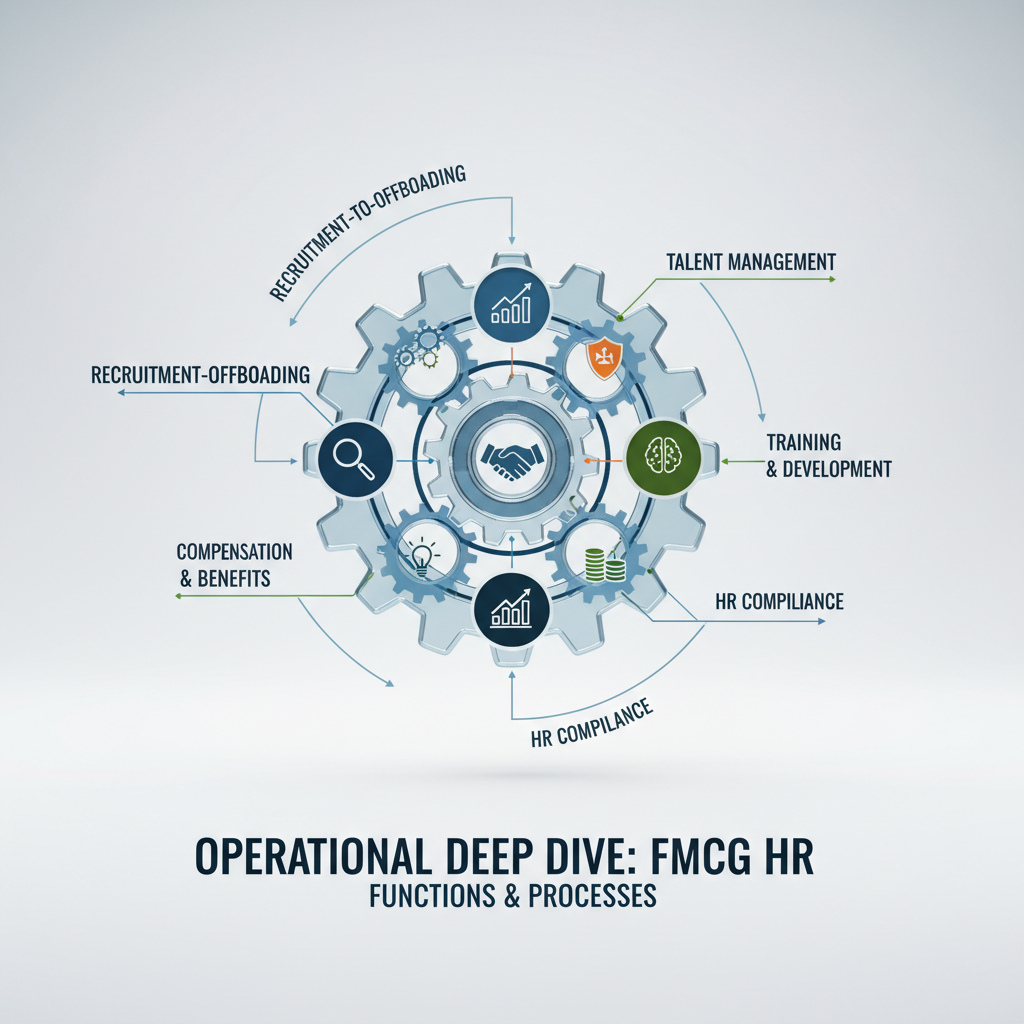
For a fresh CEO stepping into the dynamic world of an FMCG SME in Singapore, understanding the nuances of Human Resources is paramount. HR in this fast-paced sector isn’t just about administrative tasks; it’s a strategic pillar for growth, talent retention, and operational efficiency. This section offers a comprehensive Step by Step to understand SMEs HR Structure for the fresh the CEO in FMCG companies in singapore, delving into the practical day-to-day HR operations, from attracting specialized talent to managing intricate compensation structures and fostering employee development specific to an FMCG environment.
-
Recruitment & Onboarding Strategies for FMCG Talent
The FMCG sector thrives on agility and a deep understanding of consumer behavior. Therefore, effective recruitment and onboarding are critical. For an SME, this means competing with larger players for a limited pool of talent, especially in specialized areas like sales, marketing, supply chain, and product development. Successful recruitment strategies must go beyond traditional job boards; consider leveraging professional networking sites, industry-specific forums, and local recruitment agencies that understand the Singaporean FMCG landscape. Focus on identifying candidates not just with relevant experience but also with a resilient, adaptable, and customer-centric mindset.
Once talent is acquired, a robust onboarding process becomes crucial. In FMCG, new hires need to quickly grasp product portfolios, market dynamics, sales targets, and company culture. A structured onboarding program, incorporating mentorship, product training, and field visits, accelerates time-to-productivity and significantly impacts employee retention. This proactive approach helps reduce turnover in roles that are often high-pressure and target-driven, ensuring new team members are integrated efficiently and feel valued from day one.
-
Compensation, Benefits, and Payroll Management in SMEs
Managing compensation, benefits, and payroll in an FMCG SME requires a delicate balance between market competitiveness and financial prudence. To attract and retain top talent, especially in a competitive market like Singapore, your compensation structure must be appealing. This often includes a base salary complemented by performance-based incentives, such as sales commissions or bonuses tied to achieving specific market share or revenue targets. Understanding local labor laws and regulations, particularly regarding the Central Provident Fund (CPF) contributions and other mandatory benefits, is non-negotiable for HR compliance in Singapore.
Beyond monetary compensation, consider a comprehensive benefits package tailored to the needs of FMCG employees. This might include health insurance, travel allowances for sales personnel, and opportunities for professional development. Efficient payroll management is essential, requiring precise calculations for variable components, accurate tax deductions, and timely disbursements. Many SMEs opt for cloud-based payroll software or engage third-party providers to ensure accuracy and adherence to regulatory requirements, freeing up internal HR to focus on strategic initiatives rather than administrative burdens.
-
Performance Management & Employee Development Programs
In the fast-evolving FMCG sector, continuous performance management and employee development are vital for sustained success. SMEs must implement clear, measurable Key Performance Indicators (KPIs) that align directly with business objectives, such as sales volumes, market penetration rates, brand visibility, or supply chain efficiency. Regular feedback mechanisms, including quarterly reviews and informal check-ins, are more effective than annual appraisals alone, allowing for agile adjustments and continuous improvement.
Employee development programs should be practical and results-oriented. For a sales team, this could mean ongoing training in new product knowledge, negotiation skills, or digital marketing strategies. For other functions, it might involve supply chain optimization courses or leadership development workshops. Investing in upskilling and reskilling not only enhances individual capabilities but also builds a more resilient and adaptable workforce capable of responding to market shifts. Recognizing and rewarding high performance, alongside providing clear career pathways within the SME, significantly boosts employee engagement and motivation, directly impacting the company’s competitive edge in the FMCG landscape.
Strategic Alignment: Integrating HR with Business Goals
In the dynamic and fiercely competitive Fast-Moving Consumer Goods (FMCG) sector in Singapore, the role of Human Resources has evolved significantly. For a fresh CEO, especially one leading an SME, understanding and strategically aligning HR functions directly with broader business objectives is paramount to driving overall success. This section provides a Step by Step to understand SMEs HR Structure for the fresh the CEO in FMCG companies in singapore, ensuring HR acts as a strategic partner in achieving growth, innovation, and market leadership. Effective HR strategy for FMCG SMEs is not merely a best practice; it’s a fundamental requirement for sustainable competitive advantage.
1. Linking HR Metrics to Business Performance
For too long, HR metrics have often been viewed in isolation, measuring retention or time-to-hire without a clear line of sight to the bottom line. A forward-thinking FMCG CEO must demand HR data provides actionable insights directly impacting business performance. This means shifting from purely operational metrics to strategic Key Performance Indicators (KPIs) that connect people data to financial outcomes, operational efficiency, and market share. For instance, instead of just tracking employee turnover, HR should analyze its correlation with product quality issues, supply chain disruptions, or sales team underperformance. Linking training effectiveness to new product launch success rates, or employee engagement scores to customer satisfaction, demonstrates HR’s tangible value. In talent management in Singapore FMCG, understanding the cost of talent acquisition versus revenue generated by high-performing employees informs critical investment decisions. HR must translate people analytics into a language that resonates with financial and operational leaders, proving how investments in talent directly contribute to profitability and competitive edge.
2. Fostering a Culture of Compliance and Engagement
The FMCG sector operates under stringent regulatory requirements, from food safety standards to ethical sourcing. For Singaporean SMEs, navigating this complex landscape while fostering a productive workforce is a delicate balance. HR plays a pivotal role in embedding a culture where compliance is not just a checkbox but an integral part of daily operations and ethical conduct. This involves robust policies, regular training on regulatory updates, and transparent communication. Beyond compliance, HR is crucial in cultivating a high-engagement environment. Engaged employees are more productive, innovative, and loyal – critical assets in a sector reliant on rapid product cycles. Strategies include fair performance management, recognition, growth opportunities, and open dialogue. A strong culture reduces instances of non-compliance and reputational risk. Investing in employee well-being and engagement significantly impacts productivity and reduces costly errors, especially where quality control is paramount. Adhering to fair employment practices and understanding local labor laws is also critical. The Ministry of Manpower (MOM) in Singapore provides clear guidelines on fair employment practices, essential for any FMCG company operating here.
3. Planning for Future Workforce Needs and Succession
The FMCG industry is in constant flux, driven by evolving consumer preferences, technology, and supply chain complexities. For a CEO, anticipating future workforce needs is a significant competitive differentiator. HR must lead strategic workforce planning, identifying skill gaps as the company expands or adopts automation and digital transformation. This involves forecasting talent requirements, developing robust talent acquisition strategies, and building internal capabilities through comprehensive learning and development programs. Succession planning is non-negotiable, particularly for SMEs where the loss of a key individual can have a disproportionate impact. HR should proactively identify high-potential employees, provide mentorship, and prepare them for critical leadership and specialized roles. This ensures business continuity, reduces recruitment costs, and maintains institutional knowledge. By strategically investing in future talent management in Singapore FMCG, companies build an agile and resilient workforce capable of adapting to market changes, driving innovation, and sustaining long-term growth. This proactive approach ensures the FMCG company is well-equipped to capitalize on new opportunities.
In conclusion, for a fresh CEO in Singapore’s FMCG sector, leveraging HR as a strategic pillar is no longer optional. From linking metrics to performance and cultivating a compliant, engaged workforce, to meticulously planning for future talent needs, these steps are fundamental to embedding HR at the core of business strategy and ensuring sustainable success. This integrated approach elevates HR to a powerful enabler of enterprise-wide objectives.
Actionable Steps: Developing Your HR Improvement Roadmap
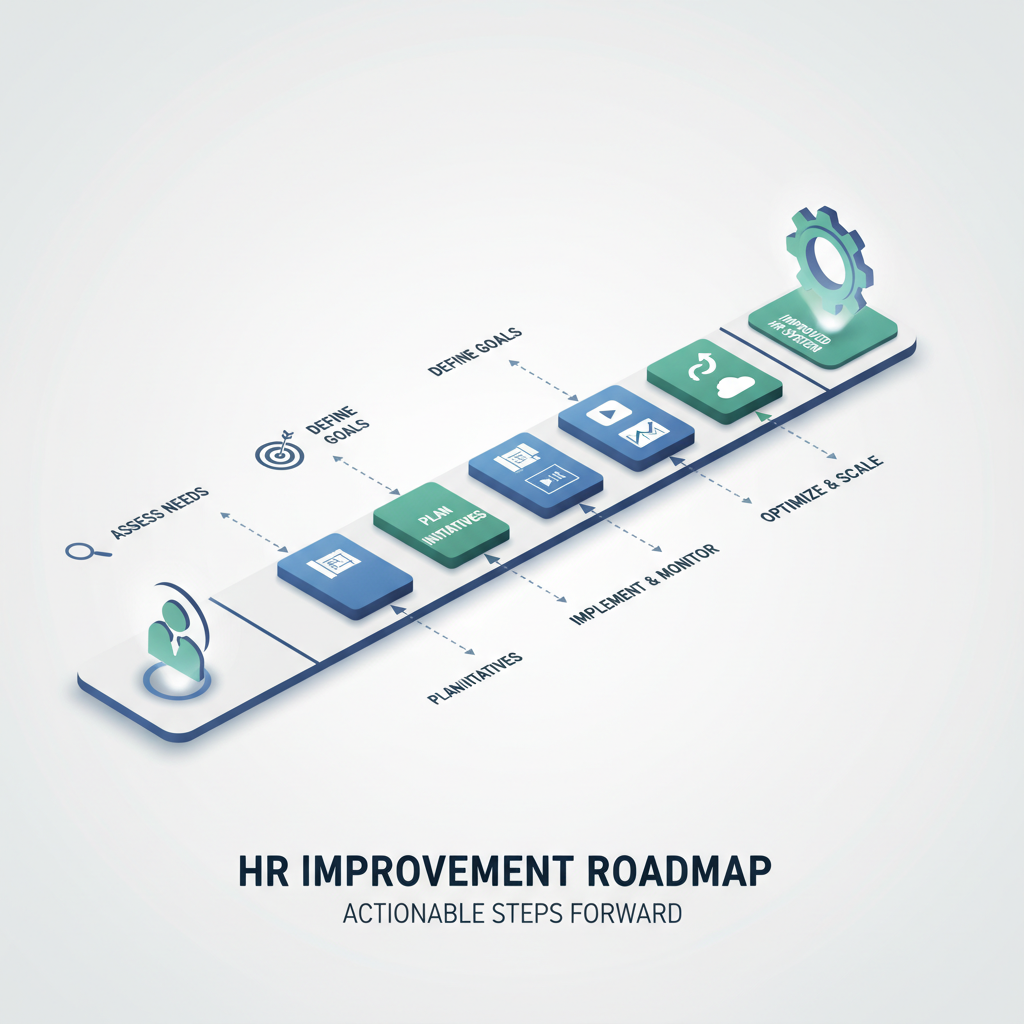
As a new CEO stepping into the dynamic world of FMCG in Singapore, a critical task is to quickly grasp and strategically enhance your company’s human resources framework. This section provides a practical roadmap, designed to help you synthesize your initial understanding into concrete steps for HR improvement. Your objective is not merely to oversee HR, but to transform it into a robust, efficient, and proactive function that directly supports your organization’s growth and competitive edge. By focusing on prioritization, technology adoption, and cultivating strong relationships, you can embark on a journey of continuous improvement, ensuring your HR structure is resilient and aligned with future business demands. This guide offers a Step by Step to understand SMEs HR Structure for the fresh the CEO in FMCG companies in singapore, enabling informed decisions that resonate across the entire enterprise.
1. Prioritizing HR Initiatives for Immediate Impact
Upon gaining an initial understanding of your HR landscape, the next crucial step is to strategically prioritize initiatives delivering the most significant impact. Begin by conducting a thorough assessment of current HR pain points and opportunities. Engage with HR leadership, department heads, and employees to gather diverse perspectives. Look for areas where immediate improvements yield quick wins, boosting morale and demonstrating your commitment. For an FMCG company, this might involve streamlining recruitment to address talent shortages, enhancing onboarding to reduce early attrition, or refining performance management to better align goals. Data-driven insights are invaluable here; analyze existing HR metrics like turnover rates, time-to-hire, and employee engagement scores to pinpoint critical areas. Prioritize initiatives that not only address immediate needs but also lay groundwork for long-term strategic HR goals. Employ a matrix approach, evaluating initiatives based on potential impact versus feasibility and resource requirements, ensuring effective allocation to foster an agile and responsive HR environment.
2. Leveraging Technology for HR Efficiency (HRIS)
In today’s fast-paced business environment, technology is not just an enabler but a necessity for optimal HR function. For an FMCG CEO in Singapore, embracing a robust Human Resources Information System (HRIS) is paramount for achieving efficiency and strategic insights. An integrated HRIS automates tedious administrative tasks, from payroll and benefits administration to time-off requests and employee data management, freeing your HR team to focus on strategic initiatives like talent development and employee engagement. Beyond automation, a sophisticated HRIS provides powerful analytics capabilities. It tracks key HR metrics, generates reports on workforce demographics, performance trends, and compliance, offering invaluable data to inform decision-making. When selecting or upgrading an HRIS, consider scalability, user-friendliness, integration capabilities with other business systems, and adherence to data privacy regulations. Investing in the right HR technology significantly enhances operational efficiency, improves the employee experience through self-service portals, and provides a competitive edge in attracting and retaining top talent. For more insights on the transformative power of HR technology, explore resources like Gartner’s HR research and insights.
3. Building Strong Relationships with HR Leadership & Employees
Beyond systems and processes, the foundation of a thriving HR function lies in strong human connections. As a new CEO, actively fostering open and trust-based relationships with your HR leadership team and employees across all levels is non-negotiable. Schedule regular one-on-one meetings with your HR Director to understand their challenges, strategic vision, and the pulse of the workforce. Empower them, provide necessary resources, and publicly acknowledge their contributions. Equally important is to connect with employees directly. Town hall meetings, skip-level sessions, and informal “walk-abouts” offer invaluable qualitative insights into workplace culture, employee sentiment, and operational bottlenecks. Actively listen to feedback, address concerns transparently, and communicate your vision for HR and the company clearly. Demonstrating genuine care and a willingness to engage will build trust, foster psychological safety, and encourage buy-in for new initiatives. A transparent and supportive leadership approach is crucial for understanding the intricacies of your workforce and ensuring HR improvements are well-received and successfully implemented, driving both efficiency and a positive employee experience.
Partner with Shelby Global
You are looking for reliable HR Sevice Suppliers? Contact Shelby Global Now! To connect with verified talents and upgrade your orginization.
—————————————
References
– MOM’s official website on employment practices: https://www.mom.gov.sg/employment-practices/employment-act
– Measuring HR Effectiveness – SHRM: https://www.shrm.org/resources-and-tools/tools-and-samples/hr-qa/how-do-you-measure-hr-effectiveness/
– HR compliance in Singapore: https://www.mom.gov.sg/employment-practices
– Fair Consideration Framework – Ministry of Manpower Singapore: https://www.mom.gov.sg/employment-practices/fair-consideration-framework
– Gartner’s HR research and insights: https://www.gartner.com/en/human-resources



































































































