Core Roles: SME HR Manager vs Corporate Director
Navigating the human resources landscape within Vietnam’s booming beauty industry requires a keen understanding of organizational scale. The differences between the SMEs’ HR Manager and the Corporates’ HR Director in beauty field in vietnam are profound, dictated primarily by the breadth of operations and the complexity of the workforce. Whether managing a boutique skincare clinic or a regional cosmetics conglomerate, HR leadership defines the company’s ability to scale.

1. Hands-On Operational Tasks in Beauty SMEs
In the agile environment of a beauty SME, the HR Manager acts as a versatile generalist. Because these businesses often operate with lean teams, the manager is directly involved in the “nitty-gritty” of daily operations. Their responsibilities span from processing payroll and conducting initial interviews for estheticians to resolving interpersonal conflicts on the retail floor. In Vietnam’s competitive retail beauty sector, this role is crucial for maintaining daily service standards. According to SHRM, HR generalists in smaller organizations are the primary bridge between employee sentiment and business continuity, ensuring that staffing levels match customer traffic in clinics and salons.
2. Strategic HR Planning in Large Corporates
Conversely, a Corporate HR Director in a large beauty enterprise operates at a 30,000-foot view. Their focus shifts away from daily administrative processing toward long-term organizational design. In a corporate setting, the HR Director designs talent acquisition pipelines that support nationwide expansion, develops sophisticated performance management systems that align thousands of employees with company KPIs, and oversees complex compliance frameworks. Their success is measured by the firm’s ability to retain top-tier talent in an industry where brand loyalty and employee expertise are synonymous with profitability.
3. Budgeting and Resource Allocation Focus
Financial responsibility differs drastically between these two tiers. For the SME HR Manager, budgeting is often tactical and reactionary—balancing seasonal recruitment surges with limited operational cash flow. They must maximize the impact of every dong spent on training or recruitment advertising. In contrast, the Corporate HR Director manages massive capital allocations. They are involved in high-level fiscal planning, determining the ROI of long-term investments like HR technology suites, comprehensive medical insurance packages for corporate-wide staff, and large-scale leadership development programs. While the SME manager fights to keep the doors running smoothly today, the Corporate Director builds the infrastructure to ensure the company remains the market leader five years from now.
Recruiting Top Beauty Talent in Vietnam
The beauty industry in Vietnam is experiencing a period of hyper-growth, driven by a surge in demand for skincare, cosmetics, and wellness services. As companies compete for top-tier professionals—ranging from dermatological consultants to beauty brand managers—the approach to talent acquisition varies significantly. Central to this dynamic are the differences between the SMEs’ HR Manager and the Corporates’ HR Director in beauty field in vietnam, as these two roles operate with distinct priorities, resources, and strategic frameworks.
1. SME Recruitment: Agility and Speed
For small and medium enterprises (SMEs) in the Vietnamese beauty sector, the HR Manager is often a generalist who wears many hats. In a landscape where market trends shift overnight, agility is the primary currency. SME recruitment is characterized by a lean, fast-tracked process that focuses on immediate impact. Because these companies often lack the massive overhead of corporate giants, they rely on personal networking and local industry connections to identify “all-rounder” talent—candidates capable of managing multiple roles from social media marketing to customer service.
The decision-making process in an SME is remarkably swift. An HR Manager can often interview a candidate in the morning and extend an offer by the afternoon, a critical advantage when competing for skilled aesthetic technicians or boutique store managers who may be receiving multiple offers simultaneously. This high-speed approach allows SMEs to capitalize on market opportunities before the slower, bureaucratic machinery of larger firms can react.
2. Corporate Hiring: Employer Branding Strategy
Conversely, the HR Director at a major beauty corporation in Vietnam operates within a highly structured environment where Differences between the SMEs’ HR Manager and the Corporates’ HR Director in beauty field in vietnam become most apparent. For these organizations, recruitment is not just about filling vacancies; it is a long-term exercise in employer branding. Large corporations invest heavily in showcasing their organizational culture, professional development pathways, and global career opportunities to attract high-potential talent.
Corporate recruitment strategies involve multi-stage interviews, psychometric assessments, and rigorous background checks. The HR Director focuses on institutionalizing talent management, ensuring that every hire aligns with the brand’s global values and long-term expansion goals. By leveraging their established market presence, these leaders build a pipeline of talent that is consistently engaged, even when no open roles are available.
3. Sourcing Specialized Skincare and Cosmetics Staff
Sourcing specialized staff, such as medical-grade skincare consultants or makeup artistry experts, requires a nuanced approach regardless of company size. However, the methodology differs greatly. According to General Statistics Office of Vietnam data on labor trends, the demand for specialized service-oriented talent is at an all-time high. SMEs often leverage headhunting agencies or social media community groups to find niche experts, prioritizing practical skills and personality fit. In contrast, corporate HR Directors utilize sophisticated Applicant Tracking Systems (ATS) and talent mapping data to identify top performers from competitors.
Ultimately, while the SME HR Manager excels in personal touch and speed, the Corporate HR Director excels in scalable, sustainable recruitment architecture. Both roles are essential to the vibrancy of the Vietnamese beauty market, with their strategies reflecting the diverse operational realities of the sector.
Training and Workforce Development
In the dynamic Vietnamese beauty landscape, the strategic approach to skill acquisition varies significantly depending on the scale of the organization. Understanding the Differences between the SMEs’ HR Manager and the Corporates’ HR Director in beauty field in vietnam is essential for professionals navigating this sector. While an SME HR Manager often functions as a generalist focusing on immediate operational needs, a Corporate HR Director orchestrates long-term talent ecosystems through structured institutional growth.

1. On-the-Job Mentoring in Local Salons and Clinics
For SMEs in Vietnam, training budgets are often limited, necessitating a shift toward immediate, practical skill application. The HR Manager here acts more like a lead mentor. Training is rarely formal; instead, it occurs via direct observation and shadow-learning under senior stylists or technicians. This “learning by doing” approach allows small businesses to minimize downtime and maximize productivity. However, this model relies heavily on the individual capability of the mentor, which can lead to inconsistencies in service quality across different locations if not properly supervised.
2. Corporate Beauty Academies and Certifications
Conversely, large-scale beauty conglomerates in Vietnam operate under a different philosophy. The Corporate HR Director manages substantial training budgets, often establishing internal Beauty Academies. These institutions utilize standardized training modules that mirror international best practices set by the General Department of Vocational Training to ensure brand uniformity. By formalizing education, corporations mitigate the risks associated with staff turnover, as employees receive recognized certifications that increase their professional value. This creates a scalable model where every technician, from Hanoi to Ho Chi Minh City, performs a facial or hair treatment with identical precision.
3. Retaining Talent Through Clear Career Paths
Retention remains a critical challenge in the high-turnover beauty industry. The SME HR Manager often relies on personal relationships and flexible local benefits to retain staff, which can be effective but lacks scalability. In contrast, the Corporate HR Director focuses on institutionalized career progression. By mapping out specific milestones—from Junior Therapist to Senior Consultant and eventually to Branch Manager—corporations provide a psychological incentive for longevity. While SMEs offer a more intimate, fast-paced environment that appeals to those seeking quick mastery of basic tasks, the corporate structure appeals to those seeking professional security, continuous certification, and a clear vertical trajectory. Ultimately, while the SME model emphasizes immediate operational agility, the corporate framework prioritizes long-term brand equity through rigorous, standardized development.
Organizational Culture and Employee Relations
In the rapidly expanding Vietnamese beauty industry, the role of human resources leadership varies significantly depending on the scale of the organization. Understanding the differences between the SMEs’ HR Manager and the Corporates’ HR Director in the beauty field in Vietnam is essential for professionals navigating this sector, as the cultural expectations and management strategies diverge sharply between boutique beauty clinics and large-scale, multi-national cosmetic conglomerates.
1. Building a Tight-Knit SME Workplace Environment
For an HR Manager in a Vietnamese SME beauty brand, culture is often synonymous with family values. These managers function less like traditional HR officers and more like cultural architects who maintain direct relationships with every employee, from front-line aesthetic technicians to office staff. In this setting, the focus is on personal engagement and fostering a sense of belonging, which is crucial for retention in a competitive market. Small teams rely on a shared vision, where the HR Manager acts as a mediator, a mentor, and a cultural guardian. By nurturing a high-trust environment, SMEs can effectively manage the HR trends in Vietnam, ensuring that the close-knit team remains agile and responsive to the owner’s vision.
2. Navigating Complex Corporate Hierarchies
Conversely, the Corporate HR Director within a large Vietnamese beauty chain must operate within established, often rigid, structural frameworks. Here, the emphasis shifts from personal rapport to scalable policies, standardized talent management, and systemic compliance. The HR Director manages complexity, aligning departmental goals with the overarching corporate strategy. They are responsible for implementing sophisticated performance management systems and standardized training protocols that can be rolled out across multiple locations simultaneously. This role requires a data-driven approach to maintain organizational efficiency, ensuring that the corporate culture is consistently upheld across diverse geographical sites, distinct from the more flexible, personalized approach found in SMEs.
3. Conflict Resolution Tactics in Vietnamese Beauty
Conflict resolution in the beauty sector requires a nuanced understanding of cultural nuances, specifically the importance of “saving face” (giữ thể diện) within a workplace setting. SME HR Managers often employ informal, one-on-one mediation tactics that prioritize interpersonal harmony to resolve issues quietly and maintain morale. In contrast, Corporate HR Directors rely on structured, policy-driven protocols, such as formal grievance procedures and HR committees, to handle conflicts objectively. To understand the strategic shifts required when transitioning between these roles, professionals should analyze the differences between the SMEs’ HR Manager and the Corporates’ HR Director in the beauty field in Vietnam. Whether through the informal, personal touch of an SME environment or the structured, process-oriented mechanisms of a corporate entity, effective HR leaders must adapt their conflict resolution tactics to match their organization’s unique cultural DNA to thrive in the dynamic Vietnamese beauty landscape.
HR Tech Adoption and Future Trends
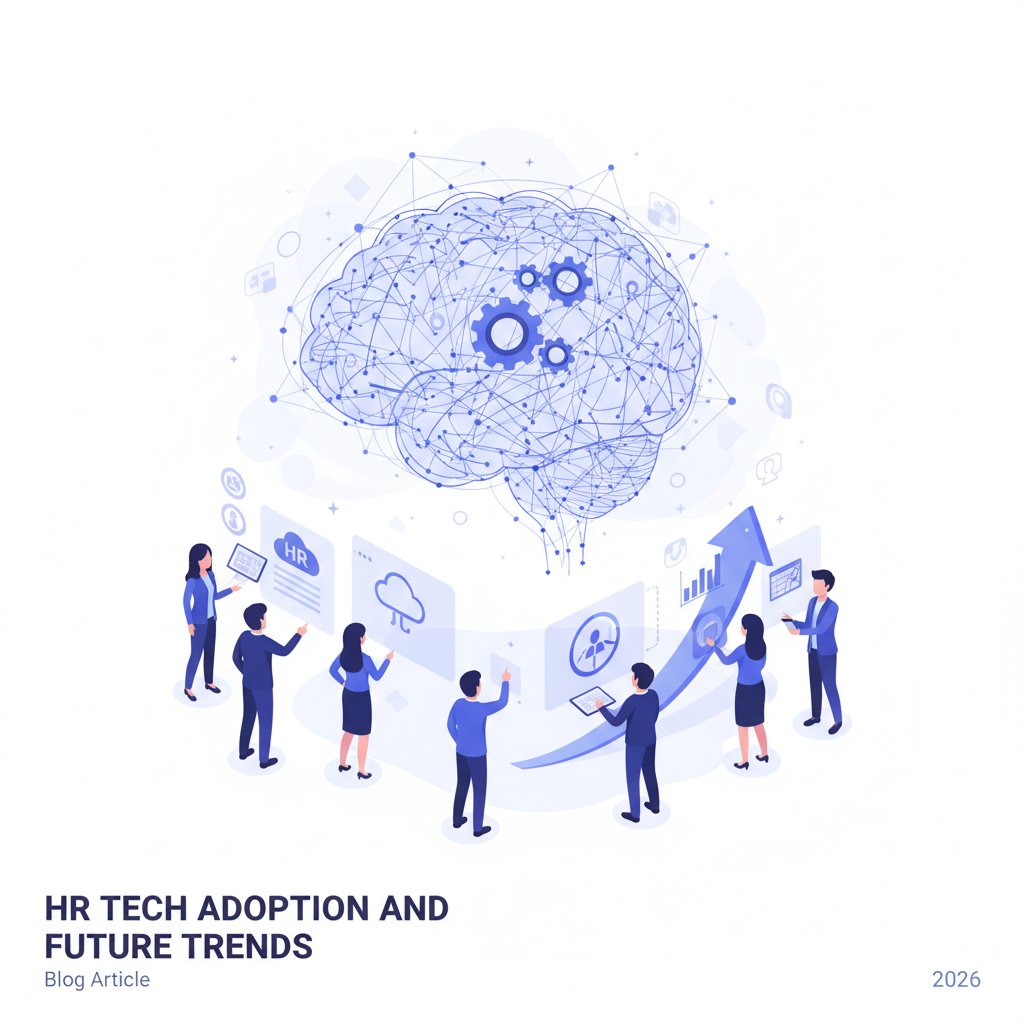
In the rapidly expanding beauty industry in Vietnam, the digitalization of human resources has become a critical differentiator. However, the approach to technology adoption varies significantly depending on the scale and operational complexity of the organization. Understanding the Differences between the SMEs’ HR Manager and the Corporates’ HR Director in beauty field in vietnam is essential for navigating the current market landscape. While SMEs often prioritize agility and immediate cost-efficiency, large-scale beauty corporations focus on long-term data integration and global scalability. The integration of technology in this sector is evolving beyond simple record-keeping toward sophisticated AI-driven talent management.
1. Cost-Effective HR Software Solutions for SMEs
For the HR Manager in a Vietnamese beauty SME, the primary constraint is often budget paired with a need for rapid implementation. These managers tend to favor cloud-based, “out-of-the-box” software that addresses immediate pain points like time-attendance and payroll automation. By utilizing lean, modular HR tech, SMEs can compete for talent without the overhead costs of enterprise-grade legacy systems. The goal here is high utility for a small team, ensuring that HR administrative tasks are handled with minimal manual intervention.
2. Enterprise HRIS for Multinational Beauty Brands
In contrast, an HR Director at a major beauty corporation in Vietnam oversees complex operations requiring sophisticated Human Resource Information Systems (HRIS). These systems must handle multifaceted organizational structures, international compliance, and high-volume performance tracking. According to industry reports on the digital transformation of human resources, enterprise-level solutions prioritize global data synchronization and holistic employee lifecycle management. For the corporate HR leader, the focus is on standardizing processes across various retail outlets and manufacturing hubs to maintain brand consistency and operational excellence.
3. Predictive Analytics in Corporate HR Directing
Looking ahead, the frontier of HR technology lies in predictive analytics. While SMEs are catching up on foundational digital management, corporate HR Directors are already leveraging AI to forecast talent attrition, optimize shift scheduling in retail environments, and predict skill gaps before they affect business performance. By analyzing workforce trends, these leaders can make data-driven decisions that impact revenue growth. As the Vietnamese beauty market matures, the adoption of AI-powered forecasting will become the new benchmark for excellence, forcing both small-business managers and corporate directors to continually adapt their tech stacks to remain competitive in a talent-scarce environment.
Partner with Shelby Global
You are looking for reliable HR Sevice Suppliers? Contact Shelby Global Now! To connect with verified talents and upgrade your orginization.
—————————————
References
– SHRM HR Generalist Role Overview: https://www.shrm.org/topics-tools/news/hr-departments/role-hr-generalist
– General Statistics Office of Vietnam: https://www.gso.gov.vn/en/
– General Department of Vocational Training: https://www.vocationaltraining.edu.vn/
– HR trends in Vietnam: https://www.hr-gazette.com/hr-trends-in-vietnam/
– Society for Human Resource Management: https://www.shrm.org