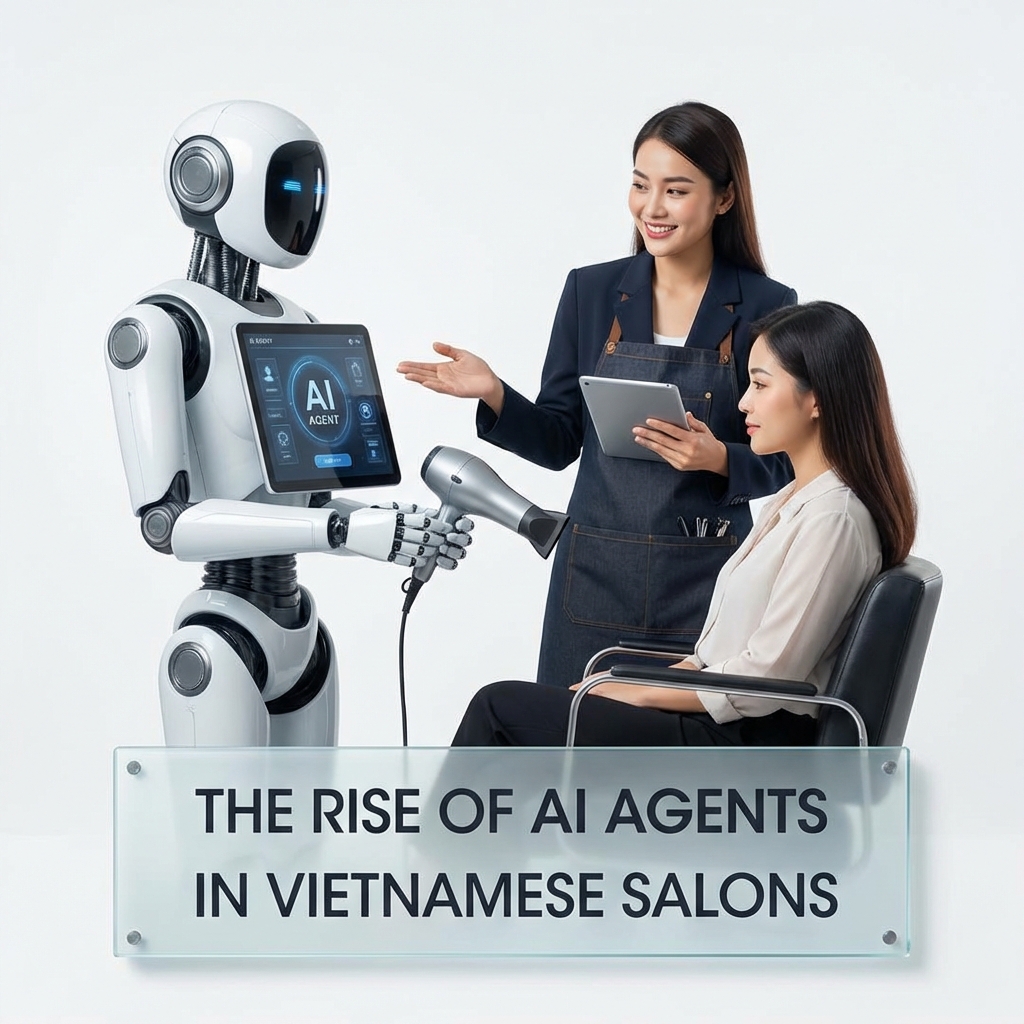
The Rise of AI Agents in Vietnamese Salons
The beauty and wellness industry in Vietnam is currently undergoing a digital metamorphosis. As urban centers like Ho Chi Minh City and Hanoi witness a surge in premium salon chains, owners are increasingly turning to technology to maintain competitive edges. Understanding how AI agent effect to beauty field in vietnam is crucial for businesses aiming to modernize their service delivery and operational efficiency.
1. Automated Appointment Booking Systems
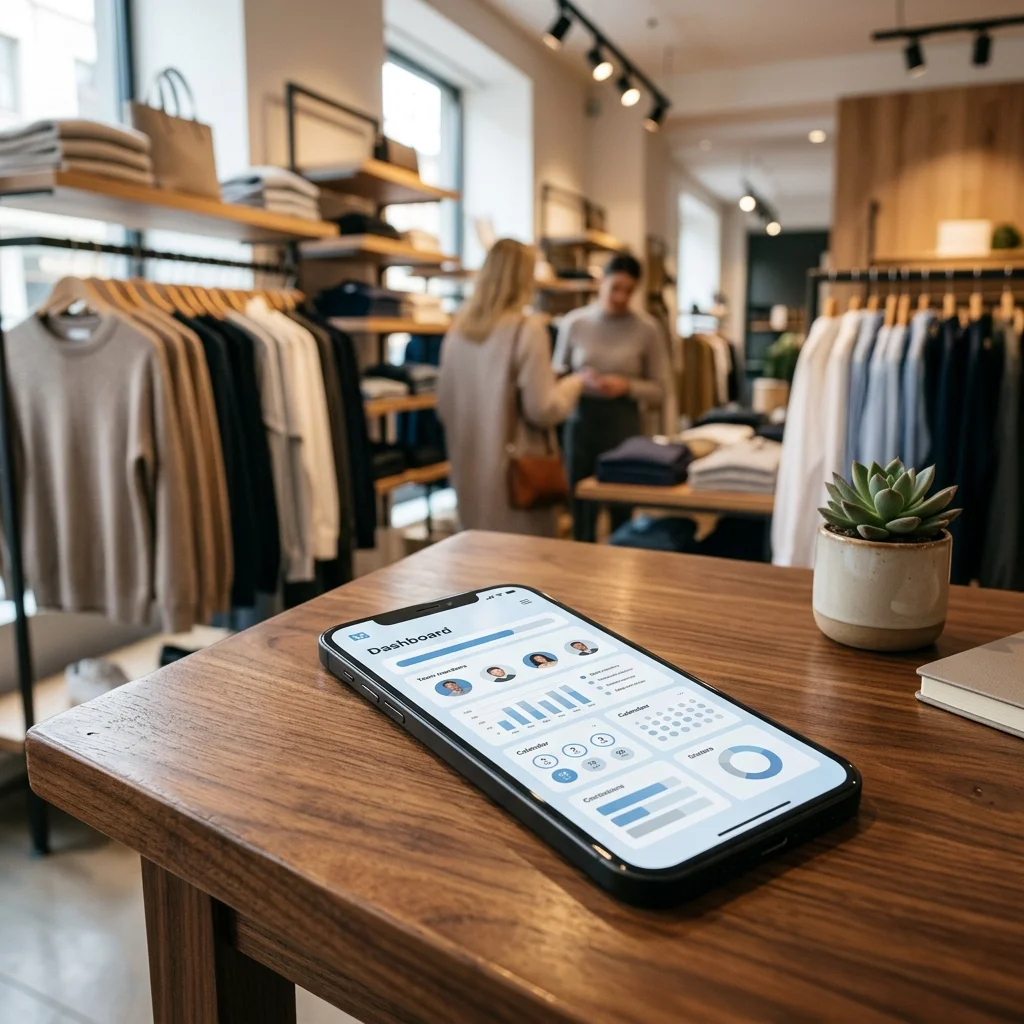
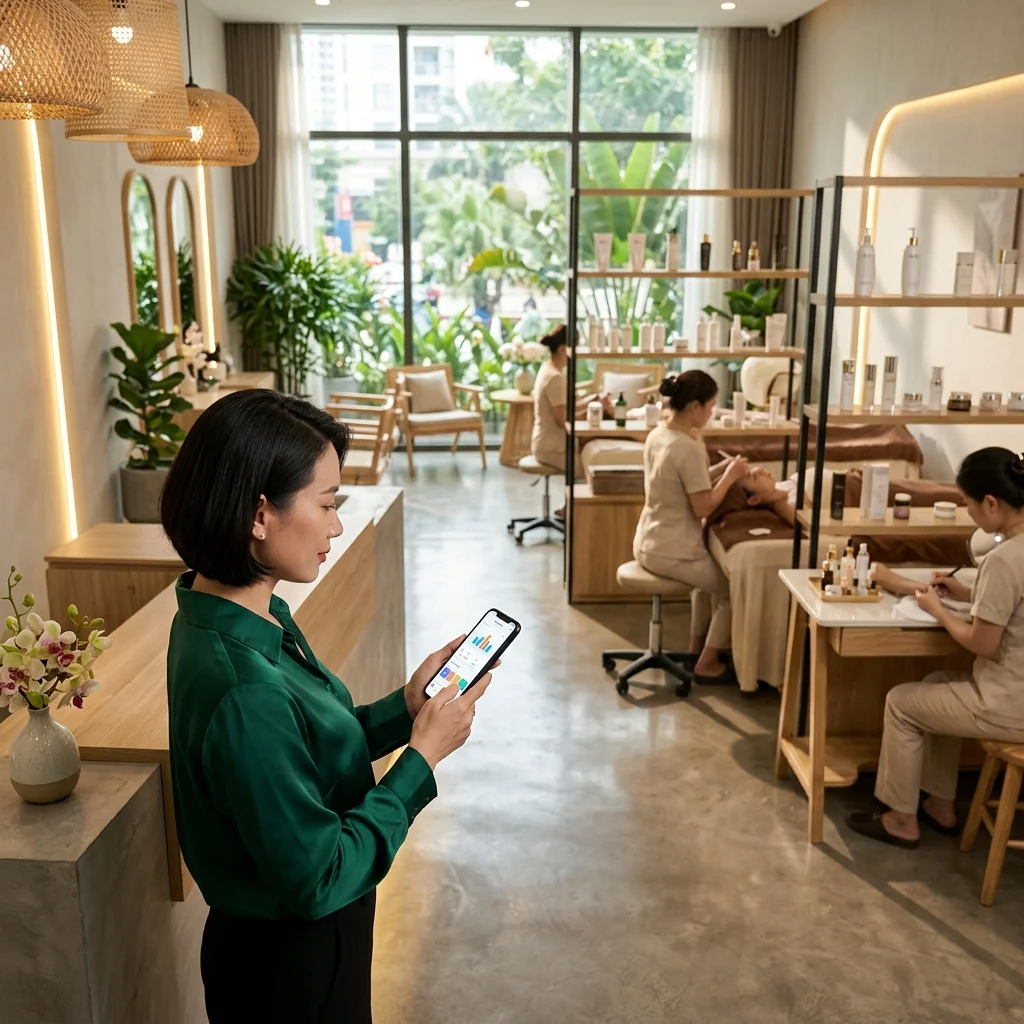
Gone are the days of manual logbooks and missed phone calls. AI-driven booking agents are revolutionizing how Vietnamese salons handle schedules. By integrating intelligent scheduling software, salons can offer 24/7 booking capabilities that sync directly with staff calendars. This not only minimizes double bookings but also allows the system to analyze peak hours, enabling managers to adjust staffing levels dynamically based on predictive data models.
2. Smart Customer Support & Chatbots
In a market where high-quality customer service is a hallmark of success, AI chatbots are becoming essential. These virtual assistants, often deployed via Zalo or Facebook Messenger, provide instant responses to common inquiries regarding service pricing, stylist availability, and post-treatment care instructions. By offloading routine queries to AI, human staff can focus on the intricate tasks of hair styling, facial treatments, or spa therapies, ultimately elevating the overall beauty retail experience. This shift ensures that the client feels valued and acknowledged from the very first interaction.
3. AI-Driven Inventory Management for Spas
Maintaining a precise inventory of high-end beauty products is a complex logistical challenge for many Vietnamese spa owners. AI agents can monitor consumption rates in real-time, sending automated alerts when essential supplies like essential oils, shampoos, or skincare serums approach low levels. By leveraging data analytics, these agents can predict future demand based on seasonal trends or specific promotional events. This prevents stockouts and reduces waste, significantly impacting the bottom line of salons that rely on premium, often imported, products. As these technologies continue to permeate the local market, the integration of AI will no longer be considered a luxury, but a fundamental pillar for growth in the Vietnamese beauty sector.
Virtual Try-On Tech Reshaping Retail Beauty
The beauty industry in Vietnam is currently undergoing a digital metamorphosis, driven largely by the integration of cutting-edge artificial intelligence and augmented reality. As consumer behavior shifts toward digital-first shopping, understanding how AI agent effect to beauty field in vietnam has become paramount for retailers aiming to capture market share. These technologies are no longer just gimmicks; they are essential tools that bridge the gap between physical retail experiences and the convenience of e-commerce.
1. AR Makeup Testing on Shopee & TikTok
Vietnam’s thriving e-commerce ecosystem, led by platforms like Shopee and TikTok Shop, has integrated augmented reality (AR) to revolutionize the path to purchase. Through advanced AR technology in the beauty sector, shoppers can now instantly visualize lipstick shades, foundations, and eyeshadows on their own faces in real-time. This interactive experience significantly reduces the hesitation associated with buying color cosmetics online, as users can confidently preview products without needing to visit a physical store. By creating a realistic simulation, platforms have successfully democratized high-end beauty, allowing consumers across Vietnam, from urban centers to remote provinces, to experiment with various styles and brands seamlessly.
2. Hyper-Personalized Product Recommendations
The second pillar of this digital transformation is the shift toward hyper-personalization, largely powered by AI algorithms. Modern beauty platforms leverage data analytics to offer tailored suggestions based on individual skin profiles, previous purchases, and seasonal trends. When analyzing how AI agent effect to beauty field in vietnam, it is evident that these virtual assistants act as digital beauty consultants. By scanning a user’s skin concerns—such as hydration levels or tone—AI engines can curate specific product regimens. This move away from one-size-fits-all marketing has fostered deeper customer loyalty, as users feel understood and valued, leading to a higher retention rate for beauty brands operating within the Vietnamese market.
3. Boosting Online Conversion Rates
Ultimately, the marriage of AR try-ons and AI-driven insights has led to a measurable surge in online conversion rates. By mitigating the ‘uncertainty gap’ that traditionally plagued online cosmetic sales, retailers have seen a decrease in product returns and a significant uptick in customer satisfaction. When customers can virtually ‘try before they buy,’ the psychological barrier to purchasing is dismantled. For Vietnamese beauty enterprises, investing in these technological solutions is no longer optional; it is a competitive necessity. As AI continues to evolve, its capability to predict consumer desires and provide instant, accurate feedback will continue to drive profitability and operational efficiency across the entire supply chain, cementing a new era for beauty retail in the region.
AI Skin Analysis Tailoring Local Treatments
In recent years, the digital transformation of the cosmetic industry has brought revolutionary changes to how consumers approach their dermatological health. Understanding how AI agent effect to beauty field in vietnam is essential for anyone looking to optimize their routine in a region defined by specific environmental stressors and genetic skin profiles.
1. Tropical Climate Skincare Solutions
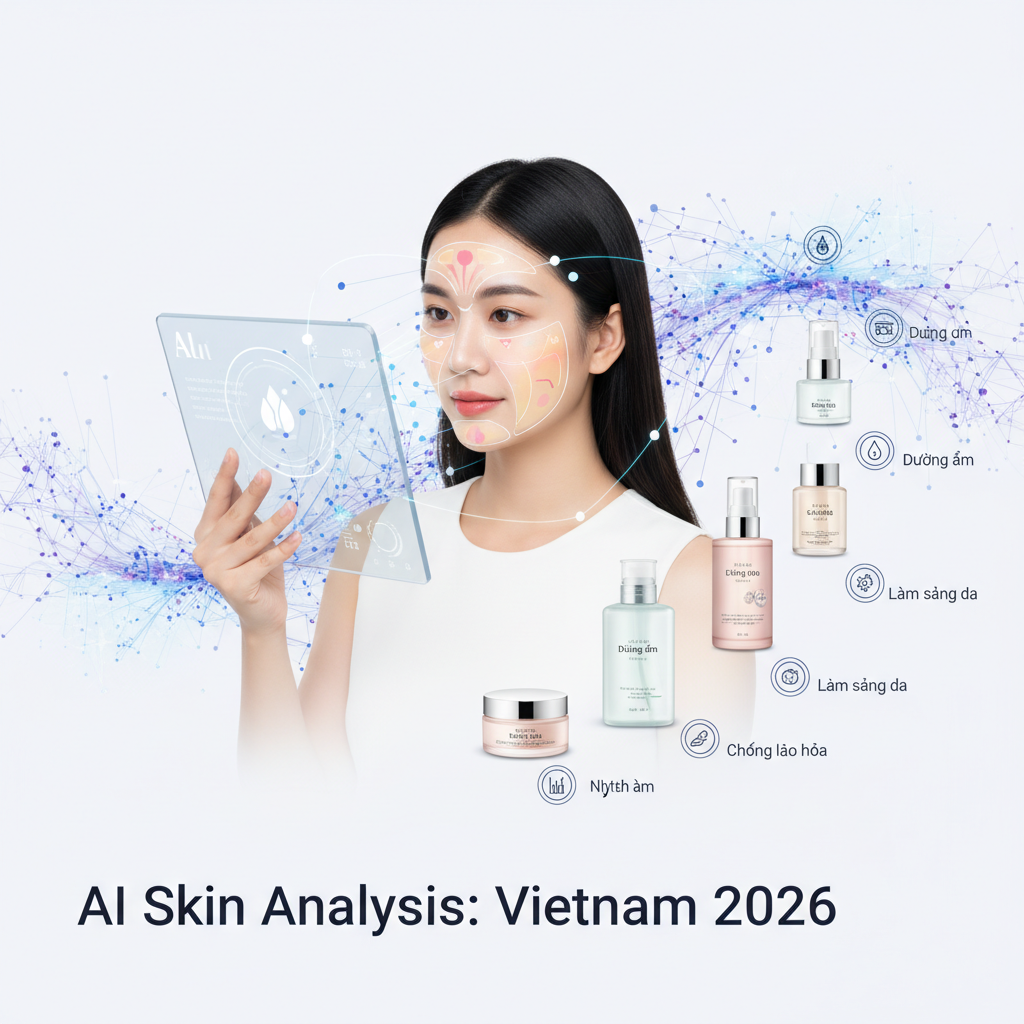
Vietnam’s hot and humid tropical climate presents unique challenges, including excessive sebum production, enlarged pores, and increased susceptibility to UV damage. AI-driven platforms are now analyzing these environmental variables alongside user data to provide hyper-localized recommendations. By processing data points such as local humidity levels and pollution indices, these tools recommend lightweight, non-comedogenic formulations that prevent clogged pores while ensuring adequate protection. This data-driven approach shifts the focus from generic international products to those that respect the specific needs of the local skin barrier.
2. Mobile App Skin Diagnostics
Mobile diagnostics have become the cornerstone of personalized beauty. Through advanced image recognition, these applications scan high-resolution photos to detect subtle changes in skin texture, pigmentation, and moisture levels. Experts suggest that the rise of proper dermatological care is facilitated significantly when patients can track their progress through longitudinal AI monitoring. By integrating these apps into a daily routine, users in Vietnam can identify the early onset of melasma or acne breakouts—common concerns in the region—before they become chronic issues, allowing for proactive intervention.
3. AI-Formulated Custom Cosmetics
The final frontier of this technology is the creation of bespoke skincare lines. Rather than relying on mass-market products, manufacturers are using insights derived from how AI agent effect to beauty field in vietnam to formulate custom concentrations of active ingredients. These AI engines determine the optimal percentage of Vitamin C for brightening or Salicylic acid for oil control, adjusted specifically for an individual’s sensitivity profile. This precision minimizes the risk of irritation, which is particularly vital given the high intensity of the Vietnamese sun. By leveraging AI to craft a personalized regimen, consumers can achieve professional-grade results from the comfort of their homes, effectively bridging the gap between clinical aesthetics and daily maintenance.
Challenges of AI Adoption in Vietnam Market
As the Vietnamese beauty industry seeks to modernize, the integration of advanced technologies has become a focal point for growth. Specifically, understanding how AI agent effect to beauty field in Vietnam reveals a landscape brimming with potential yet obstructed by significant structural and psychological barriers. While global giants have successfully implemented automated diagnostics and personalized virtual consultations, local players face a steeper uphill climb. The following section outlines the critical hurdles that SMEs and large beauty conglomerates alike must overcome to achieve widespread adoption.
1. High Initial Investment for Local SMEs
The foremost barrier for the majority of Vietnam’s beauty sector—which is heavily populated by small and medium-sized enterprises (SMEs)—is the prohibitive cost of entry. Implementing AI-driven platforms, such as automated skin analysis tools or inventory management systems, requires substantial upfront capital. According to a report by McKinsey & Company on the state of AI, the infrastructure required to maintain high-functioning models is resource-intensive, often exceeding the budget of local beauty clinics or boutique retail brands. Consequently, many businesses are forced to choose between legacy systems or scaling back their digital transformation plans entirely, fearing that the return on investment will not materialize quickly enough to offset operational debt.
2. Data Privacy & Security Concerns
As beauty brands increasingly rely on AI to analyze consumer data—such as high-resolution skin photos or personal health records—concerns regarding data sovereignty have emerged. The Vietnamese consumer is becoming more vigilant about how their biometric data is stored and used. Currently, Vietnam’s legal framework regarding personal data protection is evolving rapidly, but many local businesses lack the robust cybersecurity protocols necessary to guarantee that AI-collected information remains strictly confidential. This trust deficit creates a paradox: to offer a hyper-personalized AI experience, firms need deep data, but the collection of such data is precisely what causes customer apprehension.
3. Bridging the Consumer Digital Divide
Beyond technical and financial constraints, there is a cultural element to the digital divide. While major cities like Ho Chi Minh City and Hanoi have high smartphone penetration rates, a significant segment of the population remains hesitant to rely on algorithms for personal aesthetics. Trust in human expertise—such as the advice of a traditional dermatologist or beauty consultant—remains deeply embedded in the culture. Replacing this tactile, interpersonal relationship with an AI agent requires a shift in consumer behavior that is currently met with resistance. Education and hybrid models, where AI acts as a tool for the human professional rather than a replacement, are essential to bridging this gap and normalizing the use of automated technologies in beauty routines.
Future Predictions for AI Beauty Tech by 2026
As Vietnam continues its rapid ascent as a hub for digital innovation, the intersection of advanced artificial intelligence and the cosmetics industry is undergoing a paradigm shift. To understand how AI agent effect to beauty field in vietnam, one must look at the convergence of hyper-personalization, automation, and digital ecosystem integration. By 2026, the local market is expected to move beyond simple virtual try-ons, transitioning into a sophisticated landscape driven by autonomous agents that manage every aspect of the consumer beauty journey.
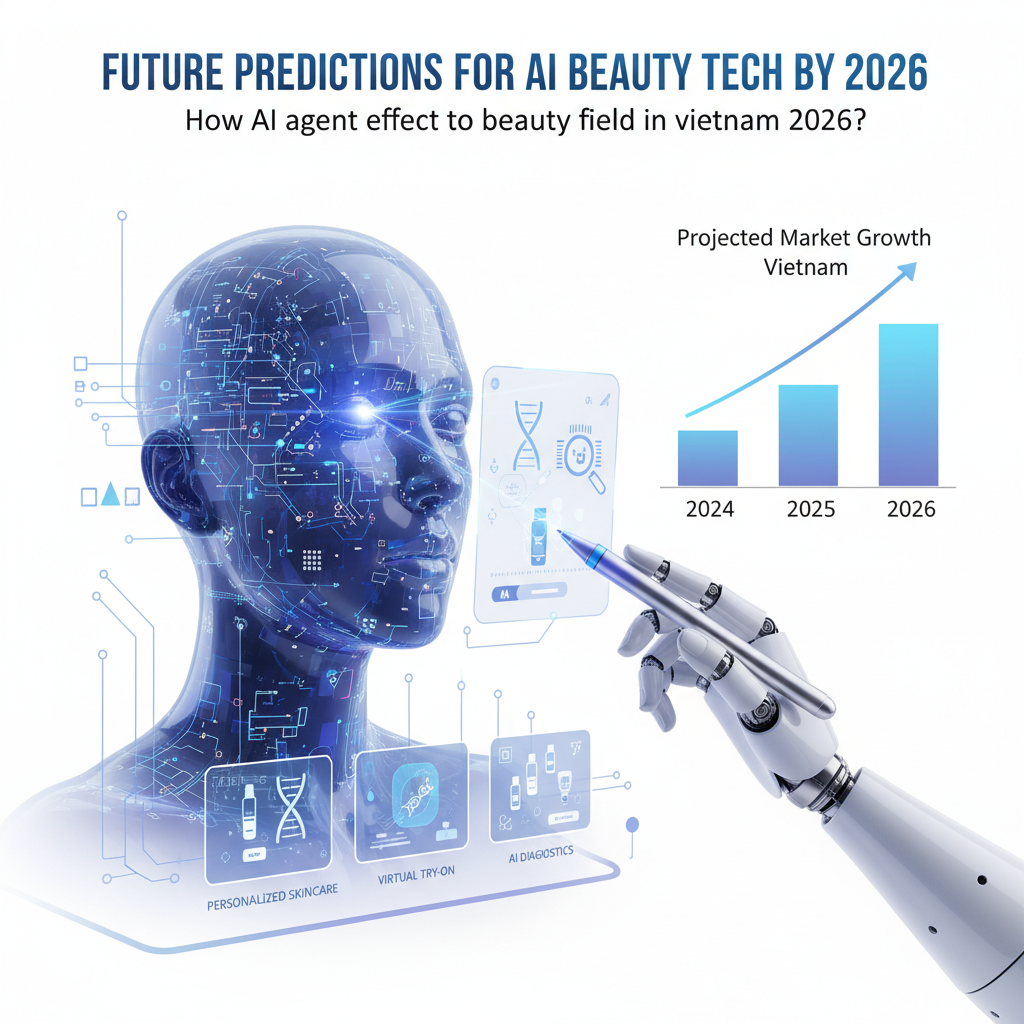
Current trends suggest that businesses leveraging these technologies will see a significant competitive edge. For a deeper analysis on how AI agent effect to beauty field in vietnam, industry leaders are increasingly relying on data-driven frameworks to refine their customer acquisition strategies.
1. Fully Autonomous Robotic Spa Clinics
By 2026, Vietnam will likely witness the emergence of fully autonomous robotic spa clinics in urban centers like Ho Chi Minh City and Hanoi. These facilities will utilize AI agents to manage client scheduling, skin analysis, and even non-invasive aesthetic procedures. These robotic systems provide a level of consistency and precision that manual service providers struggle to maintain at scale, ensuring every client receives a personalized treatment plan based on their unique dermatological data.
2. Deep Integration with Local Super Apps
The ubiquity of platforms like Zalo and Grab in the Vietnamese market creates a unique opportunity for AI beauty agents. By 2026, we predict that these agents will be deeply embedded within local super apps. This integration will allow AI assistants to predict replenishment needs, suggest skincare routines based on local weather data, and book salon appointments directly through the user’s primary mobile interface. This frictionless experience is essential for capturing the tech-savvy Gen Z demographic in Vietnam, which is heavily monitored by global market researchers analyzing the future of the beauty industry.
3. The Next Era of AI Beauty Influencers
The influencer marketing landscape in Vietnam is set for a disruption as AI-generated virtual influencers become more human-like and culturally localized. These entities, driven by sophisticated large language models, will offer 24/7 beauty advice, acting as personalized concierge services for brands. Unlike traditional influencers, these AI agents can handle thousands of conversations simultaneously, providing real-time product recommendations that are perfectly tailored to a user’s skin type, budget, and cultural preferences. As these agents gain the trust of the local market, they will redefine the standard for consumer engagement, shifting the focus from static advertisements to dynamic, personalized brand dialogues.
Partner with Shelby Global
You are looking for reliable HR Sevice Suppliers? Contact Shelby Global Now! To connect with verified talents and upgrade your orginization.
—————————————
References
– The State of Fashion: Beauty Industry Report: https://www.mckinsey.com/industries/retail/our-insights/the-state-of-fashion-beauty-industry-report
– How AI and AR Are Revolutionizing The Beauty Industry: https://www.forbes.com/sites/forbesbusinesscouncil/2023/11/02/how-ai-and-ar-are-revolutionizing-the-beauty-industry/
– American Academy of Dermatology Association Skin Care Tips: https://www.aad.org/public/diseases/a-z/skin-care-tips
– McKinsey & Company: What is AI: https://www.mckinsey.com/featured-insights/mckinsey-explainers/what-is-ai
– The future of the beauty industry: https://www.mckinsey.com/industries/consumer-packaged-goods/our-insights/the-future-of-the-beauty-industry