The Rise of AI Agents in Vietnamese Retail
Vietnam is currently witnessing a seismic shift in its commercial infrastructure as the rapid digitalization of the economy accelerates. As the middle class expands and digital consumption patterns mature, the FMCG (Fast-Moving Consumer Goods) sector finds itself at a pivotal junction. Organizations are moving beyond simple data collection, shifting toward autonomous decision-making systems known as AI agents to manage complex operations in real-time.
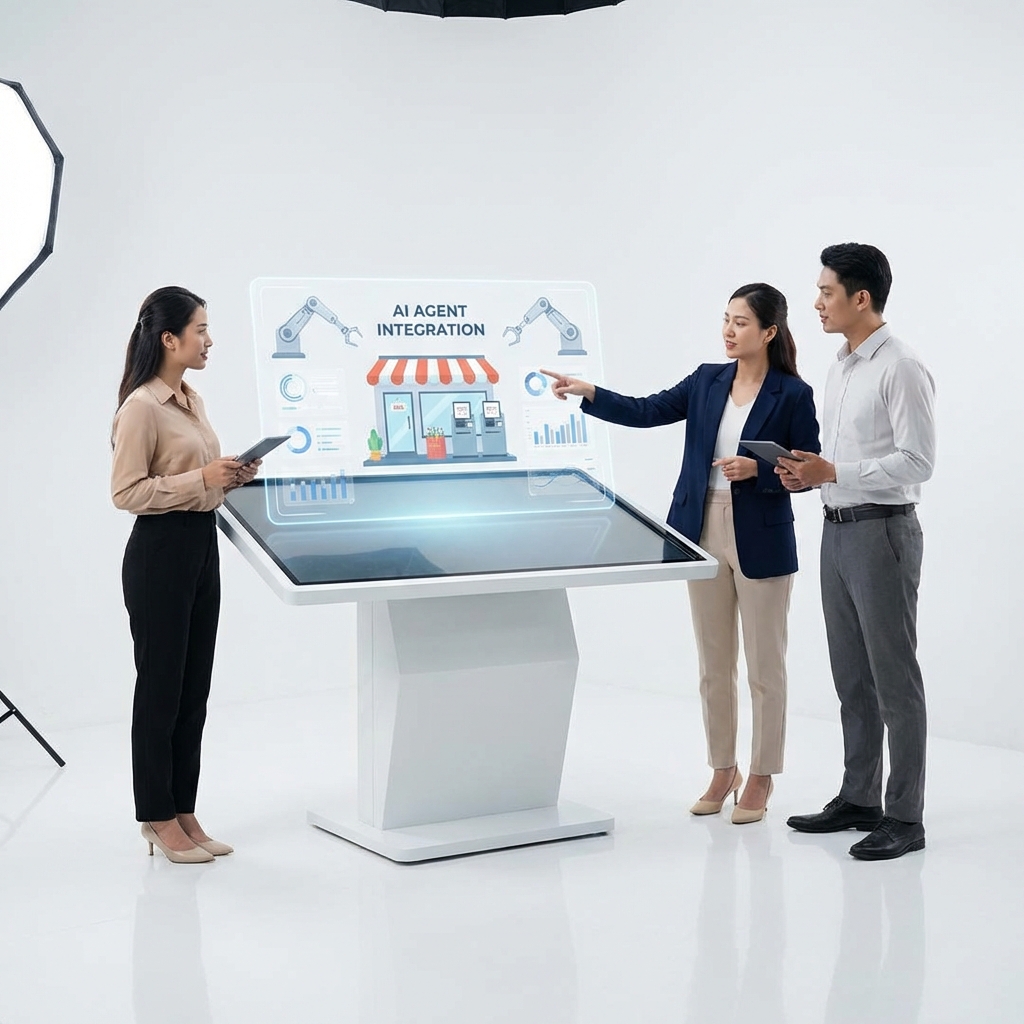
Understanding How AI agent effect to FMCG companies in vietnam is essential for stakeholders looking to maintain competitiveness in an increasingly fragmented market. These intelligent entities go beyond traditional automation by executing multi-step workflows, from supply chain logistics to personalized consumer interactions, effectively acting as digital employees that operate around the clock.
1. Current FMCG Tech Landscape in Vietnam
The Vietnamese FMCG market is characterized by a unique blend of traditional general trade (GT) and rapidly growing modern trade (MT). Historically, digitalization in this sector focused on basic ERP systems and inventory management tools. However, according to insights on the global retail evolution, the integration of AI-driven analytics is becoming the new standard for operational efficiency. In Vietnam, companies are grappling with the limitations of manual data processing, which often leads to inaccurate demand forecasting and stock-outs in remote provinces. The current landscape is defined by a transition toward cloud-native architectures that can handle the high volume of transactions characteristic of the Vietnamese market, setting the stage for more sophisticated AI deployments.
2. Defining AI Agents for Consumer Goods
To grasp the strategic implications, it is vital to define what sets these agents apart. An AI agent is a software program capable of perceiving its environment, reasoning, and taking autonomous actions to achieve specific goals. In the context of the Vietnamese FMCG industry, these agents manage tasks like dynamic pricing, replenishment logistics, and conversational customer support. When evaluating how AI agent effect to FMCG companies in vietnam, it is clear that their primary value lies in their ability to bridge the gap between massive data silos and actionable field decisions. Unlike static software, an AI agent learns from interactions, allowing it to adapt to local cultural nuances and purchasing behaviors, such as the surge in demand during the Tet holiday season.
3. Key Drivers for Local AI Adoption
Several factors are pushing Vietnamese firms toward rapid adoption. First, the intense competition in the retail sector necessitates extreme cost optimization. By utilizing AI agents to manage supply chains, companies can significantly reduce wastage and improve margins. Second, the widespread mobile penetration in Vietnam allows companies to use AI to engage customers directly through conversational interfaces, providing hyper-personalized shopping experiences that were previously impossible at scale. Third, the local workforce is increasingly tech-savvy, enabling smoother internal integration of these advanced tools. As companies streamline their operations, AI agents act as the backbone, providing the consistency and speed required to navigate the complexities of the Vietnamese geography and diverse consumer demographics. This shift is not just about keeping pace with global trends but about solving localized challenges such as logistics hurdles and inventory volatility, ensuring that products are always available exactly where and when consumers demand them.
Optimizing Supply Chains with AI Agents
In the rapidly evolving landscape of Vietnam’s Fast-Moving Consumer Goods (FMCG) sector, the integration of autonomous technology has shifted from a competitive advantage to a fundamental operational necessity. As supply chains become increasingly complex, How AI agent effect to FMCG companies in vietnam becomes the central conversation for industry leaders. By deploying intelligent, self-correcting AI agents, organizations can transition from reactive troubleshooting to proactive orchestration, ensuring that consumer demand is met with surgical precision.
AI agents act as digital employees capable of processing vast datasets, negotiating logistics parameters, and executing complex workflows without human intervention. For the Vietnamese market—characterized by fragmented retail outlets, diverse geography, and shifting consumer habits—these tools provide the agility needed to maintain market share.
1. Predictive Inventory Management
The traditional “bullwhip effect,” where small changes in retail demand cause massive disruptions in upstream manufacturing, is being mitigated through predictive AI. Unlike static software, AI agents continuously ingest real-time data from Point-of-Sale (POS) systems across Vietnam’s general trade and modern trade channels. By analyzing seasonality, local festival spikes (such as Tet), and regional economic trends, these agents predict demand with high accuracy.
This intelligence allows companies to optimize stock levels, preventing the dual pitfalls of overstocking—which ties up capital—and stockouts, which drive consumers toward competitors. According to McKinsey, companies that successfully implement AI-driven supply chain management can see inventory reductions of up to 20% while simultaneously increasing availability. In Vietnam, where warehouse space is expensive and logistics costs account for a significant portion of GDP, these efficiencies are transformative.
2. Automated Distribution Routing
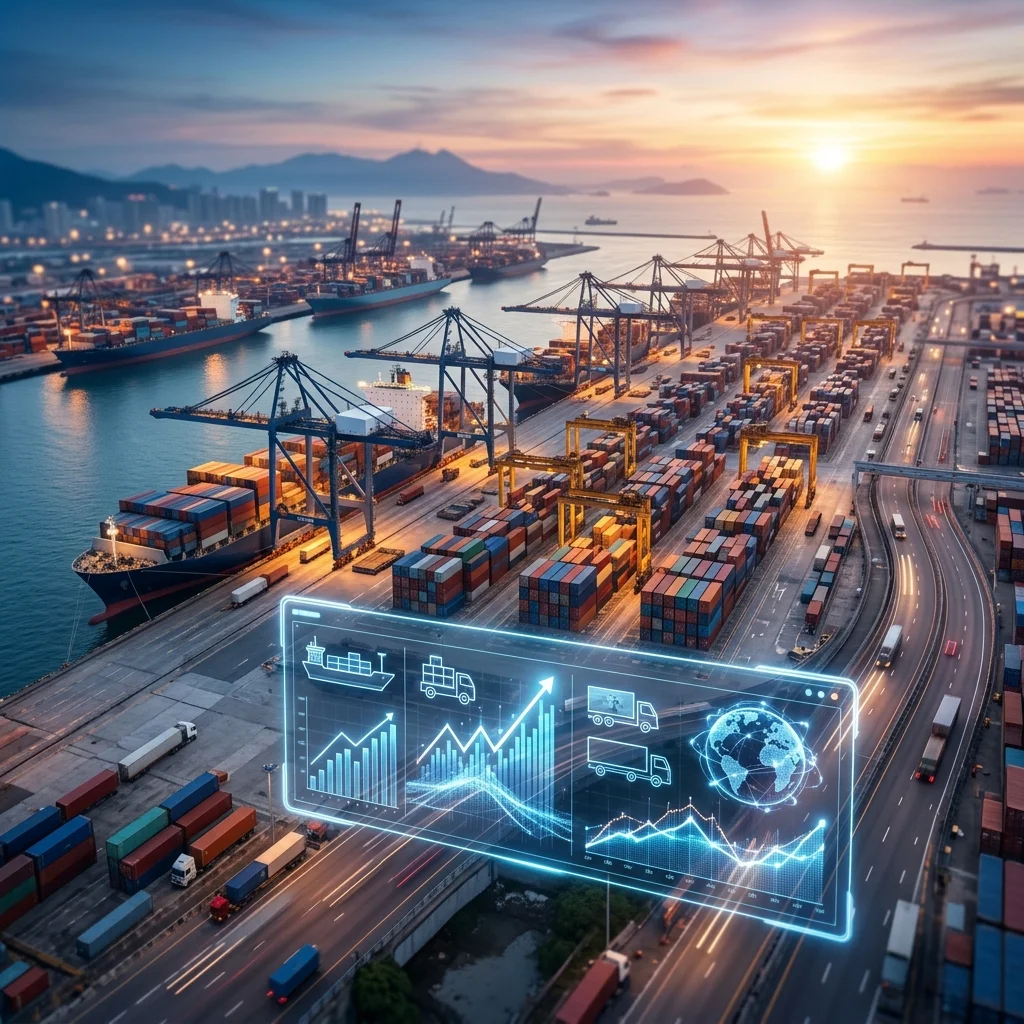
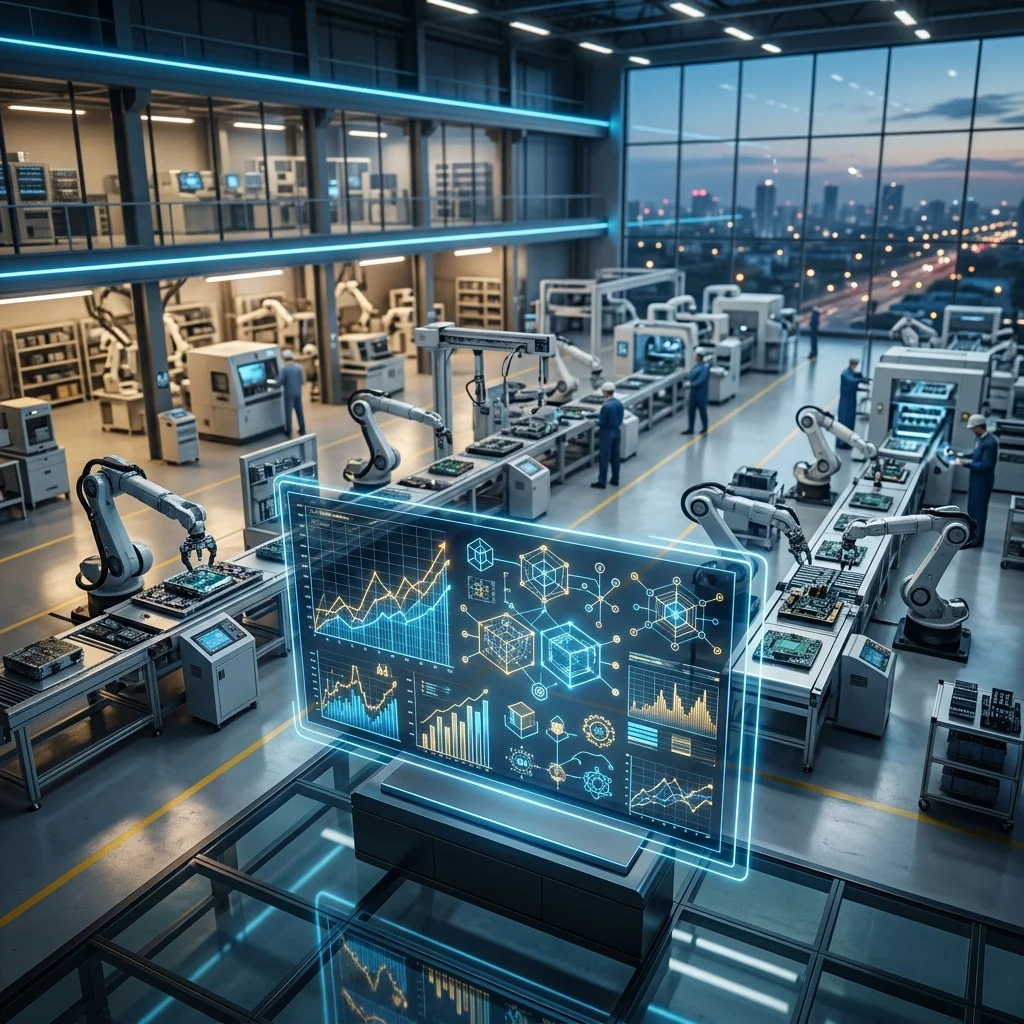
Distribution in Vietnam presents unique challenges, ranging from dense urban traffic in Ho Chi Minh City and Hanoi to the “last-mile” hurdles in rural provinces. AI agents are revolutionizing this by automating distribution routing in real-time. These agents do not merely suggest the shortest path; they calculate the most efficient route by factoring in traffic patterns, vehicle fuel consumption, driver schedules, and delivery windows.
Furthermore, these autonomous agents can dynamically adjust schedules when unexpected disruptions occur, such as seasonal flooding or road construction. By integrating How AI agent effect to FMCG companies in vietnam into the distribution core, enterprises can significantly reduce fleet idle time and fuel expenditure. The result is a more resilient network that ensures products move from factories to store shelves faster than ever before, maintaining freshness and quality.
3. Reducing Logistics and Overhead Costs
The cumulative impact of these AI deployments is a substantial reduction in overhead. Traditionally, managing a logistics network required large administrative teams to monitor shipments and resolve discrepancies. AI agents now handle these granular tasks, communicating directly with logistics providers, tracking containers, and flagging potential delays before they escalate into costly failures.
By automating the procure-to-pay process and vendor communication, FMCG firms can redirect human capital toward higher-level strategic planning. This shift is vital for Vietnamese companies looking to modernize their operational structure to compete with international multinationals. The cost savings achieved through lower waste, improved logistics optimization, and automated administration contribute directly to the bottom line, providing the financial runway to invest in further digital transformation. As the infrastructure in Vietnam continues to mature, those who embrace these autonomous agents will find themselves leading the market, while laggards will struggle to reconcile the costs of legacy operational models with the speed of modern digital commerce.
Transforming the Shopper Experience
In the rapidly evolving landscape of the Vietnamese consumer goods sector, the integration of advanced technology has shifted from a competitive advantage to a fundamental necessity. As digital adoption accelerates, understanding how AI agent effect to FMCG companies in Vietnam becomes critical for brands aiming to maintain market relevance. AI-powered intelligent agents are reshaping the consumer journey by offering seamless, data-driven interactions that bridge the gap between traditional retail and digital convenience.
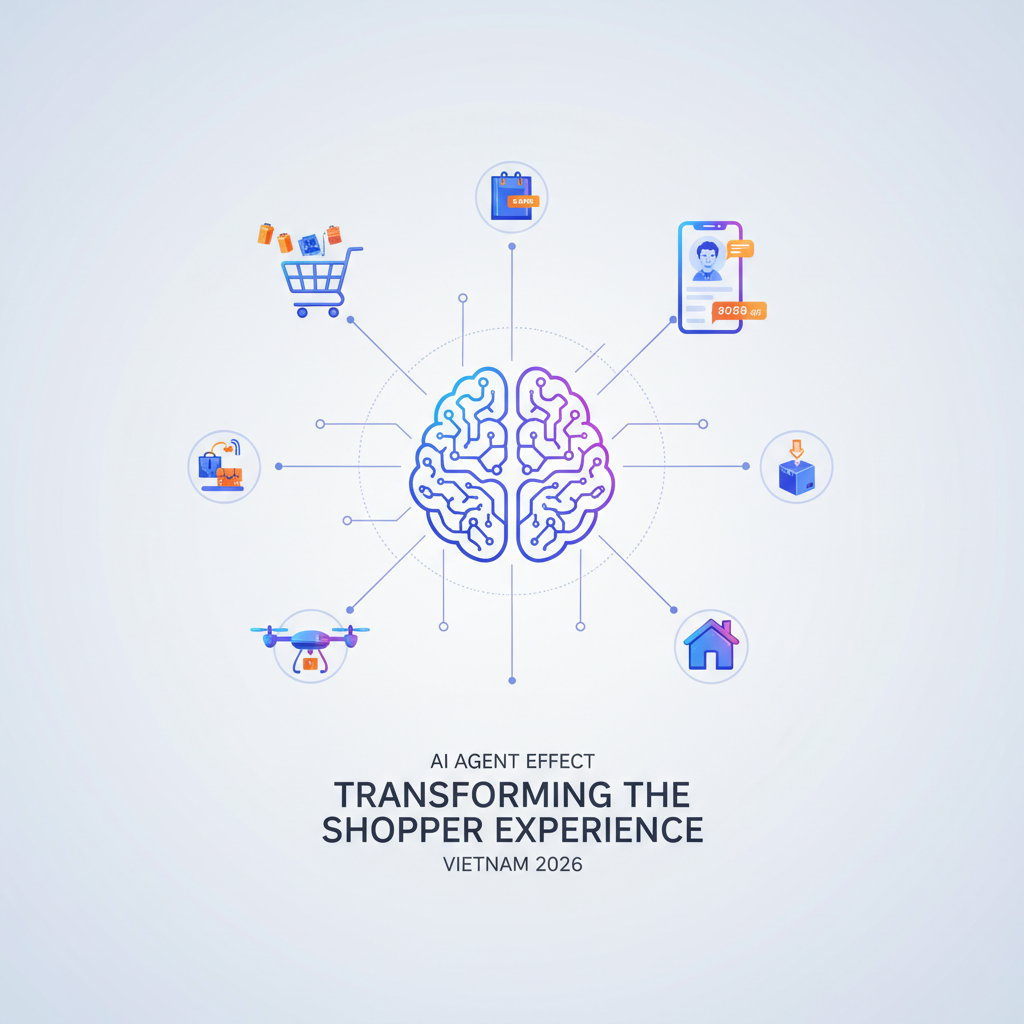
By deploying autonomous agents, companies can move beyond static marketing models to dynamic, responsive systems. These agents analyze vast amounts of data in real-time, allowing businesses to anticipate consumer needs before they are even articulated. For a deeper look into the strategic implementation of these technologies, you can explore more about how AI agent effect to FMCG companies in vietnam to better align your digital transformation roadmap.
1. 24/7 Multilingual Customer Support
Vietnam is a diverse market with a unique linguistic landscape and an increasingly digital-native population. Traditional call centers are often limited by business hours and staffing constraints, creating friction in the customer journey. AI-driven intelligent agents solve this by providing 24/7 multilingual support. These agents can handle inquiries in Vietnamese, English, and various local dialects with high accuracy, ensuring that no customer request goes unanswered. By automating routine interactions, FMCG companies can significantly reduce response times, ensuring that customer satisfaction remains high regardless of the hour. This constant availability builds trust and brand loyalty, which are essential in the highly competitive FMCG sector where consumers often pivot to alternatives if their immediate needs are not addressed.
2. Hyper-Personalized Sales Promotions
Generic, blanket marketing campaigns are becoming less effective as Vietnamese shoppers demand experiences tailored to their specific habits and preferences. AI agents leverage machine learning models to synthesize purchase history, browsing behavior, and demographic data to craft hyper-personalized promotions. Instead of offering broad discounts, these agents can deliver specific recommendations to individual mobile devices at the perfect moment of consideration. According to McKinsey, personalization is a significant driver of long-term revenue growth, and for Vietnamese FMCG brands, this means moving toward predictive loyalty programs. These agents ensure that the promotional content delivered is relevant, timely, and actionable, thereby increasing conversion rates and maximizing marketing budget efficiency.
3. Real-Time Consumer Sentiment Analysis
The ability to interpret the “voice of the customer” at scale is perhaps the most profound impact of AI agents on brand strategy. Through real-time sentiment analysis, these agents monitor social media, customer service transcripts, and review platforms to gauge how the public perceives a brand or a product launch. In the context of the fast-paced Vietnamese market, where trends shift rapidly, having immediate feedback is invaluable. If an agent detects a spike in negative sentiment regarding a product’s price point or packaging, management can intervene immediately to adjust communication strategies or logistics. This proactive approach transforms the consumer feedback loop from a reactive, retrospective process into a live strategic tool. By understanding the emotional and rational drivers behind consumer choices, companies can refine their product portfolios and marketing messages with surgical precision, ensuring they stay ahead of market trends and consumer expectations.
Enhancing Field Sales and Execution
In the rapidly evolving landscape of consumer goods, the integration of AI agents is fundamentally reshaping how organizations manage their physical presence. For companies operating in Southeast Asia, understanding How AI agent effect to FMCG companies in vietnam is no longer a futuristic consideration but a core pillar of operational strategy. By digitizing the “last mile” of the supply chain, AI provides granular visibility that was previously unattainable, ensuring that investments in trade marketing translate into measurable shelf performance.
1. Smart Shelf Monitoring Technologies
Traditional field sales execution in Vietnam has long relied on manual audits, which are prone to human error and infrequent data collection. Smart shelf monitoring technologies utilize computer vision and AI-driven image recognition to transform standard smartphone cameras into powerful analytical tools. As sales representatives walk the aisles, these systems instantly scan product positioning, price tags, and inventory levels against the planogram. This AI-powered analytics engine allows FMCG firms to detect out-of-stock items, competitor displacement, and planogram non-compliance in real-time. By automating data entry, companies can shift their focus from manual data collection to strategic problem-solving, ensuring that the right product is available at the right shelf location at every point of sale.
2. Empowering Field Sales Representatives
The true power of AI lies in its ability to function as a digital assistant for the field sales force. In the diverse and geographically fragmented Vietnamese market, field representatives face unique challenges in managing thousands of small-to-medium retail outlets. AI-driven platforms provide these teams with hyper-personalized insights for every store visit. Instead of relying on generalized sales scripts, representatives receive intelligent recommendations regarding which SKUs to push, based on historical store performance, seasonal trends, and current regional consumption patterns. By surfacing predictive analytics directly to the mobile interface, AI enables sales teams to conduct more consultative conversations with retailers, effectively increasing the order volume per visit and optimizing route planning for maximum regional market penetration.
3. Boosting Omni-Channel Conversions
The convergence of physical retail and digital commerce requires a seamless data strategy. AI agents act as the connective tissue between offline store execution and online consumer demand. By analyzing data from both traditional trade outlets and e-commerce platforms, these systems identify cross-channel trends that inform supply chain adjustments. For instance, if an AI agent detects a surge in online interest for a specific product in a particular district of Ho Chi Minh City, it can automatically trigger alerts for field teams to increase physical stock in that area to capture the conversion. This synergy between digital insight and physical action creates a closed-loop system where marketing spend is optimized, stock wastage is reduced, and the consumer experience is consistently elevated across every channel.
Future FMCG AI Trends to Watch by 2026
The Vietnamese fast-moving consumer goods (FMCG) landscape is undergoing a radical transformation as artificial intelligence shifts from a peripheral tool to the core operating system of commerce. As we look toward 2026, the question of how AI agent effect to FMCG companies in vietnam is becoming the primary driver of competitive differentiation. Intelligent agents—autonomous software entities capable of executing tasks, making decisions, and managing complex supply chain interactions—are no longer futuristic concepts; they are the new reality for regional market leaders.
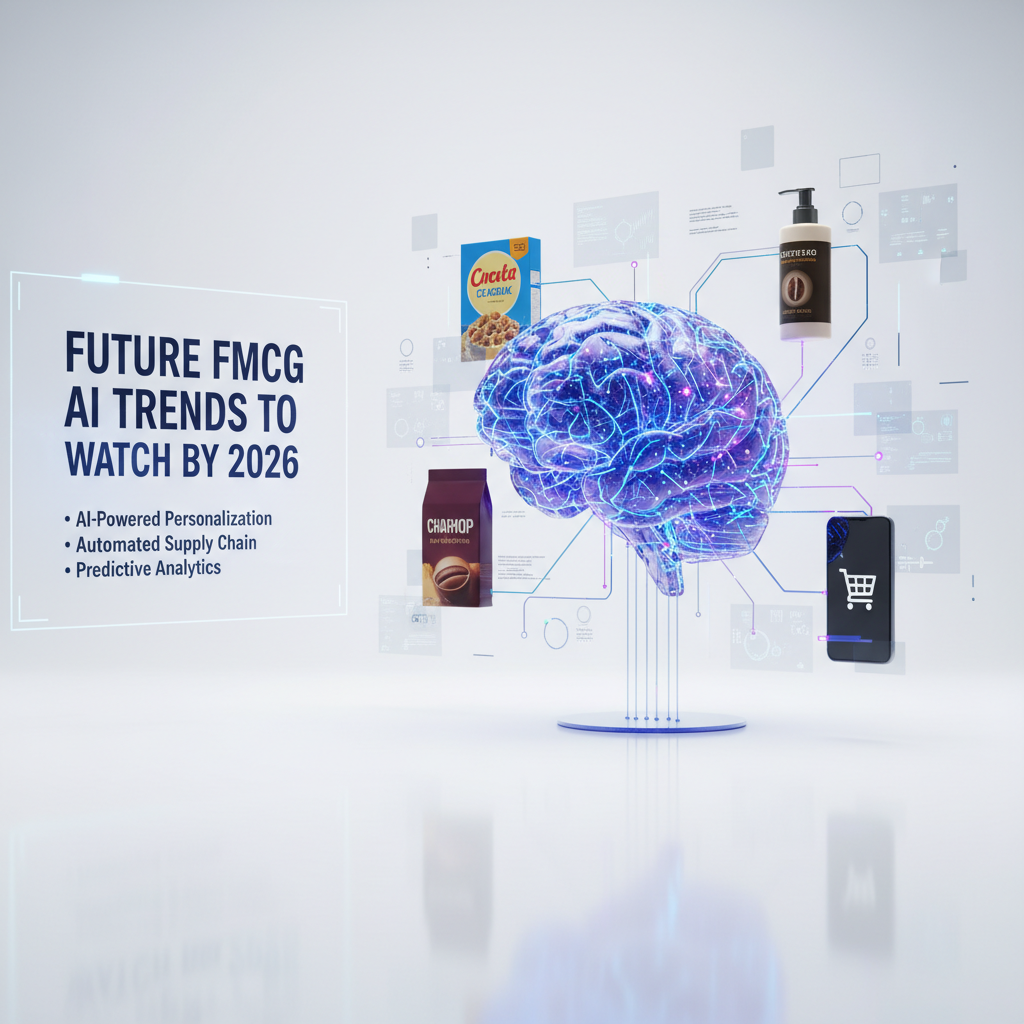
By leveraging How AI agent effect to FMCG companies in vietnam, businesses are moving beyond simple automation. We are witnessing the birth of hyper-personalized supply chains, where inventory movements are predicted and executed by autonomous agents, significantly reducing wastage and optimizing delivery routes in the congested urban centers of Ho Chi Minh City and Hanoi.
1. Deep Integration with Local Apps Like Zalo
Vietnam’s digital ecosystem is unique, with Zalo acting as the primary super-app for communication and commerce. By 2026, the most effective AI agents will not exist in isolation; they will be deeply embedded within the Zalo API. This integration allows FMCG brands to offer conversational commerce that mimics a personal shopper experience. AI agents can manage real-time inventory checks, facilitate seamless payments, and handle customer service queries directly within the Zalo chat interface. For local FMCG companies, this means the barrier between social interaction and transaction is being completely erased, enabling a frictionless path to purchase that Western markets struggle to replicate.
2. Navigating Data Privacy and Compliance
As AI agents consume vast amounts of consumer data to refine their predictive capabilities, the regulatory environment in Vietnam is tightening. The Decree on Personal Data Protection (PDPD) serves as the bedrock for this evolution. FMCG companies must ensure their autonomous agents are built with ‘privacy-by-design’ principles. By 2026, compliance will not just be a legal hurdle but a consumer trust metric. Brands that utilize AI to process data transparently will gain the loyalty of Vietnam’s increasingly privacy-conscious Gen Z and Millennial demographics. Failure to align AI autonomy with strict data sovereignty will result in significant reputational and financial risk, as the government continues to ramp up enforcement of data localization requirements.
3. Upskilling the AI-Ready Workforce
The rise of AI agents necessitates a massive shift in human capital requirements. The traditional FMCG sales and logistics roles are being replaced or augmented by human-machine collaborative roles. Companies that succeed by 2026 will be those that have aggressively implemented upskilling initiatives. This involves training employees to manage, audit, and ‘steer’ AI agents rather than performing the manual labor that these systems have replaced. Building an AI-ready workforce in Vietnam requires a hybrid approach, combining technical literacy in data science with soft skills like critical thinking and ethical judgment. Investing in the local talent pool now is the only way for FMCG firms to maintain a sustainable competitive advantage in a market that is rapidly digitizing.
Ultimately, the impact of AI agents on the Vietnamese FMCG sector is profound. By bridging the gap between sophisticated software autonomy and the unique, localized behaviors of Vietnamese consumers, companies can unlock unprecedented growth. The roadmap for 2026 is clear: integrate locally, comply strictly, and empower your workforce to thrive in the age of the intelligent agent.
Partner with Shelby Global
You are looking for reliable HR Sevice Suppliers? Contact Shelby Global Now! To connect with verified talents and upgrade your orginization.
—————————————
References
– McKinsey Retail Insights: https://www.mckinsey.com/industries/retail/our-insights
– McKinsey – AI in the Consumer Goods Industry: https://www.mckinsey.com/industries/consumer-packaged-goods/our-insights/ai-in-the-consumer-goods-industry
– The value of getting personalization right—or wrong—is multiplying: https://www.mckinsey.com/capabilities/growth-marketing-and-sales/our-insights/the-value-of-getting-personalization-right-or-wrong-is-multiplying
– The future of CPG sales: How AI can drive growth: https://www.mckinsey.com/industries/consumer-packaged-goods/our-insights/the-future-of-cpg-sales-how-ai-can-drive-growth
– Vietnam Issues Decree on Personal Data Protection: https://www.bakermckenzie.com/en/insight/publications/2023/04/vietnam-issues-decree-on-personal-data-protection