Defining AI Agents & Their Role in Logistics
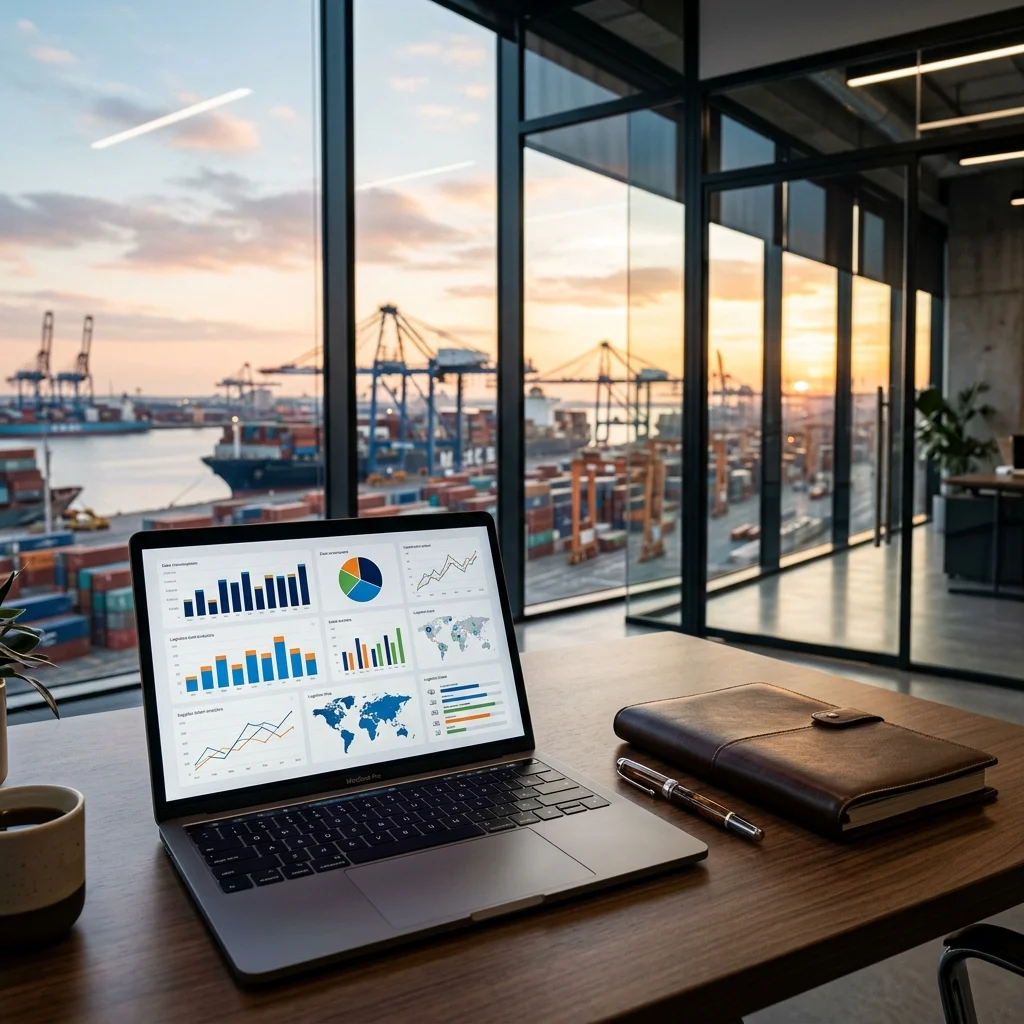
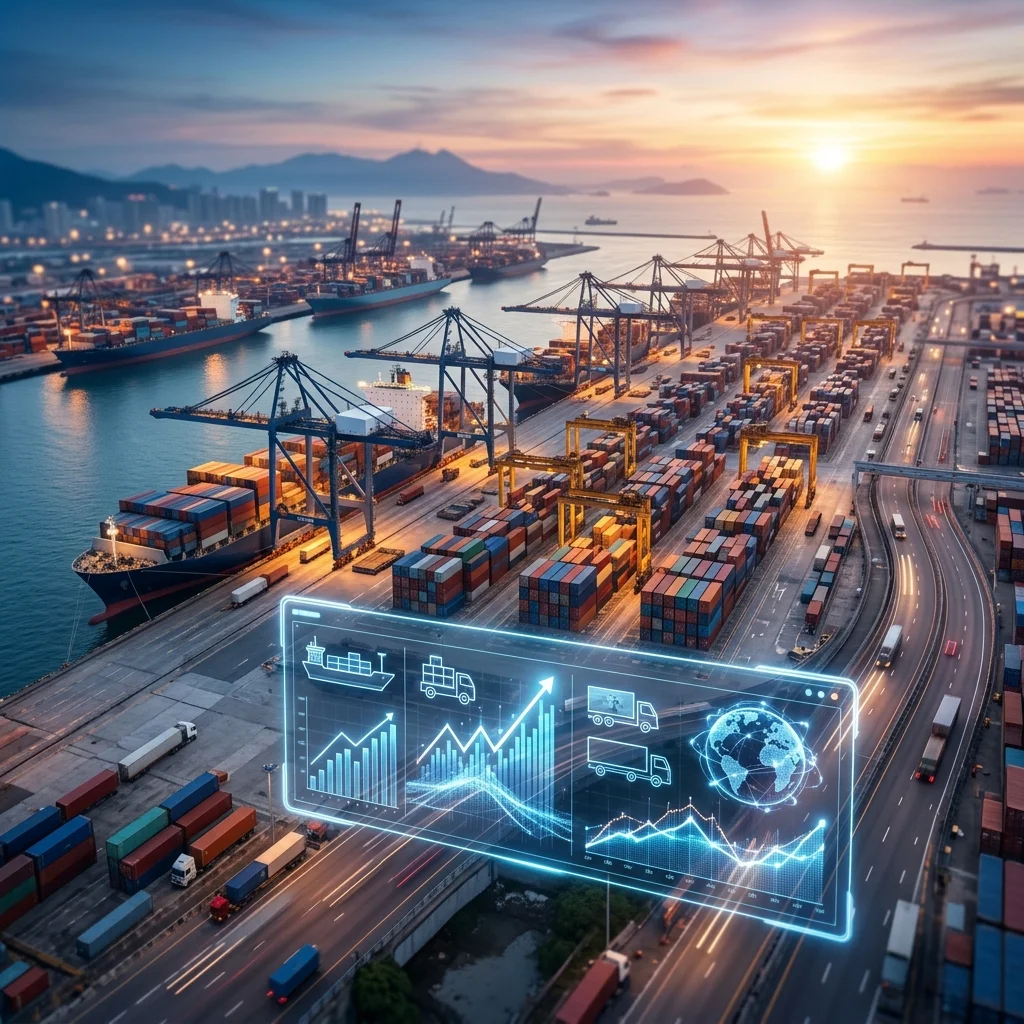
The modern logistics landscape is undergoing a profound transformation, driven by an imperative for greater efficiency, resilience, and responsiveness. At the forefront of this revolution are AI agents – sophisticated software entities and robotic systems designed to perceive their environment, make autonomous decisions, and take actions to achieve specific goals. Their integration is not merely an upgrade but a fundamental shift in how AI agent effect to logistics field in Vietnam and globally, redefining everything from inventory management to last-mile delivery. As global supply chains become increasingly complex and consumer expectations skyrocket, AI agents offer the intelligence and automation necessary to navigate these challenges, particularly in dynamic economies like Vietnam, where rapid growth demands innovative solutions.
1. What are AI Agents in a Logistics Context?
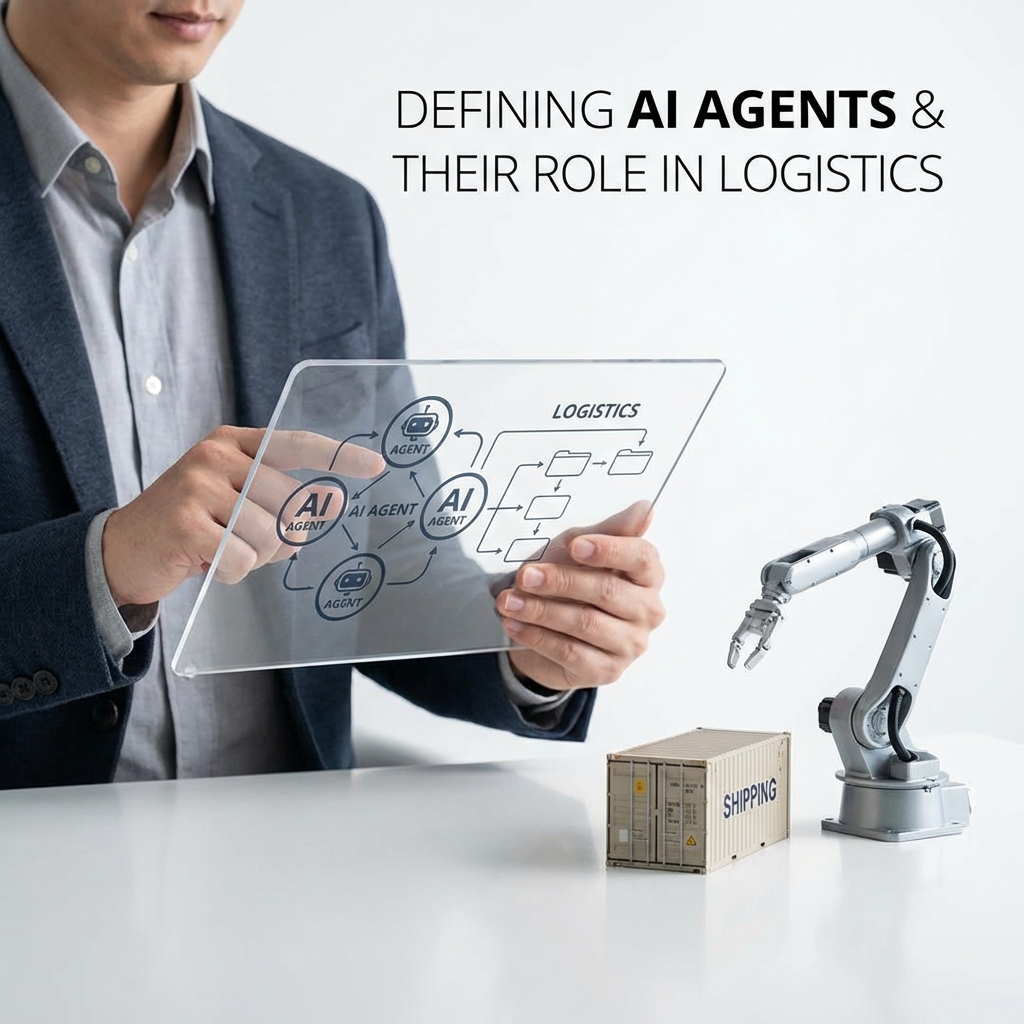
In logistics, AI agents are specialized computational programs or physical robots that operate with a degree of autonomy to optimize various operational processes. Unlike traditional software, these agents are equipped with capabilities for perception (gathering data from sensors, databases, or external feeds), reasoning (processing information to infer insights and predict outcomes), and action (executing tasks based on their reasoning). For instance, an AI agent might continuously monitor warehouse stock levels, predict demand fluctuations based on historical data and external factors like weather or economic trends, and then autonomously initiate reorder processes or adjust storage strategies. Other applications include intelligent routing agents that dynamically optimize delivery paths in real-time to avoid traffic or adverse conditions, and robotic process automation (RPA) agents that handle administrative tasks like customs documentation or order processing with speed and accuracy.
Their strength lies in their ability to process vast amounts of data, learn from experiences, and adapt to changing conditions without explicit human intervention. This makes them invaluable for tasks requiring continuous monitoring, rapid decision-making, and precision, ultimately contributing to significant logistics efficiency improvements across the supply chain.
2. The Evolution of AI in Supply Chain Management
The journey of AI in supply chain management has progressed significantly, from rudimentary automation to sophisticated, self-learning systems. Initially, AI applications were limited to rule-based expert systems and basic data analytics, primarily used for forecasting and inventory management. These early solutions, while helpful, lacked the adaptability and learning capabilities characteristic of true AI agents. The advent of machine learning (ML) revolutionized this field, enabling systems to learn patterns from data and make more accurate predictive analytics, improving demand forecasting and risk assessment. Deep learning, a subset of ML, further propelled this evolution, allowing AI to tackle unstructured data and perform more complex tasks, such as image recognition for quality control or natural language processing for customer service. Today, the focus is on creating autonomous AI agents that can not only predict but also prescribe actions and execute them, enabling truly intelligent supply chain optimization. These advanced agents facilitate real-time decision-making, from dynamic route optimization for fleets to proactive maintenance scheduling for warehouse machinery. This ongoing evolution underscores the increasing sophistication and indispensable nature of AI in modern logistics, particularly as it addresses challenges like enhancing warehouse automation and streamlining last-mile delivery.
3. Why Vietnam’s Logistics is Ripe for AI Integration
Vietnam’s logistics sector is uniquely positioned for significant integration of AI agents. The nation’s rapid economic growth, fueled by a booming manufacturing sector and robust e-commerce growth, has placed immense pressure on existing logistics infrastructure. Traditional methods are struggling to keep pace with escalating demand, increasing operational costs, and the need for faster, more reliable deliveries. This scenario creates a compelling business case for AI agents, which can address these pain points directly. For instance, AI-powered agents can optimize warehousing space utilization, manage complex inventory across multiple locations, and significantly improve the efficiency of urban deliveries. Furthermore, the Vietnamese government’s push for digital transformation and smart city initiatives provides a supportive environment for technological adoption. Businesses are increasingly recognizing how AI agent effect to logistics field in Vietnam, offering competitive advantages through reduced lead times, enhanced customer satisfaction, and lower operational expenditures. The confluence of a dynamic market, growing technological readiness, and a clear need for advanced solutions makes Vietnam an ideal proving ground for the transformative power of AI agents in logistics, promising a future of smarter, more responsive, and sustainable supply chains.
Transformative Applications of AI Agents in Vietnam Logistics
The rapid advancement of Artificial Intelligence (AI) agents is poised to revolutionize the logistics landscape across the globe. Vietnam, with its booming e-commerce and manufacturing sectors, stands at the cusp of this transformation. Understanding the profound ways AI agents are impacting Vietnam’s logistics sector is crucial for businesses looking to enhance efficiency, reduce costs, and improve customer satisfaction. From optimizing complex supply chains to streamlining last-mile deliveries, AI agents offer unprecedented opportunities for growth and resilience. These intelligent systems, capable of learning, reasoning, and making autonomous decisions, address many unique challenges faced by Vietnamese logistics, including dense urban traffic and the increasing demand for faster, more transparent services. The application of AI in Vietnam logistics promises not just incremental improvements but a fundamental shift, making the entire ecosystem smarter, more responsive, and sustainable.
1. Optimizing Warehouse Management and Automation
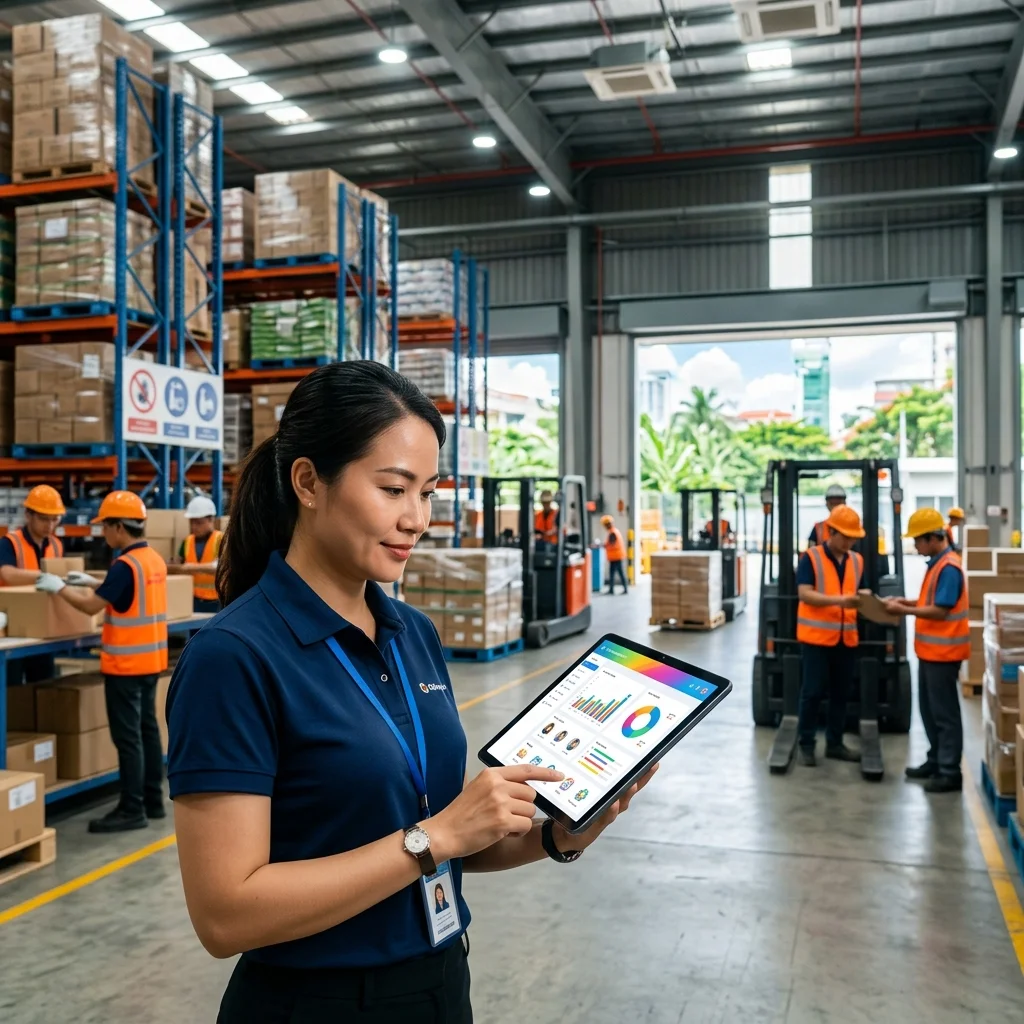
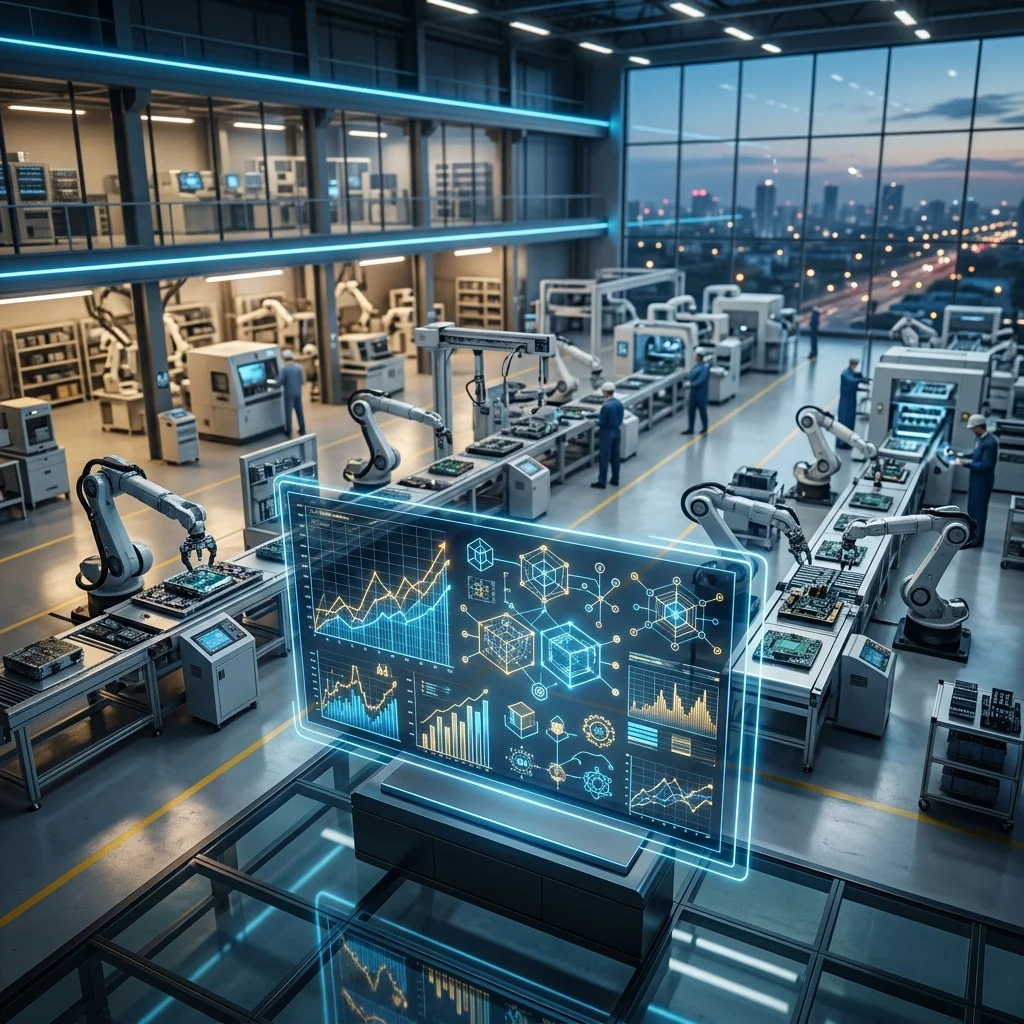
Warehouse operations in Vietnam, traditionally labor-intensive, are ripe for disruption by AI agents. These intelligent systems can significantly enhance efficiency by optimizing various aspects of warehouse management. For instance, AI agents analyze historical data and real-time inventory levels to implement highly efficient storage strategies, minimizing retrieval times and maximizing space utilization. Predictive analytics, powered by AI, can forecast demand with remarkable accuracy, allowing warehouses to proactively adjust stock levels, reduce waste, and prevent stockouts. This means less capital tied up in excess inventory and a smoother flow of goods. Furthermore, AI agents are central to the rise of automation within warehouses. Robotic process automation (RPA) tools and autonomous mobile robots (AMRs), guided by AI algorithms, can manage tasks such as picking, packing, and sorting with greater speed and precision than human counterparts. These agents navigate complex warehouse layouts, identify and retrieve specific items, and transport them to designated areas, all while continuously learning and adapting. This not only speeds up order fulfillment but also enhances safety, transforming warehouses into highly efficient, intelligent hubs.
2. Enhancing Last-Mile Delivery Efficiency
Last-mile delivery is often the most challenging and expensive part of the logistics chain, especially in Vietnam’s bustling cities like Hanoi and Ho Chi Minh City, characterized by high population density and intricate road networks. AI agents are proving to be game-changers in this domain. They excel at dynamic route optimization, analyzing real-time traffic conditions, weather patterns, and delivery constraints to calculate the most efficient routes for delivery vehicles. This leads to reduced fuel consumption, lower operational costs, and faster delivery times. For example, an AI agent can instantly re-route a fleet to avoid unexpected road closures or peak-hour congestion, ensuring timely arrivals. Beyond route planning, AI agents contribute to efficient fleet management by monitoring vehicle performance, predicting maintenance needs, and optimizing driver schedules. Predictive AI can also provide customers with highly accurate estimated times of arrival (ETAs) and proactive updates, significantly improving customer satisfaction and reducing missed deliveries. The potential for drone delivery is also being explored, with AI agents autonomously navigating and delivering packages in hard-to-reach areas, demonstrating the future of smart logistics in Vietnam.
3. Revolutionizing Supply Chain Planning and Visibility
The complexity of modern supply chains, particularly for a global manufacturing and export hub like Vietnam, demands sophisticated tools for planning and visibility. AI agents offer an unparalleled ability to analyze vast datasets, identify patterns, and make informed decisions across the entire supply chain. They can revolutionize demand forecasting by integrating data from various sources – market trends, social media sentiment, economic indicators, and historical sales – to predict future demand with unprecedented accuracy. This empowers businesses to make better procurement decisions, optimize production schedules, and manage inventory levels more effectively, reducing both costs and lead times. Moreover, AI agents play a crucial role in enhancing supply chain visibility and risk management. By continuously monitoring global events, geopolitical shifts, and weather phenomena, AI can proactively identify potential disruptions – from port congestions to natural disasters – and recommend alternative strategies, such as re-routing shipments or diversifying suppliers. This predictive capability allows Vietnamese businesses to build more resilient supply chains, minimizing the impact of unforeseen challenges. The application of AI agents for supply chain analysis provides end-to-end transparency, giving stakeholders real-time insights into the movement of goods and potential bottlenecks, ultimately leading to a more agile, responsive, and globally competitive logistics sector in Vietnam. According to a report by McKinsey & Company, AI and automation are pivotal in creating sustainable and efficient supply chains, a sentiment that strongly resonates with Vietnam’s evolving logistics needs.
Strategic Advantages for Vietnam’s Logistics Sector
Vietnam’s logistics sector stands at a pivotal juncture, poised for transformative growth through the adoption of advanced technologies. The pressing question of how AI agent effect to logistics field in vietnam is no longer theoretical but a tangible driver of economic progress. AI agents, powered by machine learning and sophisticated algorithms, are not merely tools; they are strategic partners revolutionizing traditional supply chain paradigms. By automating complex processes, predicting demand fluctuations, and optimizing resource allocation, these intelligent systems are unlocking unparalleled efficiencies and creating a competitive edge for Vietnamese enterprises in the global marketplace. The tangible benefits extend beyond individual companies, contributing significantly to national economic development by enhancing trade efficiency, reducing operational costs, and fostering a more resilient and responsive supply chain ecosystem.
1. Increased Operational Efficiency and Cost Reduction
One of the most immediate and profound impacts of AI agent adoption in Vietnamese logistics is the dramatic improvement in operational efficiency and the subsequent reduction in costs. AI-driven systems excel at route optimization, analyzing vast datasets including traffic patterns, weather conditions, and delivery schedules to devise the most efficient paths. This leads to significant fuel savings, reduced travel times, and lower labor expenditures. Furthermore, warehouse automation, facilitated by AI-powered robots and inventory management systems, streamlines stock placement, retrieval, and order fulfillment. Predictive maintenance capabilities anticipate equipment failures, minimizing downtime and costly repairs. AI agents also enhance supply chain optimization by forecasting demand with greater accuracy, reducing overstocking or stockouts, which directly impacts storage costs and waste. This proactive approach to logistics management transforms potential bottlenecks into smooth, optimized workflows, bolstering the profitability of logistics providers and reducing prices for consumers.
2. Improved Decision-Making and Agility
The ability to make faster, more informed decisions is paramount in the dynamic logistics landscape. AI agents empower Vietnamese logistics companies with superior predictive analytics, allowing them to anticipate market shifts, potential disruptions, and customer needs. By processing real-time data from various sources – including sensor data, weather forecasts, and historical performance – AI provides actionable insights that human operators might miss. This significantly enhances risk management, enabling companies to identify and mitigate potential issues like natural disasters, port delays, or sudden demand spikes before they escalate. The resulting agility allows businesses to adapt swiftly to changing circumstances, whether it’s re-routing shipments due to unforeseen obstacles or dynamically adjusting inventory levels. This strategic foresight ensures business continuity and maintains a competitive edge, demonstrating precisely how AI agent effect to logistics field in vietnam by creating more robust and responsive operational frameworks.
3. Enhanced Customer Satisfaction and Service Quality
In today’s competitive market, customer experience is a critical differentiator. AI agents play a vital role in elevating service quality and ensuring higher customer satisfaction. Through advanced real-time tracking capabilities, customers gain transparent visibility into their shipment status, reducing anxiety and improving trust. AI-powered systems optimize last-mile delivery, often the most complex and costly part of the supply chain, by planning efficient delivery routes and schedules, even leveraging autonomous vehicles or drones where feasible. This ensures faster, more reliable deliveries. Moreover, AI agents can personalize communication, provide proactive updates on potential delays, and even manage customer service inquiries through intelligent chatbots, ensuring round-the-clock support. This level of responsiveness and personalization significantly enhances the overall delivery experience, fostering loyalty and positive brand perception. The cumulative effect of these enhancements solidifies Vietnam’s position as a hub for efficient and customer-centric logistics services, underscoring the transformative power of AI in creating value for both businesses and their clientele globally, as highlighted by various industry reports on digital transformation in logistics, such as insights on AI in supply chain management from McKinsey.
Navigating the Challenges of AI Integration in Vietnam
Vietnam’s rapidly expanding economy and its strategic position in global supply chains present a compelling case for the widespread adoption of AI agents in its logistics sector. The potential for enhanced efficiency, reduced costs, and improved decision-making is immense. However, the path to seamless digital transformation in Vietnam logistics is fraught with unique hurdles. Understanding these challenges is crucial for successful AI implementation, ensuring that the integration of artificial intelligence truly revolutionizes the industry. The way How AI agent effect to logistics field in vietnam will largely depend on how these fundamental issues are addressed.
1. Infrastructure Gaps and Data Availability
One of the primary logistics challenges Vietnam faces in embracing AI agents lies in its varying levels of digital infrastructure. While major urban centers boast relatively advanced connectivity, many rural and remote areas crucial for agricultural and manufacturing logistics still contend with inconsistent internet access and limited digital penetration. This disparity directly impacts the deployment and performance of AI agents, which rely heavily on real-time data exchange and robust network capabilities. Furthermore, the availability and quality of data pose significant obstacles. Many existing logistics operations rely on legacy systems or manual processes, leading to fragmented, inconsistent, and often unstructured data. For AI in Vietnam logistics to thrive, a comprehensive strategy for data standardization, collection, and integration is imperative. Building a resilient data infrastructure Vietnam, including secure cloud computing and edge computing capabilities, is fundamental for training sophisticated AI models and ensuring their operational efficacy across the entire supply chain. Without a unified and accessible data foundation, the potential of AI adoption logistics Vietnam will remain largely untapped.
2. Talent Development and Workforce Reskilling
The successful integration of AI agents in the Vietnamese logistics sector is not just a technological endeavor; it’s a human one. A significant hurdle is the existing gap in specialized skills required to develop, deploy, and manage AI technologies. The current workforce, largely accustomed to traditional operational roles, needs substantial investment in talent development and reskilling programs. This involves cultivating a new generation of data scientists, AI engineers, and automation specialists, as well as upskilling existing employees to work collaboratively with AI systems. Rather than viewing AI as a replacement, the focus must shift to augmenting human capabilities. Training programs should emphasize understanding AI functionalities, interpreting data insights, and performing supervisory roles over automated processes. Universities, vocational schools, and private enterprises must collaborate to create curricula that meet the evolving demands of the digital economy. Addressing this workforce AI logistics challenge is essential for ensuring a smooth transition and fostering widespread acceptance of AI technologies across the supply chain AI Vietnam landscape.
3. Regulatory Frameworks and Data Security
As AI adoption in logistics Vietnam gathers pace, the absence of comprehensive regulatory frameworks tailored to AI poses substantial risks. Issues concerning data privacy, intellectual property, accountability for AI-driven decisions, and the ethical implications of autonomous systems require urgent attention. Without clear guidelines, businesses may hesitate to fully invest in AI technologies due to legal uncertainties and potential liabilities. Data security, in particular, is a paramount concern in the logistics field, which handles vast amounts of sensitive information, from cargo details to customer data. Establishing robust cybersecurity protocols and compliance mechanisms is vital to protect against breaches and ensure trust in AI-powered operations. Vietnam needs to develop a forward-thinking regulatory environment that encourages innovation while safeguarding individual and corporate interests. This involves crafting policies that address data governance, algorithmic transparency, and cross-border data flow, crucial for international logistics. A well-defined legal and ethical framework will provide the necessary confidence for businesses to leverage AI agents effectively, ensuring responsible and secure deployment throughout the country’s logistics ecosystem.
Overcoming these multifaceted challenges — from bridging infrastructure gaps and ensuring data availability to fostering human talent and establishing robust regulatory frameworks — is paramount for Vietnam’s ambition to become a leading regional logistics hub. Strategic investments, collaborative efforts, and a clear vision will pave the way for a transformative impact of AI agents on the nation’s supply chain efficiency and competitiveness.
The Future Landscape: AI Agents Shaping Vietnam’s Logistics by 2026
Vietnam’s rapid economic growth and burgeoning e-commerce sector have placed immense pressure on its logistics infrastructure. As we approach 2026, the discussion is no longer if, but how AI agents will effect the logistics field in Vietnam. These intelligent systems are poised to revolutionize every facet of the supply chain, from warehousing and transportation to last-mile delivery and customer service. By leveraging advanced algorithms, machine learning, and data analytics, AI agents will drive unprecedented levels of efficiency, responsiveness, and resilience, fundamentally transforming how goods move across the nation.
The strategic adoption of AI will be critical for Vietnamese enterprises seeking to maintain a competitive edge in a globalized marketplace. Businesses will harness AI for everything from real-time tracking and predictive maintenance to optimizing complex delivery routes, ensuring that Vietnam’s logistics sector evolves into a dynamic, future-proof ecosystem capable of supporting its ambitious economic trajectory.
1. Emergence of Autonomous Logistics Networks
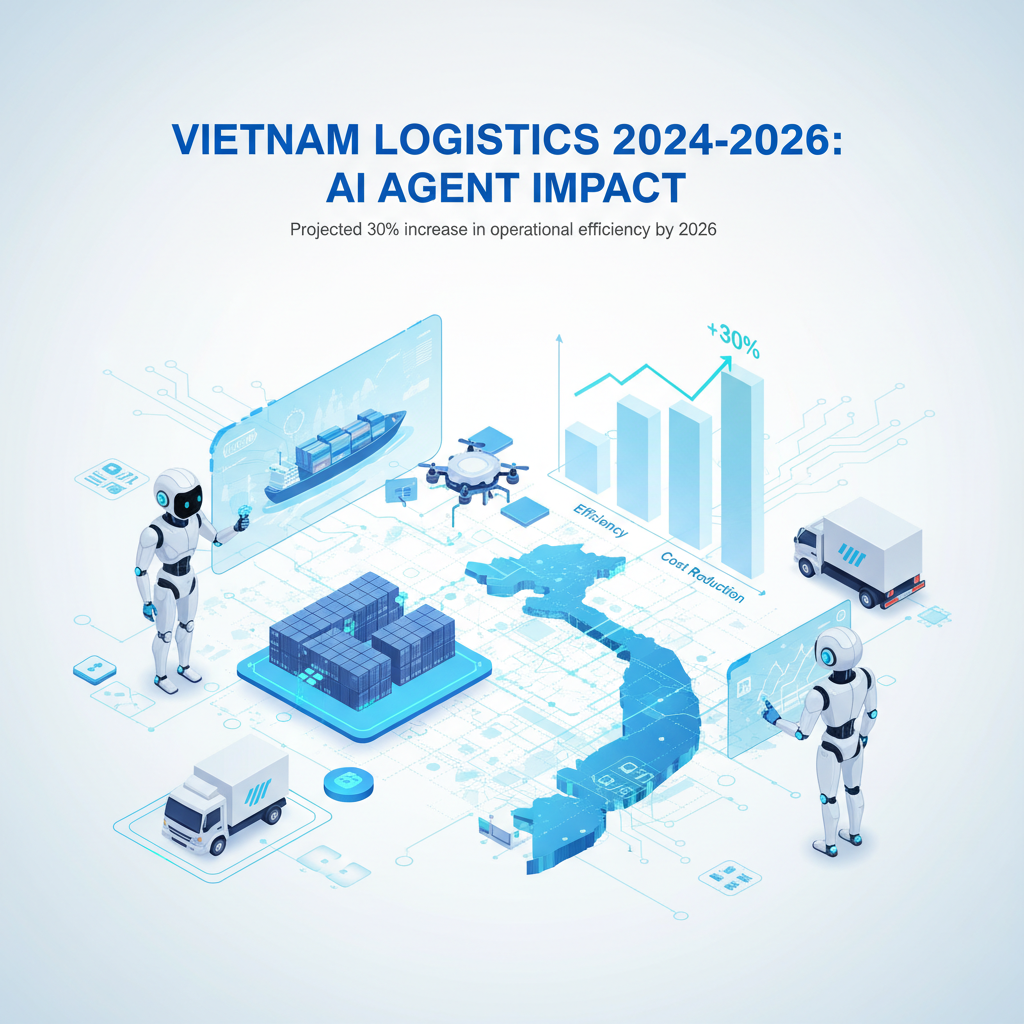
By 2026, Vietnam will witness the foundational emergence of autonomous logistics networks, marking a significant leap in supply chain innovation. AI agents will orchestrate fleets of autonomous vehicles, including self-driving trucks for inter-province transport and drones for urban last-mile delivery AI solutions, especially in difficult-to-reach areas. This will significantly reduce human error, labor costs, and fuel consumption, while dramatically increasing delivery speed and reliability. Logistics automation Vietnam will extend to intelligent warehouses where AI-powered robots manage inventory, sort packages, and optimize storage layouts, creating highly efficient smart warehouses Vietnam that operate 24/7. These autonomous systems will communicate seamlessly, driven by AI algorithms that adapt to real-time conditions, such as traffic congestion or adverse weather, to ensure optimal flow and minimal disruption.
2. Personalized and Hyper-Efficient Delivery Systems
The future of delivery in Vietnam will be defined by personalization and hyper-efficiency, powered by AI agents. Predictive analytics supply chain Vietnam will enable logistics providers to anticipate customer demand with remarkable accuracy, allowing for proactive inventory positioning and optimized delivery schedules. AI agents will analyze vast datasets, including historical purchase patterns, social media trends, and even local events, to forecast demand for specific products in specific areas. This foresight will not only enhance customer satisfaction through timely deliveries but also minimize waste and reduce operational costs. Furthermore, AI-powered systems will enable dynamic rerouting and real-time adjustments to delivery paths, accounting for unexpected obstacles. This advanced AI-powered route optimization Vietnam will ensure that packages arrive faster and more reliably, catering to the increasing consumer expectation for instant gratification and customized service. The result will be a finely tuned delivery ecosystem that responds to individual needs while maximizing resource utilization.
3. Collaboration between Humans and AI Agents
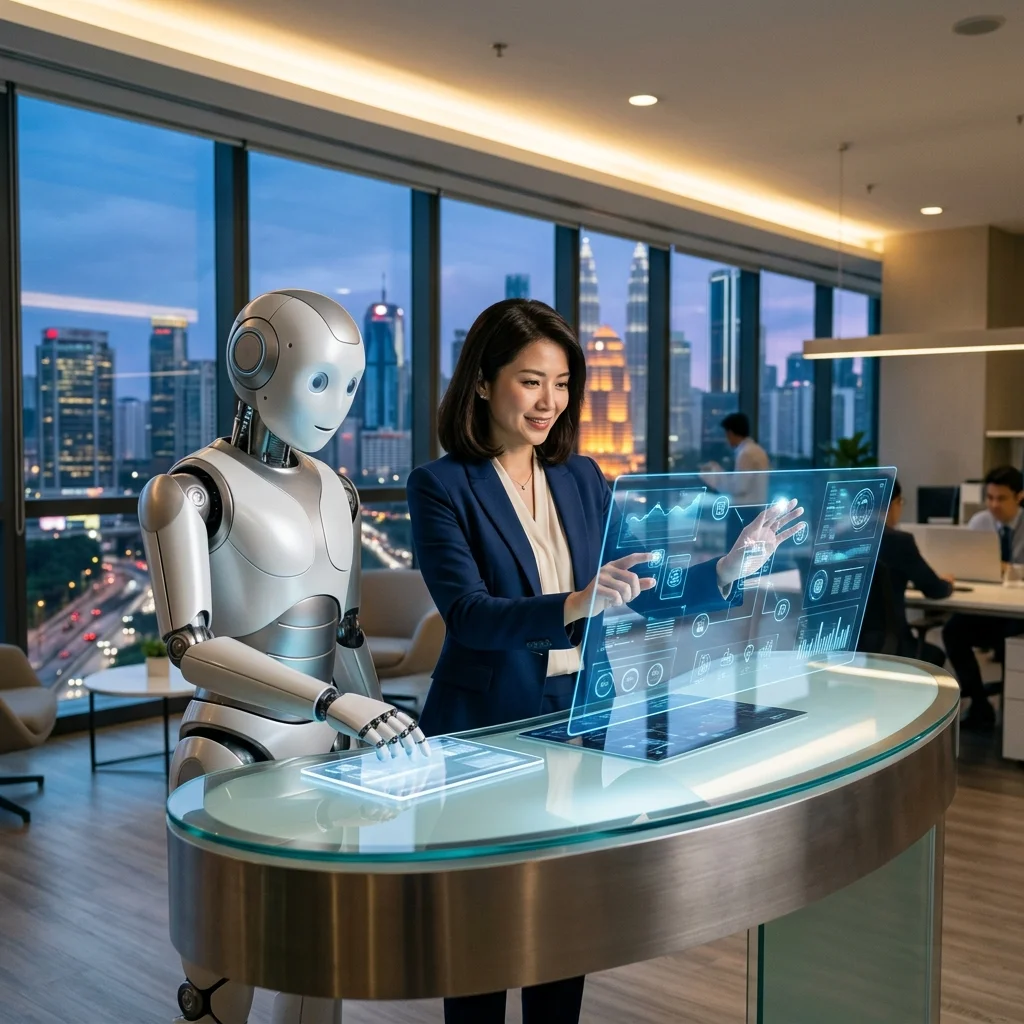
While AI agents will automate many routine tasks, their most profound impact will be in fostering a powerful collaboration with human counterparts. By 2026, AI will function as intelligent assistants, augmenting human capabilities rather than replacing them entirely. In freight management AI Vietnam, for instance, AI agents will process complex logistics data, identify optimal shipping routes, and manage carrier negotiations, presenting human managers with actionable insights and pre-vetted options for final decision-making. This frees up human staff to focus on strategic planning, problem-solving, and relationship management. Furthermore, AI will significantly enhance supply chain visibility AI by continuously monitoring goods in transit, detecting anomalies, and predicting potential delays before they escalate. This proactive approach allows human operators to intervene swiftly and mitigate risks, ensuring seamless operations. The workforce will evolve, requiring new skills in overseeing and interacting with AI systems, ensuring that human ingenuity combined with AI’s processing power will create a more resilient, intelligent, and efficient logistics sector in Vietnam.
Partner with Shelby Global
You are looking for reliable HR Sevice Suppliers? Contact Shelby Global Now! To connect with verified talents and upgrade your orginization.
—————————————
References
– McKinsey & Company – The Future of Supply Chain Management: https://www.mckinsey.com/industries/industrials/our-insights/the-future-of-supply-chain-management
– The Future of Logistics: The Rise of AI and Automation by McKinsey & Company: https://www.mckinsey.com/capabilities/operations/our-insights/the-future-of-logistics-the-rise-of-ai-and-automation
– AI in supply chain management: From early adoption to exponential value: https://www.mckinsey.com/capabilities/operations/our-insights/ai-in-supply-chain-management
– Vietnam: Seizing the digital opportunity – World Bank: https://blogs.worldbank.org/eastasiapacific/vietnam-seizing-digital-opportunity
– The AI-powered supply chain of the future: https://www2.deloitte.com/us/en/pages/manufacturing/articles/ai-powered-supply-chain-of-the-future.html