How to Benchmark Ecommerce Salaries Accurately?
Establishing a robust Salary Defining Strategy for all job titles in Ecommerce field in malaysia is essential for retaining top-tier talent in an increasingly competitive digital landscape. With the rapid evolution of online retail, human resources departments must move beyond guesswork and rely on data-driven methodologies to stay ahead. Benchmarking is the process of comparing your current compensation packages against industry standards to ensure you remain both attractive to new applicants and fair to your existing workforce.
To begin, organizations should conduct a comprehensive internal audit, grouping roles by function, experience level, and geographic impact. By understanding the specific value drivers of the Malaysian market—where e-commerce penetration is among the highest in Southeast Asia—you can better position your brand as an employer of choice. Whether you are scaling a startup or maintaining a multinational entity, precision in benchmarking directly correlates with lower turnover rates and higher employee engagement.

-
Analyzing Market Rates for Tech and IT Roles
The backbone of any e-commerce platform lies in its technical infrastructure. Roles ranging from Full-Stack Developers to Cybersecurity Analysts command premium rates due to the scarcity of skilled professionals. According to Michael Page Malaysia, tech roles in the digital space are currently seeing the most aggressive salary adjustments. When benchmarking, look beyond base salaries and incorporate equity packages, performance bonuses, and remote-work flexibility into your total compensation model.
-
Benchmarking Digital Marketing Professionals
Marketing roles in e-commerce are highly dynamic, requiring a blend of analytical prowess and creative strategy. When evaluating titles like SEO Specialists, Performance Marketing Managers, or CRM leads, consider the specific platform expertise required. Benchmarking here requires assessing the ROI that these roles generate. A standard practice is to utilize industry salary surveys that categorize these positions by the size of the advertising budget managed, as this often dictates the complexity and seniority of the role.
-
Evaluating Supply Chain and Logistics Compensation
With the e-commerce boom in Malaysia, the demand for logistics efficiency has never been higher. From Warehouse Managers to Last-Mile Operations Analysts, the focus is shifting toward supply chain optimization and tech-enabled logistics. When setting salary bands for these professionals, factor in industry benchmarks that account for the scale of operations and the complexity of distribution networks. Providing competitive compensation in this sector is critical to maintaining operational stability during high-volume shopping festivals like 11.11 or 12.12.
Ultimately, a successful strategy relies on continuous monitoring. The Malaysian labor market is fluid, and benchmarking should be a recurring exercise rather than a static project. By staying informed on regional trends and aligning your rewards with market realities, your organization will be well-equipped to attract and nurture the talent necessary to thrive in the e-commerce ecosystem.
What Key Factors Influence Job Pay Scales?
In the rapidly evolving digital landscape of Southeast Asia, understanding the Salary Defining Strategy for all job titles in Ecommerce field in malaysia is essential for both employers and job seekers. As the digital economy matures, compensation structures have become increasingly complex, moving beyond simple base salaries to include performance-based incentives and specialized benefits. By benchmarking your career growth against these variables, you can better navigate the competitive Malaysian labor market.
1. Impact of Hands-on Experience on E-commerce Pay
In the e-commerce sector, practical capability often outweighs theoretical knowledge. Companies prioritize professionals who can demonstrate measurable success in driving conversion rates, managing omnichannel logistics, or optimizing customer acquisition costs. Senior roles, such as E-commerce Managers or Digital Marketing Directors, command significantly higher premiums because they bring a track record of scaling operations. According to the Payscale compensation trends, professionals with specialized, long-term experience in high-growth industries consistently see faster salary progression compared to those in stagnant roles. For those looking to master the nuances of compensation benchmarking, utilizing a robust Salary Defining Strategy for all job titles in Ecommerce field in malaysia is vital to ensure that your experience is appropriately valued by prospective employers.
2. Location-Based Salary Differences in Malaysia
Geography remains a primary driver of remuneration variations within Malaysia. The Klang Valley, encompassing Kuala Lumpur and Selangor, typically hosts the headquarters of major e-commerce players and regional digital hubs. Consequently, this region offers higher salary tiers to account for the competitive talent market and the higher cost of living. Conversely, secondary cities like Penang or Johor Bahru may offer different packages that reflect localized economic conditions. Employers often adjust salary bands based on the talent pool availability in a specific region, meaning that professionals willing to relocate to economic hubs may find broader opportunities for salary negotiation.
3. Educational Background vs Specialized Skillsets
While a foundational degree provides a baseline for entry-level recruitment, specialized certifications often drive the upward trajectory for mid-to-senior level roles. In the competitive e-commerce landscape, technical proficiency in data analytics, AI-driven customer service, or supply chain management software is increasingly treated as a proxy for seniority. Employers are willing to pay a premium for candidates who possess a combination of traditional business acumen and niche digital skills. While a degree gets your foot in the door, a portfolio of certifications in areas such as Google Analytics, Salesforce, or AWS cloud services distinguishes top-tier candidates. Strategic compensation planning now heavily weights these technical competencies, as they directly correlate to a company’s ability to innovate and remain profitable in a crowded online marketplace.
How to Structure a Tiered Compensation Plan?
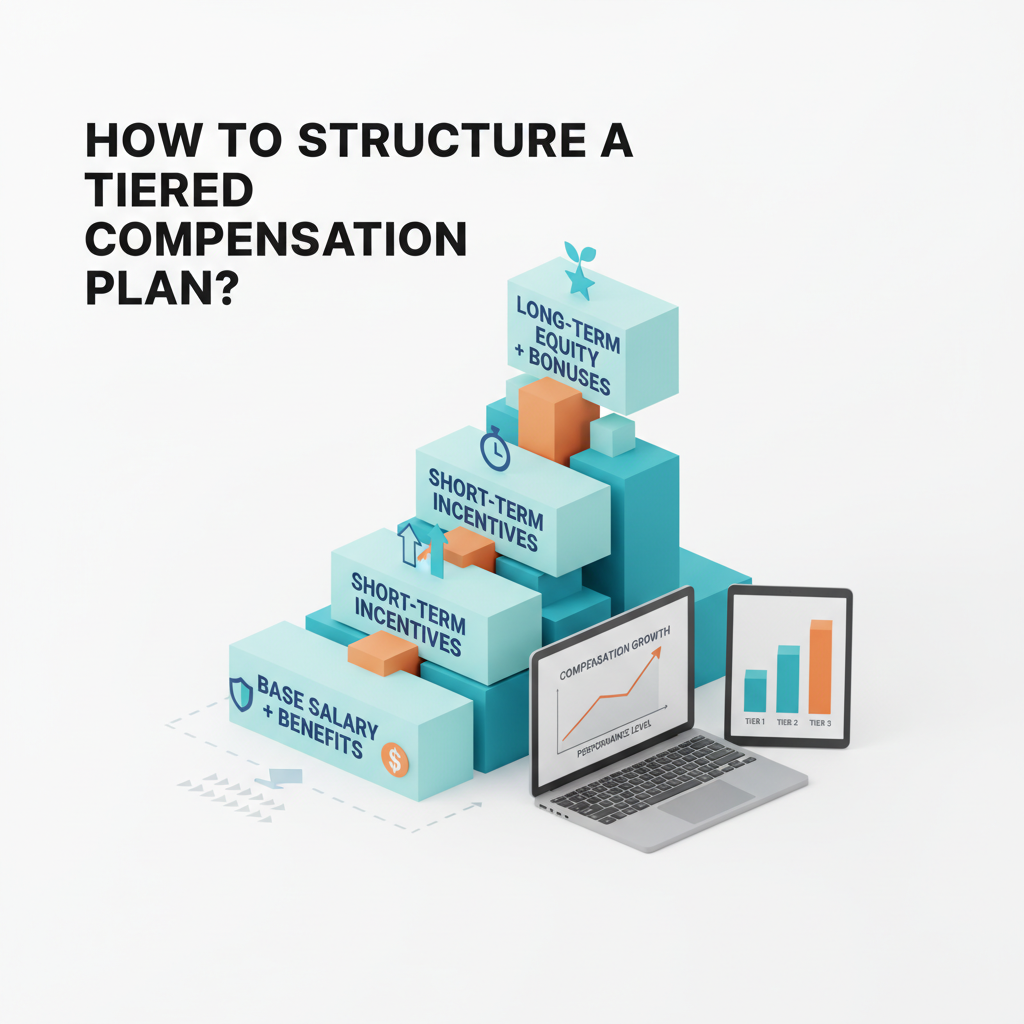
Developing a robust Salary Defining Strategy for all job titles in Ecommerce field in malaysia is essential for scaling operations and retaining top talent in a competitive market. A well-structured tiered compensation plan ensures internal equity while remaining externally competitive. By aligning pay with performance and role complexity, organizations can foster a transparent culture that supports growth from the warehouse floor to the boardroom.
-
Setting Entry-Level Fulfillment Staff Wages
Entry-level roles, such as warehouse associates, pickers, and packers, serve as the backbone of any e-commerce operation. In the Malaysian market, setting these wages requires a balance between local labor regulations and cost-of-living adjustments. Organizations should prioritize a base pay that matches or exceeds the minimum wage, supplemented by performance-based incentives for productivity and safety metrics. Ensuring competitive entry-level wages reduces turnover and associated training costs, creating a stable foundation for warehouse efficiency.
-
Structuring Mid-Level Management Remuneration
Mid-level managers, including operations supervisors and digital marketing leads, require a compensation structure that emphasizes both fixed base salary and variable incentives. For these roles, it is crucial to benchmark against regional industry standards as outlined by the Ministry of Human Resources Malaysia. A successful strategy here involves incorporating KPIs related to team performance, project delivery, and revenue contribution. By offering a blend of fixed and performance-linked pay, companies can incentivize mid-level leaders to take ownership of operational outcomes.
-
Designing Executive and C-Suite Bonus Packages
For C-suite executives, compensation should be heavily weighted toward long-term value creation. Rather than relying solely on immediate cash bonuses, packages should include equity-based incentives, such as stock options or long-term incentive plans (LTIPs), which align leadership goals with the company’s long-term growth trajectory in the e-commerce sector. These packages must be tiered to reflect the high-stakes decision-making and strategic accountability expected at the top, ensuring that executive success is directly linked to the sustainable expansion and profitability of the organization.
Why Are Non-Monetary Benefits So Critical?
In the highly competitive Malaysian e-commerce landscape, attracting top-tier talent requires more than just a standard compensation package. While financial remuneration is vital, it is no longer the sole driver for professionals deciding on their next career move. As companies refine their Salary Defining Strategy for all job titles in Ecommerce field in Malaysia, they are increasingly realizing that non-monetary benefits serve as the ultimate differentiator in retention. In a digital-first market where burnout is common, professionals prioritize flexibility, well-being, and long-term investment over purely transactional salary hikes.
-
Remote Work Allowances for Digital Teams
The shift toward hybrid and remote work is no longer an optional perk but a standard requirement for tech-savvy employees in Malaysia. For digital teams managing high-traffic e-commerce platforms, productivity is intrinsically linked to their environment. Providing remote work allowances—covering high-speed internet, ergonomic furniture, and electricity subsidies—demonstrates a commitment to the employee’s operational success. This approach not only boosts morale but also significantly reduces turnover, as talent feels empowered to perform from the comfort of their chosen workspaces, fostering a culture of trust and autonomy that exceeds traditional office-bound expectations.
-
Comprehensive Health and Wellness Integration
As the pace of digital retail accelerates, the physical and mental health of the workforce becomes a critical asset. Companies are now moving beyond basic medical insurance to offer holistic wellness programs. This includes access to tele-health services, mental health counseling, and fitness subsidies. By integrating these benefits, businesses foster a sustainable work environment, which is essential for maintaining a high-performance team. According to World Health Organization guidelines on mental health at work, environments that promote well-being are far more likely to retain talent, as employees feel valued as individuals rather than just units of production.
-
Performance-Based Incentives and Equity Options
Non-monetary rewards often take the form of future-oriented investments. For high-growth e-commerce firms, providing equity options or performance-based incentives (such as profit-sharing or additional professional development credits) creates a sense of shared ownership. When employees see a direct link between their contributions and the long-term success of the organization, their loyalty deepens. These strategies ensure that team members are not merely working for a paycheck, but are building a legacy, making them less likely to be lured away by competitors offering marginally higher base salaries.
In summary, a robust talent retention strategy in the Malaysian e-commerce sector must balance competitive base pay with a deep understanding of what modern professionals value. By investing in these non-monetary benefits, organizations create a sticky environment that minimizes attrition and attracts the brightest minds in the digital space.
How to Future-Proof Your Payroll Strategy?
In the rapidly evolving digital landscape of Southeast Asia, establishing a robust Salary Defining Strategy for all job titles in Ecommerce field in Malaysia is no longer just a HR function; it is a critical business imperative. As the digital economy scales, talent competition becomes fierce. To remain a market leader, your organization must transition from reactive compensation models to proactive, data-driven frameworks. Implementing a comprehensive strategy ensures you attract top-tier digital talent while maintaining internal equity and fiscal health.

Our research into 18 critical roles within the sector highlights that agility is the cornerstone of sustainable growth. By adopting the following structured approach, you can future-proof your payroll against economic volatility and industry disruption.
-
Adapting to Local Inflation and Economic Shifts
Malaysia’s economic landscape is characterized by fluctuating inflationary pressures that directly impact the cost of living for your employees. A static salary structure quickly becomes obsolete. To future-proof your payroll, you must incorporate localized economic data into your compensation reviews. This involves moving beyond annual increments and adopting semi-annual adjustments based on local Consumer Price Index (CPI) trends. Companies that utilize authoritative Bank Negara Malaysia economic reports to benchmark their compensation adjustments are better positioned to retain employees during periods of high inflation, preventing turnover and the high costs associated with talent acquisition.
-
Budgeting for Emerging AI and Specialist Ecom Roles
The Ecommerce sector is undergoing a massive transformation driven by automation and artificial intelligence. This shift necessitates a new Salary Defining Strategy for all job titles in Ecommerce field in Malaysia that accounts for high-value technical expertise. You must proactively allocate budget for specialized roles such as AI Data Analysts, Machine Learning Engineers, and Conversational Commerce Managers. These positions command premium salaries due to their limited supply in the Malaysian market. By creating dedicated salary bands for these emerging roles, you ensure your organization doesn’t fall behind in the race for technological supremacy.
-
Conducting Regular Pay Audits and Transparency Policies
In an age where information is readily available, pay transparency is a major driver of employee engagement and trust. Regularly conducting pay audits allows you to identify and rectify internal wage disparities, ensuring equal pay for equal work. These audits should not only focus on compliance but also on market competitiveness. By fostering a culture of transparency—explaining how salaries are defined and benchmarking them against the broader market—you empower your workforce. This strategic move reduces the risk of dissatisfaction, minimizes legal liabilities, and strengthens your employer brand, ultimately creating a more stable and productive workforce.
Partner with Shelby Global
You are looking for reliable HR Sevice Suppliers? Contact Shelby Global Now! To connect with verified talents and upgrade your orginization.
—————————————
References
– Michael Page Malaysia: https://www.michaelpage.com.my/
– Payscale compensation trends: https://www.payscale.com/compensation-trends/
– Ministry of Human Resources Malaysia: https://www.mohr.gov.my/
– World Health Organization guidelines on mental health at work: https://www.who.int/news-room/fact-sheets/detail/mental-health-at-work
– Bank Negara Malaysia: https://www.bnm.gov.my/