Understanding AI Agents in Singapore’s Logistics Landscape
Singapore, a pivotal global trade nexus, faces an evolving logistics landscape driven by rapid technological advancements and increasing demands for efficiency and resilience. Understanding how AI agents affect the logistics field in Singapore is no longer a futuristic concept but a present-day imperative. AI agents are emerging as transformative tools, promising to revolutionize operations from warehousing to last-mile delivery. This section introduces what these intelligent entities are in the context of logistics and elucidates why Singapore’s unique position necessitates their adoption, highlighting the current state of AI in supply chain Singapore and the growing need for sophisticated smart logistics solutions Singapore.
1. Defining AI Agents: Beyond Simple Automation
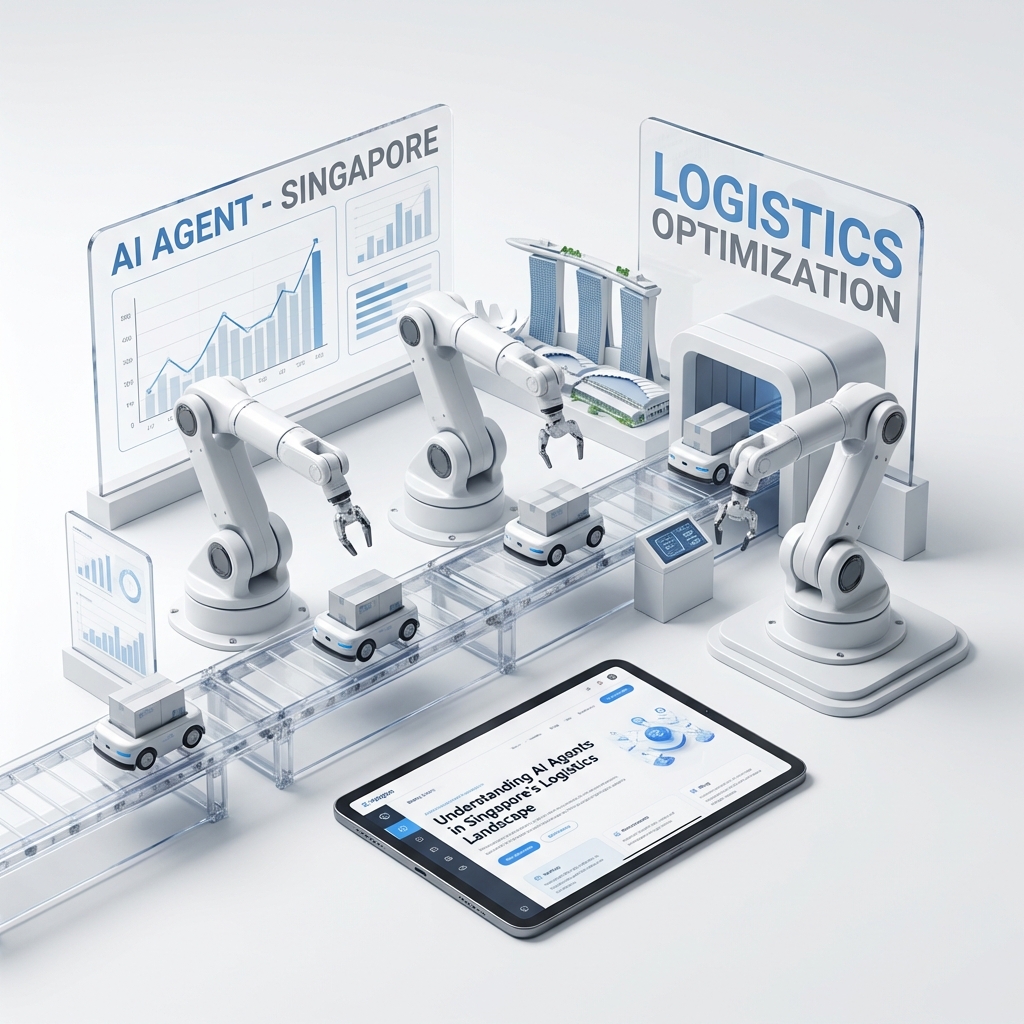
At its core, an AI agent is a system that perceives its environment, makes decisions, and takes actions to achieve specific goals, often without direct human intervention. Unlike traditional automation, which follows predefined, rigid rules, AI agents possess learning capabilities, adaptability, and the ability to handle unforeseen situations. In logistics, this translates into far more sophisticated functionalities. For instance, instead of merely moving a package along a conveyor belt, an autonomous AI agents logistics system might dynamically reroute shipments based on real-time traffic, weather, or unexpected delays. They are instrumental in logistics optimisation AI, performing complex tasks like demand forecasting, inventory management, and route planning with unparalleled precision.
These agents leverage predictive analytics in logistics to anticipate issues before they arise, from predicting equipment failures to forecasting fluctuations in shipping volumes. Their application ranges from intelligent robots handling tasks in warehouse automation AI to sophisticated software agents managing complex supply chain networks. By continuously learning from data, AI agents drive continuous improvement, distinguishing them significantly from the fixed-logic systems that have historically defined automation.
2. Singapore’s Logistics Sector: A Global Hub’s Challenges
Singapore’s strategic location, world-class infrastructure, and pro-business environment have cemented its status as a leading global logistics hub. However, this success comes with inherent challenges that demand innovative solutions. As a small island nation, Singapore grapples with limited land and high operating costs, including labor. The intense global competition, coupled with increasing pressures for sustainability and supply chain resilience, means that merely maintaining the status quo is not an option. The demand for real-time supply chain management and unparalleled supply chain visibility AI is growing exponentially.
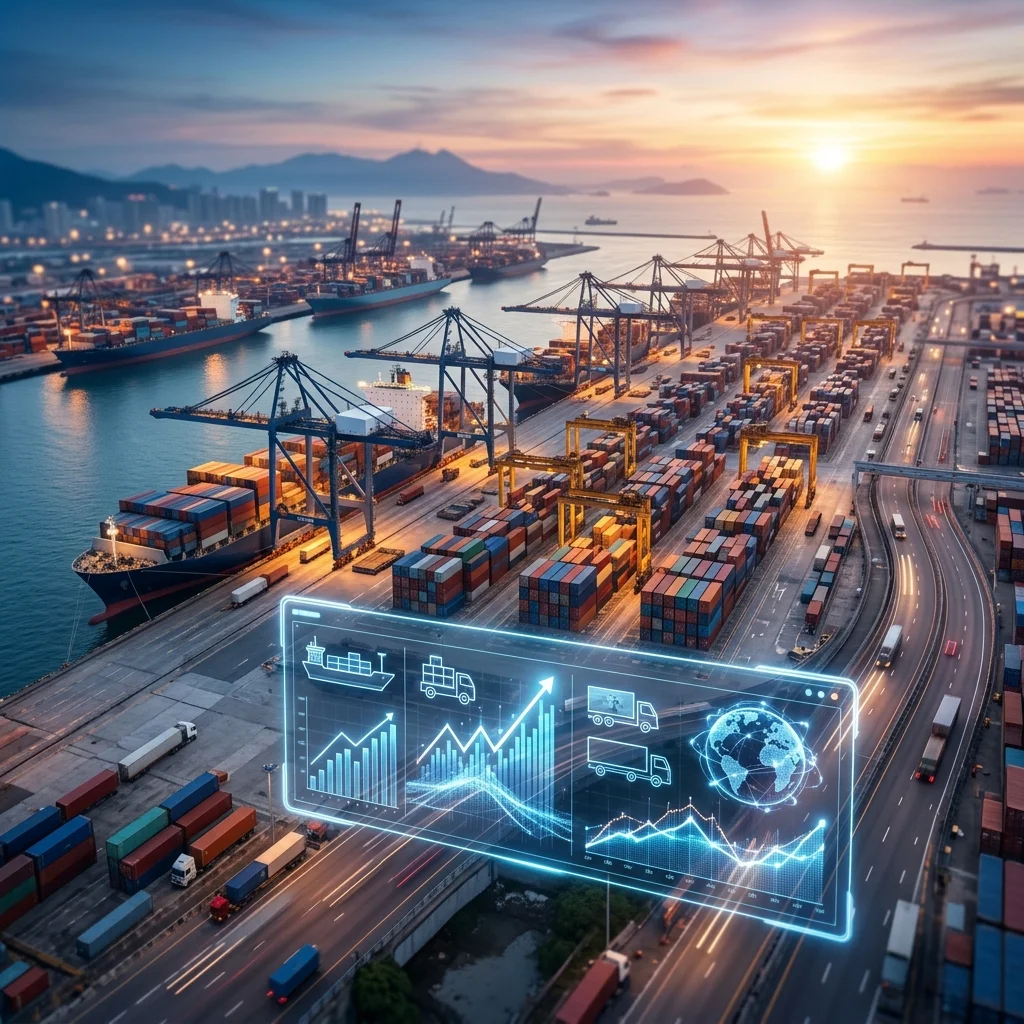
The imperative for advancements in Singapore logistics technology is clear. From managing the immense traffic through its port, a leader in maritime logistics technology and port operations automation, to ensuring efficient last-mile delivery AI solutions within its dense urban environment, Singapore needs to continually innovate. The ability to integrate advanced technologies that enhance logistics efficiency with AI is crucial for sustaining its competitive edge. As global supply chains become more intricate and vulnerable to disruptions, the adoption of intelligent systems becomes a strategic necessity for the nation to maintain its position as a reliable and efficient trade gateway. According to McKinsey, early adopters of AI in supply chains are seeing significant value, highlighting the urgency for comprehensive integration. Read more on how AI in supply chains achieves value at scale.
3. The Imperative for Digital Transformation and AI Adoption
Against this backdrop, digital logistics transformation driven by AI agents is not merely an enhancement but a fundamental requirement for Singapore’s logistics sector. The current state of AI in supply chain Singapore shows promising beginnings, with various initiatives promoting technology adoption, but the scale of integration still needs to expand significantly. The growing need for smart logistics solutions Singapore is propelled by the desire to overcome operational bottlenecks, mitigate risks, and enhance overall productivity. AI agents offer the scalability and intelligence needed to tackle these complex challenges.
From optimizing cargo flow in freight management AI to ensuring predictive maintenance for logistics infrastructure, these agents promise substantial improvements. They empower businesses to move beyond reactive problem-solving to proactive, data-driven decision-making, which is critical in an unpredictable global economy. Embracing these advanced capabilities will allow Singapore to not only maintain but elevate its standing as a leader in global trade and logistics, showcasing precisely how AI agent effect to logistics field in Singapore can lead to a more resilient, efficient, and future-ready supply chain ecosystem.
Transformative Impact on Key Operational Areas by AI Agents
The logistics landscape in Singapore is undergoing a profound transformation, driven by the strategic integration of artificial intelligence (AI) agents. These intelligent systems are not merely incremental upgrades; they represent a fundamental shift in how supply chains operate, ushering in an era of unprecedented efficiency, accuracy, and responsiveness. From the intricate processes within vast warehouses to the complex dynamics of last-mile delivery, AI agents are revolutionizing core logistics processes, offering sophisticated solutions for challenges previously deemed insurmountable. This exploration delves into the specific ways AI agent effect to logistics field in Singapore, highlighting how these technologies enhance efficiency across the entire logistics value chain, including advanced applications in logistics automation Singapore and predictive logistics Singapore for superior management.
1. Warehouse AI Agents: Optimizing Storage and Retrieval
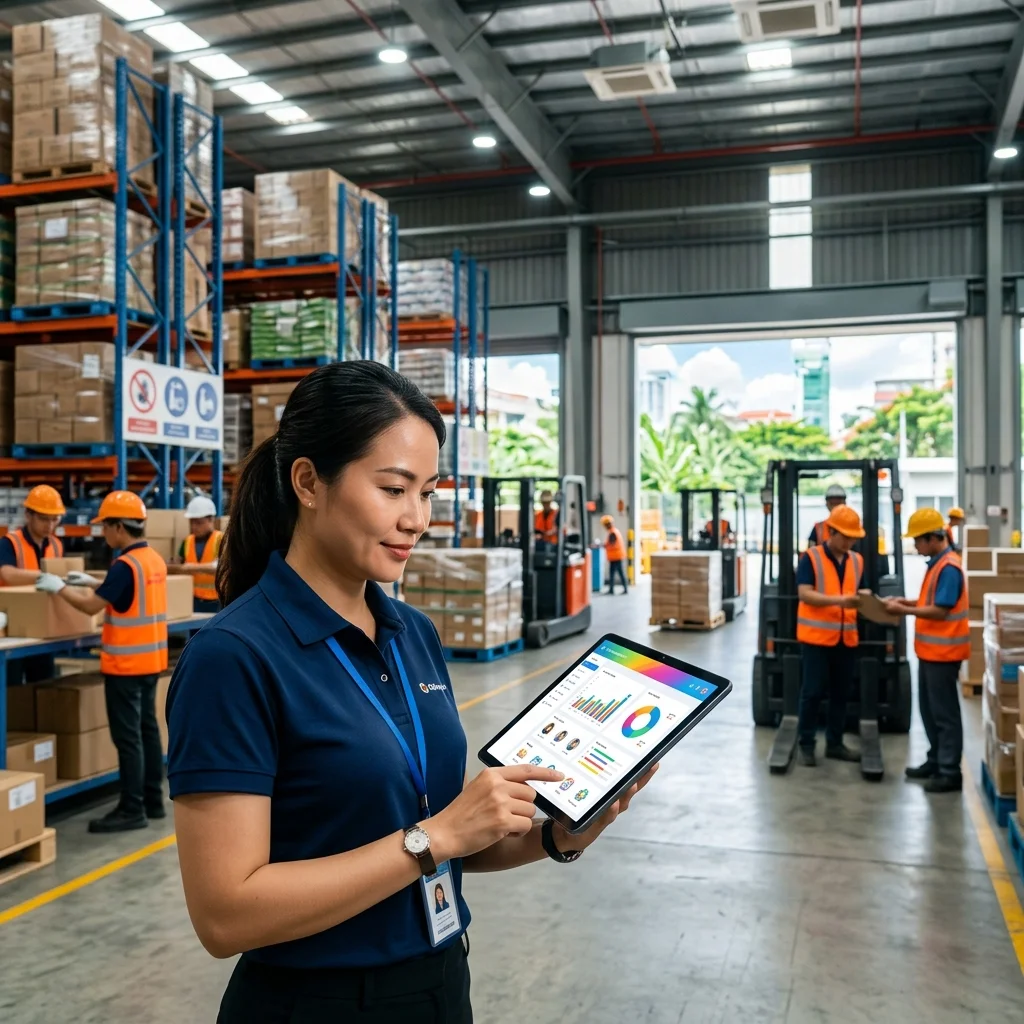
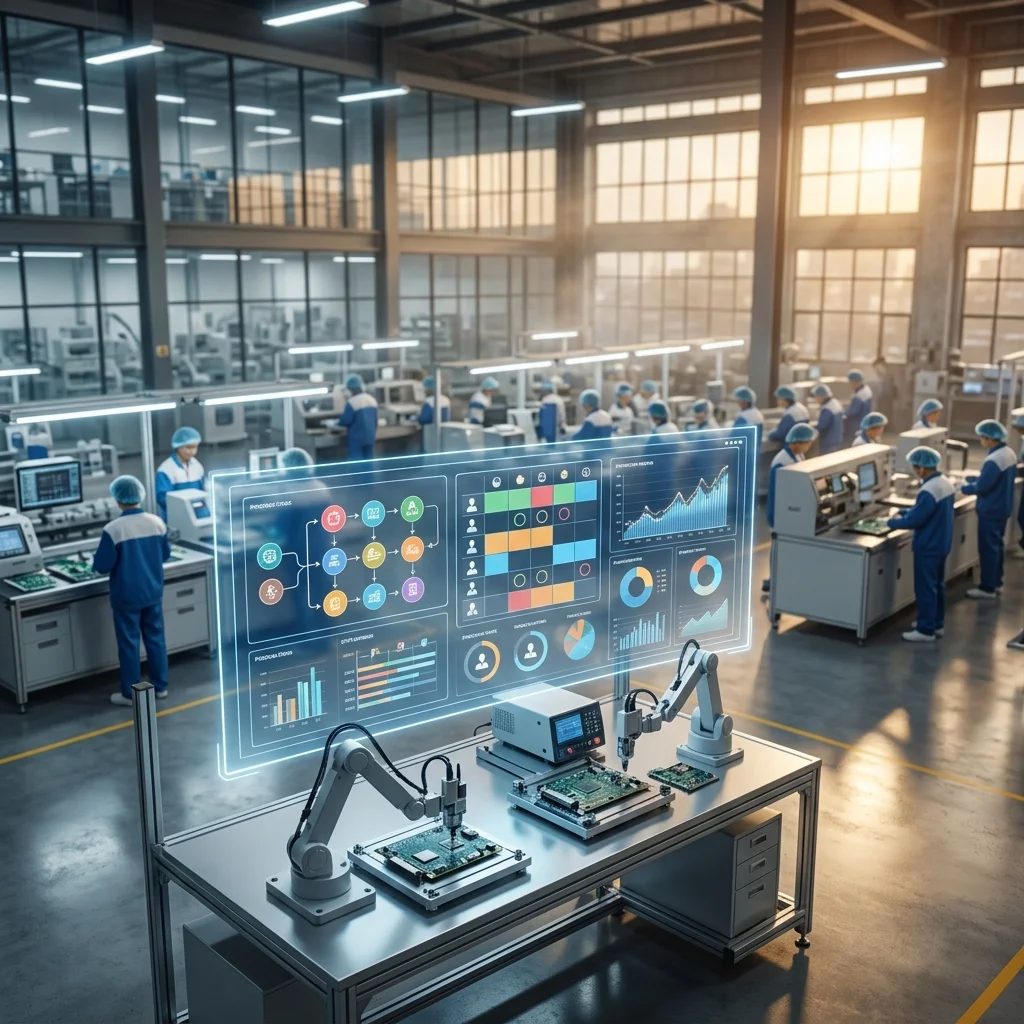
In the high-stakes environment of modern warehousing, AI agents are pivotal in driving unparalleled levels of automation and optimization. These intelligent systems power a new generation of automated storage and retrieval systems (AS/RS) and autonomous mobile robots (AMRs) that can navigate complex warehouse layouts, identify, pick, and transport goods with minimal human intervention. AI algorithms continuously analyze inventory data, optimizing storage locations based on demand patterns, product dimensions, and retrieval frequency. This not only maximizes space utilization within facilities but also significantly reduces retrieval times and minimizes human error. For instance, AI-driven inventory management systems can forecast stock levels with high precision, triggering automatic reorder alerts and preventing both stockouts and overstock scenarios. The benefits of such logistics automation Singapore are manifold: reduced operational costs, increased throughput, enhanced worker safety by offloading repetitive and hazardous tasks, and a substantial boost in overall operational efficiency. This optimization is crucial for Singapore’s land-scarce environment, enabling more goods to be processed in existing spaces.
2. Last-Mile Delivery AI: Enhancing Speed and Accuracy
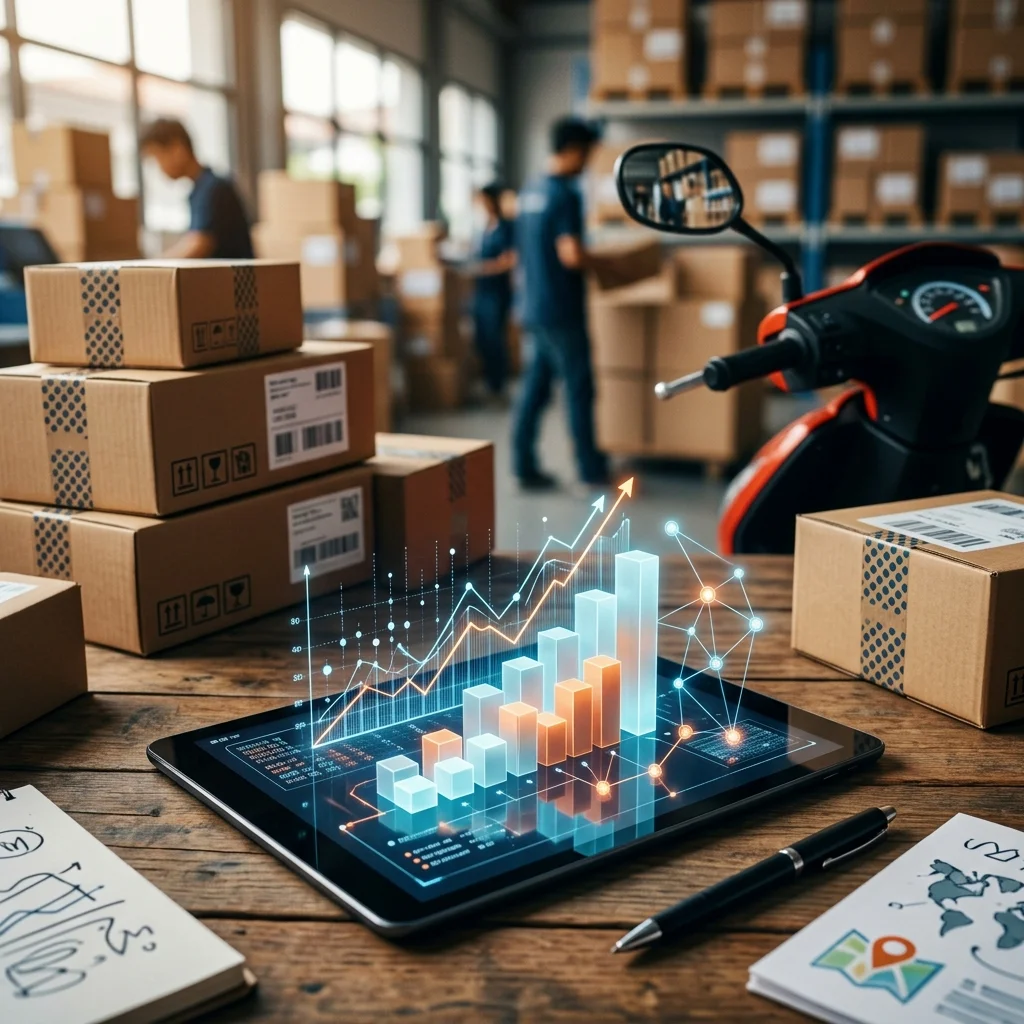
The last-mile delivery segment, often the most challenging and costly part of the supply chain, is experiencing a dramatic overhaul thanks to AI agents. These systems excel at dynamic route optimization, considering a myriad of real-time factors such as traffic conditions, weather patterns, delivery windows, and customer preferences. AI-powered algorithms can instantly recalculate routes in response to unforeseen delays or new orders, ensuring that delivery vehicles follow the most efficient paths, thereby reducing fuel consumption and delivery times. Furthermore, AI agents facilitate predictive estimated times of arrival (ETAs), offering customers greater transparency and improving satisfaction. The future of last-mile logistics in Singapore also involves autonomous delivery vehicles and drones, guided by sophisticated AI to navigate urban environments safely and efficiently. These innovations not only address the growing demand for faster deliveries but also help mitigate issues like labor shortages and environmental impact. The integration of AI in logistics for last-mile operations ensures unparalleled speed, accuracy, and cost-effectiveness, critical for competitive advantage.
3. Predictive Logistics Singapore: Forecasting Demand and Supply
Perhaps one of the most transformative applications of AI in logistics is its capacity for predictive analytics, particularly in a dynamic market like Singapore. Predictive logistics Singapore leverages vast datasets – historical sales, seasonal trends, macroeconomic indicators, even social media sentiment and weather forecasts – to accurately predict future demand and supply fluctuations. AI agents process these complex inputs to generate highly accurate demand forecasts, allowing businesses to proactively adjust inventory levels, optimize production schedules, and allocate resources more effectively. This proactive approach minimizes the risks associated with both overstocking and understocking, reducing waste and lost sales opportunities. Beyond demand, AI also predicts potential disruptions in the supply chain, from port congestion to geopolitical events, enabling companies to implement contingency plans before issues escalate. This real-time, data-driven insight empowers logistics managers in Singapore to make more informed decisions, enhancing supply chain resilience and ensuring continuous operational flow. The ability of AI to anticipate and adapt is fundamental to achieving truly smart and responsive supply chain management across the region.
The impact of AI agents on the logistics field in Singapore is undeniably profound and far-reaching. By automating complex tasks, optimizing critical processes, and providing invaluable predictive insights, AI is not just improving efficiency but fundamentally redefining how logistics operations are planned and executed. Embracing these advanced AI solutions is crucial for businesses aiming to maintain a competitive edge and drive sustainable growth within Singapore’s evolving global trade hub. To explore further on How AI agent effect to logistics field in singapore, businesses are increasingly looking towards comprehensive AI integration strategies.
Economic Benefits & Operational Advantages of AI Agent Integration
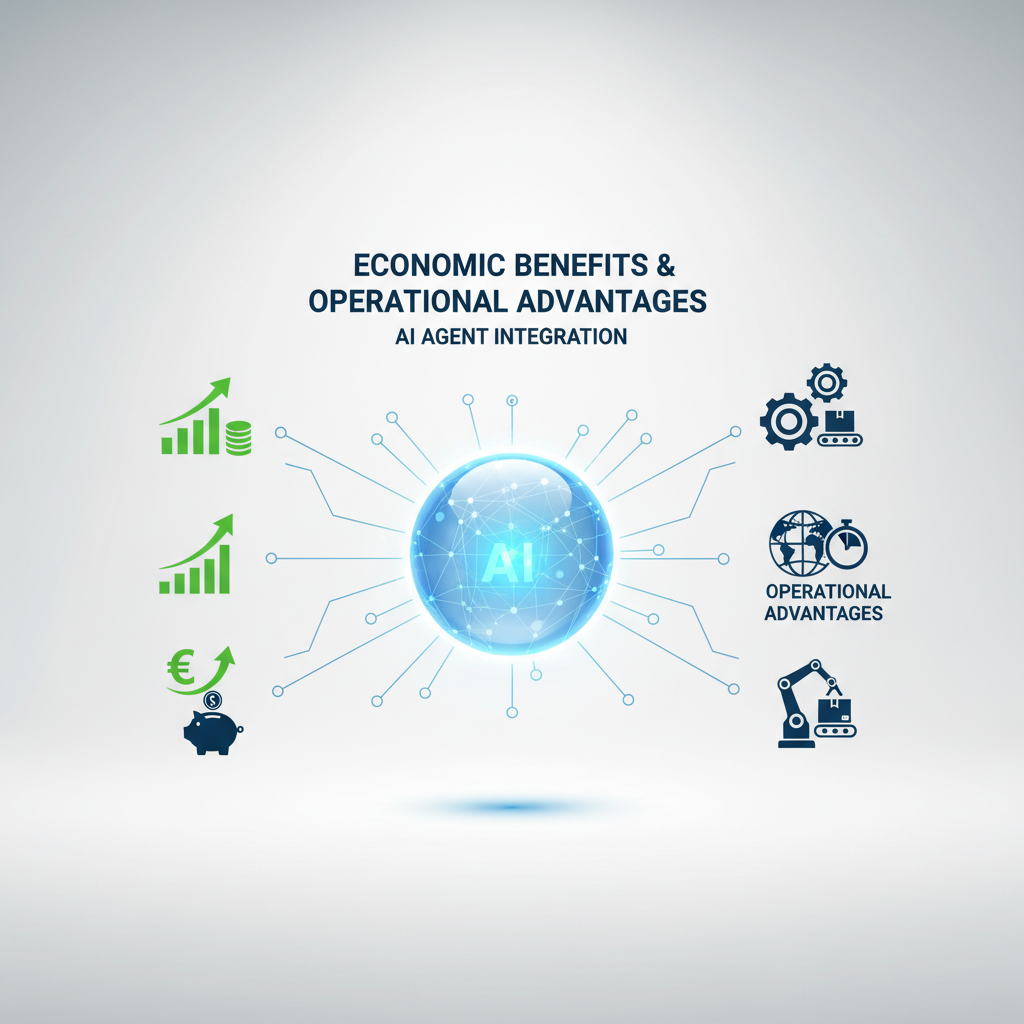
The integration of Artificial Intelligence (AI) agents is rapidly transforming Singapore’s logistics industry, propelling it into a new era of efficiency, resilience, and strategic growth. As a global trade hub, Singapore’s logistics sector faces immense pressure to innovate, reduce costs, and enhance service delivery. AI agents, from automated guided vehicles (AGVs) in warehouses to sophisticated predictive analytics platforms, offer tangible benefits that address these challenges head-on. This section delves into the profound how AI agent effect to logistics field in Singapore, showcasing their capacity for significant cost reduction, supply chain optimization, and superior data-driven decision-making.
1. Cost Reduction and Operational Savings
One of the most immediate and impactful advantages of AI agent integration is the substantial cost reduction logistics AI brings to the industry. By automating repetitive and labor-intensive tasks, businesses can significantly lower operational expenditures. For instance, AI-powered robots and automated storage and retrieval systems (AS/RS) in warehouses can handle inventory management, picking, and packing with unparalleled speed and accuracy, reducing human error and the associated costs of rework or lost inventory.
Furthermore, AI agents excel in optimizing route planning for transportation fleets. By analyzing real-time traffic data, weather conditions, and delivery schedules, these systems can identify the most efficient routes, leading to considerable fuel savings and reduced vehicle wear and tear. Predictive maintenance, another powerful application of AI, allows logistics companies to monitor the health of their assets – from trucks to warehouse machinery – anticipating potential failures before they occur. This proactive approach minimizes unexpected downtime, costly emergency repairs, and disruptions to the supply chain. A report by Statista highlights that the global market for AI in logistics is projected to grow significantly, driven by these cost-saving and efficiency-enhancing applications, underscoring the universal appeal and proven benefits of AI adoption in the sector. Learn more about AI in Logistics market growth from Statista. Such operational efficiencies directly translate into healthier profit margins for Singaporean logistics providers.
2. Enhanced Supply Chain Resilience and Agility
The volatile global landscape, punctuated by pandemics, geopolitical shifts, and natural disasters, has underscored the critical need for resilient and agile supply chains. AI agents are pivotal in optimizing supply chain with AI to withstand and quickly adapt to disruptions. Real-time visibility, powered by AI, allows logistics managers to monitor every stage of their supply chain, from raw material sourcing to final delivery. This transparency enables proactive identification of potential bottlenecks or risks.
AI-driven predictive analytics takes this a step further by forecasting demand fluctuations with greater accuracy than traditional methods. By analyzing vast datasets of historical sales, market trends, and external factors, AI can predict future demand, enabling optimal inventory levels and preventing both stockouts and costly overstocking. In the face of unexpected events, AI agents can dynamically re-route shipments, reallocate resources, and even suggest alternative suppliers or transportation modes, ensuring continuity of operations. This level of adaptability not only minimizes financial losses during crises but also enhances customer satisfaction by maintaining service levels even under challenging circumstances. For Singapore, a nation heavily reliant on international trade, building such a robust and responsive supply chain is not just an advantage but a strategic imperative.
3. Improved Decision-Making through Data Analytics Logistics AI
The sheer volume of data generated within the logistics industry is staggering, yet its true value often remains untapped without sophisticated analytical tools. This is where data analytics logistics AI plays a transformative role, empowering businesses with actionable insights for superior decision-making. AI agents are adept at collecting, processing, and analyzing massive datasets from various sources – IoT sensors, GPS trackers, inventory systems, customer feedback, and market intelligence.
Instead of merely presenting raw data, AI transforms it into intelligent insights. For example, AI can identify patterns in delivery delays, pinpoint inefficiencies in warehouse layouts, or detect fraudulent activities. Predictive analytics can forecast equipment failures, optimal staffing levels, or even the likelihood of customer churn. This capability enables logistics companies to move beyond reactive problem-solving to proactive strategic planning. Managers can make informed decisions regarding capital investments, resource allocation, and operational strategies based on deep, evidence-based understanding rather than intuition alone. By continuously learning from new data, AI models refine their accuracy over time, ensuring that decisions are always based on the most current and relevant information. This strategic advantage is vital for Singaporean logistics firms aiming to maintain their competitive edge in a fast-evolving global market.
In conclusion, the integration of AI agents offers a comprehensive suite of economic benefits and operational advantages to Singapore’s logistics industry. From driving down operational costs and fostering unparalleled supply chain resilience to empowering intelligent, data-driven decision-making, AI is not merely an incremental improvement but a foundational shift that is redefining the future of logistics in the Lion City.
Navigating Challenges and Considerations for AI Agent Adoption
The integration of AI agents within the logistics field in Singapore promises transformative benefits, yet it introduces significant hurdles. AI in logistics Singapore challenges encompass technical complexities, substantial investments, the imperative for workforce upskilling logistics, and the establishment of robust AI ethical considerations logistics frameworks. Successful AI agent adoption demands a proactive approach to potential pitfalls, ensuring sustainable and responsible deployment across the supply chain. Businesses must anticipate AI agent implementation hurdles and develop strategies to mitigate risks, safeguarding operations while harnessing these advanced technologies. The overarching question remains: How AI agent effect to logistics field in Singapore, particularly when navigating these complex waters? Addressing these supply chain AI risks proactively is crucial for fostering an environment where AI agents can thrive, delivering their promised value without compromising operational integrity or ethical standards. From managing vast datasets to ensuring regulatory compliance AI logistics, every aspect requires meticulous attention to truly unlock the benefits of logistics digital transformation and Singapore logistics tech adoption.
1. Data Security, Privacy, and Trust
At the core of AI agent deployment lies immense data, making data privacy logistics AI and robust cybersecurity AI agents paramount. AI agents process vast quantities of sensitive information—shipment details, customer data, operational metrics—elevating the risk of breaches and misuse. Logistics companies in Singapore must implement state-of-the-art encryption, access controls, and threat detection. Compliance with local regulations, like Singapore’s PDPA, and international standards is non-negotiable. Beyond technical safeguards, cultivating trust in AI logistics is vital. Stakeholders need assurance that their data is handled responsibly and ethically through transparent data governance and clear communication. The ethical collection, storage, and processing of data are foundational for a trustworthy AI environment. As highlighted by global best practices, a strong emphasis on ethical AI frameworks and robust data governance is essential for sustainable adoption. Neglecting these aspects can lead to reputational damage, regulatory penalties, and erosion of confidence in AI-driven solutions.
2. Integration Complexities with Legacy Systems
The logistics sector, particularly in Singapore, often relies on established legacy systems for inventory, fleet tracking, and warehousing. Integrating advanced AI agents into this infrastructure presents significant integration complexities with legacy systems. Older systems may use proprietary data formats, have limited APIs, or operate on outdated architectures incompatible with modern AI platforms. This challenge is both technical and operational, requiring substantial effort to bridge data silos and ensure seamless communication. Successful integration demands a strategic approach, potentially involving middleware, data warehousing, or a phased migration. Companies must thoroughly assess their current IT landscape, identify bottlenecks, and plan for gradual integration rather than disruptive overhauls. This often requires significant investment in IT infrastructure upgrades and specialized expertise. Without proper integration, AI agents cannot access the comprehensive real-time data needed, leading to fragmented insights and operational inefficiencies, failing to realize the full potential of AI in logistics. Overcoming these hurdles is critical for businesses looking to truly leverage AI and achieve a cohesive, intelligent logistics ecosystem.
3. Workforce Reskilling and Human-AI Collaboration
AI agent introduction inevitably reshapes job roles and demands new skill sets. Concerns about job displacement are natural, making workforce reskilling and upskilling crucial for a smooth transition. Rather than viewing AI as a replacement, forward-thinking logistics companies focus on fostering effective human-AI collaboration logistics. This involves training employees to work alongside AI agents, leveraging their strengths for enhanced decision-making, predictive analysis, and automated task execution. Reskilling programs should target data interpretation, AI system management, troubleshooting, and strategic oversight. Equipping employees with these competencies ensures they remain valuable assets, transitioning into supervisory, analytical, or strategic roles complementing AI capabilities. Clear communication and employee engagement are essential to alleviate anxieties and build a positive culture around AI adoption. Organizations must invest in continuous learning platforms and change management strategies to ensure human capital remains a competitive advantage. The future of AI governance logistics depends heavily on a skilled workforce capable of overseeing and optimizing AI operations, transforming challenges into opportunities for growth and innovation.
The Future Landscape: AI Agents Shaping Singapore Logistics 2026 and Beyond
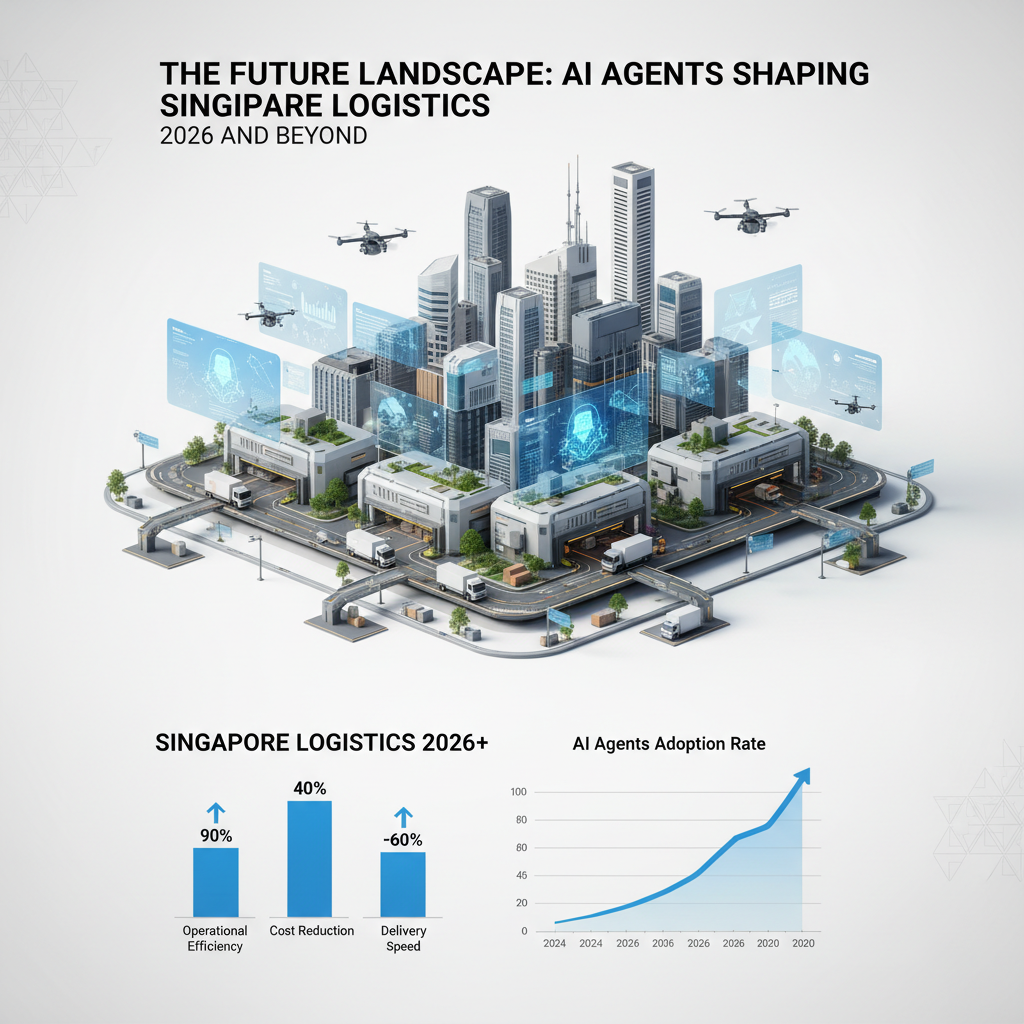
The global logistics landscape is undergoing a profound transformation, driven by an accelerating wave of technological innovation. At the heart of this revolution are AI agents, poised to redefine efficiency, resilience, and connectivity across supply chains. Singapore, with its strategic geographical position and ambitious Smart Nation vision, is actively embracing these advancements. Understanding how AI agent effect to logistics field in Singapore is crucial for stakeholders looking to navigate this evolving ecosystem, especially as we look towards 2026 and beyond. AI agents, from sophisticated algorithms powering predictive analytics to autonomous physical robots, are set to orchestrate a seamless flow of goods, optimize resource utilization, and unlock unprecedented levels of operational excellence in the city-state’s vital logistics sector.
-
Emerging AI-Powered Autonomous Logistics Technologies
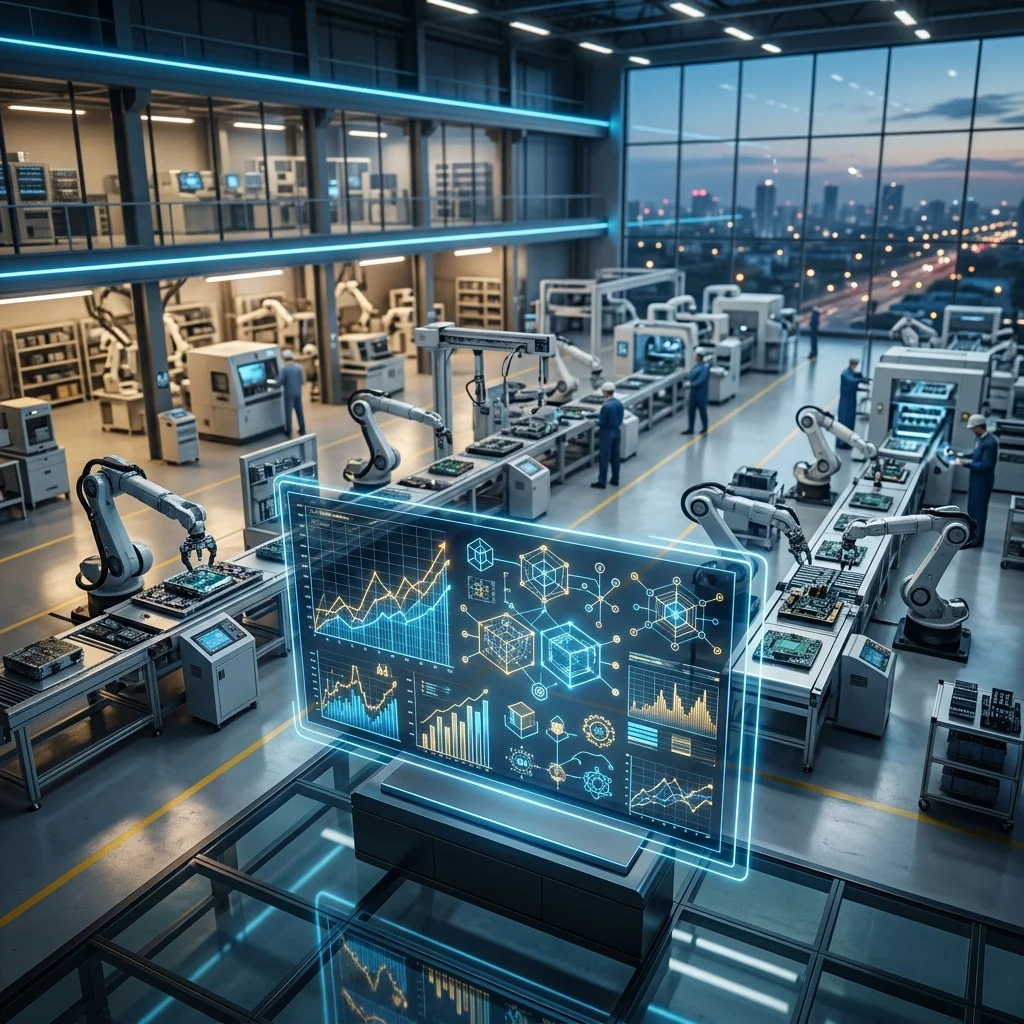
The next few years will witness the widespread integration of advanced AI-powered autonomous logistics technologies across Singapore’s supply chain. Autonomous vehicles, including self-driving trucks for middle-mile transport, drones for last-mile delivery in urban environments, and Automated Guided Vehicles (AGVs) within warehouses, are becoming central to smart logistics solutions. These AI agents in logistics leverage sophisticated computer vision, sensor fusion, and machine learning algorithms to navigate complex environments, handle materials, and execute tasks with minimal human intervention. Furthermore, AI-powered automation is extending to intelligent sorting systems, robotic picking and packing, and digital twin technology, which creates virtual replicas of physical logistics operations for real-time monitoring and simulation. Predictive analytics in logistics, driven by AI, enables precise demand forecasting, proactive maintenance of fleet and machinery, and dynamic route optimization, significantly enhancing overall logistics efficiency Singapore.
-
Government Initiatives and Ecosystem Support
Singapore’s proactive government plays a pivotal role in fostering a conducive environment for the adoption of AI agents in the logistics sector. Initiatives under the Smart Nation banner, coupled with targeted support from agencies like the Economic Development Board (EDB) and the Infocomm Media Development Authority (IMDA), are accelerating digital transformation logistics. These efforts include significant investments in research and development, pilot programs for autonomous solutions, and grants aimed at encouraging companies to experiment with and deploy cutting-edge technologies. The National AI Strategy outlines Singapore’s commitment to becoming a leader in AI innovation, with logistics identified as a key sector for impact. Robust regulatory frameworks are also being developed to ensure safe and ethical deployment of autonomous logistics systems, while fostering collaboration between industry, academia, and government to build a skilled workforce capable of operating and innovating within this future of logistics technology. This holistic approach ensures that the entire ecosystem is geared towards embracing AI in freight management and other critical logistics functions.
-
Singapore’s Competitive Edge in Global Smart Logistics
Singapore’s strategic positioning as a global trade hub is being further solidified by its aggressive embrace of AI agents and smart logistics solutions. The nation’s world-class infrastructure, including its highly efficient port and airport facilities, provides an ideal testbed for new logistics technologies. By integrating AI-powered automation and advanced data analytics, Singapore is enhancing its capacity and speed, offering a compelling proposition for global businesses. The focus on talent development, with programs aimed at upskilling the workforce in areas like AI, data science, and robotics, ensures a continuous supply of expertise. This commitment to innovation, coupled with an open economy that attracts foreign investment and encourages technological adoption, positions Singapore as a leader in the global smart logistics ecosystem. The continuous pursuit of excellence in supply chain optimization through AI agents not only boosts Singapore’s internal capabilities but also strengthens its role as a critical node in international trade. To further explore the comprehensive impact, it’s worth examining How AI agent effect to logistics field in Singapore in detail, as the synergies between technology and policy create a unique competitive advantage.
Partner with Shelby Global
You are looking for reliable HR Sevice Suppliers? Contact Shelby Global Now! To connect with verified talents and upgrade your orginization.
—————————————
References
– AI in supply chains: Achieving value at scale: https://www.mckinsey.com/industries/americas/our-insights/ai-in-supply-chains-achieving-value-at-scale
– How AI can help unlock supply-chain resilience – McKinsey & Company: https://www.mckinsey.com/capabilities/operations/our-insights/how-ai-can-help-unlock-supply-chain-resilience
– AI in Logistics market growth from Statista: https://www.statista.com/outlook/tmo/artificial-intelligence/logistics/worldwide
– Trustworthy AI: Ethics and Governance: https://www2.deloitte.com/us/en/insights/focus/cognitive-technologies/trustworthy-ai-ethics-governance.html
– National AI Strategy: https://www.smartnation.gov.sg/why-smart-nation/national-ai-strategy