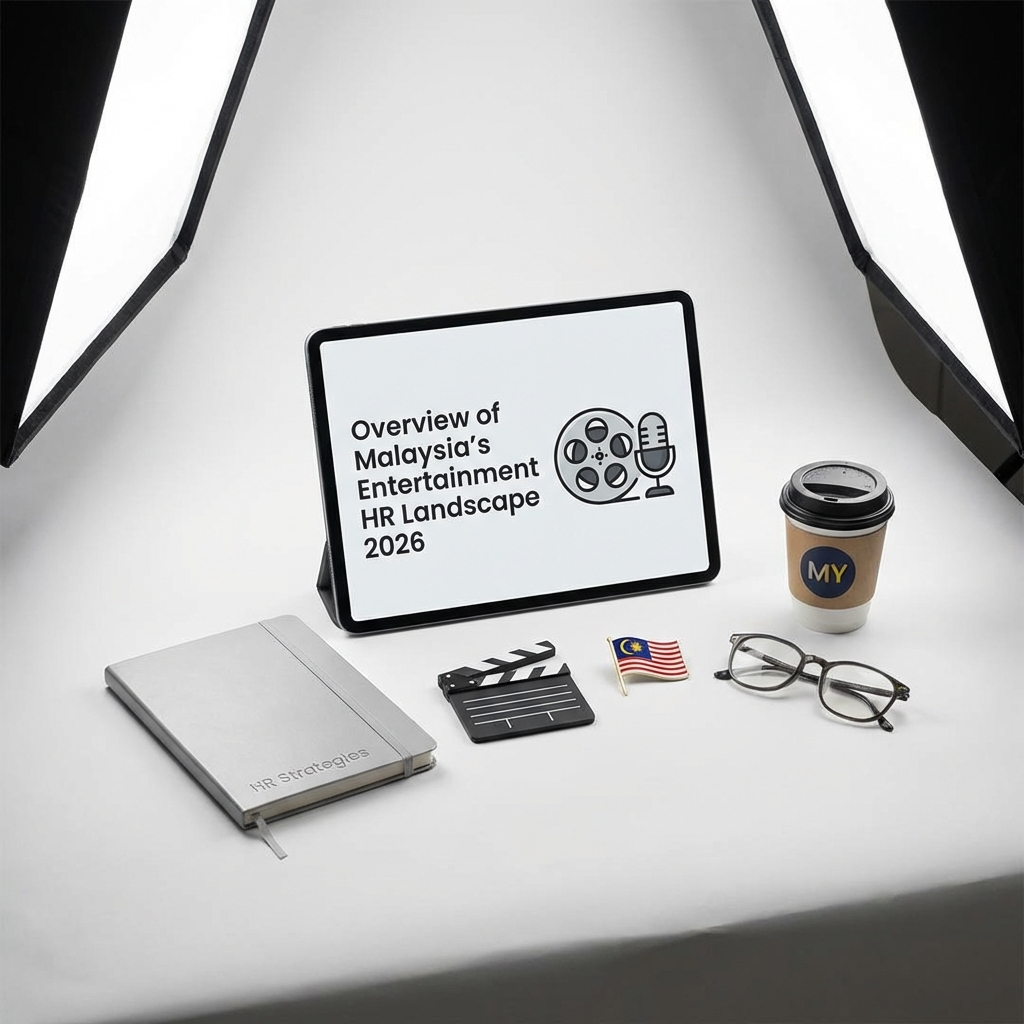
Overview of Malaysia’s Entertainment HR Landscape 2026
Malaysia’s entertainment sector, a vibrant tapestry of creativity and innovation, continues to grow as a significant contributor to the nation’s economy and cultural identity. From blockbuster films and captivating television series to world-class live concerts, cutting-edge animation, and burgeoning digital media, the industry is marked by its dynamism and unique demands. As we look towards 2026, the strategic management of human resources within this sector becomes paramount. This section sets the stage by defining the scope and importance of human resources management within Malaysia’s dynamic entertainment sector, highlighting its unique challenges and unparalleled opportunities. Effective HR strategies are not merely administrative functions here; they are the bedrock upon which creative excellence, operational efficiency, and sustainable growth are built, especially crucial for any comprehensive HR report of Entertainment field in malaysia looking to navigate the complexities ahead.
1. Defining the Entertainment Industry in Malaysia: Key Segments
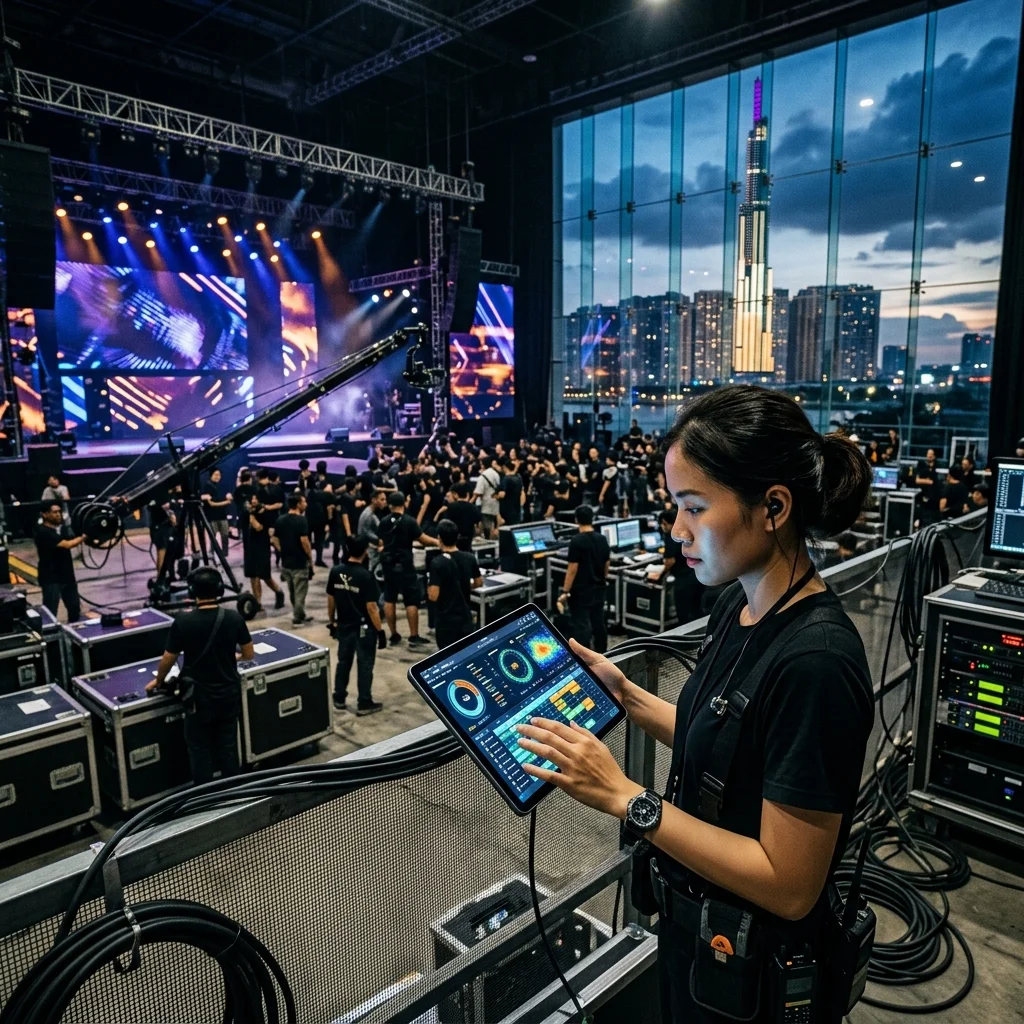
The Malaysian entertainment industry is a multifaceted ecosystem encompassing a broad spectrum of activities, each requiring specialized talent and HR approaches. At its core, it includes the film and television production industry, which spans everything from script development and pre-production to filming, post-production, and distribution. Live events, including music festivals, concerts, theatre productions, and cultural shows, form another vital segment, characterized by project-based staffing and intense, time-sensitive demands. The animation and digital content sector has seen remarkable growth, with Malaysian studios gaining international recognition for their creativity and technical prowess, contributing significantly to the digital economy. Gaming, from mobile casual games to AAA titles, is a rapidly expanding segment, attracting a new generation of creative and technical professionals. Beyond these, the sector also encompasses theme parks, cultural attractions, music publishing, talent management, and emerging fields like esports and virtual reality experiences. The diversity of these segments underscores the complexity of HR management, requiring adaptable strategies to cater to varied talent pools, skill sets, and working models.
2. Importance of Strategic HR in Creative & Project-Based Sectors
In a sector driven by creativity, innovation, and often project-based workflows, strategic human resources management transcends traditional administrative duties. For the Malaysian entertainment industry, HR is a critical partner in fostering a thriving creative environment. Talent acquisition and retention are paramount; the industry relies on highly specialized individuals, from directors and animators to sound engineers and marketing professionals, whose unique skills are in high demand. Strategic HR ensures that talent pipelines are robust, competitive compensation and benefits packages are in place, and career development opportunities are clearly defined. Furthermore, HR plays a pivotal role in managing the unique challenges of project-based work, including fluctuating staffing needs, managing diverse contract types, and ensuring smooth transitions between projects. Issues such as intellectual property rights management, artist well-being, diversity, equity, and inclusion (DEI), and fostering a culture of collaboration are increasingly central to HR’s mandate. By proactively addressing these areas, strategic HR directly impacts project success, employee satisfaction, and the long-term sustainability of entertainment businesses. Understanding these dynamics is key for any comprehensive HR report of Entertainment field in malaysia aiming to provide actionable insights for industry stakeholders.
3. Key Macro Trends Shaping HR in 2026 (Economic, Social, Technological)
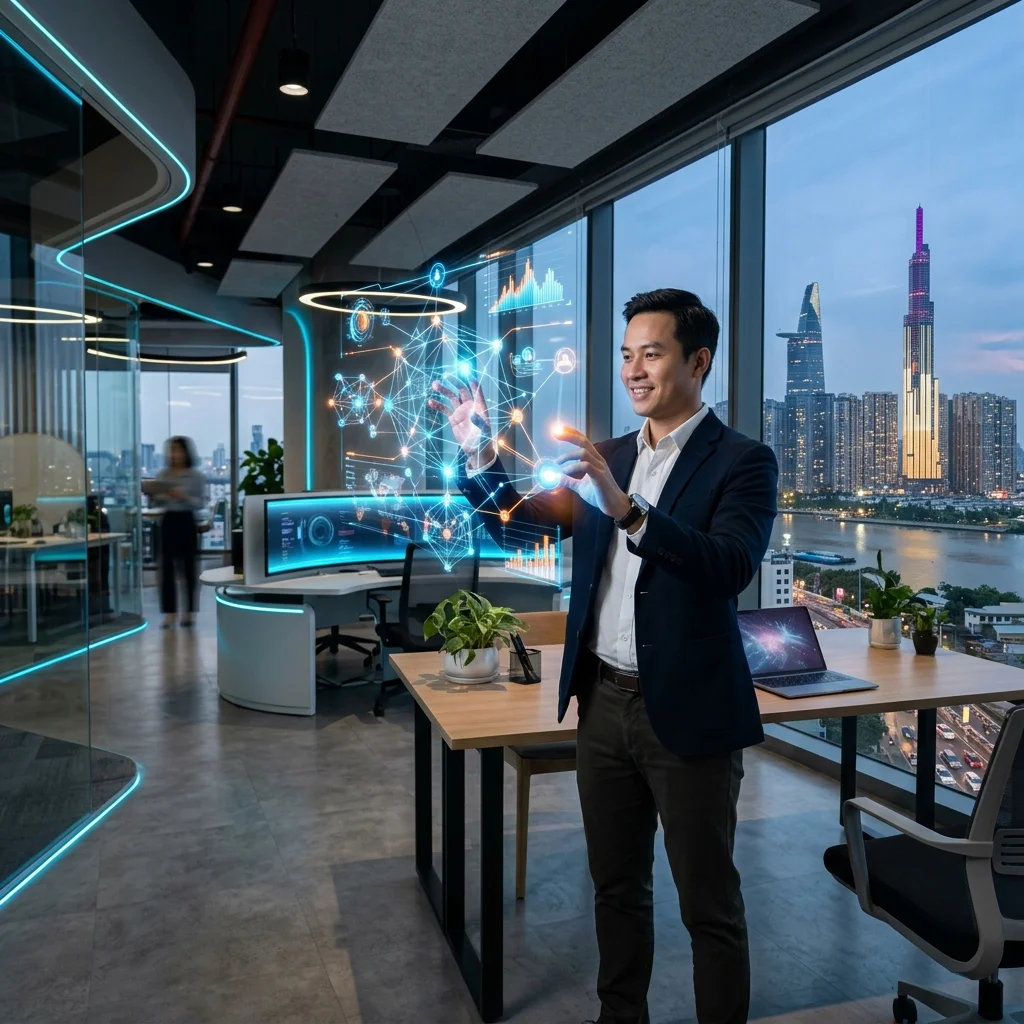
The HR landscape in Malaysia’s entertainment sector by 2026 will be significantly influenced by a confluence of macro trends across economic, social, and technological spheres. Economically, the industry is poised for continued growth, buoyed by government initiatives to promote the creative economy and digital transformation, such as the Malaysia Digital Economy Corporation (MDEC)’s focus on digital creative content. Increased foreign investment and a rising middle class with greater disposable income are expected to fuel demand for diverse entertainment products. However, economic uncertainties could also lead to more project-based work and a focus on cost-efficient production models. Socially, there’s a growing emphasis on diversity, equity, and inclusion within content creation and workforce practices, pushing HR to implement inclusive hiring and workplace policies. The rise of the gig economy and flexible work arrangements continues to gain traction, especially among creative professionals, requiring HR to adapt to new engagement models and benefit structures. Employee well-being, mental health support, and work-life balance are also increasingly prioritized. Technologically, advancements are rapidly transforming production methods and distribution channels. Artificial intelligence (AI) and machine learning (ML) are set to streamline pre-production, post-production, and content personalization. Virtual reality (VR), augmented reality (AR), and the metaverse offer new platforms for immersive experiences, creating demand for new skill sets. Cloud collaboration tools and sophisticated data analytics will empower HR with better insights into workforce trends and talent management, enabling more strategic decision-making. These intertwined trends demand a forward-thinking and agile HR function to ensure the Malaysian entertainment sector remains competitive and attractive to top talent.
Talent Acquisition & Retention Challenges in Entertainment
The Malaysian entertainment industry, a vibrant and rapidly expanding sector encompassing film, animation, gaming, music, and digital content, faces a unique set of human resource challenges. While the industry boasts immense potential for economic growth and cultural impact, its success is inherently tied to its ability to attract, hire, and crucially, retain specialized talent in an increasingly competitive and evolving market. This examination delves into the specific difficulties encountered by entertainment companies in Malaysia, drawing insights for a comprehensive HR report of Entertainment field in malaysia.
1. Sourcing Specialized Creative & Technical Talent Pool
One of the primary hurdles for the Malaysian entertainment sector is the limited availability of a highly specialized creative and technical talent pool. Unlike more established global hubs, Malaysia’s educational infrastructure, while growing, still struggles to consistently produce graduates with the niche skills demanded by cutting-edge animation studios, VFX houses, game development companies, and sophisticated content creators. Roles such as senior animators, VFX artists, game designers, sound engineers, experienced scriptwriters, and directors require years of specialized training and hands-on experience that are scarce locally. Many Malaysian entertainment industry talents are often self-taught or gain experience abroad, creating a significant brain drain challenge. Furthermore, competition from international markets, particularly Singapore, Australia, and Western countries, frequently lures away top-tier individuals seeking higher compensation, more advanced projects, and better career progression opportunities. Addressing these technical talent acquisition challenges necessitates a concerted effort in industry-academia collaboration, mentorship programs, and continuous upskilling initiatives to bridge existing skill gaps and foster a robust local pipeline.
2. Combating High Turnover Rates and Project-Based Instability
High turnover rates are a chronic issue plaguing the Malaysian entertainment industry. A significant contributing factor is the prevalence of project-based employment. Many creative and technical roles are contractually tied to specific productions, leading to periods of unemployment between projects and a lack of long-term job security. This inherent project-based instability often forces highly skilled individuals to constantly seek new opportunities, contributing to a transient workforce. When talent secures more stable, full-time positions, even if outside the entertainment sector, they are often compelled to take them for financial security. Burnout, long working hours, and intense project deadlines, coupled with often uncompetitive remuneration compared to other industries, further exacerbate the issue. The demand for creative talent retention Malaysia is high, as companies invest heavily in training and onboarding, only to see experienced staff leave for more stable pastures or international opportunities. According to insights on industry development, fostering a more stable environment is crucial for sustained growth in the digital creative content sector, as highlighted by initiatives like those aimed at propelling Malaysia as an ASEAN hub for digital content. MDEC’s Digital Creative Content Industry Blueprint underscores the importance of a robust talent ecosystem for long-term success.
3. Strategies for Enhancing Employee Engagement and Loyalty
To mitigate these challenges, Malaysian entertainment companies must proactively adopt comprehensive strategies aimed at enhancing employee engagement and fostering loyalty. Beyond competitive salaries and benefits, which are foundational, focusing on a positive and supportive work culture is paramount. This includes promoting work-life balance, recognizing employee contributions, and providing clear pathways for career growth and professional development. Mentorship programs, cross-training opportunities, and access to advanced tools and technologies can significantly boost employee engagement within the entertainment sector. Furthermore, companies should explore converting project-based roles into more permanent positions where feasible, offering stability and reducing the financial anxiety associated with the gig economy model. Implementing robust HR best practices entertainment Malaysia, such as performance feedback systems, mental health support, and initiatives that build a strong sense of community, can cultivate a loyal workforce. By investing in their people – through continuous learning, fair compensation, and a supportive environment – entertainment businesses can not only attract top talent but also ensure their long-term commitment, securing the future of this dynamic industry.
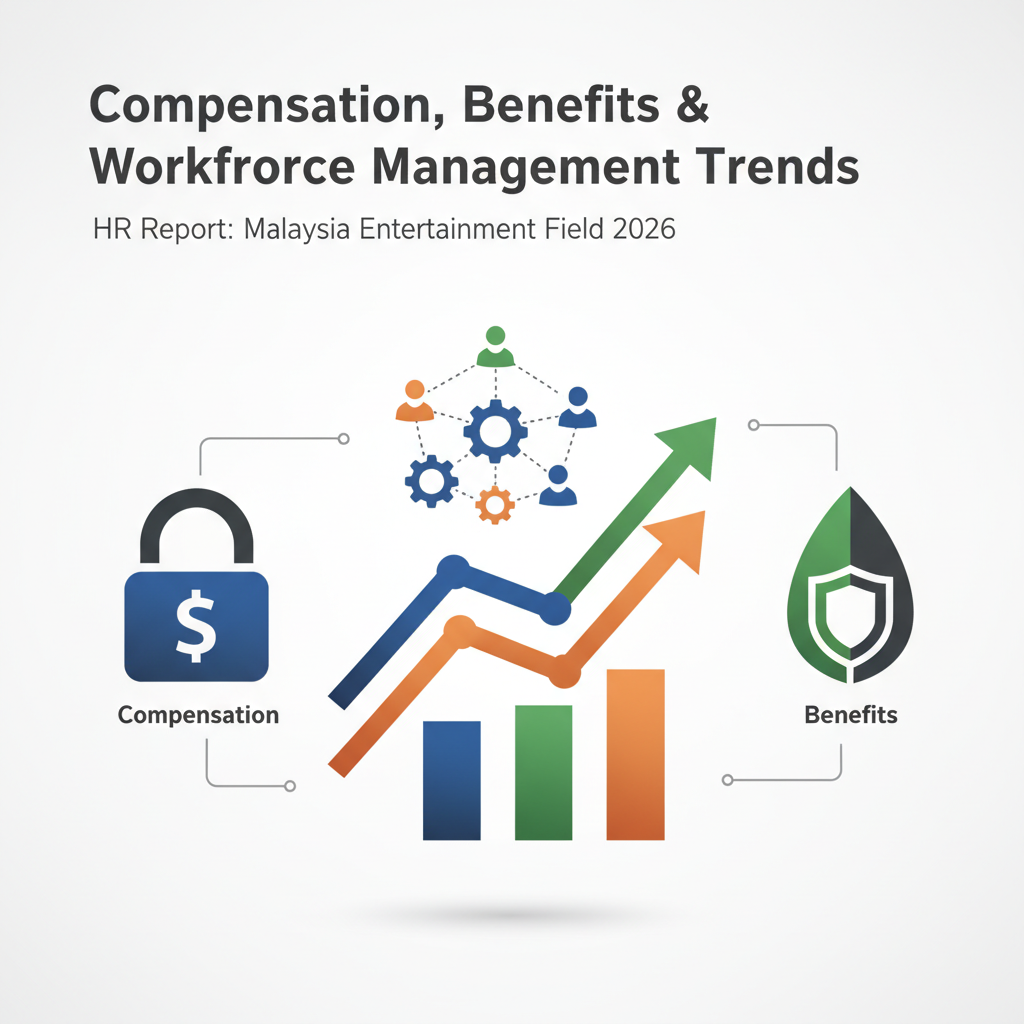
Compensation, Benefits & Workforce Management Trends
The burgeoning Malaysian entertainment industry presents unique challenges and opportunities in how talent is acquired, compensated, and managed. As detailed in this HR report of Entertainment field in malaysia, the sector’s dynamic nature, coupled with the rising influence of the gig economy, necessitates a strategic approach to remuneration structures, comprehensive benefits packages, and innovative workforce management practices. Understanding these trends is crucial for attracting and retaining the diverse pool of creative and technical professionals that drive this vibrant industry, from actors and musicians to production crews and digital content creators.
The landscape for Malaysian entertainment industry compensation and benefits is constantly evolving, requiring organisations to adapt swiftly. This section delves into the critical aspects shaping human resources within the industry, ensuring that businesses remain competitive and compliant while fostering a thriving creative environment.
1. Benchmarking Industry Salaries and Performance-Based Pay
Ensuring competitive compensation is paramount for attracting top talent in Malaysia’s entertainment sector. Organisations often grapple with the challenge of benchmarking salaries effectively, given the diverse roles and fluctuating project-based nature of much of the work. For core staff, traditional salary structures are often benchmarked against regional and international entertainment industry standards, considering factors like experience, specialization, and market demand. However, the unique value proposition of creative roles, such as artists, directors, and screenwriters, often necessitates a more nuanced approach, combining base pay with robust performance-based incentives.
Performance-based pay, including project bonuses, royalties, profit-sharing agreements, and performance incentives, is becoming increasingly vital. This system not only motivates talent but also aligns their financial success with the commercial success of projects. For instance, a film production might offer a share of box office revenue to key cast and crew, while a music label could provide royalty shares to artists. Implementing transparent and fair performance metrics is crucial to the success of such models, ensuring that all contributors feel valued and fairly rewarded for their efforts. This approach significantly impacts talent retention and the overall financial health of entertainment companies, particularly in areas like entertainment industry salaries Malaysia where specific skills command premium rates.
2. Flexible Work Arrangements, Gig Workers, and Freelance Talent
The economic trends impacting the workforce in Malaysia, particularly in the creative sectors, have seen a significant surge in flexible work arrangements and the proliferation of gig workers and freelance talent. This shift is particularly pronounced in the entertainment industry, where project-based work and short-term contracts have long been common. The rise of the gig economy impact Malaysia entertainment sector means that a substantial portion of the workforce operates outside traditional full-time employment, offering both flexibility for talent and access to a wider pool of specialized skills for employers.
Managing this hybrid workforce presents unique HR challenges, including ensuring compliance with labor laws, providing adequate social protection for freelancers, and integrating gig workers into team dynamics. Companies are increasingly adopting strategies such as contractor agreements, project-based contracts, and remote work policies to accommodate the demand for flexible work arrangements entertainment Malaysia. While this model offers benefits like reduced overheads and scalability for projects, it also necessitates innovative approaches to engagement and communication to foster a sense of belonging and commitment among a largely transient workforce. Addressing the lack of traditional employee benefits for gig workers, such as health insurance or retirement plans, remains a key concern for policymakers and industry stakeholders.
3. Effective Performance Management and Career Development Pathways
In the highly creative and project-driven environment of Malaysia’s entertainment industry, traditional performance management systems often fall short. Effective performance management in this sector requires a focus on continuous feedback, project-specific goal setting, and qualitative assessments that account for artistic and technical excellence. Regular check-ins, peer reviews, and post-project debriefs are critical for fostering growth and ensuring that talent continuously hones their skills. Recognising the unique contributions of individuals, whether they are a lead actor or a crucial member of the technical crew, is vital for motivation and retention, forming the core of effective performance reviews creative industry.
Equally important are clear career pathways entertainment sector. Despite the often non-linear nature of creative careers, establishing frameworks for professional development can significantly enhance talent retention. This includes offering opportunities for skill enhancement through workshops, masterclasses, mentorship programs, and cross-functional project assignments. For example, a junior editor might be mentored towards a supervising editor role, or a production assistant might gain experience across various departments to become a producer. Creating transparent advancement criteria and offering bespoke development plans are crucial for demonstrating an investment in an individual’s long-term growth within the sector. This also directly influences the perception of overall talent management entertainment Malaysia and contributes to a stable and skilled workforce that feels supported in their professional journey.
The comprehensive management of compensation, benefits, and workforce dynamics is not just an HR function but a strategic imperative for the sustainability and growth of Malaysia’s entertainment industry. By embracing flexibility, ensuring fair remuneration, and investing in talent development, the industry can navigate its unique challenges and continue to flourish.
Addressing Skill Gaps & Future-Proofing the Workforce
The dynamic nature of the entertainment industry, propelled by rapid technological advancements and evolving consumer demands, presents both immense opportunities and significant challenges for its workforce. In Malaysia, as the sector embraces digital transformation across film, music, gaming, and live events, a critical examination of skill gaps becomes imperative. This section of the HR report of Entertainment field in malaysia delves into existing skill deficits and outlines comprehensive strategies for upskilling, reskilling, and future-proofing employees to ensure sustainable growth and global competitiveness. Proactive talent development is no longer a luxury but a strategic necessity for the industry’s long-term viability.
1. Identifying Critical Skill Deficiencies (Digital, Technical, Soft Skills)
The Malaysian entertainment landscape, while vibrant, grapples with several critical skill deficiencies that hinder its full potential. Foremost among these are digital skills. The rise of virtual production, augmented reality (AR), virtual reality (VR), AI-driven content creation, and advanced data analytics for audience engagement demands a workforce proficient in these creative technologies. Many existing professionals, trained in traditional methodologies, lack expertise in areas like 3D modelling, game development engines, advanced animation software, digital marketing analytics, and AI prompting for creative tasks. Beyond digital, specific technical skills related to high-definition broadcasting, immersive sound design, and complex visual effects integration also show gaps. Furthermore, soft skills are increasingly vital for workforce readiness. Adaptability, critical thinking, problem-solving, and cross-functional collaboration are essential in project-based environments. Communication and emotional intelligence are crucial for effective teamwork and navigating diverse global co-productions. Addressing these multifaceted skill deficits is the cornerstone of any successful talent development strategy.
2. Upskilling and Reskilling Initiatives for Industry Relevance
To bridge identified skill gaps, targeted upskilling and reskilling initiatives are crucial. Upskilling focuses on enhancing existing employees’ capabilities within their current roles, such as mastering new tools and techniques for digital content creation or improving proficiency in advanced editing software. Reskilling, conversely, involves training employees for entirely new roles or significantly different skill sets, often necessitated by technological displacement. For instance, a traditional animator might be reskilled for virtual reality environment design. Effective initiatives must include structured training programs, workshops led by industry experts, and access to certifications that validate new competencies. Micro-credentialing, offering short, focused learning modules, can provide flexible pathways for busy professionals to acquire in-demand skills without long-term commitments. Companies should foster a culture of continuous learning, supported by mentorship programs and internal knowledge transfer mechanisms. Investing in online learning platforms offering specialized courses in creative technologies, data analytics, and digital marketing can also democratize access to vital training. Such proactive talent development ensures the workforce remains relevant and agile in a rapidly evolving industry. Critical future skills highlighted by the World Economic Forum’s Future of Jobs Report 2023 emphasize the urgency of these initiatives.
3. Role of Education, Training Providers, and Industry Partnerships
The long-term success of future-proofing the Malaysian entertainment workforce hinges on robust collaboration between educational institutions, specialized training providers, and the industry itself. Universities and vocational colleges must continually revise and align their curricula with current and emerging industry demands, integrating modules on creative technologies, virtual production, game design, and digital marketing. Practical, project-based learning, internships, and apprenticeships should be standard components, ensuring graduates possess not just theoretical knowledge but also hands-on experience and immediate workforce readiness. Specialized training academies play a vital role in offering intensive, industry-specific courses that can quickly adapt to new technological trends. Furthermore, government bodies must provide supportive policies, funding, and incentives for training programs, encouraging both employers and employees to invest in skill development. Industry partnerships are paramount: companies can collaborate with educators to co-design courses, provide guest lecturers, offer industry-standard equipment, and participate in curriculum advisory boards. These collaborations create a virtuous cycle, producing a steady stream of highly skilled talent while allowing existing professionals to upgrade their capabilities, ensuring the sustained growth and competitiveness of the HR report of Entertainment field in Malaysia.
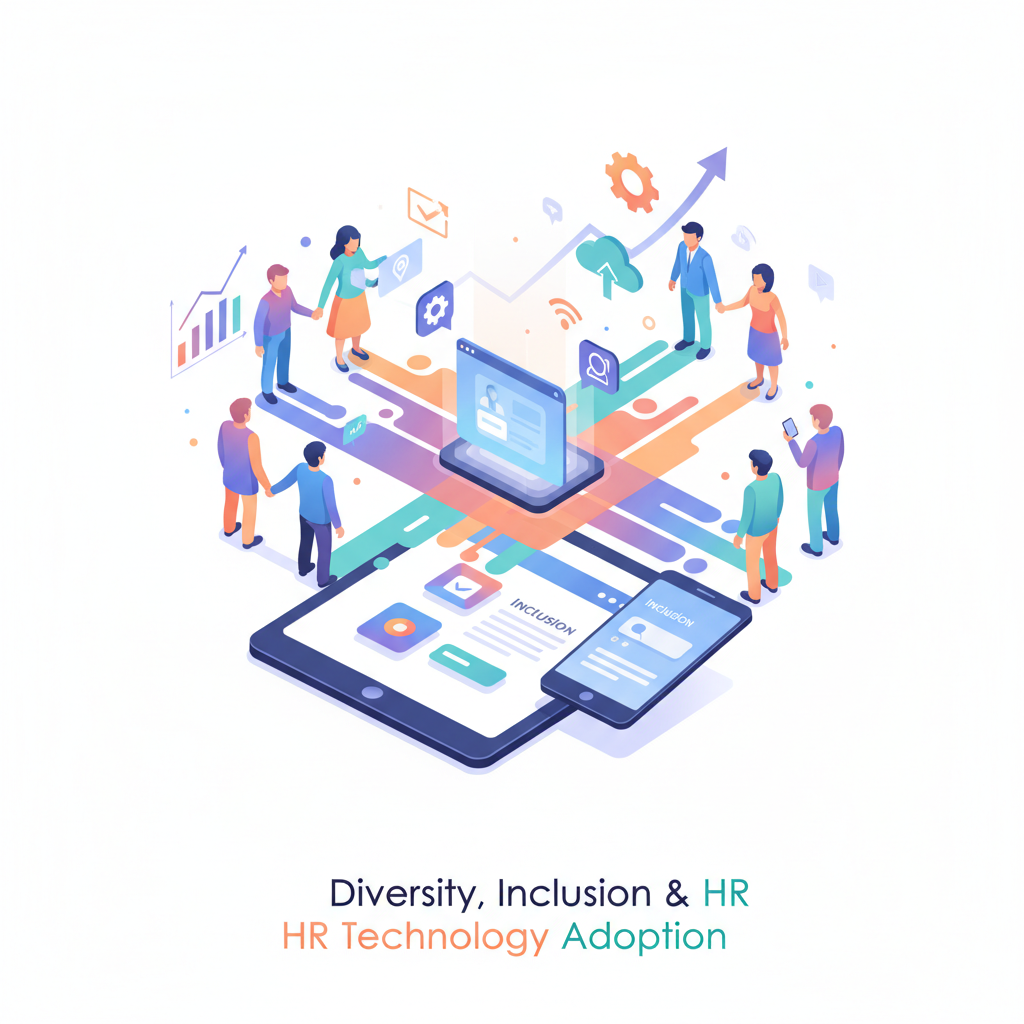
Diversity, Inclusion & HR Technology Adoption
The entertainment field is undergoing a profound transformation, driven by a dual imperative: the growing importance of fostering diverse and inclusive workplaces and the strategic integration of HR technology to streamline processes and gain invaluable insights. In Malaysia’s vibrant and multicultural entertainment landscape, these elements are not merely beneficial but essential for fostering creativity, attracting top talent, and connecting authentically with diverse audiences.
As the industry navigates evolving consumer demands and global competition, a robust approach to diversity, equity, and inclusion (DEI)—supported by advanced HR tech—becomes a critical differentiator. This section explores how Malaysian entertainment companies can leverage these synergistic forces to build more resilient, innovative, and fair organizational cultures.
1. Promoting Inclusive Work Environments and Equitable Practices
Fostering truly inclusive work environments and embedding equitable practices are paramount for the entertainment sector. A diverse workforce, reflecting varied backgrounds, perspectives, and experiences, directly fuels creativity and innovation—the lifeblood of this industry. For companies in Malaysia, embracing diversity extends beyond mere representation; it involves creating a culture where every employee feels valued, respected, and empowered to contribute their unique talents. This means actively dismantling biases in hiring, promotion, and project allocation, and implementing fair compensation structures.
Initiatives often include comprehensive diversity training, mentorship programs, and establishing clear pathways for career progression regardless of background. By promoting equitable practices, entertainment companies can tap into a wider talent pool, enhance employee engagement, and ultimately produce content that resonates more broadly with Malaysia’s diverse population and international markets. Research consistently shows that diverse companies outperform their less diverse counterparts. For example, a report by McKinsey & Company titled “Diversity wins: How inclusion matters” highlights the strong business case for diversity, demonstrating its link to greater profitability and value creation. Implementing these principles effectively requires deliberate strategies and a commitment from leadership to embed D&I into the very fabric of the organization.
2. Leveraging HR Tech for Efficiency, Data Analytics, and Engagement
The strategic adoption of HR technology is revolutionizing how entertainment companies manage their workforce, particularly in supporting diversity and inclusion initiatives. Modern HR systems offer powerful tools for streamlining core HR functions such as recruitment, onboarding, payroll, and performance management, leading to significant efficiencies. Beyond administrative tasks, HR tech provides sophisticated data analytics capabilities, enabling organizations to gain deep insights into their workforce demographics, identify potential areas of bias, and measure the effectiveness of D&I programs. For instance, anonymized data can reveal discrepancies in hiring sources, promotion rates, or pay equity across different groups, allowing HR to address issues proactively.
Furthermore, HR technology plays a crucial role in enhancing employee engagement. Platforms for continuous feedback, sentiment analysis, and personalized learning and development foster a more connected and supportive workplace culture. Talent management systems can track skill development and career paths, ensuring equitable opportunities for growth. For entertainment firms looking to stay competitive, a comprehensive HR report of Entertainment field in malaysia would underscore the strategic imperative of investing in these technological solutions. Such insights are vital for optimizing human capital, fostering a positive employee experience, and ensuring the organization remains agile and responsive to industry trends.
3. Compliance, Ethical Considerations, and Employee Well-being
As HR technology becomes more ingrained in workplace operations, understanding the associated compliance requirements and ethical considerations is paramount. Entertainment companies must navigate various regulations related to data privacy (e.g., Malaysia’s Personal Data Protection Act 2010), anti-discrimination laws, and labor standards. HR tech systems must be designed and implemented to ensure transparency, fairness, and the protection of employee data. Ethical AI is a growing concern, as algorithmic biases in recruitment or performance assessment tools can inadvertently perpetuate existing inequalities. Companies need to rigorously audit their HR tech solutions to ensure they are free from such biases and promote equitable outcomes.
Beyond compliance, prioritizing employee well-being is a non-negotiable aspect of modern HR. The entertainment industry, known for its demanding schedules and high-pressure environments, particularly benefits from initiatives that support mental and physical health. HR technology can facilitate access to wellness programs, mental health resources, and flexible work arrangements. Employee assistance programs (EAPs), telemedicine options, and engagement surveys that gauge stress levels can all be managed and scaled more effectively with tech solutions. A holistic approach that integrates D&I with robust ethical guidelines and a strong focus on well-being creates a workplace where employees not only thrive but also feel secure and supported, ultimately contributing to a more sustainable and successful entertainment ecosystem in Malaysia.
Partner with Shelby Global
You are looking for reliable HR Sevice Suppliers? Contact Shelby Global Now! To connect with verified talents and upgrade your orginization.
—————————————
References
– MDEC Digital Creative Content: https://mdec.my/digital-creative-content/
– MDEC Launches Digital Creative Content Industry Blueprint to Propel Malaysia as ASEAN Hub: https://mdec.my/news/mdec-launches-digital-creative-content-industry-blueprint-to-propel-malaysia-as-asean-hub/
– Department of Statistics Malaysia (DOSM): https://www.dosm.gov.my/portal-main/
– World Economic Forum’s Future of Jobs Report 2023: https://www.weforum.org/reports/the-future-of-jobs-report-2023/
– Diversity wins: How inclusion matters: https://www.mckinsey.com/capabilities/people-and-organizational-performance/our-insights/diversity-wins-how-inclusion-matters