Understanding Malaysia’s Film Industry HR Landscape
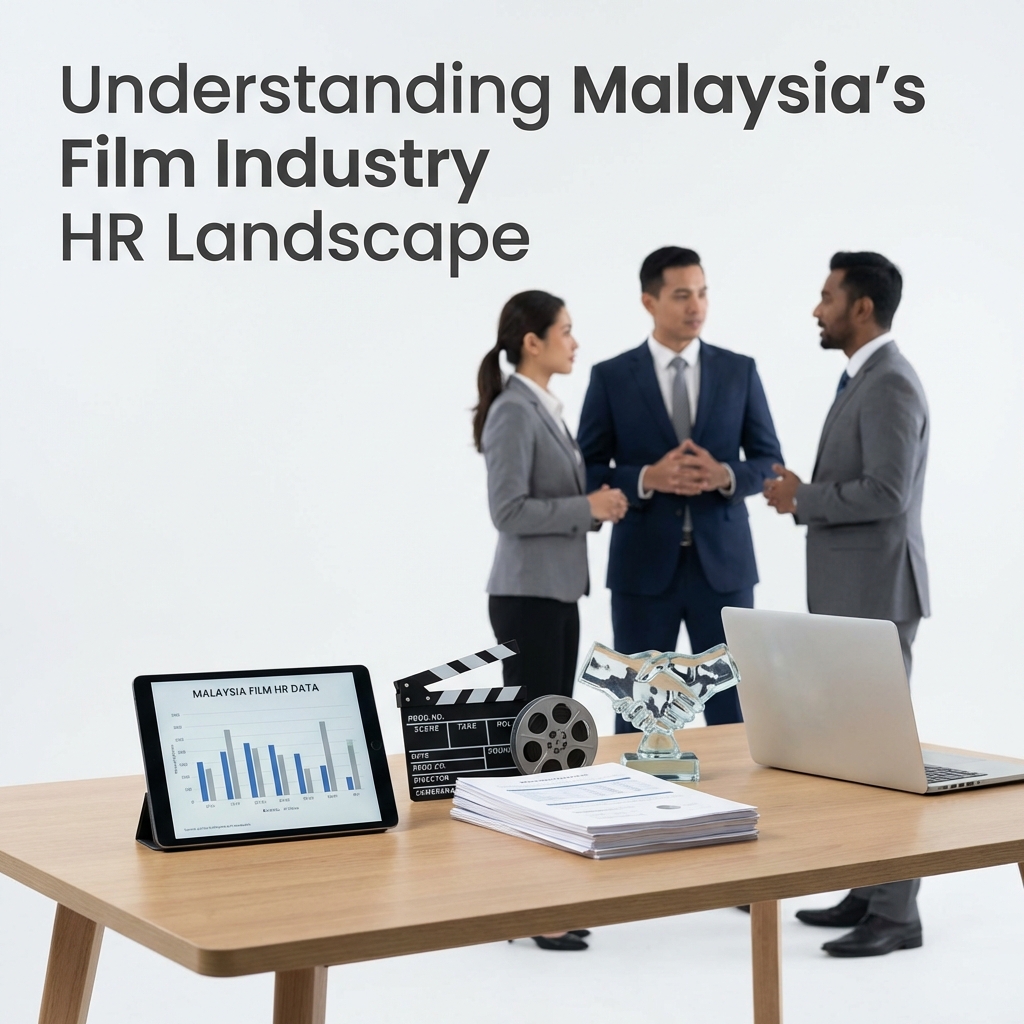
Malaysia’s film industry is a vibrant and evolving sector, increasingly recognized for its diverse storytelling and production capabilities. This dynamism, however, presents a unique and often complex human resources landscape. Navigating the intricacies of talent management, skill development, and worker welfare within a project-based creative environment requires a nuanced understanding, underscoring the critical need for a detailed HR report of Films field in malaysia to inform strategic planning and sustainable growth.
1. Growth and evolution of the Malaysian film industry
The Malaysian film industry has undergone significant transformation, moving from nascent local productions to gaining international acclaim. Historically, local narratives and independent cinema laid the groundwork, which has since expanded with substantial government support through agencies like the National Film Development Corporation Malaysia (FINAS). Initiatives such as tax incentives (e.g., Film in Malaysia Incentive – FIMI) have attracted foreign productions, boosting local expertise and infrastructure. The rise of streaming platforms has further fueled content demand, leading to a surge in both local and co-productions across various genres.
This period of robust growth translates directly into increased employment opportunities across the creative chain, from pre-production to post-production. The industry’s expansion signifies a growing demand for skilled professionals, from creative visionaries to technical specialists, making the effective management of human resources a cornerstone for continued prosperity. This rapid evolution, while exciting, also highlights the need for a comprehensive HR report of Films field in malaysia to track talent pools, identify skill gaps, and ensure a sustainable workforce.
2. Key players and production types driving employment
The Malaysian film industry is characterized by a mix of established players and agile independent outfits. Major studios like KRU Studios, Skop Productions, and Astro Shaw consistently drive large-scale feature films and television series, acting as significant employers. Concurrently, a burgeoning ecosystem of independent filmmakers and production companies contributes to a vibrant artistic scene, often pioneering new narratives and production techniques. Beyond traditional cinema and TV, the animation sector, digital content creation, and commercial advertising are robust segments that also generate substantial employment.
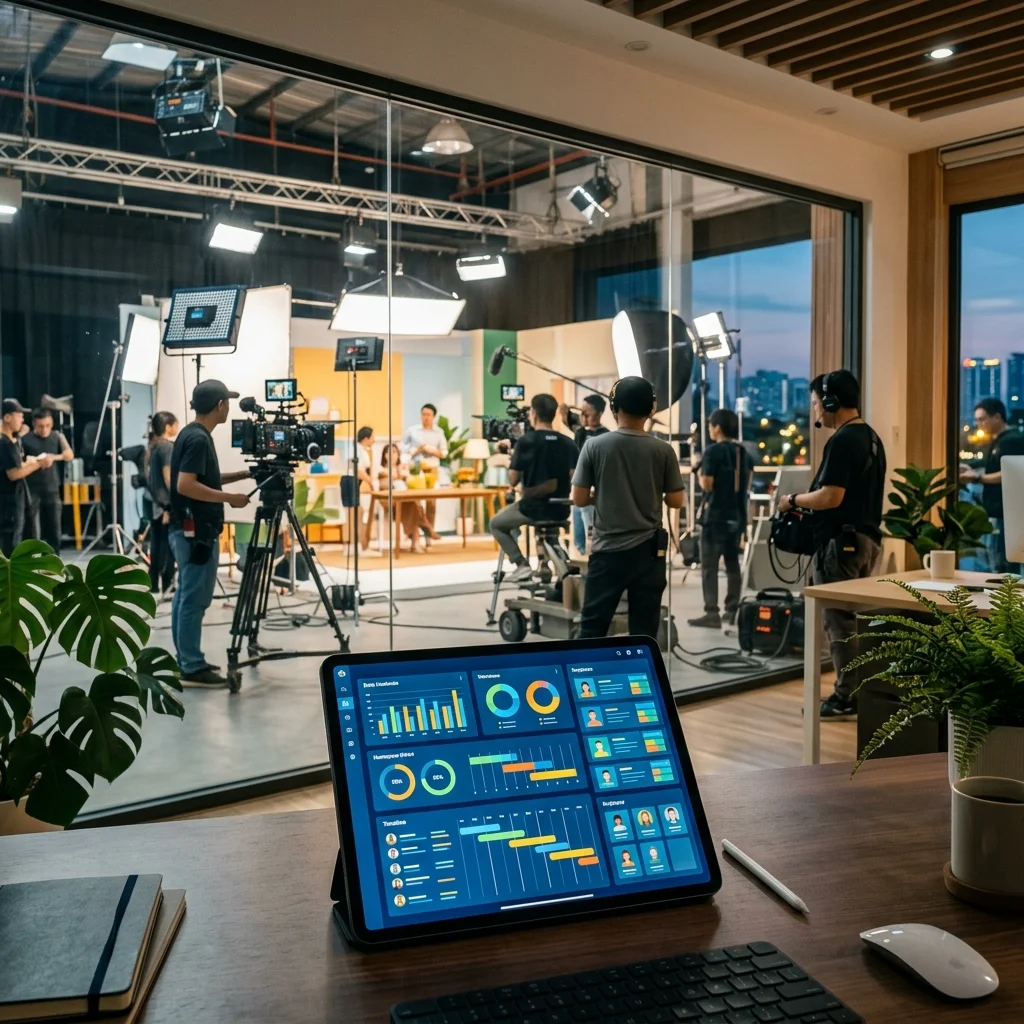
The diversity of production types means a wide array of roles are in constant demand: directors, producers, scriptwriters, cinematographers, editors, sound designers, visual effects artists, production managers, gaffers, grips, makeup artists, and costume designers, among many others. Each role requires specialized skills and experience, and the fluctuating nature of projects means that HR departments, whether in-house or outsourced, must manage a dynamic talent pool, often balancing permanent staff with a large contingent of freelance professionals. This intricate interplay necessitates a granular understanding of the workforce, best provided by a detailed HR report of Films field in malaysia.
3. Unique HR challenges in project-based creative work
The project-based nature of the film industry presents distinct HR challenges that deviate significantly from traditional corporate models. One of the primary hurdles is job insecurity and the prevalence of freelance or contract work. While offering flexibility, this model often leads to irregular income, limited access to social benefits, and difficulties in long-term career planning for individuals. Talent retention is another critical issue; highly skilled professionals are in demand globally, and Malaysia must offer competitive packages and growth opportunities to prevent brain drain.
Skill gaps are also evident, particularly in specialized technical roles and emerging digital technologies. Continuous training and upskilling programs are essential, yet access and funding for such initiatives can be inconsistent. Compensation and benefits, especially for freelancers, often lack standardization, leading to potential exploitation and a lack of fair remuneration. Furthermore, managing intellectual property rights, ensuring safe working conditions, addressing long working hours, and promoting diversity and inclusion are ongoing HR concerns. The Malaysian government has acknowledged some of these welfare issues, with ongoing discussions to improve the welfare of creative industry players, as highlighted by reports on efforts to improve artist welfare.
These challenges collectively underscore why a comprehensive HR report of Films field in malaysia is not just beneficial, but crucial. Such a report can provide data-driven insights into workforce demographics, compensation benchmarks, skill deficiencies, and prevailing employment practices, enabling policymakers, production houses, and educational institutions to collaboratively build a more stable, equitable, and thriving film industry HR ecosystem.
Workforce Demographics and Talent Pool Analysis
The vitality and future growth of Malaysia’s film industry hinge significantly on understanding its workforce demographics and the depth of its talent pool. A detailed HR report of Films field in Malaysia provides critical insights into the composition, skills, and availability of professionals, essential for strategic planning and sustainable development. This section delves into the intricate fabric of the industry’s human capital, examining age, gender, required skill sets, and the readiness of both local and international talent, highlighting areas of strength and potential gaps.
-
Age and gender distribution across various film roles
An examination of the Malaysian film industry’s workforce reveals evolving patterns in age and gender distribution across different roles. Historically, certain technical and directorial positions were predominantly male-dominated, reflecting global trends. However, recent years have seen a positive shift towards greater gender diversity, particularly in producing, screenwriting, editing, and even cinematography, where more women are taking on pivotal leadership and creative roles. While experienced professionals, often in their 40s and 50s, continue to anchor senior production, directing, and creative leadership, the industry is also characterized by a significant influx of younger talent, typically those under 35. These younger professionals are often found in entry-level positions, technical support, digital content creation, and post-production roles, bringing fresh perspectives and a strong grasp of new technologies. Understanding these generational and gender dynamics is crucial for fostering an inclusive environment and ensuring a pipeline of diverse talent for future projects. This demographic analysis helps pinpoint specific areas where targeted initiatives for mentorship, training, and equal opportunity can further enrich the industry’s talent base.
-
In-demand skill sets and specializations in the industry
The Malaysian film industry is experiencing a dynamic shift in the demand for specific skill sets and specializations, driven by technological advancements and evolving audience preferences. Beyond traditional filmmaking skills such as directing, cinematography, acting, and screenwriting, there is a burgeoning need for expertise in areas like visual effects (VFX), animation, virtual production, and advanced post-production techniques. Specializations in 3D modeling, motion graphics, sound design, and color grading are increasingly sought after. Furthermore, the rise of digital platforms and streaming services has created a demand for professionals skilled in content strategy, digital marketing, and data analytics specific to audience engagement. Production management, line producing, and financial management tailored to film projects remain perennially in demand, ensuring projects are delivered on time and within budget. The ability to adapt to new software, hardware, and production methodologies is paramount. For a comprehensive HR report of Films field in Malaysia detailing these critical skill gaps and emerging requirements, further analysis is available through industry resources and expert consultations. Investment in upskilling and reskilling programs is vital to ensure the local workforce remains competitive and relevant.
-
Availability and readiness of local vs. international talent
Malaysia possesses a growing pool of local talent, nurtured by various film schools, universities, and vocational training centers that offer programs in filmmaking, media studies, and digital arts. While this local talent base demonstrates strong creative potential and technical proficiency, specific high-end specializations, particularly in advanced VFX, complex animation pipelines, or niche technical roles for large-scale international co-productions, sometimes necessitate the recruitment of international talent. International professionals bring global best practices, advanced expertise, and cross-cultural experience, which can be invaluable for elevating local production standards and fostering knowledge transfer. The government and industry bodies, such as the National Film Development Corporation Malaysia (FINAS) and the Malaysia Digital Economy Corporation (MDEC), are actively involved in talent development initiatives aimed at strengthening the local talent pipeline and reducing dependency on foreign expertise. Programs focusing on mentorship, international collaborations, and specialized training are crucial for enhancing the readiness of local talent to take on more challenging and technologically advanced roles. For insights into strategic initiatives to bolster the local creative workforce, resources like MDEC’s Creative Content initiatives provide valuable context on developing a robust digital creative ecosystem in Malaysia. Balancing the integration of international expertise with dedicated investment in local capacity building is key to developing a self-sufficient and globally competitive Malaysian film industry.
Conclusion:
Understanding the nuanced landscape of the Malaysian film industry’s workforce is fundamental to its sustained growth and international competitiveness. By meticulously analyzing age and gender demographics, proactively identifying and developing in-demand skill sets, and strategically managing the balance between local talent development and international expertise, Malaysia can cultivate a robust, diverse, and highly skilled professional base. This strategic approach ensures the industry not only meets current demands but is also well-prepared for future challenges and opportunities, solidifying its position as a vibrant hub for creative content.
Recruitment, Retention, and Engagement Strategies
Malaysia’s film industry, vibrant and rapidly expanding, faces significant human resource challenges in attracting, keeping, and motivating top talent. In a highly competitive global and regional landscape, effective HR strategies are not just beneficial but crucial for sustainable growth. This section delves into the effective methods and persistent challenges encountered in cultivating a skilled and passionate workforce, essential for any comprehensive HR report of Films field in Malaysia.

1. Effective recruitment channels for film professionals
Effective talent acquisition within Malaysia’s film sector demands a multi-faceted approach. Traditional avenues, such as word-of-mouth referrals and established industry networks, remain incredibly powerful, especially for senior or specialized roles where reputation and prior collaboration are key. However, the modern industry also heavily relies on digital recruitment platforms, including LinkedIn and specialized job boards catering to media and entertainment professionals. Partnerships with local film schools and universities, like Universiti Malaya or Multimedia University, are vital for identifying emerging talent, offering internships, and shaping graduates for industry demands. Additionally, talent agencies play a significant role in connecting productions with directors, cinematographers, VFX artists, and other highly skilled craftspeople. Showcasing compelling project portfolios and a positive company culture is increasingly important to differentiate employers and attract the best talent.
2. Addressing high turnover rates and short-term contracts
One of the most persistent challenges in the Malaysian film industry is the prevalence of short-term contracts and project-based work, which often leads to high turnover rates and job insecurity. This transient nature can hinder knowledge transfer, disrupt project continuity, and make long-term planning difficult for both individuals and companies. To mitigate this, strategies for effective talent retention must go beyond project-specific remuneration. Offering competitive compensation packages, even for contract roles, along with benefits that address the unique needs of freelancers (e.g., access to health plans or professional development funds), can foster loyalty. Establishing clear career progression paths, offering consistent upskilling opportunities, and nurturing a supportive, collaborative work environment are also critical. Building enduring relationships with a core pool of trusted freelancers and contractors can help stabilize the workforce and reduce the impact of high turnover.
3. Strategies for fostering talent engagement and satisfaction
Beyond competitive compensation, genuine talent engagement and satisfaction are paramount for motivating and retaining film professionals. Creative individuals often seek more than just a paycheck; they desire challenging projects, creative freedom, and recognition for their contributions. Providing ample professional development opportunities, including workshops on new technologies, storytelling techniques, or emerging production methodologies, demonstrates investment in their growth. Implementing mentorship programs and robust feedback mechanisms can empower employees and foster a sense of belonging. Furthermore, promoting a truly inclusive and collaborative culture where every voice is heard enhances job satisfaction. Addressing work-life balance is also crucial in an industry known for demanding schedules. Companies that prioritize employee wellness and offer flexibility where possible will find greater success in keeping their talent motivated and dedicated, especially when considering the evolving global creative landscape and its demands on HR practices.
Training, Development, and Compensation Trends
Examining the learning opportunities, professional growth pathways, and remuneration structures prevalent within the Malaysian films field provides critical insights for stakeholders, from aspiring filmmakers to established production houses. The dynamic nature of the global film industry, coupled with Malaysia’s unique cultural landscape, necessitates a proactive approach to human resource development. This section delves into the evolving trends in HR report of Films field in malaysia, highlighting the importance of continuous learning and fair compensation to foster a vibrant and sustainable local cinema ecosystem.
-
Essential training programs and upskilling initiatives
The Malaysian films field, like its global counterparts, is in a constant state of evolution, driven by technological advancements and shifting audience demands. Consequently, essential training programs and upskilling initiatives are paramount for maintaining a competitive workforce. These programs often encompass a broad spectrum of skills, from foundational filmmaking techniques such as scriptwriting, directing, cinematography, and editing, to specialized areas like visual effects (VFX), sound design, color grading, and animation. There’s a growing emphasis on digital literacy and proficiency in industry-standard software and hardware. Furthermore, emerging technologies like virtual production, augmented reality (AR), and artificial intelligence (AI) in filmmaking are creating new demands for specialized training programs. Institutions like the National Film Development Corporation Malaysia (FINAS), local universities, and private academies play a crucial role in offering structured courses and workshops. Beyond technical prowess, initiatives also focus on soft skills such as project management, leadership, communication, and business acumen, which are vital for navigating the complex production landscape and fostering career growth. The ability to adapt to new production pipelines and distribution models through targeted upskilling initiatives ensures that Malaysian talent remains relevant and sought after in both local and international productions.
-
Importance of continuous professional development for careers
In a fast-paced and project-driven environment like the Malaysian film industry, continuous professional development is not merely beneficial but essential for long-term career sustainability and advancement. The lifecycle of film projects means that individuals must constantly update their portfolios and skill sets to remain competitive. Professional development encompasses a range of activities, including attending workshops, masterclasses, film festivals, and industry conferences, as well as engaging in mentorship programs and collaborative projects. These opportunities provide exposure to new techniques, industry trends, and networking possibilities, which are critical for individual career growth pathways. For cinematographers, it could mean learning about the latest camera technologies; for editors, mastering new post-production software; and for producers, understanding evolving funding models and international co-production strategies. The pursuit of certifications and advanced diplomas in niche areas can also significantly enhance an individual’s marketability. Ultimately, a commitment to professional development helps creatives and technicians adapt to evolving industry standards, innovate in their craft, and build a resilient and thriving career in the challenging yet rewarding film sector.
-
Salary benchmarks and benefits packages in the film sector
Understanding salary benchmarks and benefits packages is crucial for attracting and retaining talent within the Malaysian films field. Remuneration structures in the film sector often vary significantly based on role, experience level, project budget, and the type of production (e.g., independent film, commercial, television series, or international co-production). Entry-level positions typically command lower pay, with significant increases observed for experienced professionals in highly specialized roles like directors, cinematographers, and lead visual effects artists. Data on specific film industry salaries can be challenging to consolidate due to the project-based nature of employment; however, insights can often be gleaned from broader creative industry reports or surveys. According to Department of Statistics Malaysia’s official data on the labour force, the creative industries, including film, are increasingly contributing to the national economy, but specific income disparities persist. Beyond direct salaries, benefits packages for film professionals often include project-based contracts, which may or may not offer standard employment benefits like EPF (Employee Provident Fund) contributions, SOCSO (Social Security Organization), or health insurance, particularly for freelancers. Larger production houses or longer-term projects might offer more comprehensive remuneration structures. There’s a growing call within the industry for standardized contracts and fairer compensation to ensure sustainable livelihoods for film practitioners and to prevent talent drain to other sectors or international markets.
Future Outlook and Key HR Trends for 2026
Looks ahead at emerging trends, potential challenges, and strategic recommendations for HR professionals navigating the evolving landscape of the Malaysian film industry.
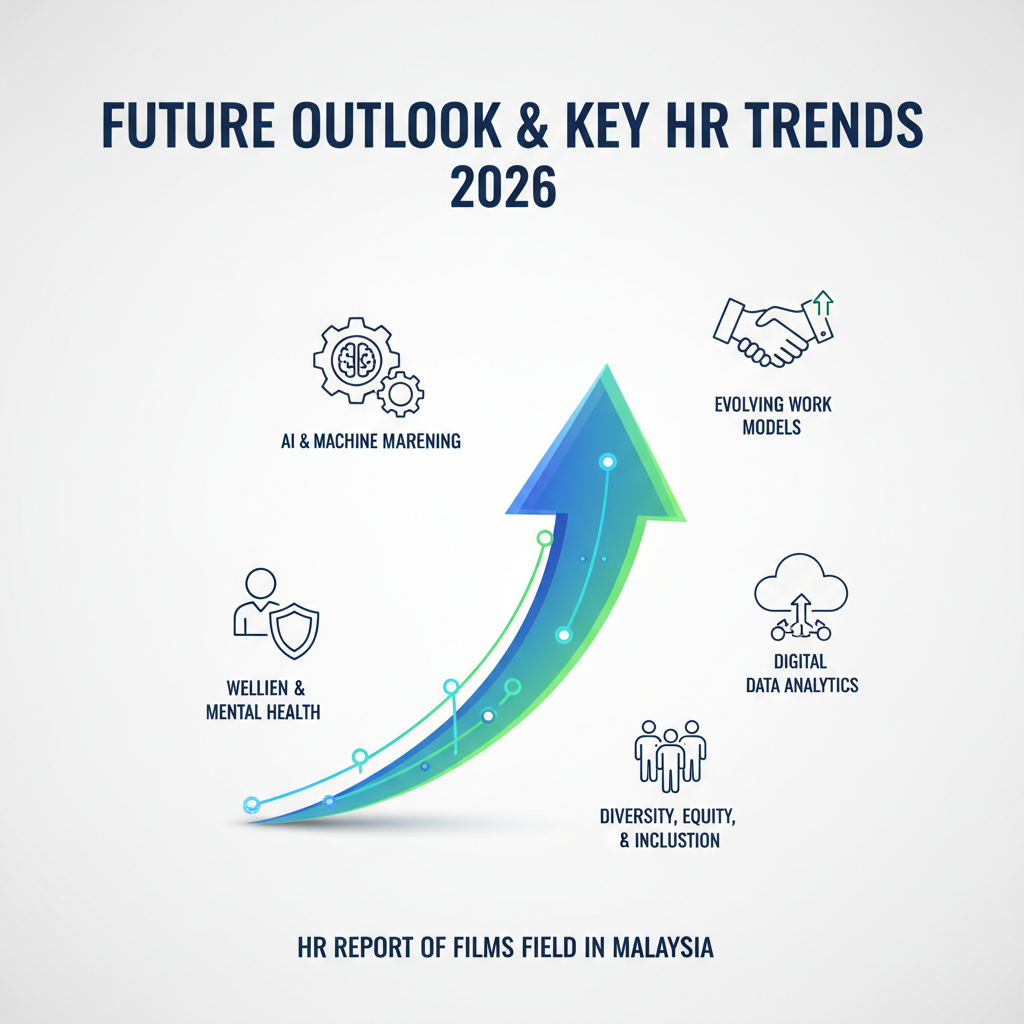
The Malaysian film industry is on the cusp of significant evolution, driven by technological advancements, shifting audience demands, and a heightened focus on inclusive workplaces. For HR professionals, understanding and adapting to these changes is paramount to fostering a vibrant, productive, and sustainable creative ecosystem. This HR report of Films field in malaysia delves into the key trends and offers strategic insights for 2026 and beyond, ensuring the industry remains competitive and attractive to top talent.
1. Impact of Digital Transformation on Film HR Practices
The relentless march of digital transformation continues to reshape every facet of the film industry, from pre-production to distribution. For HR, this translates into a need for robust digital HR platforms, advanced data analytics, and a proactive approach to talent development. Cloud-based HR systems are becoming indispensable for managing globally dispersed and remote teams, facilitating seamless payroll, talent acquisition, and performance management. Furthermore, artificial intelligence (AI) and machine learning are poised to revolutionize recruitment, offering predictive analytics to identify best-fit candidates and automate routine administrative tasks, thereby freeing HR teams to focus on strategic initiatives. The shift towards virtual production, advanced visual effects (VFX), and immersive experiences also demands new skill sets. HR must design agile learning and development programs, focusing on upskilling and reskilling existing talent in areas like virtual reality production, AI-driven content creation, and cybersecurity. This will be crucial to maintain a competitive edge and ensure the Malaysian film workforce remains at the forefront of innovation. Embracing these technological shifts is not just about efficiency; it’s about enabling a more flexible, data-driven, and ultimately more creative workforce, critical for the Malaysian film industry’s future.
2. Addressing Diversity, Equity, and Inclusion in the Workplace
Diversity, Equity, and Inclusion (DEI) are no longer mere buzzwords but foundational pillars for ethical and successful businesses. In the Malaysian film industry, this means actively challenging existing biases and creating environments where all voices are heard and valued. HR departments will play a pivotal role in implementing inclusive hiring practices that move beyond traditional networks, ensuring representation across race, gender, socio-economic background, and disability, both in front of and behind the camera. Establishing clear anti-discrimination policies, providing comprehensive unconscious bias training, and fostering an open culture of psychological safety are essential. Beyond mere representation, the focus must shift to genuine equity, ensuring fair pay, equal opportunities for career advancement, and accessible workplaces. Research consistently shows that diverse teams lead to greater innovation and better financial performance. For instance, a report by Deloitte on HR trends highlights the increasing importance of holistic wellbeing and inclusive cultures. HR must champion initiatives that promote cultural sensitivity in storytelling and production, reflecting Malaysia’s rich multicultural tapestry authentically. This commitment to DEI will not only enhance the industry’s social responsibility but also broaden its appeal to a global audience, attracting diverse talent and fostering creativity within the Malaysian film industry.
3. Strategic Recommendations for HR in an Evolving Industry
Navigating the dynamic landscape of the Malaysian film industry in 2026 requires a proactive and strategic HR approach. Firstly, HR must transform into a strategic partner, actively contributing to business strategy rather than merely serving an administrative function. This involves leveraging HR analytics to forecast talent needs, identify skill gaps, and measure the impact of HR initiatives on overall business objectives. Secondly, fostering a culture of continuous learning and adaptability is critical. Given the rapid pace of technological change and evolving production methodologies, HR should develop robust learning ecosystems that support ongoing skill development, mentorship programs, and cross-functional training. Micro-learning modules and on-demand resources will be key for busy film professionals. Thirdly, employee well-being and mental health support must be prioritized. The demanding nature of film production often leads to stress and burnout; HR should implement comprehensive wellness programs, access to counseling services, and policies that promote work-life balance. Finally, HR needs to champion employer branding, showcasing the Malaysian film industry as an attractive career path for both local and international talent. This includes highlighting opportunities for creative expression, professional growth, and a supportive work environment. By proactively addressing these strategic areas, HR professionals can ensure the Malaysian film industry remains resilient, innovative, and a compelling force in the global creative economy.
Partner with Shelby Global
You are looking for reliable HR Sevice Suppliers? Contact Shelby Global Now! To connect with verified talents and upgrade your orginization.
—————————————
References
– :
– MDEC’s Creative Content initiatives: https://mdec.my/digital-economy/creative-content/
– PwC: The workforce of the future in the entertainment and media industry: https://www.pwc.com/gx/en/industries/entertainment-media/workforce-of-the-future.html
– Department of Statistics Malaysia’s official data: https://www.dosm.gov.my/v1/index.php?r=column/ctwoL&menu_id=cGljY1o4eW9pbmJ6cnZidXU0NHMreFZqdw09
– Deloitte on HR trends: https://www2.deloitte.com/us/en/pages/human-capital/articles/diversity-and-inclusion-hr-trends.html