Overview of Singapore’s IT Talent Landscape in 2026
This section sets the stage by outlining the current state and key characteristics of the IT workforce in Singapore, providing essential context for the report’s findings. Singapore continues to solidify its position as a leading digital hub in Asia, attracting significant investment and fostering a dynamic technology ecosystem. The demand for skilled IT professionals remains robust, driven by ongoing digital transformation initiatives across all sectors and the nation’s strategic focus on innovation. This comprehensive HR report of IT field in Singapore delves into the intricate dynamics shaping the talent landscape, from workforce demographics to the impact of global economic shifts, offering insights crucial for talent acquisition and retention strategies.

1. Demographics and Workforce Size Across IT Sub-sectors
Singapore’s IT workforce in 2026 is characterized by a blend of local talent and a significant expatriate presence, reflecting the country’s open economy and global appeal. The total number of professionals in the information and communications (I&C) sector has steadily grown, with IMDA’s Infocomm Media Manpower Survey indicating figures well over 200,000, and this figure is projected to increase further. Key growth areas include software development, data science, cybersecurity, cloud computing, and AI/Machine Learning. While a substantial portion of the workforce is concentrated in established tech giants and multinational corporations, the vibrant startup ecosystem also contributes significantly to employment and innovation. The median age of IT professionals skews younger, though efforts are underway to reskill and upskill mid-career professionals to bridge potential skill gaps and enhance tech talent availability. Gender diversity remains an area of focus, with ongoing initiatives to encourage more women to pursue careers in technology. The demand for specialized digital transformation expertise often outstrips supply, leading to competitive remuneration packages and a focus on continuous professional development to ensure a future-ready workforce. Understanding these demographics is vital for effective workforce planning.
2. Key IT Hubs and Emerging Specializations in Singapore
Singapore’s IT landscape is geographically concentrated in several key hubs, including the bustling Central Business District (CBD), one-north (home to Fusionopolis and Mediapolis), and the Changi Business Park. These areas serve as magnets for tech companies, research institutions, and innovation labs, fostering collaborative environments. Beyond these established zones, new tech parks and innovation districts are continuously being developed to accommodate the expanding industry. In terms of specializations, while foundational IT skills remain essential, emerging fields are experiencing explosive growth. Cybersecurity experts are in high demand as threats become more sophisticated, mirroring global trends. Artificial Intelligence (AI) and Machine Learning (ML) engineers are crucial for driving automation and advanced analytics. Cloud architects and DevOps specialists are pivotal to infrastructure modernization, while blockchain developers are finding niches in fintech and supply chain solutions. The financial technology (FinTech) sector, in particular, continues to be a powerhouse, driving demand for specialists in payment systems, regulatory technology (RegTech), and blockchain. Furthermore, the burgeoning green tech sector is creating new demands for IT professionals with expertise in sustainable technologies and data analytics for environmental monitoring. These emerging specializations highlight the dynamic nature of Singapore’s IT sector and the continuous need for upskilling to close skill gaps and improve talent acquisition.
3. Impact of Global Economic Trends on Local IT Employment
The global economic climate inevitably casts a shadow, or indeed a light, on Singapore’s local IT employment landscape. In 2026, while the IT sector generally exhibits resilience, it is not immune to global slowdowns or inflationary pressures. Companies are increasingly scrutinizing operational costs, which can impact hiring volumes and wage growth. However, Singapore’s strategic position as a stable, pro-business environment often mitigates the worst effects of global downturns, making it an attractive destination for companies seeking regional resilience. The acceleration of remote work and hybrid models, a legacy of recent global events, has also reshaped talent acquisition strategies, allowing companies to tap into a broader talent pool, though competition for local tech talent remains fierce. Government initiatives, such as grants for digital transformation and training programs, play a crucial role in cushioning economic impacts and ensuring a continuous supply of skilled professionals. While some multinational corporations might rationalize regional teams during tough times, the strong local demand, particularly from sectors undergoing rapid digitalization, often compensates. The continuous push for innovation and the establishment of new digital economies, coupled with supportive government policies, position Singapore favorably, ensuring that this HR report of IT field in Singapore reflects a sector that, while facing challenges, continues to be a cornerstone of economic growth and opportunity. Effective talent retention strategies become even more critical during periods of economic uncertainty to prevent brain drain.
Critical Challenges in IT Talent Acquisition & Retention
In today’s hyper-competitive global marketplace, the quest for exceptional IT talent has become a formidable challenge for HR professionals worldwide, and particularly in dynamic tech hubs like Singapore. The confluence of rapid technological advancements, evolving employee expectations, and an ever-present demand for specialized skills creates a complex landscape. Successfully navigating these waters requires a deep understanding of market dynamics, proactive strategies, and insights often found in a comprehensive HR report of IT field in singapore. This section explores the significant difficulties HR teams face in attracting, engaging, and crucially, retaining top IT professionals.
1. Competition for Niche and High-Demand Technical Skills
The digital transformation sweeping across industries has ignited an unprecedented demand for highly specialized technical skills, creating intense competition among employers. Areas such as Artificial Intelligence (AI), Machine Learning (ML), Cybersecurity, Cloud Computing (especially AWS, Azure, GCP expertise), Data Science, and DevOps engineering are experiencing a profound talent scarcity. Companies are not just competing locally but globally, as remote work options expand the global talent pool for some while simultaneously intensifying competition for others. In Singapore, a nation with ambitious goals to be a leading smart nation and global tech hub, this competition is particularly acute. The limited supply of professionals with these niche and high-demand skills drives up compensation packages, leads to aggressive bidding wars, and puts immense pressure on HR departments to innovate their sourcing and recruitment strategies. To address this, organizations must look beyond traditional recruitment, investing in robust upskilling and reskilling programs, cultivating strong employer branding, and building strategic partnerships with educational institutions to foster future talent pipelines.
2. Rising Attrition Rates: Causes and Mitigation Strategies
Beyond the struggle to acquire talent, the challenge of retaining IT professionals is equally, if not more, critical. The IT sector often sees higher attrition rates compared to other industries, primarily due to the constant demand for their skills and the allure of better opportunities elsewhere. Key causes for this include uncompetitive compensation, a perceived lack of career development and growth opportunities, poor work-life balance, insufficient recognition, and a lack of engaging work or learning new technologies. High attrition not only leads to significant direct costs associated with recruitment and onboarding but also results in a loss of institutional knowledge, decreased productivity, and potential project delays. For HR, mitigating these risks involves a multi-faceted approach. This includes regularly benchmarking salaries and benefits to ensure competitiveness, implementing clear and attractive career progression frameworks, investing heavily in continuous learning and professional development, fostering a positive and inclusive company culture, and prioritizing employee well-being and employee experience. Understanding the specific drivers of attrition requires detailed analysis, often informed by talent analytics and feedback mechanisms to tailor retention strategies effectively. According to Deloitte’s insights on tech talent trends, addressing employee experience and growth opportunities is paramount for long-term retention.
3. Balancing Remote Work vs. Office Culture: Employee Preferences
The post-pandemic world has irrevocably shifted employee expectations regarding work flexibility, presenting HR professionals with a complex balancing act between remote work options and cultivating a vibrant office culture. While many IT professionals now prefer hybrid or fully remote arrangements for their improved work-life balance, autonomy, and reduced commute times, organizations grapple with how to maintain team cohesion, foster spontaneous innovation, facilitate mentorship, and preserve their unique organizational culture. Mandating a full return to the office can lead to significant talent drain, as skilled individuals seek out more flexible employers. Conversely, a fully remote model, without careful management, can sometimes hinder collaboration, impact employee engagement, and make it challenging for new hires to integrate seamlessly. The solution often lies in strategic flexibility: developing clear, equitable hybrid work policies, investing in collaborative technologies that bridge physical distances, reimagining office spaces to serve as hubs for connection and innovation rather than mere workstations, and fostering a culture of trust and communication. Companies need to continuously assess employee preferences and market trends, perhaps even through insights from an HR report of IT field in singapore focusing on local work models, to strike the optimal balance that supports both business objectives and employee satisfaction in the future of work.
Compensation & Benefits Benchmarking for IT Roles
Understanding the intricate landscape of compensation and benefits is paramount for any organization seeking to attract, retain, and motivate top-tier talent in Singapore’s highly competitive IT sector. This HR report of IT field in Singapore delves into the prevailing salary trends, comprehensive benefit packages, and the influential non-monetary incentives that are proving most effective. As the demand for skilled IT professionals continues to surge, a well-defined and competitive compensation strategy is not just an advantage—it’s a necessity for sustainable growth and market leadership.
1. Average Salary Ranges by Role, Experience, and Technology Stack
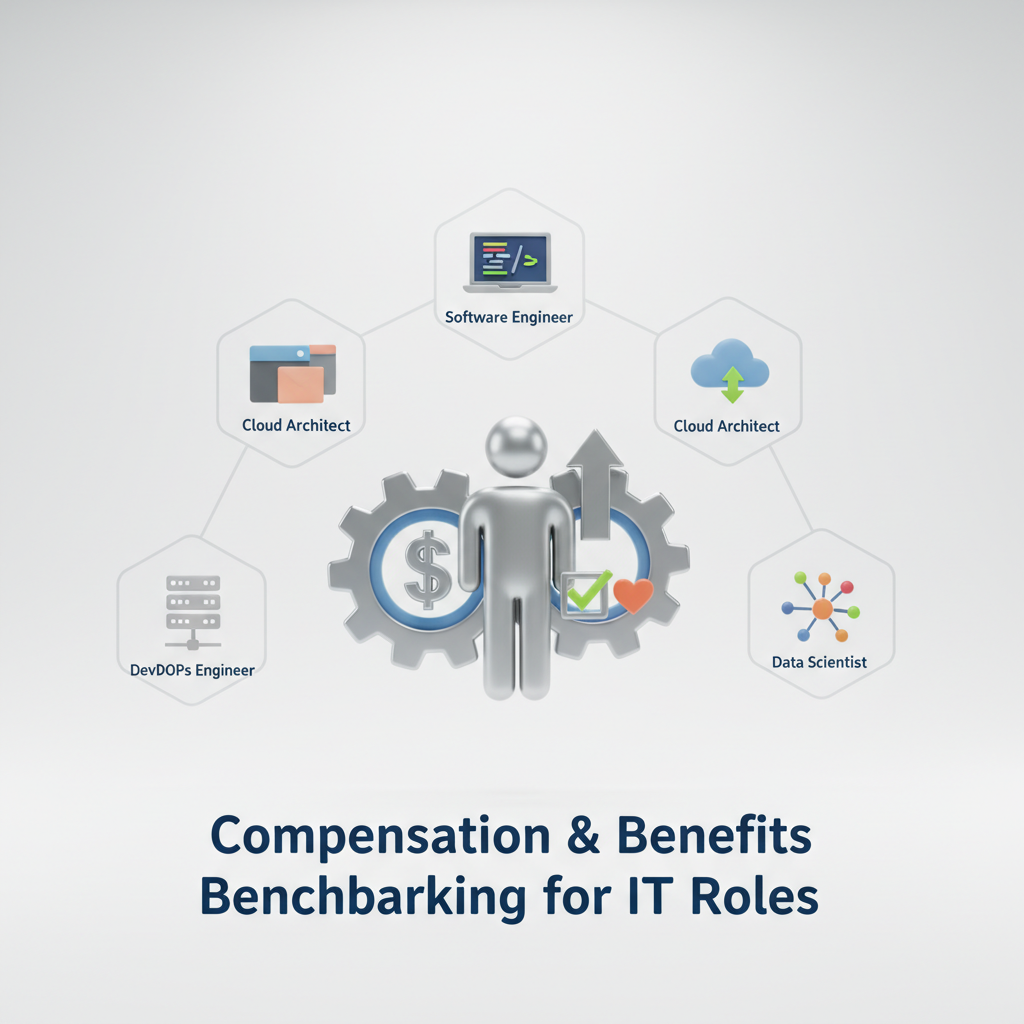
Salaries within Singapore’s IT domain are remarkably dynamic, influenced heavily by the specific role, the candidate’s level of experience, and the demand for particular technology stacks. Entry-level software engineers might command a different range compared to a senior cloud architect or a principal data scientist. For instance, roles in cutting-edge areas like Artificial Intelligence, Machine Learning, Cybersecurity, and Cloud Computing (AWS, Azure, GCP) consistently attract higher remuneration due to skill scarcity and strategic importance. Junior professionals, typically with 1-3 years of experience, see competitive starting salaries, while mid-level (3-7 years) and senior (7+ years) roles witness significant jumps, often accompanied by performance-based bonuses and equity options in startups. A comprehensive Hays Singapore Salary Guide provides detailed insights into these ranges, highlighting the premium placed on specialized skills such as DevOps, Python development for AI, and advanced data analytics. Companies are increasingly performing micro-benchmarking, moving beyond broad industry averages to focus on specific niche skills that drive their core business, ensuring their compensation packages remain attractive in a tight talent market. This granular approach is critical for any effective HR report of IT field in Singapore.
2. Evolving Benefits Landscape: Wellness, Flexibility, and Growth
Beyond the basic salary, the benefits landscape in Singapore’s IT sector is rapidly evolving, with a pronounced shift towards holistic employee well-being, work-life integration, and continuous professional development. Traditional benefits like health insurance and annual leave are now table stakes. Forward-thinking companies are differentiating themselves through extensive wellness programs, which include mental health support, fitness subsidies, mindfulness workshops, and employee assistance programs. Flexibility has also become a critical component; hybrid work models, flexible working hours, and even fully remote options are increasingly common, reflecting a global trend towards greater autonomy and work-life balance. Furthermore, investments in employee growth are highly valued. This includes access to online learning platforms (e.g., Coursera, Udemy for Business), sponsorship for industry certifications (e.g., AWS Certified Solutions Architect, CISSP), opportunities for upskilling and reskilling in emerging technologies, and mentorship programs. These non-monetary incentives not only boost employee satisfaction and loyalty but also directly contribute to a more skilled and adaptable workforce, which is a key finding in any thorough HR report of IT field in Singapore.
3. Impact of Inflation and Cost of Living on Compensation Strategies
Singapore’s status as one of the world’s most expensive cities, coupled with recent global inflationary pressures, significantly impacts compensation strategies for IT roles. The escalating cost of living, particularly in areas such as housing, transportation, and daily essentials, means that static salaries quickly lose their purchasing power. Consequently, organizations are under increased pressure to review and adjust compensation packages more frequently than in previous years. This often translates to higher annual increments, the introduction of one-off cost-of-living allowances, or enhanced benefits designed to alleviate financial strain, such as increased transport subsidies or housing support. Some companies are also exploring alternative forms of compensation, including employee stock purchase plans or performance-based bonuses tied to company profitability. The challenge lies in balancing competitive compensation with sustainable business growth. Regular market reviews and agile compensation frameworks are essential to ensure that IT professionals feel adequately rewarded and that their remuneration keeps pace with economic realities. This proactive approach is fundamental to maintaining a competitive edge and is a critical consideration for any comprehensive HR report of IT field in Singapore.
Bridging the IT Skills Gap Through Upskilling & Reskilling
The relentless pace of technological advancement has undeniably reshaped industries worldwide, with the IT sector standing at the forefront of this transformation. This rapid evolution, while promising innovation, has also given rise to a critical challenge: a widening IT skills gap. Companies globally, and particularly in economically vibrant hubs like Singapore, are grappling with a shortage of professionals equipped with the cutting-edge competencies required to navigate the digital future. Addressing this deficit is paramount for sustaining competitive advantage and driving economic growth. Strategic initiatives centered around upskilling and reskilling the existing workforce are no longer optional but a fundamental imperative, as clearly highlighted in any comprehensive HR report of IT field in Singapore. These reports consistently underscore the urgency of developing and future-proofing the workforce to meet the demands of rapid digital transformation and ensure successful technology adoption.
1. In-Demand Skills for 2026 and Beyond (AI, Cybersecurity, Cloud)
The landscape of in-demand IT skills is in constant flux, but certain domains are unequivocally shaping the trajectory for 2026 and beyond. A forward-looking strategy for workforce development must prioritize these key areas. Artificial Intelligence (AI), encompassing machine learning, data science, and natural language processing, is revolutionizing how businesses operate, demanding professionals skilled in developing, deploying, and managing AI solutions. Similarly, with an increasingly interconnected digital world, Cybersecurity expertise is critical. This includes advanced skills in threat intelligence, cloud security, data privacy, and ethical hacking, essential for protecting invaluable digital assets. Finally, Cloud Computing remains a cornerstone of modern IT infrastructure, necessitating specialists in cloud architecture, DevOps, and platform-specific proficiencies across major providers like AWS, Azure, and GCP. Beyond these technical proficiencies, future skills such as critical thinking, problem-solving, adaptability, and cross-functional collaboration are equally vital, enabling tech talent to navigate complex challenges and drive innovation.
2. Government Initiatives and Industry-Led Training Programs
Recognizing the national importance of a skilled IT workforce, governments globally are spearheading robust initiatives, often in close partnership with industry. Singapore, for instance, has been particularly proactive in this regard. Programs like SkillsFuture Singapore and the Infocomm Media Development Authority’s (IMDA) Tech Skills Accelerator (TeSA) are exemplary models. TeSA, in particular, aims to develop and place PMEs into tech roles through specialized training programmes, significantly boosting the nation’s digital capabilities. These government-backed schemes provide substantial funding, subsidies, and structured training pathways for individuals to acquire new competencies or deepen existing ones, fostering a culture of lifelong learning. These initiatives are often a result of direct feedback from industry, ensuring the training offered aligns precisely with employer needs. Through these strategic industry partnerships, a more agile and responsive training ecosystem is created, directly addressing the immediate and future demands of the IT sector and facilitating seamless skill enhancement across the workforce.
3. Company-Specific Learning & Development Investment Strategies
While national initiatives lay a strong foundation, the ultimate success in bridging the skills gap often hinges on dedicated investment at the organizational level. Leading companies are strategically allocating significant resources to their internal Learning & Development (L&D) departments, understanding that investing in their current employees is a powerful lever for both talent retention and sustainable growth. This involves creating tailored upskilling and reskilling programs, which can range from internal bootcamps and workshops to sponsoring external certifications in critical areas like AI ethics or advanced cloud architecture. Furthermore, organizations are adopting proactive talent acquisition strategies that prioritize internal mobility, identifying employees with transferable skills and providing the necessary training to transition them into new, high-demand roles. A progressive L&D strategy not only equips employees with relevant skills but also cultivates a continuous learning culture, empowering them to remain agile and adaptable in a rapidly evolving technological landscape. This forward-thinking approach transforms the workforce into a resilient and future-ready asset, directly contributing to the company’s long-term success in the competitive digital era.
Future Outlook and Strategic HR Imperatives for IT
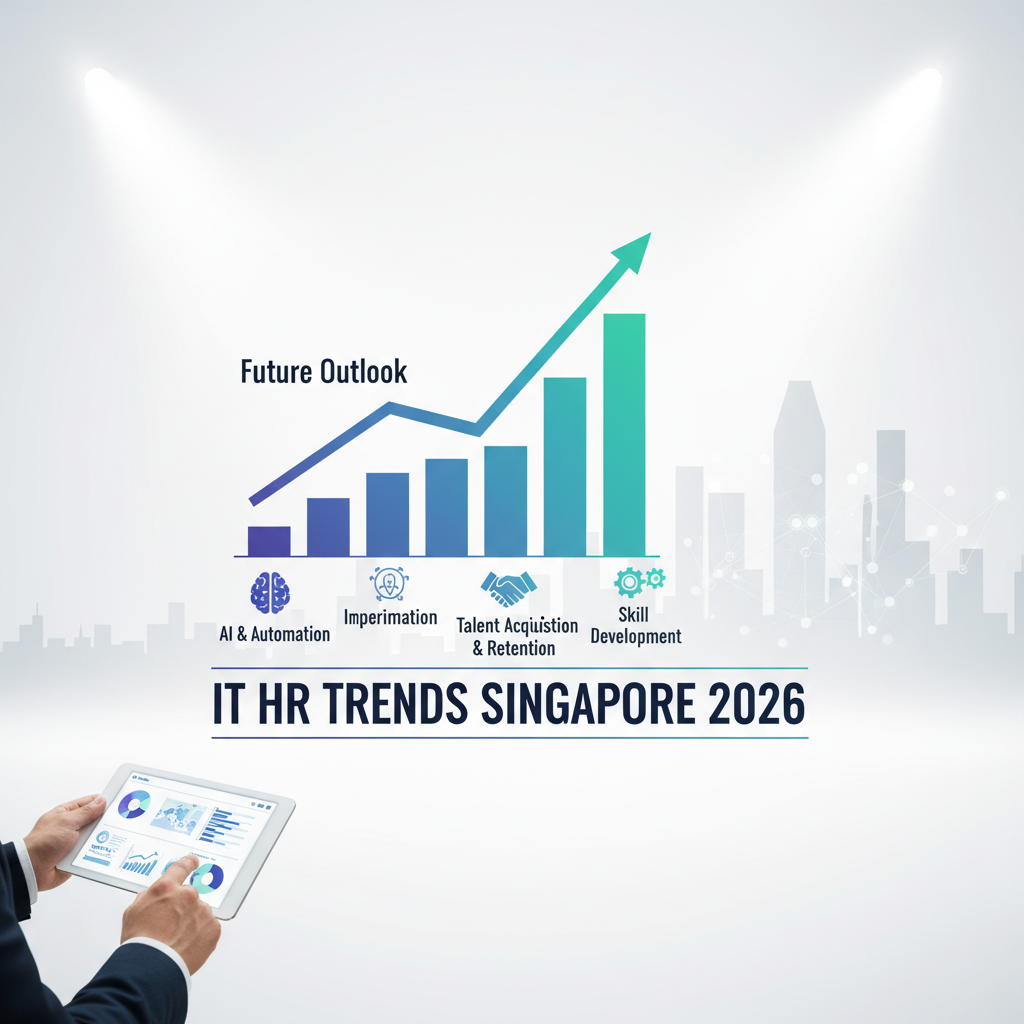
This section projects future trends and provides actionable insights for HR leaders to proactively navigate and influence the evolving IT landscape effectively in Singapore.
Singapore’s vibrant IT sector continues to be a cornerstone of its digital economy, yet its future success hinges on strategic human resource management. As technology accelerates, HR professionals in the IT field face an increasingly complex yet opportunity-rich environment. This HR report of IT field in Singapore delves into the critical shifts expected and outlines the proactive measures necessary for sustained growth, innovation, and talent retention.
1.
Emerging Technologies and Their Implications for HR Practices
The rapid evolution of technologies like Artificial Intelligence (AI), Machine Learning (ML), Blockchain, and the Metaverse is profoundly reshaping the IT industry. For HR, this translates into a constant need to redefine roles, identify new skill requirements, and adapt talent acquisition strategies. AI and automation, for instance, are not just tools for enhancing productivity but also drivers for creating entirely new job categories while rendering others obsolete. HR must lead the charge in skill forecasting, identifying critical competencies that will be essential for Singapore’s IT workforce. This includes a focus on ‘human-centric’ skills like critical thinking, creativity, emotional intelligence, and complex problem-solving, alongside technical prowess in data science, cybersecurity, and cloud architecture. Investing in robust reskilling and upskilling programs becomes paramount to ensure the existing workforce remains relevant and adaptable. Furthermore, these technologies offer HR powerful tools themselves, from AI-driven recruitment platforms to predictive analytics for workforce planning and personalized learning paths. Embracing these tools can streamline HR operations, allowing more time for strategic initiatives.
2.
Importance of Diversity, Equity, and Inclusion (DEI) in IT Workforce Planning
In Singapore’s competitive IT talent landscape, diversity, equity, and inclusion are no longer mere buzzwords but strategic imperatives. A diverse workforce brings a wider range of perspectives, fostering greater innovation and problem-solving capabilities – critical for an industry built on creativity. Equity ensures fair opportunities for all, regardless of background, while inclusion guarantees that every employee feels valued and empowered to contribute their best. For IT companies, this means moving beyond superficial quotas to embedding DEI principles into every facet of HR, from unbiased recruitment processes and equitable pay structures to inclusive leadership training and supportive work environments. Given Singapore’s multicultural fabric, leveraging this inherent diversity can be a distinct advantage. HR leaders must champion policies that promote gender diversity in tech roles, attract talent from varied socio-economic backgrounds, and accommodate neurodiversity. Such efforts not only enrich the company culture but also enhance its attractiveness to a global talent pool, contributing significantly to talent retention and employer branding.
3.
Proactive HR Strategies for Sustained Growth and Innovation
To effectively navigate the future, HR in Singapore’s IT sector must shift from a reactive to a proactive strategic partner. This involves adopting agile HR methodologies that can quickly respond to market changes and technological advancements. Data-driven decision-making, leveraging HR analytics, will be crucial for understanding workforce trends, predicting future needs, and measuring the impact of HR interventions. Employee experience (EX) will take center stage, encompassing everything from onboarding to career development and well-being. Companies that prioritize a positive and supportive EX are better positioned to attract and retain top IT talent. Strategic partnerships with educational institutions, government bodies like IMDA’s TechSkills Accelerator (TeSA) initiatives, and industry associations will be vital for developing a future-ready talent pipeline and addressing critical skills gaps. Ultimately, HR’s role will evolve into that of a strategic architect, building an adaptable, innovative, and inclusive IT workforce that drives Singapore’s digital future. This forward-looking approach ensures that the sector remains robust and competitive, continually contributing to the nation’s economic progress and technological leadership, as highlighted in this comprehensive HR report of IT field in Singapore.
Partner with Shelby Global
You are looking for reliable HR Sevice Suppliers? Contact Shelby Global Now! To connect with verified talents and upgrade your orginization.
—————————————
References
– IMDA Infocomm Media Manpower Survey Data: https://www.imda.gov.sg/infocomm-media-landscape/data-and-statistics
– Deloitte’s insights on tech talent trends: https://www2.deloitte.com/us/en/pages/human-capital/articles/tech-talent-report.html
– Hays Singapore Salary Guide: https://www.hays.com.sg/salary-guide
– IMDA Tech Skills Accelerator (TeSA): https://www.imda.gov.sg/programme-listing/tech-skills-accelerator-tesa
– IMDA’s TechSkills Accelerator (TeSA) initiatives: https://www.imda.gov.sg/programme-listing/techskills-accelerator-tesa