Understanding the Malaysian Production Workforce
The manufacturing sector serves as a cornerstone of the Malaysian economy, contributing significantly to the nation’s GDP and export earnings. As global supply chains undergo rapid transformation, navigating the complexities of human capital management has become a priority for industrial leaders. A comprehensive HR report of production field in malaysia reveals that the sector is currently at a critical juncture, balancing the need for modernization with the realities of an evolving labor market.
1. Demographic Shifts in Manufacturing
Malaysia’s manufacturing workforce is undergoing a notable demographic transition. Historically, the sector relied heavily on a younger, manual-labor-oriented demographic. However, the rise of the ageing population and a growing preference among local youth for services and gig economy roles have tightened the supply of entry-level production workers. Today’s labor market is characterized by a dwindling pool of local recruits willing to undertake traditional 3D (dirty, dangerous, and difficult) jobs, pushing firms to prioritize automation and worker retention strategies to maintain operational continuity.
2. Impact of Foreign Labor Policies
The manufacturing landscape is heavily influenced by government regulations concerning the recruitment of expatriates and migrant labor. According to the Department of Statistics Malaysia, foreign workers continue to fill significant gaps in low-to-mid-skill production roles where domestic supply is insufficient. Recent policy shifts, aimed at reducing dependency on foreign labor while simultaneously incentivizing domestic upskilling, have created a complex operating environment. Manufacturers are now required to navigate stricter quotas, levy adjustments, and enhanced compliance standards, all of which directly influence recruitment costs and production timelines.
3. Skill Gaps and Talent Shortages
While basic labor is a perpetual concern, the most pressing issue facing the production sector today is the widening skills gap. The transition toward Industry 4.0 (IR4.0) requires a workforce proficient in digital literacy, robotic maintenance, and data analysis. Current academic output often fails to align with the technical demands of automated assembly lines. Consequently, companies are facing a shortage of specialized talent capable of managing high-tech machinery. Addressing this requires a dual approach: robust internal training programs and strategic partnerships with vocational institutions to cultivate a future-ready workforce that can meet the sophistication of modern production standards.
Compensation and Benefits Trends in Manufacturing
The manufacturing landscape in Malaysia is undergoing a significant transformation as companies strive to attract and retain talent in an increasingly competitive global market. Organizations are refining their compensation models to balance operational costs with the need for high-skilled labor. Our latest HR report of production field in Malaysia highlights that top-tier industrial firms are moving beyond basic wage structures to implement holistic total reward strategies.
1.
Average Salary Benchmarks for 2026
As industry 4.0 adoption accelerates, the demand for specialized technical roles has pushed salary benchmarks upward. In 2026, entry-level production operators are seeing a steady increase in base pay, while highly skilled roles, such as PLC technicians and robotic maintenance engineers, are experiencing significant wage premiums. According to MIDA, the focus on high-value-added manufacturing has necessitated a shift in compensation, with median salaries for manufacturing engineers projected to rise by 5-7% compared to the previous year. Companies are now segmenting pay scales based on certification levels and specialized technical proficiency to remain competitive.
2.
Non-Monetary Employee Benefits
To improve retention rates amidst a tight labor market, manufacturers are diversifying their benefit packages. Beyond standard insurance, firms are investing in career development through internal upskilling programs. These non-monetary incentives often include flexible working arrangements for administrative production staff and comprehensive wellness programs focusing on ergonomics and mental health. Employers are discovering that professional development pathways and clear career progression charts serve as powerful motivators that reduce turnover costs and foster long-term loyalty among the workforce.
3.
Overtime and Shift Allowance Policies
Managing production cycles requires rigorous attention to shift patterns and compliance with employment laws. Current trends show that competitive manufacturers are standardizing shift allowances to compensate for the physical demands of late-night and weekend operations. Modern policies are shifting toward a tiered allowance structure that rewards consistent attendance and safety performance rather than just hours clocked. By optimizing these policies, businesses not only ensure compliance with the Malaysian Employment Act but also reduce burnout, leading to higher overall productivity and safer operational environments. The integration of transparent shift premiums has become a cornerstone of employee relations in the industrial sector.
Employee Retention and Turnover Rates
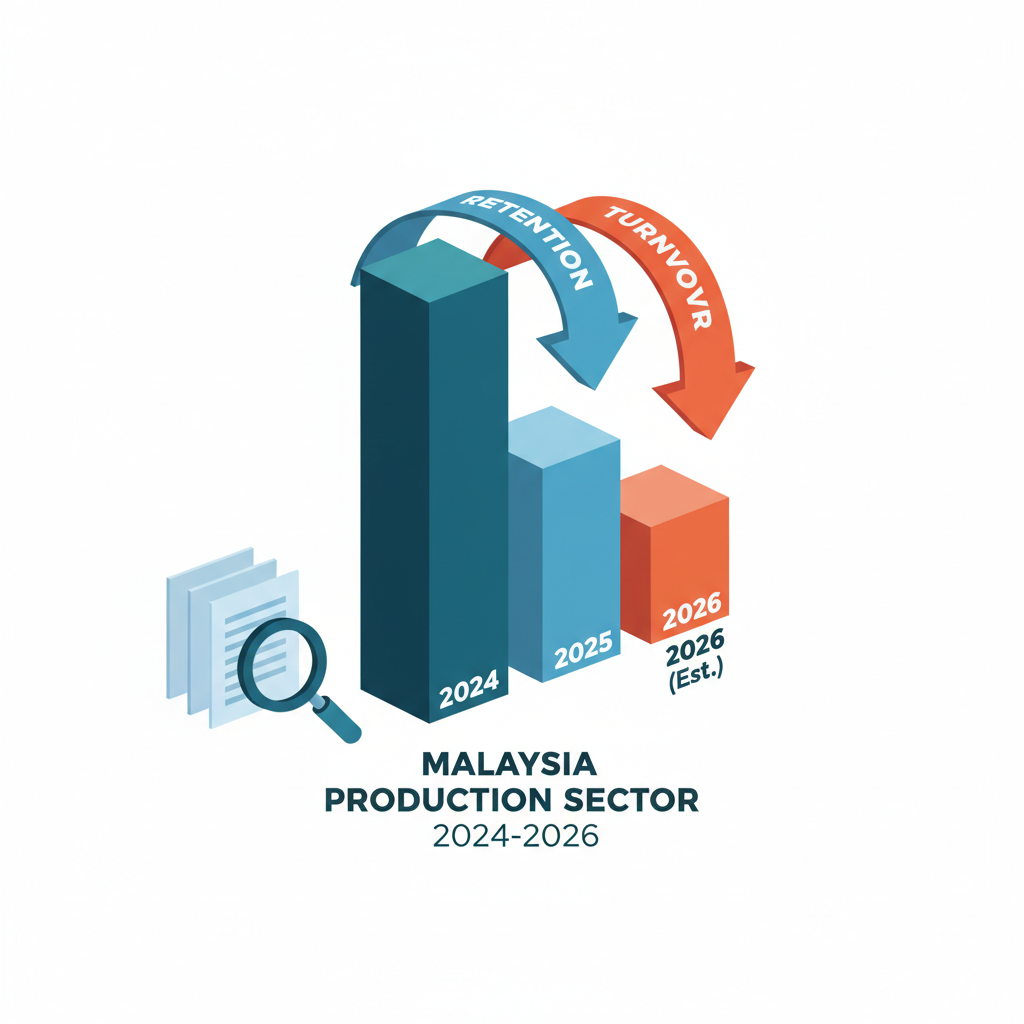
Managing a stable workforce is a critical challenge for industrial manufacturers across Southeast Asia. According to a comprehensive HR report of production field in malaysia, firms that prioritize human-centric management see a significant reduction in operational downtime. By analyzing current turnover trends, businesses can implement targeted interventions to maintain productivity levels.
1. Primary Causes of High Turnover
Production environments frequently struggle with high attrition, often driven by a combination of wage stagnation, repetitive tasks, and the physical demands of shift work. Many workers seek opportunities in neighboring industries or sectors with better benefits. Furthermore, International Labour Organization data suggests that poor workplace communication and perceived lack of career progression are leading drivers of voluntary resignation among factory floor staff in developing manufacturing hubs. Understanding these pain points is the first step toward building a sustainable employment model.
2. Effective Retention Strategies
To combat high turnover, HR departments must move beyond simple salary adjustments. Competitive compensation is necessary, but true retention relies on comprehensive benefits packages, including health coverage and performance-based bonuses. Implementing a clear career progression path—even for entry-level production roles—allows workers to visualize their future within the company. Upskilling programs that offer certification in machinery operation or safety protocols not only improve efficiency but also show employees that the organization is invested in their professional development, thereby increasing organizational loyalty.
3. Employee Engagement in Factories
High engagement is often absent in high-pressure manufacturing environments. Cultivating a culture of appreciation and open feedback is essential. Regular town halls, supervisor-employee check-ins, and recognition programs for safety compliance can drastically boost morale. When production workers feel that their voices are heard and that their contributions to the manufacturing chain are valued, their commitment to the organization deepens. By fostering an inclusive environment that addresses the needs of the workforce, companies can turn their factory floor into a long-term career destination rather than a temporary stopgap.
Technological Impact on Production HR
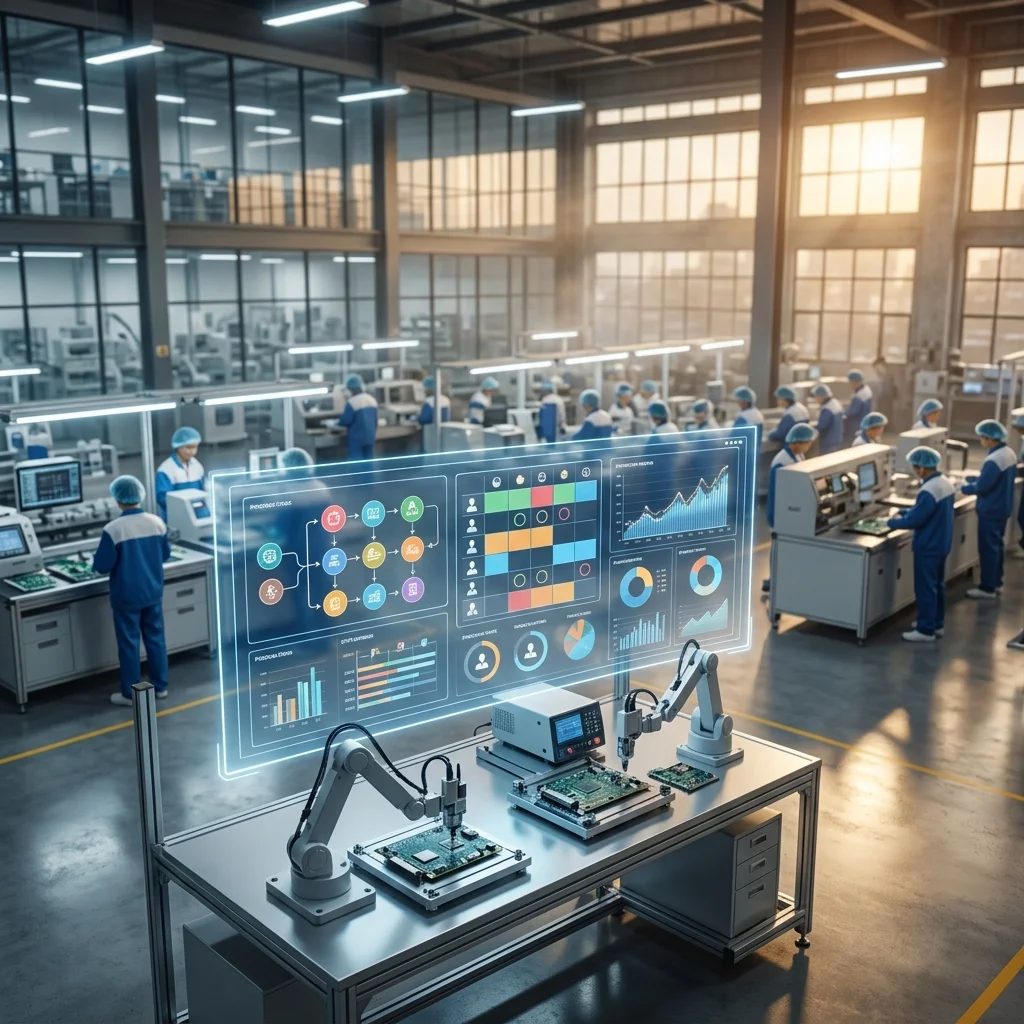
The manufacturing landscape in Malaysia is undergoing a profound transformation as the nation transitions toward Industry 4.0. For HR professionals, this shift represents a fundamental change in how labor is managed, recruited, and developed. As factory floors integrate smart technologies, the role of HR has shifted from purely administrative functions to becoming a strategic partner in digital transformation. To understand these trends, companies are increasingly relying on a detailed HR report of production field in malaysia to benchmark productivity and talent gaps against regional standards.
1. AI and Automation in the Workforce
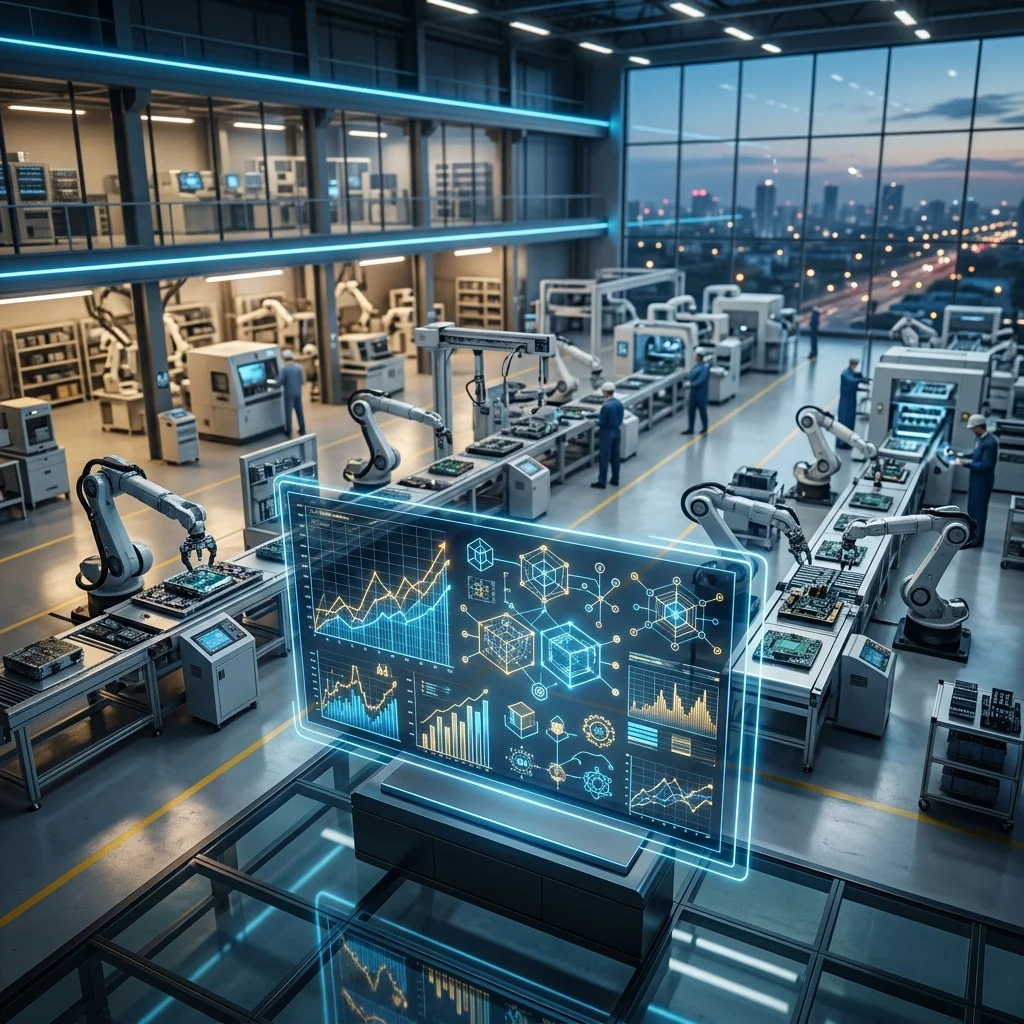
The integration of Artificial Intelligence (AI) and robotics is no longer a futuristic concept in Malaysian manufacturing hubs like Penang and Johor. Automation is handling repetitive, high-risk tasks, which naturally elevates the nature of human labor. HR departments are now tasked with managing a hybrid workforce where humans and machines collaborate. This necessitates a revision of job descriptions, health and safety protocols, and performance metrics. According to the Malaysian Investment Development Authority, the push for automation is essential to maintain competitiveness in global supply chains, forcing HR managers to lead the cultural shift required to help employees adapt to these collaborative environments.
2. Upskilling Workers for Industry 4.0
With the rapid adoption of Internet of Things (IoT) sensors and smart manufacturing, the existing skill set of the local production workforce often requires an urgent upgrade. Upskilling has become the primary mandate for HR teams. This involves identifying workers with the potential for technical transition and providing them with specialized training in machine maintenance, software troubleshooting, and digital literacy. By investing in internal talent, companies can mitigate the risks of labor shortages while fostering employee loyalty. HR strategies are now incorporating data-driven learning platforms that track individual growth, ensuring that the human capital in Malaysian factories remains as agile as the automated systems they operate.
3. Digital HR Management Systems
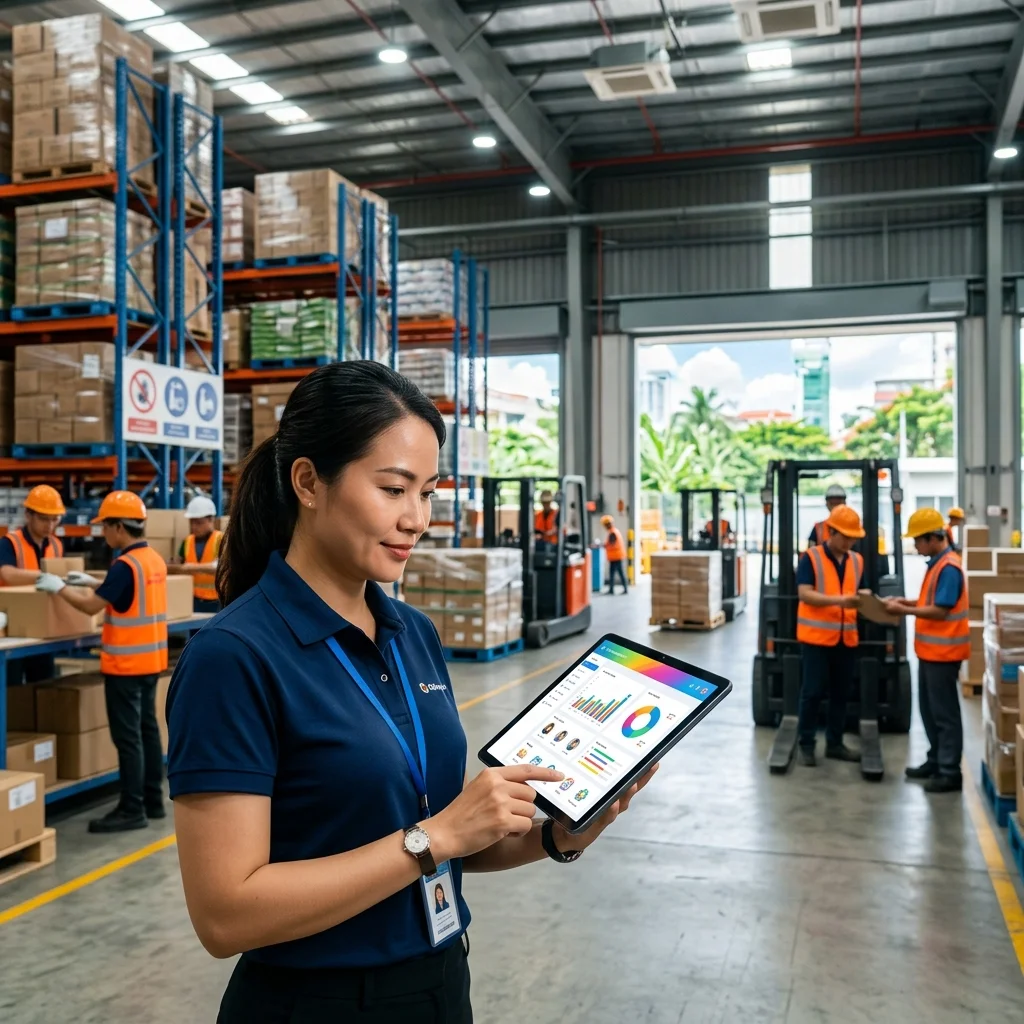
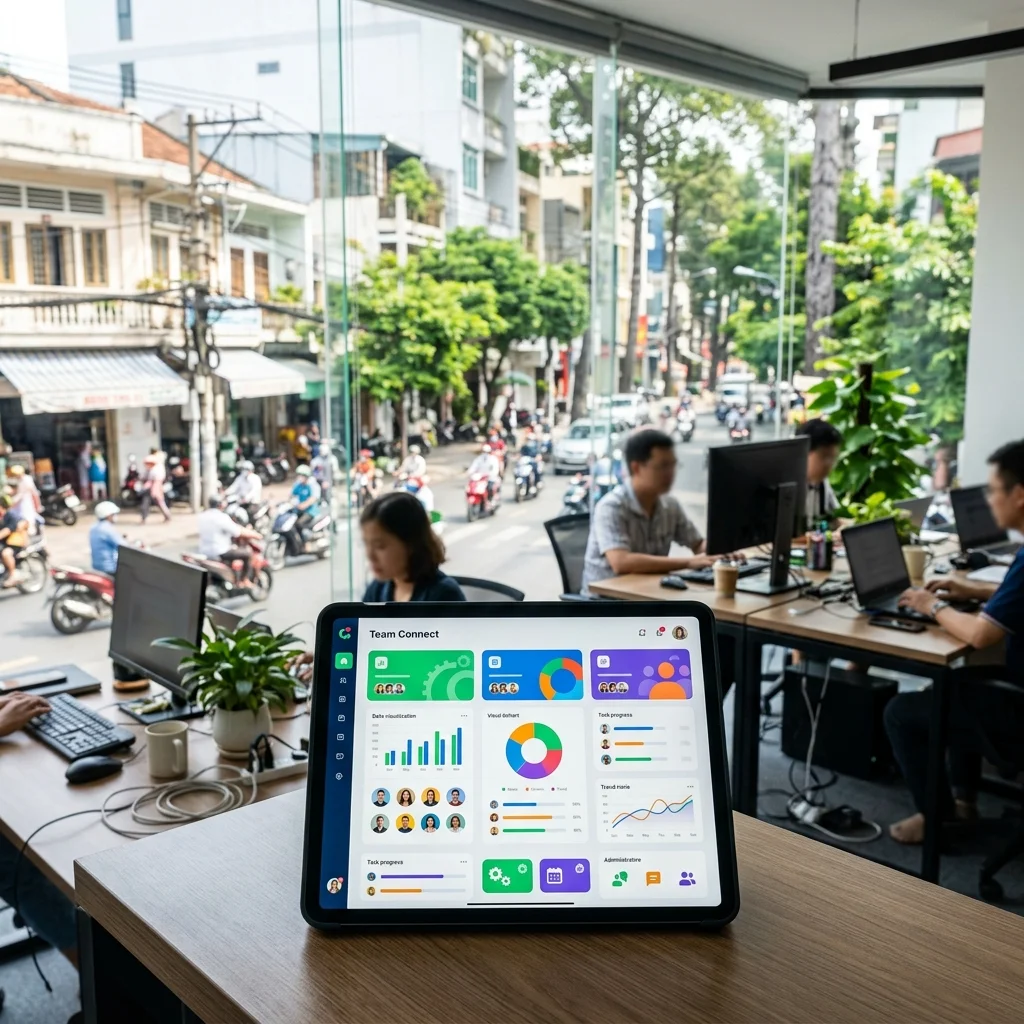
The traditional paper-based methods of tracking attendance, shifts, and production quotas are being phased out in favor of comprehensive Digital HR Management Systems (HRMS). These platforms provide real-time analytics, allowing HR departments to monitor workforce productivity and turnover rates with unprecedented precision. By automating payroll, recruitment, and onboarding, HR professionals can reclaim time to focus on high-impact initiatives like employee engagement and organizational culture. In the context of Malaysia’s production sector, these systems are vital for compliance with strict labor regulations and for providing the insights needed for long-term capacity planning. As the sector evolves, the synergy between technology and human resource management will be the ultimate differentiator for successful manufacturing firms in the region.
Navigating Labor Laws and Compliance
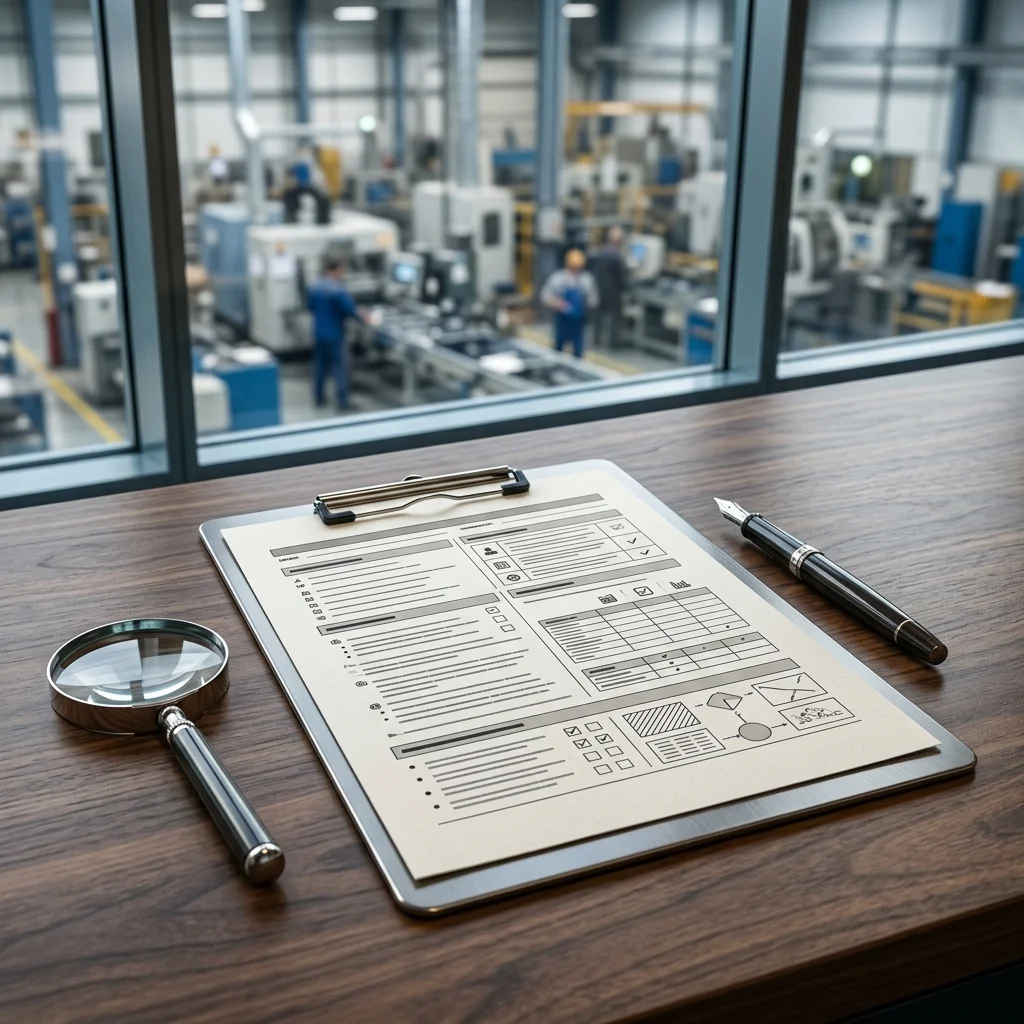
For HR professionals managing human capital in Malaysia’s manufacturing sector, maintaining rigorous adherence to the ever-evolving legal landscape is non-negotiable. As the industry advances toward Industry 4.0, the HR report of production field in malaysia serves as a foundational document to ensure that operational practices align with national labor standards. Failing to stay updated can result in severe penalties and reputational damage. Below are the critical focus areas for compliance.
1. Updates to the Employment Act
The Malaysian Employment Act 1955 has undergone significant amendments to protect the welfare of workers in the industrial sector. Key updates include the reduction of weekly working hours from 48 to 45, the expansion of maternity leave, and stricter regulations surrounding flexible working arrangements. For those drafting an HR report of production field in malaysia, it is vital to reconcile these legislative changes with shift schedules and overtime calculations. Ensuring compliance with the latest amendments regarding the employment of foreign workers is also essential, as the Ministry of Human Resources has intensified scrutiny on permit management and documentation integrity.
2. Workplace Health and Safety Standards
Manufacturing environments inherently carry higher risks for workplace injuries, making compliance with the Occupational Safety and Health Act (OSHA) a priority. Recent legal updates necessitate that employers appoint dedicated Safety and Health Officers (SHOs) for specific production capacities to conduct regular risk assessments. HR teams must ensure that all machinery operators are adequately trained and certified. Furthermore, the psychosocial health of the workforce has gained legal traction, requiring companies to implement policies that address workplace bullying and mental health stress. Regular audits and safety drills must be meticulously documented to mitigate legal liability during government inspections.
3. Union Relations and Collective Bargaining
Maintaining harmonious relations with trade unions is a delicate task that requires a deep understanding of the Industrial Relations Act. In the manufacturing sector, where collective bargaining often dictates wage structures, bonuses, and working conditions, HR must proactively engage in dialogue to prevent industrial disputes. Understanding the legal framework for recognition claims and the processes involved in collective agreements is vital. When negotiations stall, HR professionals must be prepared to handle conciliation and arbitration processes mandated by the Industrial Court. By fostering a culture of transparency and fair representation, companies can minimize the risk of labor unrest while ensuring that any agreements reached are legally binding and sustainable for the long-term productivity of the organization.
Partner with Shelby Global
You are looking for reliable HR Sevice Suppliers? Contact Shelby Global Now! To connect with verified talents and upgrade your orginization.
—————————————
References
– Department of Statistics Malaysia: https://www.dosm.gov.my/
– Malaysian Investment Development Authority: https://www.mida.gov.my/
– International Labour Organization: https://www.ilo.org/global/topics/labour-administration-inspection/lang–en/index.htm
– Malaysian Investment Development Authority: https://www.mida.gov.my/
– Ministry of Human Resources Malaysia: https://www.mohr.gov.my/