Overview of Tourism Workforce Trends
The Malaysian tourism sector is currently experiencing a dynamic transformation, solidifying its position as a primary pillar of the national economy. As the industry recalibrates to meet modern traveler expectations, the HR report of Travels field in malaysia indicates that strategic workforce management has become the focal point for sustainable growth. With the government’s ambitious tourism targets, the demand for a skilled, agile, and technology-driven workforce is at an all-time high, prompting a significant shift in how organizations recruit and retain talent.
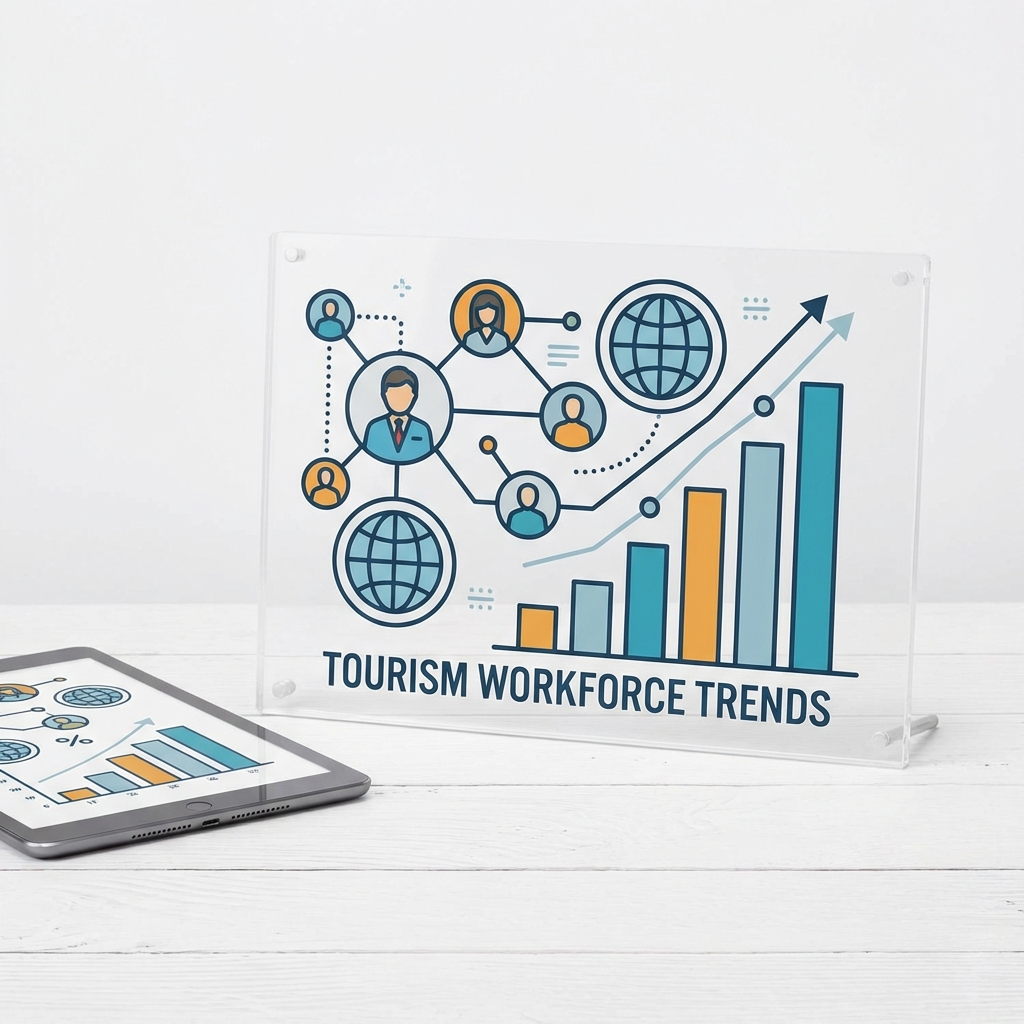
1. Post-Pandemic Job Recovery
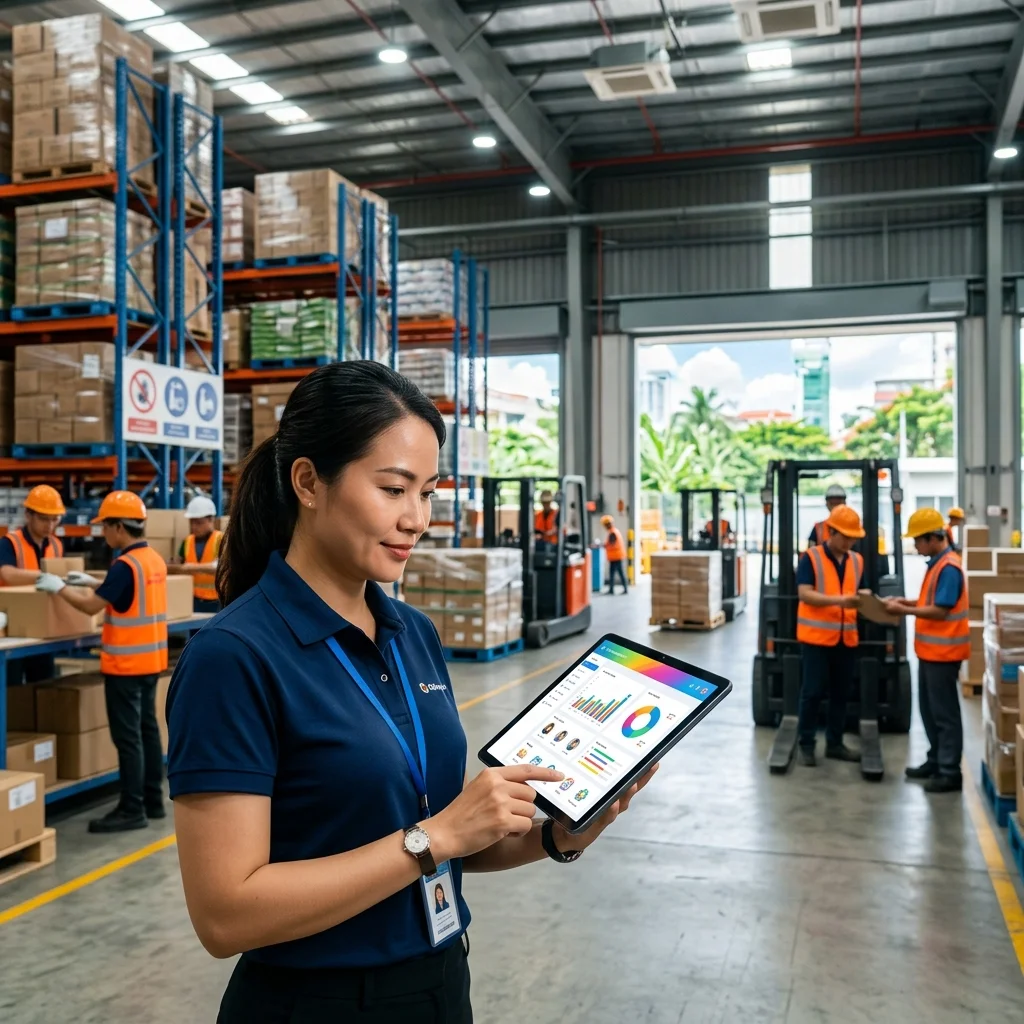
Following the unprecedented disruption of the global health crisis, the industry has seen a robust rebound. Organizations are prioritizing the onboarding of frontline staff and middle management to support the surge in international arrivals. Industry stakeholders are utilizing comprehensive data from a recent HR report of Travels field in malaysia to benchmark salary standards and training requirements. This recovery is not merely about headcount restoration but about upgrading service quality through intensive retraining programs that prioritize digital literacy and customer experience excellence.
2. Demographic Shifts in Tourism
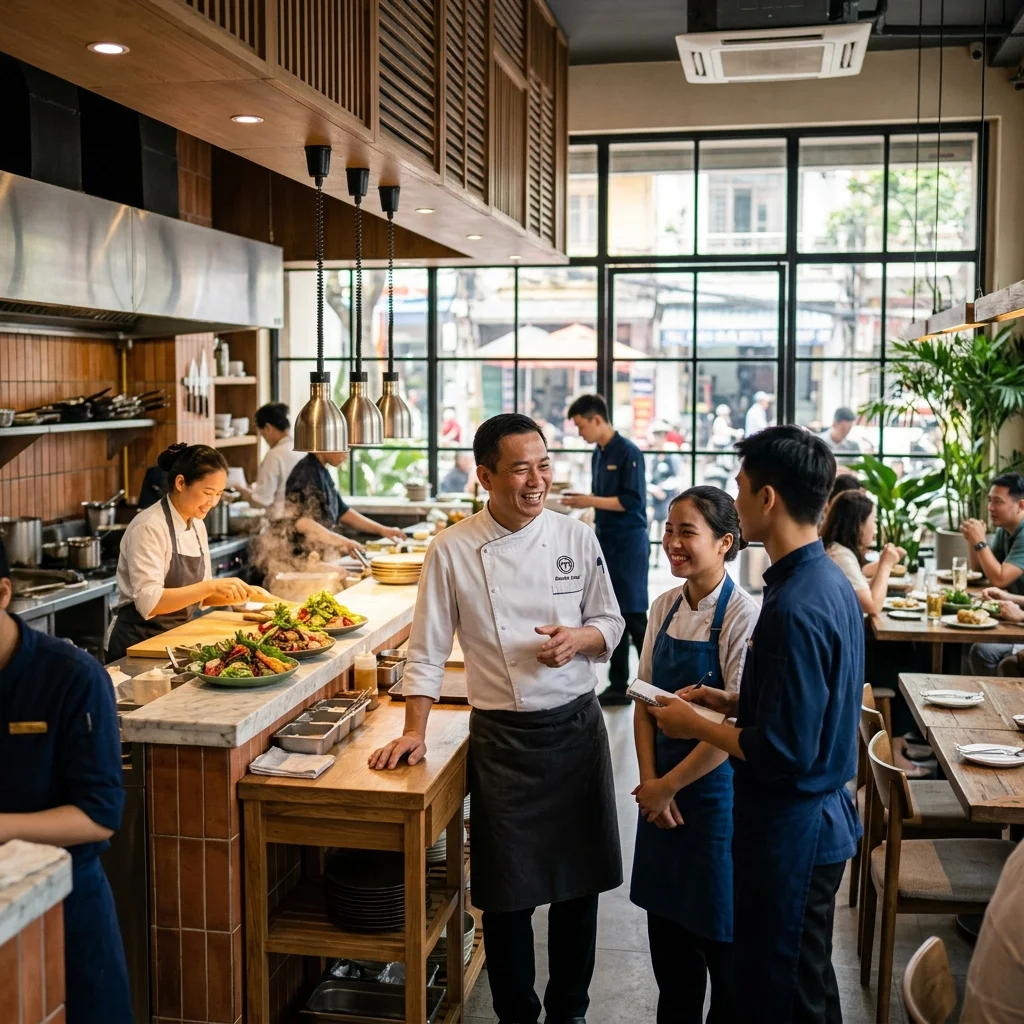
The Malaysian tourism workforce is undergoing a generational transition. There is a marked increase in the participation of Gen Z and Millennial employees who prioritize flexibility, corporate social responsibility, and rapid career progression. Employers are recognizing that traditional hierarchical structures are less effective with this demographic. Consequently, HR departments are fostering inclusive workplace cultures that emphasize professional development and mentorship. This demographic evolution is crucial as the industry adapts to the changing preferences of global travelers, according to insights from the Ministry of Tourism, Arts and Culture Malaysia, which highlights the need for a culturally versatile and tech-savvy labor force to maintain Malaysia’s competitive edge.
3. Impact of the Gig Economy
The rise of the gig economy has fundamentally altered the employment landscape within Malaysia’s travel sector. From freelance tour guides to short-term project contractors for hotel management, the freelance market provides both flexibility for businesses and autonomy for workers. While this model offers cost efficiencies for hospitality operators, it poses challenges for long-term talent retention and quality standardization. HR managers are now tasked with creating hybrid staffing models that combine a core team of permanent staff with a scalable workforce of freelancers. This agility is essential for managing the seasonal fluctuations inherent in the travel industry, ensuring that businesses can scale their services to meet demand without compromising on the high standards of Malaysian hospitality.
Talent Acquisition & Employee Retention
The Malaysian tourism sector is currently experiencing a dynamic period of recovery and expansion. As travel demand surges, companies are finding that human capital is the most critical asset for operational excellence. According to the latest HR report of Travels field in malaysia, firms are prioritizing strategic workforce planning to navigate the complexities of the post-pandemic labor market. Balancing the recruitment of skilled professionals with the need to retain long-term employees remains a central challenge for travel agencies and hospitality providers alike.
1. Effective Hiring Strategies
In a competitive market, relying solely on traditional job boards is no longer sufficient. Leading organizations are pivoting toward proactive talent acquisition by leveraging digital transformation to reach passive candidates. Social media branding and partnerships with local universities are proving essential to securing a steady pipeline of hospitality graduates. Furthermore, the Society for Human Resource Management emphasizes that companies must streamline their applicant tracking systems to ensure a frictionless candidate experience, as lengthy hiring processes often result in top talent accepting competing offers before the onboarding phase begins.
2. Reducing Staff Turnover Rates
High attrition costs are a significant drain on profitability within the travel industry. To combat this, Malaysian travel firms are investing heavily in comprehensive compensation and benefits packages that extend beyond base salary. Retention strategies now focus on professional development pathways, such as clear career mapping and opportunities for internal mobility. By implementing structured mentorship programs and performance-based incentives, companies are fostering a sense of loyalty and long-term commitment. Regular employee engagement surveys are also being utilized to identify pain points early, allowing leadership to implement targeted interventions before dissatisfaction leads to resignation.
3. Building an Inclusive Culture
Diversity, Equity, and Inclusion (DEI) have moved from being human resources buzzwords to core business imperatives. For the travel industry, which serves a global clientele, a workforce that reflects diverse backgrounds is an operational advantage. Building an inclusive culture involves creating safe spaces for open communication, ensuring equitable pay structures, and providing continuous training on unconscious bias. Companies that prioritize these values see a notable increase in employee morale and creativity. When staff members feel respected and valued as individuals, they are significantly more likely to advocate for their employers, effectively turning employees into brand ambassadors who attract prospective talent organically. As the industry continues to evolve, those who foster a supportive, inclusive, and growth-oriented workplace will undoubtedly lead the market in long-term human capital sustainability.
Salary Benchmarks & Compensation Plans
In the evolving post-pandemic landscape, maintaining a competitive edge in talent acquisition requires a deep understanding of the HR report of Travels field in malaysia. As the tourism sector undergoes rapid digitalization and expansion, organizations must align their compensation structures with current market expectations to ensure staff retention and operational excellence.
-
Average Salary Ranges by Role
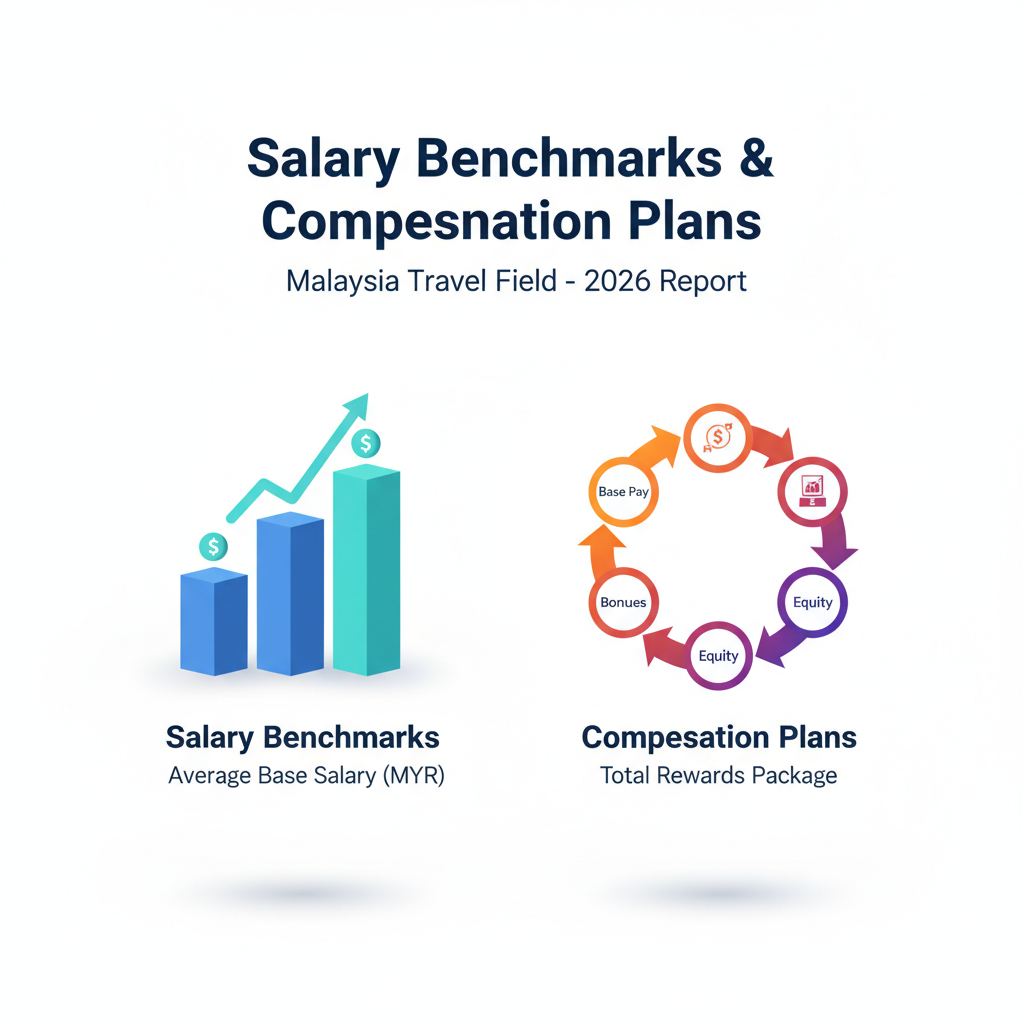
Salaries within the Malaysian travel sector vary significantly based on the level of specialization and operational scale. According to current labor data, travel consultants and administrative support staff typically earn between RM 2,500 and RM 3,800 per month. Mid-level roles, such as corporate travel managers or operations supervisors, generally see compensation packages ranging from RM 4,500 to RM 7,000. Senior-level management positions in international travel agencies can command salaries upwards of RM 10,000, depending on the scope of regional responsibility. Companies are increasingly using market salary survey data to ensure their pay bands remain attractive compared to neighboring regional hubs like Singapore and Thailand.
-
Performance Bonuses
Variable pay is a cornerstone of the travel industry, designed to align individual contributions with organizational revenue goals. Most agencies in Malaysia structure performance bonuses based on quarterly sales targets, client acquisition rates, and high customer satisfaction scores. For frontline roles, these bonuses can range from one to three months of base salary annually. To maximize impact, top-tier employers are shifting toward “transparent incentive schemes” where staff can track their commission earnings in real-time, effectively motivating sales teams to exceed booking quotas and upsell value-added travel insurance or premium concierge services.
-
Non-Monetary Staff Benefits
Beyond traditional wages, the travel sector is uniquely positioned to offer compelling non-monetary incentives that resonate with hospitality professionals. Flexible working arrangements, including hybrid remote-work models for office-based roles, have become a high-priority request for talent. Furthermore, industry-standard benefits such as “FAM trips” (familiarization trips) provide staff with firsthand experience of travel products, which acts as both a professional training tool and a high-value perk. Comprehensive health insurance, mental health support programs, and continuous learning subscriptions are also becoming standard expectations. By diversifying these benefits, Malaysian travel firms can build a stronger employer brand, reducing turnover rates while fostering a culture that values employee well-being as much as profitability.
Closing Skill Gaps Through Training
The rapidly evolving nature of the tourism industry in Malaysia necessitates a proactive approach to workforce development. To maintain a competitive edge, organizations must ensure their human capital is aligned with global shifts. As detailed in the latest HR report of Travels field in Malaysia, the transition toward personalized, tech-driven experiences has highlighted significant deficiencies in traditional hospitality skill sets. Addressing these gaps through targeted training is no longer an elective strategy; it is a business imperative.
-
Identifying Key Skill Gaps
The first step in bridging performance divides is conducting comprehensive competency assessments. Recent data suggests that while soft skills such as communication remain a strength, there is a marked deficiency in data-driven decision-making and sustainable tourism management. By utilizing structured analytical tools, firms can map existing employee capabilities against future strategic goals. Organizations that invest in a rigorous gap analysis ensure that their training budgets are allocated to areas that yield the highest return on investment, effectively neutralizing operational weaknesses before they manifest as service failures.
-
Digital Literacy in Travel
The modernization of the Malaysian travel sector is inextricably linked to digital transformation. As travelers increasingly rely on automated booking platforms, AI-driven chatbots, and contactless logistics, the workforce must adapt. According to the Ministry of Tourism, Arts and Culture Malaysia, enhancing digital proficiency is essential for operational efficiency. Training programs should focus on equipping staff with the ability to manage complex travel management software and understand the basics of data analytics. When employees are fluent in digital tools, they can provide seamless, high-touch services that meet the expectations of today’s tech-savvy global travelers, thereby significantly improving customer retention rates.
-
Leadership Development
Technical expertise must be complemented by strong, visionary leadership. The current landscape requires leaders who can navigate global economic volatility and shifting consumer trends with agility. Leadership development programs in the Malaysian travel sector should emphasize emotional intelligence, crisis management, and cross-cultural competence. By nurturing a leadership pipeline through mentorship, specialized workshops, and rotational management roles, companies can cultivate a resilient culture that embraces innovation. Developing these internal leaders ensures institutional stability and creates a ripple effect, where the emphasis on continuous learning permeates throughout the entire organization, ultimately future-proofing the enterprise against emerging market demands.
Future Outlook & HR Technology Adoption
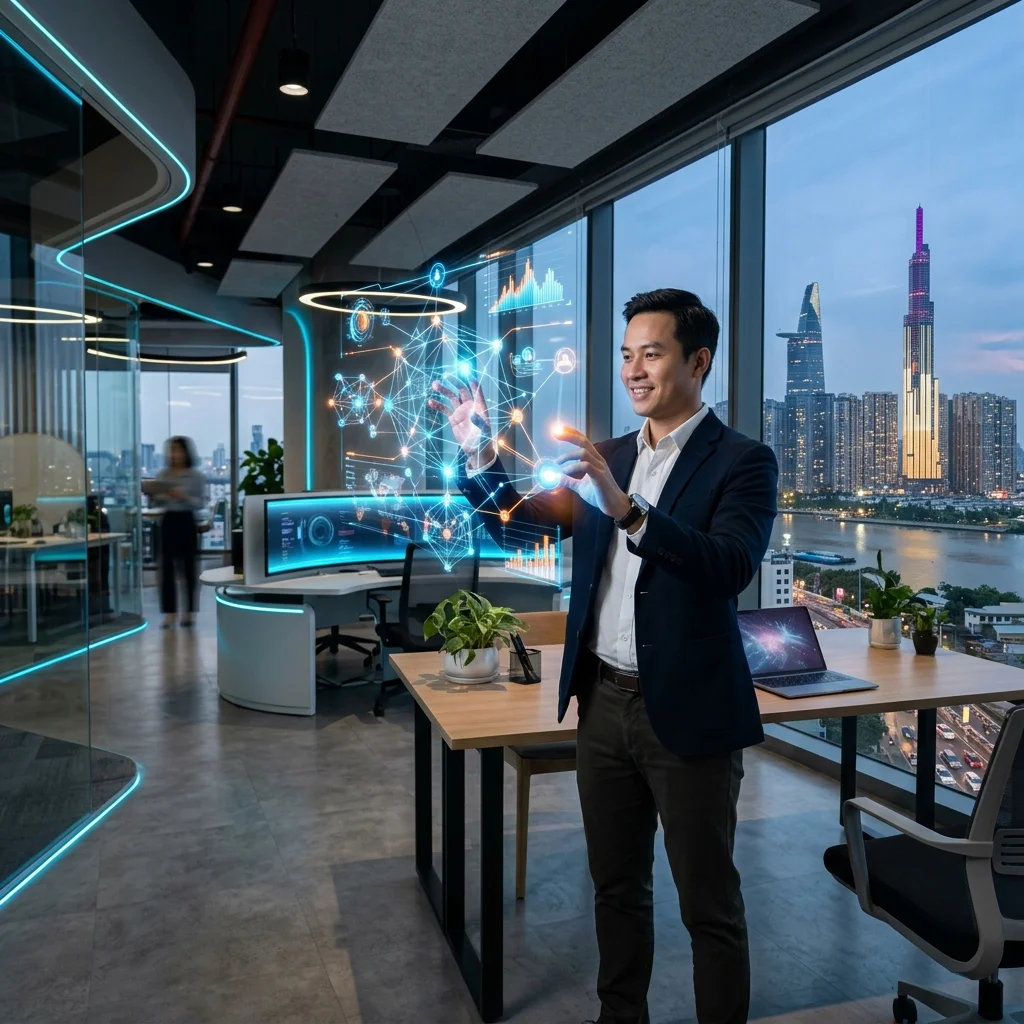
As we approach 2026, the HR report of Travels field in malaysia reflects a pivotal transformation driven by rapid technological integration and evolving workforce expectations. The travel sector, once reliant on manual administrative processes, is now adopting sophisticated human capital management systems to maintain a competitive edge. Strategic planning for the next two years involves balancing human-centric talent management with automated efficiency to ensure sustainable growth in one of Southeast Asia’s most dynamic tourism markets.
1. AI in Travel Recruitment
By 2026, artificial intelligence will fundamentally reshape the hiring lifecycle in Malaysia’s travel industry. Predictive analytics are being deployed to identify top-tier talent before they even enter the job market, significantly reducing time-to-hire metrics. Furthermore, AI-driven chatbots are now handling the initial screening phases, allowing HR professionals to focus on high-level cultural fit assessments. This technological shift is essential for companies aiming to scale quickly in response to the post-pandemic tourism surge.
2. Malaysia Labor Law Compliance
Navigating the complex regulatory landscape remains a priority for HR departments across the nation. Organizations must ensure that their HR software is localized to maintain strict Malaysia Labor Law Compliance. As remote work becomes a standard fixture for corporate travel staff, HR systems are being updated to automate tax filings, EPF contributions, and contractual obligations in real-time. Maintaining accuracy in these legal frameworks is critical for mitigating operational risks and protecting the organization from costly litigation as labor standards continue to tighten.
3. The Future of Work in Tourism
The definition of the workplace in the tourism sector is undergoing a massive decentralization. Leading industry players are utilizing the findings from the latest HR report of Travels field in malaysia to implement hybrid models that harmonize office-based operations with mobile, cloud-based workflows for field staff. By 2026, the focus will shift toward ’employee experience platforms’ that integrate well-being, continuous learning, and performance management into a single digital interface. This transition is not merely about digitizing tasks but about fostering a resilient organizational culture that can thrive in an era of constant change. Companies that invest in these adaptive HR technologies will be best positioned to attract the digital-native generation of hospitality and travel professionals, securing their long-term viability in the global travel marketplace.
Partner with Shelby Global
You are looking for reliable HR Sevice Suppliers? Contact Shelby Global Now! To connect with verified talents and upgrade your orginization.
—————————————
References
– Ministry of Tourism, Arts and Culture Malaysia: https://www.motac.gov.my/
– Society for Human Resource Management: https://www.shrm.org
– Payscale Salary Data: https://www.payscale.com/
– Ministry of Tourism, Arts and Culture Malaysia: https://www.tourism.gov.my/
– Malaysia Labor Law Compliance: https://www.mohr.gov.my/