Why the Transport Sector Demands Specialized HR
The Malaysian logistics landscape is a high-pressure environment defined by tight margins, rigorous delivery schedules, and intense competition. For many transportation SMEs, adopting generic human resource models is a recipe for operational failure. The logistics sector does not operate on a traditional 9-to-5 basis, meaning that generic HR structures for SMEs the CEO in transportation field in malaysia must be adapted to account for the mobility, safety, and regulatory nuances unique to the industry. When a fleet manager attempts to apply retail or corporate administrative HR policies to a team of long-haul drivers, they often face high turnover, non-compliance penalties, and plummeting productivity.

1. Overcoming Severe Driver Shortages
The transport sector in Malaysia is currently facing a chronic talent drought. Attracting and retaining qualified heavy vehicle drivers requires more than a standard job advertisement. It necessitates an HR framework that understands the lifestyle of a professional driver. Companies that succeed prioritize competitive compensation packages, continuous vocational training, and, most importantly, a structured career path that offers job security. According to the Ministry of Transport Malaysia, road safety and professional certification standards are tightening, which means SMEs must invest in recruitment strategies that screen for reliability and long-term commitment rather than just immediate availability.
2. Navigating EPF and SOCSO Compliance
Compliance is a major pain point for Malaysian transportation SMEs. The workforce often consists of a mix of permanent employees, contract workers, and daily-rated drivers, each with specific requirements regarding the Employees Provident Fund (EPF) and the Social Security Organization (SOCSO). Mismanagement of these contributions can lead to significant legal and financial liabilities. Specialized HR models for this sector provide automated payroll systems that ensure every shift and every hour worked is accounted for in accordance with national labor laws. By centralizing these records, SMEs mitigate the risk of audits and protect themselves against costly non-compliance penalties.
3. Managing Shift Scheduling and Fatigue
Operational efficiency in logistics is entirely dependent on the physical and mental state of the driver. Fatigue is a primary cause of accidents, and poor scheduling is a primary driver of fatigue. Unlike standard office roles, transport HR must integrate complex shift-management software that monitors hours of service (HOS) to prevent driver exhaustion. An effective HR structure for a transportation SME ensures that rest periods are mandatory and legally compliant, while also maintaining operational coverage. By implementing a proactive fatigue management policy, SMEs not only improve driver safety but also enhance the overall brand reputation of the company, leading to better client retention and long-term sustainability.
Essential HR Frameworks for SME CEOs
For a CEO operating in the competitive Malaysian transportation sector, the efficiency of human capital is the primary engine of profitability. Managing a mobile, high-risk workforce requires more than simple administrative oversight; it demands robust HR structures for SMEs the CEO in transportation field in malaysia to ensure both operational continuity and strict regulatory compliance with the Employment Act 1955.
Scaling a logistics or transport firm necessitates a transition from reactive management to a systematic framework. By prioritizing the following three pillars, you can mitigate liability and foster a professional culture that reduces turnover and improves safety margins.
1. Centralized Payroll Automation
In the transportation industry, payroll is complicated by varying shift patterns, overtime, and specific incentives. Implementing automated payroll software ensures that every calculation aligns with Malaysia’s statutory requirements, including EPF, SOCSO, and EIS contributions. Centralizing this data eliminates manual entry errors, which is critical for SMEs aiming to maintain audit readiness. For CEOs focused on strategic growth, transitioning to a digital payroll system provides real-time visibility into labor costs per trip or per route, allowing for data-driven decisions that protect the bottom line.
2. Fleet Safety Training Programs
Safety is the lifeblood of transportation. An effective HR framework must integrate rigorous, recurring safety training directly into the employment lifecycle. This goes beyond basic induction; it includes defensive driving modules, fatigue management protocols, and vehicle maintenance awareness. By formalizing these training programs, you not only improve driver performance but also fulfill your duty of care obligations. Investing in consistent certification workflows also serves as a strong defense in legal proceedings should an incident occur, proving that your firm is proactive in its safety commitments rather than merely compliant.
3. Employee Grievance Protocols
The nature of transportation work, often involving long hours and remote locations, can lead to communication gaps and misunderstandings. Establishing clear, documented HR structures for SMEs the CEO in transportation field in malaysia includes implementing a formal employee grievance protocol. This system provides a safe, anonymous channel for workers to report issues, ranging from workplace safety concerns to interpersonal disputes. By resolving grievances through an objective, step-by-step procedure, you minimize the risk of labor disputes and industrial relations issues that could paralyze your fleet operations. A transparent grievance mechanism is essential for maintaining employee trust and morale, which are vital for retention in the high-demand logistics labor market.
By institutionalizing these three frameworks, the SME CEO moves away from ad-hoc crisis management and toward a scalable, professional organizational structure. These systems act as a safety net, allowing you to focus on market expansion while knowing that your operational backbone is secure, compliant, and optimized for long-term success.
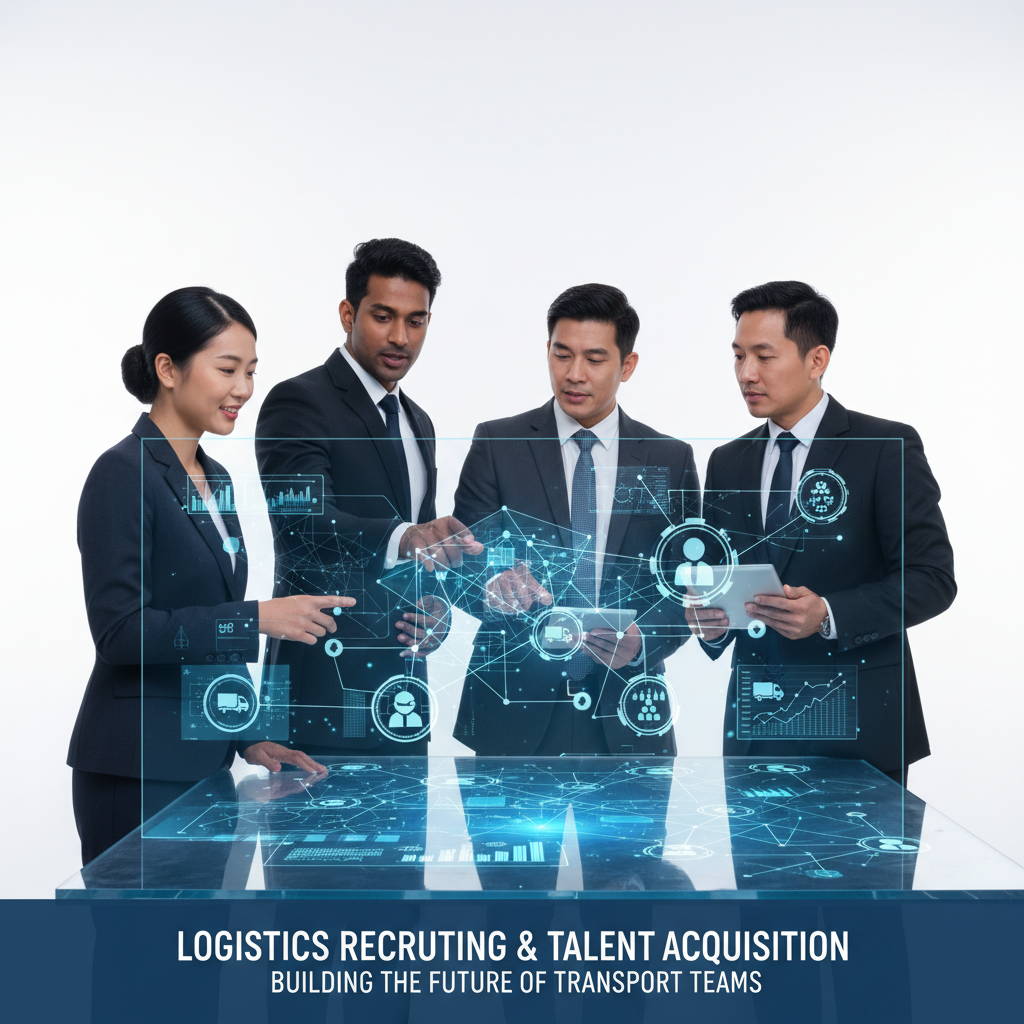
Logistics Recruiting and Talent Acquisition
In the rapidly evolving transportation sector, securing top-tier talent is a critical differentiator for growth. For small and medium-sized enterprises (SMEs), establishing robust HR structures for SMEs the CEO in transportation field in malaysia is not merely an administrative task but a strategic imperative. As the industry faces labor shortages and shifting workforce expectations, CEOs must move beyond reactive hiring and adopt a proactive, data-driven approach to talent management.
1.
Talent Mapping for Logistics Staff
To remain competitive, firms must implement systematic talent mapping. This involves identifying key competencies required for roles ranging from warehouse supervisors to fleet managers. By conducting a gap analysis against current market standards, leadership can forecast recruitment needs and build a pipeline of passive candidates. This structured approach allows firms to engage with high-potential individuals before a vacancy even opens, reducing downtime in operations.
2.
Interviewing Commercial Drivers
The recruitment of commercial drivers requires a specialized lens that balances technical proficiency with safety-first behavioral traits. Beyond validating licensing and regulatory compliance, interviews must probe for situational judgment and a commitment to logistics safety protocols. Evaluating a driver’s reliability and their ability to operate under pressure is vital for maintaining delivery timelines and vehicle maintenance standards, which directly impact the bottom line.
3.
Streamlining the Onboarding Process
Retention often begins on the first day. An efficient onboarding program is essential for integrating new hires into the company culture and operational rhythm. For SMEs, this means automating documentation, providing comprehensive safety training, and establishing clear mentorship programs. By optimizing the transition period, CEOs can significantly reduce turnover rates and ensure that new staff become productive members of the fleet or office team faster. Effective internal systems, as detailed in our guide on HR structures for SMEs the CEO in transportation field in malaysia, provide the foundation for scaling these efforts effectively.
By integrating these three pillars—talent mapping, rigorous driver assessments, and streamlined onboarding—transportation companies in Malaysia can build a resilient workforce capable of navigating the complexities of modern supply chain demands.
Performance KPIs and Retention Strategies
For a CEO navigating the competitive logistics landscape in Malaysia, establishing robust HR structures for SMEs the CEO in transportation field in malaysia is not merely administrative; it is a critical driver of profitability. The transportation sector faces unique challenges, including high fuel costs, traffic congestion, and a perennial shortage of skilled drivers. To sustain growth, companies must transition from reactive management to data-driven performance evaluation and proactive retention.
-
Setting Route Efficiency Metrics
Measuring performance on the road requires KPIs that move beyond simple “on-time” delivery metrics. To truly gauge operational efficiency, SMEs must implement telematics-based reporting. Key performance indicators should include idle time percentages, fuel consumption per kilometer, and adherence to optimized routing software. By setting clear, measurable goals, management can identify high-performers and those requiring additional training. According to McKinsey & Company, operational excellence in logistics is heavily predicated on the integration of digital tracking, which allows CEOs to pinpoint exactly where time and resources are being lost. Implementing these metrics empowers drivers by providing them with clear expectations and objective feedback loops, reducing the ambiguity that often leads to frustration.
-
Structuring Employee Benefits
In Malaysia’s tight labor market, competitive salaries are no longer sufficient to secure long-term loyalty. HR structures must incorporate holistic benefits packages that address the physical and mental toll of transport work. Beyond the standard EPF and SOCSO contributions, forward-thinking SMEs are offering performance-based bonuses tied to safety records and fuel efficiency. Furthermore, providing health insurance plans that cover chronic conditions related to long-haul driving—such as ergonomic support or vision care—demonstrates that the company views its drivers as essential assets rather than mere overhead. These structured incentives serve as a psychological anchor, reinforcing the employee’s commitment to the organization.
-
Driver Retention Initiatives
High turnover is the silent killer of productivity in the transportation sector. Retention strategies should focus on both career development and workplace culture. Many SMEs overlook the importance of a clear career progression path for drivers; by offering training certifications in hazardous materials handling or heavy vehicle operation, CEOs can provide growth opportunities within the company. Additionally, fostering a feedback-rich environment where drivers feel their on-the-ground insights are valued can significantly improve morale. Implementing recognition programs—such as ‘Driver of the Month’ awards or safe-driving milestones—creates a sense of belonging. When drivers are treated as valued stakeholders in the company’s operational success, they are far less likely to migrate to competitors for marginal pay increases, ultimately stabilizing the workforce and reducing the high costs associated with recruitment and onboarding.
Future-Proofing Your HR Department
For CEOs in the Malaysian transportation sector, the pace of change is accelerating. With logistics hubs expanding and digitalization sweeping across Southeast Asia, staying competitive requires proactive workforce management. Optimizing your HR structures for SMEs the CEO in transportation field in malaysia is no longer optional; it is a prerequisite for long-term sustainability. By 2026, the intersection of automation and human capital will define market leaders.
To prepare your firm, you must evaluate your current operational framework. You can explore further insights on enhancing your HR structures for SMEs the CEO in transportation field in malaysia to ensure your leadership team is aligned with regional benchmarks.
1. Integrating Transport HR Tech
The transportation industry is transitioning from manual scheduling to AI-driven logistics. HR departments must mirror this efficiency. Modernizing your tech stack allows for real-time tracking of driver certifications, hours of service, and performance analytics. By utilizing integrated HRIS platforms, SMEs can reduce administrative bloat and focus on data-backed decision-making. As outlined by the HRD Corp (Human Resource Development Corporation), investing in digital upskilling for your personnel is essential to bridge the talent gap created by emerging technologies.
2. Succession Planning for Management
Transportation SMEs in Malaysia often rely heavily on a small group of senior operators. By 2026, an aging workforce poses a significant risk to continuity. Robust succession planning involves identifying high-potential employees early and providing them with structured mentorship. This ensures that when senior management transitions occur, operational knowledge—such as route optimization nuances and client relationship management—remains internal, protecting your firm from service disruptions.
3. Adapting to New Labour Regulations
The regulatory landscape in Malaysia is evolving to protect gig economy workers and standardize employment benefits. CEOs must remain vigilant regarding updates to the Employment Act, particularly those affecting work hours, health and safety, and termination protocols. Proactive compliance is a competitive advantage; it minimizes legal risks and fosters a culture of stability. Future-proofing requires a dedicated approach to monitoring policy shifts so that your HR policies are updated well before deadlines, ensuring your transportation business remains both ethical and legally resilient in an increasingly scrutinized sector.
Partner with Shelby Global
You are looking for reliable HR Sevice Suppliers? Contact Shelby Global Now! To connect with verified talents and upgrade your orginization.
—————————————
References
– Ministry of Transport Malaysia: https://www.mot.gov.my/
– Ministry of Human Resources Malaysia: https://www.mohr.gov.my/
– Jabatan Pengangkutan Jalan Malaysia: https://www.jpj.gov.my/
– McKinsey & Company Logistics Insights: https://www.mckinsey.com/industries/travel-logistics-and-infrastructure/our-insights
– Human Resource Development Corporation (HRD Corp): https://www.hrdcorp.gov.my/