What Are the Core HR Tools for Ecommerce Businesses?
In the high-velocity environment of digital retail, manual administrative tasks can quickly become a bottleneck. For companies operating in the competitive Singaporean market, integrating the right HR tools – applications for Ecommerce field in singapore is no longer optional; it is a strategic necessity. Whether you are managing seasonal warehouse staff or a distributed team of digital marketers, technology streamlines your operations, ensures regulatory compliance, and improves employee satisfaction.
1. Cloud-based Payroll Software
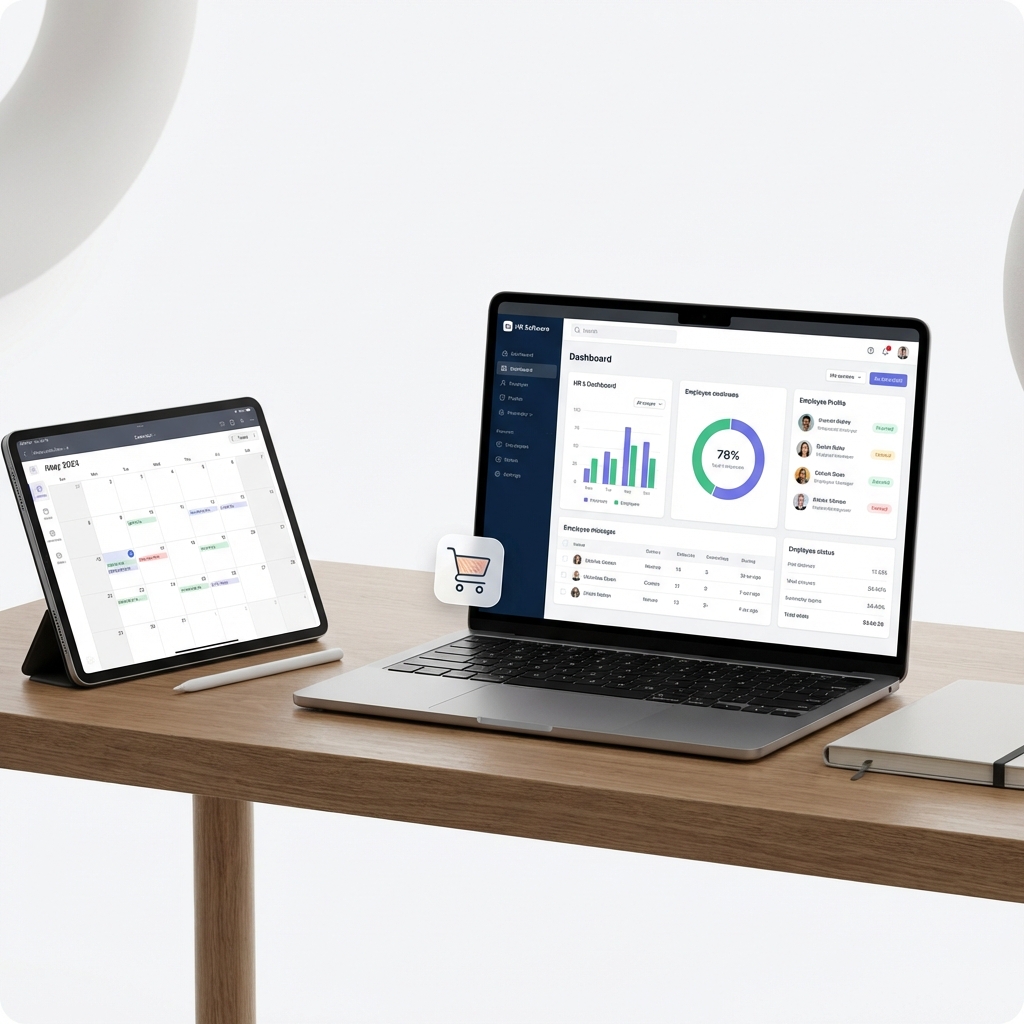
Ecommerce businesses often deal with fluctuating headcounts, part-time shifts, and gig-economy workers. Cloud-based payroll systems provide the scalability required to handle complex compensation models without manual errors. In Singapore, these tools are essential for maintaining compliance with the Ministry of Manpower (MOM) regulations, ensuring that CPF contributions, tax filings, and salary disbursements are processed accurately and on time, regardless of where your employees are located.
2. Automated Attendance Tracking
Online retail is a 24/7 operation, requiring seamless shifts across logistics, fulfillment, and customer support departments. Automated attendance tracking systems eliminate the reliance on paper timesheets or legacy spreadsheets. These tools provide real-time visibility into staff hours, late arrivals, and overtime. By integrating these systems with your shift planning modules, managers can optimize labor costs based on peak shopping periods, such as 11.11 or Black Friday sales events, ensuring that your business never experiences a staffing shortfall during critical business hours.
3. Digital Employee Onboarding Tools
First impressions matter, even in a digital-first workplace. High-growth ecommerce firms often struggle with high churn rates; however, structured onboarding can significantly boost retention. Digital onboarding tools automate the collection of personal documentation, the distribution of company handbooks, and the scheduling of initial training modules. By digitizing the paperwork, new hires can focus on learning your business processes and product catalogs from day one. This streamlined experience not only saves HR teams hours of administrative work but also ensures that every new recruit feels supported and integrated into the company culture immediately.
By investing in these foundational technologies, ecommerce businesses in Singapore can move away from transactional HR management and toward a more agile, data-driven approach that supports long-term growth and operational excellence.
Why Adopt Specialized Retail HR Systems in Singapore?
As the digital landscape in Southeast Asia matures, ecommerce merchants in Singapore are facing unprecedented operational complexity. Managing a modern retail workforce requires more than generic spreadsheet tracking; it demands a robust digital infrastructure. Adopting specialized HR tools – applications for Ecommerce field in singapore is no longer a luxury but a strategic necessity for businesses looking to maintain a competitive edge while operating within the island’s stringent regulatory framework.
1. Navigating MOM Labor Laws Compliance
Singapore’s Ministry of Manpower (MOM) enforces rigorous standards regarding employment contracts, mandatory CPF contributions, and leave entitlements. For ecommerce retailers, maintaining compliance manually is fraught with the risk of costly administrative errors. Localized HR systems are engineered to handle the Employment Act regulations automatically, ensuring that salary computations, overtime pay, and statutory deductions are always accurate. By utilizing specialized HR tools – applications for Ecommerce field in singapore, business owners can generate real-time compliance reports, effectively shielding their organization from penalties during MOM audits while providing employees with transparent, automated payslips.
2. Managing Remote Customer Service Teams
Ecommerce success hinges on providing seamless customer experiences, often managed by distributed teams working from various locations. Traditional HR systems struggle to track productivity or engagement for non-office-based staff. Advanced platforms offer integrated workforce management features, such as geofenced time-clocking and performance dashboards, specifically designed to bridge the gap between management and off-site agents. By implementing sophisticated HR tools – applications for Ecommerce field in singapore, managers gain granular visibility into peak traffic times, allowing them to shift resources effectively and ensure that support quality remains high, regardless of where the team is physically stationed.
3. Scaling Workforce During Mega Sales
Singapore’s retail calendar is defined by high-intensity events like 9.9, 11.11, and the Great Singapore Sale. During these periods, ecommerce merchants often rely on a hybrid of full-time staff and temporary seasonal workers. The volatility of these sales events creates a massive surge in payroll administration and shift scheduling. A specialized HR system enables rapid onboarding, allowing merchants to toggle seasonal access levels and manage mass-payroll processing with minimal manual intervention. This scalability ensures that operations remain fluid during peak traffic, allowing leadership to focus on conversion rates rather than administrative logistics. By investing in tailored digital architecture, ecommerce retailers can transition from reactive personnel management to proactive human capital optimization, creating a sustainable foundation for growth in the digital age.
How to Choose the Right Ecommerce HR Applications?
Selecting the ideal HR technology for an online retail business requires balancing operational agility with administrative precision. As your business scales, the complexity of managing a distributed workforce increases, necessitating the adoption of robust HR tools – applications for Ecommerce field in singapore designed to streamline personnel management. A strategic approach to evaluation ensures that your investment supports long-term growth and compliance with local labor regulations.
1. Integration with Ecommerce Platforms
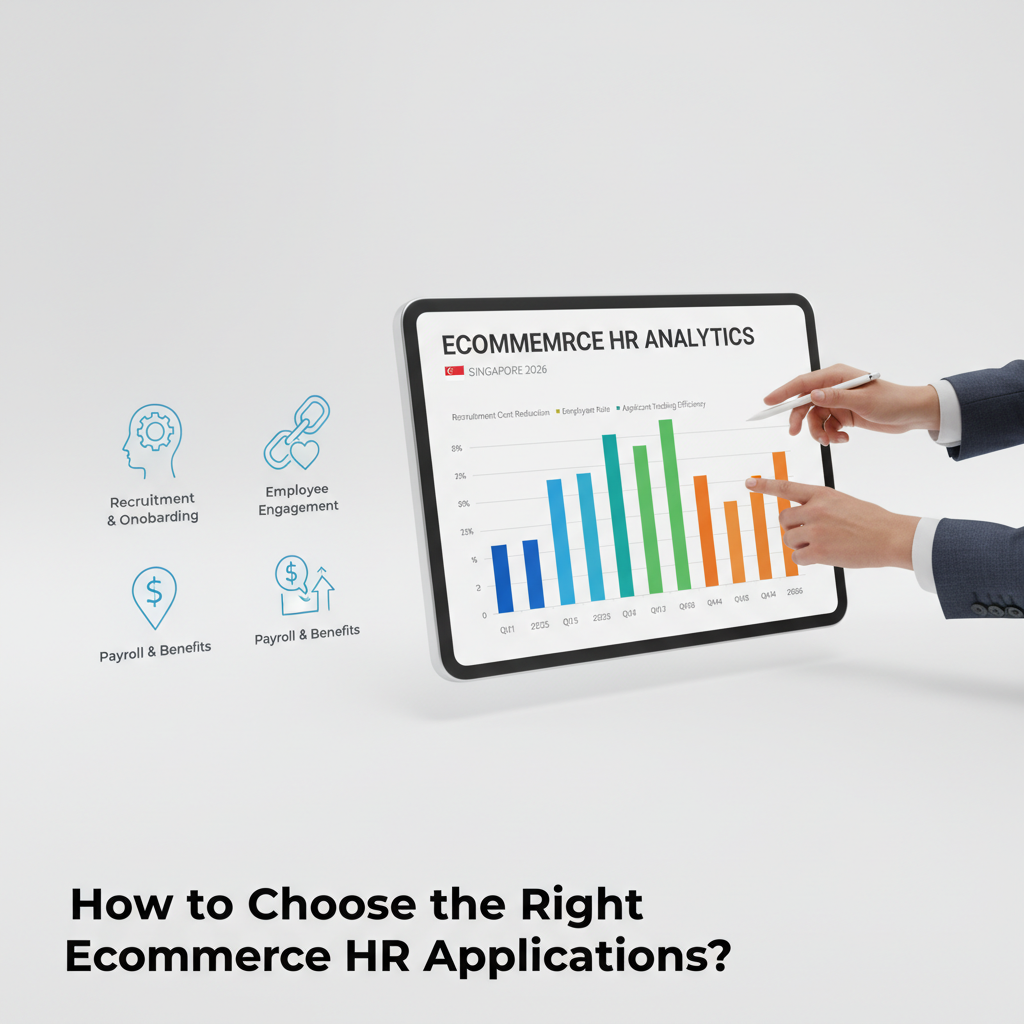
The primary driver for choosing an HR system is its ability to communicate with your existing tech stack, such as Shopify, Magento, or custom warehouse management systems. Seamless integration allows for automated synchronization of payroll data based on sales volume or peak-season labor requirements. By bridging the gap between your store’s front-end activity and back-end human resource planning, you minimize manual data entry errors and ensure that your workforce planning is data-driven. This interconnectivity is vital for maintaining productivity in a fast-paced retail environment.
2. Mobile App Accessibility for Shift Workers
In the ecommerce sector, the workforce is rarely tethered to a desk. Whether they are packing orders, managing inventory, or coordinating last-mile logistics, employees are constantly on the move. Therefore, mobile-first accessibility is a non-negotiable feature. Modern HR software must provide intuitive mobile applications that allow staff to view schedules, request time off, and access payslips in real-time. High engagement levels are directly linked to how easily employees can interact with their employment records, which is a significant factor in reducing turnover within high-churn logistics roles.
3. Cost Efficiency and Subscription Models
For growing ecommerce enterprises, cash flow management is paramount. When evaluating potential software, focus on transparent, scalable subscription models rather than large, upfront licensing fees. Look for “pay-per-employee” structures that allow you to scale costs in alignment with seasonal staffing fluctuations. Furthermore, it is essential to consult the Ministry of Manpower (MOM) guidelines to ensure that your chosen platform maintains compliance with statutory obligations, helping you avoid unnecessary fines or legal complications that could impact your bottom line. Always prioritize platforms that offer modular features, enabling you to add advanced talent management or performance review tools only when your business reaches the appropriate stage of maturity.
Ultimately, the right HR software should not just solve your current administrative headaches but also act as a foundation for your company culture. By focusing on integration, mobility, and cost-effective scalability, you position your ecommerce brand to thrive in a competitive market.
Which Cloud HR Solutions Lead the Market in 2026?
As the Singaporean digital retail landscape matures, businesses are shifting away from fragmented administrative processes toward integrated digital ecosystems. For companies operating in the fast-paced ecommerce sector, selecting the right HR tools – applications for Ecommerce field in singapore is no longer just about compliance; it is about scaling operations and maintaining employee engagement in a hybrid work environment. By 2026, the market has consolidated around platforms that leverage artificial intelligence to automate routine tasks while providing deep analytical insights into human capital.
1. Top Ecommerce Recruitment Apps
Ecommerce brands in Singapore face unique hiring challenges, particularly during peak seasons like 11.11 or Black Friday. Leading recruitment apps today prioritize speed and cultural fit. Modern platforms like Workday and Lever utilize machine learning to parse thousands of resumes instantly, ensuring that high-volume hiring for logistics and customer service roles is seamless. These tools often integrate directly with local job boards and social media platforms to streamline the candidate experience, which is critical for maintaining an employer brand in a competitive market.
2. Best Performance Management Systems
Effective performance management is the backbone of any growth-oriented digital brand. In 2026, the top-tier systems have moved beyond annual reviews, embracing continuous feedback loops and real-time goal tracking. Employees now expect transparency and objective metrics, which is why best-in-class performance management software has become a non-negotiable asset. These systems allow managers to align individual KPIs with broader corporate ecommerce targets, ensuring that every team member understands their impact on conversion rates and customer satisfaction metrics.
3. Leading All-in-One HR Suites
For mid-to-large sized Singaporean retail brands, consolidating operations into a single source of truth is essential. Leading all-in-one HR suites provide a unified interface for payroll, benefits administration, and talent management. These platforms not only reduce the risk of compliance errors but also provide data-driven insights that help HR leaders make informed decisions regarding workforce planning. If you are exploring how to optimize your infrastructure, you can review our professional insights on HR tools – applications for Ecommerce field in singapore to ensure your business remains agile. By choosing a suite that integrates with existing ERP and inventory systems, digital retailers can achieve a holistic view of their organization, paving the way for sustainable long-term growth in the regional market.
Where is HR Technology Heading for Online Retailers?
As the ecommerce landscape in Singapore continues to evolve, the necessity for robust HR tools – applications for Ecommerce field in singapore has never been more critical. Online retailers face unique challenges, including high turnover rates, seasonal staffing fluctuations, and the need for rapid scaling. To stay competitive, businesses are shifting away from manual administrative tasks toward sophisticated, technology-integrated workflows that prioritize agility and data-backed decision-making.
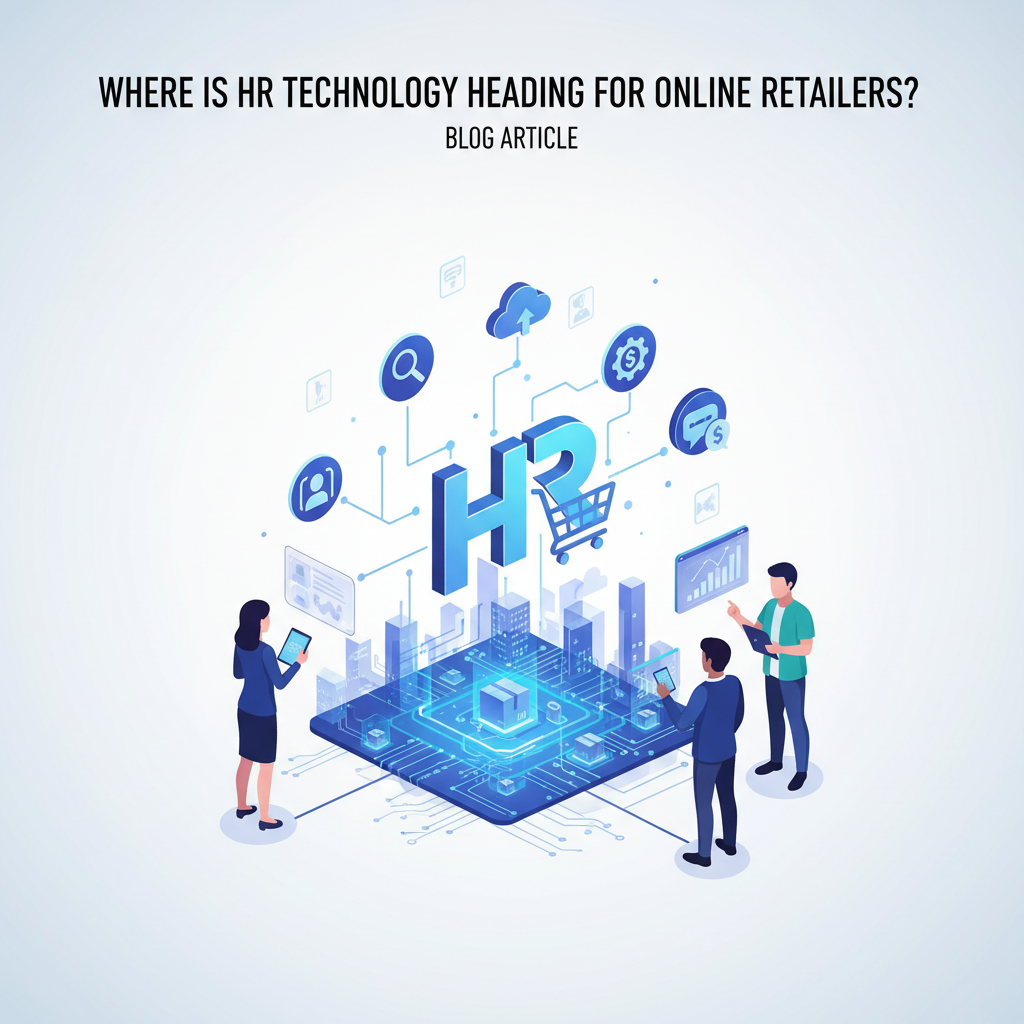
The future of HR in ecommerce lies in the seamless integration of automation and human-centric design, ensuring that as digital platforms grow, the people behind them feel supported and efficiently managed.
1. AI-Driven Talent Acquisition
The pace of hiring in the Singaporean online retail sector is relentless. AI-driven platforms are transforming this process by automating resume screening, chatbots for initial candidate interviews, and predictive behavioral assessments. These tools allow recruiters to filter thousands of applications in seconds, identifying candidates who possess the specific skill sets required for fast-paced logistics or customer support roles. By leveraging AI in human resources, companies can drastically reduce their time-to-hire, ensuring that they secure top-tier talent before competitors do, while simultaneously removing human bias from the initial selection process.
2. Predictive Shift Scheduling Algorithms
Managing a dispersed, shift-based workforce is a logistical headache for any ecommerce retailer. Future-focused HR management is now utilizing advanced algorithms that analyze historical sales data, web traffic spikes, and even weather patterns to predict labor demand accurately. These predictive systems create optimized schedules that align with peak periods without overstaffing, which helps in controlling operational costs. This shift towards smart scheduling ensures that employees are not burned out during quiet times and that the business remains fully covered during high-volume events like Black Friday or 11.11 shopping festivals.
3. Advanced Workforce Data Analytics
Data has become the heartbeat of modern retail management. Beyond simple attendance tracking, advanced workforce analytics now provide deep insights into employee performance, engagement levels, and turnover risk. By correlating employee feedback with productivity metrics, online retailers can identify early warning signs of attrition or burnout. This proactive approach allows HR departments to implement targeted interventions—such as tailored training programs or improved remote work benefits—before an employee decides to leave. As the ecommerce market in Singapore matures, the ability to turn raw workforce data into actionable HR strategies will distinguish market leaders from the rest, fostering a culture of high retention and continuous growth.
Partner with Shelby Global
You are looking for reliable HR Sevice Suppliers? Contact Shelby Global Now! To connect with verified talents and upgrade your orginization.
—————————————
References
– Ministry of Manpower (MOM) regulations: https://www.mom.gov.sg/employment-practices/salary/statutory-pay-and-deductions
– Ministry of Manpower Employment Practices: https://www.mom.gov.sg/employment-practices
– Ministry of Manpower Singapore: https://www.mom.gov.sg/
– best-in-class performance management software: https://www.shrm.org
– SHRM: https://www.shrm.org