Why Do Malaysian Fashion Brands Need Specialized HR Tech?
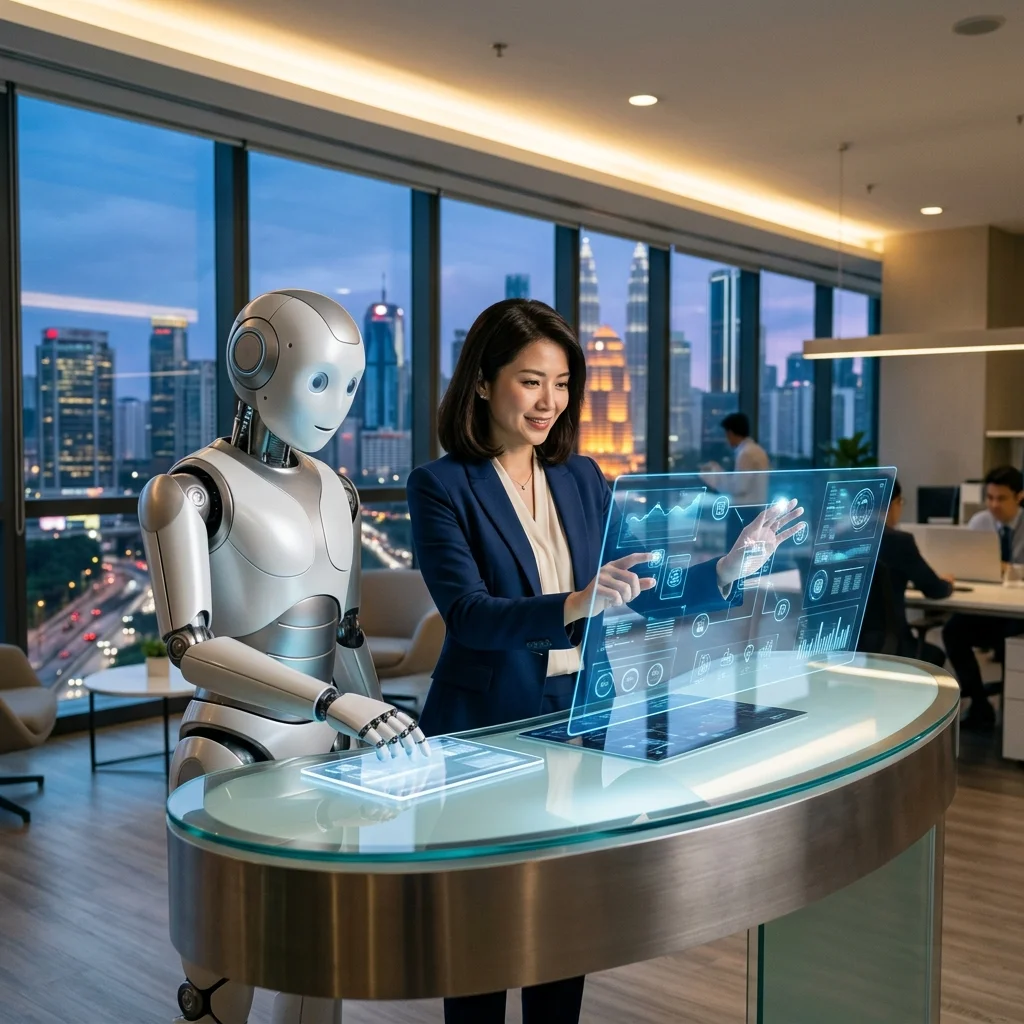
The Malaysian retail landscape is undergoing a rapid digital metamorphosis, yet the fashion sector remains uniquely tethered to high-touch human interaction. For brands operating in bustling hubs like Kuala Lumpur or managing storefronts in major malls across the country, the complexity of managing a diverse workforce—ranging from full-time designers to part-time retail associates—is immense. Generic human resource software often fails to capture the nuanced realities of the apparel industry. This is where HR tools – applications for Fashion field in malaysia become essential, providing the precision needed to align operational efficiency with brand performance.
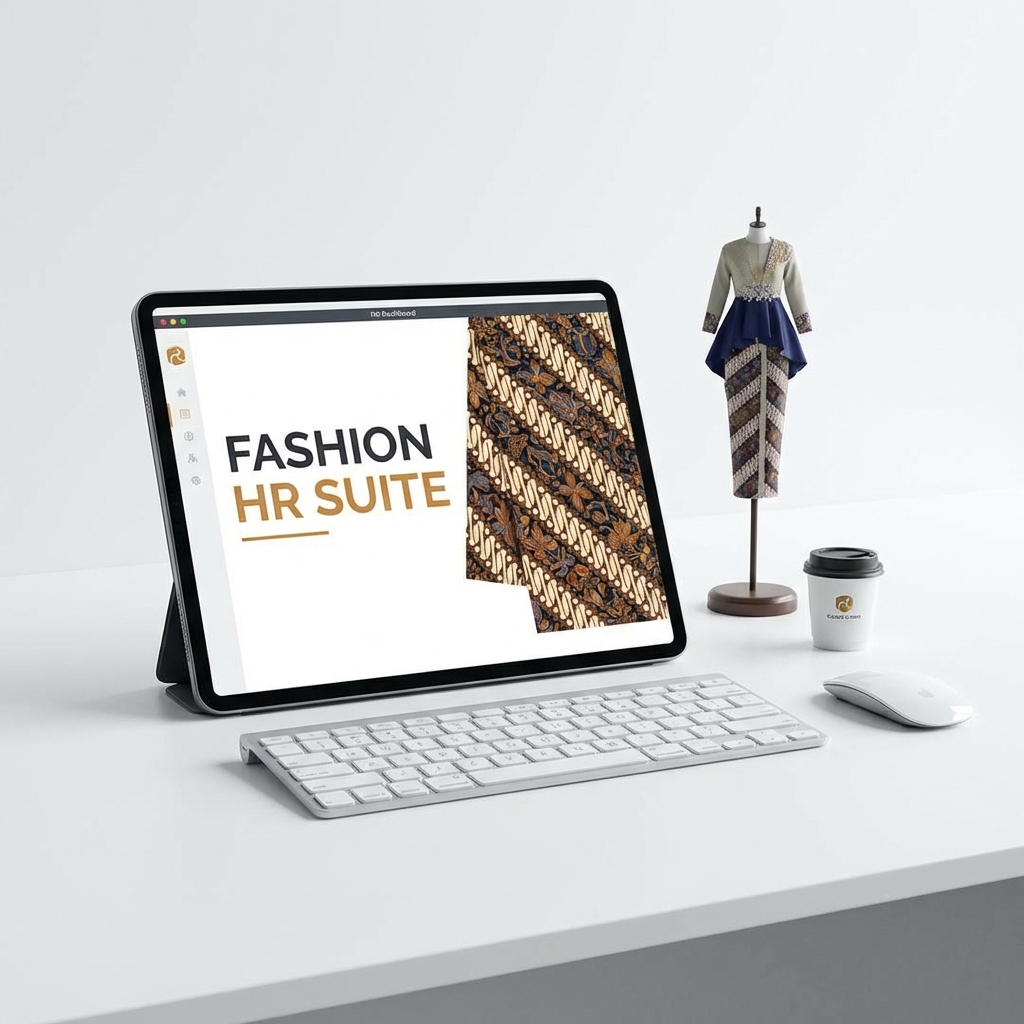
Fashion retail in Malaysia is characterized by thin margins, fast-paced consumer trends, and a highly competitive labor market. When businesses rely on manual spreadsheets or outdated legacy systems, they invite errors in payroll, scheduling, and performance tracking. Specialized HR tech offers a centralized digital ecosystem that automates compliance with the Employment Act 1955 while providing actionable data-driven insights. By adopting modern digital architectures, fashion retailers can transform their HR department from an administrative cost center into a strategic partner that drives business growth.
1. Managing High Staff Turnover
The retail fashion industry in Malaysia traditionally grapples with high attrition rates, often driven by the competitive nature of the service sector. When staff turnover is high, the cost of recruitment, onboarding, and training can cripple a brand’s profitability. Specialized HR technology provides automated onboarding workflows that reduce the time-to-productivity for new hires. By integrating digital learning modules and automated document collection, these systems ensure that new employees feel welcomed and prepared from day one, which is statistically proven to increase retention rates. According to a McKinsey report on the state of fashion, companies that invest in talent retention through sophisticated digital employee experiences are better positioned to weather the volatility of the current market. These tools allow managers to identify flight risks through sentiment analysis and engagement tracking, enabling proactive intervention before an employee decides to resign.
2. Navigating Complex Shift Schedules
In Malaysia, retail stores often operate 12 hours a day, seven days a week, often requiring employees to juggle varying shifts across public holidays, weekends, and peak shopping hours like the Mega Sale Carnival. Managing these schedules manually is not only prone to errors—such as overtime miscalculations—but also leads to burnout and employee dissatisfaction. Dedicated HR tech solves this by utilizing smart-scheduling algorithms. These applications allow for real-time shift swaps, automated fatigue monitoring to ensure compliance with rest-hour regulations, and mobile-friendly interfaces that empower staff to manage their own schedules. This autonomy significantly improves workplace culture, as employees feel more in control of their work-life balance, which is a critical factor for the Gen-Z and Millennial workforce dominating the Malaysian retail sector.
3. Handling Seasonal Hiring Spikes
Fashion brands in Malaysia experience dramatic fluctuations in labor demand during major festive seasons such as Hari Raya Aidilfitri, Chinese New Year, and Deepavali. Scaling up for these periods requires an agile hiring strategy that can handle high volumes of temporary staff without compromising on the quality of the brand’s customer service. Specialized HR tech facilitates this by offering scalable cloud-based portals that streamline the entire applicant tracking process. From automated screening to mass digital signing of contracts, these systems allow fashion brands to onboard temporary workforce members within days rather than weeks. Once the season ends, these platforms also make offboarding seamless, ensuring that data is archived correctly and that the brand maintains compliance with local labor laws regarding contract terminations. By optimizing this cycle, brands can focus on their core competency—delivering the latest fashion trends to their customers—without being bogged down by administrative headaches.
What Are the Core HR Tools – Applications for Fashion Field in Malaysia?
The Malaysian fashion and apparel industry is evolving rapidly, shifting from traditional manual operations to digital-first workflows. As brands scale, the complexity of managing a diverse workforce—ranging from retail floor staff and designers to factory operators—necessitates the adoption of specialized HR tools – applications for Fashion field in Malaysia. These digital solutions are essential for streamlining operations, ensuring compliance with the Employment Act 1955, and fostering a productive organizational culture.
By integrating automated systems, fashion enterprises can reduce administrative overhead, minimize human error, and focus on creative output. Below, we explore the essential HR software categories driving efficiency in the local market.
1. Cloud-Based Payroll and E-Invoicing
In the competitive Malaysian fashion retail landscape, managing fluctuating hours, commissions, and shift differentials is a significant burden. Cloud-based payroll systems allow for seamless integration with local regulatory bodies, such as the Lembaga Hasil Dalam Negeri (LHDN), ensuring that PCB (Potongan Cukai Berjadual) and EPF contributions are calculated accurately every month. For fashion businesses that often operate across multiple outlets, these cloud platforms provide a centralized hub to track salary disbursements and manage complex commission structures for sales staff. Furthermore, modern HR tools – applications for Fashion field in malaysia now incorporate e-invoicing capabilities, allowing for smoother accounting reconciliations and better financial transparency across the supply chain.
2. Location-Based Mobile Attendance
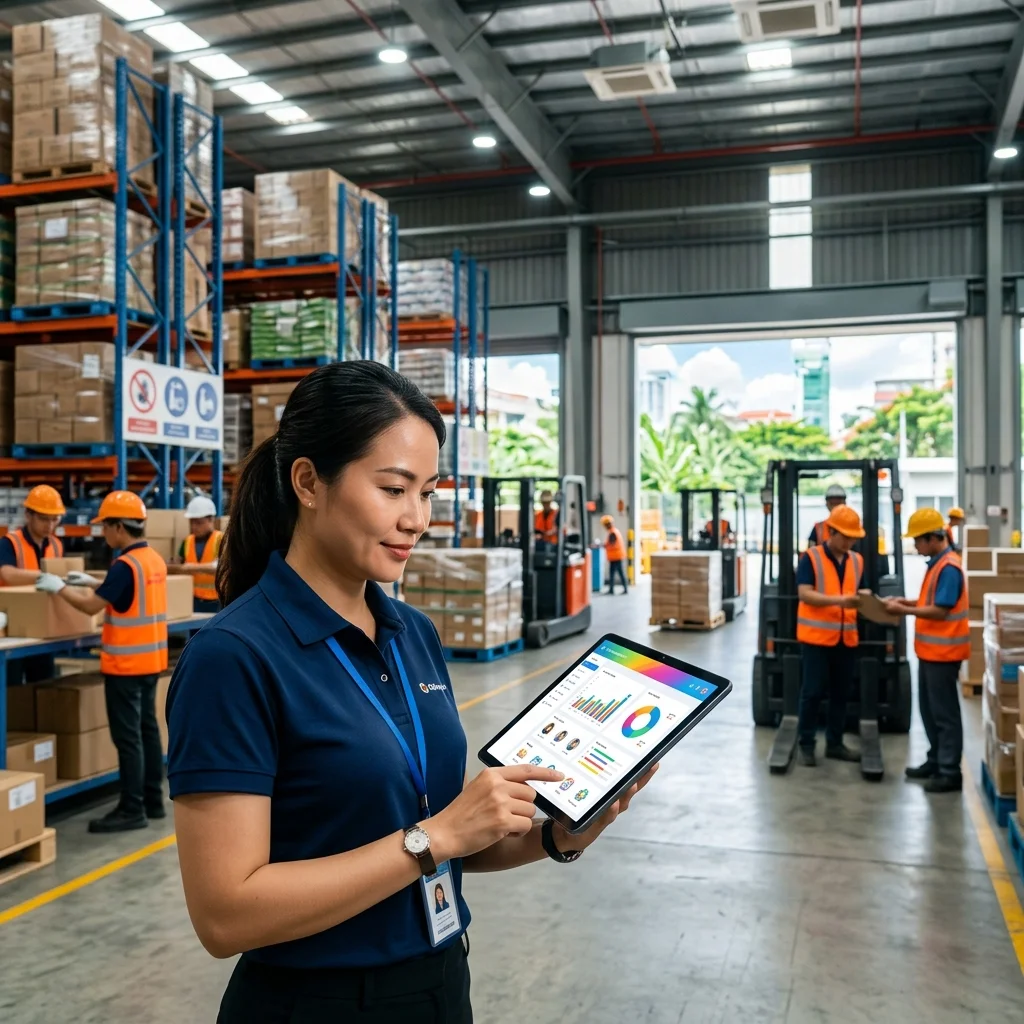
Fashion brands in Malaysia often manage distributed workforces, from boutique stores in shopping malls to centralized distribution centers. Tracking attendance manually via paper logs is prone to ‘buddy punching’ and data loss. Location-based mobile attendance tools leverage GPS and geofencing technology to verify the exact location of an employee at the moment of clock-in. This is particularly beneficial for field-based merchandisers and retail associates. By ensuring that attendance data is authenticated in real-time, management can gain an accurate snapshot of staffing levels at any given location. This data-driven approach allows for optimized scheduling, ensuring that peak fashion buying hours in high-traffic malls are always adequately covered, ultimately driving higher conversion rates.
3. Employee Self-Service (ESS) Platforms
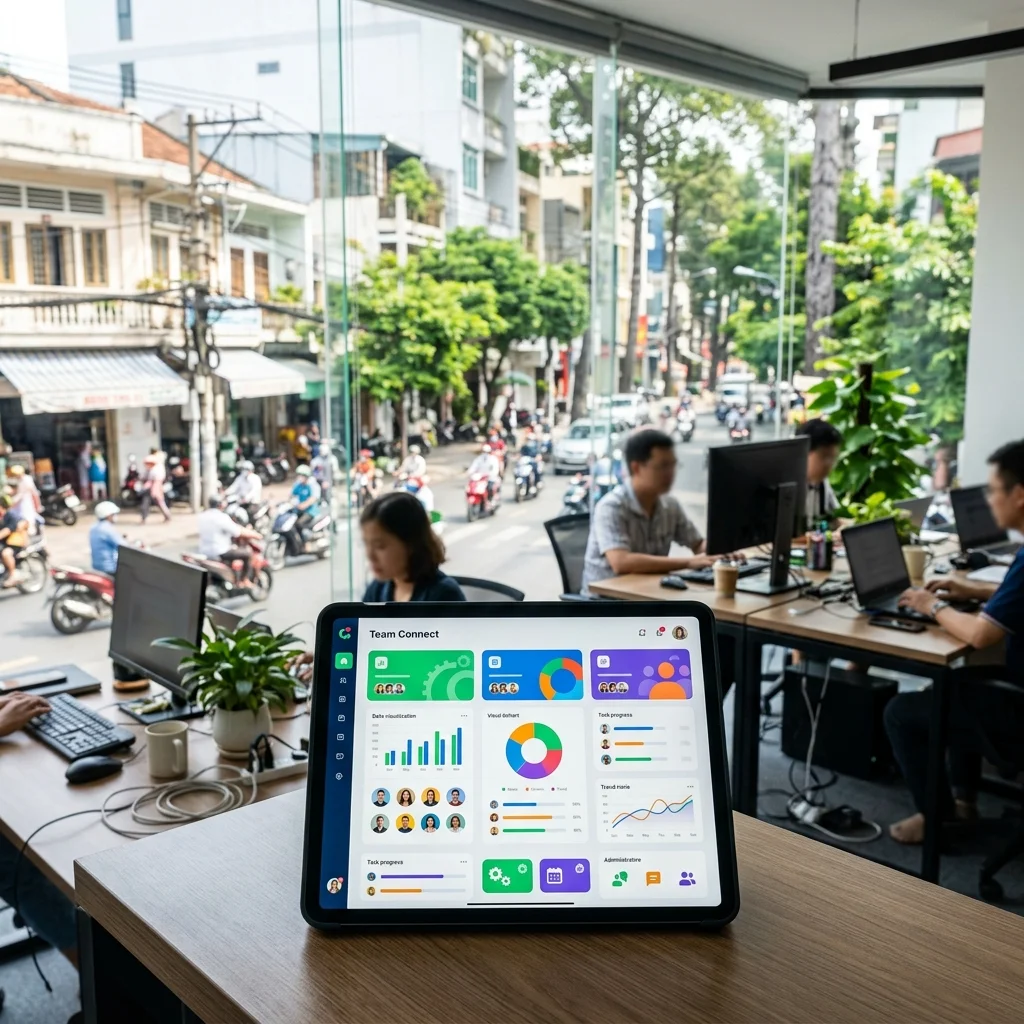
Empowering employees is at the core of the modern digital workplace. ESS platforms are vital HR tools – applications for Fashion field in Malaysia because they shift the responsibility of mundane tasks from HR departments to the employees themselves. Through an intuitive mobile app, staff can apply for leave, view their payslips, update personal documentation, and access company training manuals without the need for back-and-forth emails or phone calls. In the fast-paced retail sector, where staff turnover can be high, the adoption of ESS platforms improves the overall employee experience. It provides transparency, reduces the workload on HR managers, and ensures that sensitive data is handled in a secure, digital environment. By reducing administrative friction, companies can focus on talent development and retail strategy, which are the cornerstones of success in the Malaysian fashion market.
Ultimately, the selection of the right technology stack depends on the unique operational scale of the fashion house. However, prioritizing these three pillars—payroll compliance, location tracking, and employee autonomy—is the most effective way to build a resilient and scalable workforce foundation in Malaysia.
How Does Mobile HR Tech Empower Retail Store Employees?
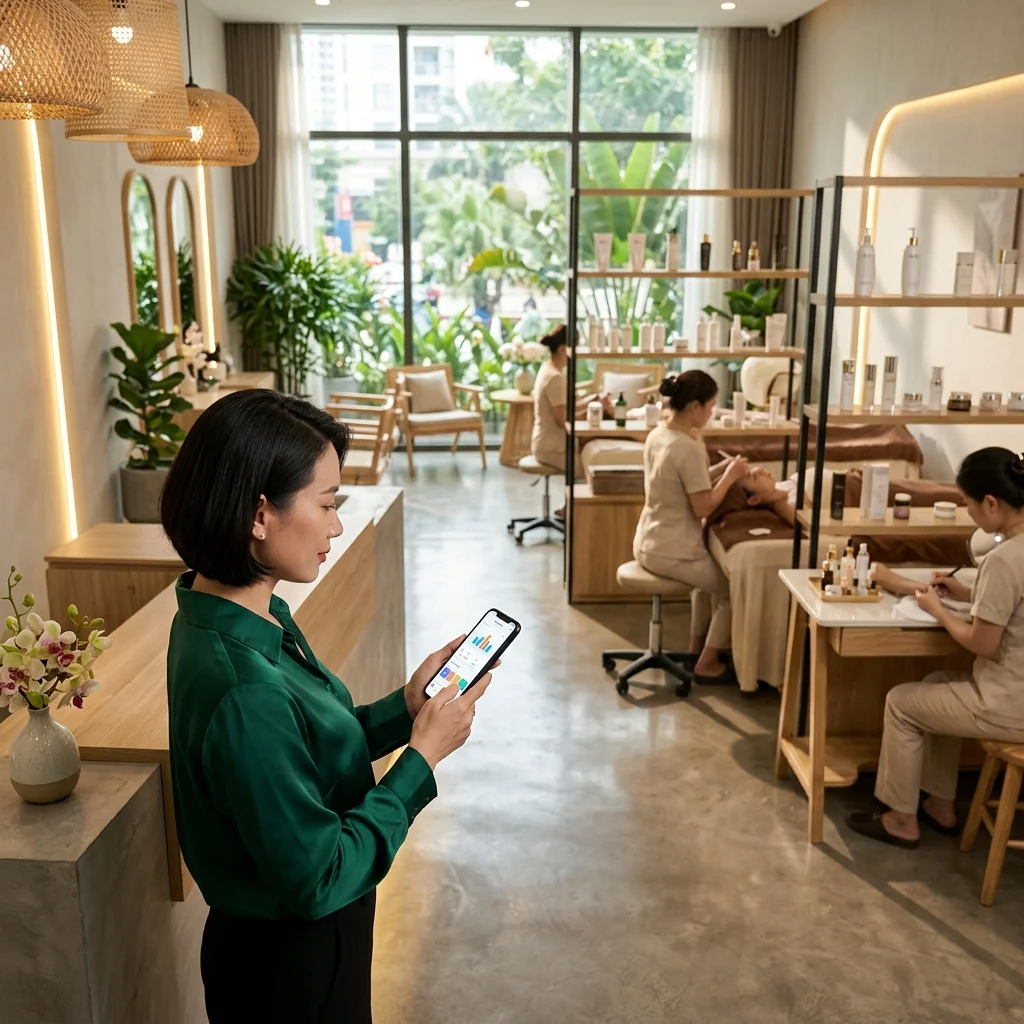
In the fast-paced retail landscape of Malaysia, where boutique outlets often operate across multiple locations, the workforce is the heart of the business. Empowering these floor staff requires a shift toward mobile-first technology. Implementing effective HR tools – applications for Fashion field in malaysia allows retail managers to bridge the gap between back-office operations and the shop floor. By putting essential administrative tools directly into the hands of employees, companies can foster a culture of transparency, efficiency, and empowerment.
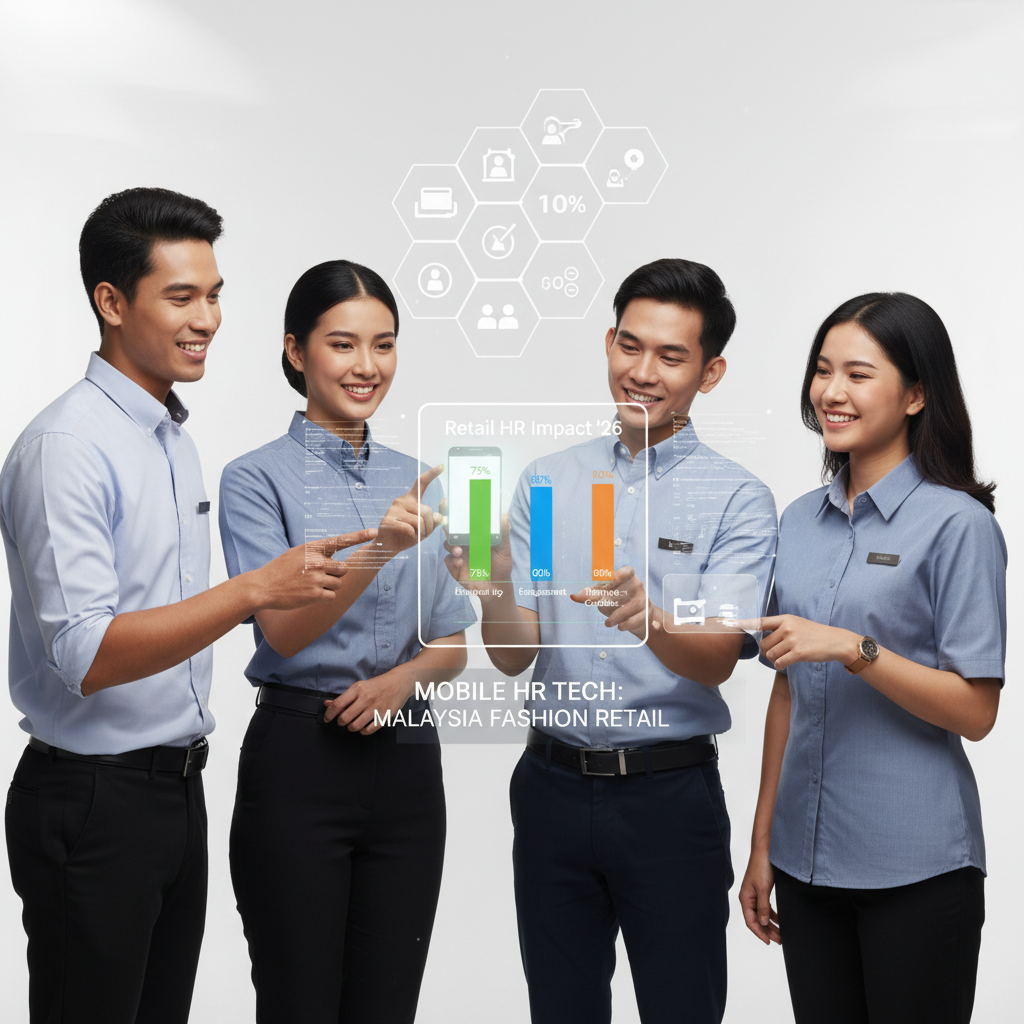
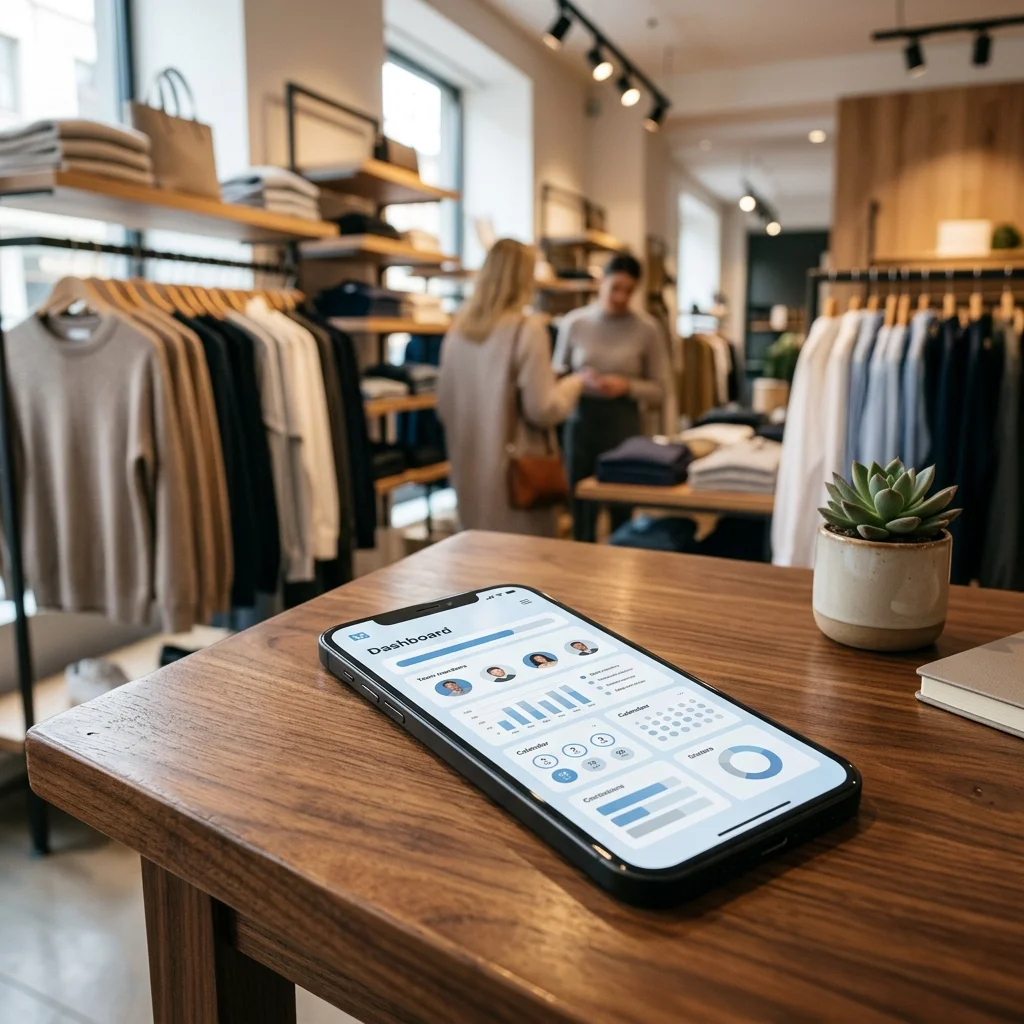
Modern mobile applications for retail ensure that staff members are not tethered to a physical office computer. Whether a fashion stylist is assisting a customer or a floor manager is checking inventory, access to HR information must be instantaneous. This digital transformation reduces administrative friction and allows employees to focus on what they do best: providing exceptional customer service.
1. Real-Time Roster Updates
Traditional scheduling in the retail sector often leads to miscommunication, with paper-based rosters or static spreadsheets becoming outdated the moment they are printed. Mobile HR apps enable real-time roster updates, ensuring that every employee—whether they are based in a flagship store in Kuala Lumpur or a boutique in a suburban mall—has access to the most current schedule. When a shift change occurs, the system automatically notifies the concerned staff, reducing the likelihood of no-shows and optimizing staffing levels during peak shopping hours. This agility is vital in the competitive fashion industry where staffing needs can fluctuate based on seasonal trends and promotional events.
2. Direct Internal Communication Channels
Communication silos are the primary cause of disengagement in multi-site retail operations. Mobile HR applications serve as a central hub, facilitating seamless communication between the corporate head office, store managers, and floor staff. According to McKinsey & Company, the future of work in retail heavily relies on digital enablement to enhance the employee experience. By integrating messaging platforms within HR tools, employees can receive company-wide announcements, visual merchandising guidelines, or policy updates instantly. This fosters a sense of belonging and ensures that every team member, regardless of their position, is aligned with the brand’s vision.
3. Instant Leave and Claim Approvals
The manual process of submitting leave requests or travel claims is a significant pain point for retail employees. Searching for paper forms or waiting for a store manager to visit the office can delay essential administrative tasks. Mobile-first HR applications streamline this by allowing staff to upload leave requests or expense claims directly from their smartphones. Managers can review and approve these requests in real-time, even when they are moving between multiple boutique locations. This digitization not only speeds up the reimbursement process but also improves employee morale by showing that the company respects their time and administrative needs.
In conclusion, adopting advanced mobile HR solutions is no longer a luxury but a strategic necessity for the fashion retail sector in Malaysia. By focusing on real-time roster management, clear communication, and efficient administrative workflows, businesses can significantly improve their employee engagement and operational productivity. Embracing these mobile-first practices positions retail brands to succeed in an increasingly digital marketplace.
Which Recruitment Apps Solve High Turnover in Fashion Retail?
In the fast-paced world of Malaysian fashion retail, the festive seasons—such as Hari Raya, Chinese New Year, and Deepavali—bring a massive surge in demand. This creates a recurring nightmare for HR managers: the need to hire vast numbers of temporary staff quickly, only to face high turnover rates shortly after. To combat this, fashion brands are increasingly relying on specialized HR tools – applications for Fashion field in malaysia to stabilize their workforce and maintain operational excellence.
By integrating sophisticated technology, brands can filter out unqualified candidates faster and create a welcoming environment that encourages long-term retention even among part-timers. Below, we examine the specific functionalities that make these applications indispensable for retailers.
1. Automated Resume Screening
During peak shopping seasons, fashion retailers are often flooded with hundreds of applications for entry-level floor roles. Manually reviewing these is impossible without sacrificing quality. Automated resume screening, a core feature in many modern Applicant Tracking Systems (ATS), uses AI to scan incoming CVs for specific keywords related to retail experience, customer service skills, and availability during weekends. According to the Society for Human Resource Management (SHRM), automation significantly reduces the burden on HR departments, allowing them to focus on interviewing high-intent candidates rather than sorting through spam applications. This ensures that the candidates who make it to the interview stage are actually equipped to handle the high-pressure environment of a bustling fashion boutique.
2. Digital Onboarding Workflows
High turnover in retail is often exacerbated by a disorganized first week. When a new hire feels confused or undervalued, they are more likely to quit. Digital onboarding workflows bridge this gap by digitizing the paperwork, training materials, and brand orientation process. These apps allow new employees to complete legal documentation, review store protocols, and learn about the brand’s aesthetic and customer service ethos via their mobile devices before they even step onto the sales floor. By automating this administrative burden, managers can spend their time actively mentoring staff, fostering a sense of belonging, and ensuring that new team members understand their role, which directly correlates to lower early-stage turnover.
3. Shortening the Time-to-Hire
In retail, speed is everything. If the hiring process takes too long, top candidates will likely accept offers from competitors offering faster start dates. Recruitment apps streamline the entire lifecycle—from job posting across multiple platforms to scheduling interviews and sending out offer letters—through a single dashboard. By leveraging mobile-first interview scheduling tools and integrated communication features, HR managers in Malaysia can cut down the time-to-hire significantly. Reducing this lag time ensures that stores are fully staffed well before the peak rush hits, preventing staff burnout and ensuring the customer experience remains high, which in turn creates a more positive work environment that employees are less likely to leave prematurely.
What Are the Expected HR Tech Trends for Retail by 2026?
As the fashion retail landscape in Malaysia continues to evolve at an unprecedented pace, the integration of technology into human resource management has shifted from a luxury to a strategic necessity. By 2026, HR departments in the fashion sector will rely heavily on sophisticated digital ecosystems to navigate the complexities of retail labor, including high turnover rates and the need for agile staffing. The adoption of advanced HR tools – applications for Fashion field in malaysia will empower brand managers to streamline operations while fostering a more engaging employee experience.
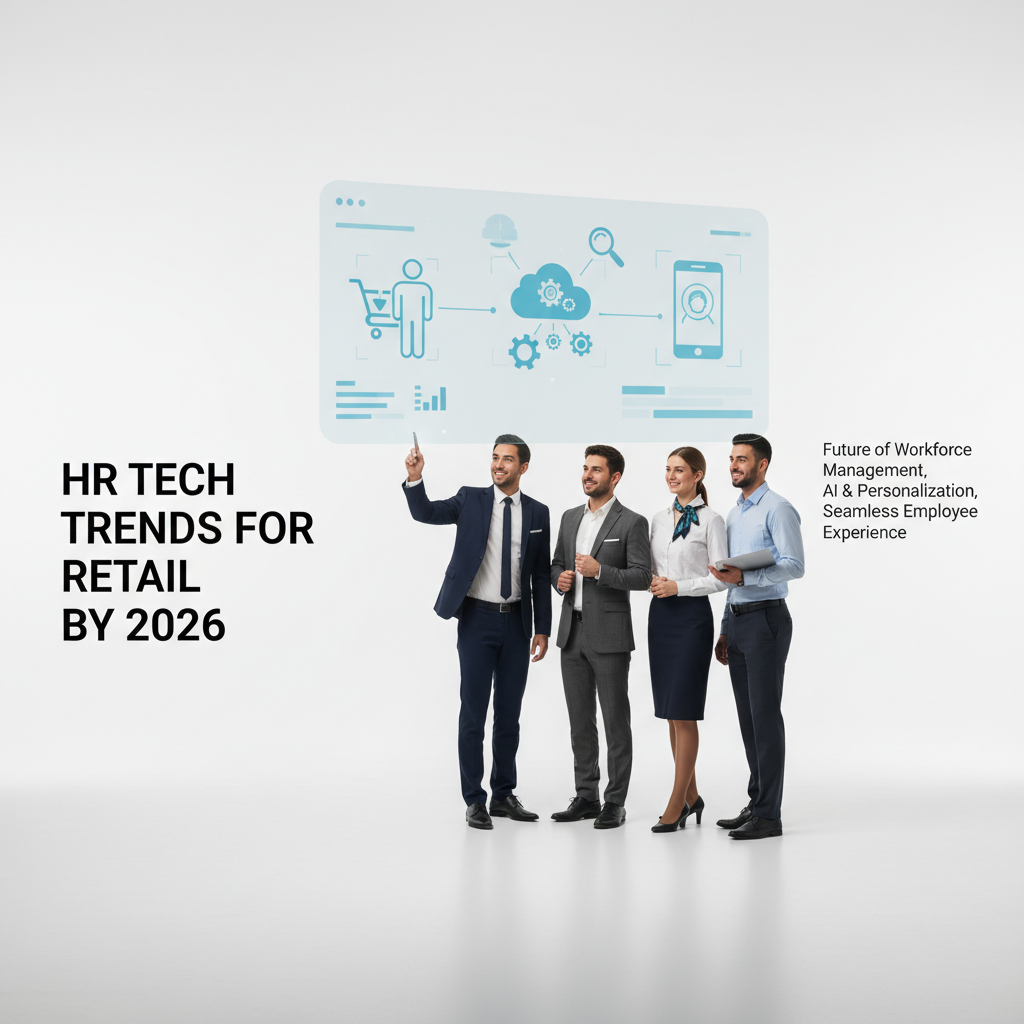
To remain competitive in the Malaysian market, fashion retailers must embrace data-centric methodologies. Whether you are managing boutique outlets in Kuala Lumpur or large-scale distribution centers, the following trends will define the future of the industry.
1. AI-Driven Predictive Retention
The high churn rate typical of the retail sector is a persistent challenge for Malaysian fashion brands. By 2026, AI-driven predictive retention will become the standard for talent management. These systems utilize historical data and machine learning algorithms to identify “at-risk” employees before they resign. By analyzing patterns such as sudden spikes in absenteeism, changes in engagement metrics, or stagnation in skill development, HR teams can intervene with targeted interventions—such as customized training, salary adjustments, or shift flexibility—to retain top-tier talent. This proactive approach not only reduces recruitment costs but also ensures institutional knowledge is preserved within the brand.
2. Integration with Retail POS Systems
Operational efficiency in fashion retail hinges on the seamless flow of data between the sales floor and the HR department. Modern HR tools – applications for Fashion field in malaysia are increasingly offering robust integration with Point of Sale (POS) systems. This synergy allows for real-time visibility into staff productivity relative to store traffic. By syncing POS data with workforce management software, managers can optimize scheduling based on peak shopping hours, ensuring that the right number of sales associates are present during busy weekend sales or promotional events in major shopping hubs like Pavilion or Mid Valley.
3. Automated Commission Calculations
Manual commission tracking is a major pain point that often leads to errors and employee dissatisfaction in the fast-paced retail environment. By 2026, automated commission calculations will become an industry-standard feature within payroll software, significantly reducing administrative burden and increasing transparency. According to Gartner’s insights on HR technology, the automation of compensation workflows is vital for maintaining employee trust and motivation. By automating the link between individual sales performance, store-wide targets, and final payroll, fashion retailers in Malaysia can eliminate disputes and incentivize performance through real-time feedback loops, ensuring that employees have a clear, accurate view of their earnings at all times.
The transformation of HR tech in the Malaysian fashion sector is not merely about adopting new software; it is about creating a data-driven culture that values employee performance as much as customer satisfaction. As these technologies mature, retailers who prioritize digital integration will find themselves better positioned to weather economic shifts and capitalize on growth opportunities in the burgeoning retail market.
Partner with Shelby Global
You are looking for reliable HR Sevice Suppliers? Contact Shelby Global Now! To connect with verified talents and upgrade your orginization.
—————————————
References
– McKinsey State of Fashion 2024: https://www.mckinsey.com/industries/retail/our-insights/the-state-of-fashion-2024
– Lembaga Hasil Dalam Negeri (LHDN): https://www.hasil.gov.my/
– The future of work in retail: https://www.mckinsey.com/industries/retail/our-insights/the-future-of-work-in-retail
– Society for Human Resource Management: https://www.shrm.org/
– Gartner HR Technology Insights: https://www.gartner.com/en/human-resources/insights/human-resources-technology