The Role of HR Tech in Malaysia’s Supply Chain
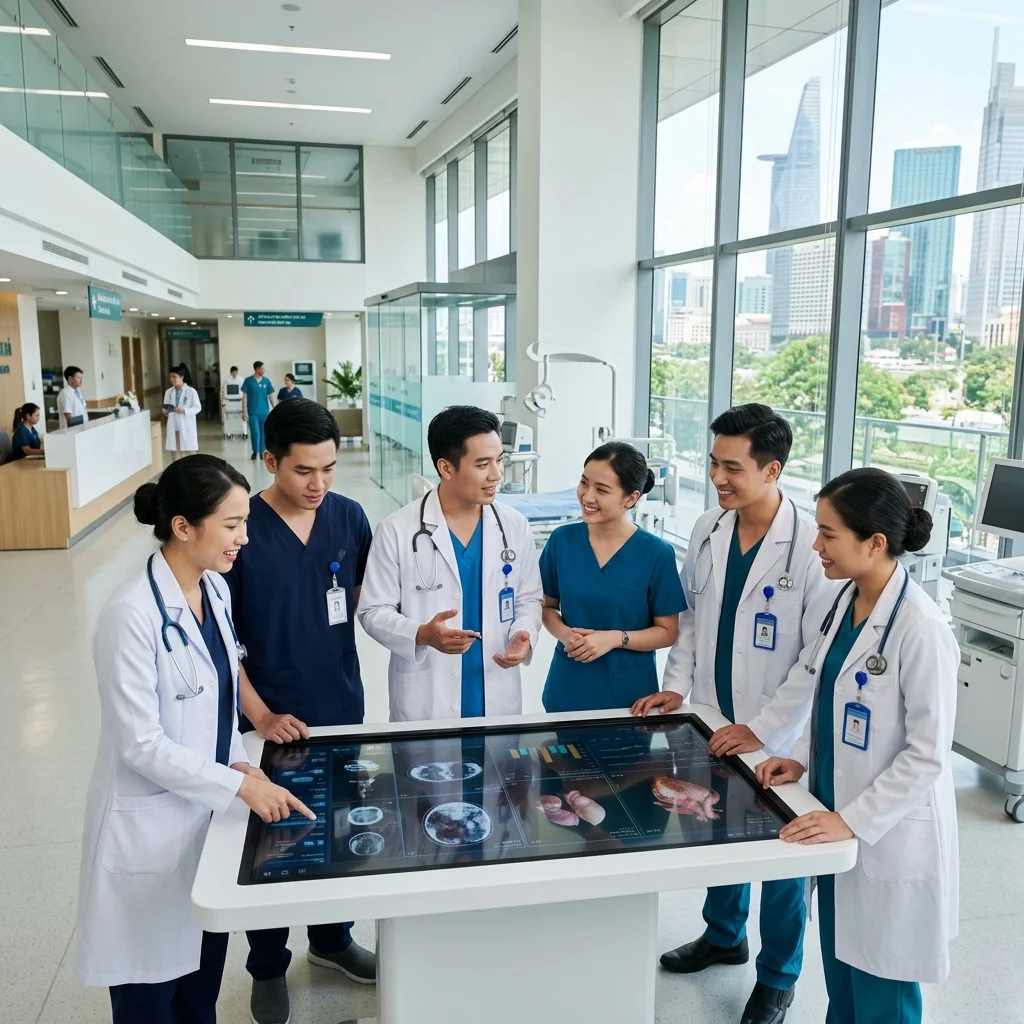
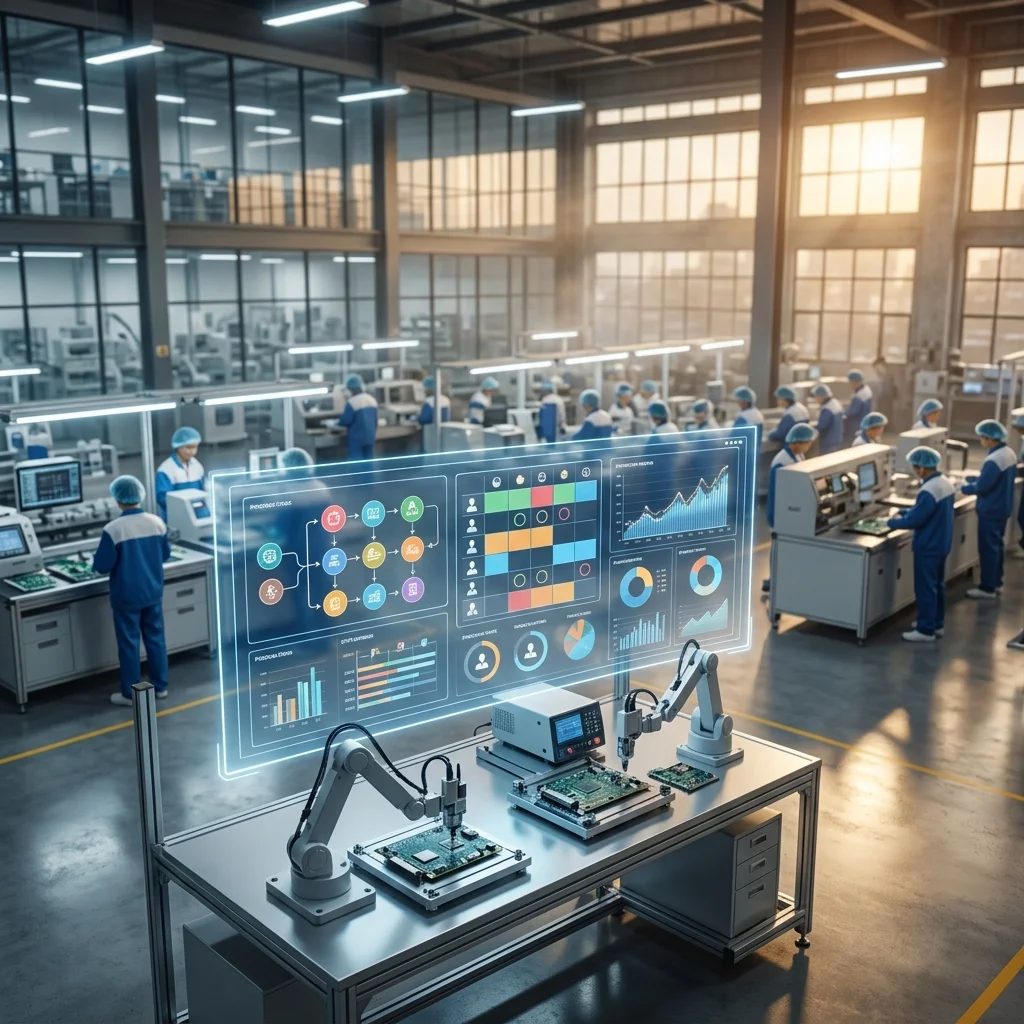
Malaysia’s logistics and supply chain sector is currently undergoing a period of intense growth, driven by e-commerce expansion and the nation’s strategic position in global trade. However, the operational reality of this industry involves a highly distributed workforce, fluctuating demand, and the constant pressure of rapid delivery timelines. To maintain competitive advantage, industry leaders are increasingly relying on specialized HR tools – applications for logistics field in malaysia to streamline human capital management.

1. Addressing High Employee Turnover
The logistics sector in Malaysia faces perennial challenges with high employee turnover, particularly among warehouse personnel and last-mile delivery teams. The churn rate often stems from physically demanding work, long hours, and limited career progression visibility. Advanced human resources platforms allow companies to implement automated onboarding and structured engagement programs that foster loyalty. By utilizing predictive analytics, managers can identify high-risk employees likely to leave and proactively offer training or performance-based incentives. According to industry analysis by McKinsey & Company, digitizing talent management is essential for retaining top-tier logistics personnel in high-growth markets like Southeast Asia.
2. Managing Remote Drivers and Riders
With thousands of riders and drivers operating outside the confines of a traditional office, visibility and compliance become significant hurdles. Specialized HR technology bridges this gap by offering mobile-first applications that allow for real-time attendance tracking, automated payroll processing, and immediate communication. These tools ensure that gig workers and contract drivers remain aligned with corporate safety standards and performance KPIs. By integrating GPS-enabled check-ins with automated leave management systems, firms can ensure fair compensation for distance traveled, thereby reducing disputes and improving workforce morale across the Malaysian archipelago.
3. Digital Transformation Trends for 2026
As we move further into 2026, the adoption of Artificial Intelligence (AI) and Machine Learning (ML) within HR workflows is becoming the standard. In the Malaysian logistics context, this means moving beyond manual spreadsheets toward predictive labor scheduling. Companies are now utilizing AI-driven forecasting to anticipate busy periods—such as the 11.11 or 12.12 sales events—and adjusting staffing levels automatically. Furthermore, the integration of cloud-based HR systems is allowing smaller logistics startups to compete with major incumbents by offering enterprise-grade benefits administration and digital performance reviews. This digital shift not only drives operational efficiency but also builds a more resilient, tech-enabled supply chain capable of adapting to the rapid evolution of the Malaysian market.
Core Shift Scheduling and Time Tracking Tools
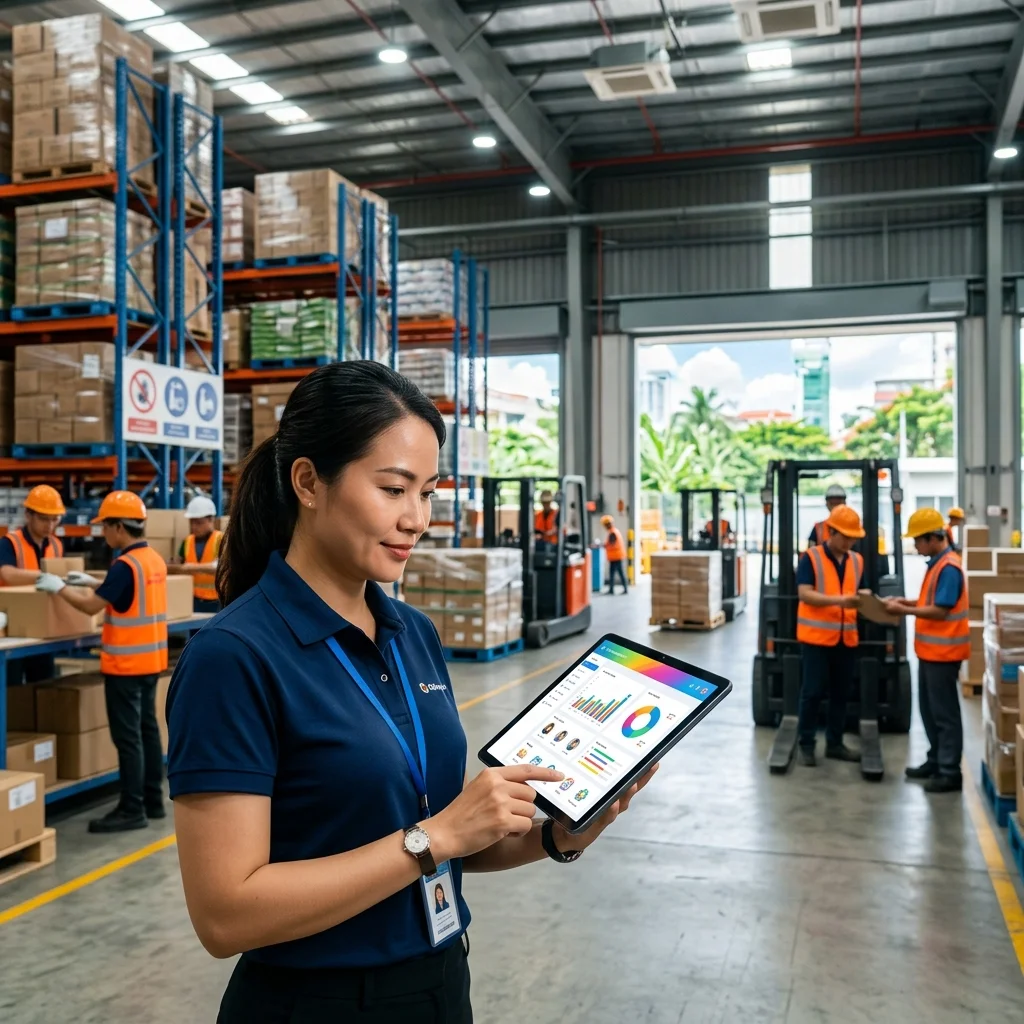
In the fast-paced logistics sector, operational efficiency hinges on precision. Managing a distributed workforce across warehouses and transport routes requires robust infrastructure. Adopting the right HR tools – applications for logistics field in malaysia is no longer optional; it is a fundamental necessity for businesses aiming to reduce human error and minimize administrative overhead. These specialized systems allow companies to sync shift schedules with real-time labor demands, ensuring that the right personnel are always where they need to be.
-
Automated Roster Planners
Manual scheduling is notoriously difficult in the logistics industry, where shift patterns are often irregular and dependent on delivery schedules. Automated roster planners leverage algorithms to handle complexity, such as split shifts, rotating rosters, and varying legal rest periods. By integrating with supply chain management platforms, these planners ensure that staffing levels align perfectly with warehouse throughput or vehicle dispatch schedules. This automation significantly reduces the risk of understaffing during peak periods and eliminates the manual effort involved in reconciling paper-based schedules, leading to better operational flow.
-
Geofenced Time Clocks via Mobile
For mobile staff, such as delivery drivers, traditional time clocks are ineffective. Geofencing technology solves this by using GPS data to restrict clock-in and clock-out actions to authorized locations, such as designated distribution centers or specific client sites. This ensures high data integrity, preventing ‘buddy punching’ and providing an accurate trail of employee presence. According to recent standards set by the International Labour Organization, clear documentation of work hours is essential for maintaining fair labor practices, and mobile-first geofenced tools provide the transparency required to meet these global compliance standards effortlessly.
-
Overtime Compliance Tracking
Managing overtime costs in the logistics industry is a frequent pain point, especially with the strict labor regulations prevalent in Malaysia. HR applications for logistics automatically flag when an employee approaches their maximum daily or weekly hours, sending alerts to both management and the worker. This proactive approach not only keeps payroll expenses under control but also shields the company from potential legal liabilities associated with excessive work hours. By digitizing overtime tracking, managers can generate instant reports for audits, ensuring that all compensation is transparent, accurate, and fully compliant with local labor laws, while also fostering a safer work environment by preventing employee burnout.
By integrating these core tools, businesses in Malaysia can transform their HR operations from a purely administrative function into a strategic asset that supports growth and operational reliability.
Payroll Software Tailored for Logistics
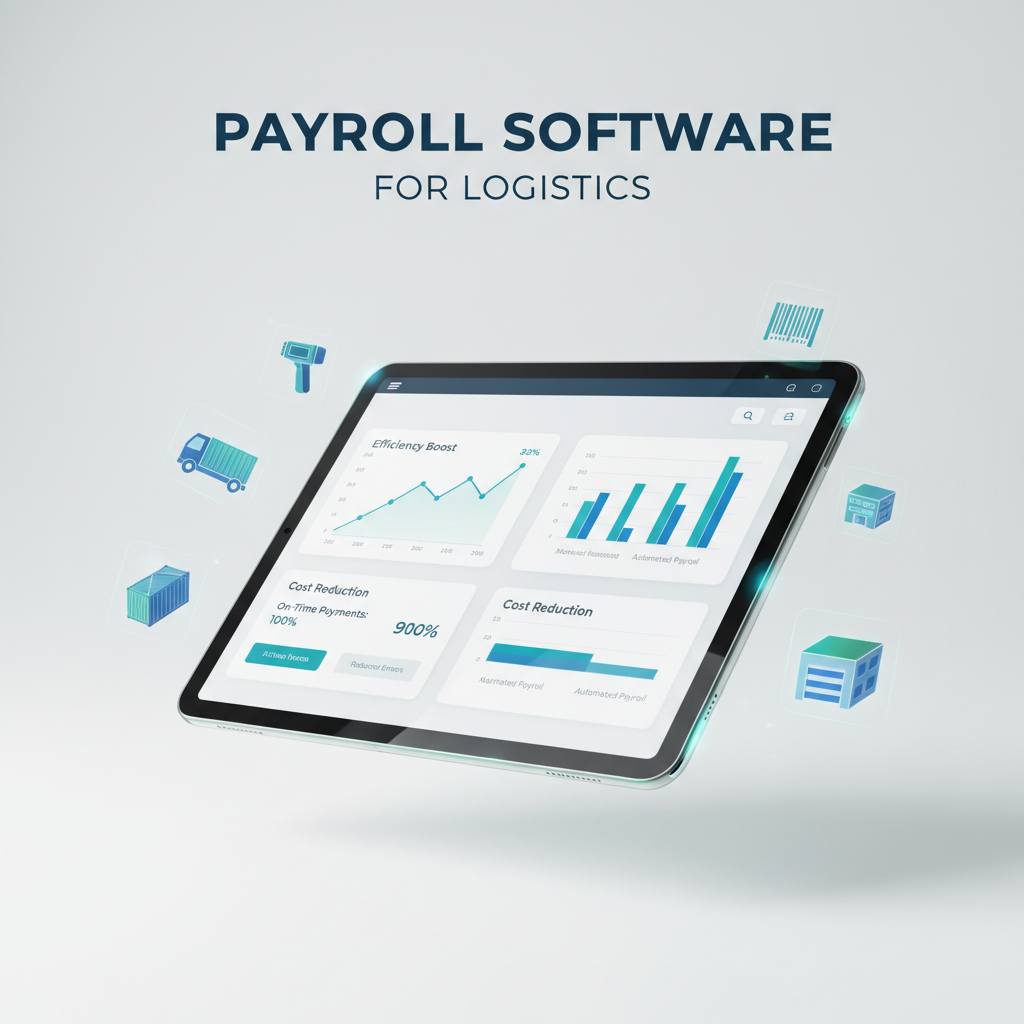
In the fast-paced logistics industry, manual payroll processing is not only inefficient but prone to human error, leading to dissatisfaction among drivers, warehouse staff, and fleet managers. Utilizing dedicated HR tools – applications for logistics field in malaysia allows firms to streamline complex compensation structures, ensuring compliance with local labor regulations while maintaining operational continuity. These platforms are engineered to handle the unique demands of a workforce that frequently shifts between day, night, and weekend hours.
1. Handling Variable Allowances and Claims
Logistics personnel often rely on a variety of variable income components, including fuel claims, transport allowances, shift premiums, and overtime pay. Manually calculating these can be an administrative nightmare. Specialized payroll systems automatically pull data from time-tracking modules to calculate overtime rates based on the Malaysian Employment Act, ensuring that workers are compensated accurately for every hour logged. By digitizing claim submissions, employees can upload receipts via mobile apps, enabling managers to approve expenses in real-time and reducing the turnaround time for reimbursement.
2. Statutory Contributions (EPF, SOCSO, EIS)
Compliance is non-negotiable when operating in Malaysia. Employers must accurately calculate and remit contributions to the Employees Provident Fund (EPF), the Social Security Organisation (SOCSO), and the Employment Insurance System (EIS). Modern payroll software automates these deductions based on the most current government tables. Because logistics companies often employ contract laborers or part-time drivers, the system intelligently differentiates contribution requirements based on employee status, preventing costly penalties and legal complications associated with miscalculation or late filings.
3. Automated EA Form Generation
As the tax season approaches, the burden of generating EA forms can overwhelm HR departments. In a logistics setting where the workforce is highly distributed, distributing physical tax documents is inefficient. Integrated payroll software simplifies this by automatically generating and archiving EA forms for all employees. These documents are then accessible through an employee self-service portal, allowing staff to download their forms for LHDN tax filings instantly. This automation ensures that companies remain compliant with annual tax reporting deadlines while significantly reducing the administrative workload on HR teams, allowing them to focus on broader talent management strategies rather than clerical paperwork.
Employee Onboarding and Training Platforms
In the fast-paced logistics industry, the speed and accuracy of your induction process directly impact operational efficiency and workplace safety. As businesses expand, manual paperwork and inconsistent orientation sessions are no longer viable. Implementing sophisticated HR tools – applications for logistics field in malaysia allows warehouse managers and transport coordinators to automate the onboarding journey, ensuring that every hire is prepared from their very first shift.
-
Mobile-First Digital Onboarding
For warehouse and transport teams, desk-bound training is a bottleneck. Modern digital onboarding platforms prioritize mobile-first accessibility, allowing drivers and warehouse operatives to complete their induction paperwork, sign contracts, and review company policies directly from their smartphones. By digitizing the initial documentation phase, companies reduce the administrative burden on HR teams while ensuring that new hires are compliant before they even step onto the loading dock. This seamless transition is essential for high-turnover sectors where time-to-productivity is a critical KPI.
-
OSHA Safety Protocol Certifications
Safety is the cornerstone of any logistics operation. Regulatory bodies, such as the Occupational Safety and Health Administration (OSHA), mandate rigorous training standards to prevent workplace accidents involving heavy machinery and hazardous materials. Advanced training platforms now integrate automated safety certification modules, requiring new hires to pass assessments on equipment handling, PPE usage, and emergency evacuation procedures. By tracking these certifications through a centralized dashboard, managers can prevent non-certified personnel from operating vehicles or machinery, significantly mitigating liability and fostering a culture of safety-first excellence.
-
Continuous Skill Tracking and Updates
The logistics landscape is constantly evolving with the introduction of new warehouse management systems (WMS) and automated transport technologies. Static training is insufficient; companies must leverage HR platforms that support continuous learning. These tools provide a scalable framework to roll out micro-learning updates, system patches, or new safety protocols across a dispersed workforce. By utilizing integrated skill-tracking features, managers can maintain a real-time matrix of employee competencies, identifying knowledge gaps and scheduling refresher training automatically. This proactive approach ensures that your workforce remains agile, compliant, and ready to meet the logistical demands of the modern supply chain.
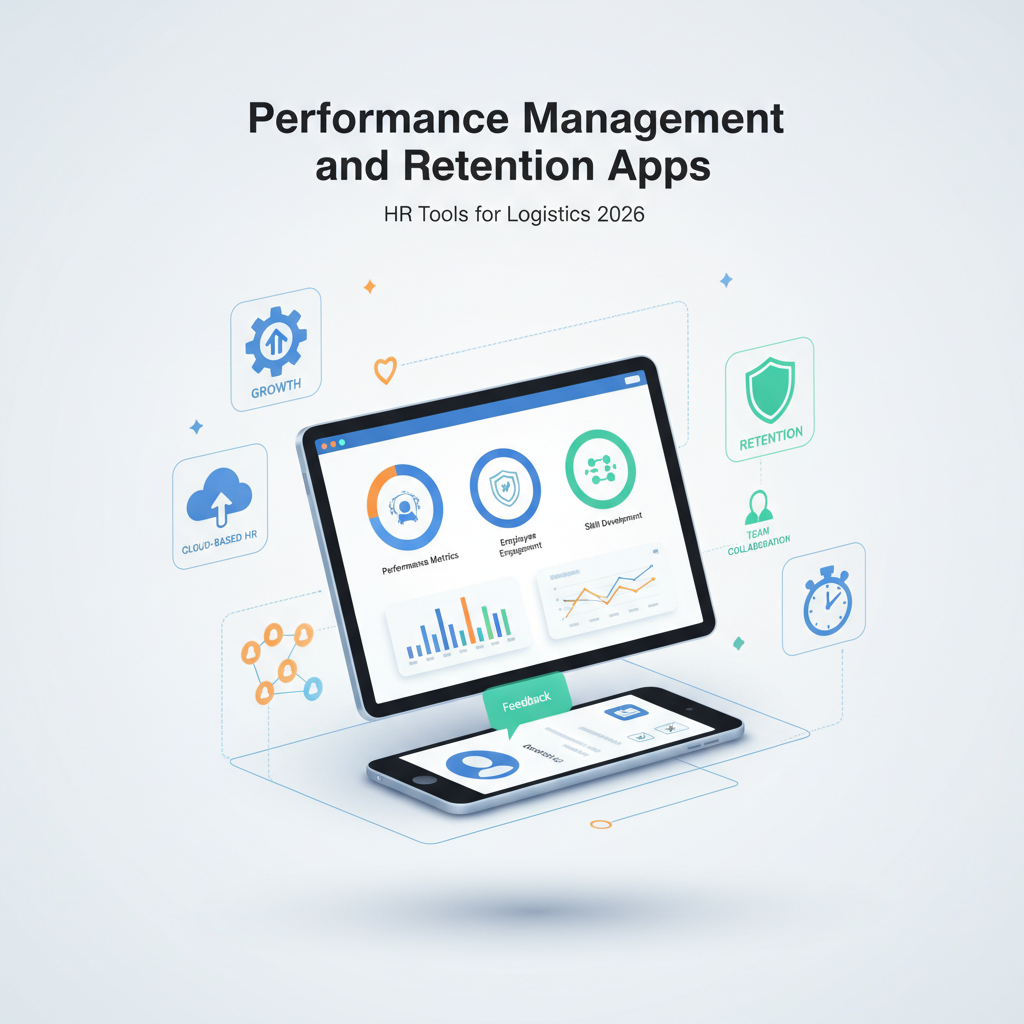
Performance Management and Retention Apps
In the high-pressure environment of the Malaysian logistics sector, maintaining a high-performing workforce is the cornerstone of operational excellence. As businesses scale, relying on manual spreadsheets to track staff efficacy is no longer viable. Implementing sophisticated HR tools – applications for logistics field in malaysia allows firms to bridge the gap between complex scheduling and human-centric management. By centralizing performance data, logistics managers can identify bottlenecks, reward top talent, and mitigate the high turnover rates common in the industry.
1.
KPI Tracking for Dispatchers
Dispatchers serve as the central nervous system of any logistics operation. To ensure they are meeting delivery targets and maintaining service level agreements (SLAs), managers should utilize dedicated digital dashboards. These applications allow for real-time monitoring of key performance indicators (KPIs) such as “on-time delivery rates,” “route optimization efficiency,” and “fuel consumption metrics.” According to SHRM, data-driven performance management significantly boosts engagement by providing employees with clear, objective targets. By automating the tracking process, companies in Malaysia can provide constructive feedback instantly, ensuring that dispatchers understand exactly where they are succeeding and where improvements are required.
2.
Two-Way Driver Feedback Loops
Retention in the logistics sector often hinges on whether frontline employees—specifically drivers—feel heard and valued. Modern HR platforms enable two-way feedback loops, allowing drivers to report road conditions, vehicle maintenance issues, or safety concerns directly through a mobile app. This transparency builds trust and empowers staff to take ownership of their roles. Furthermore, when dispatchers and management respond to these inputs, it fosters a culture of collaboration rather than top-down instruction, which is essential for reducing long-term churn.
3.
Employee Recognition and Reward Programs
Implementing a digital reward system is a powerful mechanism for increasing morale and retention. Logistics applications can automatically trigger notifications or points-based rewards when a driver or warehouse operative hits specific milestones, such as a streak of accident-free days or consistently high customer satisfaction ratings. By digitizing these reward programs, Malaysian logistics companies can provide immediate gratification, which is often more effective than traditional annual bonuses. Recognizing top-tier performance not only validates the employee’s contribution but also creates a competitive yet healthy environment that encourages the entire team to improve their professional standards. Ultimately, leveraging these technology-driven management systems allows logistics providers to optimize their human capital, ensuring that talented staff remain loyal to the organization even in a highly competitive market.
Partner with Shelby Global
You are looking for reliable HR Sevice Suppliers? Contact Shelby Global Now! To connect with verified talents and upgrade your orginization.
—————————————
References
– McKinsey & Company Insights on Logistics: https://www.mckinsey.com/industries/travel-logistics-and-infrastructure/our-insights
– International Labour Organization: https://www.ilo.org/
– Employees Provident Fund (EPF): https://www.kwsp.gov.my/
– Occupational Safety and Health Administration: https://www.osha.gov
– Society for Human Resource Management: https://www.shrm.org