The Current Landscape of Film Salaries in Malaysia
The Malaysian film industry, a vibrant and evolving sector within Southeast Asia’s creative economy, presents a dynamic landscape when it comes to compensation for its diverse workforce. Understanding the present state of remuneration is crucial for both aspiring professionals and established veterans navigating career paths and project negotiations. From foundational entry-level figures to lucrative senior roles, a clear picture of film salaries helps in formulating a robust Salary Defining Strategy for all job titles in Films field in malaysia, ensuring fair and competitive pay. This section explores current compensation trends, influenced by local market dynamics, international collaborations, and regional economic variations.
-
Average Salary Ranges Across Key Film Departments (e.g., Production, Post-Production, Creative)
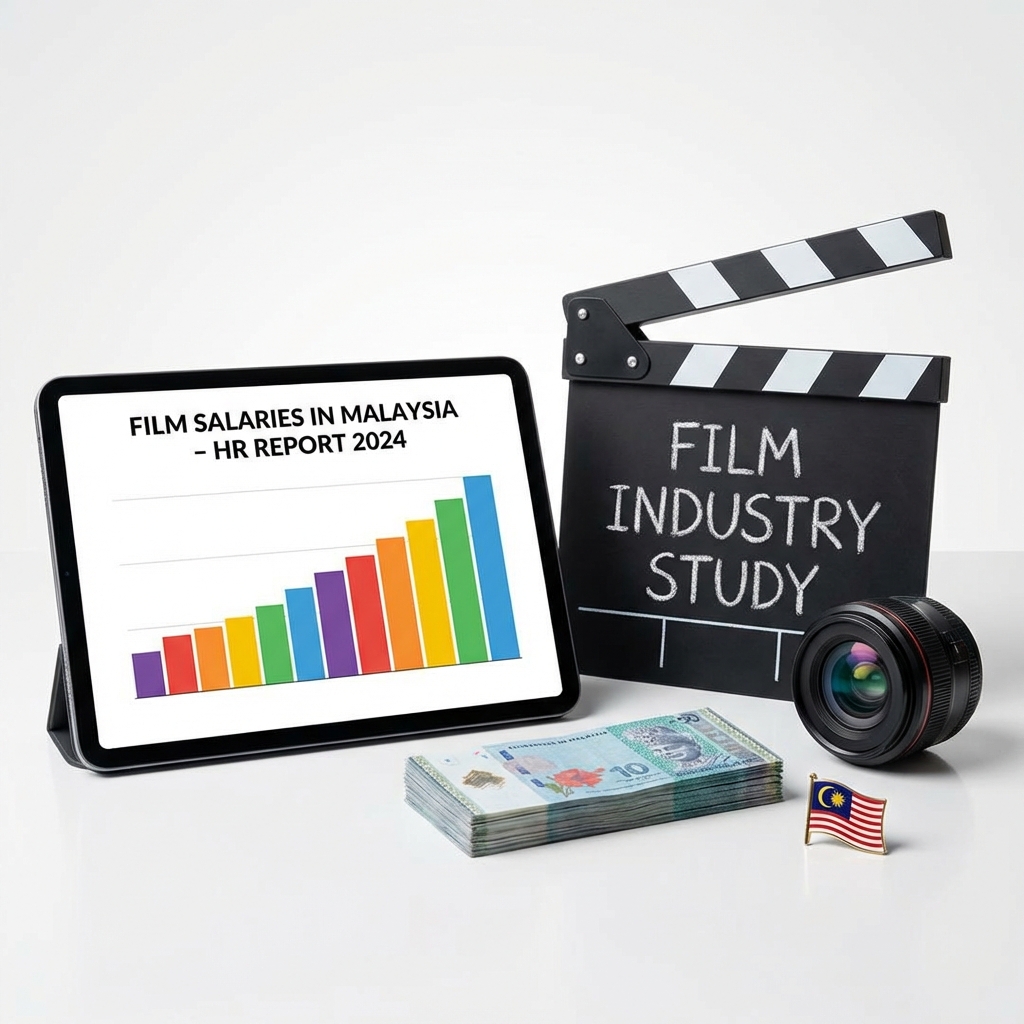
Salaries in the Malaysian film industry vary significantly based on department, experience, and project scale. Entry-level roles, such as Production Assistants (PAs) or junior crew, typically command a monthly salary from RM 1,800 to RM 3,000, often starting with project-based daily rates. These foundational figures offer valuable on-set experience. As professionals gain experience, their earning potential increases.
In the Production Department, mid-level roles like Assistant Directors (ADs) or Production Coordinators can earn between RM 3,500 and RM 7,000 monthly, depending on the project’s budget and duration. Senior positions, such as Line Producers or Unit Production Managers, can see salaries climb to RM 8,000 – RM 15,000 or more for major productions, reflecting their extensive responsibilities.
The Post-Production Department offers competitive rates for specialized skills. Editors with 3-5 years of experience might earn RM 4,000 – RM 8,000, while senior editors or colorists on high-profile projects could command RM 9,000 – RM 15,000+. VFX artists, particularly those proficient in specialized software, often see salaries in a similar range, with highly sought-after supervisors earning upwards of RM 15,000. Audio engineers and sound designers follow this pattern, with experienced professionals earning significantly more.
Within the Creative Department (directors, writers, cinematographers), compensation structures are often project-based and highly variable. Emerging directors might receive RM 5,000 – RM 15,000 for short films, while established directors for mainstream films can command five or six-figure fees per project, depending on reputation and budget. Experienced cinematographers and screenwriters can negotiate substantial fees based on their portfolios and industry demand. These figures, while general, illustrate the broad spectrum of film industry compensation, underscoring the importance of skill development and networking.
-
Impact of Local Production vs. International Collaborations on Wages
A significant factor influencing film industry compensation in Malaysia is the distinction between purely local productions and international collaborations. International projects, whether Hollywood blockbusters filming segments or regional co-productions with larger budgets, invariably offer higher wage rates. This disparity stems from larger financial backing, adherence to international union rates, and the demand for specialized skills meeting global standards.
Crew members on international shoots often benefit from rates 30-100% higher than local productions for comparable roles. For instance, a gaffer or grip might earn RM 300-500 daily on a local independent film, but could command RM 800-1,500 daily on an international production. This creates a dual market, where local talent with international experience becomes highly sought after, commanding premium rates. This trend also influences overall film industry compensation, pushing local standards upwards as Malaysian talent gains exposure on a global stage. The availability of higher-paying international projects encourages local professionals to continuously upgrade skills, leading to significantly better earning potential.
-
Regional Salary Variations within Malaysia (e.g., Kuala Lumpur vs. other states)
Geographic location plays a crucial role in determining film salaries within Malaysia. Kuala Lumpur, as the nation’s capital and undisputed hub of creative industries, naturally offers the highest average salaries. The concentration of major production houses, agencies, and post-production facilities in KL drives demand for skilled professionals, leading to more competitive compensation. The higher cost of living in the Klang Valley also necessitates better wages.
In contrast, other states like Penang, Johor, Sabah, and Sarawak, while developing their own burgeoning film scenes, generally present lower average salary ranges. Production activities outside Kuala Lumpur are often smaller in scale, with independent films or documentaries forming the bulk of projects. For instance, an entry-level position paying RM 2,500 in Kuala Lumpur might offer RM 1,800-2,200 in a different state. However, these regions offer unique filming locations and a growing talent pool, making them attractive for certain productions, albeit usually with tighter budgets. The Department of Statistics Malaysia’s wage and salary statistics broadly reflect these regional economic disparities, inevitably impacting the film industry’s compensation. As the industry decentralizes, these disparities may lessen, but Kuala Lumpur is expected to remain the benchmark for top-tier film industry compensation.
Core Factors Shaping Film Industry Compensation
The vibrant and dynamic film industry in Malaysia, much like its global counterparts, operates on a complex framework when it comes to compensating its diverse array of professionals. From the visionary director to the meticulous sound mixer, myriad elements converge to determine individual salary levels. Understanding these core factors is crucial for both aspiring entrants and seasoned veterans looking to negotiate better terms or simply comprehend the market value of their skills. This section delves into the primary elements that dictate salary levels for film professionals in Malaysia, offering insights into the Salary Defining Strategy for all job titles in Films field in malaysia, from individual expertise and experience to the specific demands of a given production.
1.
Experience, Portfolio, and Specialized Skill Sets
One of the most significant determinants of compensation in the Malaysian film industry is a professional’s demonstrable experience and the quality of their portfolio. Entry-level positions naturally command lower salaries, while individuals with years of practical experience, a proven track record of successful projects, and a strong professional network can expect considerably higher remuneration. A compelling portfolio serves as tangible proof of one’s capabilities, showcasing creative vision, technical proficiency, and problem-solving skills across various past productions. Furthermore, specialized skill sets are highly valued. For instance, expertise in niche areas like advanced visual effects (VFX) compositing, Dolby Atmos sound mixing, intricate drone cinematography, or proficiency with specific high-end camera systems (e.g., ARRI, RED) often translates directly into premium rates. As the industry evolves, professionals who continuously update and refine their technical and creative skills, particularly in areas seeing rapid technological advancement, position themselves advantageously in the salary landscape, making their expertise indispensable to modern film productions in Malaysia.
2.
Job Role Complexity, Responsibilities, and Project Scale
The nature of the job role itself profoundly impacts compensation. A director, responsible for the entire creative vision and execution, will naturally earn significantly more than a production assistant, whose responsibilities are typically more administrative and supportive. Beyond the titular role, the level of responsibility within that role also plays a critical part. A Head of Department (HOD) — such as a Director of Photography, Production Designer, or Editor — commands a higher salary due to their leadership duties, management of a team, and overall accountability for a key creative or technical aspect of the film. Moreover, the scale and budget of a project are paramount. Large-scale feature films, international co-productions, or high-budget commercial campaigns generally offer more competitive salaries and better benefits than smaller independent films, short films, or local television productions. These larger projects often have more extensive financial backing, allowing them to attract top talent by offering remuneration commensurate with the project’s ambition and the demands it places on its crew and cast. The specific requirements, duration, and even the shooting location within Malaysia (e.g., urban vs. remote locations) can also influence the overall compensation package.
3.
Education, Certifications, and Professional Development
While practical experience and a strong portfolio are often prioritized in the film industry, formal education, industry-recognized certifications, and a commitment to ongoing professional development also contribute to a professional’s earning potential. Degrees from reputable film schools or universities, especially those with strong industry ties, can provide a solid foundational understanding of filmmaking principles, networking opportunities, and a more structured entry into the industry. Certifications in specific software (e.g., Adobe Creative Suite, DaVinci Resolve, Avid Media Composer) or equipment operation (e.g., certified drone pilot, specific camera system training) demonstrate a verified level of competency and can make a candidate more attractive, particularly for specialized roles. Furthermore, continuous professional development, including attending workshops, masterclasses, and industry seminars, is vital. This commitment to lifelong learning ensures professionals stay abreast of new technologies, techniques, and industry best practices. Such dedication not only enhances skill sets but also signals a serious commitment to one’s craft, which can lead to career advancement, eligibility for more complex and higher-paying projects, and ultimately, a more robust salary outlook within the competitive creative industries.
Developing a Robust Salary Defining Strategy for Film Roles
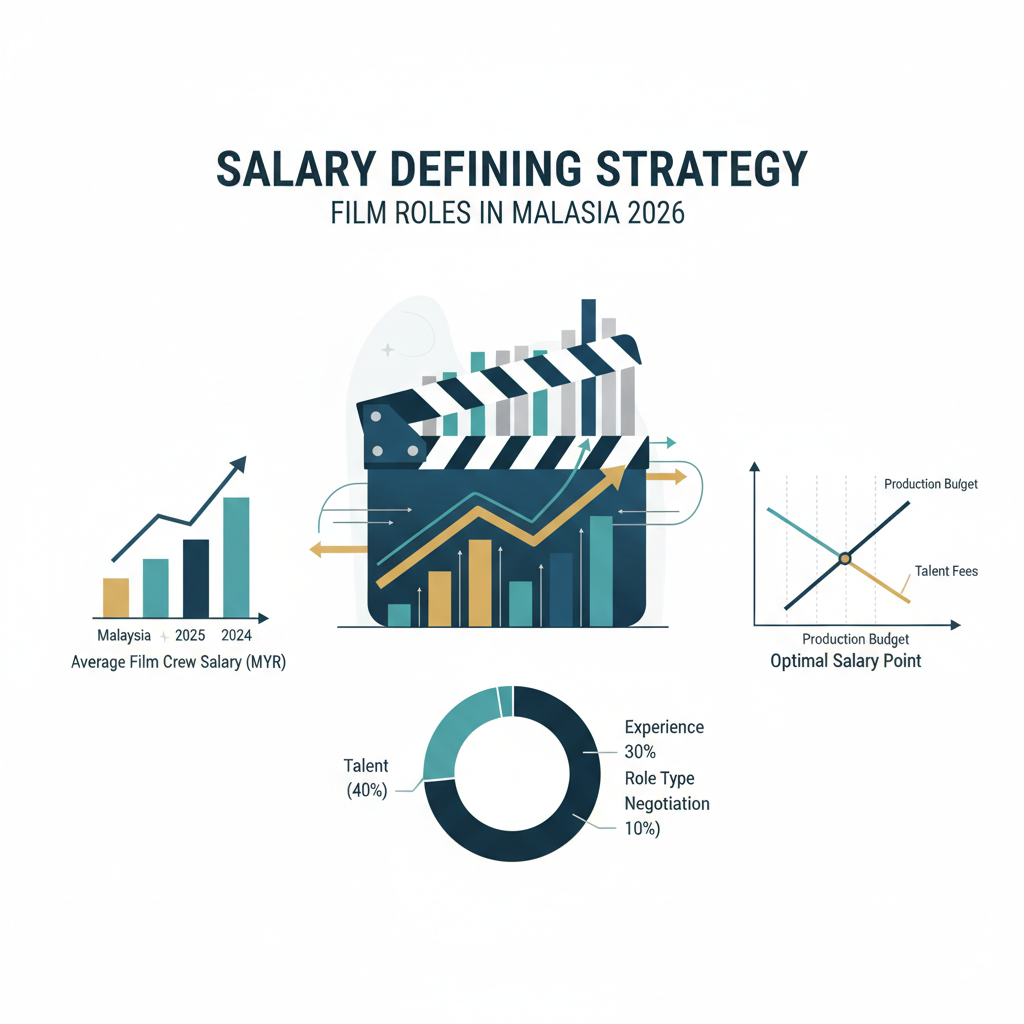
In Malaysia’s vibrant and rapidly evolving film industry, attracting and retaining top talent requires more than just compelling scripts and innovative production. A robust Salary Defining Strategy for all job titles in Films field in malaysia is paramount for both employers and individuals. This strategy ensures competitive compensation, fosters internal equity, and aligns with market expectations, ultimately contributing to a sustainable and thriving cinematic ecosystem. From film directors and producers to scriptwriters, cinematographers, editors, sound engineers, actors, and various crew members, establishing fair and transparent remuneration frameworks is crucial. It minimizes turnover, boosts morale, and enhances Malaysia’s appeal as a regional hub for film production, addressing key aspects like film industry compensation Malaysia, Malaysian film crew salaries, and talent retention film Malaysia.
1. Conducting Internal Equity Reviews and Job Valuations
The first step in crafting a fair compensation structure is an honest and thorough internal assessment. This involves meticulously reviewing every job role within a film production or company, from entry-level positions to senior management. For each role, a detailed job description should be developed, outlining key responsibilities, required skills, necessary experience, and the impact of the role on the overall project. This process helps in job valuation film roles, ensuring that positions with similar levels of complexity, responsibility, and required expertise are compensated comparably. Discrepancies often lead to dissatisfaction and attrition, making internal equity a cornerstone of any effective film industry HR strategies. Factors such as specialized technical skills (e.g., VFX artists), creative input (e.g., writers, directors), and leadership responsibilities (e.g., line producers) must be weighed carefully. Implementing a clear grading system or framework allows for transparent comparison and justification of salary differences, addressing concerns about fair pay film jobs and fostering a sense of fairness across the team.
2. Leveraging Industry Surveys and Data Analytics for Benchmarking
Once internal equity is established, the next critical step is to benchmark against external market rates. This involves gathering and analyzing data from various sources to understand what competitors are paying for similar roles. For the Malaysian film industry, this might involve looking at local production houses, regional counterparts in Southeast Asia, and even global benchmarks for highly specialized roles. Accessing reputable industry surveys and compensation reports is vital. While specific Malaysian film salary surveys might be niche, general creative industry surveys or broader HR compensation data for Malaysia can provide valuable insights. Data analytics can help identify trends, average salaries, and pay ranges for roles like actor salaries Malaysia, director salaries Malaysia, and various freelance film rates Malaysia. This ensures that the proposed salaries are not only internally fair but also externally competitive, helping attract and retain top talent against rival productions or other creative sectors. Regular re-evaluation of these benchmarks is crucial due to the dynamic nature of both the film industry and economic conditions, ensuring the compensation benchmarking film process remains relevant.
3. Structuring Compensation Packages: Base Pay, Benefits, and Project Bonuses
A comprehensive compensation package extends beyond just the base salary. For film roles, especially project-based positions, a holistic approach is essential. This includes base pay – which should reflect internal equity and market competitiveness – alongside a suite of benefits and performance incentives. Crew benefits film can include health insurance, production-specific accident insurance, provident fund contributions, and allowances for travel or accommodation, particularly for on-location shoots. For long-term staff, benefits like annual leave, sick leave, and professional development opportunities are significant. Beyond fixed remuneration, consider implementing project bonuses film. These could be tied to project completion, box office performance, critical acclaim, or meeting specific production targets and budget efficiencies. Profit-sharing schemes, where applicable, can also incentivize key creative and management personnel like producer compensation Malaysia. For freelance professionals, clear contractual terms regarding overtime, usage rights, and repeat fees are crucial for transparent salary negotiation film industry. A well-structured package demonstrates an organization’s commitment to its people, offering not just a paycheck but also security, recognition, and a share in success, solidifying efforts in talent attraction film Malaysia and ensuring competitive film salaries across the board.
Market Trends, Negotiation, and Legal Considerations
The Malaysian cinema sector, a vibrant tapestry of creativity and economic potential, requires a nuanced understanding of compensation. Developing an effective Salary Defining Strategy for all job titles in Films field in malaysia demands a keen awareness of dynamic market forces, adept negotiation tactics, and a solid grasp of the legal framework governing employment. This section delves into these critical areas, providing insights essential for both employers and film professionals navigating the unique landscape of Malaysia’s film industry.
1. Monitoring Global and Local Film Industry Salary Trends
The remuneration landscape in the Malaysian film industry is continually shaped by a confluence of global and local trends. Globally, the explosion of streaming platforms, international co-productions, and advancements in virtual production technologies are driving demand for specialized skills, subsequently influencing salary benchmarks worldwide. Malaysian film professionals, from directors and cinematographers to editors and VFX artists, must monitor these international shifts to position themselves competitively. Locally, factors such as government initiatives (e.g., those by the National Film Development Corporation Malaysia, FINAS), the growth of local content production, and the influx of foreign productions leveraging Malaysia’s diverse locations and talent pool, all contribute to salary fluctuations. A robust Salary Defining Strategy for all job titles in Films field in malaysia necessitates continuous research into prevailing rates for comparable roles, understanding the impact of project scale, budget, and duration on compensation. Subscribing to industry reports, networking with peers, and observing job market analyses are crucial steps in staying informed and ensuring fair compensation aligned with current market value.
2. Effective Salary Negotiation Techniques for Film Professionals
Negotiating a salary in the project-based Malaysian film industry demands a strategic approach distinct from conventional corporate settings. Film professionals must not only highlight their skills and experience but also articulate their value within the context of specific production budgets and timelines. Before entering discussions, thorough research into average rates for similar roles in Malaysia is paramount. Professionals should compile a compelling portfolio or showreel, quantifying their contributions to previous projects where possible. When negotiating, focus on the entire compensation package, which might include project fees, per diems, equipment rentals, intellectual property rights, and credit prominence, beyond just a flat daily or weekly rate. Understanding the production’s financial constraints can inform a more realistic and persuasive negotiation. This strategic approach is vital for developing a comprehensive Salary Defining Strategy for all job titles in Films field in malaysia that ensures fair compensation. Clarity, confidence, and the ability to articulate one’s unique selling propositions are key. Remember that film projects often involve short-term contracts, making each negotiation an opportunity to secure terms that reflect market value and career aspirations.
3. Malaysian Labor Laws and Fair Wage Practices in the Creative Sector
Compliance with Malaysian labor laws is non-negotiable for all entities operating within the film sector, ensuring fair wage practices and safeguarding workers’ rights. The cornerstone of employment legislation is the Employment Act 1955, which covers various aspects including minimum wages, working hours, leave entitlements, and termination procedures. While many film professionals operate on project-based or freelance contracts, the principles of fair compensation and workplace safety remain paramount. Employers must ensure compliance with minimum wage requirements set by the Malaysian government, as well as mandatory contributions to the Employees Provident Fund (EPF) and Social Security Organisation (SOCSO) for eligible employees, even those on short-term contracts, where applicable. Understanding the distinctions between ’employee’ and ‘independent contractor’ status is critical, as misclassification can lead to significant legal repercussions. The Ministry of Human Resources and agencies like the Department of Labour Peninsular Malaysia (JTKSM) enforce these regulations. Ensuring transparency in contracts, timely payments, and adherence to agreed-upon terms are vital for fostering a healthy and sustainable creative industry. For detailed insights into employee rights and employer obligations under Malaysian law, refer to official resources or legal guides, such as those detailing the Malaysian Employment Act 1955.
Future-Proofing Film Careers: Growth and Compensation Outlook
The Malaysian film industry is experiencing a dynamic transformation, driven by technological advancements, evolving audience demands, and a shifting global landscape. For professionals navigating this exciting yet challenging environment, understanding career progression, anticipating future film industry salaries, and developing strategies for long-term financial growth are paramount. This section delves into how Malaysian film practitioners can future-proof their careers and secure their financial well-being in an increasingly competitive and project-based economy.

1. Anticipated Salary Shifts in Emerging Film Technologies (e.g., VFX, VR)
The advent of emerging film technologies is rapidly redefining skill requirements and, consequently, compensation structures within the Malaysian film sector. Areas such as Visual Effects (VFX), Virtual Reality (VR), Augmented Reality (AR), Artificial Intelligence (AI) in production, and virtual production techniques are no longer niche but mainstream accelerators of content creation. As the industry grapples with the adoption of these innovations, professionals possessing specialized skills in these domains are becoming invaluable. Roles such as VFX artists, VR experience designers, real-time 3D animators, and virtual production supervisors are commanding higher film industry salaries due to their scarcity and the high demand from both local and international productions looking to leverage cutting-edge tools.
This shift indicates a significant anticipated salary increase for those who invest in mastering these tools. For instance, the rapid growth of the global visual effects market underscores the immense opportunities. Malaysian studios and production houses are increasingly seeking individuals who can integrate these technologies seamlessly into their workflows, leading to competitive compensation outlooks. The early adopters and continuous learners in these specialized areas will undoubtedly see accelerated career progression and enhanced earning potential, making strategic upskilling a critical component of future-proofing.
2. Strategies for Upskilling and Career Advancement to Increase Earnings
In a rapidly evolving industry, continuous upskilling and professional development are not just beneficial but essential for career advancement and to increase earnings. For Malaysian film professionals, this involves identifying future-proof skills that align with technological trends and market demands. Strategies include:
- Specialized Training & Certifications: Enrolling in courses for new software (e.g., Unreal Engine, Unity, DaVinci Resolve), mastering advanced cinematography techniques, or undertaking certifications in digital asset management.
- Cross-Functional Skill Development: Developing a secondary skill set, such as basic coding for interactive experiences, sound design for VR, or project management, can make professionals more versatile and marketable.
- Networking and Mentorship: Building strong industry connections and seeking mentorship from experienced professionals can open doors to new opportunities and insights into market rates, which is crucial for a robust Salary Defining Strategy for all job titles in Films field in malaysia.
- Portfolio Diversification: Actively seeking diverse projects that showcase a range of skills, particularly those involving emerging technologies, can significantly boost market value.
These proactive measures empower individuals to negotiate higher compensation, move into leadership roles, and stay ahead of the curve in the dynamic Malaysian film landscape, ensuring long-term financial growth.
3. Building a Sustainable Financial Plan in the Gig Economy of Film
The film industry in Malaysia, much like globally, operates significantly within a gig economy model, characterized by project-based work, freelance contracts, and fluctuating income. While offering flexibility, this structure necessitates a robust and sustainable financial plan to ensure stability and prosperity. Building such a plan involves several key elements:
- Budgeting and Saving: Implementing disciplined budgeting to manage irregular income and building an emergency fund equivalent to several months’ living expenses.
- Diversification of Income Streams: Exploring complementary income sources beyond primary film projects, such as teaching workshops, offering consultation services, or even pursuing passion projects that can generate revenue.
- Smart Investment Strategies: Learning about and investing in various financial instruments (e.g., stocks, unit trusts, property) to build wealth over time.
- Health and Retirement Planning: Actively planning for health insurance, personal accident coverage, and retirement savings (e.g., EPF voluntary contributions, private retirement schemes) to secure future well-being.
- Contract Negotiation Skills: Developing strong negotiation skills to ensure fair rates and favorable terms for every project, considering all aspects like usage rights, revisions, and payment schedules.
By adopting these comprehensive strategies, film professionals in Malaysia can navigate the inherent uncertainties of the gig economy, achieve significant long-term financial growth, and establish rewarding, resilient careers in the evolving entertainment sector. Future-proofing film careers extends beyond skill acquisition to encompass holistic financial foresight and strategic planning.
Partner with Shelby Global
You are looking for reliable HR Sevice Suppliers? Contact Shelby Global Now! To connect with verified talents and upgrade your orginization.
—————————————
References
– Department of Statistics Malaysia’s wage and salary statistics: https://www.dosm.gov.my/portal/index.php?r=column/cthemeByCat&cat=156&menu_id=L0pheU43NWJwRWVSZkIxZTlRckZxZz09&bulletin_id=WUlraW5tZDhWcjBuU3U3SjB6aGhsdz09
– The Economic Impact of the Film & Television Industry: https://www.mpaa.org/research-resources/the-economic-impact-of-the-film-television-industry/
– :
– Malaysian Employment Act 1955: https://www.agc.gov.my/agc/index.php?option=com_k2&view=item&id=648:employment-act-1955&Itemid=125&lang=en
– Grand View Research – Visual Effects Market Size, Share & Trends Report: https://www.grandviewresearch.com/industry-analysis/visual-effects-vfx-market