The Pulse of Malaysia’s Transportation Job Market
Malaysia, strategically positioned at the heart of Southeast Asia, boasts a vibrant and rapidly expanding transportation sector that forms the backbone of its economic prosperity. From bustling ports handling global trade to an intricate network of roads and railways facilitating domestic commerce, the movement of goods and people is intrinsically linked to the nation’s growth trajectory. This dynamic environment creates a wealth of employment opportunities across diverse roles, making it a critical sector for job seekers and employers alike. Understanding the compensation landscape within this vital industry is paramount for career planning, talent acquisition, and strategic business decisions. This comprehensive document aims to shed light on the intricacies of this market, presenting a detailed salary range report of jobs in transportation field in Malaysia, offering invaluable insights into current remuneration trends and future outlooks.
1. Understanding Malaysia’s Dynamic Logistics & Transportation Ecosystem
Malaysia’s transportation ecosystem is a multifaceted network encompassing road, rail, air, and maritime logistics, each playing a crucial role in connecting local industries to global markets. The nation’s commitment to enhancing its infrastructure, exemplified by projects like the East Coast Rail Link (ECRL) and ongoing port expansions, underscores the government’s vision for a highly efficient and integrated transport system. This continuous investment not only improves connectivity but also fuels demand for skilled professionals across the supply chain. The growth of e-commerce, driven by a digitally savvy population and robust online platforms, has further amplified the need for efficient last-mile delivery and warehousing solutions, creating new niches and expanding existing job functions. This robust growth ensures that careers in logistics, freight forwarding, port operations, aviation, and public transportation remain highly sought after, with a consistent demand for talent that directly impacts the salary range report of jobs in transportation field in Malaysia. For a deeper dive into the sector’s strategic importance, explore Malaysia’s efforts in logistics and trade facilitation landscape.
2. Methodology: How We Compiled This Salary Report
The credibility and accuracy of any salary report hinge on its methodology. For this extensive salary range report of jobs in transportation field in Malaysia, we adopted a rigorous multi-pronged approach to ensure comprehensive and reliable data. Our process began with an exhaustive analysis of thousands of recent job postings across major job portals and company career pages, covering a wide spectrum of roles from entry-level drivers and warehouse assistants to mid-level logistics coordinators and senior supply chain managers. This was complemented by insights gathered from industry professionals through structured interviews and surveys, providing qualitative data on market sentiment and employer expectations. Furthermore, we leveraged proprietary salary databases and cross-referenced information with reputable industry reports and economic indicators to validate our findings. This meticulous data collection and validation process ensures that the salary ranges presented here are reflective of current market realities, offering a trustworthy resource for both job seekers navigating their career paths and employers benchmarking compensation packages.
3. Key Drivers Shaping Transportation Salaries in Malaysia
Several pivotal factors influence the salary landscape within Malaysia’s dynamic transportation sector. Experience and specialized skills are, predictably, primary determinants; roles requiring niche expertise in areas such as cold chain logistics, hazmat handling, supply chain technology implementation (e.g., TMS, WMS), or data analytics for route optimization often command higher remuneration. Geographic location also plays a significant role, with positions in major economic hubs like the Klang Valley, Penang, and Johor Bahru typically offering more competitive salaries compared to less developed regions, reflecting the higher cost of living and concentration of large enterprises. The size and type of the employing company – whether a multinational logistics giant, a local freight forwarder, or an e-commerce fulfillment center – similarly impact pay scales. Moreover, prevailing economic conditions, government policies impacting trade and infrastructure, and the global demand for Malaysian exports can directly influence job availability and salary increments. Understanding these drivers is essential for interpreting the comprehensive salary range report of jobs in transportation field in Malaysia and for making informed career and business decisions in this ever-evolving industry.
Salary Insights Across Key Transportation Verticals
This section provides a detailed breakdown of average salary ranges for various job roles within different modes of transportation in Malaysia, from logistics to aviation. Understanding the current market rates is crucial for both employers seeking to attract top talent and professionals navigating their career paths in this dynamic sector. This comprehensive salary range report of jobs in transportation field in malaysia aims to shed light on compensation expectations across key specializations, incorporating insights into influencing factors like experience, location, and specific skill sets.
-
Logistics & Supply Chain Management Roles
The backbone of trade and commerce, logistics and supply chain management offer a diverse array of career opportunities with varying remuneration scales in Malaysia. Professionals in this domain are responsible for optimizing the flow of goods, information, and finances, making their roles indispensable. For entry-level positions like Logistics Coordinators or Supply Chain Analysts, salaries typically range from MYR 2,500 to MYR 4,000 per month. With 2-5 years of experience, mid-career roles such as Warehouse Supervisors or Procurement Specialists can command MYR 4,000 to MYR 7,000. Senior positions, including Logistics Managers, Supply Chain Managers, or Head of Operations, reflect significantly higher compensation, often ranging from MYR 8,000 to MYR 15,000 or more, depending on the company size, industry, and the complexity of the supply chain operations. Expertise in areas like freight forwarding, inventory management, and last-mile delivery significantly impacts these figures. Demand for skilled professionals in these areas remains consistently high, reflecting the sector’s growth.
-
Aviation & Maritime Professionals
The aviation and maritime sectors in Malaysia represent highly specialized fields, often requiring unique certifications and extensive training, which are reflected in their salary structures. In aviation, roles like Pilots are among the highest paid, with experienced captains potentially earning MYR 20,000 to MYR 40,000+ per month, while first officers might start at MYR 8,000 to MYR 15,000. Aircraft Engineers with specialized licenses can expect MYR 7,000 to MYR 15,000, while Air Traffic Controllers typically earn MYR 6,000 to MYR 12,000. Cabin Crew salaries often range from MYR 3,000 to MYR 7,000, including allowances. The maritime industry, crucial for Malaysia’s trade, also offers competitive remuneration. Ship Captains can command MYR 15,000 to MYR 30,000+, and Marine Engineers or Chief Mates typically fall within MYR 8,000 to MYR 20,000. Port Managers or Operations Managers in maritime logistics often see salaries between MYR 10,000 to MYR 25,000, influenced by the scale of port operations and years of experience. These roles require continuous professional development and adherence to stringent safety standards, justifying the higher pay scales.
-
Road, Rail & Public Transport Occupations
The ground transportation sector in Malaysia encompasses a wide range of roles vital for both passenger and cargo movement. Within road transport, long-haul Truck Drivers can earn MYR 3,000 to MYR 7,000 per month, often supplemented by trip allowances. Fleet Managers, responsible for overseeing vehicle operations, typically receive MYR 5,000 to MYR 10,000. Delivery Coordinators or Schedulers often start from MYR 2,800 to MYR 4,500. The rail sector, though smaller, offers specialized positions. Train Drivers for KTM or other rail services might earn MYR 4,000 to MYR 8,000, while Rail Engineers and Signal Technicians can expect MYR 5,000 to MYR 12,000, depending on their expertise and project involvement. Public transport roles, such as Bus Drivers, generally range from MYR 2,000 to MYR 3,500, with additional overtime or shift allowances. Transport Planners and Operations Managers in public transport command higher salaries, often between MYR 6,000 to MYR 12,000, given their strategic responsibilities in managing routes, schedules, and passenger flow. These roles underpin the daily mobility of millions, and their compensation often reflects the critical nature of maintaining efficient and safe transport networks across Malaysia. For more detailed insights into various job roles and their corresponding salary expectations, exploring a comprehensive salary range report of jobs in transportation field in malaysia can provide invaluable guidance. Furthermore, reputable resources like the JobStreet Malaysia Salary Guide offer broad salary overviews across numerous industries, including segments relevant to transportation and logistics.
Factors Influencing Transportation Salaries in Malaysia
The transportation industry in Malaysia is a dynamic and essential sector, underpinning the nation’s economic growth through intricate logistics and supply chain networks. As job seekers and professionals evaluate career opportunities, understanding the various elements that contribute to salary variations is crucial. A comprehensive salary range report of jobs in transportation field in malaysia reveals a complex interplay of factors, from individual qualifications to broader economic forces. This section explores the key determinants shaping remuneration across diverse roles, including logistics, freight, public transport, maritime, and aviation sectors.
1. Impact of Experience Level: Entry-Level to Senior Management
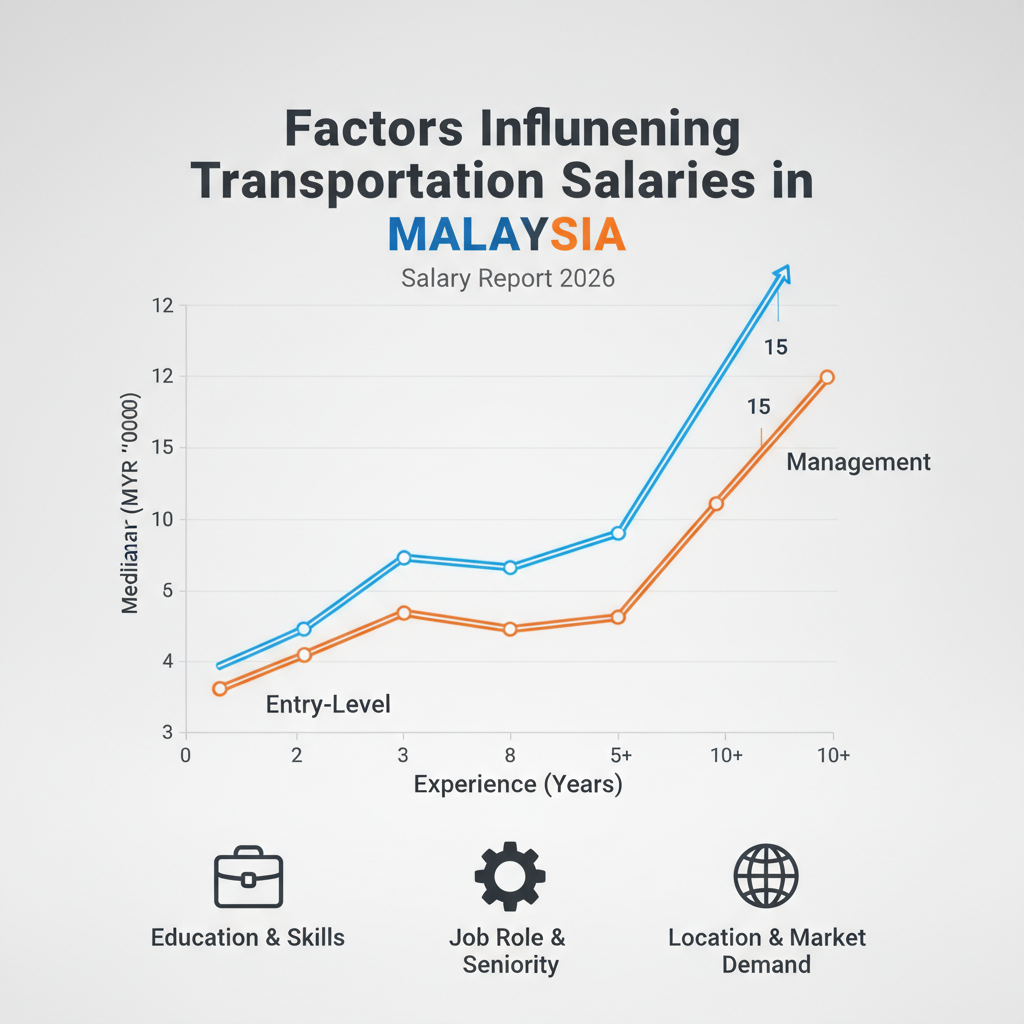
Experience remains one of the most significant predictors of salary within Malaysia’s transportation sector. Entry-level positions, often filled by fresh graduates, typically command foundational salaries in roles like junior logistics coordinator or warehouse operations associate. As professionals accrue experience, their value to employers escalates, leading to substantial salary increments. Mid-career professionals (3-7 years), perhaps in roles like logistics manager, freight forwarder, or fleet management supervisor, often see a noticeable jump. They bring practical knowledge, problem-solving skills, and a proven track record of managing operations efficiently.
At the senior management level, encompassing roles like Head of Supply Chain or Director of Logistics, salaries reach their peak. These positions demand extensive experience (10+ years), strategic vision, leadership capabilities, and a deep understanding of transportation economics and policy. Senior managers are responsible for critical decision-making, overseeing large teams, optimizing complex supply chain networks, and driving business growth, directly impacting the company’s bottom line. Their compensation reflects the immense responsibility and specialized expertise they bring.
2. Specialized Skills, Certifications & Education Premiums
Beyond general experience, specific skills, professional certifications, and higher education play a pivotal role in dictating salary premiums in Malaysian transportation. The industry is rapidly evolving, driven by technological advancements. Professionals proficient in data analytics, particularly in route optimization, predictive maintenance, or demand forecasting for e-commerce logistics and last-mile delivery, are highly sought after. Similarly, expertise in emerging technologies like automation, IoT, and blockchain within warehousing and logistics operations can significantly boost earning potential.
Professional certifications from recognized bodies like CILT or FIATA demonstrate specialized knowledge, often translating into better career prospects and higher salaries. A Master’s degree in Supply Chain Management, Logistics, or Business Administration also provides a competitive edge for management and strategic roles. Furthermore, understanding international trade regulations, customs procedures, and global freight forwarding processes is invaluable, particularly in sectors like maritime and aviation transportation.
3. Geographical Salary Disparities Across Malaysian States
Geographical location within Malaysia plays a crucial role in determining salary levels across the transportation sector. Major economic hubs and industrial zones typically offer higher remuneration packages. The Klang Valley region (Kuala Lumpur and Selangor) consistently leads in salary offerings due to its high concentration of multinational corporations, large logistics providers, port management operations (Port Klang), and extensive infrastructure. The demand for skilled professionals in urban planning related to transport, public transport management, and complex supply chain roles is highest here, driving salaries upwards.
Other significant industrial states like Penang (manufacturing and logistics) and Johor (near Singapore) may also offer competitive salaries, though often slightly lower than the Klang Valley. These disparities are influenced by factors like the cost of living, concentration of specific industries (e.g., maritime in Port Klang or Johor), and talent availability. Companies in regions with higher costs of living or greater competition for skilled workers naturally adjust compensation structures. For detailed insights into nationwide salary trends, consulting a comprehensive Malaysia salary guide is highly recommended.
Current Trends and Future Outlook (2026 Perspective)
Malaysia’s transportation sector is experiencing a period of dynamic transformation, driven by global economic shifts, technological advancements, and evolving consumer demands. As we look towards 2026, the landscape of jobs and salaries within this vital industry is projected to undergo significant evolution. Understanding these emerging trends is crucial for professionals, job seekers, and industry stakeholders seeking to navigate the future effectively. This section analyzes key drivers shaping the sector, exploring their impact on the job market and the salary range report of jobs in transportation field in malaysia, providing insights into what the coming years hold. We will delve into the profound influence of e-commerce, the increasing role of automation and digitalization, and the growing imperative for sustainability in logistics operations.
1. The Rise of E-commerce and its Impact on Logistics Salaries
The explosive growth of e-commerce, accelerated by recent global events, continues to be a primary catalyst for change in Malaysia’s transportation and logistics sector. This surge in online retail has created unprecedented demand for efficient last-mile delivery jobs Malaysia, robust warehouse management salary Malaysia roles, and sophisticated supply chain solutions. Companies are rapidly expanding their logistics networks, investing in distribution centers, and enhancing their delivery capabilities to meet consumer expectations for speed and reliability. This high demand directly influences the logistics jobs Malaysia market, often leading to competitive salary offerings for skilled professionals.
The increased volume and complexity of e-commerce logistics require a specialized workforce. Roles such as e-commerce logistics specialists, fulfillment managers, and data analysts focusing on delivery efficiency are seeing significant demand. The competitive landscape for talent in this area means that skilled individuals managing supply chain salaries Malaysia related to e-commerce fulfillment are likely to command higher wages, especially those with expertise in optimizing delivery routes and inventory management. The need for rapid adaptation and innovation in freight forwarding jobs Malaysia for international e-commerce further underscores the premium placed on experienced personnel. This trend is expected to continue strengthening the bargaining power of professionals within this niche, potentially shifting the overall salary range report of jobs in transportation field in malaysia.
2. Automation & Digitalization: Shaping Future Roles & Wages
Automation and digitalization are set to fundamentally reshape the transportation industry by 2026, affecting both the nature of work and the salary range report of jobs in transportation field in malaysia. From automated warehouses utilizing robotics and AI-driven inventory systems to the rise of autonomous vehicles Malaysia for long-haul freight and digital transformation transportation Malaysia in port operations, technology is streamlining processes and enhancing efficiency. While some routine roles may be impacted, there’s a burgeoning demand for professionals who can design, implement, and maintain these advanced systems.
This shift creates new opportunities in areas like logistics technology, data analytics, cybersecurity for transport networks, and transportation planning Malaysia with AI tools. Professionals skilled in areas such as predictive maintenance for vehicle fleets, real-time tracking systems, and integrating various digital platforms will be highly sought after. Consequently, salaries for roles requiring specialized technical expertise in automation in logistics Malaysia are projected to rise significantly. For instance, data scientists optimizing port operations salary Malaysia through predictive analytics, or IT specialists managing sophisticated logistics technology trends, will see substantial compensation. Traditional roles will also evolve, requiring workers to upskill in digital tools and collaborative robotics, emphasizing the importance of continuous learning to maintain competitive driver salary Malaysia for those operating increasingly sophisticated vehicles or managing automated fleets. As Malaysia continues its journey towards a digital economy, the focus on tech-savvy talent in transportation will intensify, as outlined in reports on the nation’s economic progress and digital transformation. This will be a key factor in future public transport salaries Malaysia too, as systems become more integrated and data-driven.
3. Sustainability Initiatives and Green Logistics Opportunities
The global push for environmental sustainability is profoundly influencing Malaysia’s transportation sector, driving demand for green logistics Malaysia solutions and creating new job opportunities. Towards 2026, companies are increasingly adopting eco-friendly practices, including transitioning to electric vehicles (EVs), optimizing routes to reduce carbon emissions, investing in sustainable packaging, and exploring alternative fuels. This movement is not just about compliance but also about meeting consumer and corporate social responsibility demands.
This trend is giving rise to specialized roles in sustainable transportation jobs, such as sustainability managers, environmental compliance officers for maritime sector jobs Malaysia, and specialists in carbon footprint optimization. Professionals with expertise in renewable energy integration within supply chains, waste reduction strategies, and developing circular economy models will find themselves in high demand. The need for greener aviation jobs Malaysia and eco-conscious freight forwarding jobs Malaysia will also push salaries upwards for those who can implement and manage these initiatives effectively. Companies that prioritize sustainable practices often attract top talent and are willing to invest in expertise that helps them achieve their green objectives. As the regulatory landscape tightens and corporate commitments to environmental, social, and governance (ESG) principles grow, the value of professionals adept at navigating green logistics Malaysia will only increase, potentially offering a premium on their salary range report of jobs in transportation field in malaysia. The long-term economic benefits and brand reputation associated with sustainability will ensure these roles remain crucial and well-compensated.
Maximizing Your Earning Potential in Transportation
The transportation sector in Malaysia is a dynamic and essential pillar of the nation’s economy, offering a wide array of career opportunities for both seasoned professionals and ambitious job seekers. As global supply chains evolve and domestic logistics become increasingly sophisticated, understanding how to maximize your earning potential is crucial. This section provides actionable advice to navigate the Malaysian transportation field, advance your career, and secure better compensation. Navigating the Malaysian transportation field requires strategic insights, especially when aiming for higher compensation. A detailed salary range report of jobs in transportation field in malaysia serves as an indispensable tool for understanding market value and planning your career trajectory. This section will guide you through the intricacies of the sector, from identifying top-paying roles to mastering negotiation tactics, ensuring you are well-equipped to advance your career and secure better compensation.
1. Top Paying Transportation Jobs & Specializations in Malaysia
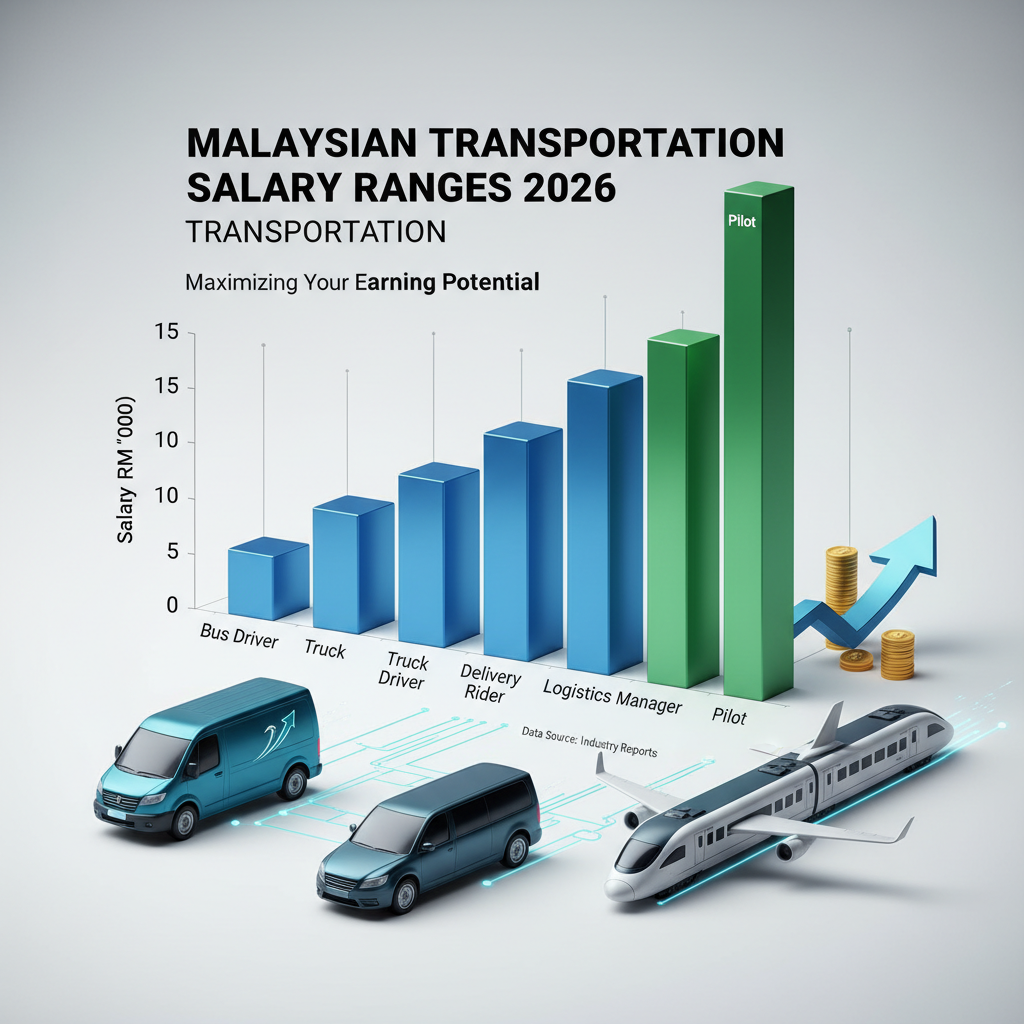
To elevate your earnings, it’s essential to identify the high-demand and high-paying niches within the Malaysian transportation landscape. Roles that require specialized skills, significant experience, or strategic oversight often command the best salaries.
- Logistics & Supply Chain Management: Positions like logistics management Malaysia, Supply Chain Director, or Head of Operations are consistently among the highest paying. These roles involve intricate supply chain optimization, strategic planning, and managing vast networks, often encompassing warehousing jobs Malaysia, fleet management Malaysia, and distribution. Expertise in areas like e-commerce logistics and last-mile delivery is particularly valued.
- Maritime & Port Operations: With Malaysia’s strategic geographical location, the maritime sector offers lucrative opportunities. A competitive port operations salary for roles such as Port Manager, Terminal Manager, and Marine Superintendent can be substantial. Specialized skills in vessel traffic management, cargo handling, and customs compliance (with customs brokerage salary considerations relevant here) are highly sought after in maritime jobs Malaysia.
- Aviation Industry: The aviation industry Malaysia supports a wide range of well-compensated roles, from Air Traffic Controllers and Airline Operations Managers to Aviation Safety Officers and MRO (Maintenance, Repair, and Overhaul) specialists. Expertise in aviation regulations and safety protocols is paramount.
- Transportation Planning & Analytics: As data-driven decisions become central, roles like transportation planning Malaysia and Transport Data Analyst are emerging with competitive remuneration. These professionals utilize data for route optimization, demand forecasting, and improving overall operational efficiency, including in public transport careers.
- Specialized Freight & Project Logistics: Handling oversized, hazardous, or time-sensitive cargo requires specific expertise. Managers in project logistics or specialized freight forwarding salary can command higher compensation due to the complexity and risk involved.
Understanding these specializations allows you to tailor your career path towards greater earning potential in transportation jobs Malaysia.
2. Strategies for Career Advancement & Salary Negotiation
Advancing your career and negotiating a higher salary requires a strategic approach grounded in market knowledge and self-promotion.
- Continuous Professional Development: Acquire certifications in areas like Certified Supply Chain Professional (CSCP), Certified Logistics Professional (CLP), or project management (PMP). These credentials signal expertise and commitment, often leading to better roles and supply chain career Malaysia progression.
- Networking: Build a robust professional network. Industry events, online forums, and professional associations can connect you with mentors and hiring managers. Relationships can open doors to unadvertised opportunities and provide insights into transportation market trends.
- Demonstrate Value & Quantify Achievements: Keep a record of your accomplishments. When negotiating, highlight how you’ve saved costs, improved efficiency, or generated revenue. Use metrics whenever possible (e.g., “reduced operational costs by 15%”).
- Market Research: Before any negotiation, thoroughly research the market rates for your desired position and experience level. A comprehensive salary range report of jobs in transportation field in malaysia is an invaluable resource for understanding what you should be earning. This research empowers you to negotiate confidently and realistically. Don’t hesitate to present data supporting your desired compensation.
- Negotiation Skills: Practice your negotiation techniques. Focus on your unique value proposition, remain professional, and be prepared to articulate why you deserve a higher salary. Consider total compensation, including benefits, bonuses, and professional development opportunities.
3. Continuous Learning: Upskilling for Future Demand
The transportation sector is undergoing rapid transformation, driven by technology, sustainability goals, and evolving consumer expectations. To remain competitive and maximize your earning potential, continuous learning and upskilling are non-negotiable.
- Embrace Digital Transformation: Skills in logistics technology are becoming indispensable. This includes proficiency with Enterprise Resource Planning (ERP) systems, Transport Management Systems (TMS), Warehouse Management Systems (WMS), and data analytics tools. Understanding AI, machine learning, and blockchain applications in the supply chain is a significant advantage.
- Sustainable Logistics & Green Supply Chains: With increasing environmental awareness, expertise in sustainable logistics practices, carbon footprint reduction, and green supply chain initiatives is highly valued. Companies are actively seeking professionals who can implement environmentally friendly and economically viable solutions.
- Data Analytics & AI: The ability to analyze complex datasets to make informed decisions is critical. Learning tools like Python, R, SQL, and business intelligence platforms (e.g., Tableau, Power BI) can position you for high-paying roles as a transport data analyst. Predictive analytics for demand forecasting and route optimization are key areas.
- Automation & Robotics: Familiarity with automation technologies, from automated guided vehicles (AGVs) in warehouses to robotic process automation (RPA) in administrative tasks, will be increasingly important.
- Cybersecurity in Logistics: As logistics systems become more interconnected, understanding cybersecurity principles to protect sensitive data and infrastructure is a growing demand.
Staying ahead of these trends, potentially through online courses, specialized certifications, or even postgraduate studies, will not only safeguard your career but significantly enhance your earning potential in the evolving Malaysian transportation landscape. The World Economic Forum’s Future of Jobs Report consistently highlights the importance of adaptability and new skill acquisition in securing future-proof careers.
Partner with Shelby Global
You are looking for reliable HR Sevice Suppliers? Contact Shelby Global Now! To connect with verified talents and upgrade your orginization.
—————————————
References
– Malaysia’s logistics and trade facilitation landscape: https://www.mida.gov.my/sectors/services/logistics-trade-facilitation/
– JobStreet Malaysia Salary Guide: https://www.jobstreet.com.my/career-resources/salary-guide
– Malaysia salary guide: https://www.randstad.com.my/hr-solutions/research-reports/malaysia-salary-guide/
– Department of Statistics Malaysia (DOSM) Economic Indicators and Digital Transformation Reports: https://www.dosm.gov.my/v1/index.php?r=column/ctwo&menu_id=V3JDNFN3TDBrYkh0K1V2M3FqTzY4QT09
– World Economic Forum’s Future of Jobs Report: https://www.weforum.org/reports/the-future-of-jobs-report-2023/