Understanding the Singapore Travel Industry
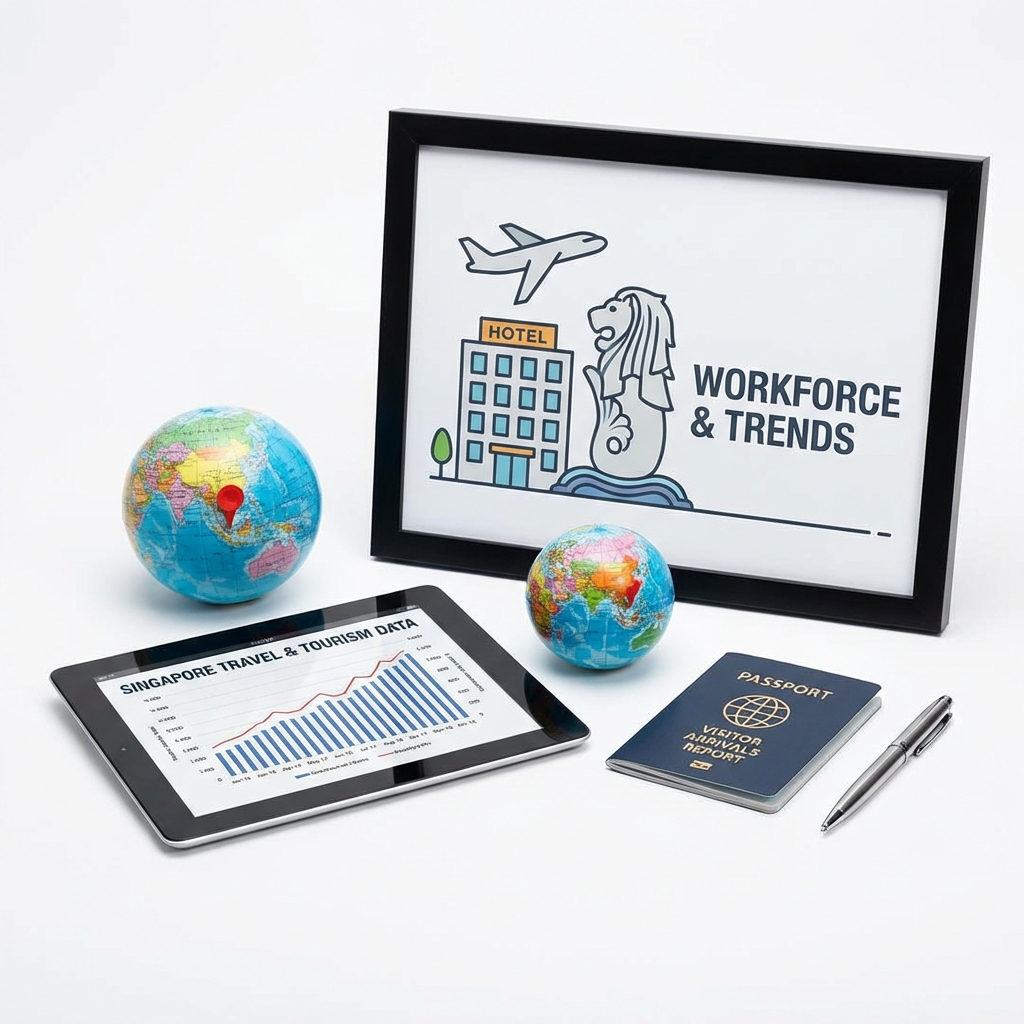
The travel sector in Singapore serves as a vital pillar of the nation’s economy, consistently pivoting to meet the demands of a global audience. As the industry matures, organizations are under increasing pressure to refine their human capital management. Establishing a robust Salary Defining Strategy for all job titles in Travels field in singapore has become essential for firms aiming to maintain a competitive edge while ensuring long-term talent retention.
-
Current Travel Market Trends
Singapore’s travel industry is currently defined by a shift toward personalized, experiential tourism. Modern travelers now prioritize sustainability, wellness, and bespoke itineraries over traditional mass-market offerings. This evolution mandates that companies rethink their workforce requirements. To remain relevant, HR departments must implement a data-driven Salary Defining Strategy for all job titles in Travels field in singapore that reflects the high-value skill sets needed to manage these complex customer journeys. By benchmarking salaries against regional standards, businesses can attract professionals who possess the unique blend of creative vision and operational expertise required in today’s market.
-
Impact of Tourism Recovery
The post-pandemic recovery of the tourism sector in Singapore has been nothing short of remarkable, with visitor arrivals hitting record highs. According to the Singapore Tourism Board, the influx of international travelers has created a significant surge in demand for hospitality and aviation talent. This rapid growth has inadvertently tightened the labor market, leading to wage inflation across several operational levels. Consequently, firms that fail to adjust their compensation structures often find themselves struggling with high attrition rates. A proactive approach to total rewards—incorporating performance-based incentives and retention bonuses—is no longer a luxury but a fundamental necessity for survival.
-
Demand for Tech-Savvy Roles
The integration of artificial intelligence, automated booking systems, and digital customer relationship management (CRM) platforms has redefined the professional landscape within Singaporean travel agencies and hospitality firms. The industry now actively seeks candidates proficient in data analytics, cybersecurity, and digital marketing. Because these roles are highly sought after by other high-growth sectors like fintech and e-commerce, the travel industry must aggressively position its compensation packages. Companies that successfully implement a flexible salary framework, which rewards digital fluency and technical agility, are better positioned to retain the high-caliber talent necessary to drive innovation. Ultimately, the ability to adapt to these shifting benchmarks will define which organizations lead the future of travel in Singapore.
Key Factors in Salary Defining Strategy
Developing an effective Salary Defining Strategy for all job titles in Travels field in singapore requires a nuanced understanding of the local economic landscape. As Singapore remains a global tourism hub, the competition for top-tier talent is fierce, forcing companies to move beyond standardized pay structures. Organizations must now account for a dynamic array of variables that influence compensation packages, ensuring they remain competitive while maintaining internal equity. Businesses seeking to refine their approach can explore professional resources through Salary Defining Strategy for all job titles in Travels field in singapore to align with current industry benchmarks.
1. Years of Relevant Experience
In the Singapore travel sector, seniority remains the most significant predictor of compensation. Travel consultants, operational managers, and revenue strategists are typically compensated based on their cumulative years of service. Professionals with five to ten years of experience often transition into specialized advisory roles where their deep understanding of regional regulations and customer behavior provides immense value. According to the Ministry of Manpower, salary expectations for mid-to-senior level travel professionals are consistently rising, driven by a shortage of candidates who possess both historical industry knowledge and digital proficiency.
2. Specialized Industry Certifications
Modern travel roles are increasingly reliant on technical expertise, such as Global Distribution System (GDS) mastery, sustainable tourism management, or travel insurance compliance. Holding niche certifications, such as IATA credentials or specialized hospitality management diplomas, directly impacts the base salary negotiation. Employees who demonstrate a commitment to continuous professional development are often placed in higher salary brackets. In a competitive market, these credentials act as a proxy for efficiency, signaling to employers that the candidate requires less onboarding time and can manage complex workflows with higher autonomy.
3. Company Size and Market Share
The scale of the employer significantly alters the financial trajectory of a role within the travel industry. Multi-national corporations and large-scale travel management companies (TMCs) generally offer structured salary bands coupled with comprehensive benefits packages. Conversely, boutique travel agencies or fast-growing travel-tech startups in Singapore may offer more equity-based incentives or performance-related bonuses. Market share plays a pivotal role here; established giants often prioritize stability and standardized compensation, whereas emerging players leverage flexibility and aggressive commission models to attract talent. Analyzing these structures is essential for anyone developing a robust Salary Defining Strategy for all job titles in Travels field in singapore to ensure that the compensation offering matches the strategic goals of the organization.
Salary Benchmarks for Core Job Titles
Establishing a robust Salary Defining Strategy for all job titles in Travels field in singapore is essential for talent acquisition and retention in one of the world’s most competitive tourism markets. As the industry evolves, companies must balance operational costs with the need to attract high-caliber professionals. Whether you are managing boutique agencies or large-scale tour operators, aligning your compensation structure with official labor market data ensures compliance and competitiveness.
To optimize your human capital investment, you must evaluate industry-specific benchmarks. Explore our comprehensive guide on Salary Defining Strategy for all job titles in Travels field in singapore to refine your organizational approach.
1. Travel Consultants & Agents
Travel consultants are the backbone of the agency sector. In Singapore, entry-level consultants typically earn between SGD 2,800 and SGD 3,500 per month. Mid-level consultants with a strong client base or specialized expertise in luxury travel or corporate accounts can expect salaries ranging from SGD 4,000 to SGD 5,500. Compensation packages often include commission structures tied to sales targets, making the total remuneration highly variable based on performance.
2. Tour Guides and Event Operators
The remuneration for tour guides and event operators often follows a hybrid model. Professional licensed tour guides working on a freelance basis may earn daily rates ranging from SGD 150 to SGD 300, depending on language proficiency and niche knowledge. Conversely, full-time event operators within travel management companies typically earn a base salary between SGD 3,200 and SGD 4,800. Those handling large-scale MICE (Meetings, Incentives, Conferences, and Exhibitions) events often see higher compensation due to the complexity and high-stakes nature of their operational duties.
3. Travel Agency Branch Managers
Branch managers carry significant responsibility, overseeing P&L performance, team leadership, and service quality standards. In Singapore, the monthly salary for a branch manager typically starts at SGD 6,000 and can scale upwards to SGD 9,500 or more for larger agencies with significant footprint. Total compensation for this tier often involves a substantial base salary combined with performance-based bonuses linked to the branch’s annual growth metrics and customer satisfaction scores. Companies must implement a clear performance appraisal system to ensure that these management roles remain incentivized to drive sustainable growth.
Ultimately, a successful compensation framework in the travel sector requires regular market reviews. By prioritizing a transparent and data-driven approach, agencies in Singapore can maintain a sustainable competitive advantage.
Executive and Niche Roles Compensation
Attracting top-tier talent in the fast-paced Singaporean tourism sector requires a nuanced approach to remuneration. For high-impact leadership and specialized technical positions, a static pay scale is often insufficient. Organizations must implement a comprehensive Salary Defining Strategy for all job titles in Travels field in singapore to remain competitive in one of Asia’s most expensive talent markets. By analyzing benchmarking data, regional cost-of-living adjustments, and performance-based incentives, firms can tailor compensation packages that secure industry-leading professionals while ensuring fiscal sustainability.
1. Corporate Travel Directors
Corporate Travel Directors are tasked with the immense responsibility of optimizing business travel programs, managing global supplier relationships, and ensuring duty-of-care compliance for complex organizational structures. In Singapore, these roles command premium salaries, often incorporating a significant component of variable pay linked to cost-savings targets and employee satisfaction metrics. According to industry standards from the World Travel & Tourism Council, the strategic value these directors add—by mitigating risk and maximizing travel budget efficiency—justifies compensation packages that frequently exceed standard director-level benchmarks. Organizations should focus on total compensation, including long-term incentive plans (LTIPs) to retain this critical expertise.
2. Travel Tech Product Managers
As Singapore cements its position as a regional hub for digital innovation, the demand for Travel Tech Product Managers has skyrocketed. These professionals sit at the intersection of hospitality, logistics, and software engineering. Compensation strategies for these roles must mirror the tech industry rather than traditional hospitality benchmarks. This involves base salaries heavily supplemented by equity packages, stock options, and retention bonuses to combat aggressive hiring practices from both startups and established technology giants. Because these roles directly impact user experience and revenue generation via booking platforms and automated systems, their salary strategy must be agile, reflecting the rapid innovation cycle of the digital travel economy.
3. Sustainability Travel Experts
With increasing pressure from regulators and consumers for eco-conscious travel, Sustainability Travel Experts have transitioned from peripheral consultants to essential operational pillars. These experts develop decarbonization strategies, oversee supply chain transparency, and lead green certification initiatives. Because this is a nascent yet vital niche, talent is scarce and highly sought after. Defining compensation for these experts requires a flexible strategy that weighs not only their technical environmental knowledge but also their ability to implement systemic change within a travel organization. Packages often include performance bonuses tied to quantifiable ESG (Environmental, Social, and Governance) KPIs, ensuring that financial incentives are directly aligned with the company’s long-term sustainability goals and reputation management strategies.
Structuring Benefits and Bonuses
In the highly competitive Singaporean travel market, a robust compensation package extends far beyond the basic monthly pay. To attract and retain elite industry professionals, businesses must adopt a comprehensive Salary Defining Strategy for all job titles in Travels field in singapore. This strategic approach ensures that total rewards are competitive, motivating, and aligned with industry standards, ultimately fostering long-term loyalty among top-tier talent.

To successfully navigate talent acquisition, organizations should focus on these 17 essential components of a well-rounded incentive program, categorized under three primary pillars:
1. Performance-Based Commissions
In the travel sector, direct revenue generation is paramount. Implementing a transparent, performance-based commission structure is essential for incentivizing sales-driven roles, such as travel consultants and account managers. When employees see a direct correlation between their efforts and their take-home pay, engagement levels rise significantly. It is crucial to benchmark these incentives against the Ministry of Manpower (MOM) guidelines to ensure compliance while remaining attractive to high performers. Whether through tiered commission models or volume-based bonuses, these incentives turn base salary structures into dynamic earning opportunities.
2. Travel Perks and Allowances
For professionals in the tourism and hospitality industry, industry-specific perks are often more enticing than generic bonuses. Companies that facilitate experiential learning through discounted flight tickets, complimentary hotel stays, or FAM (familiarization) trip subsidies allow employees to better sell their products through firsthand knowledge. Additionally, offering lifestyle allowances—such as health and wellness stipends, transportation subsidies, or mobile connectivity grants—acknowledges the high-paced, mobile nature of travel work and provides tangible value beyond the paycheck.
3. Flexible Working Arrangements
The post-pandemic landscape has fundamentally shifted employee expectations. In Singapore, where work-life balance is increasingly prioritized, providing flexibility is a top-tier competitive advantage. Beyond traditional leave policies, consider implementing hybrid working models, flexible start and end times, or compressed work weeks during off-peak travel seasons. Empowering staff with the autonomy to manage their schedules not only improves morale but also drives productivity, as employees are better equipped to balance their professional obligations with personal well-being.
By blending competitive base salaries with these specialized perks and incentives, travel companies in Singapore can cultivate an employer brand that stands out, ensuring they secure the talent necessary to thrive in an ever-evolving global marketplace.
Partner with Shelby Global
You are looking for reliable HR Sevice Suppliers? Contact Shelby Global Now! To connect with verified talents and upgrade your orginization.
—————————————
References
– Singapore Tourism Board: https://www.stb.gov.sg/
– Ministry of Manpower Singapore: https://www.mom.gov.sg/
– Ministry of Manpower Singapore Salary Information: https://www.mom.gov.sg/employment-practices/salary/salary-information
– World Travel & Tourism Council: https://www.wtc.org/
– Ministry of Manpower: https://www.mom.gov.sg/