Overview of Singapore’s Logistics Landscape & 2026 Salary Trends
Singapore, a dynamic city-state at the heart of Southeast Asia, continues to solidify its reputation as a critical node in global supply chains. This section sets the stage by outlining Singapore’s strategic role in international logistics and introduces the general salary outlook for the field in 2026, offering a comprehensive overview for professionals seeking to understand the salary range report of jobs in logistics field in singapore.

1. Singapore’s Role as a Global Logistics Hub
Singapore’s unparalleled strategic geographical location at the crossroads of major shipping lanes, coupled with its world-class infrastructure, positions it as a premier global logistics hub. Changi Airport, consistently ranked among the best, and the Port of Singapore, one of the busiest in the world, handle immense volumes of air and sea cargo, making maritime logistics roles and air cargo operations highly critical. The nation’s commitment to advanced capabilities is evident in its embrace of automation, data analytics, and Artificial Intelligence, driving demand for specialized logistics technology jobs. This technological adoption enhances efficiency and optimizes workflows, solidifying its role as a key regional distribution hub salaries reflect this high demand for expertise.
The city-state is not just a transit point; it is a center for high-value logistics and supply chain management services. Its robust regulatory framework, coupled with political stability, attracts multinational corporations looking to establish their regional headquarters and distribution centers. This environment fosters significant opportunities across various logistics jobs Singapore. Furthermore, Singapore’s proactive approach to innovation and digitalization continuously reshapes global supply chain trends, making it a critical player in adapting to and leveraging new paradigms such as the booming e-commerce logistics outlook. The consistent focus on upskilling and attracting skilled logistics professionals underscores the industry’s dynamism and its pivotal contribution to the nation’s economy.
2. General Salary Trends in Logistics (2024-2026 Projection)
The outlook for salaries in Singapore’s logistics sector from 2024 to 2026 remains generally positive, driven by sustained economic growth, a tightening labor market for specialized skills, and ongoing digitalization efforts. As businesses prioritize resilient and efficient supply chains, the talent demand logistics continues to climb, translating into competitive compensation packages for qualified professionals. Roles in supply chain management careers, particularly those involving advanced analytics, sustainability, and cross-border operations, are expected to see significant salary increments.
Specific areas within logistics are poised for notable growth. For instance, increased global trade volumes and complex international regulations are pushing freight forwarding salaries upwards, rewarding expertise in customs compliance and multimodal transport solutions. Similarly, with the acceleration of e-commerce and automated warehousing, warehouse management compensation is reflecting the crucial role these professionals play in operational efficiency. Even niche areas like air cargo specialist pay are benefiting from the demand for swift, reliable air freight services. For a detailed breakdown and to understand the specific remuneration for various positions, a comprehensive salary range report of jobs in logistics field in singapore is an invaluable resource, offering insights crucial for career planning.
3. Impact of Economic Growth on Logistics Compensation
Singapore’s consistent economic growth trajectory directly correlates with the robustness of its logistics sector and, consequently, the compensation packages offered to its professionals. A thriving economy fuels consumer spending and business investments, leading to increased manufacturing output and trade volumes. This surge in economic activity necessitates more sophisticated and expansive logistics services, ranging from warehousing and distribution to last-mile delivery and international freight. As demand for these services intensifies, companies are compelled to invest more in attracting and retaining top talent, driving up salaries across various functions within the sector.
Furthermore, Singapore’s strategic initiatives to position itself as a digital economy and a hub for innovation mean continuous investment in advanced logistics infrastructure and technologies. This creates higher-value roles that require specialized skills, which naturally command higher salaries. The competitive landscape for talent, spurred by economic expansion, encourages companies to offer attractive remuneration and benefits to ensure business continuity and growth. As a result, the overall industry insights logistics indicate a positive trend in compensation, ensuring attractive logistics career progression paths for professionals who continuously upskill and adapt to new industry demands, thereby benefiting from the nation’s sustained prosperity and its pivotal role in global trade.
Detailed Salary Ranges for Key Logistics Positions
Singapore, a premier global logistics hub, offers a dynamic and rewarding career landscape within its vast supply chain and logistics sector. Understanding the current salary landscape is crucial for both job seekers and employers. This detailed salary range report of jobs in logistics field in Singapore provides specific salary data for various common and in-demand logistics job roles across different experience levels within Singapore, offering valuable insights into compensation expectations within the thriving logistics industry Singapore salaries. This guide aims to provide a comprehensive overview of what professionals can expect to earn, reflecting the high demand for skilled talent in supply chain jobs Singapore.
1. Entry-Level Roles: Salaries for Coordinators & Assistants
For those just embarking on a career in the logistics field in Singapore, entry-level positions serve as foundational stepping stones. These roles typically require 0-2 years of experience and focus on operational support, data entry, and basic coordination, providing essential experience for a future logistics career path Singapore.
- Logistics Coordinator: A common starting point, involving tasks like tracking shipments, coordinating with carriers, and managing documentation. An annual logistics coordinator pay in Singapore ranges from S$30,000 to S$42,000. Factors influencing this include company size and specialized software skills.
- Supply Chain Assistant: Supports various aspects of the supply chain, from procurement to inventory management. Annual salaries typically fall between S$28,000 and S$40,000, providing vital practical experience.
- Warehouse Assistant: Focused on physical movement and storage of goods (receiving, picking, packing). The entry-level logistics pay Singapore for this position usually ranges from S$26,000 to S$36,000 annually, often with overtime opportunities.
- Freight Forwarding Operations Assistant: In the bustling freight forwarding salaries Singapore market, an assistant handles documentation and customs clearance. Salaries generally range from S$30,000 to S$45,000.
These logistics salaries Singapore for entry-level professionals can see increments with relevant internships or certifications.
2. Mid-Career Positions: Managers, Analysts & Specialists
As professionals gain 3-7 years of experience, they move into mid-career roles demanding greater responsibility, analytical skills, and often, team leadership. These positions are crucial for optimizing operations and driving efficiency within supply chain jobs Singapore.
- Logistics Manager: Oversees daily logistics operations, including transportation, warehousing, and distribution. A Logistics Manager can command an annual salary from S$55,000 to S$90,000. Strong leadership and proven efficiency improvements can push salaries higher.
- Supply Chain Analyst: Involves data analysis to identify trends, optimize processes, and improve forecasting. With a strong emphasis on analytical skills, a Supply Chain Analyst can expect to earn between S$50,000 and S$80,000 annually.
- Inventory Specialist/Manager: Manages stock levels, ensuring optimal inventory turnover and minimizing costs. Salaries typically range from S$48,000 to S$75,000.
- Procurement Specialist/Manager: Focuses on sourcing, purchasing, and managing supplier relationships. A procurement specialist salary Singapore ranges from S$52,000 to S$85,000. Experience with international sourcing is a significant advantage.
- Warehouse Manager: Manages warehouse staff, optimizes storage, and ensures efficient inbound/outbound logistics. A warehouse manager salary Singapore is typically between S$50,000 and S$85,000, with larger facilities offering more.
- Last-Mile Delivery Manager: Optimizes the final leg of product delivery. Salaries for last-mile delivery jobs Singapore salary can range from S$55,000 to S$88,000, reflecting their critical role.
These mid-career logistics salaries Singapore are often supplemented by performance bonuses. For comprehensive compensation trends across various sectors, refer to the annual Robert Half APAC Salary Guide 2024, which provides valuable insights into the broader job market.
3. Senior & Leadership Roles: Directors & Head of Logistics
Professionals with 8+ years of experience, particularly those with a strong track record of strategic leadership, are highly sought after for senior and leadership positions. These senior logistics roles Singapore are pivotal in shaping the strategic direction of the company’s supply chain operations.
- Logistics Director: Sets overall logistics strategy, manages large budgets, and oversees regional operations. A Logistics Director can expect an annual salary ranging from S$100,000 to S$200,000, and higher in large MNCs.
- Head of Supply Chain/Supply Chain Director: A top-tier role responsible for the entire supply chain function. The supply chain director salary in Singapore typically falls between S$150,000 and S$300,000+ per annum, often including significant performance bonuses and executive benefits.
- Operations Director: Oversees broader operational aspects, ensuring alignment with business goals. Salaries can range from S$120,000 to S$250,000.
- Vice President of Logistics/Supply Chain: In larger organizations, a VP role commands salaries often starting from S$200,000 to S$400,000+, representing the pinnacle of the logistics career path Singapore.
The total compensation for these leadership roles often includes comprehensive benefits and equity. The average logistics salary Singapore for senior leadership reflects the strategic importance of effective supply chain management. For a more detailed salary range report of jobs in logistics field in Singapore, you can explore comprehensive resources available online.
Conclusion
The logistics field in Singapore continues to offer robust career opportunities across all experience levels. While these figures offer a general guide, actual salaries can vary based on factors such as company size, industry niche, educational qualifications, specialized certifications, and negotiation skills. Professionals continuously upskilling and adapting to new technologies like automation and AI will find themselves in stronger negotiating positions. Staying informed about market trends, particularly through resources like this, will empower both employers and job seekers in navigating the competitive Singaporean logistics job market effectively.
Key Factors Influencing Logistics Salaries in Singapore
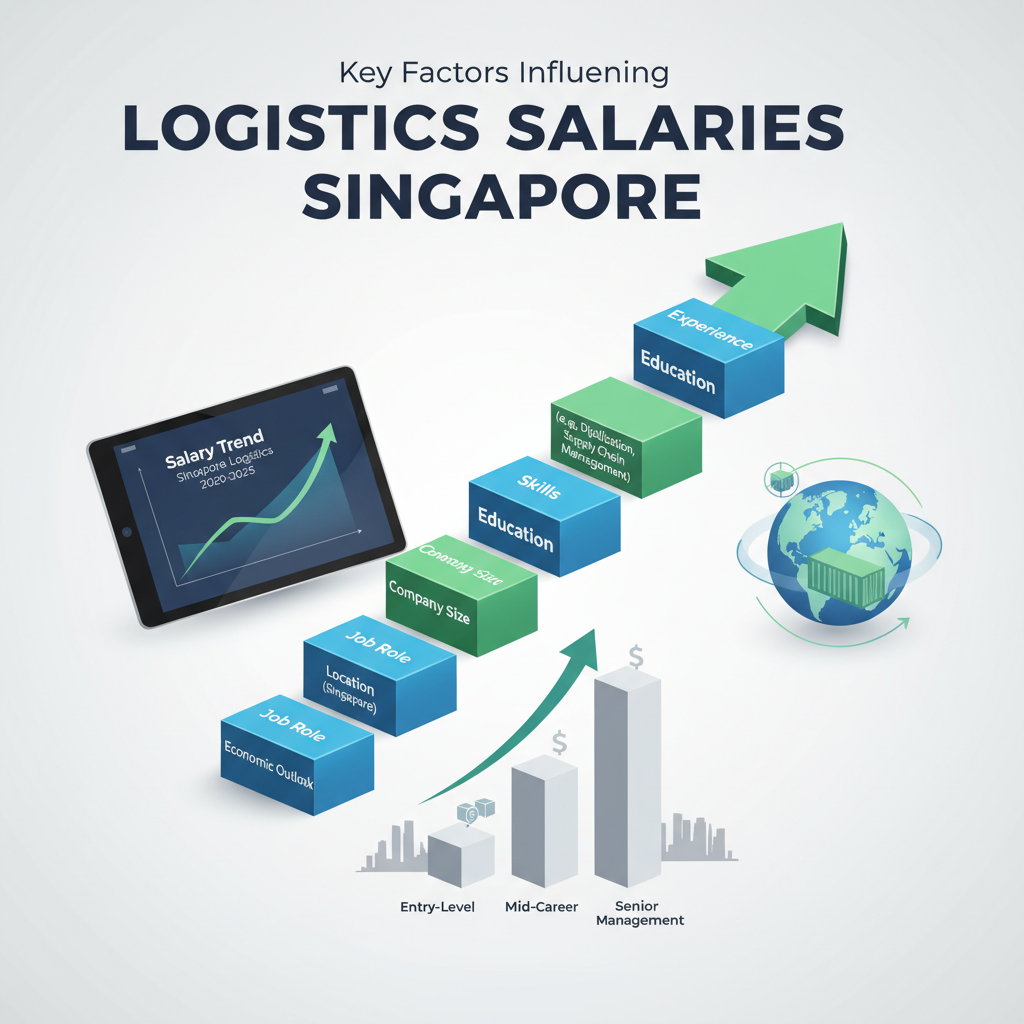
The bustling logistics sector in Singapore, a global hub for trade and supply chain management, offers a wide array of career opportunities. However, salaries within this dynamic industry can vary significantly. Understanding the nuances that drive these differences is crucial for professionals looking to enhance their earning potential and for those seeking to enter the field. This section delves into the key factors influencing logistics salaries, providing insights into what dictates a competitive salary range report of jobs in logistics field in singapore.
1. Experience Level and Education Qualifications
One of the most significant determinants of salary in any professional field, including logistics, is the level of experience an individual possesses. Entry-level positions, such as Logistics Coordinators or Warehouse Assistants, typically command lower salaries, while senior roles like Supply Chain Directors, Logistics Managers, or Head of Operations attract substantially higher compensation. Professionals with 5-10 years of experience often see a considerable jump as they accumulate specialized knowledge, leadership skills, and a proven track record of optimizing logistics processes. Those with over 10-15 years, particularly in strategic roles, can expect top-tier remuneration.
Educational qualifications also play a pivotal role. A diploma or bachelor’s degree in logistics, supply chain management, business administration, or engineering is often a prerequisite for many roles. Postgraduate qualifications, such as a Master’s degree in Supply Chain Management or an MBA with a specialization in operations, can open doors to executive positions and higher salary brackets, particularly when combined with relevant work experience. These advanced degrees signal a deeper understanding of complex supply chain dynamics and strategic management principles, making candidates more valuable to employers.
2. Company Size, Type (MNC vs. SME) & Industry Sector
The type and size of the employing company have a profound impact on salary scales. Multinational Corporations (MNCs) in Singapore’s logistics landscape, often global giants like DHL, FedEx, Maersk, or major e-commerce players, typically offer more attractive salary packages, comprehensive benefits, and better career progression opportunities compared to Small and Medium-sized Enterprises (SMEs). MNCs often operate on larger scales, have more complex global networks, and possess greater financial resources to invest in talent.
Conversely, while SMEs might offer a more hands-on, broader scope of work and faster growth within the company, their salary ranges are generally more modest due to budget constraints and smaller operational scales. However, some niche SMEs specializing in high-demand areas like cold chain logistics or last-mile delivery technology might offer competitive pay to attract specialized talent. The specific industry sector also matters; for instance, logistics professionals working in high-value sectors such as pharmaceuticals, semiconductors, or e-commerce fulfillment might command higher salaries due to the criticality, complexity, and rapid pace of these supply chains compared to those in more traditional manufacturing or general warehousing.
3. In-Demand Skills & Certifications (e.g., Supply Chain Management, Data Analytics)
In today’s rapidly evolving logistics landscape, specific skills and professional certifications are becoming increasingly vital for career advancement and salary augmentation. Employers are actively seeking professionals proficient in areas such as supply chain optimization, digital transformation, and sustainable logistics practices. Data analytics skills, including proficiency in tools like Python, R, or advanced Excel for forecasting, inventory management, and route optimization, are highly valued. The ability to leverage technology, implement automation, and understand logistics software (e.g., WMS, TMS, ERP systems) is also crucial.
Professional certifications significantly boost credibility and demonstrate a commitment to continuous learning. Widely recognized certifications include the Certified Supply Chain Professional (CSCP) and Certified in Production and Inventory Management (CPIM) from ASCM (formerly APICS), Lean Six Sigma certifications, or certifications in project management (PMP). These credentials validate specialized knowledge and can lead to higher earning potential. Singapore’s SkillsFuture initiatives often highlight these in-demand skills, providing a roadmap for professionals seeking to upskill and remain competitive in the job market, directly influencing their potential salary growth.
Career Progression & Enhancing Your Earning Potential
Navigating the dynamic landscape of Singapore’s logistics sector requires a strategic approach to career development. Professionals aiming for higher salaries and greater responsibilities must proactively seek pathways for growth, continuously upskill, and leverage professional certifications. This guide provides actionable insights for those looking to advance their logistics career in Singapore, ensuring they remain competitive and relevant in an ever-evolving industry.
The logistics field in Singapore is a critical pillar of its economy, constantly adapting to global trade shifts, technological advancements, and evolving consumer demands. For ambitious individuals, understanding the salary range report of jobs in logistics field in Singapore is just the starting point; true earning potential is unlocked through deliberate career planning and skill enhancement. Whether you’re an entry-level associate or a seasoned manager, there are always opportunities for significant logistics career advancement strategies and boosting your supply chain earning potential Singapore.
1. Pathways for Growth: From Junior to Senior Roles
A structured logistics career path Singapore typically begins at junior levels, such as Logistics Coordinator, Operations Assistant, or Warehouse Associate. These foundational roles emphasize operational execution, data entry, and basic problem-solving skills. As professionals gain experience and demonstrate capability, they can transition into mid-level positions like Logistics Specialist, Supply Chain Executive, or Freight Forwarding Manager. These roles demand a deeper understanding of logistics processes, inventory management, transportation optimization, and client relationship management. At this stage, developing strong analytical and communication skills is crucial for taking on more complex projects and managing small teams.
The pinnacle of a logistics career often involves senior logistics management roles Singapore, such as Head of Logistics, Supply Chain Director, or Vice President of Operations. These positions require strategic thinking, leadership acumen, risk management expertise, and the ability to drive large-scale initiatives. Professionals in these roles are responsible for optimizing entire supply chains, implementing technological solutions, and contributing to the company’s overall business strategy. Specialization can also open new avenues, with distinct paths in procurement, last-mile delivery, cold chain logistics, or digital supply chain transformation. Understanding these progression possibilities is the first step towards achieving a higher increasing logistics salary Singapore.
2. Upskilling & Reskilling for the Future Logistics Workforce
The logistics industry is undergoing a profound transformation, driven by technological innovations like Artificial Intelligence (AI), machine learning, blockchain, and the Internet of Things (IoT). To remain competitive and enhance one’s logistics professional development, continuous upskilling and reskilling are no longer optional but essential. The future of logistics jobs Singapore will increasingly demand professionals with digital logistics skills.
Key areas for supply chain upskilling for logistics include data analytics, where professionals learn to interpret vast datasets to optimize routes, manage inventory, and predict demand. Expertise in supply chain digitalization, including implementing enterprise resource planning (ERP) systems and warehouse management systems (WMS), is also highly sought after. E-commerce logistics, with its unique challenges in last-mile delivery and reverse logistics, presents another significant growth area. Furthermore, sustainability practices and green logistics are becoming imperative, requiring knowledge of eco-friendly transportation and waste reduction strategies. Addressing the logistics skills gap Singapore through targeted training programs, workshops, and online courses is paramount for career resilience and growth. The Singapore’s Logistics Industry Transformation Map highlights these critical shifts and the skills needed to thrive.
3. The Value of Professional Certifications (e.g., CSCP, CTL)
In a competitive logistics job market Singapore, professional certifications serve as powerful differentiators, validating an individual’s expertise and commitment to the field. They signal to employers that a candidate possesses a globally recognized standard of knowledge and proficiency, often translating into better job prospects and higher compensation.
Among the most respected supply chain certifications Singapore are those offered by ASCM (formerly APICS). The Certified Supply Chain Professional (CSCP certification Singapore) focuses on end-to-end supply chain management, covering supply chain design, planning, execution, and improvement. It is ideal for professionals seeking a comprehensive understanding of global supply chain operations. The Certified in Transportation and Logistics (CTL certification benefits) program, on the other hand, specializes in transportation, logistics, and distribution, equipping candidates with in-depth knowledge of freight management, warehousing, and global logistics strategies. Both certifications can significantly enhance a professional’s credibility, demonstrating a mastery of complex supply chain principles and a dedication to continuous learning. Other valuable certifications might include Lean Six Sigma for process improvement or project management certifications (PMP) for those in leadership roles.
By strategically navigating these pathways, investing in continuous learning, and acquiring industry-recognized certifications, logistics professionals in Singapore can not only secure their position in a competitive market but also significantly enhance their earning potential and leadership opportunities.
Future Outlook and Emerging Trends in Logistics Jobs (2026 and Beyond)
The logistics industry stands on the precipice of unprecedented transformation, driven by technological innovation, shifting consumer demands, and a global imperative for sustainability. As we look ahead to 2026 and beyond, the landscape of logistics jobs is evolving rapidly, necessitating a new set of skills and a forward-thinking approach from professionals. Understanding these emerging trends is crucial not only for career growth but also for leveraging valuable resources like a comprehensive salary range report of jobs in logistics field in singapore to gauge market value and plan future career trajectories.
1. Rise of Digital Logistics and Supply Chain Technologies
The digital revolution is reshaping every facet of logistics. Automation, artificial intelligence (AI), the Internet of Things (IoT), blockchain, and advanced data analytics are no longer futuristic concepts but essential tools driving efficiency, transparency, and responsiveness in supply chains. This shift is creating a demand for roles that combine traditional logistics expertise with strong technological acumen.
Future logistics professionals will need to be proficient in data interpretation, capable of utilizing AI-driven forecasting models, and adept at managing automated warehousing systems. New job titles emerging include Data Scientists for Supply Chains, AI Logistics Specialists, Automation Engineers, Blockchain Developers for Logistics, and Digital Supply Chain Managers. These roles focus on optimizing routes, predicting disruptions, managing inventory with greater precision, and enhancing overall operational visibility. The ability to integrate and manage complex digital ecosystems will be a cornerstone of success in this evolving domain.

2. Sustainability and Green Logistics Jobs
Environmental concerns and regulatory pressures are pushing the logistics sector towards more sustainable practices. Green logistics, which focuses on minimizing the environmental impact of supply chain activities, is not just a corporate responsibility but a growing segment creating new job opportunities. Companies are increasingly seeking ways to reduce their carbon footprint, optimize energy consumption, and implement circular economy principles.
This trend is fostering demand for Sustainability Managers, Green Logistics Specialists, Ethical Sourcing Officers, and experts in reverse logistics and waste management. Professionals in these roles will be responsible for designing eco-friendly supply chains, optimizing transportation modes for lower emissions, implementing sustainable packaging solutions, and ensuring compliance with environmental regulations. The future success of logistics companies will increasingly depend on their ability to integrate environmental stewardship into their core operations, making expertise in this area highly valuable. According to a World Economic Forum report on the Jobs of Tomorrow, green jobs across various sectors, including logistics, are projected to see significant growth, underscoring the importance of these skills.
3. Growth in E-commerce & Last-Mile Delivery Demands
The relentless expansion of e-commerce continues to be a primary driver of change in logistics. Consumers expect faster, more flexible, and often free delivery options, placing immense pressure on last-mile operations. This demand fuels innovation in delivery methods, inventory management, and customer service.
Consequently, there is a surge in roles focused on optimizing last-mile delivery networks, managing urban logistics, and enhancing the overall customer experience. Positions such as E-commerce Fulfillment Managers, Last-Mile Delivery Specialists, Route Optimization Analysts, and Customer Experience Logistics Coordinators are becoming critical. These professionals work to streamline order processing, manage diverse delivery fleets (including drones and autonomous vehicles in some regions), and ensure timely and accurate deliveries. The complexity of managing high volumes of individual packages, coupled with the need for speed and efficiency, will continue to make this a dynamic and job-rich area within logistics.
In conclusion, the future of logistics jobs is characterized by technological integration, a strong focus on sustainability, and the ever-growing demands of e-commerce. Professionals who embrace continuous learning, develop digital competencies, understand environmental best practices, and excel in customer-centric operations will thrive. Staying informed through industry reports, including a detailed salary range report of jobs in logistics field in singapore, will be instrumental for individuals navigating this exciting and challenging landscape, ensuring they are well-prepared for the opportunities that lie ahead.
Partner with Shelby Global
You are looking for reliable HR Sevice Suppliers? Contact Shelby Global Now! To connect with verified talents and upgrade your orginization.
—————————————
References
– :
– Robert Half APAC Salary Guide 2024: https://www.roberthalf.com.sg/en/insights/salary-guide/apac-salary-guide-2024
– SkillsFuture Singapore: https://www.skillsfuture.gov.sg/skills-framework/logistics
– Logistics Industry Transformation Map | Enterprise Singapore: https://www.enterprisesg.gov.sg/industries/industry-information/logistics
– World Economic Forum Report on Jobs of Tomorrow: https://www.weforum.org/publications/jobs-of-tomorrow-large-scale-reimagination/