Role Definition & Scope of Work
The vibrant and competitive beauty industry in Singapore presents a unique landscape for human resources professionals. While the core objective of HR remains consistent – managing an organisation’s most valuable asset, its people – the day-to-day realities and overall domain for an HR role differ significantly between Small and Medium-sized Enterprises (SMEs) and large corporations. Understanding the Differences between the SMEs’ HR Manager and the Corporates’ HR Director in beauty field in singapore is crucial for aspiring professionals and business leaders alike. This exploration delves into the fundamental variations in responsibilities, strategic involvement, and functional specialisation, painting a clear picture of HR in beauty industry Singapore across different organisational scales.

1. Operational vs. Strategic Involvement
In an SME within Singapore’s beauty sector, the HR Manager often operates as a linchpin, deeply entrenched in daily operational tasks. Their involvement is broad and hands-on, encompassing everything from recruitment and onboarding for new beauty therapists or product specialists to managing payroll, benefits administration, and handling immediate employee relations issues. The focus is predominantly on keeping the immediate HR machinery running smoothly, ensuring compliance with local labour laws, and directly supporting the company’s current operational needs. Strategic planning, while not entirely absent, tends to be short-term and reactive, often in direct response to pressing business demands or regulatory changes. The SME HR Manager might develop basic training modules for new product launches or customer service enhancements, but these efforts are typically tactical rather than part of a multi-year corporate HR strategy.
Conversely, a Corporate HR Director in a large beauty conglomerate (e.g., a multinational brand with extensive retail operations or a major distributor) operates at a much higher strategic altitude. Their role is less about day-to-day transactional HR and more about long-term planning, policy formulation, and aligning human capital strategies with overarching business objectives. This includes workforce planning across multiple departments or even countries, developing sophisticated talent management beauty sector frameworks, succession planning for leadership roles, and driving cultural transformation initiatives. The Corporate HR Director works closely with the executive leadership team, leveraging data analytics to inform decisions on compensation structures, organisational design, and global talent acquisition strategies, influencing the company’s trajectory over several years.
2. Generalist vs. Specialist Functions
The SME HR Manager is, by necessity, a generalist. They wear many hats, covering the entire spectrum of HR functions due to limited resources and smaller team sizes. One day they might be drafting job descriptions for a new marketing executive, the next they could be resolving a conflict between employees, and the day after managing annual leave requests or processing visa applications for foreign talent. This requires a versatile skill set and a deep understanding of all facets of HR, albeit often without the depth of specialisation found in larger organisations. This generalist approach is vital for an SME’s agility but can also lead to SME HR challenges, as it demands immense knowledge and capacity from a single individual.
In contrast, a Corporate HR Director oversees a team of HR specialists, each dedicated to a specific HR domain. Large corporations typically have dedicated departments or teams for talent acquisition, learning and development, compensation and benefits, HR business partnering, HR operations, and industrial relations. The HR Director’s role is to lead these specialist teams, ensuring their strategies are cohesive and contribute to the overall corporate HR strategy. They may not be directly involved in the minutiae of designing a compensation package or delivering a training session, but they set the guidelines, allocate resources, and measure the effectiveness of these specialised functions across the organisation.
3. Hands-on vs. Delegated Tasks
The defining characteristic of an SME HR Manager’s role is its hands-on nature. From conducting initial interviews to manually inputting payroll data or directly counselling employees, they are directly involved in executing most HR processes. Their success is often measured by their ability to efficiently manage multiple direct tasks and resolve immediate issues without extensive support staff. This direct involvement allows for a close relationship with employees and a deep understanding of the daily operational pulse of the beauty business.
For a Corporate HR Director, the work is largely delegated and supervisory. They manage managers, overseeing the performance of their specialist teams and holding them accountable for their respective functional areas. While they set the strategic direction and approve major HR initiatives, the actual execution is carried out by their subordinates. Their daily tasks involve meetings with senior leadership, reviewing reports from various HR departments, engaging with external vendors (e.g., for HR technology or executive search), and developing high-level policies. The Corporate HR Director’s impact is therefore amplified through their ability to lead and empower a large HR function, ensuring consistent and effective HR practices across the entire corporate structure in Singapore’s dynamic beauty industry.
Organizational Structure & Team Dynamics
Singapore’s vibrant beauty industry, spanning from agile startups to established multinational corporations, presents a fascinating study in organizational contrasts, particularly within its human resources functions. The differences between the SMEs’ HR Manager and the Corporates’ HR Director in beauty field in Singapore are not merely titular; they represent fundamentally distinct approaches to team structure, reporting lines, and internal dynamics. These variations profoundly impact how HR collaborates with leadership and other stakeholders to achieve business objectives, from day-to-day operations to long-term strategic growth.
1. Lean Teams in SMEs
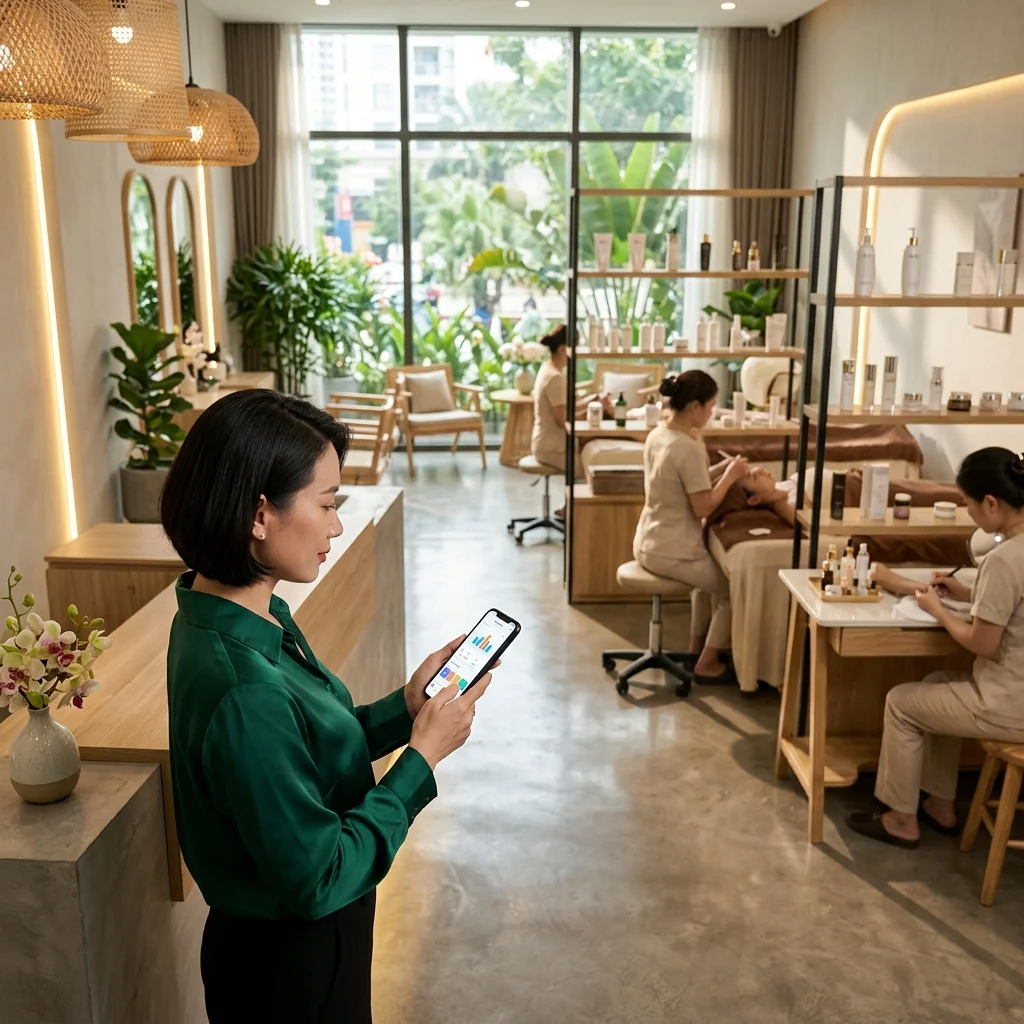
In the realm of Small and Medium-sized Enterprises (SMEs) within Singapore’s beauty sector, HR departments are typically characterized by their lean structures. Often, the HR function is managed by a single individual, perhaps an HR Manager or an HR Executive, who operates as a generalist. This solitary professional or a small team of two to three is tasked with an incredibly broad scope of responsibilities, encompassing everything from talent acquisition, onboarding, payroll processing, employee relations, training and development, to compliance with local labor laws. The reporting lines are remarkably flat; the HR Manager usually reports directly to the CEO, Managing Director, or occasionally the Finance Director. This direct access to top leadership allows for swift decision-making and a deep understanding of immediate business priorities.
The internal dynamics within these lean teams are typically agile and highly reactive. Without specialized departments, the SME HR professional must be a jack-of-all-trades, switching contexts rapidly. This necessitates close, informal collaboration with business owners and line managers. While this structure offers high autonomy and direct business impact, it also brings unique SME HR challenges beauty companies face, particularly concerning resource constraints, limited bandwidth for strategic initiatives, and the constant need to balance operational demands with proactive HR planning. The focus is often on meeting immediate operational needs and ensuring business continuity.
2. Multi-layered Corporate HR Departments
Conversely, corporate beauty giants in Singapore operate with significantly more complex and multi-layered HR departments. These organizations often boast teams comprising 10 or more professionals, structured into specialized units such as Talent Acquisition, Compensation & Benefits, HR Business Partners (HRBPs), Learning & Development, and HR Operations. The HR Director, a pivotal figure, leads this extensive function, often reporting to a regional HR Vice President or a Global Chief Human Resources Officer, with functional specialists reporting to their respective heads. This intricate HR team structure beauty Singapore corporations adopt facilitates deep expertise and the execution of sophisticated strategies.
The internal dynamics in corporate settings are more formal and process-driven. While this can lead to slower adaptation, it enables consistent implementation of large-scale initiatives, global policy alignment, and robust compliance frameworks. The scope of roles is highly specialized, allowing professionals to become experts in their respective domains. The focus is often on strategic human capital management, talent pipeline development, and driving corporate HR strategies beauty-specific to a global scale. HR reporting lines beauty industry are critical here for clear accountability and consistent execution across different business units and geographies. Collaboration within these departments is formalized through cross-functional project teams, regular meetings, and defined workflows, ensuring specialized knowledge is shared effectively.
3. Collaboration with Leadership & Stakeholders
The approach to collaborating with leadership and internal stakeholders also diverges significantly. In SMEs, the HR Manager’s direct reporting line to the CEO fosters highly intimate and often informal collaboration. HR acts as a direct implementer of the leadership’s vision and a crucial sounding board for employee-related matters. Collaboration is hands-on, problem-solving oriented, and deeply rooted in personal relationships, reflecting the entrepreneurial spirit of the business.
For corporate HR Directors, collaboration takes on a more strategic and formalized dimension. The HR Director serves as a key strategic partner to the C-suite, leveraging data and insights to influence overall business strategy, not just operational HR. HR Business Partners are embedded within specific business units, working closely with functional heads to align HR initiatives with business goals. This involves formal presentations, data-driven proposals, and strategic discussions that contribute to the organization’s competitive edge. Cross-functional collaboration HR is extensive, involving frequent interaction with legal, finance, marketing, and global teams to ensure integrated approaches. Furthermore, corporate HR increasingly guides leaders on sustainability, diversity, equity, and inclusion (DEI), and other Environmental, Social, and Governance (ESG) initiatives, which are paramount in the modern beauty industry.
In conclusion, while both SME HR Managers and Corporate HR Directors in Singapore’s beauty field are dedicated to optimizing human capital, their organizational structures and internal dynamics dictate vastly different collaborative approaches. SMEs thrive on agility and direct personal interaction, navigating challenges with lean resources. Corporates, conversely, leverage specialized teams and formalized processes to drive strategic, large-scale HR initiatives. Both models, however, underscore the essential role of HR as a strategic imperative, adapting its structure and collaboration mechanisms to suit the unique scale and ambitions of the beauty enterprise it serves. The overarching goal remains to foster an engaged and productive workforce, a crucial factor for success in Singapore’s competitive beauty landscape, as highlighted by evolving HR practices globally, emphasizing HR transformation as a strategic business partner.
Budget, Resources & Technology Utilization
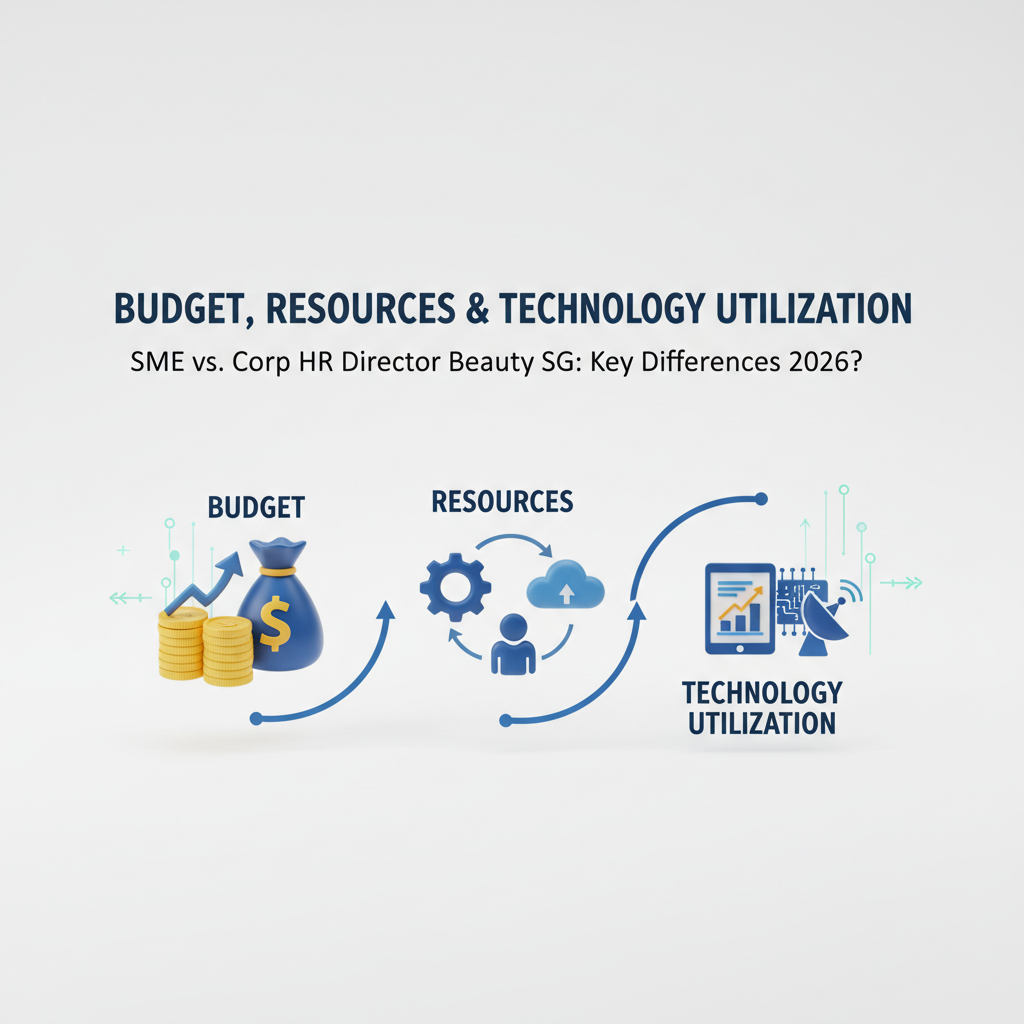
The operational landscape for Human Resources in Singapore’s vibrant beauty industry presents a stark contrast between small and medium-sized enterprises (SMEs) and their larger corporate counterparts. This disparity is particularly evident in their access to and utilization of budgets, human resources, and technological tools. Understanding these differences is crucial for anyone navigating the Differences between the SMEs’ HR Manager and the Corporates’ HR Director in beauty field in singapore, as it directly impacts strategic decision-making, talent management, and operational efficiency within the sector.
While both strive for excellent HR practices, the journey for a small beauty salon versus a multinational beauty conglomerate is fundamentally different, largely due to varying levels of financial backing and infrastructure. These distinctions shape everything from recruitment strategies to employee development programs, impacting overall business growth and resilience in Singapore’s competitive market. Addressing these Singapore beauty industry HR challenges is paramount for sustainable development.
-
Resource Constraints in SMEs
For most beauty SMEs in Singapore, HR functions are often handled by a single individual, who might also wear multiple hats, or even by the business owner themselves. This scenario highlights significant SME HR budget Singapore beauty limitations. Financial resources for dedicated HR personnel, extensive training programs, or advanced HR software are typically scarce. Budgets are meticulously managed, prioritizing direct revenue-generating activities like product procurement, marketing, and client services over what might be perceived as administrative overhead. As a result, HR managers in these smaller entities often rely on manual processes, basic spreadsheets, and personal networks for tasks like recruitment, payroll, and employee record-keeping. Training and development, if conducted, are usually informal, on-the-job, or through government-subsidized programs rather than comprehensive, bespoke courses. This lean approach, while cost-effective, can limit the scope and sophistication of HR initiatives, making it challenging to compete for top talent or implement robust employee retention strategies in the face of larger, more resource-rich competitors. Navigating these constraints requires innovative thinking and a deep understanding of local labor laws and best practices.
-
Extensive Corporate HR Budgets
In contrast, large beauty corporations in Singapore operate with significantly more substantial HR budgets, reflecting a strategic investment in human capital. These organizations typically boast dedicated HR departments, often structured with specialists in areas like talent acquisition, compensation and benefits, organizational development, and HR operations. Such extensive corporate HR strategies beauty industry allow for the implementation of sophisticated HR policies and programs. Budgets accommodate competitive salaries for HR professionals, comprehensive employee benefits packages, and significant allocations for professional development and training. These corporations can afford to invest in external consultants for specialized projects, conduct extensive market research for competitive benchmarking, and offer attractive perks that SMEs simply cannot match. This financial flexibility enables them to proactively address workforce needs, attract high-caliber professionals, and cultivate a strong employer brand, giving them a distinct advantage in the talent war within the beauty sector. Such organizations also have the capacity to explore advanced HR resource allocation beauty businesses models.
-
HR Tech Adoption and Systems
The disparity in financial resources directly translates into significant differences in HR technology adoption. For SMEs, the initial cost and ongoing maintenance of advanced HR software can be prohibitive. They often start with free or low-cost tools for specific tasks, gradually upgrading as their budget allows. Cloud-based HR systems offering modular solutions have become a lifeline for many, allowing them to scale up their HR tech infrastructure without a massive upfront investment. However, integrating these disparate systems remains a challenge. In contrast, large beauty corporations typically deploy integrated Human Resource Information Systems (HRIS) or Human Capital Management (HCM) platforms. These systems offer end-to-end solutions for everything from recruitment and onboarding to payroll, performance management, and analytics. Such comprehensive platforms streamline HR processes, reduce administrative burden, and provide invaluable data insights for strategic decision-making. The ability of large corporations to leverage big data and AI-driven HR analytics provides a significant edge in workforce planning and talent optimization. The pace of HR technology adoption Singapore beauty sector is growing, but the gap between large and small enterprises persists. According to the Singapore Business Review, many SMEs face challenges in their digital transformation journeys, which includes the adoption of HR tech.
In conclusion, the budget, resources, and technology utilization within HR functions delineate a clear divide between small and large beauty enterprises in Singapore. While SMEs demonstrate resilience and ingenuity in managing constraints, large corporations leverage their financial strength to deploy comprehensive HR strategies and cutting-edge technologies. Understanding these fundamental enterprise HR solutions Singapore distinctions is vital for both businesses and HR professionals to effectively navigate the unique challenges and opportunities present in Singapore’s dynamic beauty industry.
Strategic Impact & Influence on Business
In Singapore’s vibrant and competitive beauty sector, the Human Resources (HR) function is not merely an administrative overhead but a critical strategic partner influencing business growth and sustainability. The nature of this influence, however, differs significantly depending on the organisation’s size and structure. Understanding the Differences between the SMEs’ HR Manager and the Corporates’ HR Director in beauty field in singapore is crucial to appreciating their distinct strategic impacts.
1. Direct Business Impact in SMEs
For Small and Medium-sized Enterprises (SMEs) in Singapore’s beauty industry, the HR Manager often wears multiple hats, directly influencing daily operations and immediate business outcomes. Their role is typically hands-on, encompassing everything from recruitment and onboarding to payroll, employee relations, and training. The HR Manager’s immediate strategic contribution lies in ensuring a stable, motivated, and skilled workforce that can directly deliver services and products to customers. They are instrumental in developing agile talent acquisition strategies tailored to the specific needs of a smaller team, often focusing on specialists like experienced beauticians, aestheticians, or salon managers.
Their impact is felt through efficient staff scheduling that maximises client appointments, effective conflict resolution that maintains team harmony, and prompt addressing of skill gaps to uphold service quality. Furthermore, ensuring regulatory compliance in HR, particularly with Singapore’s employment laws, is paramount to avoid penalties that could significantly impact an SME’s bottom line. By fostering a positive work environment through bespoke employee engagement initiatives, HR Managers directly contribute to employee retention, reducing the high costs associated with turnover in a talent-scarce market. This direct, operational involvement allows them to quickly adapt to market changes, ensuring the business remains responsive and competitive.
2. Long-term Strategic Planning in Corporates
In contrast, the HR Director in large beauty corporations operates at a far more strategic level. While still overseeing core HR functions, their primary focus shifts towards aligning human capital strategy with overarching business objectives, market expansion plans, and brand positioning. Their influence extends to designing robust succession planning frameworks that ensure leadership continuity and future-readiness for multiple brands or extensive service networks across Singapore and potentially the region. This involves identifying high-potential employees, investing in their long-term development, and preparing them for senior leadership roles.
The HR Director’s strategic impact is evident in their ability to anticipate future talent needs driven by market trends, technological advancements in beauty, or geographical expansion. They are responsible for developing sophisticated talent acquisition strategies that attract top-tier professionals across diverse functions, from R&D chemists to global marketing managers. They also champion large-scale organisational development in beauty by implementing change management initiatives, fostering innovation, and embedding corporate values across a diverse workforce. This strategic foresight underscores the vital role HR plays in driving long-term business performance and competitive advantage. Their decisions are not just about filling immediate vacancies but about building sustainable human capital infrastructure that supports the corporate vision for years to come.
3. Driving Talent & Culture Agendas
Regardless of the organisational scale, both HR Managers and HR Directors are pivotal in shaping talent and culture agendas within Singapore’s beauty sector, albeit with different scopes and methodologies. For SMEs, the HR Manager cultivates an intimate, familial culture. Their employee engagement initiatives are often personalised, fostering a strong sense of belonging and camaraderie crucial for smaller teams. They are directly responsible for translating the founder’s vision into daily interactions and ensuring that every employee feels valued and understands their direct contribution to the brand’s reputation for quality service.
Conversely, in corporate environments, the HR Director is tasked with defining and embedding a scalable corporate culture that resonates across numerous departments, brands, and diverse employee profiles. Their focus is on developing comprehensive organisational development in beauty programs that promote continuous learning, foster a culture of excellence, and ensure a consistent brand experience for customers. This involves designing career progression paths, implementing mentorship programs, and fostering a leadership culture that cascades down through the organisation. Both roles, by effectively managing and nurturing talent, directly influence customer satisfaction, brand loyalty, and ultimately, market share. Whether ensuring immediate service excellence in an SME or driving widespread brand consistency in a corporate giant, the HR function is an indispensable architect of business success in Singapore’s dynamic beauty landscape.
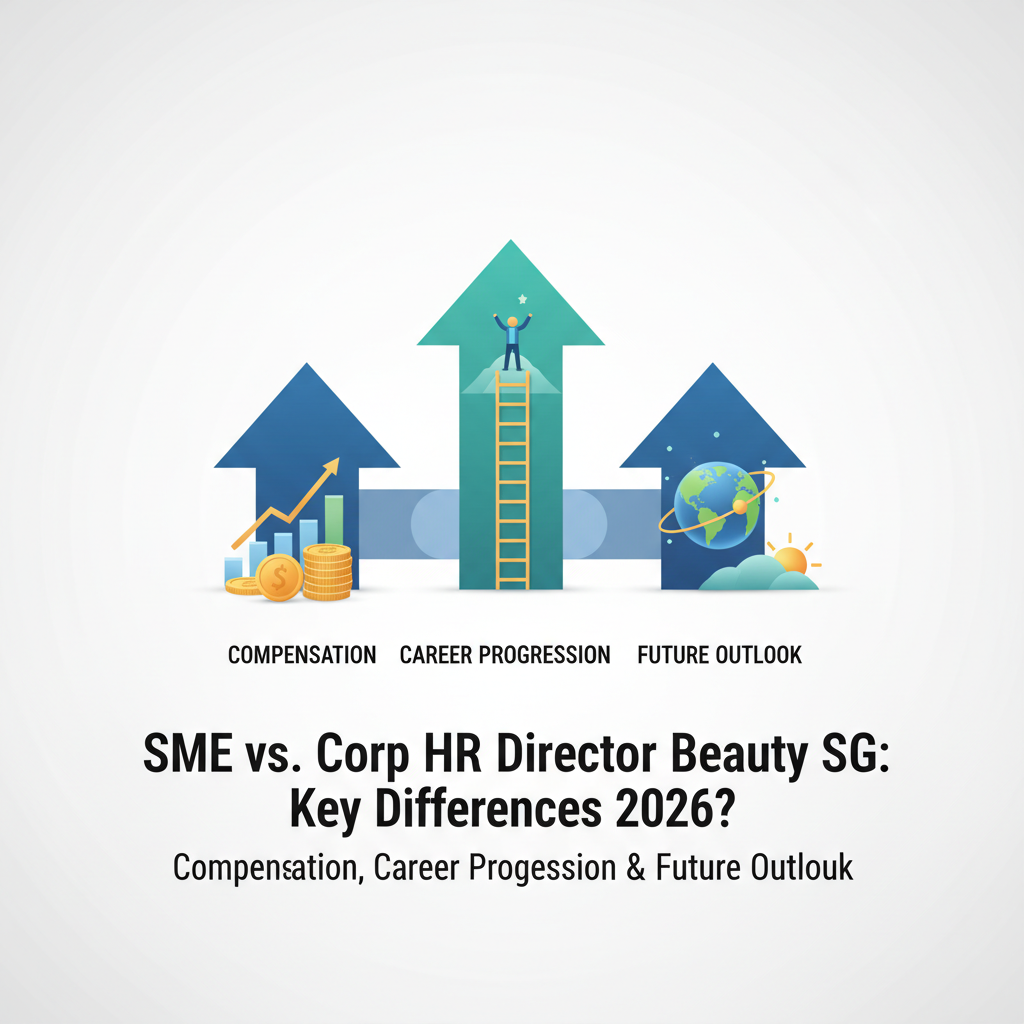
Compensation, Career Progression & Future Outlook
Singapore’s beauty industry, a vibrant and ever-evolving sector, continues to attract significant talent, particularly within its human resources functions. For HR professionals, understanding the critical differences between the SMEs’ HR Manager and the Corporates’ HR Director in beauty field in Singapore is key to navigating career trajectories and compensation expectations. As we look towards 2026, the landscape for both roles is shaped by market dynamics, emerging trends, and the unique operational requirements of small-to-medium enterprises (SMEs) versus large multinational corporations.
While both roles are integral to organizational success, their scope, strategic influence, and corresponding rewards diverge significantly. This section will compare typical salary ranges, opportunities for advancement, and the future trajectory for these pivotal HR roles, highlighting the nuances that define their value proposition in Singapore’s competitive beauty market.
1. Salary & Benefits Benchmarking
For an HR Manager in Singapore’s beauty SMEs, the role often demands a broad, hands-on approach, covering everything from recruitment and employee relations to payroll and HR policy implementation. In 2026, the typical HR salary Singapore beauty industry for an SME HR Manager is projected to range from S$5,000 to S$8,000 per month. Benefits packages usually include standard medical coverage, annual leave, and sometimes performance-based bonuses tied to company growth or specific HR initiatives. The compensation structure for these roles reflects a need for agility and a generalist skillset, vital for managing the lean operations often characteristic of SMEs.
Conversely, a Corporate HR Director in a larger beauty conglomerate operates at a much more strategic level. Their responsibilities often include developing overarching talent acquisition strategies, comprehensive compensation and benefits frameworks, organizational development, and fostering a robust corporate culture across multiple brands or regions. For these executive roles, the HR Director trends 2026 indicate a significant premium on strategic foresight and leadership capabilities. Typical salaries are expected to range from S$10,000 to S$18,000+ per month, with comprehensive benefits packages that may include robust health and dental plans, executive stock options, substantial annual bonuses, and often regional or international travel allowances. These packages reflect the director’s influence on the company’s overall business objectives and long-term sustainability. For a deeper dive into market rates, consulting a reputable Singapore HR salary guide can provide up-to-date insights.
2. Career Paths & Development Opportunities
The career trajectory for an HR Manager in an SME offers unique advantages, particularly for those who thrive on diverse responsibilities. Often, these managers gain invaluable experience across all HR functions, essentially acting as a ‘mini-HR Director’ for their organization. Opportunities for HR career progression beauty industry within SMEs might lead to becoming an HR Head for a rapidly expanding local brand or a lateral move to a specialist role within a larger corporate structure. Development typically involves on-the-job learning, vendor-provided training for HR systems, and industry-specific workshops, often driven by immediate operational needs and the specific SME HR challenges Singapore presents.
For a Corporate HR Director, the career path is often more structured, with clear upward mobility towards regional HR leadership, Vice President of HR, or even Chief People Officer roles. Their strategic contributions are directly linked to global talent management and organizational resilience. Development opportunities are typically extensive, encompassing structured leadership development programs, executive coaching, and sponsorships for advanced professional certifications (e.g., SHRM-SCP, HRMP). These roles demand continuous learning in areas like talent analytics, change management, and global HR policy, equipping them to lead complex, multi-market initiatives and shape the future of the organization’s human capital strategy.
3. Adapting to 2026 Beauty Industry Trends
Both HR Manager and HR Director roles will need to adapt significantly to the evolving beauty industry in 2026. Key trends include the accelerated adoption of digitalization (AI in recruitment, HR analytics), increasing focus on sustainability and ethical sourcing, heightened competition for specialized talent, and the pervasive shift towards personalized beauty experiences. For the HR Manager in an SME, adaptation will involve developing agile recruitment strategies to attract talent with digital marketing and e-commerce expertise, managing flexible or hybrid work arrangements effectively, and fostering a strong, inclusive culture with limited resources. Addressing SME HR challenges Singapore related to talent attraction and retention in a digitally-driven market will be paramount.
The Corporate HR Director, on the other hand, will be tasked with developing a holistic Corporate HR strategy beauty industry that integrates these macro trends into long-term plans. This includes implementing advanced AI-driven talent analytics to predict future workforce needs, championing diversity, equity, and inclusion initiatives across global operations, and building sustainable talent pipelines that align with the company’s environmental and social governance (ESG) goals. Anticipating and responding to these significant HR Director trends 2026 will require not just tactical execution, but visionary leadership that positions the beauty firm as an employer of choice in a highly dynamic market. Their role will be crucial in ensuring the corporate entity remains competitive by attracting, developing, and retaining the talent necessary to innovate and lead in the future of beauty.
Partner with Shelby Global
You are looking for reliable HR Sevice Suppliers? Contact Shelby Global Now! To connect with verified talents and upgrade your orginization.
—————————————
References
– SME HR Challenges: https://www.humanresourcesonline.net/categories/sme-hr-challenges
– HR Transformation: Strategic business partner: https://www2.deloitte.com/us/en/pages/human-capital/articles/hr-transformation-strategic-business-partner.html
– Digital Transformation in Singapore: SME Challenges & Success Stories: https://sbr.com.sg/economy/news/digital-transformation-singapore-sme-challenges-success-stories
– Why We Underestimate the Value of HR: https://hbr.org/2015/07/why-we-underestimate-the-value-of-hr
– Singapore HR salary guide: https://www.michaelpage.com.sg/salary-guide