Scope of Responsibility & Strategic Influence
The dynamic sales landscape in Vietnam, characterized by a burgeoning economy and diverse market players, profoundly shapes the roles and responsibilities of HR professionals. While both an SME’s HR Manager and a Corporate’s HR Director in the sales field are critical for talent management, their scope of responsibility and strategic influence diverge significantly due to organizational scale, resources, and operational complexity. Understanding these differences between the SMEs’ HR Manager and the Corporates’ HR Director in sales field in Vietnam is key to appreciating their distinct contributions to sales force effectiveness.

1. Operational Focus vs. Long-term Strategic Planning
In a Small and Medium-sized Enterprise (SME) in Vietnam, the HR Manager for sales typically juggles a broad array of operational duties. Their focus is often on immediate, tactical needs such as rapid talent acquisition for new sales roles, managing day-to-day employee relations, administering compensation and benefits, and ensuring basic compliance. Resource constraints often mean they are deeply involved in hands-on processes like initial interviews, onboarding, and direct support for sales team members. Long-term strategic planning, while desired, often takes a backseat to urgent operational demands. Their role is reactive and responsive, directly supporting the sales team’s daily grind.
Conversely, a Corporate HR Director for sales operates with a significant emphasis on long-term strategic planning. They are responsible for developing comprehensive HR strategies that align with the corporation’s overarching business objectives and sales targets. This includes sophisticated workforce planning, designing scalable performance management systems, developing robust succession plans for key sales leadership roles, and crafting competitive, market-driven compensation and incentive structures. Their work is proactive, focusing on organizational development and anticipating future talent needs across a large, often multi-regional, sales force. According to SHRM, strategic HR management is crucial for aligning human capital with organizational goals, a principle the Corporate HR Director embodies.
2. Direct Impact on Sales Force Productivity & Culture
The SME HR Manager in sales has a very direct, often personal, impact on sales force productivity and culture. Working within a smaller team, they are intimately familiar with individual sales performance, strengths, and development needs. Their interventions – be it a quick training session, conflict resolution, or a personalized retention effort – can yield immediate and visible results. They are often instrumental in shaping the informal culture, acting as a direct confidant and advocate for sales staff. Their ability to foster a tight-knit, motivated team directly contributes to local sales success.
For a Corporate HR Director in sales, the impact is systemic and far-reaching, albeit often less direct on an individual level. Their influence on sales force productivity stems from establishing standardized frameworks for performance evaluation, developing comprehensive training and development programs that can be deployed across multiple teams, and implementing large-scale talent retention strategies. They are responsible for cultivating a consistent, high-performance sales culture that aligns with corporate values across various regions and departments. Their work ensures equitable practices in employee relations and contributes to overall organizational health and sales effectiveness through scalable policies and programs.
3. Level of Cross-functional Collaboration with Sales Leadership
In an SME, the HR Manager for sales typically engages in very close, almost daily, collaboration with the sales manager or even the business owner. This collaboration is often informal and highly agile, allowing for rapid decision-making on issues ranging from urgent recruitment needs to immediate employee disciplinary matters. They are deeply embedded within the sales operations, providing direct support and often having a significant say in strategic decisions affecting the sales team due to their close proximity and understanding of the sales team’s day-to-day challenges and opportunities.
The Corporate HR Director for sales collaborates with senior sales leadership (e.g., VPs of Sales, Regional Sales Directors) as a strategic business partner. This collaboration is typically more formalized, data-driven, and focused on broader organizational goals. They participate in executive-level meetings, providing HR insights on market expansion strategies, new product launches, sales organizational restructuring, and significant talent initiatives. Their input is crucial for developing robust HR solutions that support complex sales objectives, such as optimizing sales territories, managing large-scale change initiatives, and ensuring a pipeline of future leaders. Their role is to provide strategic counsel, ensuring that human capital strategies are fully integrated into the overall sales business strategy.
In conclusion, while both roles are pivotal, the differences between the SMEs’ HR Manager and the Corporates’ HR Director in sales field in Vietnam highlight a spectrum of HR practice. The SME HR Manager offers agile, hands-on support vital for immediate growth, whereas the Corporate HR Director focuses on scalable, strategic frameworks essential for sustaining large-scale sales operations and long-term organizational development. Both contribute distinctively to the success of their respective sales teams, adapting their scope and influence to the unique demands of their organizational context.
Resource Management & Budgetary Control
The scale of an organization profoundly dictates the operational framework and strategic capabilities of its Human Resources department, particularly concerning sales HR initiatives in Vietnam. The Differences between the SMEs’ HR Manager and the Corporates’ HR Director in sale field in vietnam are stark, especially in resource management, team composition, and budgetary authority. For SMEs, HR often operates with lean teams and limited financial resources, demanding a versatile approach. In contrast, large corporations typically boast dedicated HR departments, significant budgets, and the technological infrastructure to execute sophisticated sales HR strategies.
1. Lean Teams vs. Dedicated HR Departments for Sales
In Small and Medium-sized Enterprises (SMEs) in Vietnam, the HR professional, often an HR Manager, typically operates as a generalist. This individual is a critical multi-tasker, overseeing everything from recruitment and payroll to employee relations and general training. Their team, if any, is usually minimal, sometimes just a single assistant. When it comes to sales HR initiatives, the SME HR Manager might integrate sales-specific training into broader company-wide programs or rely heavily on sales leadership for onboarding and development. This lean HR capacity often leads to a reactive approach, limiting strategic talent management and specialized support for sales, with focus primarily on operational needs and compliance.
Conversely, large corporations in Vietnam employ specialized HR departments, often including dedicated HR Business Partners (HRBPs) assigned specifically to sales divisions. These HR Directors or specialized teams possess deep expertise in areas like talent acquisition strategies tailored for sales, complex sales compensation structures, performance management systems for commission-based roles, and comprehensive sales training programs. Their larger teams enable a strategic, proactive approach, enhancing sales team effectiveness and fostering high-performance cultures. This structure allows granular understanding of sales demands, aligning HR initiatives with sales objectives.
2. Budget Allocation for Sales Training & Development Programs
Budgetary control and resource allocation present another significant divergence. For SMEs, the HR Manager operates under severe budget constraints. Financial resources for sales training and development programs are often minimal, necessitating creative, cost-effective solutions. Training might be primarily in-house, leveraging experienced sales leaders, or utilizing free online resources. Formal, external professional development programs are rare, and investment in sophisticated sales methodologies is often deemed a luxury. Budget allocation requires direct approval from senior leadership, emphasizing immediate, tangible ROI.
In large corporations, HR Directors for sales often wield substantial budgetary authority, viewed as a strategic investment in human capital. These organizations allocate significant funds for comprehensive sales training programs, leadership development, executive coaching, and industry-specific certifications. They understand that a highly skilled sales force directly impacts revenue growth and market share. Budgetary decisions are typically data-driven, analyzing the return on investment (ROI) from various training interventions. This allows for a more robust and sustainable approach to upskilling the sales force, enhancing sales performance and fostering a culture of continuous learning. For instance, Harvard Business Review often highlights the long-term benefits of strategic investments in sales training, a principle more readily adopted by larger entities.
3. Leveraging Technology and HRIS for Sales HR Functions
The adoption and utilization of HR technology further underscore the disparity. SME HR Managers often rely on basic tools – spreadsheets for tracking employee data, manual processes for performance reviews, and perhaps simple payroll software. Comprehensive HRIS (Human Resources Information Systems) or advanced HCM (Human Capital Management) suites are typically out of reach due to cost and complexity. This lack of integrated technology limits their ability to conduct detailed HR analytics for sales, track training, or manage complex compensation efficiently. Data-driven decision-making becomes challenging, relying more on anecdotal evidence.
Conversely, Corporate HR Directors for sales operate within sophisticated technological ecosystems. They leverage advanced HRIS platforms with modules specifically designed for talent acquisition, performance management, learning and development, and compensation. These systems enable efficient management of large sales teams, automate administrative tasks, and provide powerful data analytics capabilities. HR analytics for sales data allows corporations to identify training gaps, optimize sales compensation structures, predict attrition, and measure the effectiveness of various HR initiatives. This digital transformation enhances operational efficiency and empowers HR as a strategic partner, providing insights that drive growth.
Ultimately, organizational scale fundamentally reshapes the HR professional’s role in supporting sales teams in Vietnam. From team structure and budget to technology, the Differences between the SMEs’ HR Manager and the Corporates’ HR Director in sale field in vietnam are profound, impacting sales HR initiatives and overall sales force effectiveness.
Talent Acquisition & Development for Sales Teams
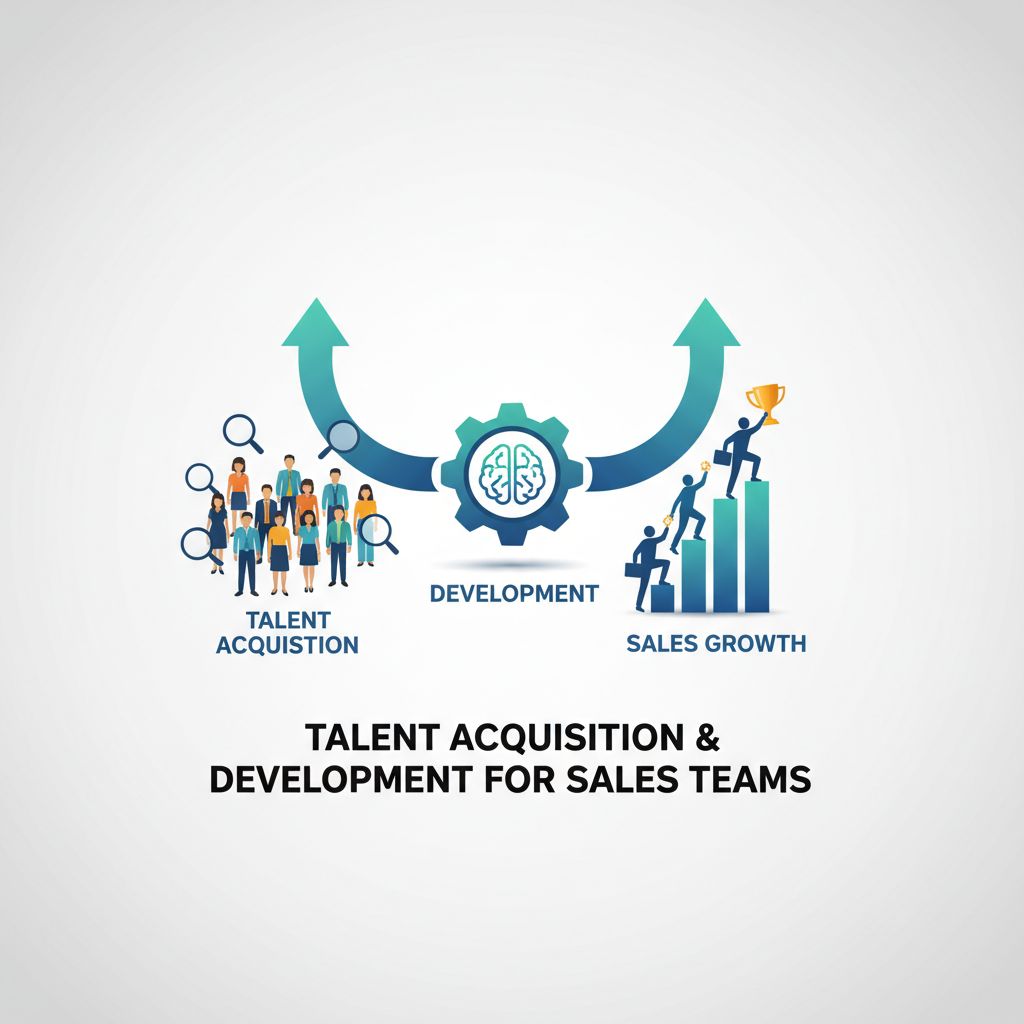
The dynamic and rapidly expanding Vietnamese market presents unique challenges and opportunities for talent acquisition and development, particularly within sales teams. The approaches to recruiting, onboarding, and continuous development for sales professionals differ significantly between Small and Medium-sized Enterprises (SMEs) and large corporations, often reflecting the Differences between the SMEs’ HR Manager and the Corporates’ HR Director in sale field in vietnam. Understanding these distinctions is crucial for businesses aiming to build high-performing sales forces in Vietnam.
1. Employer Branding & Recruitment Strategies for Sales Talent
For SMEs in Vietnam, recruiting sales talent Vietnam often hinges on personal networks, referrals, and showcasing the company’s agility and growth potential. Without the established brand recognition of larger entities, SMEs HR Managers must effectively communicate a compelling vision and the direct impact a new hire can have. Their recruitment strategies are often more informal, faster, and rely on the entrepreneurial spirit of candidates. They frequently seek individuals who are adaptable, proactive, and comfortable with a broader scope of responsibilities, offering a steep learning curve and direct access to decision-makers as key incentives. The challenge lies in competing for top talent against more established players.
Conversely, large corporations leverage their strong global or national employer brands to attract a wider pool of candidates. Their recruitment processes are typically structured, multi-staged, and often incorporate sophisticated assessment tools. Corporates’ HR Directors focus on standardized procedures, adherence to global best practices, and offering competitive compensation packages, comprehensive benefits, and clear career progression paths. While this attracts stability-seeking and process-oriented sales professionals, it can sometimes lead to longer hiring cycles and a potential disconnect if local market nuances are overlooked. Both aim to foster effective onboarding sales professionals Vietnam, but the scale and resources allocated differ vastly.
2. Performance Management and Sales Compensation Structures
Performance management and sales compensation structures are another area where significant disparities emerge. In Vietnamese SMEs, performance management tends to be more direct, fluid, and often involves real-time feedback from founders or senior sales leaders. Key Performance Indicators (KPIs) might be simpler and directly tied to sales volume or new client acquisition. Compensation structures are frequently commission-heavy, providing strong incentives for individual sales results, albeit often with a lower fixed base salary. While this can motivate high-performers, it may also lead to higher turnover if sales cycles are long or market conditions are tough. The SME sales HR challenges Vietnam often include balancing attractive commission with sustainable fixed costs.
Large corporations, on the other hand, typically implement sophisticated and multi-layered performance management systems. These include regular reviews, 360-degree feedback, and often involve CRM software to track detailed sales metrics. Compensation structures usually comprise a competitive base salary, a structured bonus plan tied to individual, team, and company performance, along with extensive benefits packages (healthcare, retirement plans, stock options). This approach offers greater stability and comprehensive rewards but can sometimes be perceived as less flexible. According to recent market analysis, Vietnam’s average salaries are seeing upward trends across various industries, influencing how both SMEs and corporations structure their sales compensation to remain competitive. Sales compensation Vietnam in large firms often includes complex incentive schemes designed to drive specific behaviors and long-term commitment.
3. Continuous Learning & Upskilling for Sales Professionals
For continuous learning and upskilling, Vietnamese SMEs largely rely on on-the-job training, peer mentorship, and ad-hoc workshops. Developing sales talent Vietnam in these smaller setups is often practical and immediate, focusing on skills directly applicable to current sales challenges. Founders or experienced sales managers often serve as direct mentors, sharing their market knowledge and sales techniques. Budget constraints mean less investment in formal external training programs, prompting HR Managers to seek cost-effective solutions like free online resources or local industry meetups. This approach fosters resilience and resourcefulness but might lack structured long-term career development plans.
Corporates, in contrast, typically have dedicated training departments or substantial budgets allocated for learning and development. They invest in structured training programs, advanced sales methodologies, leadership development courses, and access to international e-learning platforms. Sales professionals in large firms often follow clear career progression paths, with opportunities for cross-functional exposure or international assignments. This strategic investment in continuous education ensures a highly skilled workforce and helps mitigate the Corporate sales HR strategies Vietnam challenge of maintaining a competitive edge. These structured programs are vital for enhancing complex skills, fostering innovation, and preparing sales professionals for future leadership roles in a rapidly evolving market, thus ensuring a pipeline of continuously upskilling sales professionals Vietnam.
Autonomy, Decision-Making & Stakeholder Engagement
Examining the level of independence in decision-making and the primary stakeholders each role interacts with, this section highlights the fundamental differences in organizational hierarchy and influence between HR professionals in Small and Medium-sized Enterprises (SMEs) and large corporations. Vietnam’s dynamic business landscape presents unique challenges and opportunities for HR, particularly within the competitive sales field. Understanding these distinct operating environments is crucial for grasping the inherent differences between the SMEs’ HR Manager and the Corporates’ HR Director in the sales field in Vietnam.
While both roles are pivotal to talent management, their scope, influence, and stakeholder engagement diverge significantly due to structural disparities. These factors define not only daily responsibilities but also the strategic impact each HR professional wields in supporting and driving the sales workforce.
1. Direct Reporting Lines vs. Executive Board Interaction
For an HR Manager in a Vietnamese SME’s sales sector, reporting lines are concise and direct, often to the company owner or General Director. This streamlined structure enables rapid decision-making, often in close consultation with the principal. High autonomy within their operational scope allows quick responses to immediate SME HR challenges, like urgent sales team hiring or performance issues. Stakeholder engagement is primarily internal, focusing on the sales team, department heads, and the owner. Their influence is immediate and tactical.
Conversely, a Corporate HR Director operates within a more complex matrix, reporting to C-suite executives or regional HR heads. This role involves significant interaction with the executive board, requiring strategic presentations and securing buy-in for major initiatives. Decision-making is more collaborative and often protracted, involving multiple approvals and adherence to global guidelines. While possessing significant strategic influence, their HR decision-making autonomy on individual issues is less direct. Stakeholder management HR for a Corporate HR Director is broader, encompassing internal departments, global HR, legal, and investor relations, particularly for large-scale sales force HR strategy initiatives.
2. Policy Formulation & Implementation for Sales Workforce
The SME HR Manager is often hands-on in policy formulation and implementation for their sales workforce. Policies might be less formal, evolving organically to meet immediate business needs and directly influenced by the owner. For instance, a sales commission structure can be designed and implemented swiftly, allowing rapid adjustments based on market feedback. Their focus is on practical, effective solutions for a compact sales team, with an intimate understanding derived from close personal interaction. This ensures direct and personal policy implementation and reflects distinct HR leadership in Vietnam.
In a large corporation, the HR Director’s involvement in policy formulation for the sales workforce is strategic and overarching. They collaborate with global/regional HR, legal, and sales leadership to develop comprehensive, scalable, and compliant policies (e.g., compensation, performance, talent development). Implementation is multifaceted, involving communication plans and manager training, ensuring consistency across diverse regions. While responsible for the strategic framework, day-to-day implementation might be delegated. Their role is to ensure policies drive strategic objectives, mitigate risks, and align with broader strategic HR in sales goals, often navigating complex guidelines.
3. Navigating Bureaucracy vs. Driving Agile HR Solutions
An SME HR Manager typically encounters minimal bureaucracy, fostering greater agility. If the sales team needs immediate training or an incentive change, the HR Manager can facilitate this rapidly, cutting through red tape. Direct access to decision-makers and a smaller scope mean inherent agility, allowing quick pivots and swift solution implementation. This operational freedom significantly supports the sales force’s immediate requirements and contributes to rapid problem-solving, critical in Vietnam’s fast-paced market.
Conversely, a Corporate HR Director frequently navigates significant organizational bureaucracy with established protocols and multi-layered approval processes. Their challenge lies in driving agile HR solutions within this rigid framework. They must adeptly influence stakeholders, build consensus, and champion innovative talent management approaches. This involves acting as a change agent, advocating for streamlined processes, and leveraging technology to enhance HR service delivery. Implementing new digital tools for the sales team, for example, might involve extensive pilots and global approvals. This demands strategic vision, strong advocacy, and an understanding of corporate HR complexities to effectively modernize HR practices and foster an agile sales culture, as highlighted by insights into shifting roles and capabilities of HR in Vietnam.
In conclusion, the Differences between the SMEs’ HR Manager and the Corporates’ HR Director in the sales field in Vietnam are profound, shaping their autonomy, decision-making processes, and stakeholder engagement. While the SME HR Manager enjoys direct influence and operational agility, the Corporate HR Director wields strategic influence across a broader, more complex organizational landscape. Both roles are vital, yet their approaches reflect the unique demands and opportunities of their respective organizational contexts, demanding distinct skill sets and leadership styles to thrive in Vietnam’s dynamic market.
Navigating Vietnam’s Sales Landscape & Future Trends
Vietnam’s vibrant economy presents a dynamic and often complex sales landscape, marked by rapid growth, evolving consumer behaviors, and increasing competition. For HR professionals, whether an HR Manager in a budding SME or an HR Director in a well-established corporate entity, navigating this terrain requires acute local insight and strategic foresight. The Differences between the SMEs’ HR Manager and the Corporates’ HR Director in sale field in vietnam are particularly pronounced in how they approach talent acquisition, development, and retention within this high-stakes environment. Understanding these nuances and anticipating future trends is crucial for building resilient and high-performing sales teams by 2026.
1. Understanding Local Labor Laws & Sales Market Dynamics
One of the primary challenges for HR in Vietnam’s sales market involves deciphering and complying with the country’s intricate labor laws. From employment contracts and social insurance regulations to severance policies and minimum wage adjustments, adherence is paramount. For SMEs, the HR Manager often juggles these responsibilities with limited legal support, requiring a broad understanding of Vietnamese labor law. Their focus is often on ensuring basic compliance while rapidly scaling the sales force. In contrast, corporate HR Directors typically oversee dedicated legal teams or have extensive in-house counsel, allowing for more sophisticated strategies in areas like performance management, employee relations, and compliance risk mitigation. Both roles, however, must continuously adapt to the rapid shifts in Vietnam sales market dynamics, including emerging sectors, changes in consumer purchasing power, and regional economic disparities.
Beyond legal frameworks, the competitive nature of the sales talent acquisition landscape demands innovative recruitment and sales force retention strategies. High demand for skilled sales professionals means attractive compensation packages, clear career progression paths, and a positive work culture are non-negotiable. HR challenges Vietnam are amplified by a young workforce with high expectations for professional development and work-life balance. Therefore, staying updated on market benchmarks and actively engaging employees becomes a strategic imperative for both SMEs and corporates to ensure their sales teams remain motivated and productive.
2. Adapting to Digital Transformation in Sales HR
The global push for digital transformation has profoundly impacted sales organizations, and consequently, sales HR. In Vietnam, this trend is accelerating, with businesses increasingly leveraging technology to streamline operations and enhance market reach. HR Managers in SMEs are often tasked with implementing basic digital tools, such as applicant tracking systems (ATS) or simple HR information systems (HRIS), to manage their growing sales teams efficiently, despite often constrained budgets. Their agility is key in identifying cost-effective solutions that deliver immediate value.
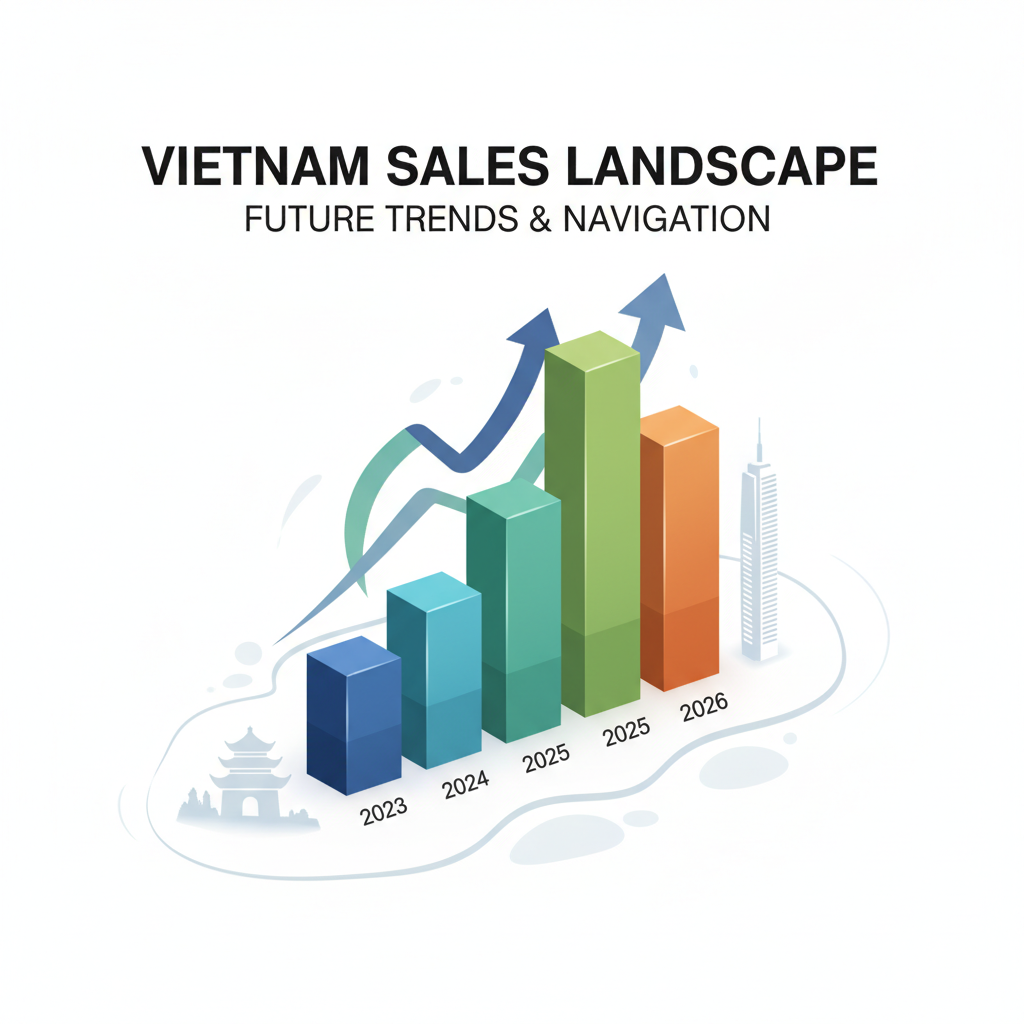
Corporate HR Directors, on the other hand, lead more extensive digital transformation HR initiatives, integrating sophisticated HRIS, CRM platforms for sales performance tracking, and advanced analytics tools to derive actionable insights. They manage the complexities of large-scale system deployments, data privacy concerns, and change management across diverse sales departments. The strategic application of AI in HR, particularly in candidate screening, predictive analytics for sales attrition, and personalized learning paths, is becoming a significant differentiator. HR professionals across the board need to embrace HR analytics to make data-driven decisions on talent investment, optimize sales training programs, and understand the true impact of HR initiatives on revenue generation. This adaptation is not merely about adopting new software but fundamentally rethinking how HR supports and empowers the sales function in a digitally-driven world. The World Bank notes Vietnam’s “rapid progress in digital transformation, with the digital economy expected to contribute significantly to GDP growth,” underscoring the urgency for HR to integrate digital strategies across all functions. World Bank: Vietnam Accelerating Digital Transformation.
3. Future Skill Requirements & HR Evolution for Sales Professionals
Looking towards 2026, the profile of a successful sales professional in Vietnam will continue to evolve rapidly. Beyond traditional selling techniques, future sales skills will heavily emphasize digital fluency, data literacy, and the ability to leverage technology for customer engagement. Adaptability, resilience, and a high degree of emotional intelligence will be crucial for navigating a rapidly changing market. The shift towards solution-based and consultative selling means sales professionals need to be strategic advisors rather than mere product pushers, requiring deeper industry knowledge and problem-solving capabilities.
For HR, this necessitates a fundamental evolution in HR strategy 2026. HR Managers in SMEs will likely focus on upskilling existing teams through accessible online courses and peer-to-peer learning, creating a culture of continuous development where sales generalists can acquire diverse competencies. Their approach to talent development Vietnam will be hands-on and agile, fostering a multi-skilled workforce. Corporate HR Directors, on the other hand, will develop comprehensive learning academies, integrate AI-driven personalized training modules, and forge partnerships with educational institutions to build a robust talent pipeline. They will invest in specialized certifications and leadership programs to cultivate sales leaders capable of driving complex, multi-market initiatives. Both must proactively identify skill gaps, design targeted training interventions, and build a compelling employer brand to attract and retain the next generation of sales talent, ensuring their organizations remain competitive in Vietnam’s dynamic economic landscape.
Partner with Shelby Global
You are looking for reliable HR Sevice Suppliers? Contact Shelby Global Now! To connect with verified talents and upgrade your orginization.
—————————————
References
– Strategic HR Management | SHRM: https://www.shrm.org/resourcesandtools/hr-topics/organizational-and-employee-development/pages/strategic-hr-management.aspx
– Harvard Business Review: https://hbr.org/2021/04/the-roi-of-sales-training
– Vietnam Average Salaries by Industry and City 2023: https://www.vietnambriefing.com/news/vietnam-average-salaries-by-industry-and-city-2023.html
– shifting roles and capabilities of HR in Vietnam: https://www2.deloitte.com/vn/en/pages/human-capital/articles/shifting-roles-capabilities-of-hr.html
– World Bank: Vietnam Accelerating Digital Transformation: https://www.worldbank.org/en/country/vietnam/publication/vietnam-accelerating-digital-transformation