Laying the Foundation: Understanding Malaysia’s Medical SME Landscape
For a fresh CEO stepping into Malaysia’s dynamic healthcare sector, comprehending the unique operational and market environment of Small and Medium Enterprises (SMEs) is paramount. This section provides a crucial overview, setting the stage for strategic HR considerations and offering a clear Step by Step to understand SMEs HR Structure for the fresh CEO in medicine field in malaysia. Navigating this intricate landscape requires an acute awareness of local nuances, regulatory frameworks, and the characteristic agility—and often resource limitations—that define medical SMEs in the country.

1. Key Characteristics of Malaysian Medical SMEs
Malaysian medical SMEs typically operate with a blend of entrepreneurial spirit and clinical dedication. Unlike their larger counterparts, these enterprises—ranging from neighborhood clinics and specialist practices to diagnostic laboratories and medical device distributors—often face distinct challenges and advantages. Their operational environment is characterized by leaner staffing, multi-functional roles for employees, and a strong reliance on a few key individuals, usually the founding physicians or specialists. Financial agility is often a double-edged sword; while allowing for quick decision-making and adaptation to local market demands, it also means tighter budgets for advanced technology, comprehensive HR departments, and extensive professional development programs. Talent acquisition and retention present significant hurdles, as SMEs compete with larger hospitals and multinational corporations for skilled healthcare professionals, including doctors, nurses, and allied health staff. Their market focus tends to be localized, serving specific communities or niche medical needs, necessitating a deep understanding of local patient demographics and cultural sensitivities. Digital transformation is increasingly impacting these SMEs, pushing them towards adopting e-health solutions, appointment systems, and digital records, albeit often with limited IT resources.
2. Regulatory Bodies & Compliance (MOH, MDA, MMC, etc.)
Compliance is non-negotiable within Malaysia’s healthcare sector, and medical SMEs must meticulously adhere to a stringent regulatory framework. The primary oversight bodies include the Ministry of Health (MOH), which dictates public health policies, medical practice guidelines, and facility licensing. The Medical Device Authority (MDA) regulates the import, export, manufacture, and distribution of medical devices, ensuring their safety and quality—a critical aspect for SMEs involved in diagnostics or equipment supply. The Malaysian Medical Council (MMC) governs the registration and professional conduct of medical practitioners, ensuring high standards of patient care and ethical practice. Similarly, various other divisions within MOH, such as the Pharmaceutical Services Division, oversee drug registration and pharmacy operations. For a CEO, understanding these regulations is crucial not just for legal adherence but also for building trust, ensuring patient safety, and mitigating operational risks. HR strategies must incorporate continuous training on compliance, maintaining accurate professional licensing, and fostering a culture of adherence to national health standards and ethical guidelines. Failure to comply can result in severe penalties, including license revocation, financial penalties, and reputational damage, directly impacting the SME’s long-term viability.
3. Typical Organizational Sizes and Structures in Healthcare SMEs
The organizational structure within Malaysian medical SMEs varies significantly depending on their size and specialty. A typical small clinic might feature a flat structure, with the principal doctor overseeing a small team of nurses, medical assistants, and administrative staff. Larger SMEs, such as multi-specialty clinics or small hospitals, might exhibit a more hierarchical structure, including departmental heads for nursing, operations, and patient services. Common roles include general practitioners, specialist doctors, registered nurses, medical laboratory technologists, pharmacists, physiotherapists, and administrative support staff. HR functions in these environments are often handled by a single manager, an administrative executive, or even the CEO themselves, highlighting the multi-hatting phenomenon. This lean approach necessitates efficient processes for recruitment, onboarding, performance management, and employee relations. Effective human resource management in an SME context requires a focus on professional development, creating career pathways despite limited upward mobility, and fostering a supportive work environment to enhance staff retention. Succession planning, though challenging in smaller organizations, is vital for long-term sustainability, especially for critical clinical or management roles. Understanding these structures is foundational for any fresh CEO looking to optimize talent management and ensure operational efficiency within their medical SME.
Decoding the Core: Key HR Functions in a Medical SME
For a fresh CEO stepping into the dynamic world of a medical SME in Malaysia, navigating the intricate landscape of human resources is as critical as mastering clinical operations. Understanding the “Step by Step to understand SMEs HR Structure for the fresh CEO in medicine field in malaysia” isn’t merely about administrative compliance; it’s about building a robust, high-performing team that delivers exceptional patient care. Effective “Malaysia medical HR” practices are the backbone of any successful healthcare enterprise, ensuring talent acquisition, retention, and development are aligned with strategic objectives. This guide delves into the essential “SME healthcare HR management” functions, equipping you with the vital knowledge to foster a thriving work environment in your medical practice. From attracting the best medical talent to ensuring fair compensation and continuous professional growth, grasping these HR fundamentals is paramount for sustained success and mitigating “HR challenges medical SMEs” often face. Mastering “HR best practices medical clinics” will set your organization apart.
-
Recruitment & Onboarding for Healthcare Professionals
This is where the journey of building your medical team begins. For a medical SME, attracting top-tier “healthcare recruitment Malaysia” talent — from doctors and nurses to administrative support staff — requires a strategic approach. It’s not just about filling vacancies; it’s about finding individuals whose skills, experience, and patient-centric ethos align with your practice’s values. A CEO must understand that robust recruitment involves crafting compelling job descriptions, leveraging appropriate channels (medical job boards, professional networks, social media), and conducting thorough interviews that assess both clinical competency and cultural fit. This meticulous process is essential for effective “talent retention medical field” strategies.
Once hired, the “medical staff onboarding process” is crucial. It extends beyond paperwork, encompassing a structured orientation that integrates new hires into the team, familiarizes them with the clinic’s protocols, patient care philosophy, and critical safety procedures. A well-executed onboarding process significantly impacts employee retention and productivity, reducing early turnover. Neglecting this step can lead to confusion, dissatisfaction, and ultimately, a higher cost of re-recruitment. Focus on creating an engaging and supportive environment from day one to ensure your new medical professionals feel valued and ready to contribute effectively. This proactive approach to “talent retention medical field” starts even before their first patient interaction.
-
Compensation, Benefits, and Payroll Specifics for Medical Staff
Managing “Compensation medical professionals” and their benefits correctly is a cornerstone of “HR best practices medical clinics” and a significant factor in both attracting and retaining talent in Malaysia’s competitive healthcare landscape. As CEO, you need a clear grasp of market rates for various medical roles to ensure your packages are competitive, yet sustainable for your “SME healthcare HR management”. This involves regularly benchmarking salaries and understanding the different components of remuneration, including base pay, on-call allowances, performance bonuses, and other incentives. Understanding “benefits for healthcare workers Malaysia” is also key to a comprehensive package.
Beyond salary, a comprehensive benefits package is vital. This typically includes health insurance, EPF (Employees Provident Fund), SOCSO (Social Security Organisation), and potentially other perks like professional development allowances, annual leave, and sick leave, all adhering to Malaysian labor laws, particularly the Employment Act 1955. Ensuring “medical payroll compliance” is non-negotiable. Errors in payroll can lead to severe morale issues, legal complications, and financial penalties. Implementing efficient payroll systems and understanding tax regulations are critical tasks. Regular audits and clear communication regarding pay structures and benefits contribute to transparency and trust among your “medical staff”, fostering positive “employee relations healthcare Malaysia”.
-
Performance Management & Professional Development Cycles
For continuous improvement and sustained excellence in patient care, a structured approach to “Performance review healthcare SME” is indispensable. A CEO should champion a system that not only evaluates individual performance but also identifies areas for growth and recognizes achievements. This isn’t about annual critiques; it’s an ongoing process involving regular feedback, goal setting, and constructive discussions. Effective performance management frameworks help align individual goals with the medical practice’s overarching objectives, becoming a crucial aspect of your overall “HR strategy medical practice”.
Coupled with performance management is “professional development medical staff”. The medical field is constantly evolving, making continuous learning a necessity. CEOs should encourage and facilitate opportunities for staff to attend workshops, seminars, obtain certifications, or pursue further education. This could include funding for CMEs (Continuing Medical Education), specialized training for new medical technologies, or leadership development programs for senior staff. Investing in your team’s growth not only enhances their skills and job satisfaction but also directly translates into improved patient outcomes and strengthens your practice’s reputation. A robust “HR strategy medical practice” will always prioritize the holistic development of its people, turning challenges into opportunities for growth. This commitment to development is key for “talent retention medical field” and ensuring your team remains at the forefront of medical excellence.
Mastering these core HR functions is not just an administrative burden but a strategic imperative for any fresh CEO navigating a medical SME in Malaysia. From “healthcare recruitment Malaysia” and fostering a positive “medical staff onboarding process” to ensuring fair “compensation medical professionals” and driving “professional development medical staff”, each element contributes to a cohesive, productive, and satisfied workforce. By proactively engaging with these HR pillars, you can build a resilient team, navigate “HR challenges medical SMEs”, and ultimately achieve your vision of delivering outstanding patient care while securing the long-term success of your medical practice. This “CEO guide HR medical business” provides the necessary “Step by Step to understand SMEs HR Structure for the fresh CEO in medicine field in malaysia” to empower you to lead with confidence and cultivate a thriving healthcare environment.
Navigating Legalities: Malaysian Employment Laws & HR Policies
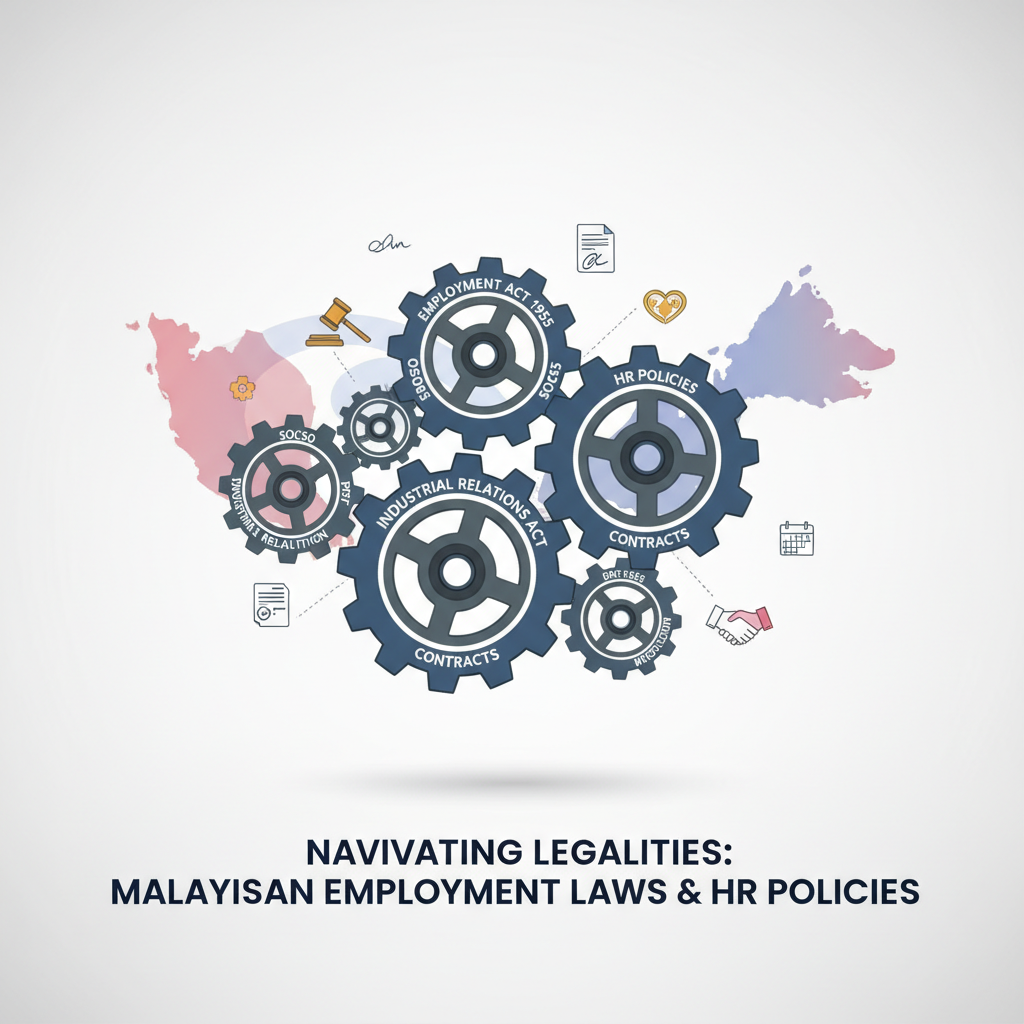
Critical for compliance and risk management, this section outlines the fundamental Malaysian employment laws and the development of robust HR policies that a fresh CEO must be aware of and implement. Understanding the intricacies of employment legislation and establishing a solid HR framework is paramount for any business, especially for a fresh CEO entering the Step by Step to understand SMEs HR Structure for the fresh CEO in medicine field in malaysia. This guide will help navigate the essential steps for effective Malaysian employment law compliance and building a resilient SME HR structure within the demanding medical sector HR landscape, addressing key CEO responsibilities HR.
1. Employment Act 1955 & Recent Amendments Affecting SMEs
The Employment Act 1955 (EA 1955) is the cornerstone of employment legislation in Peninsular Malaysia and Labuan, dictating fundamental terms and conditions of service. For a CEO of a medical SME, a thorough grasp of this act is non-negotiable for ensuring legal compliance Malaysia and mitigating risk management HR. Key areas include contracts of service, wages, working hours, holidays, leave entitlements (annual, sick, maternity, and paternity leave), and termination procedures. Recent significant amendments, particularly those effective from 1 January 2023, have broadened the scope of the Act to cover all employees regardless of salary, adjusted weekly working hours from 48 to 45, introduced mandatory paternity leave (7 days), expanded maternity leave (98 days), and provided for flexible working arrangements. These Employment Act 1955 updates necessitate immediate review and adjustment of existing HR policies to ensure the SME remains compliant and avoids costly penalties. Proactive adoption of these changes demonstrates a commitment to staff welfare medical and positions the organization as an employer of choice.
2. Workplace Safety & Health Act (OSHA) Compliance in Medical Settings
Ensuring a safe and healthy workplace is not just a legal obligation but a moral imperative, particularly within a medical setting where unique hazards exist. The Occupational Safety and Health Act 1994 (OSHA 1994) mandates employers to provide a safe working environment. For medical SMEs, this translates into specific requirements related to biohazard management, proper disposal of medical waste, safe handling of sharps, chemical safety, radiation protection, ergonomics for healthcare workers, and maintaining clean, sterile environments. OSHA compliance Malaysia requires the CEO to establish a robust safety management system, conduct regular risk assessments, provide adequate Personal Protective Equipment (PPE), implement emergency response plans, and offer continuous safety training. The recent amendments under the Occupational Safety and Health (Amendment) Act 2022 further strengthen these requirements, expanding the scope to nearly all workplaces and increasing penalties for non-compliance. Prioritizing workplace safety medical not only protects employees and patients but also safeguards the company’s reputation and financial stability.
3. Developing Essential HR Policies, Handbooks, and Standard Operating Procedures
Beyond legal compliance, a well-structured set of HR policies, comprehensive employee handbooks, and clear SOPs for HR are the backbone of effective human resource management. These documents provide clarity, consistency, and a framework for all employment-related matters, fostering a fair and transparent work environment. For a medical SME, essential policies include recruitment and selection, onboarding, compensation and benefits, performance management, leave management, code of conduct, anti-harassment, data privacy, grievance procedures, and disciplinary procedures HR. The employee handbook should consolidate key policies, communicate company values, and outline expectations, serving as a critical reference point for both management and employees. SOPs detail step-by-step instructions for repetitive tasks, ensuring operational efficiency and consistency, vital in a clinical environment. The CEO’s role in this HR policy development is crucial; they must champion these initiatives, ensuring they align with both legal requirements and the company’s strategic goals. Implementing HR best practices SME through these structured documents is fundamental for managing employee relations, reducing disputes, and promoting a positive organizational culture.
Technology & Tools: Optimizing HR Operations for SMEs
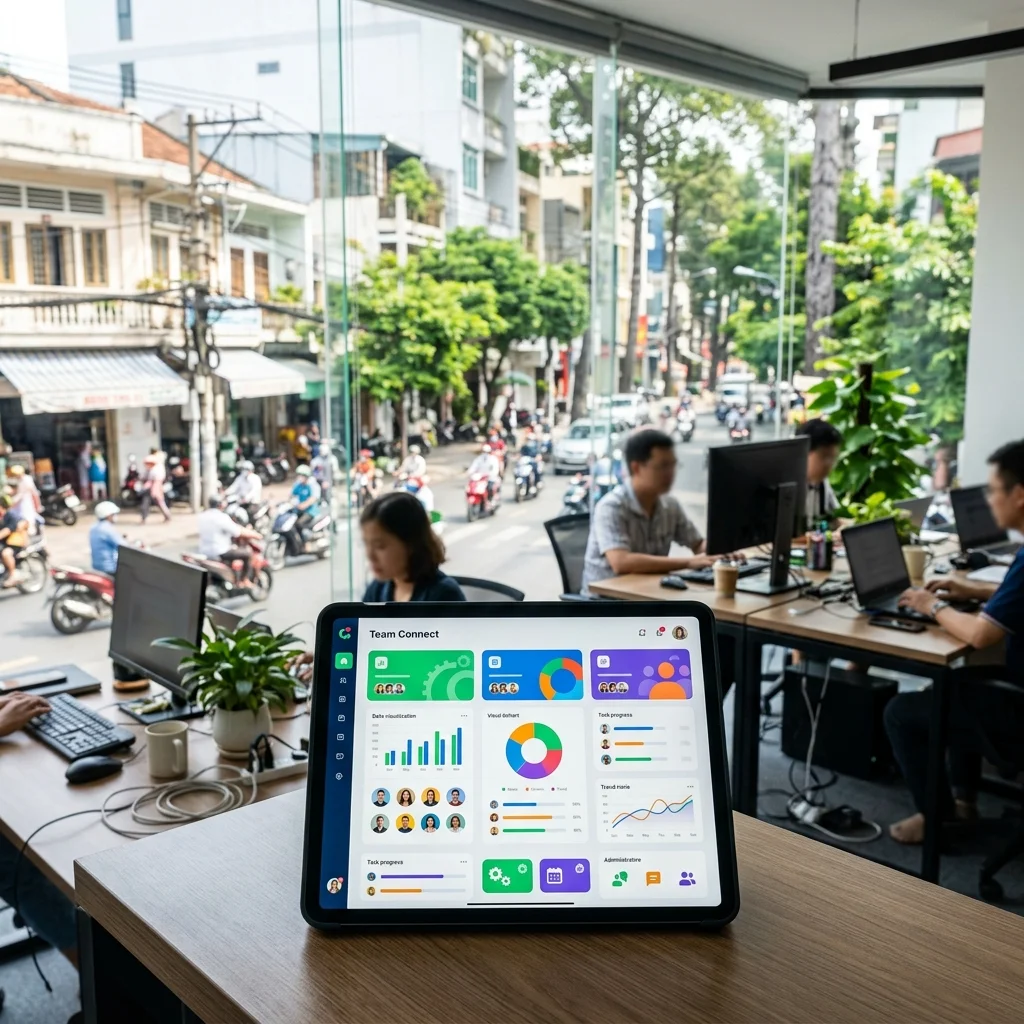
For a fresh CEO in the medicine field in Malaysia, navigating the intricate landscape of Small and Medium-sized Enterprises (SMEs) requires a strategic approach to every facet of the business, especially human resources. The effectiveness of HR operations directly impacts patient care, staff morale, and regulatory compliance. This section explores how leveraging cutting-edge technology can significantly enhance and streamline HR processes in Malaysia within smaller medical enterprises, focusing on achieving superior efficiency, robust employee data management, and the implementation of modern HR software solutions. Adopting digital tools is not merely an option but a necessity for transforming traditional HR functions into agile, data-driven departments capable of supporting rapid growth and navigating unique SME HR challenges.
1. Introduction to HRIS (Human Resource Information Systems) for SMEs
The cornerstone of modern HR technology for SMEs is the Human Resource Information System (HRIS). An HRIS is a comprehensive suite of HR software solutions designed to centralize and automate core HR functions. For medical SMEs in Malaysia, an HRIS offers unparalleled benefits in managing a diverse workforce, from doctors and nurses to administrative staff. It consolidates critical employee data management, including personal details, compensation, benefits, and performance records, into a single, accessible database. This eliminates manual paperwork, reduces errors, and ensures compliance with Malaysian labour laws and medical industry regulations, which is a key aspect of overcoming typical SME HR challenges.
Implementing a cloud-based HRIS solution means that even smaller medical practices can access sophisticated tools previously only available to larger corporations. These systems provide automated HR workflows for tasks like leave requests, attendance tracking, and payroll processing, significantly boosting HR efficiency tools. Such digital HR transformation not only saves valuable time but also frees up HR personnel to focus on more strategic initiatives, such as talent development and employee engagement, rather than administrative burdens. Selecting the right HRIS is a crucial step for any CEO looking to optimize medical HR operations and establish a robust HR infrastructure.
2. Digital Onboarding, Document Management & E-Learning Platforms
Beyond a core HRIS, specialized digital platforms further enhance HR operations. Digital onboarding systems automate the entire new hire process, from offer letter generation and background checks to benefits enrollment and mandatory training assignments. This creates a seamless and positive experience for new medical staff, ensuring they are productive faster and reducing the administrative load on HR. For a fresh CEO, a streamlined onboarding process signals a forward-thinking organization committed to its employees.
Coupled with digital onboarding, robust document management systems are vital for medical SMEs. These systems provide secure, digital repositories for all employee-related documents, from contracts and certifications to performance reviews. This not only enhances data security but also simplifies audits and ensures swift retrieval of information, crucial for compliance in Malaysian HR and accreditation requirements. The ability to manage documents digitally minimizes physical storage, reduces waste, and improves overall HR efficiency tools.
Furthermore, E-learning platforms are transformative for continuous professional development, especially for e-learning for medical staff. These platforms allow medical SMEs to deliver mandatory compliance training, clinical updates, and skills enhancement courses effectively and cost-efficiently. This ensures that staff remain up-to-date with the latest medical protocols and regulatory requirements, fostering a culture of continuous learning and improving the overall quality of patient care. Integrating these platforms into a broader HR technology framework facilitates comprehensive talent management solutions.
3. Leveraging Data Analytics for Strategic HR Decisions
In today’s competitive healthcare landscape, HR is no longer just an administrative function; it’s a strategic partner. Leveraging data analytics for strategic HR planning SME decision-making is perhaps one of the most impactful applications of HR software solutions. An integrated HRIS collects a wealth of data on employee performance, turnover rates, absenteeism, recruitment sources, and training effectiveness. By analyzing this data, a new CEO can gain invaluable insights into workforce trends and challenges.
HR analytics for small businesses enables informed decisions on workforce planning, talent acquisition strategies, and retention initiatives. For example, identifying departments with high turnover rates allows for targeted interventions to improve employee satisfaction and reduce recruitment costs. Understanding the correlation between training programs and performance metrics helps optimize learning investments. This proactive approach transforms HR from reactive problem-solving to strategic foresight, crucial for optimizing medical HR operations.
For a fresh CEO in the medicine field in Malaysia, understanding and utilizing these insights is paramount. Data-driven HR empowers leaders to make evidence-based decisions that enhance employee productivity, foster a positive work environment, and ultimately contribute to the financial health and long-term success of the medical enterprise. This digital HR transformation journey, supported by robust HR technology, ensures that human capital is managed not just efficiently, but strategically, setting a strong foundation for future growth and excellence.
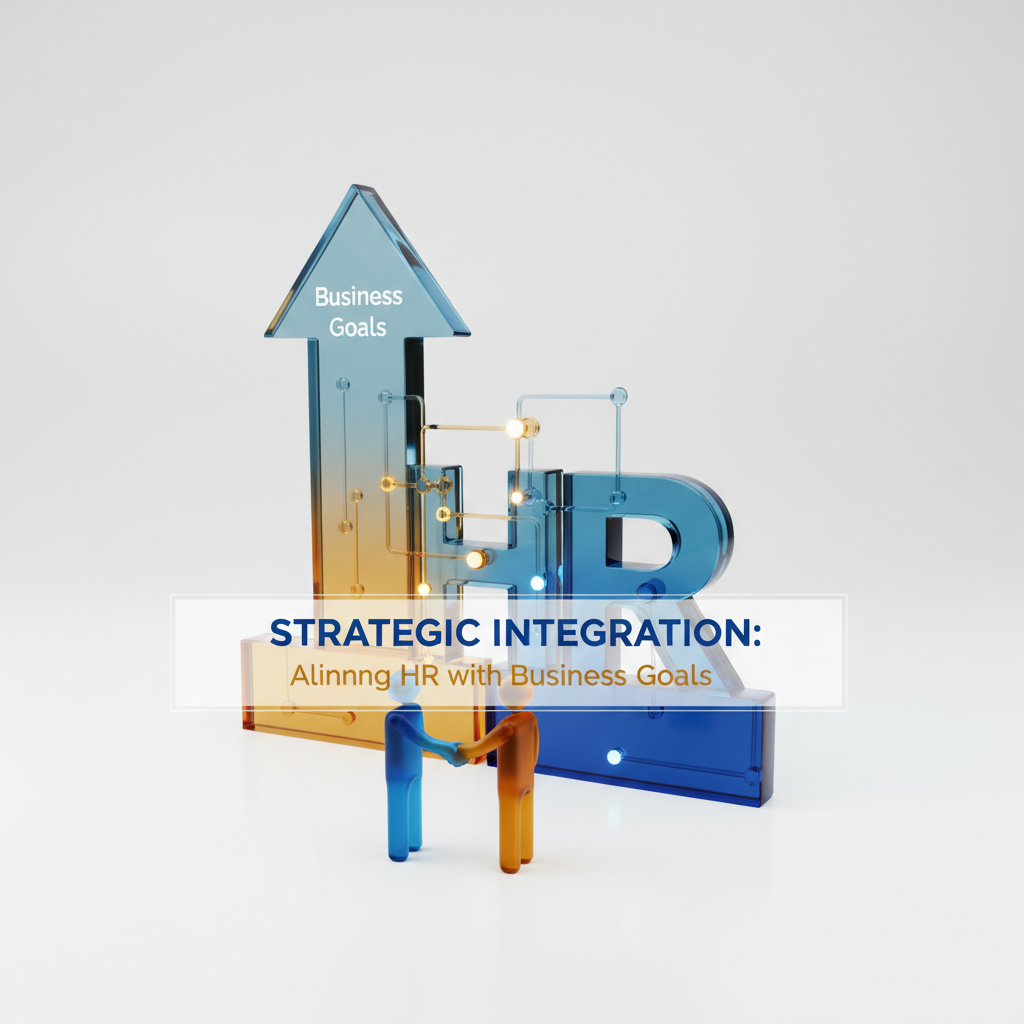
Strategic Integration: Aligning HR with Business Goals
As a fresh CEO stepping into a medical SME in Malaysia, understanding and strategically integrating human resources (HR) is paramount for sustainable growth and competitive advantage. HR is not merely an administrative function; it is a critical strategic partner that directly influences your organization’s ability to achieve its medical and business objectives. This section provides a strategic framework for aligning HR initiatives with your overall vision, ensuring robust talent retention, a thriving culture, and long-term success in the dynamic Malaysian healthcare landscape.
Effective HR strategy in a medical SME requires a clear understanding of both the unique challenges of the healthcare sector and the intricacies of managing a smaller, agile workforce. It’s about building a resilient organization from the inside out. For a detailed guide, consider exploring a comprehensive Step by Step to understand SMEs HR Structure for the fresh CEO in medicine field in malaysia. This foundational knowledge will empower you to transform HR from a cost center into a value driver, improving overall performance management and employee well-being.
1. Fostering a Positive Workplace Culture in Healthcare SMEs
A positive workplace culture is the bedrock of any successful medical enterprise, especially within the confines of an SME where individual contributions are highly visible and impactful. For a CEO, cultivating such an environment means actively championing values like teamwork, empathy, professionalism, and continuous learning. In Malaysia’s healthcare sector, a culture that prioritizes patient care alongside employee well-being can significantly boost morale and productivity. This involves transparent communication, recognizing achievements, and creating safe spaces for feedback. HR plays a pivotal role in embedding these values through robust onboarding programs, comprehensive employee handbooks, and ongoing communication strategies. Regular pulse surveys and town halls can help gauge the organizational climate and identify areas for improvement in your medical SME HR structure. A strong, supportive culture reduces turnover and enhances the overall patient experience, making your medical SME a preferred choice for both professionals and patients. It also helps in navigating the unique pressures faced by healthcare professionals, ensuring they feel supported and valued, fostering a sense of belonging and community.
2. Talent Retention Strategies for Medical Professionals & Specialists
Retaining top medical talent – from doctors and nurses to specialists and administrative staff – is perhaps one of the most significant challenges for Malaysian medical SMEs. The demand for skilled healthcare professionals often outstrips supply, leading to high competition. A strategic approach to talent retention goes beyond competitive salaries; it encompasses comprehensive benefits, professional development opportunities, and a clear career path. For a fresh CEO, this means investing in continuous medical education (CME), specialist training, and leadership development programs. Offering flexible work arrangements where feasible, providing robust employee wellness programs, and recognizing outstanding performance are also crucial elements of effective talent management. Building a strong employer brand that highlights your SME’s commitment to innovation, quality care, and employee growth can differentiate you in the competitive market. Understanding market benchmarks for compensation and benefits is also vital to remain competitive within the Malaysia healthcare sector. Resources from organizations like the World Health Organization (WHO) often highlight global and regional challenges in healthcare workforce retention, providing insights applicable even to specific Malaysian contexts regarding HR strategy and compliance. Proactive HR policies focusing on these elements are instrumental in keeping your most valuable assets engaged and committed long-term.
3. Succession Planning, Leadership Development & Employee Engagement
Long-term success for any medical SME hinges on robust succession planning and continuous leadership development. As a CEO, identifying and nurturing future leaders within your organization ensures continuity and prepares your SME for future challenges and opportunities. This involves creating structured mentorship programs, providing opportunities for cross-functional training, and empowering employees with greater responsibilities. Leadership development is not just for senior roles; it extends to cultivating leadership qualities at all levels, fostering a sense of ownership and accountability. Employee engagement is intrinsically linked to these efforts. Engaged employees are more productive, innovative, and loyal. Strategies include regular performance management reviews, goal setting, opportunities for upward mobility, and creating platforms for employees to contribute ideas. Encouraging participation in decision-making processes, even at a grassroots level, can significantly boost morale and commitment. Implementing digital HR solutions can streamline performance tracking and feedback, ensuring that employee development is data-driven and aligned with organizational objectives. By investing in your people’s growth, you are effectively investing in the future resilience and prosperity of your medical SME.
This integrated approach to HR, emphasizing culture, talent management, retention, and development, will enable your medical SME to attract, develop, and retain the best talent, ultimately driving superior patient outcomes and achieving your strategic business goals in Malaysia. This strategic integration is a key Step by Step to understand SMEs HR Structure for the fresh CEO in medicine field in malaysia, ensuring a resilient and thriving workforce.
Partner with Shelby Global
You are looking for reliable HR Sevice Suppliers? Contact Shelby Global Now! To connect with verified talents and upgrade your orginization.
—————————————
References
– Ministry of Health Malaysia: https://www.moh.gov.my/index.php/pages/view/205
– Malaysian Employment Laws & Regulations by JTKSM: https://jtk.mohr.gov.my/en/akta-akta-dan-peraturan-peraturan
– Malaysian Ministry of Human Resources (KSM): https://www.mohr.gov.my/
– What Is an HRIS? – SHRM: https://www.shrm.org/resourcesandtools/tools-and-samples/hr-qa/pages/what-is-hris.aspx
– World Health Organization (WHO) on global challenges in healthcare workforce retention: https://www.who.int/news-room/fact-sheets/detail/nursing-and-midwifery