Overview of Vietnam Film Industry HR Landscapes
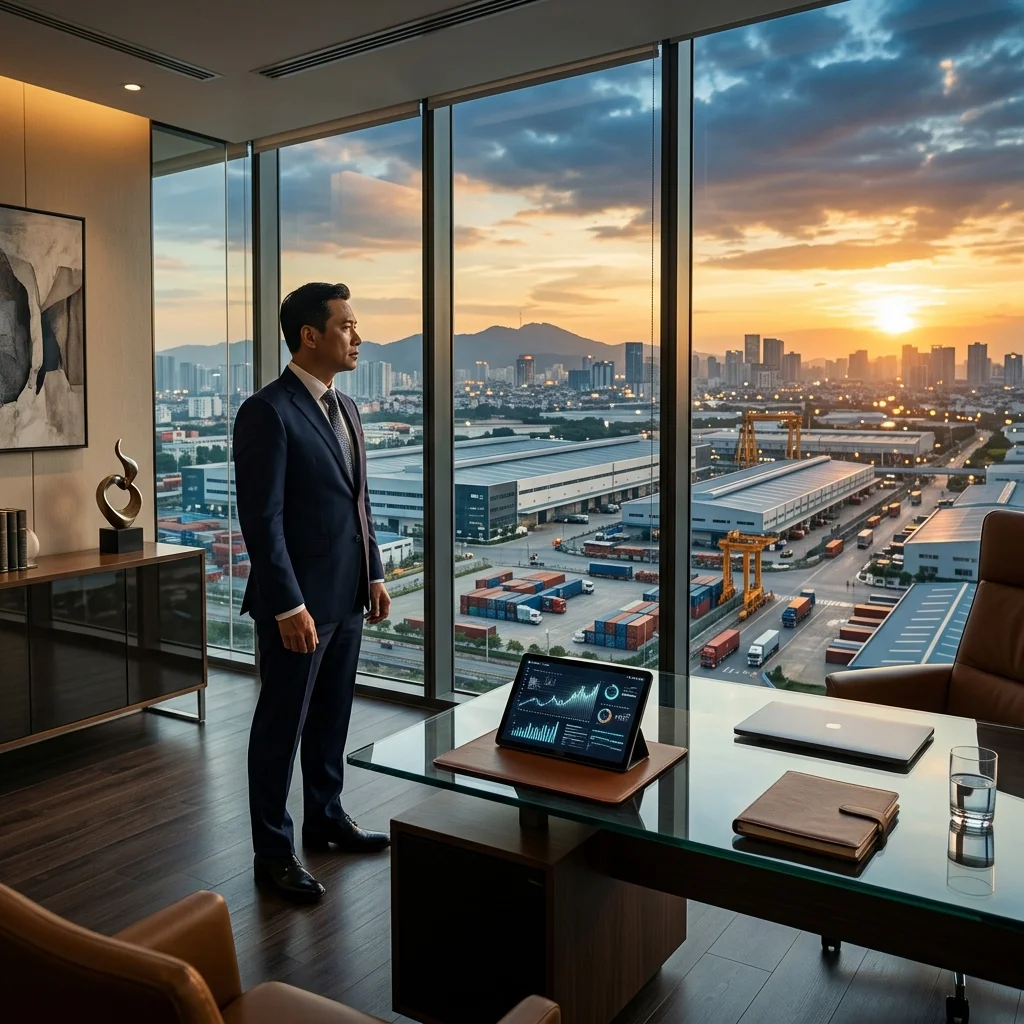
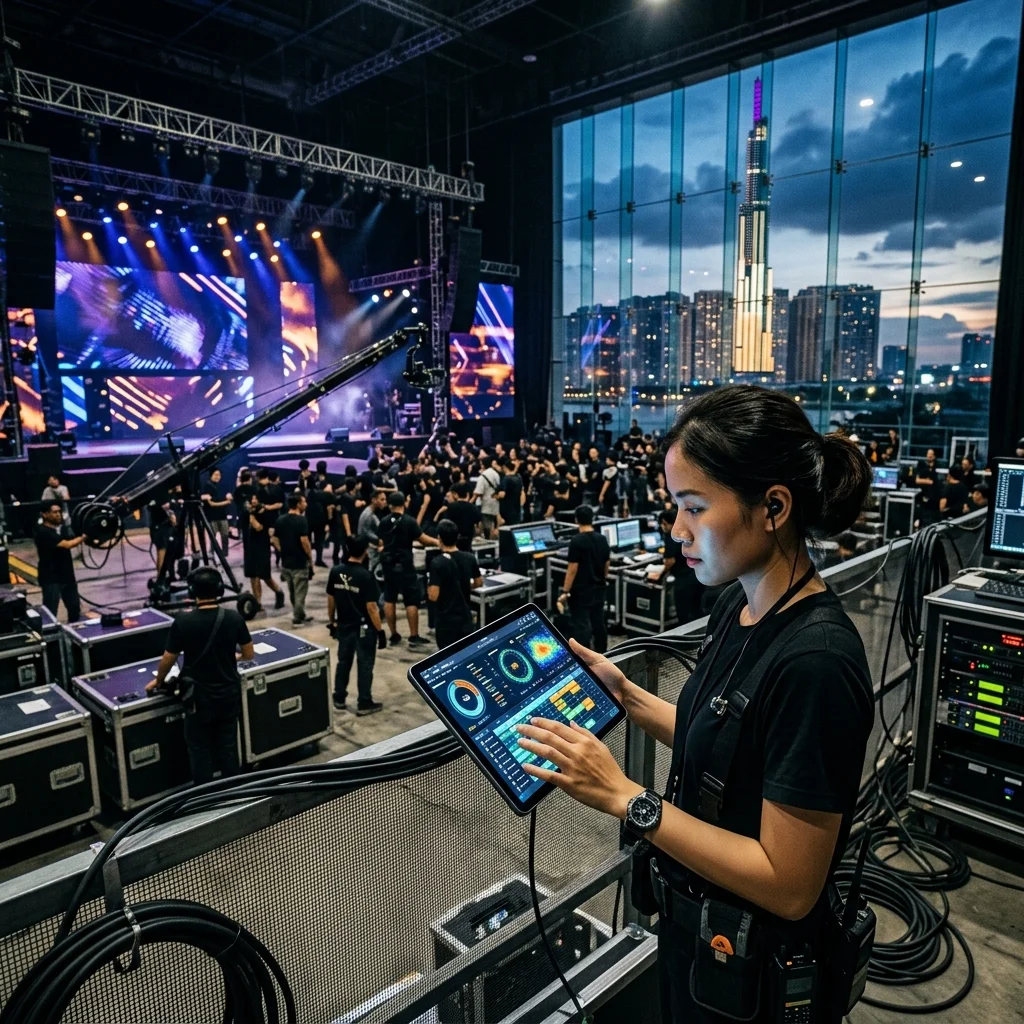
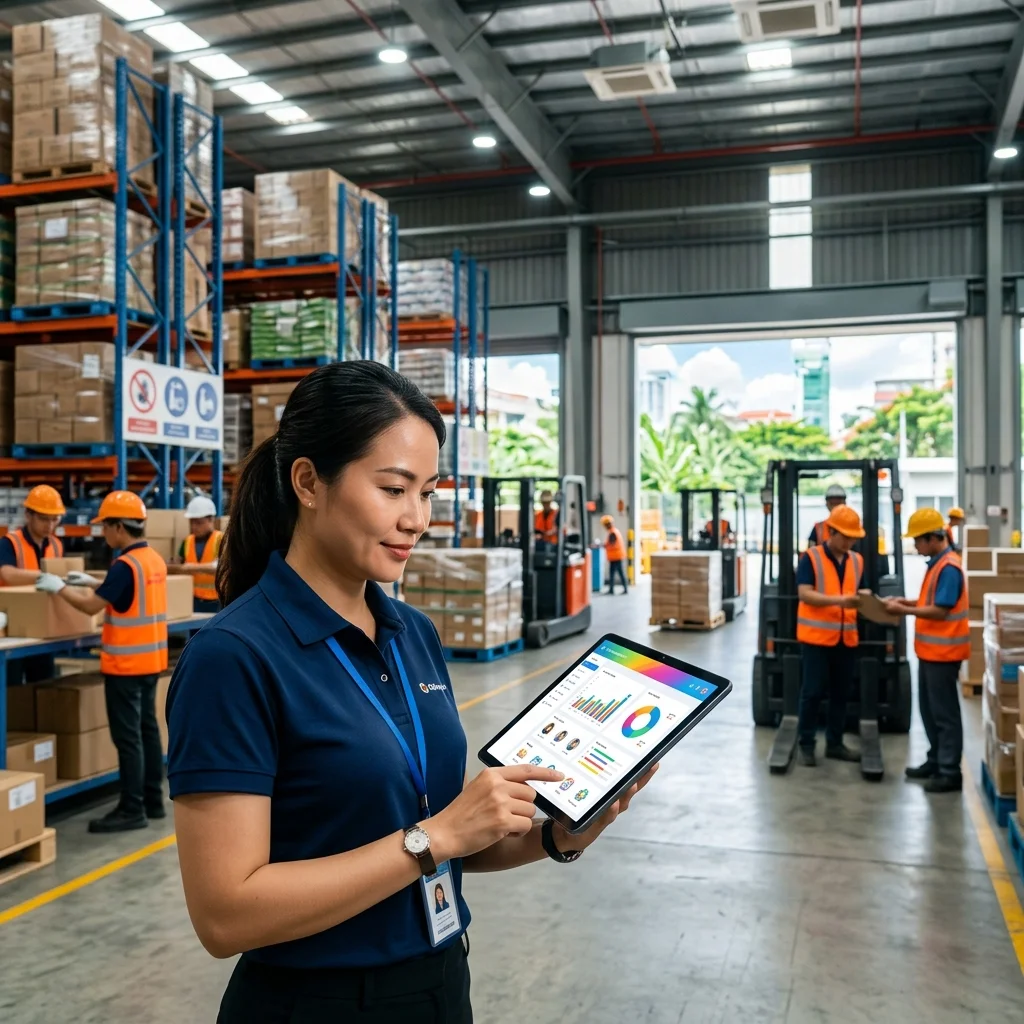
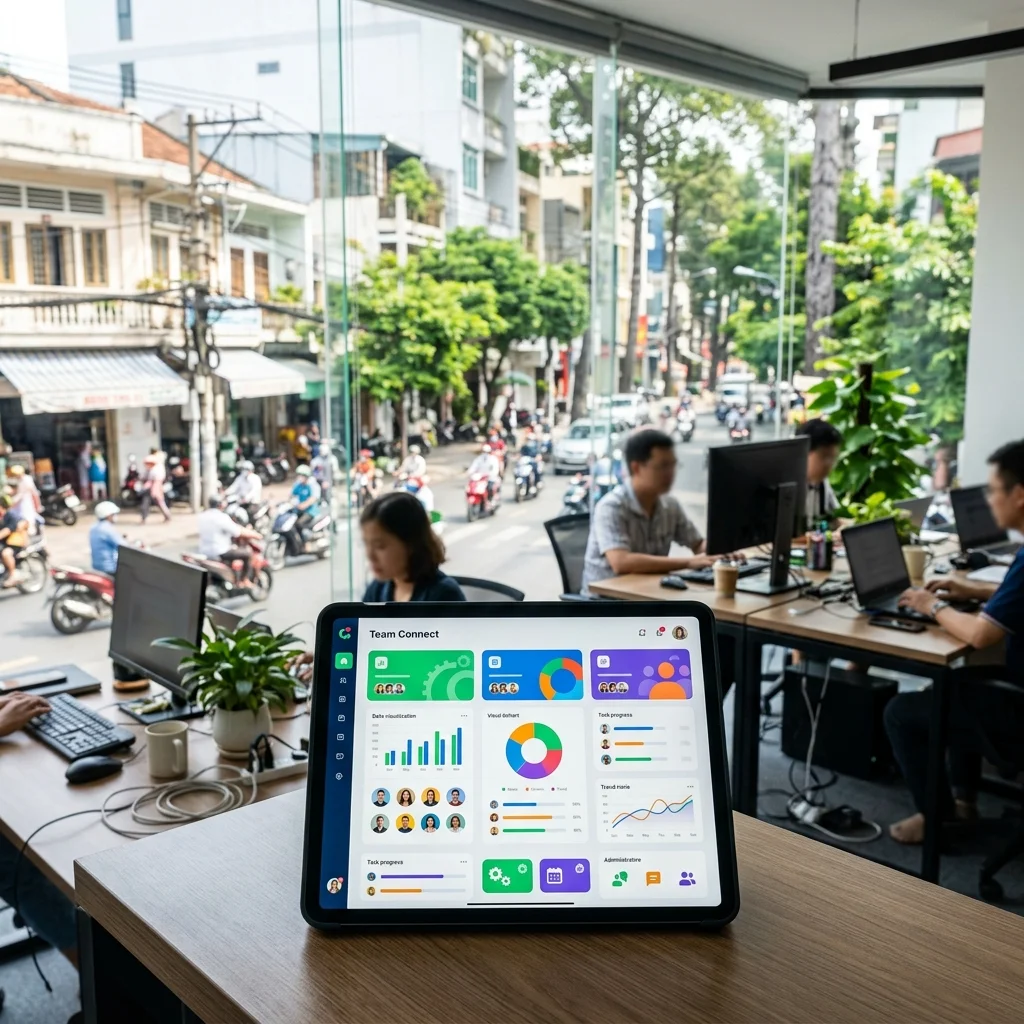
The Vietnamese film industry is currently undergoing a transformative phase, transitioning from a fragmented, project-based ecosystem to a more robust, professionalized commercial sector. As the demand for high-quality cinematic content surges, the underlying human resource frameworks have become the primary battleground for sustainable growth. A critical aspect of this evolution is understanding the Differences between the SMEs’ HR Structure and the Corporates’ HR Structure in Films field in vietnam. While smaller studios rely on fluid, agile teams where individuals often wear multiple hats, larger production houses are implementing rigid corporate hierarchies and specialized talent management systems to scale operations efficiently.
1. Evaluating the Vietnam film job market
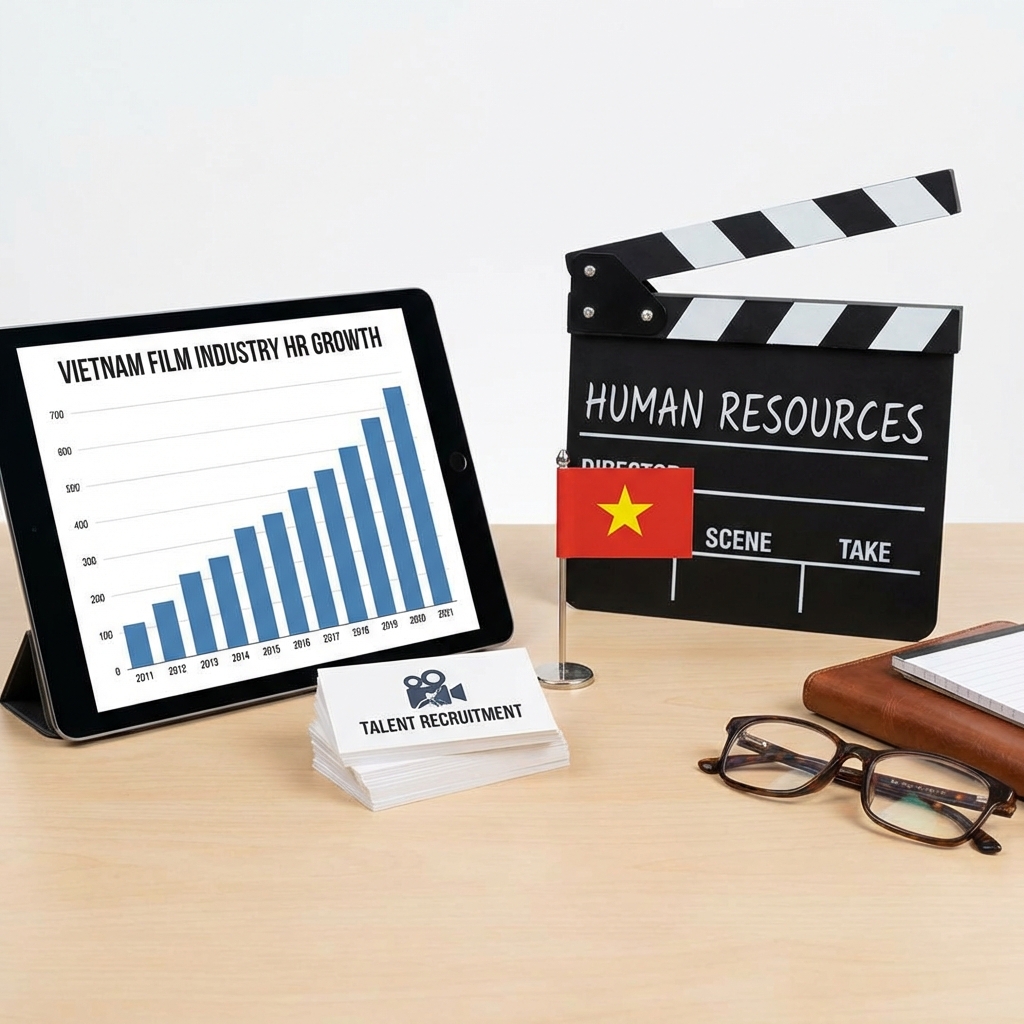
The Vietnam film job market is characterized by a high influx of young, creative talent paired with a shortage of specialized management personnel. According to recent reports from the Society for Cinema and Media Studies, the integration of global production standards has forced local players to re-evaluate their recruitment strategies. Talent acquisition has shifted from informal networks to formal assessment, reflecting a market that is increasingly valuing technical certifications and cross-departmental experience.
2. Defining the standard film production crew structure
A standard crew structure in Vietnam generally follows the traditional tripartite hierarchy of Pre-production, Production, and Post-production. However, the internal HR management of these units differs significantly based on firm size. In SME studios, the crew structure is often horizontal, promoting collaborative agility. In contrast, corporate production houses utilize a top-down reporting structure, incorporating human resource business partners (HRBPs) to manage long-term talent retention, union compliance, and specialized project-based performance reviews. This distinction remains one of the most vital areas for HR leaders to navigate when scaling production capacity.
3. Key shifts in HR management in Vietnam cinema
As the industry matures, three key shifts in HR management have emerged. First, there is a movement toward formalized training and development programs to combat skills gaps. Second, corporate entities are prioritizing data-driven HR metrics to optimize payroll and scheduling for large-scale sets. Finally, there is a paradigm shift toward improved workplace equity and welfare, ensuring that the project-based nature of film work does not compromise the long-term career progression of the artistic and technical workforce. By aligning these HR strategies with international best practices, Vietnamese production companies can better navigate the competitive landscape of modern global entertainment.
Understanding the SME Film Studio Team Dynamics
In the vibrant and rapidly evolving Vietnamese film industry, the organizational architecture of production houses differs significantly based on scale. When analyzing the Differences between the SMEs’ HR Structure and the Corporates’ HR Structure in Films field in vietnam, it becomes clear that while major studios rely on rigid, hierarchical corporate structures with dedicated departments, small to medium-sized enterprises (SMEs) thrive on a fluid, agile, and multi-functional approach. This agility is not merely a preference but a necessity for survival in a market characterized by high project volatility and budget constraints.
1. Agile roles within the SME film studio team
In a typical corporate film entity, HR management is siloed—recruitment, payroll, and industrial relations are handled by specialists. Conversely, SME film studios in Vietnam utilize a ‘hybrid-role’ model. Here, a line producer might double as a talent acquisition specialist, and the creative director may oversee team culture and conflict resolution. This structure promotes a 360-degree understanding of production needs, allowing for lightning-fast decision-making. By eliminating layers of management, SMEs can pivot creative directions or adjust production schedules instantly, an essential trait when filming in unpredictable urban or rural Vietnamese landscapes.
2. Managing freelance vs full-time film crew
Human resource management in SME studios is predominantly project-based. Unlike large corporate entities that maintain a massive permanent payroll, SMEs operate with a small ‘core’ team and a vast network of external talent. The challenge lies in balancing institutional knowledge held by the core staff with the injection of fresh, specialized skills from freelancers. According to industry analysis on film production workforce trends, the ability to build and maintain a reliable ‘roster’ of freelancers is the single most critical HR function for a studio. SME studio heads must act as community managers, fostering loyalty among freelancers to ensure that top-tier talent prioritizes their projects over competing studio offers.
3. Resource limitations and grassroots recruiting
SMEs operate under distinct financial constraints that prevent them from offering the extensive benefit packages typical of corporate players. Consequently, their recruiting strategy is often rooted in ‘grassroots’ engagement. They tap into local art universities, collaborative indie networks, and social media communities to identify rising talent. Instead of focusing on traditional corporate recruitment, these studios offer ‘career equity’—the promise of creative freedom, rapid skill acquisition, and high-impact portfolio pieces. This approach effectively offsets lower initial salaries, creating a team culture built on shared creative passion rather than purely contractual obligation.
Ultimately, while corporate structures provide stability and long-term career paths, the SME model in Vietnam remains the heartbeat of authentic, experimental, and localized storytelling. By embracing role fluidity and investing in freelance relationships, SME film studios maintain the agility required to compete in a crowded media landscape.
Analyzing Rigid Corporate HR Policies Film
In the landscape of the Vietnamese media industry, understanding the Differences between the SMEs’ HR Structure and the Corporates’ HR Structure in Films field in vietnam is essential for professionals navigating this growth sector. Large film corporations operate with a level of rigidity and formalization that stands in stark contrast to the agile, often informal structures found in smaller production houses. This structural disparity directly dictates how talent is managed, retained, and optimized.
1. Implementing specialized corporate HR policies film
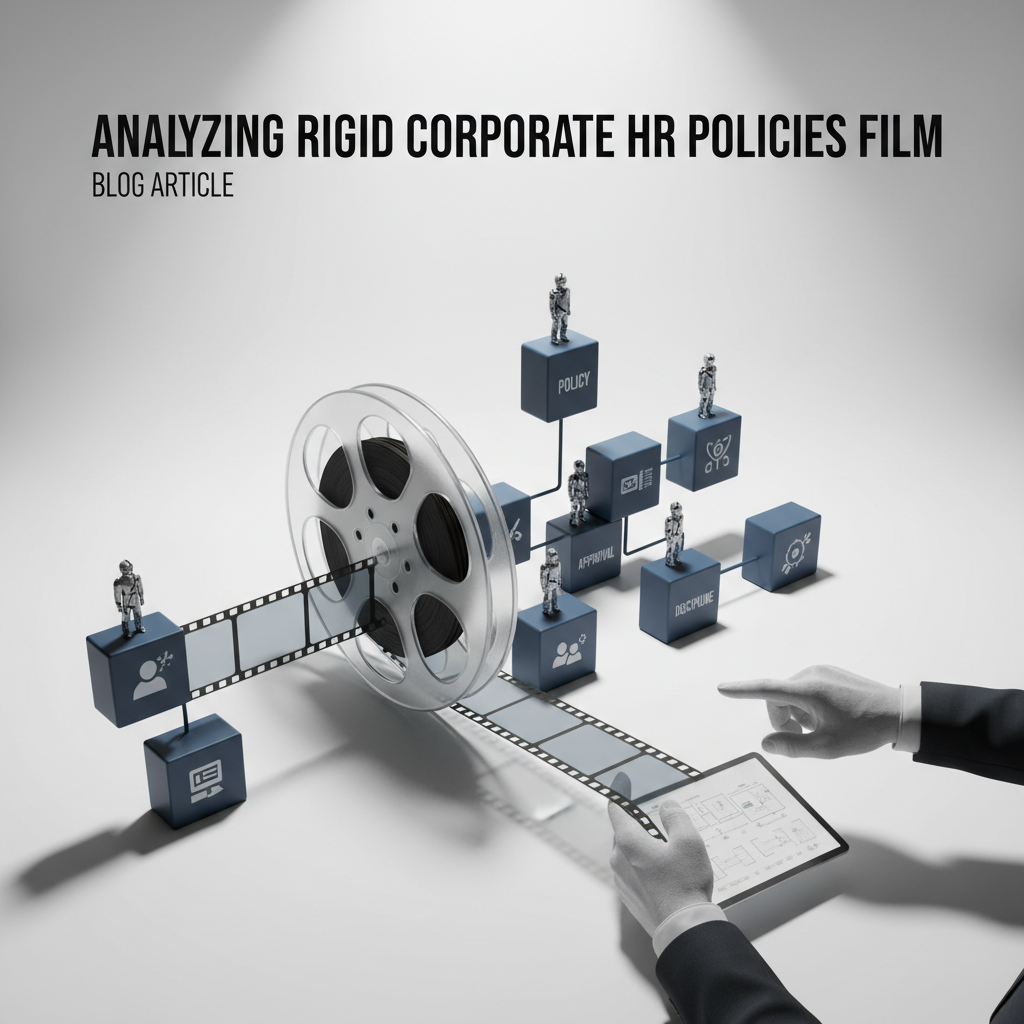
Large film corporations in Vietnam require highly specialized Human Resource policies to manage their sprawling operations. Unlike SMEs, which may rely on generalist managers, these corporations deploy structured departments focused on specific functions like talent acquisition, industrial relations, and performance management. These policies often align with international industry standards, ensuring that every production phase—from pre-production to post-production—adheres to uniform guidelines. By implementing these rigid frameworks, corporations aim to mitigate risks, ensure legal compliance during complex productions, and maintain a consistent company culture across different film crews.
2. Structuring a large production company HR structure
The HR architecture in a large production company is designed for scalability. It typically utilizes a hierarchical model where centralized HR leadership defines the strategy, while localized HR business partners handle the daily needs of various production units. This structure ensures that administrative overhead is balanced against the creative requirements of filmmaking. Key roles within this structure often include specialized recruitment teams for sourcing technical crew, dedicated administrative staff for managing production insurance, and compliance officers who ensure all labor laws are strictly followed, a necessity for large-scale operations in a rapidly evolving market like Vietnam.
3. Corporate benefits, compliance, and talent retention
For corporate film entities, talent retention is managed through a blend of tangible benefits and structured career progression paths. While SMEs might offer creative freedom as a key retention tool, large corporations leverage stability, comprehensive healthcare, retirement planning, and standardized salary bands. Compliance acts as the backbone of these efforts; by rigorously adhering to both local labor laws and internal corporate governance, these companies create a secure environment that attracts top-tier talent seeking long-term professional security. These policies foster a professional work environment where the focus shifts from individual project survival to organizational longevity and career development.
Strategic Approaches to Film Studio HR Scaling
Scaling a film production company in the vibrant, rapidly evolving Vietnamese market requires a nuanced understanding of organizational architecture. As studios transition from boutique operations to major production houses, the differences between the SMEs’ HR Structure and the Corporates’ HR Structure in Films field in vietnam become the defining factor for sustainable growth. While SMEs often rely on agile, multi-functional teams, corporate entities lean toward specialized, hierarchical frameworks to mitigate risk and manage high-volume output.
1. Navigating complexities in film studio HR scaling
For SMEs in Vietnam, scaling HR is often an organic, necessity-driven process. The structure remains fluid, with individual employees frequently wearing multiple hats. HR functions in these settings are often informal, focusing on personal relationships and direct management. However, as production demands increase, this lack of formalization can lead to bottlenecks in payroll, labor law compliance, and talent retention. Conversely, corporate film studios implement robust HR ecosystems early on. They utilize sophisticated Human Resources Information Systems (HRIS) to automate scheduling, tax compliance, and performance evaluations. This structured approach allows corporates to scale rapidly by standardizing workflows across multiple international co-productions, ensuring that organizational culture remains consistent even as the workforce expands.
2. Differences in entertainment industry recruitment
Recruitment strategies highlight a sharp contrast between these two organizational models. SMEs often leverage personal networks, local film school connections, and word-of-mouth recommendations to fill roles quickly. This approach is highly efficient for short-term projects but can result in limited talent pools. Meanwhile, corporate studios employ talent acquisition specialists who utilize data-driven insights and professional platforms to build a comprehensive talent pipeline. According to industry standards published by The Hollywood Reporter, top-tier studios prioritize long-term talent development and internal mobility. By creating structured career paths for specialized roles, corporate entities in Vietnam reduce churn and ensure that high-value creative expertise is retained for multi-project cycles.
3. Budgeting for specialized roles and project-based staff
Financial allocation for talent is perhaps the most significant point of divergence. SMEs in the Vietnamese film industry often function on a project-by-project budget, treating HR costs as a variable expense rather than a fixed overhead. This makes them highly cost-effective but creates instability for staff between projects. Corporates, by contrast, maintain a permanent core staff—comprising producers, legal experts, and administrative leads—while utilizing a pre-vetted freelance database for technical production roles. This hybrid budgeting model allows corporate studios to maintain financial stability while scaling capacity instantly based on the production slate’s requirements. By balancing fixed overheads with flexible project-based labor, corporations manage financial risk far more effectively than SMEs in the high-stakes world of modern cinema production.
Future Trends for Vietnam Film Industry HR
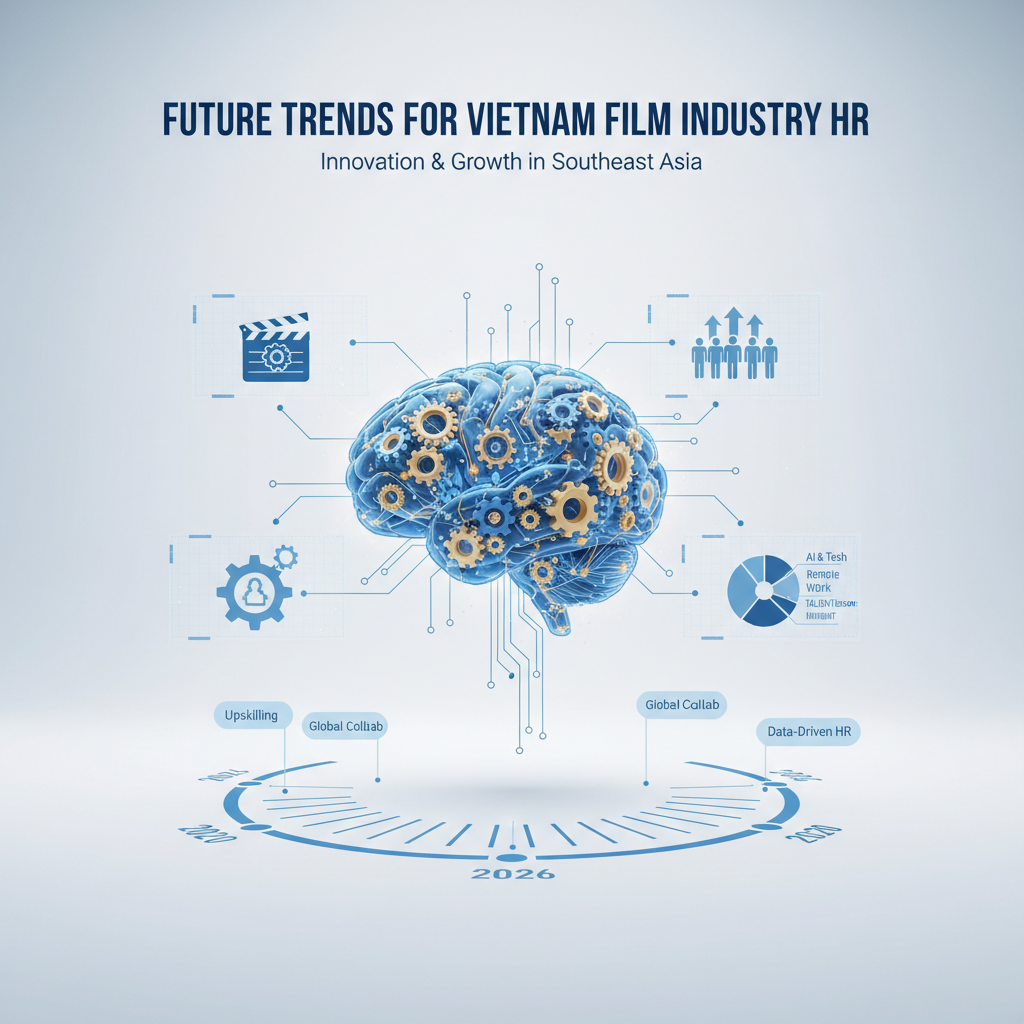
As the Vietnamese cinematic landscape matures, the divergence between boutique studios and large-scale production conglomerates is becoming increasingly pronounced. The evolution of human resources is no longer just about recruitment; it is about strategic talent management. The Differences between the SMEs’ HR Structure and the Corporates’ HR Structure in Films field in vietnam highlight a bifurcated future: SMEs prioritize niche expertise and rapid deployment, while corporates emphasize scalable frameworks and long-term career progression. Understanding these dynamics is essential for any production house aiming to remain competitive by 2026.
1. Adapting to global Vietnam film industry HR standards
To attract international investment and co-production opportunities, local entities are shifting toward international labor standards. While major studios implement rigid, structured performance metrics and standardized compensation tiers, boutique studios are adopting flexible, project-based talent agreements. This shift aligns with the Independent Filmmaker Project benchmarks, which advocate for transparent pay structures and structured diversity initiatives. By 2026, we expect to see even the smallest production units adopting localized versions of international HR compliance software to manage freelance rosters, bridging the gap between informal hiring and professional contractual security.
2. Technological impacts on entertainment HR workflows
Technological integration is fundamentally altering how human capital is managed. For larger conglomerates, HR workflows are increasingly automated, utilizing AI-driven platforms to track production capacity, skill mapping, and overtime compliance across massive crew databases. Conversely, boutique studios are leveraging collaborative HR SaaS tools that allow for decentralized management of remote post-production teams. This tech-driven shift ensures that administrative burdens do not stifle creative output, allowing studio leaders to focus on talent retention rather than manual administrative tasks.
3. Preparing agile and corporate structures for 2026
The roadmap to 2026 requires a hybrid approach to organizational design. Corporates are investing heavily in formal Learning and Development (L&D) programs to ensure a pipeline of skilled crew members, moving away from the traditional model of poaching talent to developing it in-house. SMEs, on the other hand, are focusing on the ‘agile-studio’ model—relying on strong core teams supplemented by highly specialized, elite-tier freelancers. As the market reaches maturity, the successful entities will be those that integrate corporate governance with the speed and creative flexibility that defined Vietnam’s early independent film boom.
Partner with Shelby Global
You are looking for reliable HR Sevice Suppliers? Contact Shelby Global Now! To connect with verified talents and upgrade your orginization.
—————————————
References
– Society for Cinema and Media Studies: https://cinemajournal.org
– Film production workforce trends: https://www.ft.com/content/88a2c2cc-50b5-11ea-8841-4828003194a0
– Society for Human Resource Management: https://www.shrm.org/
– The Hollywood Reporter: https://www.hollywoodreporter.com/
– Independent Filmmaker Project: https://www.ifp.org/