Mapping the Core Logistics Organizational Chart
For a new CEO navigating the complexities of the Vietnamese logistics market, building an agile and efficient team is paramount. Following our comprehensive guide on a Step by Step to understand SMEs HR Structure for the fresh the CEO in logistics field in vietnam, we now focus on operationalizing your organizational chart. Establishing clear reporting lines ensures that your SME can scale effectively while maintaining service quality in a highly competitive landscape.
1. Defining Supply Chain and Warehouse Roles
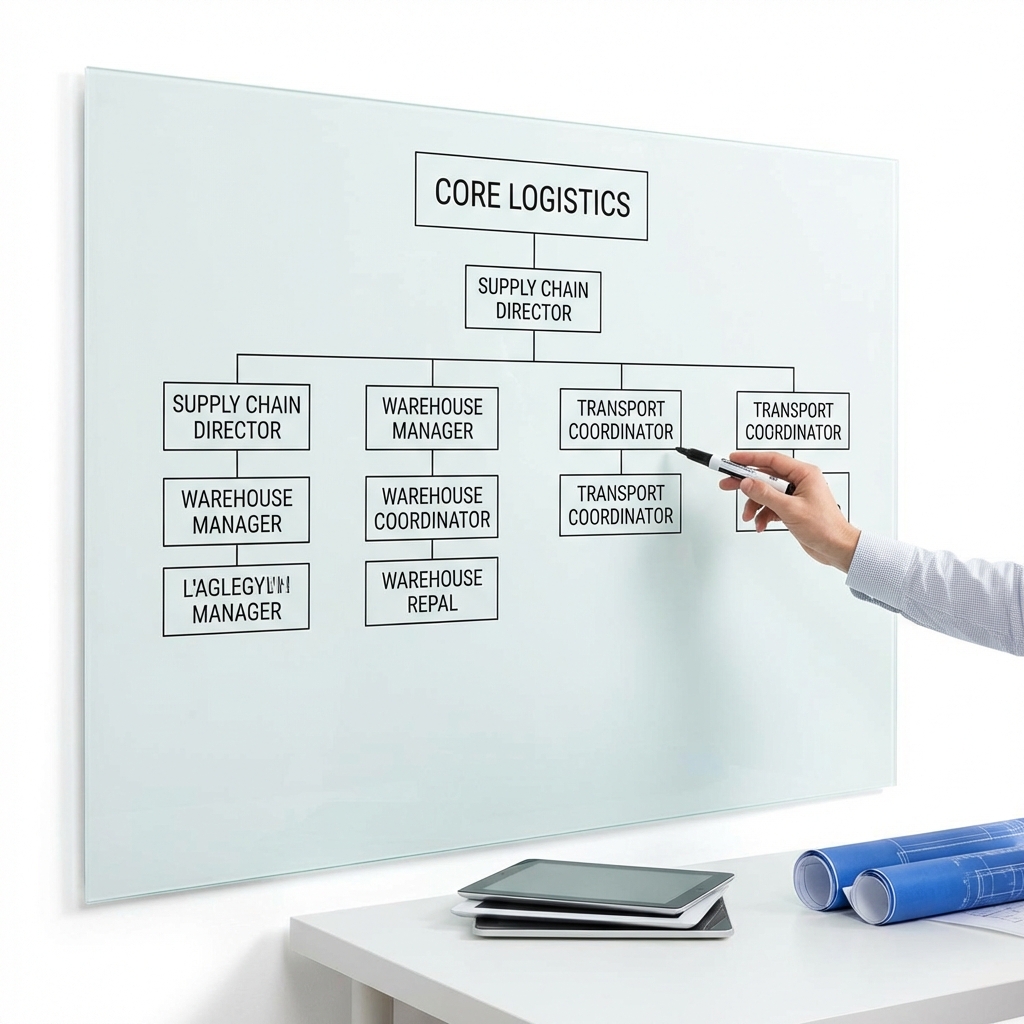
In the logistics sector, the heart of your organization lies in the synchronization of flow and storage. The warehouse manager must report directly to the Operations Director to ensure inventory integrity. You need to segment roles clearly: Warehouse Supervisors handle the day-to-day operations, while Inventory Analysts ensure accuracy. As you scale, look to adopt industry standards from the Chartered Institute of Procurement & Supply to refine your supply chain procurement processes, ensuring you are aligned with global benchmarks while operating locally.
2. Structuring the Fleet Management Division
For logistics SMEs in Vietnam, your fleet is your primary asset. The fleet management department must be distinct from general warehouse operations to maintain focused accountability. This department should consist of Fleet Coordinators who manage scheduling and maintenance, and a Dispatch team that handles real-time route optimization. By separating these roles, the CEO can clearly track fuel costs, vehicle depreciation, and driver productivity, preventing the common trap of operational bottlenecks caused by overlapping responsibilities.
3. Aligning Back-Office and Administrative Staff
While the front-line logistics staff drives revenue, the back-office structure sustains your growth. In a typical SME setup, Human Resources, Finance, and Customer Support form the backbone. For a growing CEO, it is crucial to centralize administrative functions under a Head of Admin/Finance. This role acts as a bridge, ensuring that HR policies align with local Vietnamese labor laws and that financial reporting provides the transparency needed for strategic decision-making. By creating a reporting line that connects back-office performance metrics to operational outputs, you gain a holistic view of the company’s health, allowing you to pivot quickly in response to market shifts.
By defining these divisions clearly, you establish a scalable foundation that allows for seamless expansion as your logistics SME matures in the Vietnamese market.
Navigating Vietnam Labor Law and Compliance
For a new CEO entering the Vietnamese logistics market, mastering the regulatory landscape is not merely a legal obligation—it is a foundation for operational stability. Vietnam’s Labor Code is robust and protective, particularly regarding employee rights. As an SME leader, you must navigate a complex framework to ensure your HR practices align with local statutes, avoiding costly litigation and reputational damage. To gain a comprehensive understanding of how to build your organization, you should consult this Step by Step to understand SMEs HR Structure for the fresh the CEO in logistics field in vietnam guide.
1. Drafting Valid Local Employment Contracts
In Vietnam, the employment contract is the primary instrument defining the employer-employee relationship. Under the Ministry of Labour – Invalids and Social Affairs (MOLISA) regulations, contracts must be in writing (or digital equivalent) and clearly state the scope of work, salary, and benefits. For logistics companies, it is vital to distinguish between definite-term and indefinite-term contracts. Ensure that job descriptions for roles like warehouse supervisors or transport coordinators are clearly defined to avoid disputes during performance reviews. Remember that Vietnamese law limits the number of times a fixed-term contract can be renewed; failing to follow these formal procedures can inadvertently result in a contract being converted to an indefinite-term arrangement by default.
2. Managing Mandatory Social Insurance Contributions
Compliance with mandatory insurances is perhaps the most heavily scrutinized area for SMEs in Vietnam. Employers are legally required to contribute to three main pillars: Social Insurance, Health Insurance, and Unemployment Insurance. Both the employer and the employee must contribute percentages based on the employee’s gross salary, capped at a specific threshold relative to the regional base salary. As a logistics CEO, you must ensure that your payroll system accurately calculates these deductions every month. Failure to register employees or under-reporting salaries can lead to severe administrative penalties and legal disputes that can disrupt your supply chain operations.
3. Handling Overtime and Shift Work Regulations
The logistics sector is unique in that it often requires 24/7 operations, which necessitates careful management of overtime and shift scheduling. Vietnam Labor Law imposes strict caps on overtime: no more than 40 hours per month and 200 hours per year, with specific exemptions only allowed in niche industries under ministerial approval. If your warehouse or transport teams exceed standard 8-hour workdays, you must compensate them at premium rates (at least 150% for standard overtime, 200% for weekends, and 300% for public holidays). Additionally, night work—defined as work between 10:00 PM and 6:00 AM—must be paid at an additional 30% premium. Maintaining meticulous time-tracking records is the CEO’s best defense against audits and employee grievances, ensuring that your growth in the Vietnamese market remains both sustainable and fully compliant.
Optimizing Talent Acquisition and Recruitment
For a new CEO navigating the logistics sector in Vietnam, building a high-performing workforce is the primary catalyst for growth. As you begin your journey, it is essential to follow a structured approach to understand the organizational framework. Our comprehensive guide, Step by Step to understand SMEs HR Structure for the fresh the CEO in logistics field in vietnam, provides the clarity needed to align your human capital with operational goals.

1. Leveraging Specialized Vietnamese Job Portals
In the competitive Vietnamese logistics market, posting on generic job boards is rarely sufficient. To attract top-tier professionals, you must utilize platforms that cater specifically to the supply chain and freight forwarding industries. Networking through platforms like VietnamWorks or industry-specific LinkedIn groups allows you to tap into a vetted pool of talent. When crafting job descriptions, focus on the 13 essential competencies required for logistics excellence in Vietnam, ensuring your brand resonates with professionals who value growth and stability.
2. Screening for Technical Logistics Expertise
Technical proficiency is the backbone of successful logistics operations. When screening candidates, move beyond standard CV reviews. Implement practical assessments that test a candidate’s understanding of local customs regulations, warehouse management systems (WMS), and multimodal transport complexities. For an SME, hiring a professional who understands the nuances of local infrastructure is just as important as their theoretical logistics knowledge. Assessing their ability to handle real-world challenges, such as last-mile delivery obstacles or supply chain disruptions, will save your firm significant costs in the long run.
3. Streamlining the Employee Onboarding Process
The onboarding experience sets the tone for an employee’s tenure and significantly impacts retention rates. A structured onboarding process ensures that new hires—from warehouse floor staff to freight managers—are aligned with your company’s culture and operational standards from day one. By creating a standardized checklist, you reduce administrative burdens and accelerate the time-to-productivity. A digital-first approach to HR documentation and training sessions helps new recruits integrate seamlessly, ensuring they contribute to the business bottom line much faster. This investment in your people is the ultimate competitive advantage in the fast-paced logistics landscape.
Establishing Performance Management and KPIs
For a new CEO navigating the complexities of the Vietnamese logistics sector, implementing a robust performance management system is vital. Creating a Step by Step to understand SMEs HR Structure for the fresh the CEO in logistics field in vietnam allows you to align individual output with your firm’s bottom line. Below is the framework to achieve operational excellence.
-
Setting Role-Specific Supply Chain Metrics
Logistics is a data-driven industry, yet many SMEs fail to differentiate between vanity metrics and true productivity indicators. For warehouse staff, KPIs should focus on physical output, such as ‘Order Picking Accuracy’ and ‘Time per Package Processed.’ Conversely, for mid-level management, focus must shift to ‘Fleet Utilization Rates’ and ‘Cost per Delivery.’ In the Vietnamese market, where last-mile logistics efficiency is critical for e-commerce growth, adopting data-driven KPIs ensures that resources are allocated where they generate the highest ROI. Establishing these benchmarks requires transparency; ensure every employee understands exactly how their daily tasks contribute to the company’s overall service level agreement (SLA) goals.
-
Conducting Standardized Performance Reviews
The transition from a disorganized startup to a mature SME requires moving away from subjective appraisals. Standardized reviews should occur quarterly to mitigate the impact of seasonal volatility common in the Vietnamese logistics sector. Use a balanced scorecard approach that evaluates both quantitative performance (the numbers) and qualitative behaviors (teamwork, compliance, and safety). For floor staff, emphasize safety protocols and equipment handling; for management, prioritize leadership capabilities and resource optimization. By standardizing these assessments, you minimize bias and provide clear pathways for promotion, which is essential for talent retention in a competitive labor market.
-
Deploying Fair Reward and Penalty Systems
A performance framework is ineffective without consequences. A fair reward system should be tied directly to the metrics established in the first step. Implementing a transparent bonus structure based on exceeded targets motivates staff to surpass baseline requirements. Simultaneously, a structured penalty system—focused on ‘corrective action’ rather than ‘punishment’—is necessary to address repeated performance gaps. For warehouse operations, this might involve re-training sessions for errors; for management, it may involve a formal performance improvement plan (PIP). Balancing these two ensures a culture of accountability that keeps your logistics operations running smoothly while minimizing turnover.
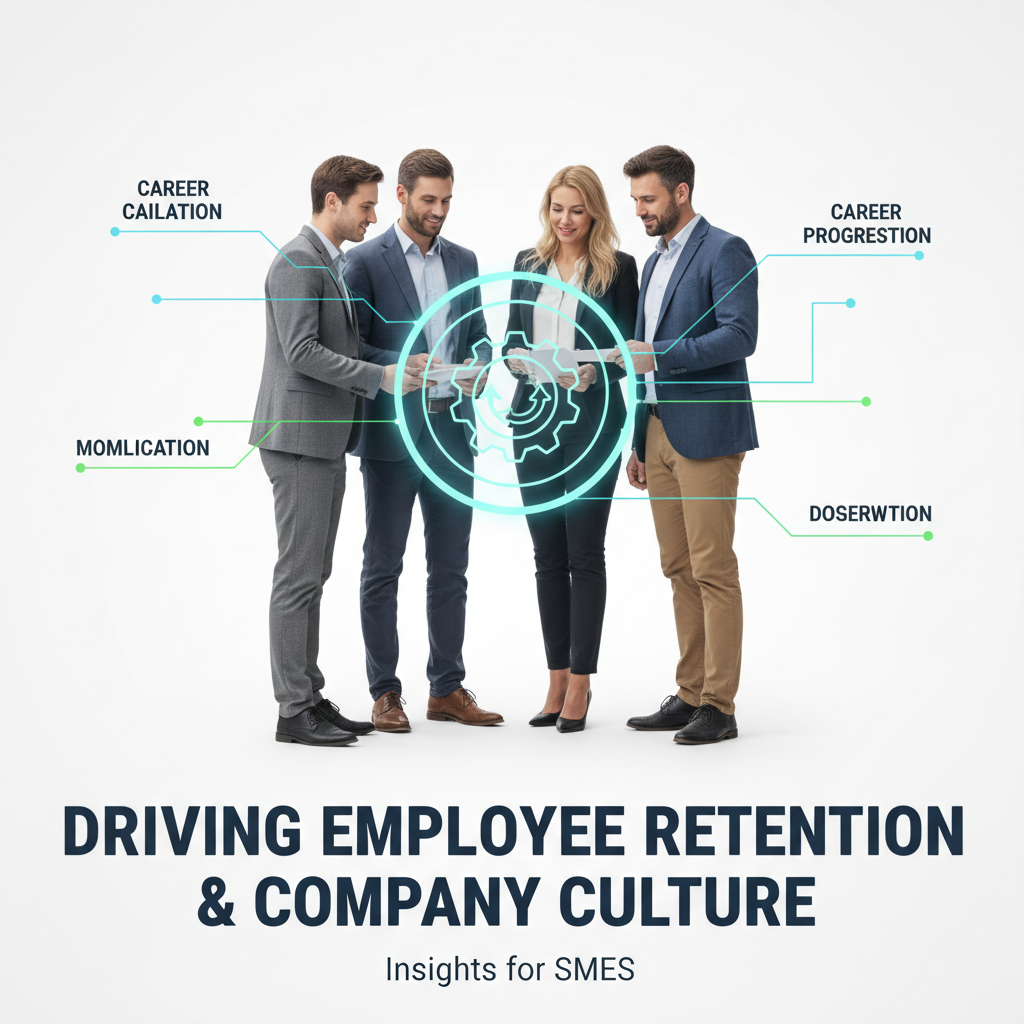
Driving Employee Retention and Company Culture
For a new CEO entering the Vietnamese logistics landscape, mastering human resources is not just an administrative task; it is a strategic imperative. To effectively lead, you must have a Step by Step to understand SMEs HR Structure for the fresh the CEO in logistics field in vietnam, ensuring that your organizational design supports long-term retention. By implementing 13 core pillars of HR management, you can stabilize your workforce and foster a high-performance culture.
1. Structuring Competitive Compensation Packages
In the highly competitive Vietnamese logistics market, compensation remains the primary driver for talent acquisition and retention. A fresh CEO must look beyond base salaries. To remain attractive to skilled dispatchers, warehouse managers, and supply chain coordinators, your structure should include performance-based bonuses, insurance benefits, and competitive allowances. According to SHRM, transparency in how pay scales are determined helps build trust. Aligning your compensation with market benchmarks in Vietnam is essential to preventing turnover to larger competitors.
2. Providing Internal Career Growth and Training
Logistics professionals often leave firms when they feel their career path is stagnant. As a CEO, you must establish clear internal mobility maps. If an employee starts as a warehouse clerk, they should understand the requirements to transition into inventory management or logistics coordination. By offering structured training programs—covering new warehousing software or international shipping regulations—you turn your company into a place of continuous learning. Investing in your people ensures that the institutional knowledge remains within your firm, reducing the costs associated with external hiring.
3. Fostering a Strong Safety-First Work Environment
Logistics environments, particularly warehouses and trucking operations, carry inherent physical risks. A resilient culture is built on the foundation of safety. When employees feel that their physical well-being is the company’s top priority, their engagement and loyalty increase significantly. This involves more than just mandatory safety equipment; it requires a culture where employees are empowered to report hazards without fear of retribution. Regular safety drills, ergonomic optimization, and clear communication of safety protocols create a protective environment that defines a professional and reliable logistics organization. By prioritizing these elements, you foster a workplace where staff feels valued, secure, and motivated to contribute to the company’s long-term success.
Partner with Shelby Global
You are looking for reliable HR Sevice Suppliers? Contact Shelby Global Now! To connect with verified talents and upgrade your orginization.
—————————————
References
– Chartered Institute of Procurement & Supply: https://www.cips.org/
– Ministry of Labour – Invalids and Social Affairs: https://molisa.gov.vn/
– VietnamWorks: https://www.vietnamworks.com
– KPI Examples: https://www.forbes.com/advisor/business/kpi-examples/
– SHRM – How to Design a Compensation Package: https://www.shrm.org/topics-tools/news/talent-acquisition/how-to-design-compensation-package