Why Establish a Formal Tech Salary Strategy?
In the rapidly evolving digital landscape of Southeast Asia, Vietnam has emerged as a premier hub for software development and IT services. However, the surge in demand for digital transformation has created an intense war for skilled professionals. For organizations aiming to sustain growth, implementing a robust Salary Defining Strategy for all job titles in technology field in vietnam is no longer optional—it is a business imperative.

A formal compensation framework ensures that pay structures are equitable, market-competitive, and transparent. Without a clearly defined strategy, businesses often resort to reactive salary adjustments, leading to internal pay compression and decreased morale. By formalizing these processes, leadership can ensure that every developer, data scientist, and DevOps engineer is compensated fairly relative to their impact and market value.
1. Attracting Top Vietnamese Tech Talent
The tech talent pool in Vietnam is highly discerning. Top-tier engineers frequently receive multiple offers, and salary remains the most critical factor during the decision-making process. To capture this talent, companies must benchmark their offers against the current Vietnam IT Market Report. A formal salary strategy allows companies to move beyond guesswork, offering compensation packages that reflect real-time market data, ensuring they remain competitive against both domestic startups and global multinational corporations.
2. Reducing Developer Turnover Rates
Retention is a significant challenge in the Vietnamese tech ecosystem. Developers are often incentivized to switch companies for higher pay or better benefits. A lack of structure can lead to perceived unfairness; if an existing employee discovers that a new hire is earning significantly more for the same role, trust is compromised. A transparent salary banding structure provides a clear career progression path, showing developers exactly how their salary will increase as they gain seniority or acquire new skills, which is essential for long-term engagement.
3. Aligning Compensation with Business Goals
Finally, a formal strategy ensures that the salary budget is directly tied to business performance and technical objectives. By defining salary ranges for all IT job titles, organizations can forecast payroll expenses more accurately, ensuring that headcount growth does not outpace revenue capabilities. This alignment helps leadership prioritize critical roles—such as specialized cloud architects or AI researchers—that drive the highest business value, ensuring that the company’s investment in human capital delivers the best possible return on investment.
How to Benchmark Tech Salaries in Vietnam?
In a rapidly evolving digital economy, establishing a competitive Salary Defining Strategy for all job titles in technology field in vietnam is essential for talent retention and acquisition. As the Vietnamese tech landscape matures, relying on outdated compensation models can lead to high attrition rates and difficulty in attracting top-tier engineering talent. Below are the actionable steps to ensure your remuneration packages align with current market realities.
1. Utilizing Local Industry Salary Surveys
Data-driven decision-making begins with credible local benchmarks. Several professional recruitment firms and human resource consultancies release annual reports detailing compensation trends across major cities like Ho Chi Minh City and Hanoi. It is critical to consult the Vietnam IT Market Report to understand the granular salary ranges for specific roles, such as Full-Stack Developers, Cloud Architects, and Data Scientists. By leveraging these comprehensive datasets, companies can differentiate between base salaries, performance bonuses, and equity offerings, ensuring their Salary Defining Strategy for all job titles in technology field in vietnam remains defensible and objective during salary negotiations.
2. Analyzing Competitor Compensation Packages
Market benchmarking requires more than just reviewing base salary figures. Tech talent in Vietnam increasingly prioritizes the “Total Rewards” approach. To effectively benchmark, conduct a competitor analysis focusing on the fringe benefits that modern software engineers and IT managers value. This includes flexible remote work policies, health insurance coverage for family members, professional development budgets, and stock option plans. Keep a close watch on both multinational corporations (MNCs) and high-growth local startups, as these two segments often dictate the aggressive pay scales seen in the market. By mapping your current offerings against the packages of direct competitors, you can identify gaps where your strategy might be failing to attract high-potential candidates.
3. Factoring in Regional Living Costs
While tech salaries in Vietnam are often discussed at a national level, geographic disparities remain significant. The cost of living in Ho Chi Minh City, for instance, differs from the expenses associated with living in Da Nang or Hanoi. When setting compensation, ensure that your pay structure accounts for regional inflation, housing costs, and local tax implications. A one-size-fits-all salary band can lead to overpaying in lower-cost regions or underpaying in high-competition urban hubs. A sophisticated benchmarking strategy should involve localized indices that adjust base pay to ensure equity across your entire geographic footprint, helping you maintain a fair internal structure that supports sustainable growth in the competitive Vietnamese technology sector.
What Factors Influence Technology Pay Packages?
In the rapidly evolving digital landscape of Vietnam, organizations must adopt a robust Salary Defining Strategy for all job titles in technology field in vietnam to remain competitive. Understanding the nuances of compensation structures is vital for both employers looking to secure top talent and professionals aiming to navigate their career growth. Various elements converge to determine these packages, ranging from individual expertise to global market fluctuations.

1. Experience and Seniority Levels
Experience remains the most traditional benchmark in determining compensation. In Vietnam’s tech sector, the progression from Junior to Senior and eventually to Lead or Architect roles is clearly delineated by salary brackets. Junior roles typically focus on base pay, while senior-level positions often incorporate performance bonuses, equity, and stock options. As professionals advance, their pay packages increasingly reflect their ability to manage complex systems, mentor junior staff, and align technical output with business goals. According to industry salary reports, the gap between mid-level and senior roles can be substantial, driven by the scarcity of high-level talent capable of overseeing large-scale enterprise projects.
2. In-Demand Technical and Programming Skills
Not all programming languages or technical domains command the same market value. A salary strategy must account for the current demand for specialized skills. Currently, technologies involving Artificial Intelligence (AI), Machine Learning, Cloud Computing, and Cybersecurity occupy the upper tier of the pay scale. Developers proficient in high-growth frameworks or those capable of working with proprietary systems often negotiate significant premiums. The principle of supply and demand heavily influences these packages; when a specific framework becomes the industry standard, experts in that niche become the primary targets for aggressive recruitment, driving their market value upward.
3. English Proficiency and Communication
In Vietnam, a country heavily integrated into the global software outsourcing market, English proficiency is a critical multiplier for salary. Tech professionals who possess both deep technical knowledge and the ability to communicate fluently with international clients, stakeholders, and offshore teams are significantly more valuable. Companies are often willing to pay a “language premium” for bilingual talent, as it bridges the gap between technical execution and client-facing project management. This soft skill often distinguishes a Senior Developer from a Tech Lead, as the latter requires strong collaborative abilities to lead cross-cultural teams effectively. Consequently, investing in communication skills is just as important as mastering the latest programming language for those seeking to maximize their total compensation.
How to Structure Performance-Based Bonuses?
In the competitive landscape of the Vietnamese tech sector, fixed salaries are no longer sufficient to attract and retain top-tier talent. Developing a robust Salary Defining Strategy for all job titles in technology field in vietnam requires a nuanced approach that incorporates variable pay. By aligning employee incentives with organizational goals, companies can foster a culture of high performance and long-term commitment.
1.
Designing KPI-Linked Cash Bonuses
Cash bonuses remain the most immediate tool for rewarding individual and team output. To be effective, these should be tied to specific, measurable Key Performance Indicators (KPIs). In a software development context, these might include sprint velocity, code quality metrics, or successful project delivery timelines. According to SHRM, clear communication regarding these metrics is essential to maintain transparency and fairness. Ensure that the bonus structure is tiered—awarding higher percentages for exceeding targets—to motivate high performers to push boundaries, while keeping achievable baselines for the core team.
2.
Offering Equity and Stock Options
For technology firms aiming to compete with multinational corporations, offering equity is a powerful retention lever. Equity, such as Employee Stock Ownership Plans (ESOPs), aligns the employee’s financial success with the company’s valuation growth. This is particularly vital for startups and scale-ups where cash flow may be reserved for operational growth. By granting stock options with a standard four-year vesting schedule, companies ensure that talent remains engaged over the long term, effectively reducing churn in a high-turnover market.
3.
Providing Annual Retention Awards
While performance bonuses address short-term output, retention awards are designed to combat the poaching of senior engineers and architects. These incentives are often structured as a ‘stay bonus,’ paid out upon the completion of a multi-year service milestone. These awards signify that the organization values the institutional knowledge and leadership an employee brings to the firm. When combined with a comprehensive compensation strategy, these incentives ensure that your key personnel feel financially invested in the company’s multi-year vision, creating a stable foundation for technical excellence and product innovation.
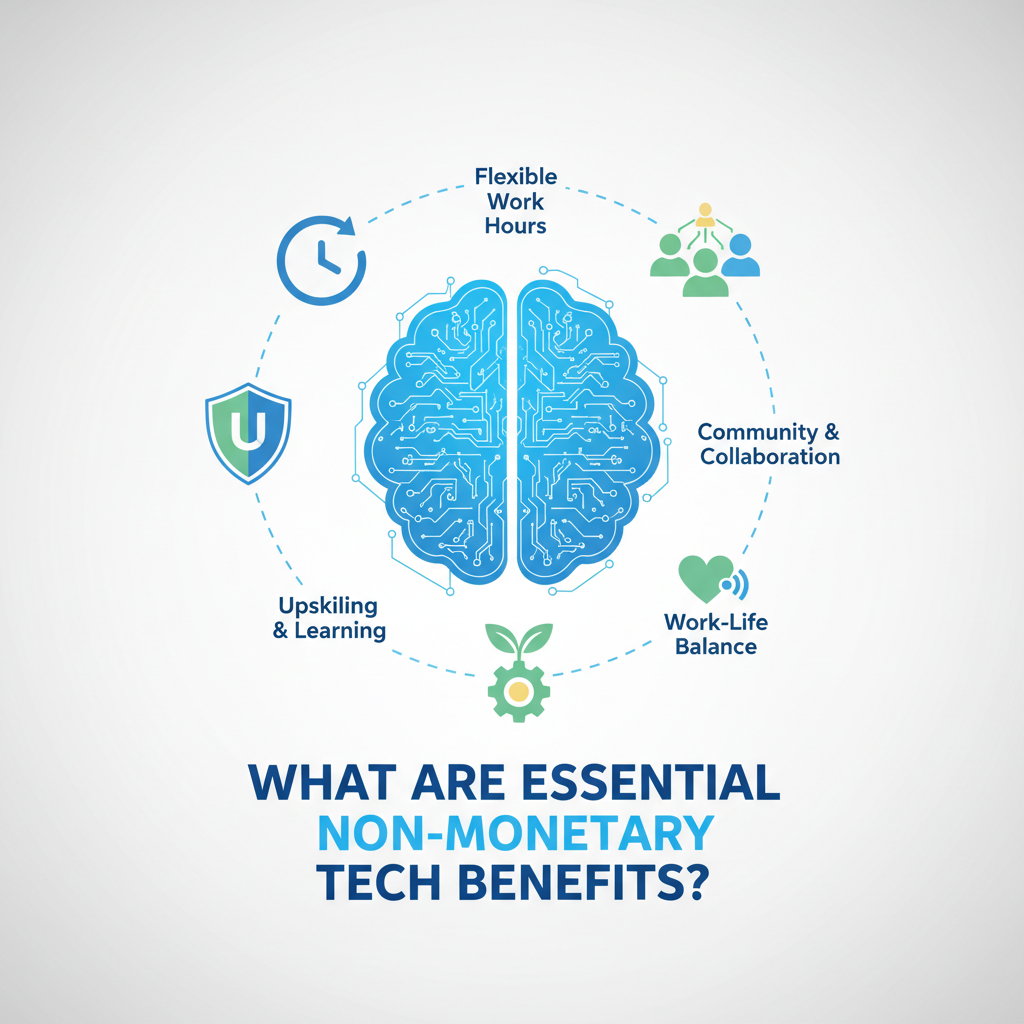
What Are Essential Non-Monetary Tech Benefits?
In the highly competitive landscape of Vietnam’s digital economy, compensation extends far beyond the monthly paycheck. As businesses compete for top-tier engineering talent, a robust Salary Defining Strategy for all job titles in technology field in vietnam must integrate holistic benefits that address both professional growth and personal well-being. Today’s tech professionals, particularly in cities like Ho Chi Minh City and Hanoi, prioritize quality of life and career longevity over raw base pay alone.
1. Remote Work and Flexible Working Hours
The paradigm shift toward hybrid and remote work models has become a non-negotiable expectation for many software developers and IT project managers. Flexibility is no longer just a perk; it is a fundamental element of employee retention. By allowing staff to tailor their working environment, firms can significantly reduce burnout and improve overall output. Studies from organizations like Harvard Business Review suggest that autonomy in work scheduling correlates strongly with higher employee engagement and lower turnover rates, making it a cornerstone of any modern tech retention policy.
2. Premium Health and Wellness Plans
In Vietnam, providing access to premium private health insurance is a vital differentiator. Standard government social insurance often leaves gaps in coverage for comprehensive diagnostics, dental care, and mental health services. Tech companies that offer premium healthcare plans—covering family members and providing annual wellness check-ups—demonstrate a genuine investment in their workforce. This peace of mind allows developers to focus on high-impact coding and innovation rather than worrying about the logistical and financial burdens of potential health issues.
3. Training and Upskilling Allowances
Technology evolves at a breakneck pace, and a static skillset is a recipe for career stagnation. Forward-thinking companies are now allocating specific budgets for training, including access to global certification platforms, language training, and attendance at international tech conferences. By incentivizing continuous learning, companies do more than just improve their internal talent density; they cultivate a culture of growth. When employees feel that their employer is actively investing in their future value, their loyalty to the firm increases, creating a sustainable competitive advantage in a talent-scarce market. Integrating these non-monetary components into your compensation framework ensures that your organization remains an employer of choice in an increasingly complex hiring landscape.
Partner with Shelby Global
You are looking for reliable HR Sevice Suppliers? Contact Shelby Global Now! To connect with verified talents and upgrade your orginization.
—————————————
References
– Vietnam IT Market Report: https://www.topdev.vn/blog/vietnam-it-market-report-2024/
– Vietnam IT Market Report: https://www.topcv.vn/bao-cao-thi-truong-tuyen-dung
– Michael Page Salary Report: https://www.michaelpage.com.vn/en/salary-report
– Society for Human Resource Management: https://www.shrm.org
– Harvard Business Review: https://hbr.org/