Why a Structured CV Assessment is Crucial for Finance Managers
In the fiercely competitive landscape of Malaysia’s finance sector, identifying top-tier Manager Level talent is not just an advantage—it’s a necessity. The role of a Finance Manager is pivotal, demanding a blend of analytical prowess, strategic insight, and leadership capabilities. Yet, the traditional, unstructured review of Curriculum Vitae (CVs) often falls short, leading to inconsistent hiring outcomes and missed opportunities. A systematic, objective approach to CV assessment is therefore imperative, ensuring that only the most qualified candidates advance, thereby bolstering an organization’s financial health and strategic objectives.

1. Mitigating Bias and Ensuring Fairness
One of the most significant drawbacks of an unstructured CV review process is its susceptibility to unconscious bias. Factors such as a candidate’s university alma mater, their previous employer’s prestige, or even subtle cultural markers can unduly influence a hiring manager’s perception, regardless of actual competency. This ‘halo effect’ or ‘confirmation bias’ can lead to overlooking highly capable individuals who may not fit a preconceived mold, or conversely, overvaluing candidates based on superficial similarities rather than substantive qualifications.
A structured CV assessment, conversely, establishes clear, predefined criteria for evaluation. By creating a standardized scorecard that focuses on specific skills, experiences, and achievements relevant to the Finance Manager role, subjective judgments are minimized. This framework ensures that every applicant is assessed against the same objective benchmarks, promoting fairness and increasing the likelihood of identifying the best fit purely based on merit. In a diverse nation like Malaysia, fostering an equitable and inclusive hiring environment is not just good practice, but a strategic imperative that broadens the talent pool and strengthens organizational culture. Studies consistently show that structured hiring processes significantly reduce human bias in hiring, leading to more diverse and high-performing teams.
2. Enhancing Efficiency in High-Volume Screening
Finance Manager positions in Malaysia often attract a substantial volume of applications, making the initial screening phase a time-consuming and resource-intensive task. Manually sifting through hundreds of CVs, each with varying formats and content, can overwhelm even the most dedicated HR teams and hiring managers. This inefficiency not only delays the recruitment process but can also lead to fatigue-induced errors, where promising candidates might be inadvertently overlooked.
Implementing a robust test structure to assess Manager Level CVs in finance field in malaysia provides a much-needed solution. This structure typically involves predefined keywords, skill matrices, and experience thresholds that can be used for rapid initial filtering, often augmented by applicant tracking systems (ATS). By automating the identification of essential qualifications—such as specific financial certifications (e.g., CFA, CPA Malaysia), experience with financial modeling software, or leadership roles in treasury or risk management—HR professionals can quickly narrow down the pool to the most relevant candidates. This significantly reduces the time spent on manual reviews, allowing more focus on in-depth assessments of a smaller, highly qualified cohort, thereby enhancing overall recruitment efficiency and reducing time-to-hire.
3. Aligning with Organizational Strategic Goals
Effective recruitment is not merely about filling a vacancy; it’s about strategically investing in human capital that propels the organization towards its long-term objectives. A Finance Manager’s role is inherently strategic, influencing financial planning, investment decisions, risk management, and overall business growth. Therefore, the assessment of their CVs must directly link to the organization’s overarching strategic goals and the specific challenges it faces in the Malaysian market.
A structured CV assessment ensures that the evaluation criteria are meticulously designed to identify candidates whose skills and experience directly align with these strategic imperatives. For instance, if the company aims for aggressive regional expansion, the criteria might prioritize experience in international finance or M&A. If regulatory compliance is a key concern, deep knowledge of Malaysian financial regulations and strong risk management experience would be paramount. By defining these essential competencies upfront within the assessment structure, organizations can systematically vet candidates who possess not only the technical skills but also the strategic mindset required to contribute meaningfully to future success. This proactive alignment minimizes the risk of mis-hires, ensures that new hires are immediately productive, and strengthens the talent pipeline for future leadership roles within the dynamic Malaysian financial landscape.
In conclusion, a structured CV assessment is not merely a procedural formality for Finance Manager roles in Malaysia; it is a critical strategic tool. By mitigating bias, enhancing screening efficiency, and directly aligning recruitment with organizational goals, it ensures that companies attract, identify, and onboard the precise talent needed to thrive in an increasingly complex and competitive financial ecosystem.
Core Competencies to Look for in Malaysian Finance CVs
In Malaysia’s dynamic and evolving financial landscape, identifying top-tier talent for Manager-level positions requires looking beyond generic qualifications. A successful Manager-level candidate in finance needs a distinctive blend of global best practices and acute local understanding. Their CVs should not only showcase robust technical expertise but also strong leadership capabilities, strategic foresight, and an intimate grasp of the unique market dynamics and regulatory environment that define Malaysia’s financial sector. This comprehensive guide details the essential skills, knowledge, and attributes that hiring managers and recruiters should prioritize when reviewing applications, offering insights into the critical components that define success at this pivotal career stage.
-
Technical Proficiency (e.g., MFRS, BNM Regulations)
At the heart of any finance role, especially at the Manager level, lies an undeniable need for profound technical proficiency. Candidates must demonstrate an expert command of financial principles, accounting standards, and robust analytical methodologies. Specifically for Malaysia, a deep understanding of Malaysian Financial Reporting Standards (MFRS), which are largely converged with International Financial Reporting Standards (IFRS), is non-negotiable. This extends to practical application in financial statement analysis, budgeting, forecasting, and performance management.
Beyond accounting, comprehensive knowledge of local banking and financial regulations promulgated by Bank Negara Malaysia (BNM) is paramount. This includes familiarity with prudential standards, capital adequacy requirements, risk management frameworks, anti-money laundering (AML) and counter-financing of terrorism (CFT) guidelines, and other relevant directives that govern financial institutions in Malaysia. Managers are often responsible for ensuring departmental compliance, requiring them to stay abreast of the latest regulatory updates and interpret their implications for the business. Proficiency in advanced financial modeling, data analysis tools (such as Excel, SQL, and increasingly Python or R for more complex analytical tasks), and experience with enterprise resource planning (ERP) systems are also highly valued, as these enable data-driven decision-making and operational efficiency.
-
Leadership and Strategic Acumen
Moving into a Manager role signifies a significant shift from individual contributor to team leader and strategic partner. Therefore, CVs must eloquently articulate strong leadership qualities and strategic acumen. Candidates should present evidence of successfully leading and mentoring teams, fostering a collaborative work environment, and driving performance. This includes experience in delegating tasks effectively, conducting performance appraisals, providing constructive feedback, and facilitating professional development within their teams.
Strategic acumen is equally vital. Manager-level professionals are expected to contribute significantly to the broader business strategy, translating organizational objectives into actionable financial plans and initiatives. This involves the ability to identify growth opportunities, analyze market trends, assess financial risks, and formulate strategies to optimize financial performance and achieve long-term sustainability. Effective communication skills, encompassing compelling presentations to senior stakeholders, adept negotiation, and seamless cross-functional collaboration, are critical for influencing decisions and championing strategic imperatives across the organization.
-
Market Insight and Local Regulatory Understanding
The unique intricacies of the Malaysian financial landscape demand candidates who possess profound market insight coupled with an intricate understanding of local regulatory frameworks beyond just BNM. This includes a keen awareness of the Malaysian economic environment, prevailing industry trends, and the competitive landscape across various financial sectors (e.g., banking, capital markets, insurance, FinTech). Understanding local market drivers, such as commodity price fluctuations, government economic policies, and the dynamics of regional economic blocs like ASEAN, is essential for informed decision-making.
Furthermore, a manager must be well-versed in the guidelines and requirements set by other key regulatory bodies, including the Securities Commission Malaysia (SC) for capital market activities, Bursa Malaysia for listing and trading regulations, and the various tax authorities for corporate tax compliance. Cultural sensitivity and an ability to navigate local business practices and stakeholder relationships are also invaluable assets in Malaysia’s diverse business environment. For those looking to implement an effective Test structure to assess Manager Level CVs in finance field in malaysia, evaluating a candidate’s practical application of these localized insights during interviews is crucial. This ensures they can not only understand but also strategically respond to the specific challenges and opportunities presented by the Malaysian market.
Developing an Effective CV Assessment Framework & Scorecard
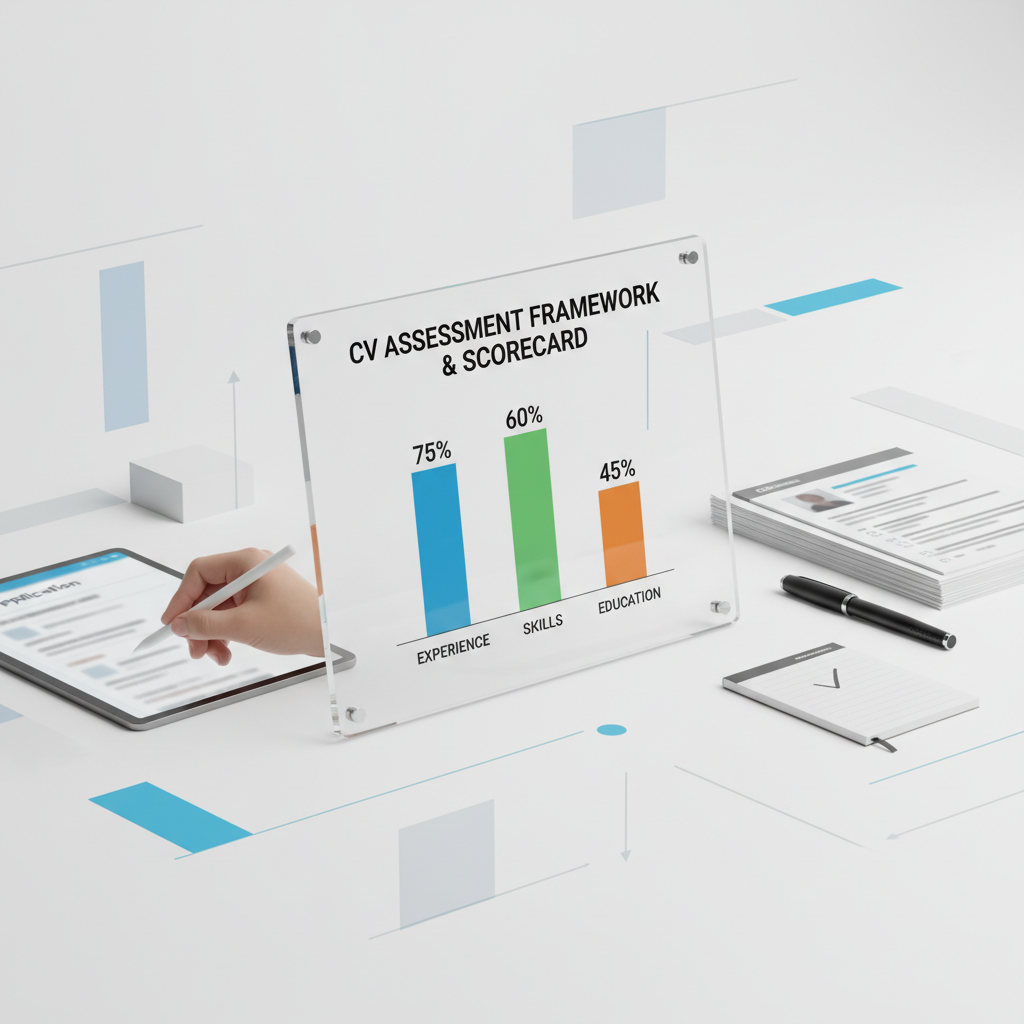
In the dynamic and highly competitive financial landscape of Malaysia, identifying the right finance manager is crucial for an organization’s success. A robust and systematic test structure to assess Manager Level CVs in the finance field in Malaysia is not merely a formality; it is a strategic imperative. This section provides actionable steps for designing a systematic framework, including specific criteria and scoring mechanisms tailored for finance manager roles, ensuring that hiring decisions are objective, fair, and aligned with strategic business objectives. Moving beyond subjective initial impressions, a structured CV assessment process significantly enhances the quality of hires, reduces turnover, and streamlines the recruitment cycle, making it a cornerstone of effective talent acquisition.
1. Defining Role-Specific Screening Criteria
The first step in building an effective CV assessment framework is to meticulously define screening criteria that are highly specific to the finance manager role within the Malaysian context. This goes beyond generic requirements like ‘experience’ or ‘qualifications’. For a finance manager in Malaysia, key areas of expertise and experience must include a deep understanding of Malaysian Financial Reporting Standards (MFRS), International Financial Reporting Standards (IFRS), and local tax regulations. Experience with Bursa Malaysia compliance, Bank Negara Malaysia guidelines, and familiarity with regional economic nuances are also paramount. Beyond technical skills, look for evidence of leadership, strategic financial planning, risk management, budgeting, forecasting, and proficiency in financial modeling. Each criterion should be quantifiable or observable within a CV, focusing on achievements and responsibilities rather than mere job titles. For instance, instead of just ‘budgeting experience,’ specify ‘managed a budget of RM X million for Y years, achieving Z% cost savings.’
2. Creating a Standardized Scoring Matrix
Once criteria are defined, the next critical step is to develop a standardized scoring matrix. This matrix assigns a weighted score to each criterion, allowing for an objective comparison of candidates. For finance manager roles, technical competencies (e.g., MFRS knowledge, financial software proficiency) might carry a higher weight than soft skills in the initial CV screening phase, though both are important for later stages. A typical scoring scale could range from 1 (does not meet) to 5 (exceeds requirements). For example, a candidate demonstrating ‘5+ years of direct experience with MFRS implementation and compliance’ might score a 5 for that criterion, whereas someone with ‘general accounting experience’ might score a 2. Consistency is key; all CVs must be evaluated against the same matrix by all assessors to minimize unconscious bias and ensure fairness. Utilizing a structured scoring approach, akin to the principles discussed in best practices for structured hiring processes, ensures that candidate assessment is rooted in objective evidence rather than subjective interpretations. This method not only streamlines the initial screening but also provides a clear audit trail for hiring decisions.
3. Leveraging Keyword Analysis for Initial Screening
In today’s high-volume recruitment landscape, leveraging keyword analysis for initial CV screening is indispensable. Applicant Tracking Systems (ATS) can be configured to automatically filter CVs based on predefined keywords, significantly reducing the manual workload. For finance manager roles in Malaysia, essential keywords include ‘MFRS,’ ‘IFRS,’ ‘SAP,’ ‘Oracle Financials,’ ‘ERP,’ ‘budgeting,’ ‘forecasting,’ ‘financial modeling,’ ‘corporate finance,’ ‘treasury,’ ‘risk management,’ ‘compliance,’ ‘audit,’ ‘CPA,’ ‘ACCA,’ ‘CIMA,’ ‘CFA,’ ‘Bursa Malaysia,’ and ‘Bank Negara Malaysia.’ However, it’s crucial to understand that keyword analysis is a preliminary filter. While it effectively screens out unqualified candidates, it can also inadvertently exclude strong candidates who use different terminology or descriptive language. Therefore, keyword screening should be followed by a human review of top-scoring CVs to capture nuances and ensure a holistic assessment. This layered approach ensures efficiency without sacrificing the quality of the candidate pool, providing a robust test structure to assess Manager Level CVs in the finance field in Malaysia from the outset.
By implementing these steps—defining specific criteria, creating a standardized scoring matrix, and leveraging intelligent keyword analysis—organizations can establish a highly effective CV assessment framework. This framework not only optimizes the recruitment process for finance managers in Malaysia but also ensures that the selected candidates possess the precise skills and experience required to drive financial success and strategic growth within the company.
Unpacking Experience and Achievements from Manager Level CVs
Evaluating manager-level CVs, particularly within the dynamic finance field in Malaysia, demands a meticulous approach beyond mere job titles. While a ‘Manager’ designation signals seniority, discerning true leadership potential, strategic impact, and relevant expertise requires a deeper dive into the candidate’s professional narrative. This section equips recruiters and hiring managers with techniques to critically evaluate candidates’ professional history, project contributions, and quantifiable achievements, ensuring a robust assessment framework. This strategic approach helps identify individuals who don’t just occupy a role but actively drive success and innovation within the complex Malaysian financial landscape.
1. Quantifying Impact and Results (e.g., P&L, project success)
A critical aspect of assessing a manager-level CV is identifying and verifying quantifiable impact. Beyond a list of responsibilities, standout candidates articulate their contributions using specific metrics and results. For finance roles, this often translates to direct influence on profit and loss (P&L) statements, revenue growth, cost reduction, or efficiency improvements. Look for percentages, monetary values, or specific project outcomes demonstrating tangible ROI. For instance, “streamlined month-end financial reporting process, reducing closure time by 20% and improving data accuracy by 15%,” is stronger than “managed financial reporting.”
Candidates should ideally present a clear narrative linking their actions to business results. This could involve leading successful financial product launches that exceeded sales targets, optimizing treasury operations to improve liquidity, or implementing risk management frameworks that mitigated potential losses. Pay close attention to how they frame their involvement in major projects. Did they merely participate, or lead from conception to successful completion, demonstrating accountability and strategic foresight? In the competitive Malaysian finance sector, such demonstrable impact indicates future performance and value.
2. Assessing Leadership in Previous Roles
Leadership at the manager level extends beyond supervising a team; it encompasses strategic direction, team development, stakeholder management, and the ability to inspire others. When reviewing CVs, look for evidence substantiating claims of leadership. This means identifying instances where candidates have taken initiative, guided cross-functional teams, mentored junior staff, or navigated complex organizational challenges. A candidate might mention “managed a team of 5 analysts,” but “mentored and developed a team of 5 financial analysts, resulting in a 30% reduction in staff turnover and the promotion of 2 team members to senior roles,” is more impactful.
Furthermore, assess their capacity for strategic influence. Did they contribute to developing departmental or organizational strategies? How did they manage internal and external stakeholders, including regulators or key clients? Evidence of conflict resolution, change management, or leading business units through growth or restructuring offers valuable insights into their leadership acumen. In the Malaysian financial market, a manager’s ability to drive collaboration and foster a performance-oriented culture is paramount for achieving complex business objectives and adapting to evolving market conditions effectively.
3. Identifying Relevant Industry Exposure (local/regional)
For finance roles in Malaysia, local and regional industry exposure is non-negotiable. A candidate’s experience must reflect understanding of the specific regulatory environment, market dynamics, and cultural nuances prevalent in the country and wider ASEAN region. Look for mentions of working with Malaysian financial institutions, understanding Bank Negara Malaysia (BNM) regulations, or experience with local financial products like Islamic finance.
The CV should showcase experience navigating unique challenges and opportunities within the Malaysian financial sector, such as digital transformation, evolving compliance, or engaging local client segments. Candidates with a proven track record of adapting global financial practices to the Malaysian context, or launching products tailored for the local market, demonstrate invaluable regional insight. A robust Test structure to assess Manager Level CVs in finance field in malaysia will emphasize this localized expertise, recognizing an effective manager needs to understand both global best practices and their practical application within the Malaysian financial ecosystem. This understanding is crucial for strategic decision-making and successful execution in a highly regulated and competitive market.
In conclusion, a comprehensive evaluation of manager-level CVs in the Malaysian finance sector transcends superficial titles. By meticulously scrutinizing quantifiable achievements, evidence of genuine leadership, and highly relevant local industry exposure, hiring managers can build a robust assessment framework that identifies candidates poised to make a significant and lasting impact. This structured approach not only streamlines the hiring process but also ensures that only the most capable and strategically aligned individuals are onboarded.
Navigating Malaysian Nuances and Compliance in CV Review
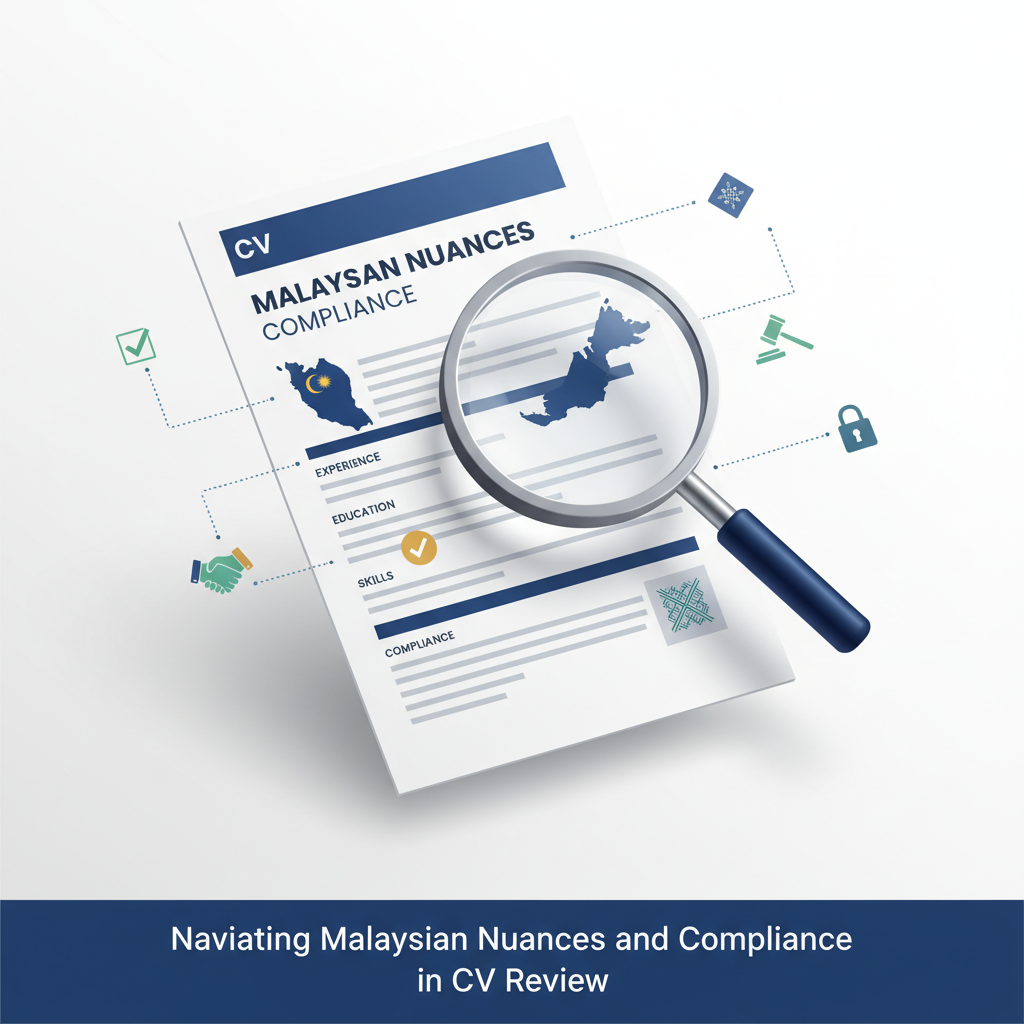
Hiring a finance manager in Malaysia demands a sophisticated approach to CV review, extending beyond generic financial acumen. To accurately assess candidates, particularly within the dynamic Malaysian context, it’s crucial to implement a robust Test structure to assess Manager Level CVs in finance field in malaysia. This structure must integrate specific local considerations, cultural aspects, and rigorous regulatory compliance. Overlooking these nuances can lead to misjudgments, impacting not only the individual’s performance but also the organization’s strategic objectives and adherence to local laws. A comprehensive review process ensures that the selected finance manager not only possesses the requisite technical skills but also the contextual intelligence vital for success in this unique market.
1. Understanding BNM (Bank Negara Malaysia) Requirements
The financial landscape in Malaysia is heavily influenced by Bank Negara Malaysia (BNM), the central bank, which sets stringent regulations for all financial institutions. When reviewing finance manager CVs, it’s imperative to scrutinize candidates’ experience and understanding of these critical frameworks. This includes, but is not limited to, compliance with the Financial Services Act 2013 (FSA) or Islamic Financial Services Act 2013 (IFSA), guidelines on Anti-Money Laundering (AML) and Counter Financing of Terrorism (CFT), risk management frameworks, and capital adequacy requirements. A strong candidate will demonstrate direct experience working under BNM’s supervisory purview, perhaps through tenure at licensed financial institutions, or specific projects involving regulatory reporting and compliance audits. Look for certifications, professional development courses, or specific project contributions related to BNM guidelines. Familiarity with the latest BNM Financial Stability and Payment Systems Report often indicates a proactive approach to staying informed about the regulatory environment, which is a significant advantage for any finance manager role in Malaysia.
2. Consideration of Shariah-Compliant Finance Backgrounds
Malaysia is a global leader in Islamic finance, and a significant portion of its financial sector operates under Shariah principles. For finance manager roles within Islamic banks, Takaful operators, or conventional institutions with Islamic finance windows, a candidate’s background in Shariah-compliant finance is not merely an advantage but often a mandatory requirement. CVs should be assessed for specific qualifications such as the Certified Islamic Finance Professional (CIFP), a Master in Islamic Finance, or direct experience in product development, risk management, or accounting within Shariah-compliant entities. Evidence of understanding concepts like Murabahah, Musharakah, Ijarah, or Takaful operations is crucial. Even for roles in conventional finance, an awareness of Islamic finance principles can be beneficial, particularly when dealing with a diverse client base or cross-border transactions involving Islamic financial hubs. Employers should clearly define whether Shariah expertise is essential for the role to filter CVs effectively.
3. Evaluating Local Market Network and Cultural Fit
Beyond technical competencies and regulatory adherence, the success of a finance manager in Malaysia heavily relies on their local market network and cultural acumen. Strong local connections facilitate smoother interactions with regulators, industry peers, and potential business partners. CVs might reveal this through involvement in local professional associations (e.g., MIA – Malaysian Institute of Accountants, FIMM – Federation of Investment Managers Malaysia), participation in industry conferences, or previous employment with well-established Malaysian corporations. Cultural fit is equally vital; Malaysia’s diverse, multicultural workforce demands a leadership style that is inclusive, empathetic, and respectful of various ethnicities and traditions. Assess for experience in managing diverse teams, cross-cultural communication skills, and a demonstrated ability to navigate the nuances of Malaysian business etiquette. While these aspects might not be explicitly listed, inferring them from career progression, leadership roles, and community involvement can provide valuable insights into a candidate’s potential to thrive in the Malaysian corporate environment.
In conclusion, developing a sophisticated Test structure to assess Manager Level CVs in finance field in malaysia is paramount for securing top talent. This involves a meticulous evaluation of BNM compliance knowledge, a keen eye for Shariah-compliant finance expertise where applicable, and a careful assessment of local market integration and cultural adaptability. By prioritizing these unique Malaysian considerations, recruiters and hiring managers can ensure they select finance professionals who are not only technically proficient but also strategically aligned with the local market’s demands and regulatory landscape, ultimately contributing to sustained organizational success.
Partner with Shelby Global
You are looking for reliable HR Sevice Suppliers? Contact Shelby Global Now! To connect with verified talents and upgrade your orginization.
—————————————
References
– :
– Malaysian Financial Reporting Standards (MFRS): https://www.masb.org.my/
– best practices for structured hiring processes: https://www.thebalancecareers.com/why-you-need-a-structured-interview-process-and-how-to-create-one-4158490
– How to Quantify Your Résumé: https://hbr.org/2016/09/how-to-quantify-your-resume
– Bank Negara Malaysia – Financial Stability: https://www.bnm.gov.my/financial-stability