Overview of Vietnamese Labor Law for Healthcare
Vietnam’s dynamic economic growth and evolving social landscape necessitate a robust legal framework for its labor force, particularly within the critical healthcare sector. Understanding the nuances of Vietnamese labor law is paramount for both healthcare providers and employees to ensure compliance, fair practices, and a stable working environment. This section delves into the foundational legal principles governing employment in Vietnam, specifically examining their application and implications for the medical field, covering everything from employment contracts to social welfare provisions. Navigating these regulations is key to fostering a productive and ethically sound healthcare system.

1. Key Labor Codes & Decrees Affecting Medicine
The cornerstone of labor relations in Vietnam is the **Labor Code 2019**, which became effective on January 1, 2021. This comprehensive document outlines general principles of labor relations, employment contracts, working hours, wages, social insurance, labor discipline, and dispute resolution for all sectors. For healthcare, specific provisions become acutely relevant, such as regulations concerning working conditions in hazardous environments (e.g., infectious disease units), limits on overtime for medical professionals to prevent burnout, and the highly regulated framework for essential service providers. The Labor Code 2019 provides a detailed framework defining obligations and rights for both employers and employees, crucial for the medical field.
Beyond the Labor Code, other vital laws significantly impact healthcare employment. These include the **Social Insurance Law 2014 (amended 2016)** and the **Health Insurance Law 2014 (amended 2018)**, which mandate contributions and provide benefits essential for healthcare workers’ welfare. Crucially, the **Law on Medical Examination and Treatment 2023**, effective January 1, 2024, directly governs the professional practice, licensing, responsibilities, and rights of medical practitioners, fundamentally shaping their employment terms and professional conduct. Complementing these laws are numerous decrees and circulars, such as Decree No. 145/2020/ND-CP detailing working conditions and labor relations, which often dictate specific rules for healthcare workers regarding professional ethics, continuous medical education, and specialized allowances.
2. Distinctions for Public vs. Private Healthcare Employers
A significant differentiation exists between employment in Vietnam’s public (state-owned) and private healthcare facilities, impacting everything from recruitment to remuneration. **Public hospitals and clinics** typically operate under civil servant or public employee regulations, often intertwined with the Ministry of Health’s guidelines. Employment stability is generally higher in the public sector, with salaries and benefits standardized and subject to state budget limitations. Promotion and career progression are often tied to seniority, academic qualifications, and government decrees. Medical professionals in public institutions are expected to adhere to stricter codes of conduct, public service ethics, and administrative procedures.
Conversely, **private hospitals and clinics** offer greater flexibility in employment contracts, often featuring performance-based remuneration and more competitive benefits packages to attract top talent. While still adhering to the foundational Labor Code, private employers have greater autonomy in salary negotiations, bonus structures, and employee incentives. However, job security might be more contingent on institutional performance, market demands, and patient satisfaction levels. These distinctions necessitate tailored HR strategies, careful contract drafting, and a nuanced understanding of legal compliance depending on the employer type, profoundly influencing recruitment, retention, and overall HR policy development within the Vietnamese medical sector.
3. Impact of Recent Legislative Updates (2024-2026 Outlook)
The Vietnamese legal landscape is dynamic and continuously evolving, demanding constant vigilance from healthcare employers and HR professionals. A key recent development, with profound implications, is the **Law on Medical Examination and Treatment 2023**, which came into effect on January 1, 2024. This landmark legislation introduces significant changes affecting professional licensing, scope of practice, patient rights, responsibilities of medical practitioners, and the organizational structure of medical facilities. For human resources departments, this means updating job descriptions, ensuring strict compliance with new licensing and certification requirements for all medical staff, and potentially revising internal regulations concerning professional misconduct, ethical breaches, and continuous professional development programs.
Looking ahead to 2026, other anticipated legislative discussions and potential changes revolve around social insurance reforms, adjustments to the national minimum wage, and evolving regulations concerning digital work and remote employment, which could impact administrative and certain specialized healthcare roles. The government’s strategic focus on digital transformation within healthcare and continuous quality improvement also hints at future legislative tweaks designed to modernize the sector. Employers and HR departments in the healthcare sector must proactively monitor these legislative developments to ensure continuous compliance, mitigate legal risks, and adapt their HR strategies accordingly. Staying informed about the evolving Legal HR terms & conditions for medicine field in Vietnam is crucial for fostering a resilient, ethical, and productive healthcare workforce capable of meeting the nation’s growing medical needs.
Essential HR Terms & Conditions in Medical Employment Contracts
Employment agreements for medical professionals in Vietnam are intricate legal documents that must navigate both general labor laws and sector-specific regulations. Understanding the mandatory and critical clauses is paramount for both employers and employees to ensure compliance, foster a stable work environment, and protect the rights and responsibilities of all parties involved. This section delves into the legal HR terms & conditions for medicine field in vietnam, outlining the essential elements required in such contracts.
-
Mandatory Contractual Elements (Salary, Hours, Duties)
At the foundation of any medical employment contract in Vietnam are the core elements mandated by the Vietnamese Labor Code 2019. These provisions ensure clarity and fairness regarding the fundamental aspects of the employment relationship. The contract must explicitly state the professional’s salary, including the base wage, any allowances, and bonuses, along with the payment frequency. This must comply with national minimum wage regulations and sector-specific compensation guidelines where applicable. Detailed information on working hours, including standard shifts, break times, and provisions for overtime or special circumstances common in the medical field (e.g., night shifts or extended procedures), is also crucial. Furthermore, a comprehensive description of duties and responsibilities, outlining the scope of practice and specific tasks aligned with the medical professional’s qualifications, must be included. Beyond these, the contract type (e.g., definite-term or indefinite-term), its duration, and the primary work location are fundamental. Employers are also obligated to detail mandatory contributions to social insurance, health insurance, and unemployment insurance, which are critical benefits under Vietnamese law.
-
Specific Clauses for Medical Professionals (Licenses, On-Call, Specialties)
Medical employment contracts in Vietnam require specific clauses that address the unique nature of the healthcare profession. Foremost among these is the requirement for valid professional licenses and certifications issued by the Vietnamese Ministry of Health. The contract must stipulate the employee’s responsibility for maintaining these licenses, including undertaking continuous professional development (CPD) and timely re-licensing. It should also outline the consequences of license suspension or revocation. Provisions for on-call or emergency duties are essential, detailing how these responsibilities are scheduled, managed, and compensated, recognizing the demanding nature of healthcare. For professionals in specialized fields, the contract should address specialty-specific provisions, such as access to particular equipment, requirements for specific procedures, or involvement in advanced research. Crucially, contracts must clarify arrangements for medical malpractice and professional indemnity insurance, typically provided by the employer, to protect against potential liabilities. Adherence to patient data protection laws and strict confidentiality regarding patient information is also a non-negotiable clause. Finally, compliance with medical ethics and internal hospital regulations, which often go beyond general labor law, must be explicitly stated, alongside any applicable non-compete clauses, which must be carefully drafted to be enforceable under Vietnamese law.
-
Termination Procedures and Severance Entitlements
Clear and legally compliant termination procedures are vital components of any medical employment contract in Vietnam, offering protection to both parties. The contract should outline the valid grounds for termination, which can include mutual agreement, unilateral termination by either party (adhering to statutory notice periods), the expiry of definite-term contracts, employer restructuring, or an employee’s inability to perform duties due to health conditions. Specific notice periods, as stipulated by the Labor Code of Vietnam (e.g., 30 days for definite-term and 45 days for indefinite-term contracts for highly skilled workers), must be clearly defined. In cases of termination, the contract must detail the employee’s entitlement to severance allowance, calculated based on years of service and salary, in accordance with the Vietnamese Labor Code. Additionally, provisions for job loss allowance, applicable in scenarios such as enterprise restructuring or technological changes, should be included. The process for disciplinary action and dismissal due to gross misconduct or breach of contract must also be transparent, ensuring due process is followed. Finally, procedures for the return of company property, like medical equipment or confidential documents, and the conduct of exit interviews or handover processes, contribute to a professional and legally sound conclusion to the employment relationship.
Compliance with Workplace Safety & Health Regulations
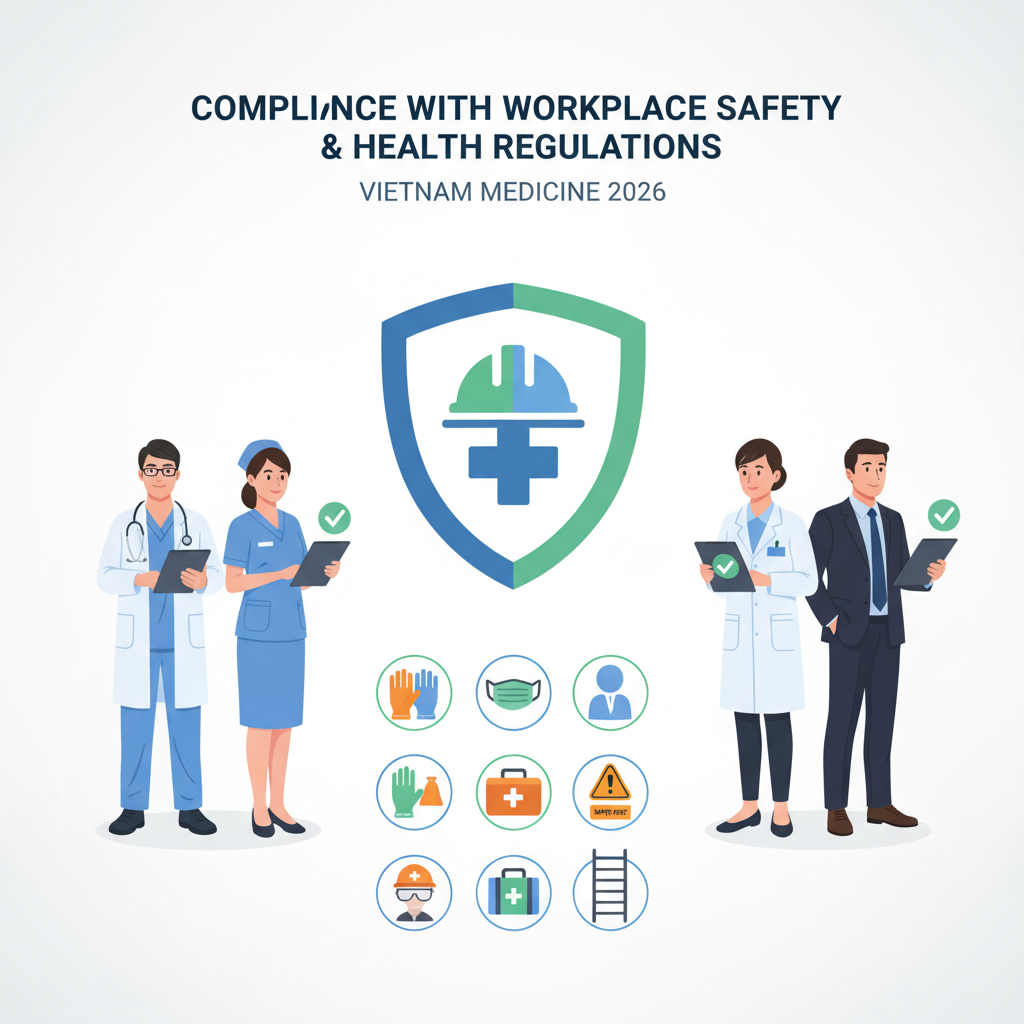
Ensuring a safe and healthy work environment is not merely an ethical imperative but a stringent legal obligation for healthcare employers in Vietnam. The intricate nature of medical practice, coupled with exposure to various biological, chemical, and physical hazards, necessitates a robust framework of legal HR terms & conditions for medicine field in Vietnam. Adherence to these regulations protects medical staff, enhances operational efficiency, and mitigates legal liabilities, aligning with the nation’s commitment to robust labor protection standards. This section delves into the critical aspects of occupational safety and health (OSH) compliance, outlining the responsibilities of healthcare facilities and the rights of their employees.
1. Occupational Health and Safety Standards in Hospitals
Vietnamese legislation, primarily the Labor Code and a series of guiding decrees and circulars issued by the Ministry of Labour, Invalids and Social Affairs (MOLISA) and the Ministry of Health (MOH), mandates specific occupational health and safety standards for all workplaces, including hospitals. These standards encompass a broad spectrum of requirements designed to minimize risks. Healthcare employers are legally bound to conduct regular risk assessments, identify potential hazards within the hospital environment—from structural integrity and fire safety to proper waste management and equipment maintenance. This includes ensuring all medical equipment is regularly serviced and calibrated, facilities adhere to hygienic standards, and appropriate ventilation systems are in place, particularly in areas like operating theatres, laboratories, and isolation wards. Furthermore, hospitals must establish clear safety protocols for all procedures, ensuring that staff are aware of and adhere to these guidelines to prevent accidents and injuries. Non-compliance can lead to significant penalties, including administrative fines and, in severe cases, criminal charges, underscoring the importance of meticulous adherence to these foundational OHS standards.
2. Managing Exposure Risks and Infectious Diseases
One of the most critical aspects of workplace safety in healthcare settings is the management of exposure risks, particularly concerning infectious diseases. Medical professionals are inherently susceptible to a range of biological hazards, including blood-borne pathogens (e.g., HBV, HCV, HIV), airborne pathogens (e.g., TB, COVID-19), and other communicable diseases. Vietnamese regulations require healthcare facilities to implement comprehensive strategies to prevent and control the spread of infections. This includes providing and mandating the proper use of Personal Protective Equipment (PPE) such as masks, gloves, gowns, and eye protection, tailored to the specific risk level of different procedures and patient interactions. Employers must also establish strict protocols for handling sharps, hazardous waste disposal, and sterilization of instruments. Regular health surveillance, including vaccinations for relevant infectious diseases (e.g., Hepatitis B), is often a mandatory requirement for medical staff. Beyond biological risks, healthcare workers may also encounter chemical hazards from cleaning agents, laboratory reagents, and pharmaceutical compounds, as well as physical risks from radiation, manual handling of patients, and ergonomic stressors. Effective risk management involves not only preventative measures but also clear procedures for incident reporting, post-exposure prophylaxis, and access to medical care and counseling for affected employees.
3. Mandatory Training and Certification Requirements
To ensure the effective implementation of OHS standards and risk management protocols, Vietnamese law mandates comprehensive training and certification for medical staff. Healthcare employers are responsible for providing initial and recurrent OHS training to all employees, tailored to their specific roles and potential hazards. This training typically covers a wide array of topics, including general safety awareness, emergency response procedures (fire safety, first aid), proper use and maintenance of PPE, infection control practices, hazardous waste management, and ergonomics. For specific roles or equipment, additional certifications may be required to ensure competence and compliance with specialized safety protocols. For instance, staff operating X-ray machines or handling radioactive materials would need specific radiation safety training and certification. The employer must maintain records of all training provided and ensure that staff actively participate and demonstrate proficiency. These mandatory training and certification requirements are crucial for fostering a safety-conscious culture and empowering medical staff with the knowledge and skills to protect themselves and their patients. Embracing international best practices for occupational safety and health in the health sector, as highlighted by organizations like the International Labour Organization (ILO), further strengthens Vietnam’s commitment to safeguarding its invaluable healthcare workforce.
In conclusion, compliance with workplace safety and health regulations in Vietnam’s healthcare sector is a multifaceted and continuous endeavor. It requires vigilant adherence to legal standards, proactive risk management, and consistent investment in staff training and equipment. By prioritizing a safe and healthy environment, healthcare employers not only meet their legal obligations but also cultivate a more productive, resilient, and dedicated medical workforce, ultimately contributing to better patient care and a stronger public health system.
Data Privacy, Confidentiality & Professional Ethics
In the rapidly evolving landscape of healthcare in Vietnam, the safeguarding of patient data, upholding professional secrecy, and adhering to strict ethical standards are not merely best practices but fundamental legal and ethical imperatives. For medical personnel, understanding and complying with these regulations is paramount, forming a critical component of the Legal HR terms & conditions for medicine field in vietnam. This section delves into the intricate framework governing data privacy, confidentiality, and professional conduct for healthcare professionals under Vietnamese law, ensuring both patient trust and legal compliance.
1. Patient Data Protection Laws (e.g., Decree 13/2023/ND-CP)
Vietnam has significantly bolstered its legal framework concerning personal data protection, with patient data being among the most sensitive categories. The cornerstone of this framework is Decree No. 13/2023/ND-CP on Personal Data Protection, effective from July 1, 2023. This comprehensive decree establishes stringent requirements for the processing of personal data, which directly impacts how medical facilities and personnel collect, store, use, and manage patient information. Under Decree 13, patient medical records, health status, and related personal identifiers are classified as “sensitive personal data,” demanding a higher level of protection. Healthcare providers must obtain explicit consent from patients for data processing, implement robust security measures to prevent unauthorized access, disclosure, or alteration, and adhere to strict rules for data localization and cross-border transfers. Failure to comply can result in substantial fines and legal repercussions, underscoring the necessity for comprehensive training and adherence by all medical personnel regarding these vital patient data protection laws.
2. Non-Disclosure Agreements for Healthcare Professionals
Beyond general data protection laws, Non-Disclosure Agreements (NDAs) serve as a crucial contractual tool in the Vietnamese healthcare sector to reinforce confidentiality obligations for medical personnel. These agreements typically form part of the employment contract or are signed separately, legally binding healthcare professionals to protect sensitive information encountered during their work. For doctors, nurses, and administrative staff, confidential information extends beyond just patient health records to include proprietary clinic operations, research data, treatment protocols, and business strategies. A well-drafted NDA specifies what constitutes confidential information, outlines the professional’s obligations to maintain secrecy (even after employment termination), details permitted disclosures (e.g., to other healthcare providers for treatment, or as required by law), and enumerates the severe consequences of a breach, which can include financial penalties, termination of employment, and legal action. Implementing and enforcing NDAs is a proactive step for medical facilities to solidify their commitment to confidentiality and manage the significant risks associated with information leakage, aligning with best practices in legal HR terms & conditions for medicine field in vietnam.
3. Ethical Codes of Conduct and Disciplinary Actions
Professional ethics form the bedrock of medical practice in Vietnam, guided by principles of compassion, integrity, and respect for human life. Healthcare professionals are bound by various ethical codes, often encapsulated in ministerial directives and internal hospital regulations that emphasize “y đức” (medical ethics). A core tenet is the principle of professional secrecy, which mandates that medical personnel must not disclose any information about a patient’s health, diagnosis, or treatment without their explicit consent, except under specific legal obligations. Violations of ethical codes of conduct can range from minor infractions like improper communication to severe offenses such as negligence, sexual harassment, fraud, or the unauthorized disclosure of patient information. Vietnamese law, coupled with institutional policies, provides a clear framework for disciplinary actions. These can include formal warnings, suspension from duty, financial penalties, demotion, termination of employment, and in serious cases, the revocation of professional licenses or criminal prosecution. Adherence to these ethical guidelines is not just a moral duty but a mandatory component of the Legal HR terms & conditions for medicine field in vietnam, ensuring accountability and maintaining public trust in the healthcare system.
Foreign Workers & Expatriates in Vietnam’s Medical Field
Vietnam’s rapidly developing economy and growing middle class have fueled a significant expansion in its healthcare sector. This growth, coupled with an increasing demand for specialized medical services and international standards of care, has opened doors for foreign medical professionals and expatriates. Navigating the landscape of legal HR terms & conditions for medicine field in Vietnam, however, requires a thorough understanding of the specific regulations governing non-Vietnamese citizens. This section addresses the unique legal framework, from obtaining necessary permits to the recognition of international qualifications, ensuring a smooth and compliant professional journey for medical expatriates.
1. Work Permits and Visa Requirements for Medical Staff
For any non-Vietnamese citizen seeking employment in the Vietnamese medical sector, obtaining a work permit is a fundamental and non-negotiable requirement. The process is initiated by the prospective employer in Vietnam, who acts as the sponsor. Prior to applying for a work permit, foreign medical professionals typically enter Vietnam on a business visa (DN visa), which is then converted once all necessary documentation is prepared. Key requirements for a work permit include a valid passport, a health check-up conducted in Vietnam or a recognized overseas facility, a criminal record check (from both their home country and Vietnam if they have resided there for an extended period), and proof of professional qualifications and experience. The duration of the work permit is generally aligned with the employment contract, typically ranging from one to two years, and can be renewed. Understanding the intricate details of these regulations is crucial for anyone interested in the Legal HR terms & conditions for medicine field in Vietnam. Adherence to these guidelines is paramount to avoid legal complications and ensure a successful career in the country.
2. Recognition of Foreign Medical Qualifications
A critical step for foreign medical professionals in Vietnam is the official recognition of their overseas qualifications. Unlike some countries where mutual recognition agreements exist, Vietnam requires a stringent process for evaluating and validating foreign medical degrees and licenses. This typically involves submitting authenticated and legalized copies of diplomas, transcripts, and professional licenses to the Ministry of Health for review. Depending on the specialty and the country of origin, the Ministry may require supplementary training, clinical examinations, or even a period of supervised practice within a Vietnamese medical institution. Demonstrating proficiency in Vietnamese, especially for direct patient care roles, is often an informal but crucial expectation, though some international hospitals cater primarily to English-speaking expatriates. This recognition process underscores Vietnam’s commitment to maintaining high standards of medical care and ensuring that all practitioners, local or foreign, meet established criteria. Further details on the general framework for foreign workers can be found in Vietnamese labor law, particularly decrees concerning work permits for foreigners, such as Decree No. 152/2020/ND-CP, as highlighted in comprehensive analyses like those by Baker McKenzie on Vietnam’s new decree for foreign workers.
3. Repatriation and Cross-Border Employment Considerations
The employment journey of foreign medical professionals in Vietnam also involves important considerations regarding the conclusion of their contracts and potential repatriation. Employers are often responsible for facilitating the cancellation of work permits and visas upon the termination of employment. Expatriates should be aware of their final tax obligations, including personal income tax and any applicable social insurance contributions. While Vietnam has a social insurance system, its transferability or pension portability across international borders can be complex and often requires specific bilateral agreements which may not apply to all nationalities. Therefore, understanding the terms related to severance, repatriation benefits (if stipulated in the contract), and the process for leaving the country legally is vital. For those considering long-term or cross-border careers, expert legal and HR advice becomes indispensable in navigating these intricate aspects, ensuring compliance and peace of mind throughout their tenure and beyond. Professional guidance can help clarify the nuances of employment cessation and safeguard against unforeseen challenges.
In conclusion, while Vietnam presents a vibrant and expanding landscape for foreign medical professionals, a thorough understanding and adherence to the specific legal HR terms & conditions for medicine field in Vietnam are paramount. From securing the initial work permit and visa to navigating the recognition of qualifications and planning for eventual repatriation, each step requires meticulous attention to detail and often, expert legal consultation. These regulations are designed to ensure both the quality of healthcare provided and the protection of both foreign workers and the Vietnamese healthcare system, fostering a professional environment built on compliance and mutual respect.
Partner with Shelby Global
You are looking for reliable HR Sevice Suppliers? Contact Shelby Global Now! To connect with verified talents and upgrade your orginization.
—————————————
References
– Vietnam Labor Code 2019: https://english.luatviet.com/labour-code-2019-2/
– Labor Code of Vietnam: https://vietnamlawonline.com/labor-code-vietnam-2019/
– International Labour Organization (ILO) – Occupational Safety and Health in the Health Sector: https://www.ilo.org/global/topics/safety-and-health-at-work/sectoral-approaches/WCMS_160358/lang–en/index.htm
– Decree No. 13/2023/ND-CP on Personal Data Protection: https://thuvienphapluat.vn/van-ban/Cong-nghe-thong-tin/Nghi-dinh-13-2023-ND-CP-bao-ve-du-lieu-ca-nhan-557345.aspx
– Baker McKenzie on Vietnam’s new decree for foreign workers: https://www.bakermckenzie.com/en/insight/publications/2021/01/vietnam-issues-new-decree-on-foreign-workers