Understanding Singapore’s Transportation HR Landscape in 2026
Singapore, a global hub for trade, tourism, and logistics, relies heavily on a robust and efficient transportation sector. As we look towards 2026, the human resources (HR) landscape within this dynamic industry is undergoing significant transformation, driven by technological advancements, evolving workforce demographics, and strategic national imperatives. This section provides a comprehensive overview of the current HR situation within Singapore’s dynamic transportation field, setting the stage for a deeper exploration of its challenges and opportunities. The intricate interplay of global trends and local policies shapes how companies attract, develop, and retain talent, making a thorough HR report of transportation field in Singapore indispensable for stakeholders navigating this complex environment. From the bustling port to the skies above and the intricate network of roads below, the sector’s reliance on a skilled and adaptable workforce is paramount to maintaining Singapore’s competitive edge.
-
Current Workforce Demographics and Size
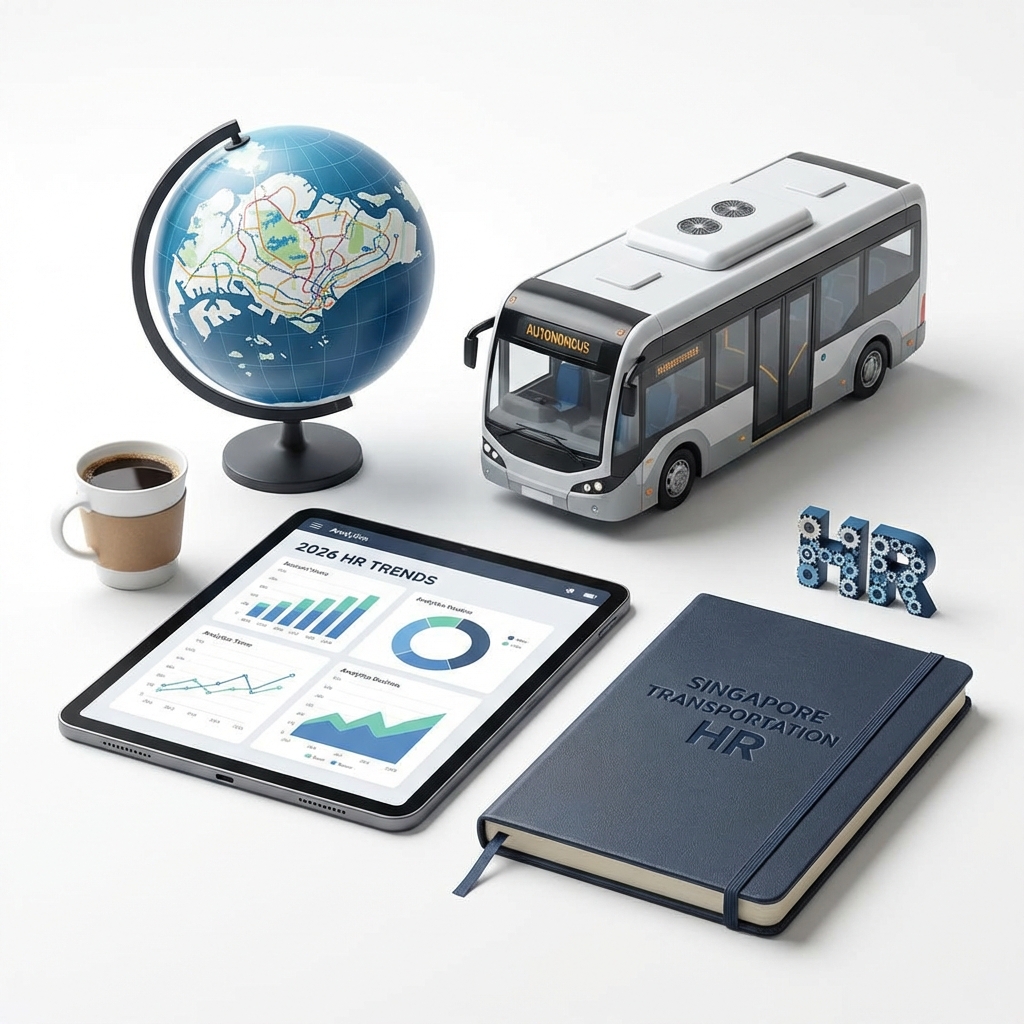
The transportation sector in Singapore is a significant employer. The sector employs a substantial workforce, but its demographic profile presents critical challenges. An aging workforce is a prominent concern, with experienced professionals approaching retirement. This trend necessitates proactive succession planning and knowledge transfer initiatives to prevent significant skill gaps. Simultaneously, there is a concerted effort to attract younger talent into the industry, often through attractive training programs and clearer career pathways. Diversity is also a key focus, with initiatives promoting gender balance and inclusive hiring practices. The industry increasingly leverages a diverse pool of local and international talent to meet its demanding operational needs. Addressing skills shortages, particularly in emerging areas like automation, data analytics, and sustainable transport technologies, remains a top priority for HR departments across all sub-sectors.
-
Key Segments: Maritime, Aviation, and Land Transport
Singapore’s transportation ecosystem is broadly segmented into Maritime, Aviation, and Land Transport, each with unique HR dynamics and demands.
- Maritime Sector: As one of the world’s busiest transshipment hubs, Singapore’s maritime industry faces global competition for talent. HR challenges include attracting seafarers amidst changing career aspirations, managing automation’s impact on port operations, and ensuring crew welfare and training. There’s a growing need for professionals skilled in smart port technologies, green shipping, and maritime cybersecurity, with HR focusing on developing a future-ready workforce for digital transformation and sustainable practices.
- Aviation Sector: Changi Airport’s expansion and Singapore Airlines’ global reach underscore the aviation sector’s robust nature. However, HR contends with global shortages of pilots, aircraft engineers, and air traffic controllers. The sector also requires a strong pipeline of customer service professionals and specialists in air cargo logistics and airport operations. Post-pandemic recovery has underscored the need for flexible workforce planning and robust talent retention, especially concerning mental well-being and career progression.
- Land Transport Sector: Singapore’s highly efficient public transport system and burgeoning logistics networks are pivotal. HR challenges here include attracting and retaining bus captains, taxi drivers, and rail technicians in a demanding 24/7 environment. The rise of ride-hailing and last-mile delivery platforms has introduced new workforce models and HR considerations, particularly regarding gig economy workers. Furthermore, autonomous vehicles and intelligent transport systems demand new engineering and data science skills, shifting the paradigm for the land transport workforce.
-
Regulatory Environment and Policy Impact on HR
Singapore’s government plays a proactive and significant role in shaping the HR landscape across all sectors, including transportation. Regulatory frameworks and national policies foster a skilled, productive, and resilient workforce. Key initiatives like SkillsFuture Singapore (SSG) provide a robust ecosystem for lifelong learning and skills upgrading, directly benefiting transportation professionals adapting to new technologies and roles. The Ministry of Manpower (MOM) frequently updates labor laws and foreign worker policies, impacting hiring, wage structures, and expatriate employment. For instance, the Ministry of Manpower’s Labour Market Report offers crucial insights into workforce trends, informing HR strategies. Sector-specific agencies like MPA, CAAS, and LTA also collaborate with industry players to address specific HR needs, leading to targeted training, scholarships, and industry transformation roadmaps. For deeper insights and strategic recommendations, a comprehensive HR report of transportation field in Singapore offers invaluable guidance. The government’s emphasis on sustainable development also translates into HR policies supporting green jobs and eco-friendly practices, further evolving required skill sets. These interventions are critical in ensuring Singapore’s transportation sector remains competitive, innovative, and attractive to talent.
Navigating Talent Challenges and Retention Strategies
Singapore’s transportation sector, a vital artery of its economy, faces a complex landscape of human resources challenges. From the bustling port to the intricate public transport network and the crucial logistics hubs, the demand for skilled professionals is ever-present. However, an in-depth HR report of transportation field in Singapore consistently highlights pressing issues related to talent acquisition, persistent skills shortages, and the critical need for effective employee retention strategies. Addressing these challenges is paramount for sustaining the nation’s competitive edge and ensuring the continued efficiency and innovation of its transport infrastructure.
-
Addressing the Skills Gap in Specialized Roles
The rapid evolution of technology and sustainable practices is redefining the skill sets required within the transportation field. A significant challenge lies in the widening gap between the skills possessed by the existing workforce and those demanded by new technologies such as automation, data analytics, artificial intelligence, and green logistics. Specialized roles, particularly in areas like autonomous vehicle maintenance, smart logistics systems management, and data-driven route optimization, require a different caliber of talent. Singapore’s ambitious plans for smart cities and sustainable transport necessitate professionals adept in these cutting-edge domains.
To bridge this gap, strategic interventions are crucial. Companies must invest heavily in upskilling and reskilling programs for their current employees, offering training in areas like predictive maintenance, cybersecurity for transport systems, and advanced fleet management software. Partnerships with educational institutions and government agencies like Workforce Singapore (WSG) are vital for developing curricula that align with industry needs and creating pathways for new talent. Apprenticeship programs, internships, and continuous professional development initiatives are key to cultivating a future-ready workforce capable of navigating the complexities of modern transportation.
-
Competition for Talent and Industry Attrition Rates
The transportation sector in Singapore operates in a highly competitive talent market. It vies for skilled professionals not only within its own sub-sectors (e.g., aviation, maritime, land transport) but also against other high-growth industries like technology, e-commerce, and advanced manufacturing, which often offer comparable or more attractive benefits. This fierce competition exacerbates the difficulty in talent acquisition, particularly for niche roles.
Furthermore, the industry grapples with notable attrition rates. Factors contributing to this include demanding work hours, the perception of physically arduous jobs, and sometimes, a lack of clear career progression paths. The demographic shift towards an aging workforce also means a significant number of experienced professionals are retiring, creating a vacuum of institutional knowledge and expertise. Companies must critically evaluate their compensation packages, work-life balance initiatives, and workplace culture to enhance their appeal. A comprehensive HR report of transportation field in Singapore would shed light on specific sub-sectors and roles most affected by attrition, allowing for targeted interventions.
-
Innovative Retention Programs and Employee Value Proposition
Retaining valuable employees is as critical as acquiring new talent. To combat attrition and build a loyal, high-performing workforce, transportation companies must craft innovative retention programs and develop a compelling Employee Value Proposition (EVP). An attractive EVP goes beyond competitive salaries, encompassing career development, employee well-being, and a positive work environment.
Key retention strategies include robust career pathing and mentorship programs that clearly outline opportunities for growth and skill enhancement. Investing in leadership training, succession planning, and internal mobility can empower employees and foster a sense of long-term commitment. Furthermore, promoting employee well-being through flexible work arrangements (where feasible), mental health support, and wellness initiatives can significantly boost morale and loyalty. Recognizing and rewarding performance, creating a culture of appreciation, and fostering diversity and inclusion are also instrumental in building an inclusive and engaging workplace. By actively listening to employee feedback and continuously refining their EVP, transportation companies can transform themselves into employers of choice, securing the talent vital for Singapore’s future.
In conclusion, the human resources landscape in Singapore’s transportation field demands proactive and strategic management. Addressing the skills gap through targeted training, mitigating talent competition and attrition with improved work conditions, and enhancing employee loyalty through a strong EVP are not merely HR tasks, but strategic imperatives. A thorough and regular HR report of transportation field in Singapore will continue to be an indispensable tool for guiding these efforts, ensuring a resilient and future-ready workforce for this cornerstone industry.
Impact of Technology and Digital Transformation on HR
Singapore’s transportation sector, a critical pillar of its economy and connectivity, is undergoing a profound metamorphosis driven by technological advancements and digital transformation. This paradigm shift is not only reshaping operational efficiencies and service delivery but is also fundamentally redefining HR practices and workforce needs. From autonomous vehicles and smart logistics to enhanced passenger experiences, the demand for a future-ready workforce and agile HR strategies has never been more pressing. This section explores how HR in Singapore’s transportation field is adapting to these changes, focusing on automation, upskilling, and evolving work models to ensure sustained growth and competitiveness.

-
Automation and AI’s Role in HR Operations
The integration of automation and Artificial Intelligence (AI) is revolutionizing HR operations within Singapore’s transportation sector, moving beyond mere administrative tasks to strategic contributions. HR departments are leveraging AI-powered tools for recruitment, talent acquisition, and employee lifecycle management. For instance, AI algorithms can sift through vast numbers of applications for roles ranging from bus captains to aviation technicians, identifying candidates who best match required skill sets and cultural fit, thereby drastically reducing time-to-hire. Chatbots powered by AI are increasingly handling routine employee queries about payroll, benefits, or company policies, freeing up HR professionals to focus on more complex, value-added initiatives such as talent development and strategic workforce planning. Predictive analytics, another facet of AI, helps HR anticipate staffing needs, identify potential attrition risks, and even forecast future skill gaps, particularly crucial in a sector with fluctuating operational demands and evolving technological requirements. This digital transformation streamlines processes, enhances accuracy, and significantly improves the employee experience, fostering a more responsive and efficient HR ecosystem.
-
Upskilling for Digital Competencies and Future Readiness
As digital technologies permeate every aspect of transportation – from intelligent traffic systems and autonomous public transport to predictive maintenance for fleets – the demand for a workforce equipped with robust digital competencies is paramount. HR in Singapore’s transportation sector is now at the forefront of driving comprehensive upskilling and reskilling initiatives. This involves not only training employees on new software and digital tools but also fostering a mindset of continuous learning and adaptability. Programs are being designed to equip mechanics with data analytics skills to interpret sensor data, train operations staff in utilizing AI-driven scheduling platforms, and enable administrative personnel to leverage cloud-based collaboration tools. The focus extends beyond technical skills to include soft skills crucial for a digitally transformed environment, such as problem-solving, critical thinking, and collaborative abilities. Government initiatives, coupled with industry-specific training academies, play a pivotal role in subsidizing and developing these programmes, ensuring that Singapore’s transportation workforce remains future-ready and capable of navigating the complexities of an increasingly digital operational landscape. This proactive approach to talent development is vital for addressing the evolving demands highlighted in any comprehensive HR report of transportation field in Singapore.
-
Remote Work and Hybrid Models in Transportation Support Roles
While frontline operational roles in transportation, such as bus drivers, pilots, and maintenance crews, inherently require on-site presence, the rise of digital transformation has opened up significant opportunities for remote and hybrid work models in supporting functions. Roles in IT, HR, finance, customer service, and strategic planning within transportation companies are increasingly adopting flexible work arrangements. This shift, accelerated by global events, is facilitated by robust digital infrastructure and collaborative technologies. For HR, this means rethinking policies around performance management, employee engagement, and communication to effectively manage a distributed workforce. It also involves investing in secure digital platforms that enable seamless collaboration and data access from various locations. The adoption of remote and hybrid models offers several benefits, including improved employee work-life balance, access to a wider talent pool irrespective of geographical constraints, and potential cost savings on office space. However, it also presents challenges such as maintaining team cohesion, fostering a strong company culture, and ensuring cybersecurity. Singapore’s transportation entities are carefully balancing these factors, drawing insights from global best practices in flexible work arrangements to create a sustainable and productive work environment for their diverse workforce, proving that even in a highly physical sector, digital transformation is redefining the very structure of work.
Fostering Employee Well-being and Engagement
The dynamic and often demanding landscape of Singapore’s transportation sector presents unique challenges for its workforce. From logistical complexities and tight schedules to ensuring public safety and managing long operational hours, employees in this critical industry face significant pressures. Recognising and proactively addressing these stressors is no longer just a benevolent gesture but a strategic imperative. To build a resilient, productive, and sustainable workforce capable of navigating the industry’s evolving demands, organisations must place employee well-being, robust mental health support, and comprehensive engagement initiatives at the core of their human resources strategy. An insightful HR report of transportation field in Singapore consistently underscores that investment in these areas translates directly into reduced turnover, improved safety records, higher productivity, and enhanced service quality, ultimately driving the sector’s long-term success.
-
Mental Health Support and Wellness Programs
The unique stressors inherent in the transportation field – including shift work, isolation for certain roles, constant pressure to meet deadlines, and the responsibility for public safety – can significantly impact mental health. Therefore, accessible and comprehensive mental health support is crucial. Companies should move beyond reactive measures and implement proactive wellness programs. This includes establishing confidential Employee Assistance Programs (EAPs) offering counseling services, financial advice, and legal support. Furthermore, initiatives such as stress management workshops, mindfulness training sessions, and promoting physical activity through corporate gym memberships or wellness challenges can equip employees with coping mechanisms. Destigmatising mental health conversations within the workplace is paramount. Leaders and HR professionals must foster an environment where employees feel safe to seek help without fear of repercussions. Educational campaigns promoting mental well-being and identifying signs of distress can empower both individuals and their colleagues. According to the Health Promotion Board Singapore, robust workplace mental wellness programmes are vital for fostering a healthier and more productive workforce across all sectors.
-
Diversity, Equity, and Inclusion (DEI) Initiatives
Beyond mere compliance, robust Diversity, Equity, and Inclusion (DEI) initiatives are powerful drivers of employee well-being and engagement, particularly in a diverse nation like Singapore. A truly inclusive environment ensures that every employee, regardless of their background, feels valued, respected, and heard. This leads to a stronger sense of belonging and psychological safety, critical components for well-being. In the transportation sector, DEI means actively recruiting from diverse talent pools, ensuring equitable opportunities for career advancement, and fostering an inclusive culture where different perspectives are not only tolerated but celebrated. For example, accommodating cultural practices, providing inclusive training materials, or ensuring facilities are accessible for employees with disabilities are practical steps. Embracing DEI can lead to more innovative problem-solving, as varied experiences and viewpoints contribute to a richer understanding of challenges and more effective solutions – an invaluable asset in a complex industry. Companies that prioritize DEI often report higher employee satisfaction and retention rates, creating a competitive edge.
-
Creating a Positive and Safe Work Culture
A positive and safe work culture extends far beyond merely adhering to physical safety regulations; it encompasses psychological safety, mutual respect, and open communication. In the demanding transportation industry, where errors can have significant consequences, fostering an environment where employees feel comfortable raising concerns, admitting mistakes, and suggesting improvements without fear of blame or reprisal is essential. This psychological safety encourages transparency, learning, and continuous improvement. Leadership plays a pivotal role in shaping this culture by demonstrating empathy, trust, and ethical behavior. Regular, constructive feedback, transparent communication about company goals and challenges, and genuine recognition for efforts and achievements significantly boost morale and engagement. Establishing clear channels for feedback, conflict resolution, and reporting harassment or discrimination ensures that employees feel supported and heard. Ultimately, a culture built on trust and respect fosters greater job satisfaction, reduces stress, and cultivates a workforce that is not only productive but also deeply committed to the organization’s success and its role in serving the public. The cumulative impact of these efforts often defines an organisation’s long-term success, as explored in various analyses and findings presented in an HR report of transportation field in Singapore.
Future Outlook and Strategic HR Imperatives for 2026 and Beyond
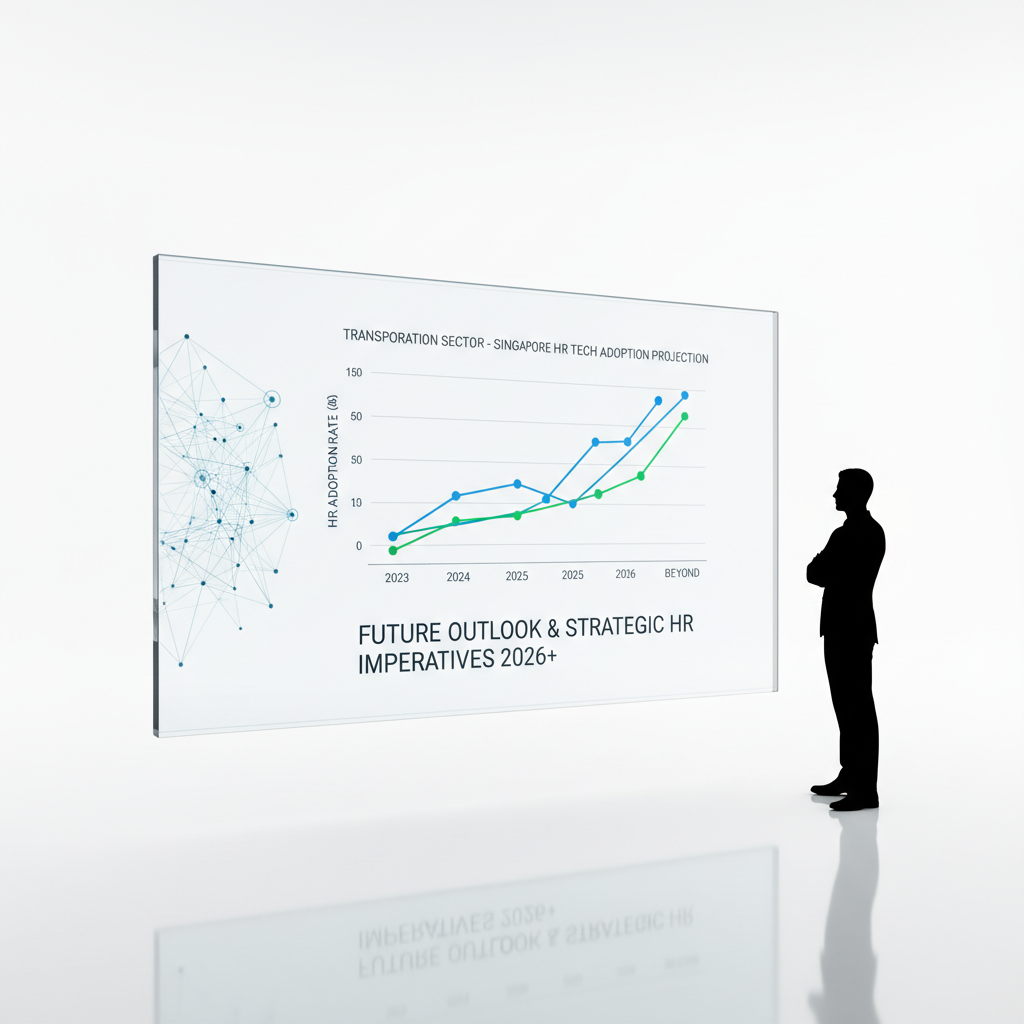
As Singapore’s transportation sector navigates a landscape of rapid technological advancement, evolving global dynamics, and increasing environmental consciousness, the role of Human Resources (HR) is undergoing a profound transformation. This concluding section synthesizes the insights gleaned from the comprehensive HR report of transportation field in singapore, projecting a forward-looking perspective and outlining the strategic HR imperatives crucial for sustained growth, innovation, and resilience from 2026 onwards. The sector’s ability to attract, develop, and retain a future-ready workforce will be the linchpin of its success in an increasingly complex operating environment.
1. Predictive HR Analytics and Workforce Planning
The traditional, reactive approach to HR is fast becoming obsolete. For Singapore’s transportation sector, the imperative is to embrace predictive HR analytics and robust workforce planning as foundational pillars. This involves leveraging big data, artificial intelligence, and machine learning to forecast future talent needs, identify potential skill gaps long before they become critical, and optimize resource allocation. HR departments must transition from mere administrative functions to strategic partners, providing data-driven insights that inform business decisions. By analyzing trends in employee turnover, performance metrics, and external market shifts, organizations can proactively design training programs, implement targeted recruitment strategies, and foster a culture of continuous learning and reskilling. This forward-looking stance will ensure that the workforce possesses the agility and adaptability required to navigate technological disruptions, such as the increasing adoption of autonomous vehicles, smart logistics solutions, and sophisticated air traffic management systems. Strategic workforce planning also encompasses scenario modeling, preparing the sector for various economic and industry futures, thereby mitigating risks associated with talent shortages or surpluses.
2. Sustainability and Green HR Practices
Sustainability is no longer a peripheral concern but a core strategic imperative, deeply integrated into business operations and HR practices. Singapore’s commitment to a greener future, exemplified by initiatives like the Singapore Green Plan 2030, places the transportation sector at the forefront of environmental responsibility. Green HR practices extend beyond compliance; they encompass designing HR policies that promote ecological stewardship and social responsibility. This includes advocating for sustainable commuting options, implementing eco-friendly training and development programs, fostering a paperless work environment, and incorporating sustainability metrics into employee performance reviews. Furthermore, talent acquisition strategies will increasingly highlight an organization’s commitment to ESG principles, attracting environmentally conscious professionals who seek purpose-driven work. HR will play a pivotal role in cultivating a “green culture,” educating employees on sustainable practices, and driving initiatives that reduce the sector’s carbon footprint. By aligning HR strategies with sustainability goals, transportation companies can enhance their brand reputation, improve employee engagement, and contribute meaningfully to national environmental objectives.
3. Adapting to Evolving Global and Regional Dynamics
The global landscape is characterized by constant flux, from geopolitical shifts and trade realignments to rapid technological advancements and changing demographic profiles. Singapore’s transportation sector, being intrinsically linked to international trade and connectivity, must develop highly adaptable HR strategies. This involves fostering a resilient and agile workforce capable of quickly adjusting to new operational paradigms and market demands. HR must champion initiatives that promote cross-cultural competence, diversity, equity, and inclusion (DEI), recognizing the diverse talent pool essential for global competitiveness. The increasing reliance on automation and AI necessitates continuous upskilling and reskilling programs, ensuring that employees are equipped with future-ready skills in data analytics, cybersecurity, automation management, and digital literacy. Furthermore, HR policies must address the evolving expectations of the modern workforce, including demands for flexible work arrangements, enhanced well-being support, and clear career progression pathways. By proactively adapting to these multifaceted global and regional dynamics, the transportation sector can maintain its competitive edge, attract top-tier international talent, and reinforce Singapore’s position as a leading global transport hub.
In conclusion, the path forward for Singapore’s transportation HR is defined by strategic foresight, a commitment to sustainability, and an unwavering focus on adaptability. By embracing predictive analytics, integrating green practices, and building a resilient, globally-aware workforce, HR will not merely support the sector but actively drive its innovation, growth, and enduring success well into 2026 and beyond.
Partner with Shelby Global
You are looking for reliable HR Sevice Suppliers? Contact Shelby Global Now! To connect with verified talents and upgrade your orginization.
—————————————
References
– Ministry of Manpower’s Labour Market Report: https://www.mom.gov.sg/publications/labour-market-report
– Workforce Singapore (WSG) – Logistics and Supply Chain Management Career Guide: https://www.wsg.gov.sg/career-resources/career-guide/logistics-and-supply-chain-management.html
– Flexible Work Arrangements – Ministry of Manpower Singapore: https://www.mom.gov.sg/employment-practices/flexible-work-arrangements
– Health Promotion Board Singapore Workplace Mental Wellness Programmes: https://www.hpb.gov.sg/healthy-workplaces/workplace-mental-wellness-programmes
– Singapore Green Plan 2030: https://www.greenplan.gov.sg/