
Scope of Role & Day-to-Day Responsibilities
The dynamic and ever-evolving fashion industry in Malaysia presents a unique landscape for human resources professionals. The fundamental differences between the SMEs’ HR Manager and the Corporates’ HR Director in Fashion field in Malaysia are not merely titular; they represent a significant divergence in the breadth, depth, and strategic impact of their roles. While both aim to attract, retain, and develop talent, the scale and structure of their respective organizations dictate vastly different day-to-day responsibilities and overarching strategic objectives. This section delves into these critical distinctions, highlighting how HR functions adapt from a lean, all-encompassing approach in smaller enterprises to a specialized, strategic leadership position in multinational fashion corporations.

1. HR Manager in SMEs: Generalist Approach
In a small to medium-sized enterprise (SME) within Malaysia’s fashion sector, the HR Manager often embodies the quintessential ‘generalist’. This individual is typically a one-person department or leads a very small team, tasked with overseeing the entire spectrum of human resource functions. Their day-to-day responsibilities are inherently operational and hands-on, covering everything from recruitment and onboarding new designers or retail staff to managing payroll, benefits administration, employee relations, and compliance with local labor laws. The nature of an SME often means limited resources, requiring the HR Manager to be adept at multiple HR disciplines, making quick decisions, and directly addressing employee concerns. They are deeply involved in the day-to-day welfare of employees, fostering a close-knit company culture, and ensuring that basic HR services run smoothly. This role demands agility, problem-solving skills, and a comprehensive understanding of HR fundamentals, often acting as the first point of contact for all HR-related queries and issues.
2. HR Director in Corporates: Specialized & Strategic Focus
Conversely, the HR Director in a large corporate fashion company in Malaysia operates at a significantly higher, more strategic level. Their role transcends operational minutiae, focusing instead on aligning human capital strategies with the overarching business objectives of the organization. Reporting directly to senior leadership or the C-suite, the HR Director is responsible for developing and implementing sophisticated HR policies, talent management frameworks, succession planning, organizational development initiatives, and change management strategies across various departments and possibly multiple geographical locations. Unlike the generalist HR Manager, the HR Director leads specialized HR teams (e.g., Compensation & Benefits, Talent Acquisition, HR Information Systems, Employee Relations Specialists). Their strategic influence helps shape the company’s long-term vision, talent pipeline, and competitive advantage in a demanding industry. This role requires a strong grasp of business acumen, leadership skills, and the ability to foresee future HR trends and challenges, moving beyond reactive problem-solving to proactive strategic planning. The focus shifts from executing day-to-day tasks to crafting high-level strategies that ensure the organization’s sustainability and growth. For instance, a key aspect of their role involves understanding and implementing strategic HR management practices that drive organizational performance and innovation in the fast-paced fashion industry.
3. Operational vs. Policy-Making Duties
The core distinction between these two roles fundamentally boils down to operational execution versus policy development and strategic oversight. The HR Manager in an SME is predominantly concerned with the ‘doing’ – executing HR processes, ensuring immediate compliance, and handling day-to-day employee needs. Their success is often measured by the efficiency of HR operations and employee satisfaction at a micro-level. They might be involved in drafting simple internal guidelines but are primarily focused on implementing established procedures.
The HR Director in a corporate setting, however, is largely focused on the ‘planning’ and ‘shaping’ – establishing comprehensive HR frameworks, developing robust policies that govern the entire workforce, and guiding the overall HR function. Their duties involve identifying systemic improvements, driving cultural transformation, and ensuring that HR strategies contribute directly to the company’s profitability and market position. While they oversee the operational teams, their primary contribution lies in strategic policy-making, risk management, and ensuring that the organization is equipped with the right talent and structure to achieve its ambitious goals. This clear division of labor illustrates how organizational scale dictates the very essence of human resource leadership within Malaysia’s vibrant fashion industry.
Strategic Impact & Influence on Business
In the dynamic and competitive landscape of Malaysia’s fashion industry, Human Resources (HR) plays a pivotal role extending far beyond administrative tasks. From agile fashion startups to multinational apparel conglomerates, HR functions are increasingly integrated into core business strategy, directly influencing innovation, market responsiveness, and profitability. Understanding the distinct contributions of HR professionals in Small and Medium-sized Enterprises (SMEs) versus large corporations reveals how talent acquisition, organizational development, and culture stewardship are tailored to scale, yet remain fundamentally strategic within the Malaysian context.
-
SME HR: Direct Impact on Operations & Culture
In Malaysian fashion SMEs, the HR Manager often embodies a multifaceted role, acting as a crucial enabler of both day-to-day operations and long-term cultural development. Here, fashion HR in SMEs Malaysia is characterized by a hands-on approach; HR managers are frequently involved in every stage of the employee lifecycle. Their strategic impact is immediate and tangible, from meticulously vetting candidates during talent acquisition fashion industry Malaysia for specific design or merchandising roles, to fostering a cohesive work environment that reflects the brand’s identity. They are instrumental in HR culture building fashion SMEs, ensuring that the company’s values are embedded in daily interactions and decision-making. This direct involvement allows for rapid policy implementation, nimble adaptation to market trends, and a deep understanding of individual employee needs, which is vital for agile businesses striving for innovation and speed to market.
-
Corporate HR: Long-Term Strategic Planning & Governance
Conversely, in large Malaysian fashion corporations, the HR Director operates at a higher, more strategic echelon. Their focus shifts from operational minutiae to overarching frameworks that support sustained growth and global competitiveness. The role of strategic HR in large fashion corporations involves designing sophisticated talent management frameworks fashion corporates that encompass succession planning, leadership development, and robust compensation and benefits strategies. They are key drivers of organizational development fashion sector initiatives, ensuring the company’s structure, capabilities, and workforce align with long-term business goals, market expansion, and digital transformation. This involves leveraging data analytics to forecast talent needs, manage workforce diversity, and ensure compliance with complex labor laws. The strategic impact here is about building resilience, fostering a pipeline of future leaders, and creating scalable HR solutions that support the corporation’s vast and often international footprint. For comprehensive insights into evolving HR strategies, particularly in developing robust talent pipelines, resources such as PwC’s perspectives on the future of the HR function offer valuable guidance for large enterprises navigating global talent complexities.
-
Aligning HR with Business Goals in Fashion
Despite their distinct operational scopes, both SME HR Managers and Corporate HR Directors in Malaysia share the overarching goal of aligning HR initiatives with the fashion business’s strategic objectives. Whether it’s recruiting a visionary designer for a startup or implementing a global leadership program for a conglomerate, HR’s contribution directly impacts business outcomes. In both environments, HR ensures that human capital is leveraged to drive creativity, enhance brand reputation, and achieve commercial success. The strategic impact of HR in fashion is about more than just managing people; it’s about proactively shaping the workforce to be an accelerator of innovation, market penetration, and sustainable growth. For a deeper dive into the specific roles and responsibilities within these contexts, exploring the Differences between the SMEs’ HR Manager and the Corporates’ HR Director in Fashion field in Malaysia provides invaluable perspective on how HR functions are tailored to meet diverse organizational needs and strategic imperatives.
Resources, Tools & Budget Allocation
The operational landscape for Human Resources in Malaysia’s vibrant fashion industry presents a fascinating dichotomy when comparing small and large companies. The fundamental Differences between the SMEs’ HR Manager and the Corporates’ HR Director in Fashion field in malaysia are profoundly influenced by the availability of resources, the adoption of HR technologies, and the strategic allocation of budgets. These factors dictate everything from recruitment and talent development to compliance and employee engagement, shaping how HR functions evolve within these distinct organizational structures.
For small and medium-sized enterprises (SMEs) in the fashion sector, HR often operates with a lean structure, emphasizing versatility and cost-effectiveness. In contrast, large fashion corporations leverage extensive resources, advanced technological infrastructure, and specialized teams to drive their HR initiatives. Understanding these variances is crucial for appreciating the unique challenges and opportunities faced by HR professionals across the spectrum of Malaysian fashion businesses.

1. Limited Resources in SMEs: DIY & Adaptability
In smaller Malaysian fashion companies, the HR function is typically managed by a multi-tasking individual, often the business owner or a dedicated HR manager wearing many hats. This necessitates a ‘do-it-yourself’ approach to HR, where adaptability is paramount. These SMEs frequently rely on manual processes for tasks such as payroll, leave management, and record-keeping. While some might adopt basic cloud-based HR software, sophisticated SME HR technology solutions are often out of reach due to cost and complexity. The focus is on immediate operational needs rather than long-term strategic HR planning. Talent acquisition, for instance, might rely heavily on word-of-mouth referrals, social media, and local job boards rather than specialized recruitment agencies or advanced Applicant Tracking Systems (ATS). Training and development are often informal, on-the-job, or through affordable local workshops, reflecting the fashion industry HR challenges inherent in limited budgets. The HR manager in a small fashion boutique needs to be exceptionally resourceful, creative, and proactive in problem-solving.
2. Extensive Resources in Corporates: Advanced Systems & Teams
Conversely, large fashion companies in Malaysia boast a far more extensive array of resources dedicated to HR. These organizations typically feature dedicated HR departments with specialized teams for recruitment, compensation and benefits, learning and development, and HR operations. The investment in corporate HR solutions is significant, leading to the implementation of robust Human Resource Information Systems (HRIS) or Human Capital Management (HCM) platforms. These systems integrate various HR functions, from automated payroll and performance management to sophisticated talent analytics and employee self-service portals. Such advanced HR software implementation allows for data-driven decision-making, greater efficiency, and a more strategic approach to human capital. Large companies can also afford to engage external consultants for specialized projects, conduct extensive leadership development programs, and offer competitive benefits packages. Their capacity for comprehensive Malaysian fashion HR strategy allows them to not just react to HR needs but proactively shape their workforce for future growth and market leadership.
3. Budgetary Constraints and Creative Solutions
Budget allocation for HR functions is perhaps the most significant differentiator. SMEs face tight HR budget Malaysia constraints, meaning every expenditure must be justified and deliver immediate, tangible value. This leads to prioritizing essential compliance and operational tasks over strategic investments. Creativity becomes a vital tool; for example, leveraging free online resources for training, forming partnerships with educational institutions for internships, or developing internal mentorship programs to foster growth without hefty external costs. The goal is to maximize impact with minimal outlay. This often means HR managers in SMEs become experts at finding cost-effective alternatives and tailoring solutions to their unique, lean environments.
In stark contrast, large fashion corporations allocate substantial budgets to HR, viewing it as a strategic investment in their long-term success. These budgets cover not only advanced HR technology and comprehensive training programs but also competitive compensation structures, employee well-being initiatives, and robust employer branding efforts. The aim is to attract and retain top talent, cultivate a high-performance culture, and ensure compliance with complex labor laws. For instance, a major fashion retailer might invest in cutting-edge AI-driven recruitment tools or global talent mobility programs. This allows them to benchmark against industry best practices globally, ensuring they remain competitive in the talent market. The distinction highlights a fundamental difference in philosophy: for many SMEs, HR is a necessary cost; for large corporations, it is a strategic asset driving business outcomes. According to a report by the Society for Human Resource Management (SHRM), investment in HR technology is crucial for organizational efficiency and employee experience, a luxury often more accessible to larger entities.
Common Challenges & Unique Solutions
The vibrant and fast-evolving fashion industry in Malaysia presents a unique landscape for Human Resources professionals. From nimble SMEs to expansive corporate giants, HR managers and directors navigate a distinct set of hurdles, requiring innovative strategies tailored to their scale and operational ethos. Understanding the Differences between the SMEs’ HR Manager and the Corporates’ HR Director in Fashion field in Malaysia is crucial for effective talent management, compliance, and strategic growth.
1. Attracting & Retaining Talent in SMEs
For HR Managers in Malaysia’s fashion SMEs, attracting and retaining top talent is a perpetual challenge. Lacking the budgets and brand recognition of larger corporations, SMEs struggle to compete for skilled designers, marketers, and production specialists. HR roles are multi-faceted, requiring a hands-on approach. The primary challenge: convincing talent of career viability within a smaller setup, often perceived as less stable or offering fewer structured career paths.
Unique Solutions for SMEs:
- Cultivating a Unique Culture: SMEs can leverage their agility to foster a strong, inclusive, and creative work culture. Emphasizing a flat hierarchy, direct impact, and a familial atmosphere can be highly attractive to individuals seeking autonomy and a sense of belonging.
- Focus on Growth & Development: Instead of high salaries, offer accelerated learning opportunities, mentorship programs with senior leadership, and exposure to diverse aspects of the fashion business. Structured, albeit informal, career development plans can reassure employees about their future.
- Flexible Work Arrangements: Many fashion professionals value work-life balance. Offering flexible hours, remote work options (where feasible), or compressed workweeks can be a significant differentiator, especially for a younger workforce.
- Brand-Specific Perks: Beyond standard benefits, consider unique perks like significant discounts on company products, opportunities to attend fashion shows, or involvement in creative projects outside their direct role. These can enhance job satisfaction and loyalty.
2. Managing Scalability & Compliance in Corporates
In contrast, HR Directors within Malaysia’s corporate fashion giants face challenges stemming from scale and complexity. Managing thousands of employees across multiple brands and regions demands robust systems and strategic foresight. The focus shifts from ad-hoc problem-solving to implementing standardized processes, ensuring consistent brand culture, and managing high-volume recruitment and internal mobility. Scalability issues arise in maintaining a cohesive employee experience while adhering to diverse policies and regulations.
Innovative Strategies for Corporates:
- Leveraging HR Technology: Implementing advanced HR Information Systems (HRIS) and Applicant Tracking Systems (ATS) is paramount. These technologies streamline recruitment, onboarding, performance management, and payroll, ensuring efficiency and data-driven decision-making.
- Robust Internal Mobility & Succession Planning: Creating clear pathways for internal promotions and cross-functional moves helps retain talent and builds a resilient leadership pipeline. A well-defined succession plan mitigates risks associated with key talent departures.
- Standardized Training & Development Academies: Establishing internal academies or partnerships for continuous professional development ensures a consistent skill base across the organization, supporting brand values and operational excellence.
- Dedicated Compliance & Governance Teams: With a larger workforce, the risk of non-compliance increases. Dedicated teams or specialists focusing on labor law adherence, ethical practices, and internal audits are essential to mitigate legal and reputational risks.
3. Navigating Malaysia’s Labor Laws in Fashion
Both SMEs and corporate HR professionals in Malaysia’s fashion sector must adeptly navigate the country’s intricate labor laws. Recent amendments to the Employment Act 1955, covering working hours, leave, and flexible work arrangements, necessitate continuous vigilance. Complexities extend to foreign worker regulations (common in manufacturing), minimum wage enforcement, and employee benefits. A misstep can lead to significant penalties, reputational damage, and industrial disputes.
Strategic Approaches to Compliance:
- Continuous Legal Updates & Training: Regular training sessions and workshops for HR teams on the latest legislative changes are crucial. Subscribing to legal newsletters and joining industry HR forums can help stay informed. HR Managers in SMEs might attend these directly, while HR Directors in corporates ensure their teams are comprehensively trained.
- Partnerships with Legal Experts: Collaborating with specialized labor law firms provides invaluable guidance on complex cases, contract drafting, and dispute resolution. This is particularly vital for corporates dealing with large-scale compliance or cross-border employment issues, but also a smart investment for SMEs to avoid costly errors.
- Proactive Internal Audits: Regularly auditing HR practices, policies, and documentation against current labor laws helps identify and rectify potential compliance gaps before they escalate. This proactive approach minimizes risks and fosters a culture of adherence.
- Clear Policy Communication: Ensuring all employees understand their rights and responsibilities, and that company policies align with national laws, is fundamental. Transparent communication channels and accessible policy documents prevent misunderstandings and foster trust. For insights into the significant changes, refer to resources like Major Amendments to the Employment Act 1955, which highlight the evolving legal landscape.
In conclusion, while the fundamental goal of HR remains consistent – optimizing human capital – the operational realities for fashion SMEs and corporate giants in Malaysia diverge significantly. From the creative, resource-strapped solutions of an HR Manager in an SME to the strategic, tech-driven governance of a Corporate HR Director, each role demands a bespoke approach to overcome industry-specific challenges and propel the organization forward in Malaysia’s dynamic fashion market.
Career Trajectories & Future Outlook
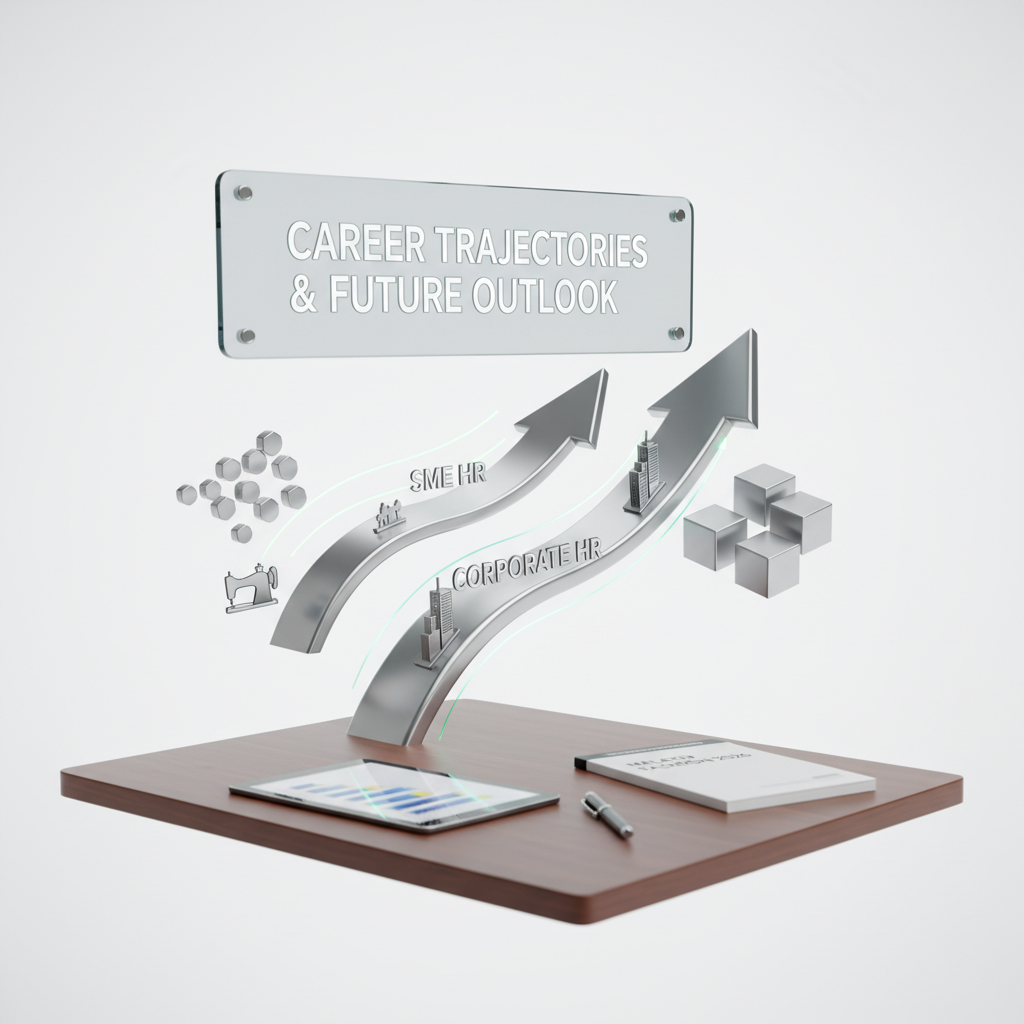
The human resources landscape within Malaysia’s vibrant fashion industry presents fascinating and distinct differences between the SMEs’ HR Manager and the Corporates’ HR Director in the fashion field in Malaysia. While both roles are pivotal to organizational success, their career trajectories, required skill sets, and progression opportunities diverge significantly. Understanding these paths is crucial for HR professionals aiming to navigate the dynamic Malaysian fashion sector, whether in a nimble startup or a global brand powerhouse.
1. Growth Opportunities for SME HR Managers
For HR Managers in small and medium-sized enterprises (SMEs) within the Malaysian fashion industry, growth often involves broadening their expertise across multiple HR functions. Unlike their corporate counterparts, SME HR Managers typically wear many hats, managing everything from recruitment and payroll to talent development and employee relations. This hands-on, generalist experience is invaluable, fostering a holistic understanding of business operations. SME HR challenges in Malaysia often revolve around limited resources, demanding creative solutions and a strong sense of adaptability. Career progression can lead to becoming a Head of HR for a growing SME, or transitioning to a larger organization as a specialist, leveraging their diverse skill set. Many also find pathways into HR consultancy, advising multiple smaller fashion businesses. The emphasis here is on versatility and the ability to drive direct impact, making the HR career progression in Malaysia fashion SMEs highly entrepreneurial.
2. Advancement for Corporate HR Directors
In contrast, HR Directors within corporate fashion settings in Malaysia typically operate at a more strategic level, focusing on long-term talent strategy, organizational design, and ensuring HR initiatives align with global business objectives. Their advancement often involves deeper specialization and leadership development. Progression can mean moving into regional HR roles, overseeing HR for an entire APAC division, or even transitioning to a global HR leadership position within the corporate structure. These roles demand sophisticated understanding of international labor laws, complex compensation structures, and global talent acquisition strategies. The trajectory for Corporate HR leadership in fashion is about influencing C-suite decisions, driving cultural transformation, and navigating the complexities of a multinational enterprise. Continuous development in areas like strategic leadership in human resources and mergers and acquisitions is vital for this career path, positioning them at the forefront of the future of HR in Malaysian fashion.
3. Essential Skills for Success in Malaysia Fashion HR
Despite their distinct paths, both SME HR Managers and Corporate HR Directors in Malaysian fashion require a core set of evolving skills. Firstly, strong business acumen is paramount; HR professionals must understand the fashion business model, market trends, and financial drivers to effectively contribute. Secondly, digital literacy and proficiency in HR technology (HRIS, analytics platforms) are no longer optional but essential. This facilitates data-driven decision-making and streamlines HR operations. Talent acquisition and retention strategies, particularly in a competitive market, remain critical. Furthermore, cultural intelligence and strong communication skills are vital for navigating Malaysia’s diverse workforce. For HR skill development in the fashion industry, professionals should continuously invest in understanding emerging trends such as sustainability in fashion, ethical sourcing, and how these impact HR policies. Strategic HR in Malaysian fashion now requires foresight, agility, and a proactive approach to developing a resilient and engaged workforce, irrespective of the organization’s size.
In conclusion, while the environments differ, both HR Managers in SMEs and HR Directors in corporate fashion in Malaysia contribute significantly to the industry’s growth. Their career trajectories highlight the diverse opportunities available, from the versatile and hands-on experience in SMEs to the strategic and global impact in corporations. Continuous learning, adaptability, and a keen understanding of the fashion business are universal keys to unlocking successful HR career progression in Malaysia fashion, ultimately bridging the differences between the SMEs’ HR Manager and the Corporates’ HR Director in the fashion field in Malaysia and ensuring a prosperous future for human capital management in this exciting sector.
Partner with Shelby Global
You are looking for reliable HR Sevice Suppliers? Contact Shelby Global Now! To connect with verified talents and upgrade your orginization.
—————————————
References
– Strategic HR Management: https://www.shrm.org/resources-and-tools/hr-topics/strategic-hr/pages/default.aspx
– PwC’s perspectives on the future of the HR function: https://www.pwc.com/gx/en/services/people-organisation/future-of-work/hr-function-for-future.html
– HR Technology at SHRM: https://www.shrm.org/resources-and-tools/hr-topics/technology/
– Major Amendments to the Employment Act 1955: https://www.skrine.com/insights/alerts/september-2022/major-amendments-to-the-employment-act-1955
– strategic leadership in human resources: https://www.shrm.org/resources-and-tools/hr-topics/talent-acquisition/pages/developing-future-hr-leaders-in-asia.aspx



































































































