Understanding AI Agents in the Malaysian Context
Malaysia is on a steadfast path towards becoming a digitally driven, high-income nation, with technology serving as the primary engine for economic growth and societal advancement. Within this dynamic landscape, Artificial Intelligence (AI) is rapidly emerging as a transformative force. More specifically, the rise of AI agents signifies a pivotal shift in how businesses operate, how services are delivered, and how individuals interact with technology. Understanding their definition, function, and pervasive influence is crucial for anyone keen on grasping how AI agent effect to technology field in malaysia. These intelligent systems are no longer confined to academic discussions; they are actively reshaping industries, driving efficiency, and creating new opportunities across the Malaysian tech ecosystem.

1. What Exactly Are AI Agents and How Do They Function?
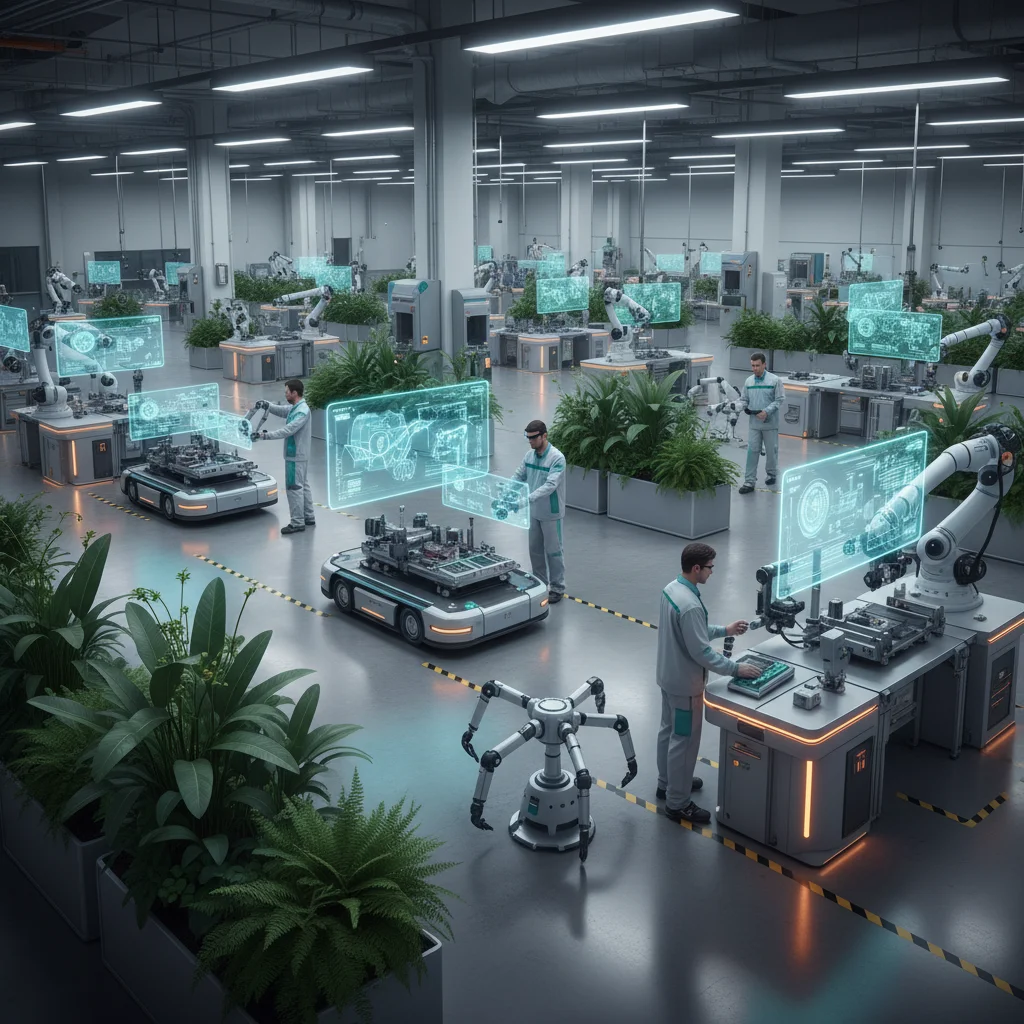
At its core, an AI agent is an autonomous entity that perceives its environment through sensors, processes information, makes decisions, and performs actions through actuators to achieve specific goals. Unlike simple software programs that follow predefined rules, AI agents are designed to operate with a degree of intelligence, adapting to changing circumstances and often learning from their experiences. They embody advanced forms of AI automation solutions, moving beyond mere task automation to truly intelligent automation. Key components typically include:
- Perception: Using sensors (virtual or physical) to gather data from their environment.
- Reasoning: Utilizing a knowledge base and inference engine to analyze perceived data and decide on the best course of action.
- Learning: Incorporating machine learning algorithms to improve performance over time based on feedback and new data.
- Action: Executing decisions through actuators (e.g., sending commands, manipulating physical objects).
Examples range from sophisticated chatbots handling customer inquiries, personal virtual assistants managing schedules, and predictive maintenance systems in manufacturing to autonomous vehicles navigating complex road conditions. These intelligent systems are fundamentally altering how tasks are executed, promising greater efficiency, accuracy, and scalability across various sectors. Their reliance on advanced machine learning applications allows them to continuously evolve, making them increasingly sophisticated tools for digital transformation.
2. Current AI Adoption Rates and Trends in Malaysian Tech
The Malaysian tech landscape is witnessing a significant uptake in AI technologies, though adoption rates vary across industries. Driven by the nation’s push towards Industry 4.0, businesses are increasingly investing in AI to enhance competitiveness, streamline operations, and innovate products and services. Key sectors leading this charge include:
- Financial Services: AI agents are employed for fraud detection, personalized banking, credit scoring, and automated customer service via chatbots.
- Manufacturing: Predictive analytics for equipment maintenance, quality control, and supply chain optimization are common applications, aligning with Industry 4.0 Malaysia initiatives.
- Healthcare: AI aids in diagnostic imaging, personalized treatment plans, and administrative automation.
- Retail: AI agents power recommendation engines, inventory management, and hyper-personalized customer experiences.
A notable trend is the growing reliance on cloud-based AI services, democratizing access to powerful AI tools for SMEs. While specific, granular data on Malaysian AI adoption can be challenging to pinpoint, regional trends indicate a strong upward trajectory, further propelled by governmental support. The increasing awareness of AI’s potential for driving innovation and efficiency underscores its burgeoning role in the nation’s economic fabric. This rapid AI development Malaysia is a critical component of the broader national digital agenda.
3. Key Drivers of AI Growth and Integration in Malaysia
Several factors are coalescing to accelerate AI growth and integration in Malaysia, positioning the country as a significant player in the regional AI space. Foremost among these are robust government initiatives aimed at fostering a digital-first economy. The Malaysia Digital Economy Blueprint (MyDIGITAL), for instance, explicitly outlines strategies to accelerate AI adoption, promote research and development, and build a skilled AI workforce. This proactive approach aims to unlock the vast economic impact of AI across various sectors.
Furthermore, increasing local and foreign direct investment into technology startups and AI-focused ventures is injecting crucial capital into the ecosystem. There is also a growing emphasis on talent development, with universities and vocational institutions introducing AI and data science programs to bridge the existing skill gap and cultivate the AI workforce development needed for the future. The demand from businesses for greater operational efficiency, cost reduction, and a competitive edge in a globalized market further fuels AI adoption. As digital infrastructure continues to expand, including the rollout of 5G technology, the underlying framework necessary for scalable AI deployments is also strengthening. These combined drivers are not only answering the question of how AI agent effect to technology field in malaysia but also shaping the nation’s journey towards a technologically advanced future. The future of AI in Malaysia looks promising, underpinned by strategic policy and a growing ecosystem.
In conclusion, AI agents are poised to become indispensable components of Malaysia’s technological framework. Their capacity for autonomous decision-making, continuous learning, and intelligent task execution offers unparalleled opportunities for innovation and efficiency. As Malaysia continues its journey of digital transformation, the strategic adoption and integration of AI agents will be critical in realizing the nation’s aspirations for a vibrant, resilient, and high-tech economy.
Transforming Industries: Key Sectors Impacted
Dive into specific Malaysian industries experiencing significant shifts and advancements due to AI agent integration.
The advent of artificial intelligence (AI) agents is not merely an incremental upgrade but a foundational revolution, fundamentally reshaping the technology landscape. Across various domains, the impact of AI agent effects on the technology field in Malaysia is becoming increasingly evident, driving unprecedented levels of efficiency, innovation, and competitiveness. This digital transformation is propelling key sectors into a new era, fostering economic growth and paving the way for a smarter, more connected future. The Malaysian digital economy is rapidly embracing AI integration, leading to significant shifts. Let’s explore how AI agents are making a profound impact on several critical industries.
1. Revolutionizing Manufacturing and Smart Automation
Malaysia’s manufacturing sector, a cornerstone of its economy, is undergoing a profound transformation thanks to AI agent integration. These intelligent systems are at the forefront of driving **smart manufacturing** initiatives, enabling factories to achieve unprecedented levels of operational efficiency and productivity. AI agents are deployed for **predictive maintenance**, analyzing vast streams of sensor data from machinery to anticipate potential failures before they occur. This proactive approach drastically reduces downtime, extends equipment lifespan, and cuts maintenance costs. Furthermore, in areas like quality control, AI-powered vision systems can identify defects with greater accuracy and speed than human inspection, ensuring consistent product quality.
Beyond the factory floor, AI agents are revolutionizing **supply chain optimization**. They can forecast demand with high precision, manage inventory levels efficiently, and streamline logistics, leading to reduced waste and improved delivery times. The integration of AI also facilitates advanced **automated processes**, from robotic assembly lines guided by AI to intelligent material handling systems. This shift towards more sophisticated **industrial AI** applications not only boosts output but also frees human workers from repetitive tasks, allowing them to focus on higher-value activities like innovation and strategic planning. The outcome is a more agile, resilient, and competitive manufacturing ecosystem, positioning Malaysia as a leader in Industry 4.0 adoption.
2. Enhancing Financial Services and FinTech Innovations
The Malaysian financial services sector, including banking, insurance, and investment, is experiencing a rapid evolution propelled by AI agents. These intelligent systems are critical to the surge in **FinTech solutions**, enabling institutions to offer more personalized, secure, and efficient services. A primary application lies in robust **fraud detection AI**. By continuously monitoring transactions and identifying anomalies in real-time, AI agents can flag suspicious activities and prevent financial crime with far greater accuracy than traditional methods, safeguarding both institutions and consumers.
Moreover, AI is transforming **customer experience** through intelligent chatbots and virtual assistants that provide instant support, answer queries, and even guide customers through complex financial processes 24/7. This improves accessibility and responsiveness, making banking more convenient. For risk assessment, AI agents can analyze vast datasets, including credit histories, market trends, and behavioral patterns, to provide more accurate credit scoring and personalized investment advice. This not only enhances **operational efficiency** for financial institutions but also allows for the creation of tailored financial products that better meet individual customer needs. The integration of AI agents is thus making Malaysian financial services more secure, customer-centric, and competitive on a global scale.
3. Advancing Healthcare and Personalized Solutions
In the healthcare domain, AI agents are proving to be transformative tools, leading to significant advancements in diagnostics, treatment, and patient care in Malaysia. One of the most impactful applications is in **precision medicine**, where AI analyzes individual patient data – including genetic makeup, lifestyle, and medical history – to develop highly personalized treatment plans. This moves away from a one-on-one approach, leading to more effective therapies and better patient outcomes. AI agents assist medical professionals in identifying optimal drug dosages, predicting patient responses to treatments, and even designing new therapeutic compounds.
Furthermore, **AI-powered diagnostics** are revolutionizing disease detection. AI algorithms can analyze medical images (X-rays, MRIs, CT scans) with incredible speed and accuracy, often detecting subtle indicators of diseases like cancer or retinopathy earlier than human eyes might. This early detection is crucial for improving prognosis and initiating timely interventions. Beyond diagnostics, AI agents contribute to managing hospital operations, optimizing resource allocation, and even supporting remote patient monitoring, especially vital in Malaysia’s diverse geographical landscape. By automating administrative tasks and providing powerful analytical insights, AI empowers healthcare providers to focus more on patient care, making healthcare more accessible, efficient, and ultimately, life-saving.
In conclusion, the pervasive influence of AI agents is fundamentally reshaping Malaysia’s industrial landscape. From optimizing factory floors and fortifying financial security to revolutionizing patient care, these intelligent technologies are driving a paradigm shift. The strategic integration of AI agents is not just about adopting new tools; it’s about fostering a culture of continuous innovation, enhancing global competitiveness, and ultimately, building a more advanced and resilient digital economy for Malaysia.
The Impact on Malaysia’s Tech Workforce and Job Market
The rise of Artificial Intelligence (AI) agents is fundamentally reshaping the global economic landscape, and Malaysia is no exception. For the Malaysian tech sector, the question is not if, but how AI agents effect to technology field in malaysia, particularly concerning its workforce and job market. This transformative wave brings both challenges and unprecedented opportunities, necessitating a strategic approach to talent development and economic planning. As AI capabilities advance, from automating routine tasks to powering complex data analytics and decision-making, its influence permeates every layer of the tech ecosystem, demanding a critical look at existing job roles, skill sets, and the very structure of employment within the nation.
1. Job Displacement Versus New Job Creation Trends
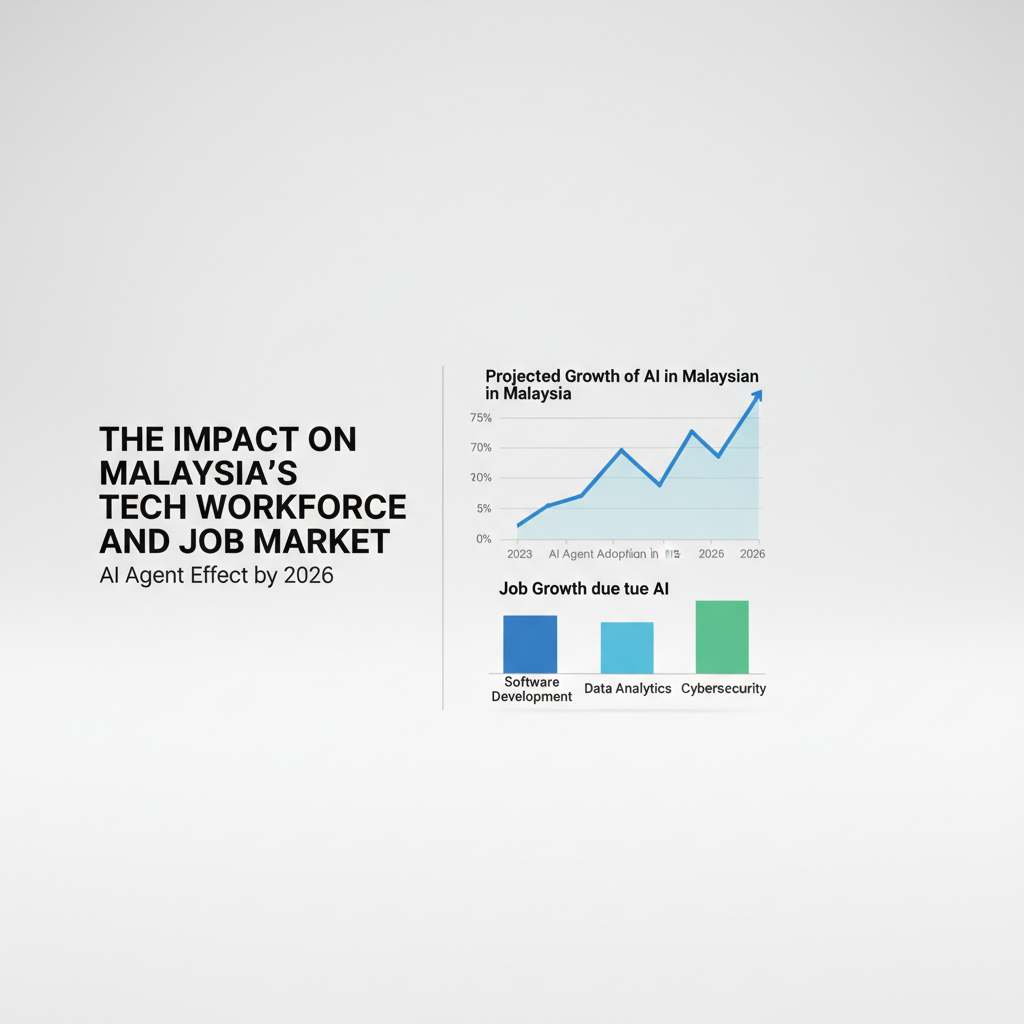
One of the most pressing concerns regarding AI’s integration is its potential to displace human workers. In Malaysia, sectors reliant on repetitive, rule-based tasks, such as data entry, customer service, and certain manufacturing roles, are particularly susceptible to automation by AI agents. However, this narrative of displacement is only one side of the coin. AI also serves as a powerful engine for new job creation, often in roles that are more analytical, creative, and strategically oriented. The demand for AI specialists, machine learning engineers, data scientists, AI ethics officers, and prompt engineers is skyrocketing. Furthermore, AI tools are enhancing the productivity of existing roles, turning traditional jobs into AI-augmented ones, where humans work collaboratively with intelligent systems. For Malaysia, this trend signifies a shift from lower-skill, labor-intensive roles to higher-skill, knowledge-based positions, mirroring global patterns highlighted in reports like the World Economic Forum’s Future of Jobs Report 2023. The challenge for Malaysia will be to manage this transition effectively, ensuring that the net effect is positive job growth and economic upliftment, rather than a widening unemployment gap.
2. Identifying In-Demand Skill Sets for the AI Era
As AI reshapes job functions, the skills required for success are also evolving dramatically. Technical proficiency in areas such as machine learning, deep learning frameworks, natural language processing, computer vision, and big data analytics is becoming indispensable for core tech roles. Beyond these specialized technical skills, a new suite of soft skills is emerging as equally critical. These include critical thinking, problem-solving, creativity, adaptability, and complex decision-making, which AI agents currently struggle to replicate. Ethical reasoning and understanding the societal implications of AI are also gaining prominence, particularly for roles involved in AI development and deployment. Malaysian educational institutions and training providers must rapidly adapt their curricula to instill these future-proof skills. Emphasizing interdisciplinary learning that combines technological acumen with strong human-centric capabilities will be vital in preparing the next generation of the Malaysian workforce for a symbiotic relationship with AI.
3. Upskilling and Reskilling Initiatives for Future Readiness
To navigate the disruption and capitalize on the opportunities presented by AI, comprehensive upskilling and reskilling initiatives are paramount for Malaysia’s tech workforce. Government bodies, industry players, and educational institutions must collaborate to establish robust training programs that address the evolving skill gap. These programs should not only focus on equipping existing workers with AI-related technical skills but also on retraining those in vulnerable sectors for new, AI-enabled roles. Micro-credentials, online learning platforms, vocational training, and industry-led apprenticeships can play a crucial role in delivering flexible and accessible learning pathways. Furthermore, fostering a culture of continuous learning within organizations is essential, encouraging employees to embrace new technologies and methodologies. By proactively investing in human capital development, Malaysia can ensure its tech workforce remains competitive, adaptable, and innovative, transforming the challenge of AI integration into a powerful catalyst for national economic growth and sustained prosperity in the digital age.
Opportunities and Challenges for Malaysian Innovation
The rapid evolution of Artificial Intelligence (AI) agents is poised to fundamentally redefine global technological landscapes, presenting both immense opportunities and significant challenges for nations like Malaysia. For Malaysia, a country committed to digital transformation and fostering a knowledge-based economy, understanding how AI agent effect to technology field in malaysia is paramount. These intelligent systems, capable of autonomous learning, decision-making, and task execution, hold the key to unlocking new levels of productivity, innovation, and economic growth. However, fully leveraging this potential requires proactive strategies to overcome hurdles related to infrastructure, talent, data governance, and ethical considerations.
1. Boosting Research, Development, and Startup Ecosystems
AI agents serve as powerful catalysts for accelerating research and development (R&D) across various sectors in Malaysia. By automating data analysis, simulating complex scenarios, and identifying intricate patterns, AI agents can drastically reduce the time and resources required for scientific discovery and technological innovation. This capability extends to fields like healthcare (drug discovery, personalized medicine), agriculture (precision farming, yield optimization), and manufacturing (predictive maintenance, smart factories). For Malaysian universities and research institutions, adopting AI agent technologies means enhancing their capacity to contribute to global scientific advancements and fostering a culture of high-impact innovation.
Furthermore, AI agents are instrumental in nurturing a vibrant startup ecosystem. They lower the barrier to entry for entrepreneurs by providing sophisticated tools for market analysis, product prototyping, and customer engagement, often at a fraction of the traditional cost. Startups can leverage AI agents to develop cutting-edge solutions, automate operational tasks, and scale rapidly, even with limited human resources. The Malaysia Digital Economy Blueprint (MyDIGITAL) and initiatives by the Malaysia Digital Economy Corporation (MDEC) already emphasize fostering a digital-savvy nation and attracting investments in emerging technologies. Integrating AI agents more deeply into these frameworks can further empower local innovators, attract foreign direct investment, and position Malaysia as a regional hub for AI-driven ventures. This ultimately contributes to a more competitive and dynamic technology field.
2. Addressing Data Privacy and Cybersecurity Concerns
While AI agents offer immense benefits, their effectiveness is often contingent upon access to vast quantities of data. This reliance introduces significant challenges concerning data privacy and cybersecurity, which Malaysia must address robustly. The processing of personal and sensitive information by AI agents raises critical questions about consent, data anonymization, and the potential for misuse. Malaysia’s Personal Data Protection Act (PDPA) provides a foundational legal framework, but continuous adaptation is necessary to keep pace with the evolving capabilities and data demands of AI. Ensuring transparency in how AI agents collect, process, and store data is crucial for maintaining public trust and compliance.
From a cybersecurity perspective, AI agents can become both tools for defense and targets for malicious actors. AI-powered security systems can detect anomalies and predict threats more effectively, yet the very systems themselves present new attack vectors. Compromised AI agents could lead to data breaches, system manipulation, or even autonomous attacks. Therefore, investing in advanced cybersecurity infrastructure, developing specialized AI security expertise, and implementing stringent data governance policies are non-negotiable. Malaysian organizations must prioritize robust encryption, access controls, and regular security audits for all AI systems to safeguard critical data and maintain operational integrity.
3. Developing Ethical AI Frameworks and Governance
The ethical implications of AI agents are profound, necessitating the development of comprehensive ethical AI frameworks and governance structures in Malaysia. Issues such as algorithmic bias, accountability for AI decisions, transparency in AI operations, and the societal impact of automation (e.g., job displacement) demand careful consideration. Without clear guidelines, AI systems could perpetuate existing biases, lead to unfair outcomes, or erode public confidence. Malaysia’s commitment to inclusive growth requires ensuring that AI development and deployment align with societal values and human rights.
Developing an ethical AI framework involves multi-stakeholder collaboration among government bodies, industry players, academia, and civil society. This framework should define principles for fairness, accountability, transparency, and human oversight in AI design and deployment. Proactive policy-making can guide developers, users, and regulators, ensuring that AI agents are developed and used responsibly. For instance, establishing clear liability rules for AI-driven autonomous systems, requiring impact assessments for critical AI applications, and investing in public education about AI ethics are vital steps. By fostering a culture of responsible AI innovation, Malaysia can not only mitigate risks but also build a trusted AI ecosystem that contributes positively to its citizens’ well-being and strengthens its global standing in ethical technology development.
Malaysia’s Future with AI Agents: A 2026 Outlook
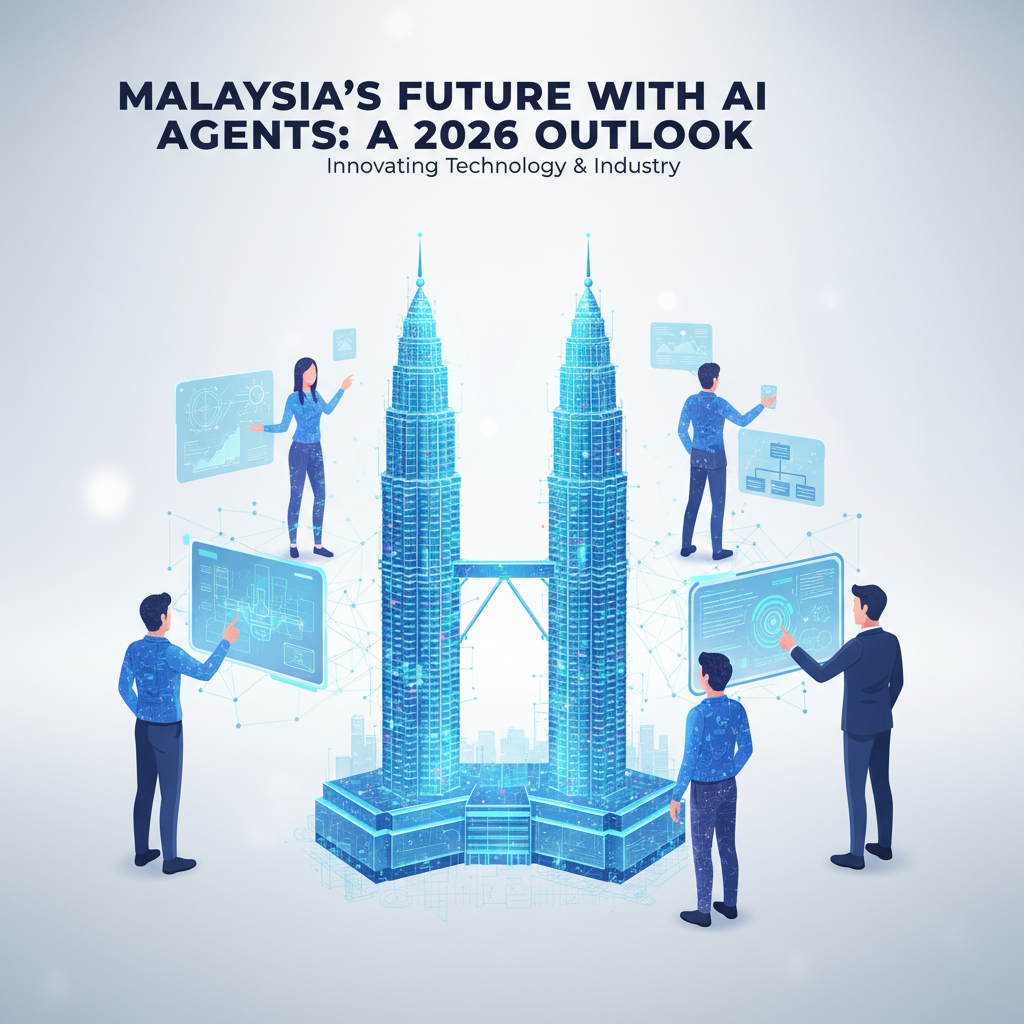
Malaysia is rapidly positioning itself as a leader in Southeast Asia’s digital economy, with Artificial Intelligence (AI) at the forefront of its technological ambitions. By 2026, the landscape of the nation’s technology field is poised for a significant transformation, driven by innovative government policies, strategic investments, and a proactive approach to societal readiness. The omnipresent rise of AI agents – sophisticated software designed to perform tasks autonomously and learn from their interactions – will undoubtedly reshape industries, enhance public services, and redefine productivity. Understanding how AI agent effect to technology field in Malaysia involves examining a multi-faceted approach, integrating cutting-edge innovation with a commitment to inclusive growth. This outlook projects a future where AI isn’t just a tool, but an integral part of Malaysia’s national fabric.
1. Government Policies and Digital Transformation Roadmaps
The Malaysian government has laid robust foundations for digital transformation, with blueprints like the MyDIGITAL initiative and the Malaysia Digital Economy Blueprint (MDEB) guiding the nation’s technological trajectory. These strategies prioritize the adoption of advanced technologies, including AI, to boost economic competitiveness and improve citizens’ quality of life. By 2026, we anticipate further refinement and acceleration of policies specifically targeting the deployment of AI agents across key sectors such as manufacturing, healthcare, finance, and smart city development. Regulatory frameworks are expected to evolve to foster innovation while ensuring data privacy, security, and ethical AI use. The National AI Roadmap (NAIR) 2021-2025, championed by agencies like MDEC and MOSTI, plays a crucial role in coordinating these efforts, outlining strategic initiatives for AI talent development, infrastructure build-out, and ecosystem support. This coordinated governmental push will create a conducive environment for both local and international technology players, demonstrating Malaysia’s commitment to leveraging AI for national progress.
2. Investment and Funding Landscape for AI Startups
Malaysia’s vibrant startup ecosystem is increasingly attracting significant investment, with a particular focus on AI and deep technology. By 2026, the funding landscape for AI startups is projected to be more dynamic than ever. Government-backed funds like Malaysia Venture Capital Management Berhad (MAVCAP) and Cradle Fund, alongside private venture capital firms and corporate venture arms, will continue to inject capital into promising AI ventures. This influx of funding will empower startups to develop innovative AI agent solutions, from intelligent automation platforms for businesses to personalized AI assistants for consumers. Furthermore, incubators and accelerators focusing on AI will expand, providing crucial mentorship, market access, and technical support. The emphasis will shift towards scalable, impactful AI applications that address local challenges while possessing global potential. This environment not only nurtures local talent but also attracts international AI experts and companies looking to tap into Malaysia’s growing digital market, fostering a competitive and innovative technology field.
3. Preparing Society for a Smarter, AI-Driven Future
Beyond policy and investment, a crucial aspect of Malaysia’s AI future is preparing its society for widespread AI adoption. By 2026, educational institutions, from universities to vocational training centers, will integrate AI literacy and specialized AI agent development courses into their curricula, ensuring a steady supply of skilled professionals. Reskilling and upskilling programs will be paramount, helping the existing workforce adapt to AI-driven changes in employment, focusing on human-centric roles that complement AI capabilities. Public awareness campaigns will educate citizens on the benefits and ethical considerations of AI, fostering trust and acceptance. Discussions around data privacy, algorithmic bias, and the ethical deployment of AI agents will mature, leading to more robust governance frameworks. Ultimately, success lies in building a “smart society” that embraces AI as a tool for progress, improving public services, enhancing individual productivity, and creating new economic opportunities, thereby showcasing how AI agent effect to technology field in Malaysia comprehensively.
In conclusion, Malaysia’s technological trajectory by 2026 is one of ambitious growth, firmly rooted in the strategic deployment of AI agents. With supportive government policies, a burgeoning investment landscape, and a society increasingly ready for digital transformation, the nation is poised to leverage AI to drive economic prosperity and enhance the lives of its citizens. The future envisions a Malaysia where AI agents are not just an advanced technology but a cornerstone of its smart nation aspirations, solidifying its position as a regional digital hub.
Partner with Shelby Global
You are looking for reliable HR Sevice Suppliers? Contact Shelby Global Now! To connect with verified talents and upgrade your orginization.
—————————————
References
– Malaysia Digital Economy Blueprint (MyDIGITAL): https://www.ekonomi.gov.my/en/pages/malaysia-digital-economy-blueprint-mydigital
– MDEC Report on Malaysia’s Digital Economy Progress: https://www.mdec.my/news/malaysias-digital-economy-on-track-to-achieve-22-6-contribution-to-gdp-by-2025
– The Future of Jobs Report 2023 | World Economic Forum: https://www.weforum.org/publications/future-of-jobs-report-2023/
– Malaysia Digital Economy Blueprint (MyDIGITAL) – MDEC: https://mdec.my/digital-economy-blueprint/
– National AI Roadmap (NAIR): https://mdec.my/malaysia-digital/national-ai-roadmap/