Why Tailored Job Descriptions are Crucial for Vietnam’s Production Sector
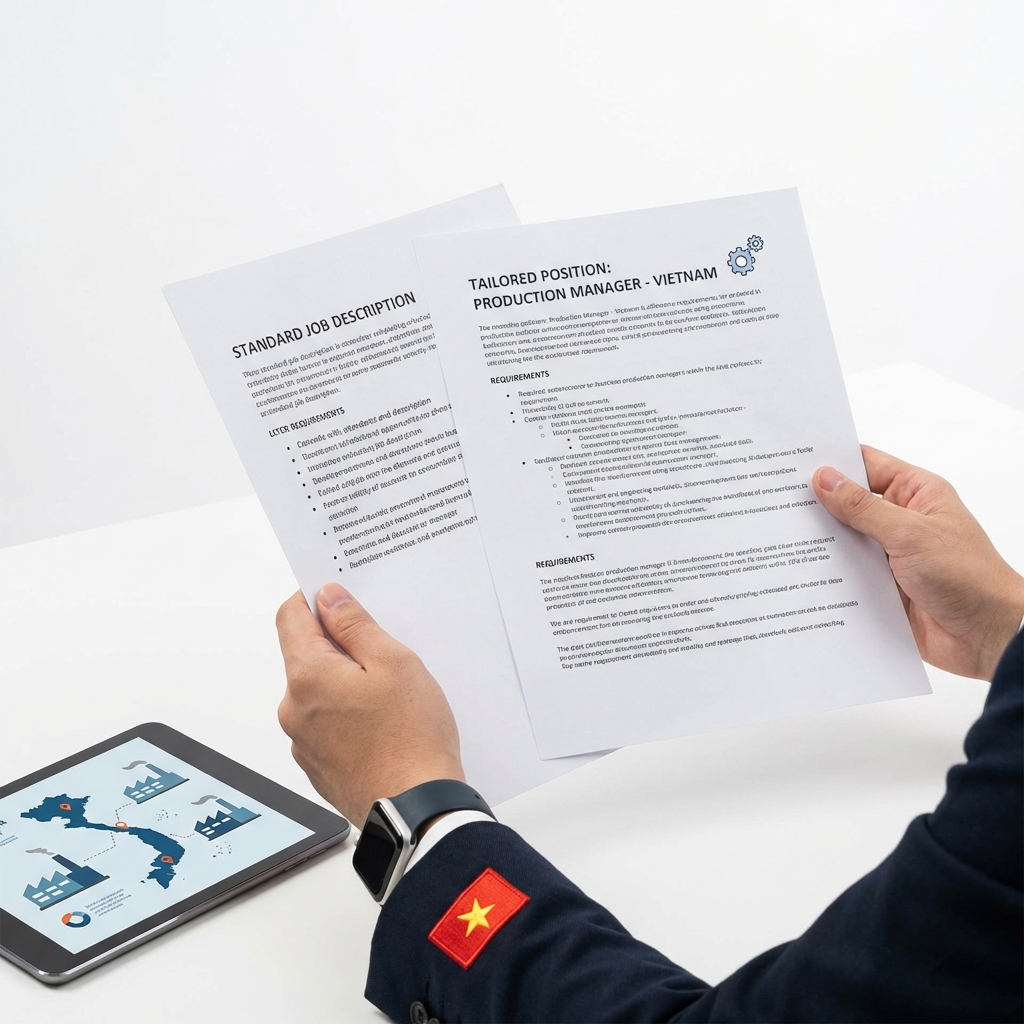
Vietnam’s production sector is experiencing unprecedented growth, transforming into a global manufacturing hub. This dynamic environment, however, presents unique challenges for businesses, particularly when it comes to attracting, managing, and retaining top-tier talent for managerial roles. In such a competitive and rapidly evolving landscape, generic job descriptions simply won’t suffice. Tailored job descriptions are not just an HR best practice; they are a strategic imperative for companies aiming to thrive and maintain a competitive edge. They provide clarity, attract the right candidates, ensure legal compliance, and set clear performance expectations, which are all vital in Vietnam’s distinctive labor market.
-
Navigating Vietnam’s Unique Labor Market Landscape
Vietnam’s labor market is characterized by a young, ambitious workforce, but also by significant competition for skilled professionals, especially in managerial positions within the production field. High turnover rates are common, and cultural nuances in communication and leadership styles can lead to misunderstandings if roles are not clearly defined. Tailored Job Description Templates for Manager Levels in production field in vietnam become indispensable tools here. They go beyond generic duties, outlining specific expectations related to local operational realities, team management, and stakeholder engagement. A well-crafted job description helps candidates understand the intricacies of the role within a Vietnamese context, from supply chain challenges to local compliance standards, thereby reducing misalignments and fostering long-term commitment. This precision is crucial for managing expectations and integrating new managers effectively into the local workflow.
-
Attracting and Retaining Top Production Talent
The battle for top production talent in Vietnam is fierce. Companies need to differentiate themselves not just through compensation, but also through clear career pathways and professional development opportunities. Tailored job descriptions play a pivotal role in this. For managerial positions, they detail not only daily responsibilities but also the strategic impact of the role, reporting structures, and potential for growth within the company. This level of detail helps potential candidates visualize their future contributions and career trajectory, making the position more appealing. By precisely articulating the scope, challenges, and rewards of a managerial role, businesses can attract candidates who are not only skilled but also genuinely aligned with the company’s vision and the specific demands of the Vietnamese production environment. Furthermore, clear job descriptions serve as a foundational document for performance reviews and career progression, significantly aiding in talent retention.
-
Ensuring Legal Compliance and Best Practices in Vietnam
Vietnam’s labor laws are comprehensive and constantly evolving. Companies operating in the production sector must navigate a complex regulatory framework covering everything from working hours and safety standards to dismissal procedures. Generic job descriptions can leave crucial gaps, potentially exposing companies to legal risks or misunderstandings. Tailored job descriptions for manager levels are essential for ensuring legal compliance and adhering to best practices. They explicitly define responsibilities related to labor safety, environmental regulations, quality control, and adherence to company policies, all within the context of Vietnam’s updated Labor Code and industry standards. This not only protects the company from potential legal disputes but also empowers managers with a clear understanding of their legal obligations and ethical responsibilities. By clearly outlining these aspects, businesses demonstrate a commitment to fair employment practices and professional standards, strengthening their reputation and operational integrity within the Vietnamese market.
In conclusion, for Vietnam’s thriving production sector, investing in meticulously crafted, tailored job descriptions for managerial roles is not merely an administrative task. It’s a strategic investment that underpins effective talent acquisition, fosters employee retention, mitigates legal risks, and ultimately drives operational excellence. Companies that prioritize this level of detail will be better positioned to capitalize on Vietnam’s economic boom and build a resilient, high-performing workforce.
Essential Components of a Production Manager JD in Vietnam
Crafting an effective Job Description (JD) for a Production Manager in Vietnam requires a deep understanding of not only universal management principles but also the unique cultural and regulatory landscape of the country. An ideal JD acts as a strategic tool, attracting top-tier talent capable of navigating the dynamic Vietnamese manufacturing sector. This section delves into the core elements that constitute an exemplary JD, ensuring it resonates with local candidates and addresses specific operational demands, particularly for those seeking robust Job Description Templates for Manager Levels in production field in vietnam.
To ensure a comprehensive and culturally sensitive approach, an effective Production Manager JD in Vietnam should meticulously cover the following key areas:
-
Crafting Compelling Position Summaries and Reporting Structures
A concise yet informative position summary is the first impression a candidate receives. It should clearly articulate the role’s strategic importance within the organization, emphasizing its contribution to overall production efficiency, quality, and operational excellence. For a Production Manager in Vietnam, this summary might highlight leadership in a multi-cultural environment or a focus on driving local team capabilities. Equally crucial is a transparent reporting structure. The JD must specify who the Production Manager reports to (e.g., Plant Manager, Operations Director) and, importantly, who reports to them (e.g., Line Supervisors, Team Leaders). This clarity helps potential candidates understand their place in the hierarchy and the scope of their authority and influence. In Vietnamese business culture, a clear chain of command and respect for seniority (kính trên nhường dưới) are important, making the reporting structure section vital for setting appropriate expectations and demonstrating organizational clarity. Organizations often find it beneficial to refer to well-structured Job Description Templates for Manager Levels in production field in vietnam to ensure these foundational elements are robustly defined.
-
Defining Key Responsibilities and Measurable Performance Indicators
This is the backbone of any Production Manager JD. Responsibilities should be detailed, actionable, and comprehensive, covering the full spectrum of the role. Typical duties include production planning and scheduling, optimizing manufacturing processes, ensuring product quality control, managing inventory, overseeing equipment maintenance, and strictly adhering to safety protocols. Beyond daily tasks, the JD must also articulate the manager’s role in continuous improvement initiatives, fostering a culture of lean manufacturing, and driving operational excellence. Crucially, each responsibility should be linked to measurable Performance Indicators (KPIs). For a Production Manager in Vietnam, these might include Overall Equipment Effectiveness (OEE), defect rates, production lead times, on-time delivery percentages, waste reduction targets, and adherence to production budgets. The emphasis on quantifiable outcomes is highly valued in Vietnamese business, as it provides clear targets and a basis for performance evaluation and career progression.
-
Required Skills, Qualifications, and Experience (Local Context)
This section outlines the essential toolkit for a successful Production Manager. Required skills typically encompass strong leadership, problem-solving, decision-making, excellent communication (often requiring proficiency in both Vietnamese and English for foreign-invested companies), and a solid understanding of manufacturing processes and technologies. Qualifications usually demand a bachelor’s degree in engineering (Industrial, Mechanical, Chemical, or Electrical) or a related field, with relevant certifications in Lean Six Sigma, ISO standards, or project management being significant advantages. Experience requirements will vary but generally include several years in a production management role within a relevant industry, with a proven track record of managing teams and driving operational improvements.
Crucially, the ‘local context’ element cannot be overlooked. Beyond technical acumen, the JD should subtly hint at the importance of soft skills valued in Vietnam, such as adaptability, teamwork (tinh thần đồng đội), resilience, and the ability to build strong professional relationships. Familiarity with local labor regulations, safety standards, and environmental compliance is non-negotiable. Furthermore, candidates who demonstrate an understanding of the local workforce dynamics and have experience in developing and mentoring Vietnamese teams will be highly sought after. Highlighting these culturally resonant requirements ensures the JD attracts candidates who are not just technically proficient but also culturally aligned and capable of thriving in the Vietnamese business environment.
Practical Job Description Templates for Key Manager Levels
Navigating the dynamic landscape of Vietnamese manufacturing requires precision, especially when it comes to talent acquisition. Crafting effective Job Description Templates for Manager Levels in production field in Vietnam is crucial for attracting the right talent, setting clear expectations, and ensuring operational excellence. These templates are designed to be a robust starting point, offering clarity and structure for various managerial tiers, from front-line supervision to strategic plant leadership. They incorporate essential responsibilities, qualifications, and skills vital for production management roles within Vietnam’s industrial sector, streamlining your talent acquisition manufacturing Vietnam processes and supporting robust workforce planning production Vietnam initiatives.
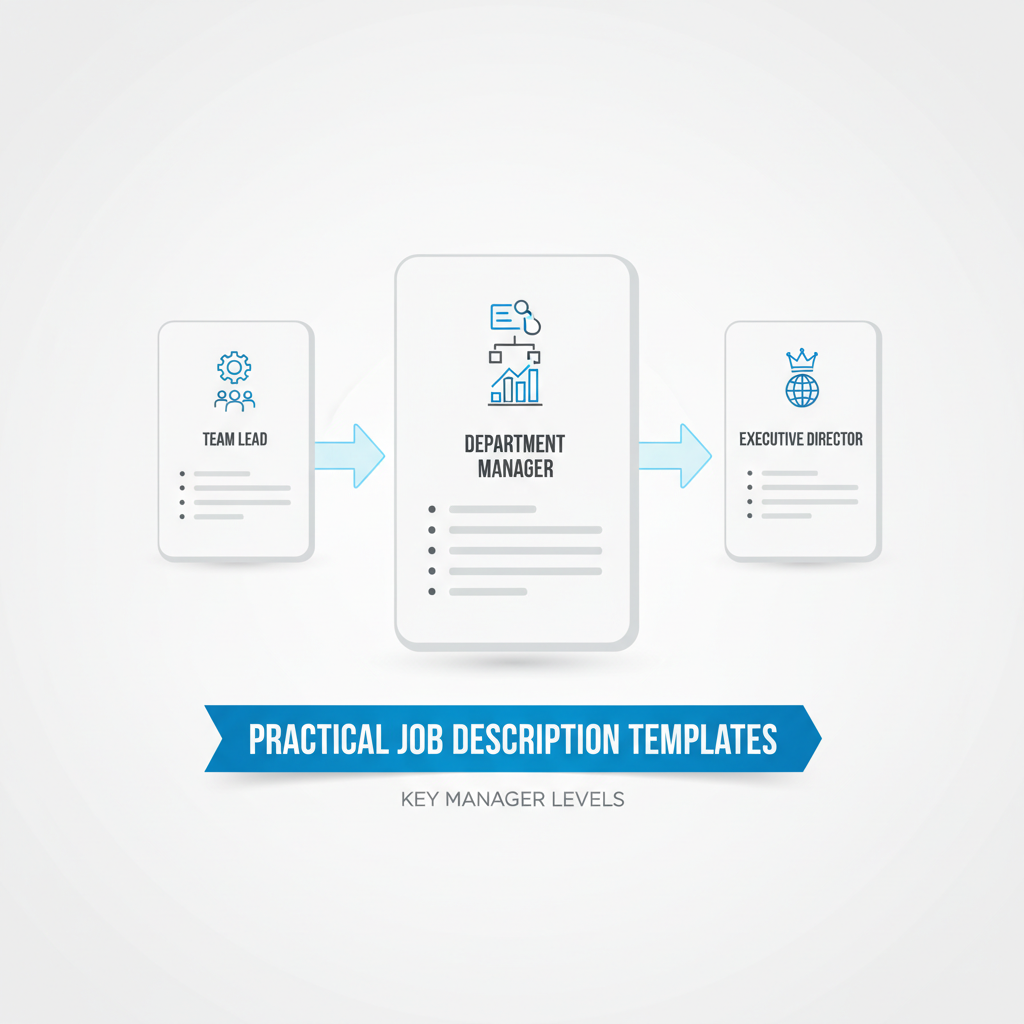
1. Production Supervisor Job Description Template
The Production Supervisor is the linchpin on the factory floor, directly overseeing day-to-day manufacturing operations and ensuring production targets are met efficiently and safely. This role is fundamental for any Vietnamese manufacturing careers focusing on direct operational oversight. This template provides a solid foundation for defining the responsibilities of this critical supervisory roles manufacturing position.
Key Responsibilities:
- Directly supervise and coordinate the activities of production workers, ensuring adherence to production schedules and quality standards.
- Implement and monitor production processes, identifying areas for improvement in efficiency and output.
- Ensure compliance with all safety regulations and company policies, fostering a safe working environment.
- Train new employees, provide ongoing coaching, and conduct performance evaluations for team members.
- Troubleshoot operational issues, perform minor equipment adjustments, and coordinate with maintenance for repairs.
- Maintain accurate production records, including output, downtime, and quality control checks.
- Communicate production status, challenges, and solutions effectively to the Operations Manager.
Qualifications:
- Bachelor’s degree in Industrial Engineering, Production Management, or a related field, or equivalent practical experience.
- Minimum 3-5 years of experience in a manufacturing environment, with at least 1-2 years in a supervisory capacity.
- Strong understanding of production processes, quality control, and safety standards.
- Excellent leadership, communication, and problem-solving skills.
- Proficiency in Vietnamese and working knowledge of English (preferred).
Skills: Team Leadership, Process Improvement, Quality Assurance, Safety Compliance, Communication, Problem-Solving, Data Reporting.
2. Operations Manager (Production Focus) JD Template
An Operations Manager with a production focus orchestrates the entire production flow, bridging the gap between strategic planning and day-to-day execution. This template is designed for those seeking to define a pivotal role in manufacturing leadership job descriptions within the industrial sector hiring Vietnam context. It outlines the broad scope required for effective resource management and strategic production alignment, moving beyond the specifics of a production team lead job descriptions.
Key Responsibilities:
- Oversee all production operations, ensuring alignment with organizational goals and customer demand.
- Develop and implement strategies to optimize production efficiency, reduce costs, and improve product quality.
- Manage departmental budgets, allocate resources effectively, and monitor financial performance.
- Lead continuous improvement initiatives (e.g., Lean, Six Sigma) across production lines.
- Collaborate with supply chain, logistics, and sales departments to ensure seamless operational flow.
- Set performance targets, monitor key performance indicators (KPIs), and report on production outcomes.
- Recruit, train, and manage a team of supervisors and production staff, fostering a high-performance culture.
- Ensure adherence to industry regulations, quality standards (e.g., ISO), and environmental compliance.
Qualifications:
- Bachelor’s or Master’s degree in Operations Management, Industrial Engineering, or Business Administration.
- Minimum 7-10 years of progressive experience in manufacturing operations, with at least 3-5 years in a managerial role.
- Proven track record of improving operational efficiency and achieving production targets.
- Strong analytical, strategic planning, and project management skills.
- Fluency in Vietnamese and strong professional English communication skills.
Skills: Strategic Planning, Budget Management, Process Optimization, Lean Manufacturing, Team Management, Supply Chain Integration, Data Analysis.
3. Plant Manager Job Description Template
The Plant Manager holds ultimate responsibility for the entire plant’s operations, performance, and strategic direction. This is a top-tier role crucial for driving the overall success of a manufacturing facility and is often at the apex of career paths in Vietnamese production. This template provides a comprehensive framework for defining the leadership and multifaceted responsibilities of a factory manager job specifications.
Key Responsibilities:
- Provide overall leadership and strategic direction for all plant operations, including production, quality, maintenance, and safety.
- Develop and implement plant-level strategies to achieve production targets, cost efficiencies, and quality excellence.
- Manage the plant’s profit & loss (P&L) statement, ensuring fiscal responsibility and budget adherence.
- Oversee human resources functions for the plant, including staffing, training, employee relations, and fostering a positive work culture. This role demands strong acumen in HR for manufacturing Vietnam.
- Ensure compliance with all local and international regulations, environmental standards, and company policies.
- Lead major capital expenditure projects, facility improvements, and technology upgrades.
- Act as the primary liaison between the plant and corporate headquarters, external stakeholders, and local authorities.
- Drive a culture of continuous improvement, innovation, and operational excellence throughout the facility.
Qualifications:
- Bachelor’s or Master’s degree in Engineering, Business Administration, or a related field; an MBA is highly preferred.
- Minimum 10-15 years of experience in manufacturing, with at least 5 years in a senior leadership role such as Plant Manager or Operations director JD Vietnam.
- Demonstrated experience in P&L management and strategic operational planning.
- Strong understanding of lean manufacturing principles, supply chain management, and quality systems.
- Exceptional leadership, decision-making, and interpersonal communication skills.
- Fluency in Vietnamese and advanced professional English communication skills.
Skills: Strategic Leadership, Financial Management, P&L Responsibility, Stakeholder Management, Regulatory Compliance, Change Management, Negotiation, JD best practices Vietnam.
Customization and Implementation Strategies for Vietnam
Understanding the unique landscape of Vietnam’s rapidly evolving industrial sector is paramount for effective talent acquisition. While generic job descriptions (JDs) can provide a starting point, successful recruitment and talent management for managerial roles in production environments demand a more nuanced approach. This section will guide you through adapting Job Description Templates for Manager Levels in production field in vietnam to your specific organizational needs, ensuring they resonate with local cultural intricacies, legal requirements, and operational demands. By strategically customizing and implementing these templates, companies can attract and retain top-tier production managers, driving efficiency and innovation in their Vietnamese operations.
1. Adapting Templates to Company Culture and Specific Product Lines
The foundation of effective talent management in Vietnam begins with tailoring job descriptions to reflect your company’s unique culture and the specific product lines you operate. Generic production manager job descriptions Vietnam often fall short in capturing the nuances that differentiate one manufacturing facility from another. Consider the core values of your organization: are you a lean manufacturing pioneer, a high-tech innovator, or a quality-centric producer? These values must be subtly woven into the JD, attracting candidates whose personal ethos aligns with your corporate identity. For instance, a JD for a manager in a high-precision electronics plant will emphasize meticulous attention to detail and problem-solving skills, whereas one for a textile factory might focus more on supply chain management and labor relations.
Furthermore, the specific product lines dictate the technical competencies required. A manager overseeing automotive component production needs distinct expertise in quality control standards (e.g., ISO/TS 16949) and materials science compared to a manager in a food processing plant, where HACCP and food safety regulations are paramount. Therefore, when adapting managerial roles manufacturing Vietnam templates, delve into the specifics of your production processes, machinery, and output. Clearly define the technical proficiencies, industry certifications, and leadership styles that are critical for success within your particular operational context. This level of detail transforms a basic template into a powerful tool for finding the perfect fit, streamlining your Vietnamese manufacturing job templates for optimal results and enhancing your overall talent acquisition Vietnam production strategy.
2. Leveraging JDs for Interviewing and Onboarding Success
Beyond initial recruitment, well-crafted Job Description Templates for Manager Levels in production field in vietnam serve as invaluable tools throughout the entire employee lifecycle, particularly in interviewing and onboarding. During the interview phase, a detailed JD provides a clear roadmap for crafting competency-based questions that assess a candidate’s ability to perform specific tasks and handle challenges outlined for the role. For example, if the JD emphasizes continuous improvement, interview questions should probe a candidate’s experience with Kaizen principles or Six Sigma methodologies. This ensures a structured and fair interview process, helping you identify candidates with not only the technical skills but also the desired behavioral traits for production management JD customization within your unique environment.
For newly hired production managers, the JD becomes the foundational document for a successful onboarding experience. It sets clear expectations regarding responsibilities, key performance indicators (KPIs), and reporting structures from day one. This clarity significantly reduces the ramp-up time for new hires, allowing them to integrate faster and contribute effectively to your production sector HR Vietnam initiatives. Moreover, a comprehensive JD facilitates the development of personalized training plans and performance review benchmarks. By consistently referring back to the JD, both the new manager and their supervisor can track progress, address any gaps, and ensure alignment with the company’s strategic objectives. This strategic use of JDs transforms them from mere administrative documents into dynamic instruments for performance management and career development for operations manager job descriptions Vietnam and beyond.
3. Ensuring Alignment with Vietnamese Labor Laws and Regulations
Operating in Vietnam requires meticulous attention to the country’s specific labor laws and regulations. When developing or adapting Job Description Templates for Manager Levels in production field in vietnam, it is absolutely critical to ensure full compliance to avoid potential legal issues and foster a fair working environment. The Vietnamese Labor Code, subject to periodic updates, outlines essential provisions regarding employment contracts, working hours, minimum wages, social insurance, health insurance, and unemployment insurance. For managerial roles, particular attention should be paid to aspects such as overtime regulations for executives, termination clauses, and grievance procedures. Incorrectly phrased JDs or those that inadvertently violate local statutes can lead to disputes, penalties, and reputational damage.
Therefore, it is highly recommended to have your adapted factory manager JD Vietnam templates reviewed by legal counsel specializing in Vietnamese labor law. This due diligence ensures that job titles, responsibilities, compensation structures, and other terms align perfectly with the current legal framework. Beyond the Labor Code, companies must also consider specific industry regulations and collective bargaining agreements that might influence job requirements or working conditions. Ensuring that your HR best practices Vietnam, including your JDs, are robustly compliant not only mitigates risk but also demonstrates your commitment to ethical employment practices, making your organization an attractive employer in a competitive market. For detailed insights into the legal landscape, referring to authoritative sources like Vietnam’s New Labor Code 2019: Key Changes can provide invaluable guidance for your recruitment strategies Vietnam.
The Future of Production Management and Talent in Vietnam
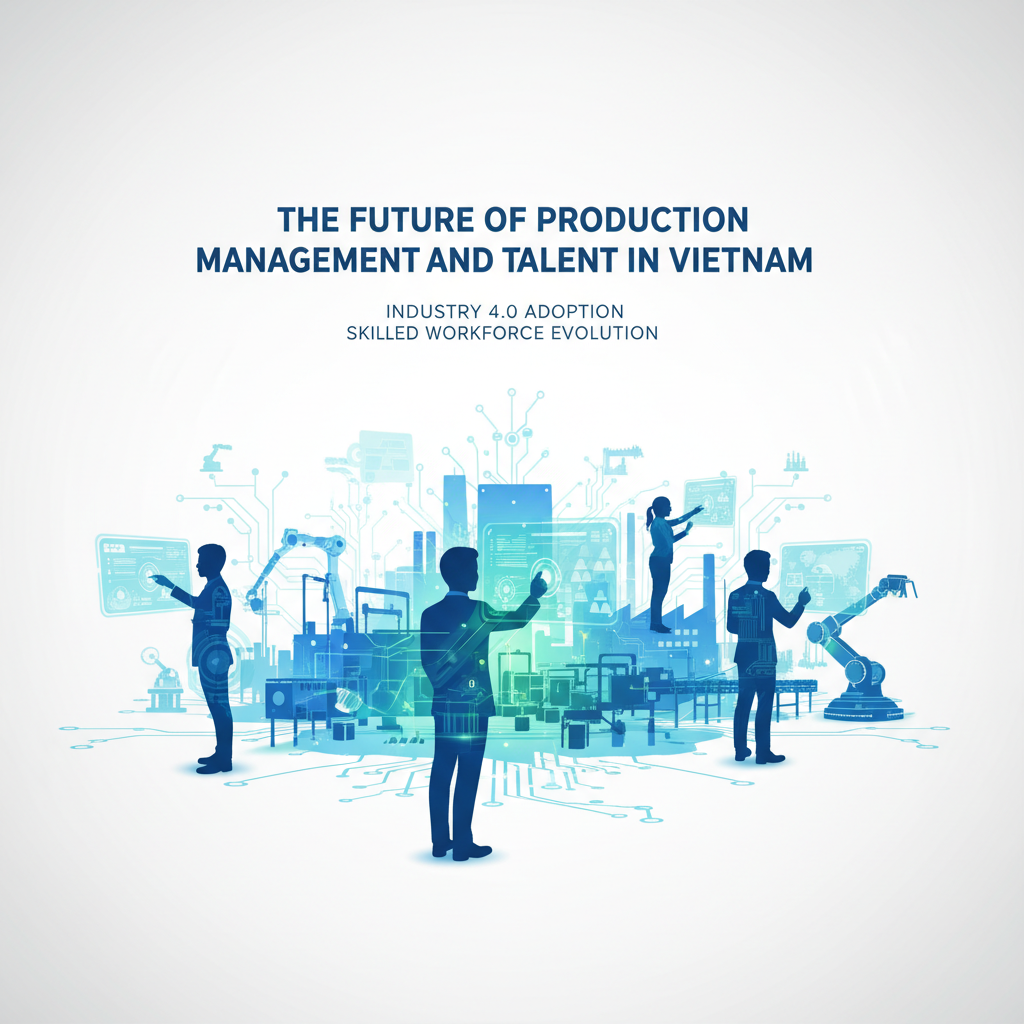
Vietnam’s manufacturing sector is undergoing a rapid transformation, poised to become a global production hub. This evolution demands a forward-looking approach to production management and a strategic emphasis on talent acquisition and development. As the nation embraces advanced technologies and integrates into global supply chains, the roles and responsibilities within production management are shifting dramatically. To navigate this dynamic landscape successfully, businesses must redefine expectations, cultivate new skill sets, and, crucially, leverage robust job descriptions as a foundational tool for attracting, retaining, and developing the next generation of leaders in Vietnam’s production field.
1. Impact of Industry 4.0 on Production Manager Roles
The advent of Industry 4.0, characterized by the convergence of digital and physical technologies, is fundamentally reshaping the manufacturing landscape in Vietnam. Technologies such as Artificial Intelligence (AI), the Internet of Things (IoT), advanced robotics, big data analytics, and cloud computing are no longer distant concepts but integral components of modern production facilities. For production managers, this means a significant shift from traditional oversight of manual processes to the strategic management of smart, interconnected systems. Future production managers in Vietnam will need to be more than just operational experts; they must evolve into techno-strategists capable of interpreting complex data, optimizing automated workflows, ensuring cybersecurity, and leading digital transformation initiatives.
Their roles will demand proficiency in data-driven decision-making, predictive analytics for maintenance and quality control, and agile project management to implement new technologies swiftly. The ability to foster a culture of continuous innovation and adaptability within their teams will be paramount, requiring strong leadership and change management skills. This evolution underscores the urgent need for upskilling and reskilling programs to equip Vietnam’s production talent with the competencies required for the factories of tomorrow, ensuring the nation remains competitive on the global stage.
2. Developing Career Paths through Clear Job Descriptions
In this rapidly evolving environment, Job Description Templates for Manager Levels in production field in Vietnam are no longer mere administrative documents; they are strategic blueprints for talent management and career development. Clear, comprehensive job descriptions serve multiple vital functions:
- **Defining Evolving Roles:** They articulate the new skill sets, responsibilities, and performance metrics necessitated by Industry 4.0, helping both current and prospective managers understand the demands of contemporary production roles.
- **Guiding Talent Acquisition:** Well-defined job descriptions enable HR teams to target candidates with the precise mix of technical, analytical, and leadership skills required. This precision reduces recruitment time and improves the quality of hires, critical in a competitive talent market.
- **Facilitating Career Progression:** By outlining clear pathways for advancement and the competencies needed at each stage, job descriptions empower employees to proactively manage their career growth. This fosters loyalty and motivates continuous learning and development.
- **Identifying Training Needs:** A detailed job description highlights skill gaps within the existing workforce, allowing companies to design targeted training and development programs that align with future organizational needs.
- **Supporting Performance Management:** With clear expectations documented, performance reviews become more objective and constructive, enabling managers to provide precise feedback and support their team members’ professional development effectively.
By investing in the creation and regular updating of robust job descriptions, organizations can proactively shape their talent pipeline, ensuring they have the right people in the right roles to drive future growth in Vietnam’s dynamic production sector.
3. Key Takeaways for Strategic Talent Acquisition in Vietnam
For businesses operating in or looking to invest in Vietnam’s production sector, a strategic and proactive approach to talent acquisition and development is indispensable. The future success hinges on several key takeaways:
- **Proactive Skill Gap Analysis:** Continuously assess the skills required for Industry 4.0 and identify current workforce deficiencies. This forms the basis for effective training and recruitment strategies.
- **Investment in Upskilling and Reskilling:** Implement robust programs to equip existing employees with new digital, analytical, and soft skills. Partnerships with educational institutions and technology providers can accelerate this process.
- **Leveraging Data-Driven Recruitment:** Utilize analytics to understand talent trends, predict future needs, and optimize recruitment channels. Comprehensive insights into Vietnam’s economic and manufacturing growth further underscore the need for data-informed decisions.
- **Cultivating a Culture of Continuous Learning:** Encourage adaptability, innovation, and a growth mindset among all employees, from the factory floor to senior management.
- **Strategic Use of Job Descriptions:** Develop and regularly refine Job Description Templates for Manager Levels in production field in Vietnam as a central tool for defining roles, attracting talent, guiding career paths, and ensuring alignment with strategic objectives. These templates are crucial for setting clear expectations and fostering a transparent environment.
- **Focus on Talent Retention:** Beyond acquisition, companies must focus on creating attractive work environments, offering competitive compensation, and providing clear career development opportunities to retain top talent in a competitive market.
Embracing these strategies will empower companies to build a resilient, skilled workforce capable of navigating the complexities and harnessing the opportunities presented by the future of production management in Vietnam.
Partner with Shelby Global
You are looking for reliable HR Sevice Suppliers? Contact Shelby Global Now! To connect with verified talents and upgrade your orginization.
—————————————
References
– :
– Vietnam Labour Law Overview: https://www.dfdl.com/insights/vietnam-labour-law-2023-summary-of-key-changes/
– SHRM: Best Practices for Writing a Job Description: https://www.shrm.org/resources-and-tools/tools-and-samples/hr-qa/pages/bestpracticesforwritingajobdescription.aspx
– Vietnam’s New Labor Code 2019: Key Changes: https://vietnamlawmagazine.vn/vietnams-new-labor-code-2019-key-changes-25771.html
– Vietnam Overview – World Bank: https://www.worldbank.org/en/country/vietnam/overview