Introduction: AI Agents and Singapore’s Entertainment Evolution
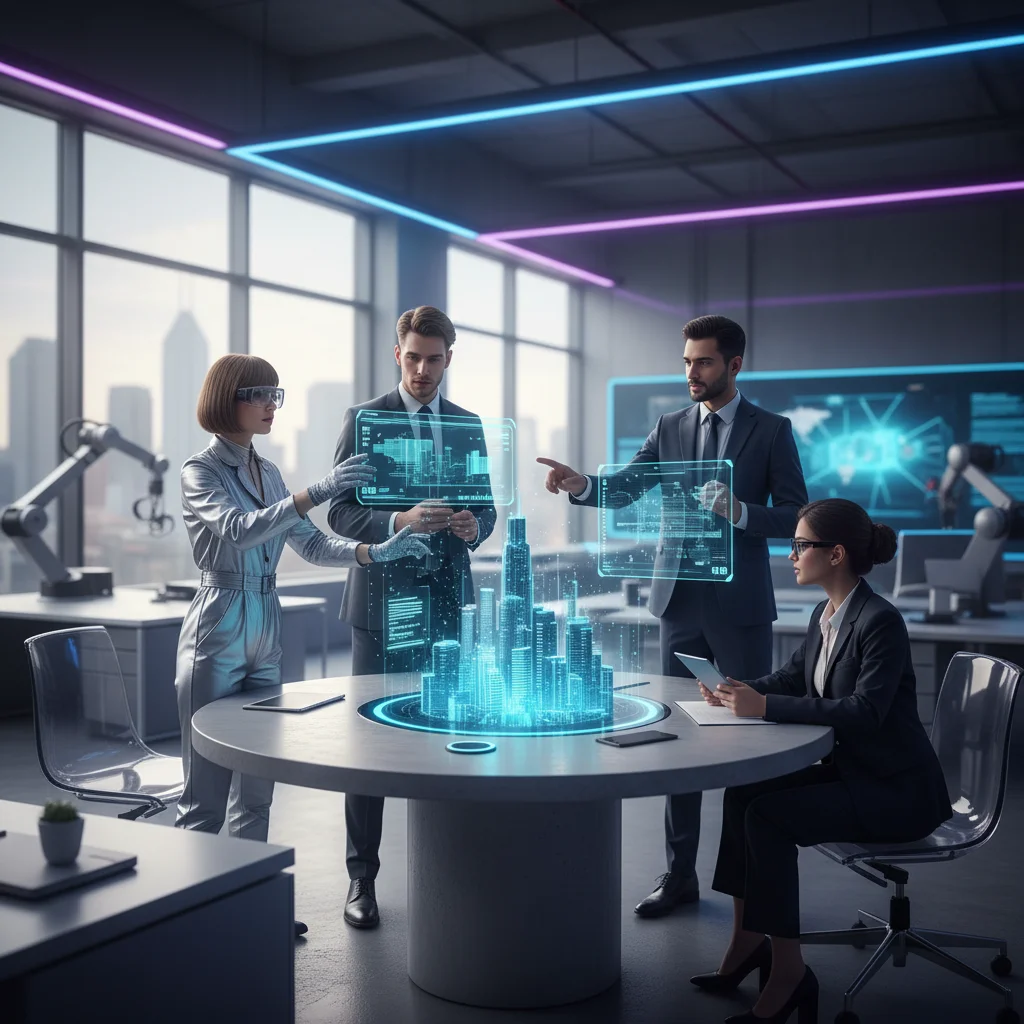
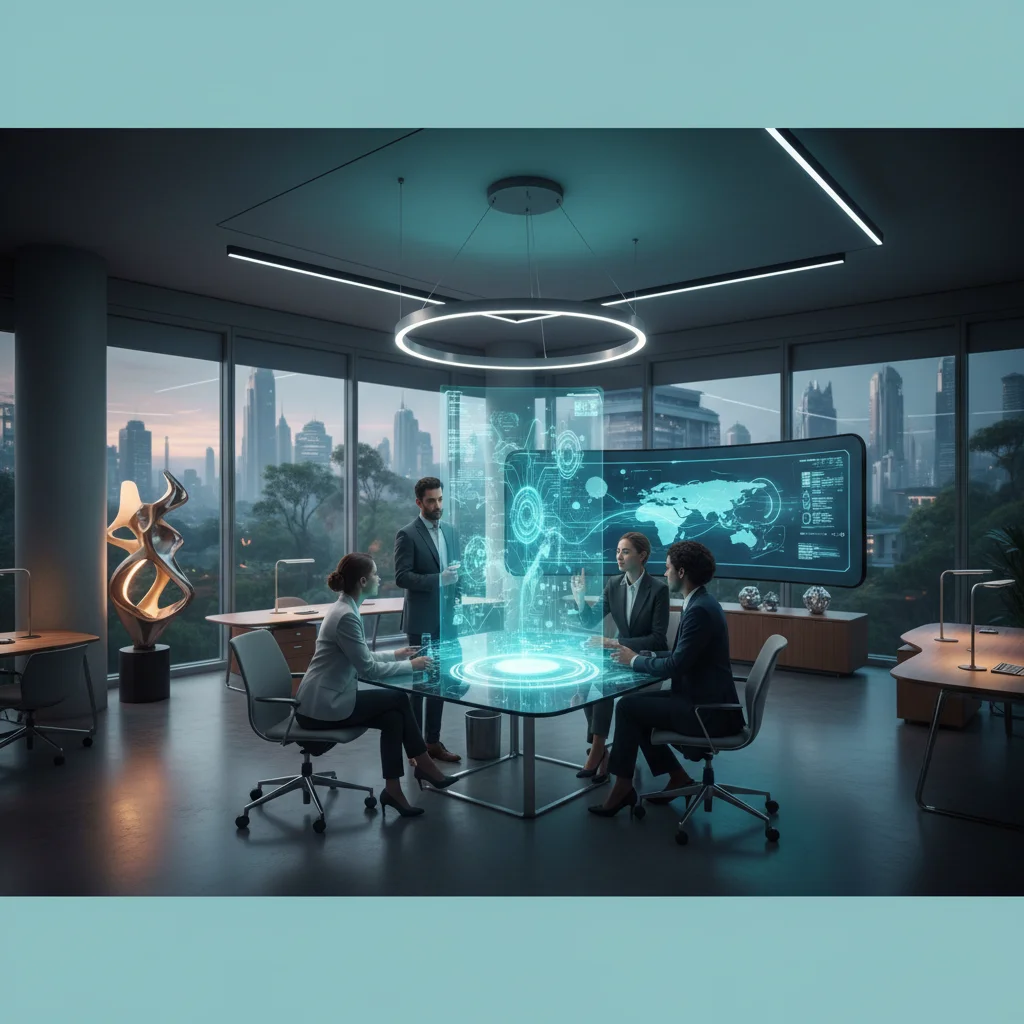
Singapore, a global hub renowned for its innovation and strategic foresight, stands at the precipice of a significant transformation within its vibrant entertainment sector. The burgeoning role of AI agents is not merely a technological advancement but a fundamental shift poised to redefine content creation, audience engagement, and operational efficiencies. This section provides an overview of how AI agents are set to profoundly affect the entertainment field in Singapore, laying the groundwork for understanding the complex interplay between advanced artificial intelligence and the nation’s creative industries. As the digital landscape continues to evolve at an unprecedented pace, Singapore’s entertainment ecosystem is preparing for a future where intelligent algorithms and autonomous systems will play an increasingly central role, promising both unprecedented opportunities and novel challenges.
1. Defining AI Agents in the Entertainment Context
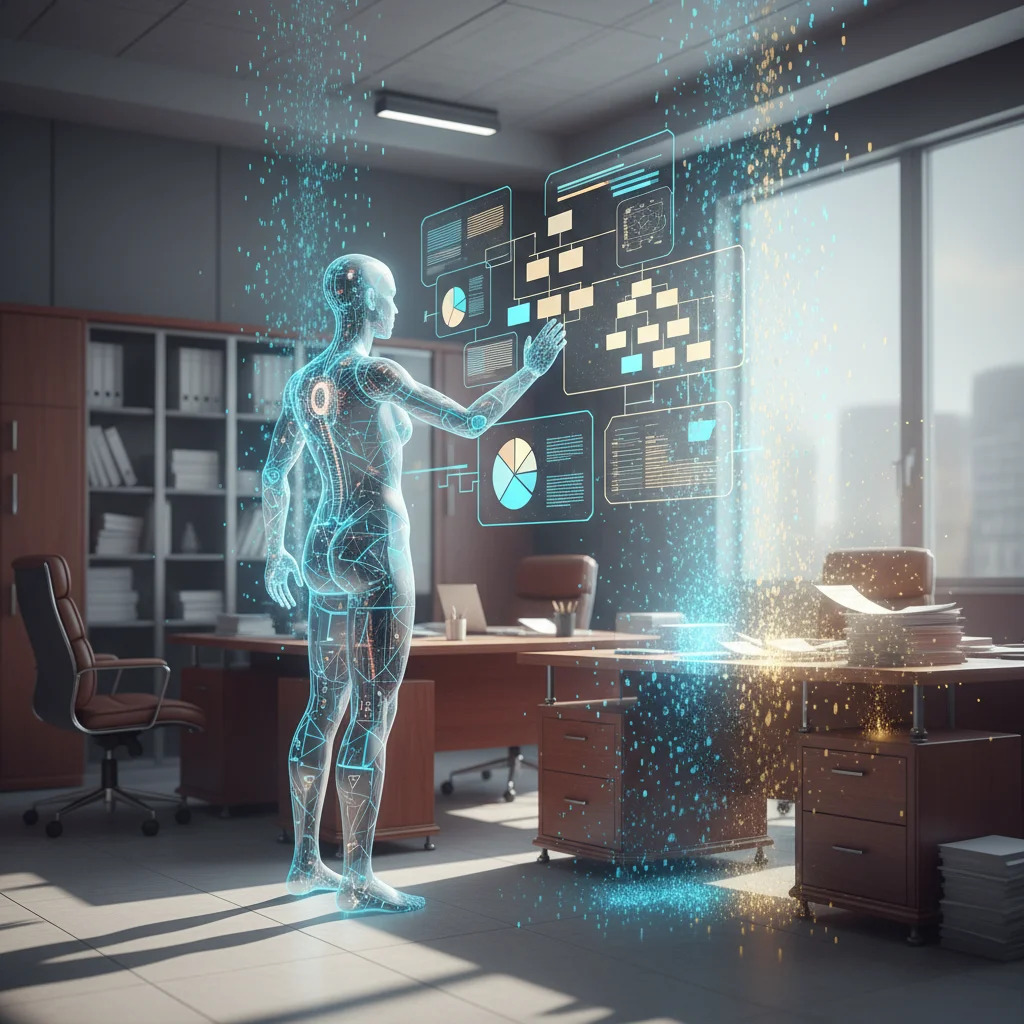
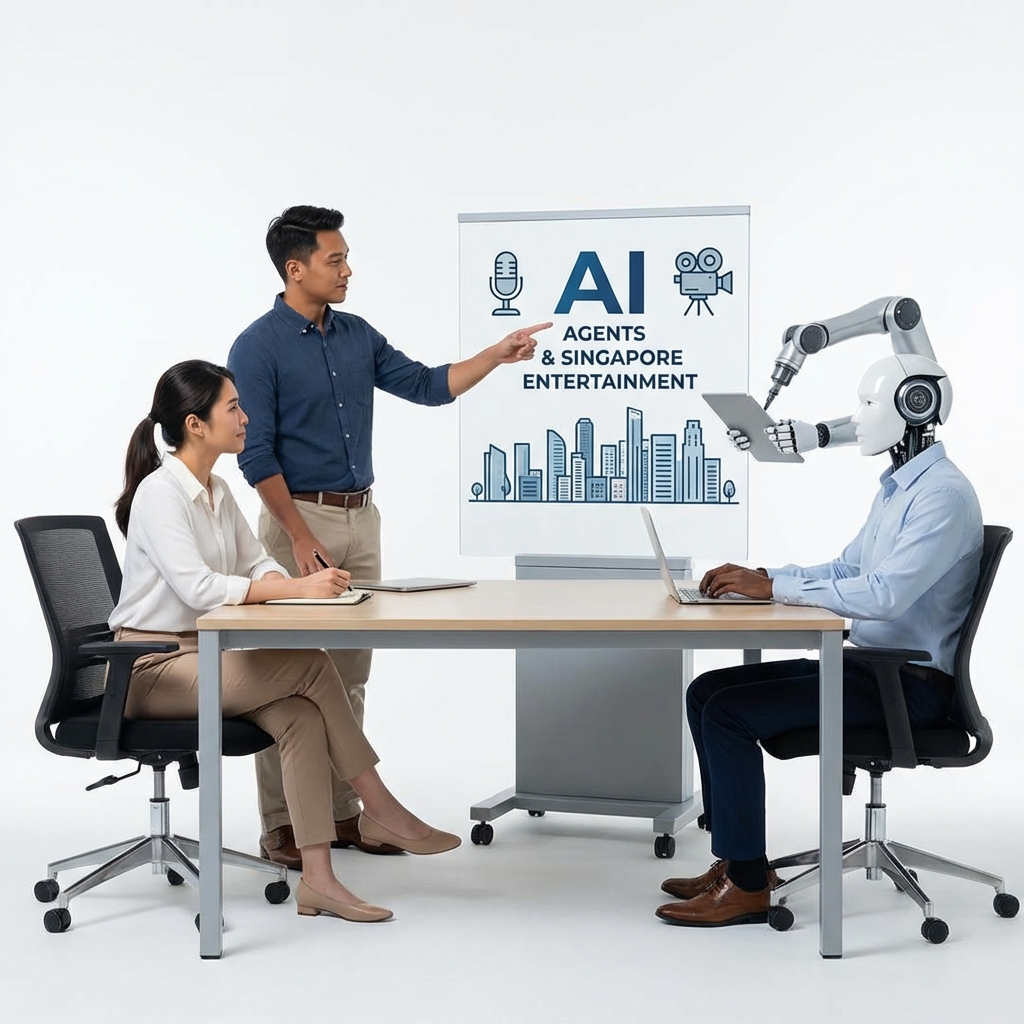
To fully grasp the impending transformation, it’s crucial to understand what constitutes an AI agent within the entertainment sphere. Unlike simple AI tools that perform singular tasks, AI agents are sophisticated algorithms or systems designed to perceive their environment, make decisions, and take actions autonomously or semi-autonomously to achieve specific goals. In entertainment, this translates into a wide array of applications. Imagine AI agents that can generate scripts for films, compose dynamic musical scores, or even create entire virtual worlds and characters. They can personalize content recommendations with unparalleled precision, curate live event experiences tailored to individual preferences, or serve as interactive non-player characters (NPCs) in immersive games and virtual reality environments. Furthermore, AI agents extend beyond content creation to operational aspects, streamlining production workflows, managing intellectual property rights, and optimizing distribution channels. Their ability to learn, adapt, and operate with minimal human intervention makes them powerful catalysts for innovation, capable of pushing the boundaries of creativity and efficiency across Singapore’s diverse entertainment offerings.
2. Singapore’s Digital Landscape and Creative Industry Growth
Singapore’s robust digital infrastructure and forward-thinking government policies position it uniquely to embrace the advent of AI agents in entertainment. The nation’s “Smart Nation” initiative has cultivated an environment ripe for technological adoption, fostering high digital literacy among its populace and a strong commitment to R&D. Institutions like the Infocomm Media Development Authority (IMDA) have been instrumental in driving digital transformation, and IMDA’s Digital Economy blueprint actively supports the integration of advanced technologies like AI across various sectors. The creative industry in Singapore, encompassing film, music, gaming, arts, and digital media, has also experienced significant growth, attracting international talent and investment. This convergence of a technologically advanced ecosystem and a flourishing creative sector provides fertile ground for AI agents to thrive. Local talent pools are increasingly equipped with digital skills, and a supportive regulatory framework encourages experimentation and innovation. This synergy ensures that as AI agents become more sophisticated, Singapore has the infrastructure, talent, and strategic direction to integrate them seamlessly into its entertainment value chain, fostering new forms of artistic expression and business models.
3. Anticipating the 2026 Entertainment Transformation
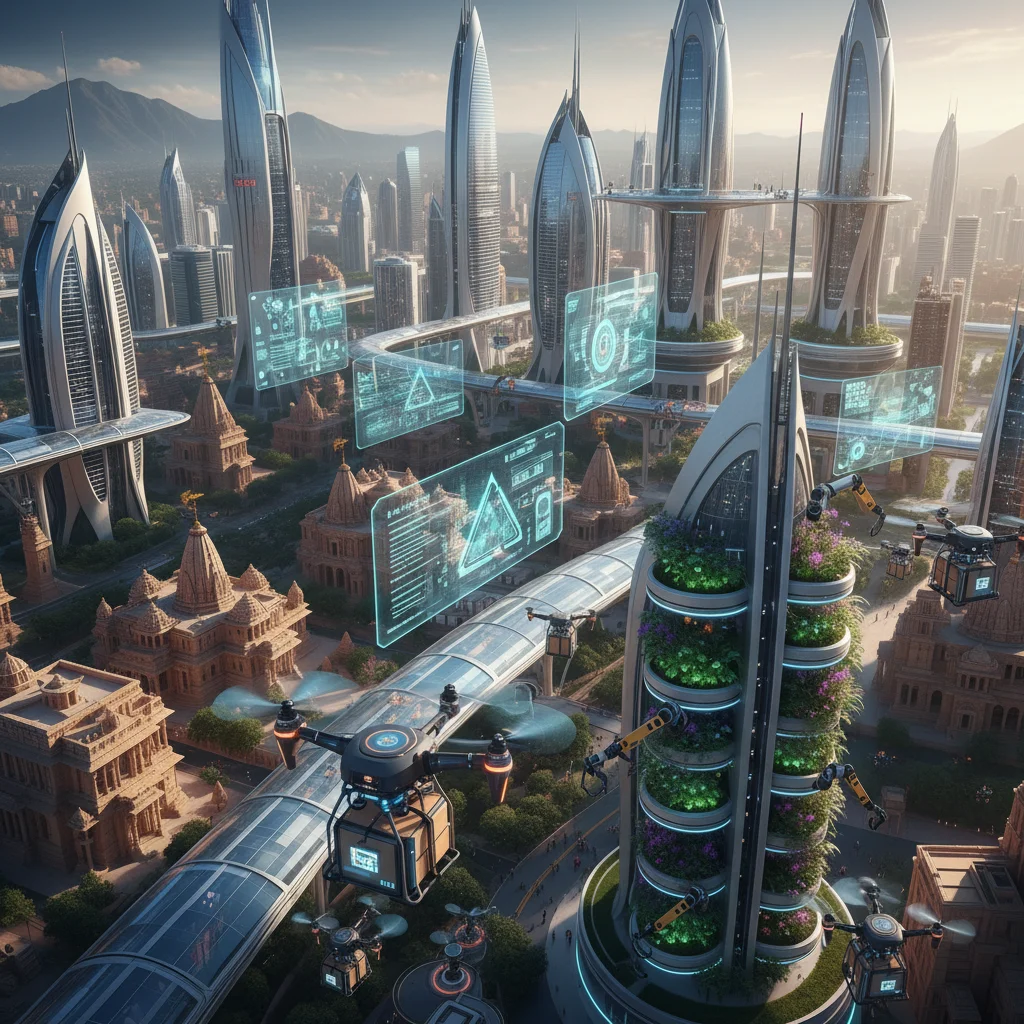
Looking ahead to 2026, the impact of AI agents on Singapore’s entertainment landscape is expected to be profound and multifaceted. We anticipate a surge in hyper-personalized content, where AI agents analyze individual consumption patterns to create unique viewing, listening, and interactive experiences on demand. Virtual idols and AI-generated performers could gain significant traction, offering new avenues for fan engagement and creative expression that transcend traditional human limitations. The gaming industry, a strong pillar in Singapore, will likely see AI agents powering more sophisticated, adaptive, and emotionally intelligent NPCs, leading to richer and more dynamic gameplay. Live events could be enhanced by AI agents managing logistics, crowd control, and even generating real-time interactive visual effects. Furthermore, behind-the-scenes, AI agents will likely revolutionize data analytics, helping studios and production houses make smarter decisions on content development, marketing, and talent acquisition. While the exact trajectory remains fluid, the overarching trend points towards an entertainment sector that is more efficient, innovative, and deeply personalized, reshaping everything from how stories are told to how audiences connect with them. Singapore’s strategic embrace of these technologies will cement its reputation as a leading innovator in the global digital entertainment arena.
AI in Content Creation and Production Pipelines
Examining how AI agents are revolutionizing the genesis and execution of entertainment content in Singapore, from conceptualization to final production.
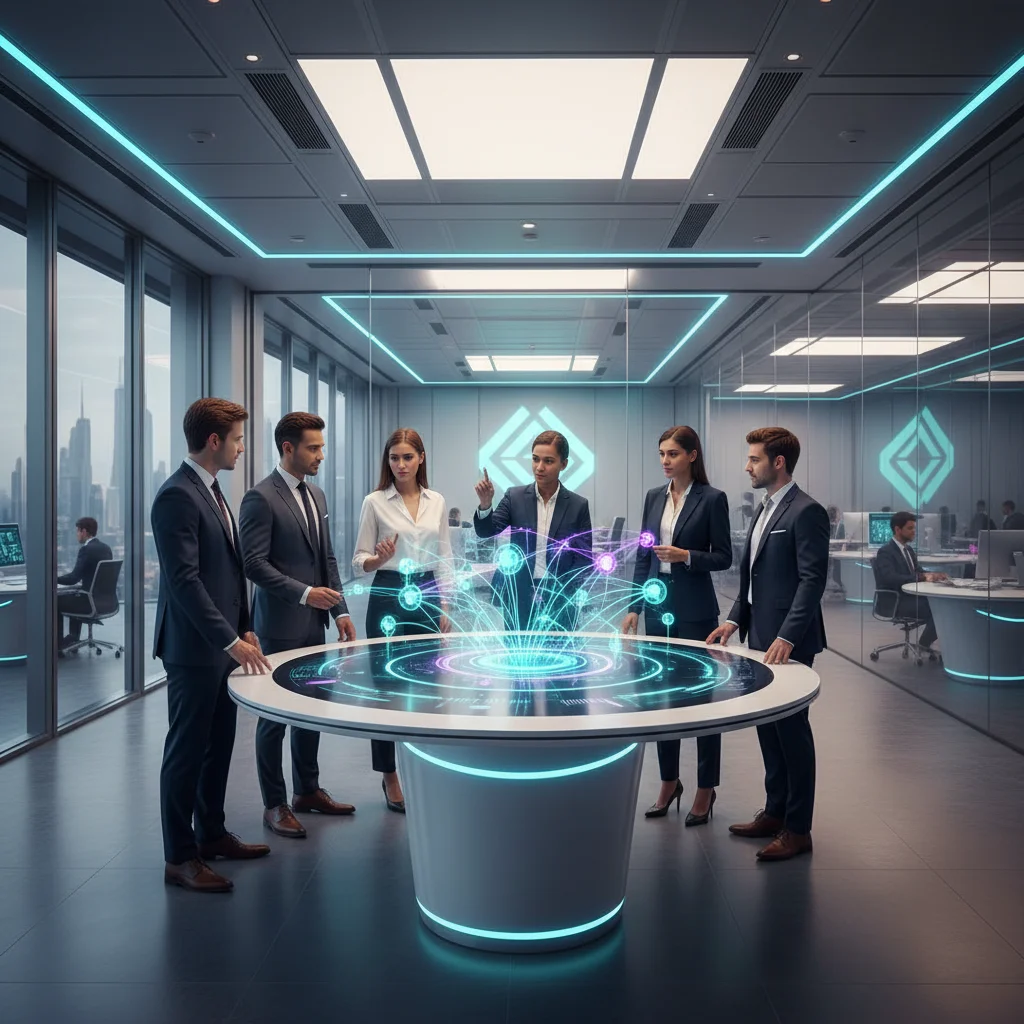
The entertainment landscape in Singapore is experiencing a profound transformation, driven by the rapid advancements in Artificial Intelligence. Far from being a futuristic concept, AI agents are now integral to every stage of content creation and production pipelines, fundamentally reshaping how stories are conceived, produced, and consumed. This technological evolution promises to enhance efficiency, unlock unprecedented creative possibilities, and deliver more personalized experiences to audiences across film, television, gaming, and digital media. The How AI agent effect to Entertainment field in singapore is becoming increasingly evident, as local production houses and creative studios embrace these intelligent tools to streamline workflows and push creative boundaries.
1. AI-Powered Scriptwriting and Story Development
At the nascent stage of content creation, AI is proving to be an invaluable partner for scriptwriters and story developers. AI-powered tools can analyze vast datasets of successful scripts, audience preferences, and narrative structures to generate new ideas, plot outlines, and even complete dialogue sequences. In Singapore, this translates into a significant boost in ideation and pre-production efficiency. For instance, AI can help identify trending themes relevant to local audiences, suggest character archetypes that resonate culturally, or even predict the commercial viability of certain storylines. This doesn’t replace human creativity but rather augments it, allowing writers to overcome creative blocks, experiment with diverse genres, and refine their narratives with data-driven insights. From crafting compelling dramas to engaging animated features, AI agents are enabling Singaporean creators to explore new narrative territories and accelerate the developmental phase, ensuring a robust pipeline of innovative content.
2. Virtual Actors and Immersive Digital Environments
The visual production aspect of entertainment is perhaps where AI’s impact is most visible and transformative. AI agents are central to the creation of highly realistic virtual actors and sophisticated immersive digital environments. Through advanced machine learning algorithms, AI can generate lifelike digital humans, complete with nuanced facial expressions and realistic body movements, often indistinguishable from their human counterparts. This technology significantly reduces the logistical complexities and costs associated with traditional filming, allowing for dynamic performances and complex scenes that might otherwise be impossible. In Singapore’s growing media production sector, AI-driven virtual production techniques are facilitating the creation of fantastical worlds and historical settings with unparalleled realism and efficiency. Furthermore, AI assists in procedural generation of landscapes, architectural details, and environmental effects, offering filmmakers and game developers boundless creative freedom. This pivotal shift is empowering Singaporean studios to produce world-class visual content, as highlighted by discussions on how AI is transforming the entertainment industry globally, making it a critical asset for future productions.
3. Personalized Music Composition and Soundscape Generation
Beyond visuals and narratives, AI agents are revolutionizing the auditory dimensions of entertainment. AI-powered platforms can compose original musical scores, generate intricate soundscapes, and even adapt audio elements in real-time based on audience interaction or emotional cues within the content. For films, television series, and especially interactive media like video games produced in Singapore, this means an unprecedented level of auditory customization and immersion. AI composers can quickly generate variations of themes, ensure tonal consistency, and create dynamic sound effects that enhance storytelling without requiring extensive human intervention. Moreover, the ability to personalize music composition opens new avenues for creators to tailor soundtracks to individual viewer preferences, creating a deeply engaging and unique auditory experience. This capability not only saves time and resources but also elevates the overall sensory impact of entertainment content, ensuring that Singaporean productions captivate audiences through every sight and sound.
In conclusion, AI agents are not just tools but strategic partners in the evolving entertainment ecosystem of Singapore. From automating creative processes to enabling entirely new forms of immersive experiences, their influence is broad and deep. As the industry continues to innovate, understanding How AI agent effect to Entertainment field in singapore will be crucial for studios and creators aiming to stay at the forefront of global content production. The synergy between human creativity and artificial intelligence is setting a new standard for quality, efficiency, and engagement in Singapore’s vibrant entertainment landscape.
Enhancing Audience Engagement and Personalized Experiences
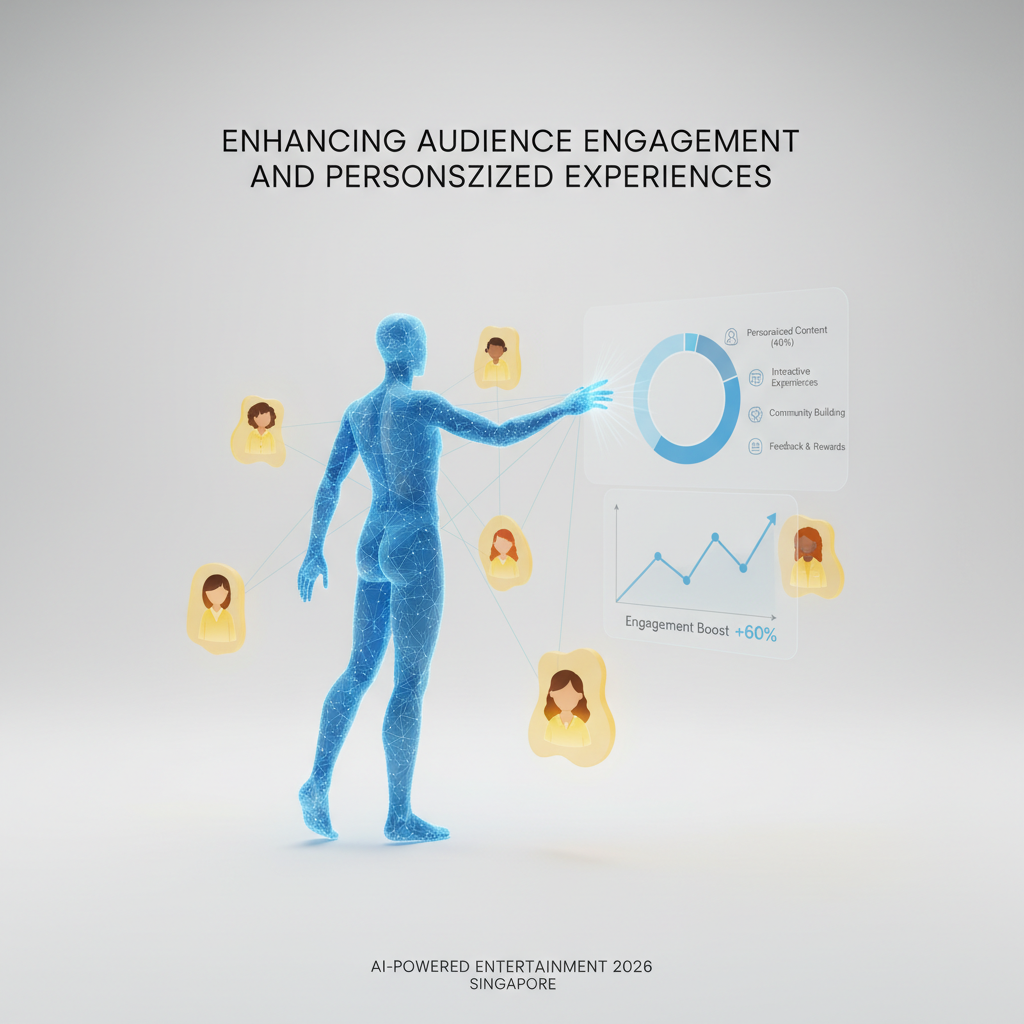
In the vibrant entertainment landscape of Singapore, Artificial Intelligence (AI) agents are rapidly becoming indispensable tools for transforming how audiences interact with content and how experiences are delivered. Far beyond mere automation, these sophisticated AI systems are revolutionizing the industry by tailoring user experiences, optimizing content distribution, and fostering deeper, more meaningful connections with Singapore’s diverse audiences. The impact of AI agents on the entertainment field in Singapore is profound, driving innovation across streaming platforms, gaming, live events, and even marketing strategies. This dynamic shift allows entertainment providers to understand individual preferences with unprecedented accuracy, ensuring that every user receives content and experiences designed specifically for them, thereby enhancing engagement and loyalty in an increasingly competitive market.
The strategic adoption of AI in Singapore’s entertainment sector aligns with the nation’s broader push towards a National AI Strategy, aiming to leverage advanced technologies for economic growth and societal benefit. This integration elevates the overall quality and relevance of entertainment offerings, making them more appealing and accessible to local and international consumers alike. AI’s role is not just about efficiency; it’s about creating magical moments and immersive worlds that resonate deeply with individuals.
1. Personalized Content Recommendations and Curation
One of the most immediate and impactful ways AI agents are reshaping entertainment in Singapore is through personalized content recommendations and curation. Streaming services, digital news portals, and music platforms now heavily rely on AI algorithms to analyze vast amounts of user data – including viewing history, listening habits, genre preferences, and even emotional responses – to suggest content that is highly relevant to each individual. For instance, an AI agent might recommend a specific local drama series to a user based on their past engagement with similar Singaporean productions, or suggest a new indie film from Southeast Asia that aligns with their historical preferences for unique storytelling. This level of granular personalization goes beyond simple genre matching; it considers subtle nuances in taste, mood, and even time of day, ensuring that users are presented with a continuous stream of captivating content. This sophisticated curation not only improves user satisfaction but also significantly increases content consumption and reduces churn rates, proving essential for platforms operating in Singapore’s competitive media landscape. The ability of AI to learn and adapt continually ensures that recommendations evolve with the user, making every interaction feel uniquely tailored.
2. Interactive Entertainment, Gaming, and Live Experiences
AI agents are also at the forefront of driving innovation in interactive entertainment, gaming, and live experiences across Singapore. In the burgeoning gaming industry, AI powers intelligent Non-Player Characters (NPCs) that offer more realistic and challenging gameplay, adapting to player strategies in real-time. This creates dynamic and unpredictable gaming environments that enhance immersion and replayability. Beyond traditional gaming, AI is enabling revolutionary augmented reality (AR) and virtual reality (VR) experiences, allowing users to interact with digital content seamlessly integrated into their physical world or transported into entirely new virtual dimensions. Imagine an AI-powered guide enhancing a VR tour of Singapore’s heritage sites, or an AR overlay at a live concert displaying real-time audience reactions and performer insights. Furthermore, AI is enhancing live events by personalizing the audience experience; for example, through interactive installations that respond to audience movement, or by providing tailored information and special content accessible via mobile apps during festivals. These AI-driven interactive elements transform passive consumption into active participation, forging deeper connections and creating memorable, bespoke experiences for audiences in Singapore.
3. AI-Driven Marketing, Fan Interaction, and Community Building
The deployment of AI agents is fundamentally transforming marketing strategies, fan interaction, and community building within Singapore’s entertainment sphere. AI-driven analytics allow entertainment companies to pinpoint target demographics with unparalleled precision, optimizing advertising campaigns for maximum reach and effectiveness. Instead of broad-brush marketing, AI enables hyper-personalized advertisements for events, movies, or music releases, reaching the right person at the right time through their preferred channels. Moreover, AI chatbots and virtual assistants are becoming common interfaces for direct fan interaction, answering queries, providing exclusive content, and even participating in moderated fan discussions 24/7. This always-on engagement fosters a stronger sense of community around brands, artists, and creators. AI also plays a crucial role in social media monitoring and sentiment analysis, allowing entertainment entities to gauge public perception, respond to feedback efficiently, and identify emerging trends or potential issues. By automating routine interactions and providing actionable insights into fan behavior, AI in Singapore entertainment empowers creators and marketers to build vibrant, loyal communities and nurture lasting relationships with their audience, ensuring sustained engagement and growth.
Operational Efficiencies and Industry Challenges with AI
Artificial intelligence is rapidly reshaping the entertainment industry, particularly in dynamic markets like Singapore. The transformative influence of AI agents extends far beyond simple automation, fundamentally altering backend operations, driving significant cost reductions, and introducing a new spectrum of challenges for stakeholders. Understanding How AI agent effect to Entertainment field in singapore involves examining its multifaceted impact, from streamlining creative workflows to necessitating careful consideration of ethical boundaries and market dynamics.
1. Automating Post-Production and Workflow Optimization
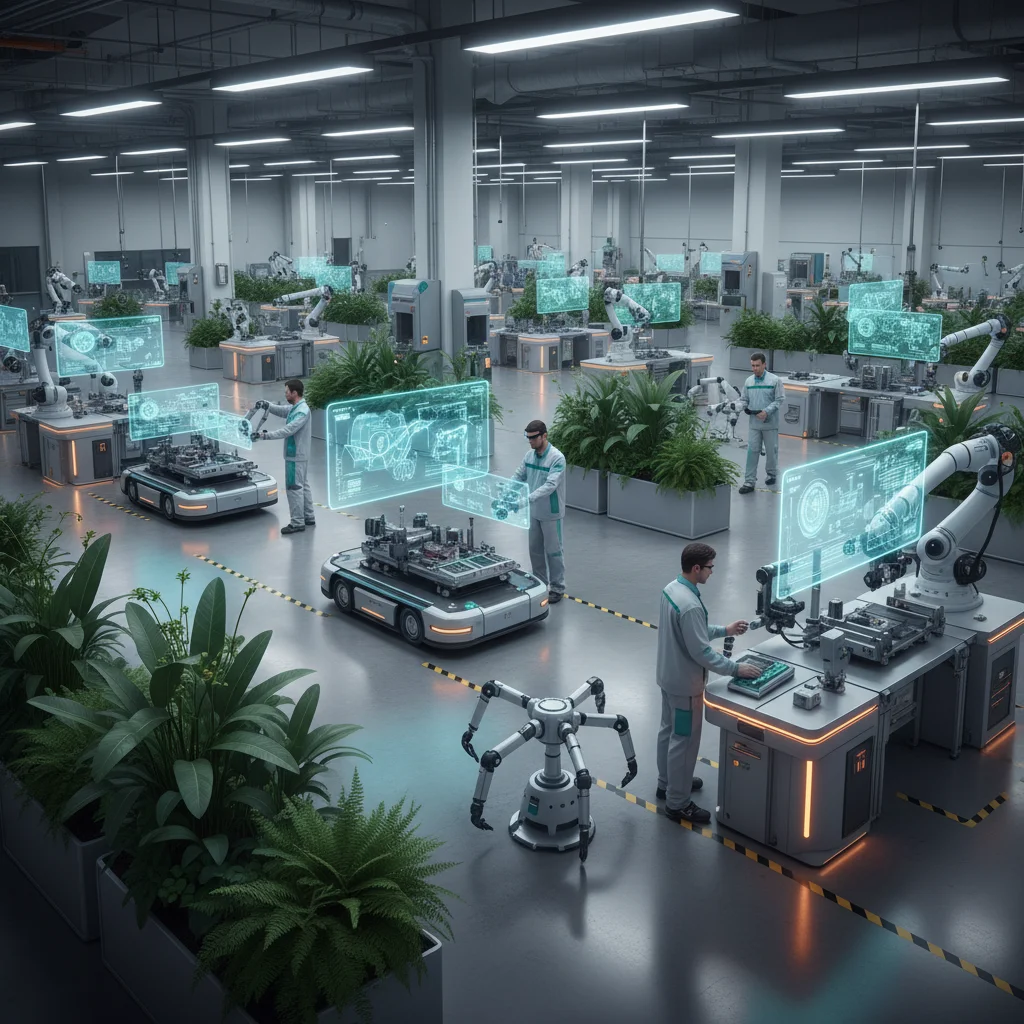
AI’s most immediate and tangible impact on the entertainment sector is evident in the automation and optimization of post-production processes. Traditionally labor-intensive tasks such as video editing, sound mixing, color grading, and visual effects (VFX) are now being augmented or even executed by sophisticated AI algorithms. AI-powered tools can analyze footage to automatically identify key scenes, generate rough cuts, or suggest optimal transitions, dramatically reducing the time human editors spend on mundane tasks. In sound design, AI can clean up audio, generate background scores, or even clone voices, making the audio production process faster and more efficient. For VFX, AI streamlines rotoscoping, object removal, and even generates complex digital environments with unprecedented speed.
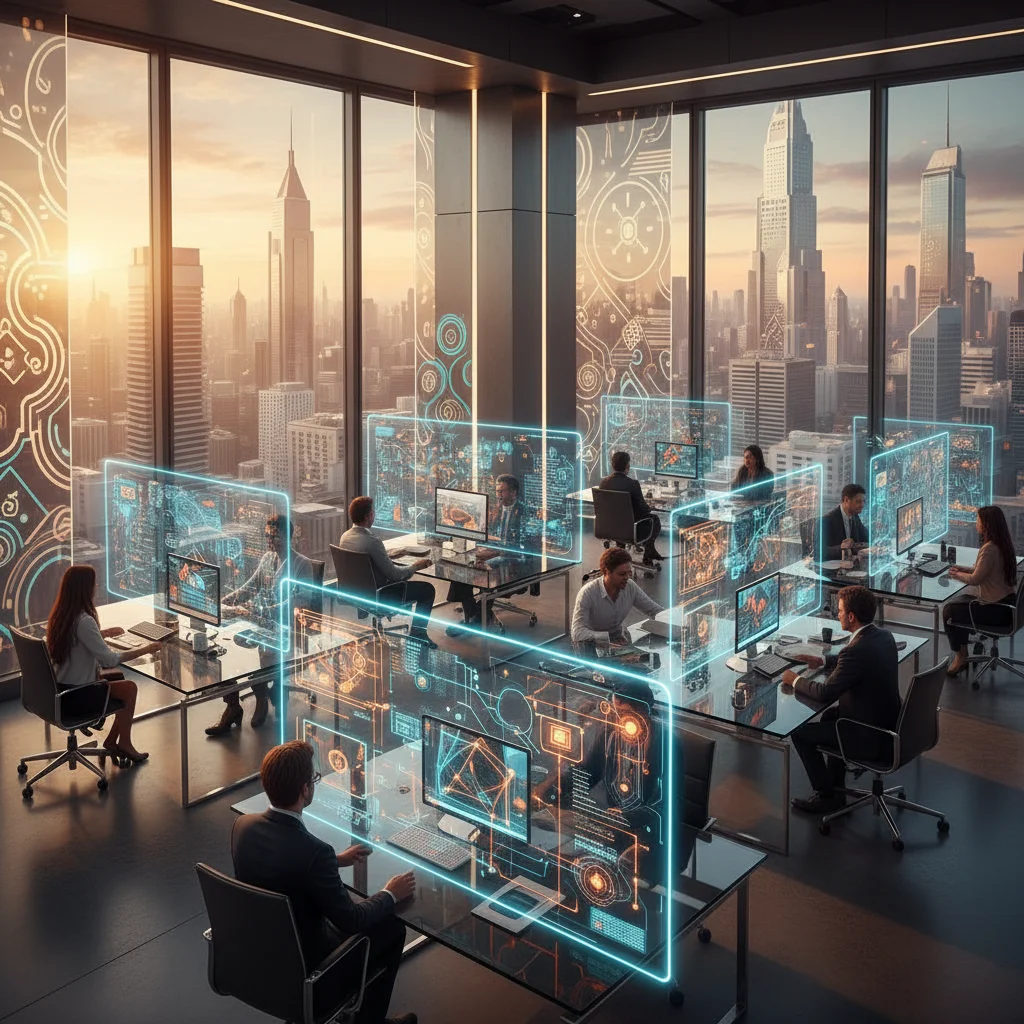
This technological leap not only accelerates content creation cycles but also leads to substantial cost savings. Production houses can allocate fewer resources to repetitive tasks, allowing human creatives to focus on higher-level artistic decisions and innovation. For AI in media production Singapore, this translates into increased competitiveness on a global scale, enabling local studios to produce high-quality content more rapidly and economically. The optimization extends to workflow management, where AI can predict project timelines, manage resource allocation, and identify potential bottlenecks before they impact production schedules, ensuring a smoother, more predictable operational flow.
2. Data Analytics for Strategic Content and Business Decisions
Beyond the production floor, AI’s analytical capabilities are revolutionizing strategic content and business decisions within the entertainment industry. AI agents can process vast amounts of audience data – including viewing habits, preferences, engagement metrics, and social media trends – to uncover deep insights into consumer behavior. This allows content creators and distributors to make highly informed decisions about everything from genre development and casting to marketing strategies and release schedules.
For instance, AI-driven predictive analytics can forecast the potential success of a new show or movie by analyzing scripts, historical performance data, and audience demographics. This intelligence enables studios to greenlight projects with higher confidence, reducing financial risks. Furthermore, AI optimizes content recommendation engines on streaming platforms, ensuring that personalized suggestions keep viewers engaged and subscriptions active. In Singapore’s entertainment landscape, leveraging such advanced data analytics provides a critical edge, helping local content providers understand niche markets, adapt to evolving viewer preferences, and create compelling narratives that resonate with diverse audiences. This strategic application of AI ensures that content production is not just creatively driven but also analytically supported, leading to more impactful and profitable ventures.
3. Ethical Considerations, Copyright, and Job Displacement Concerns
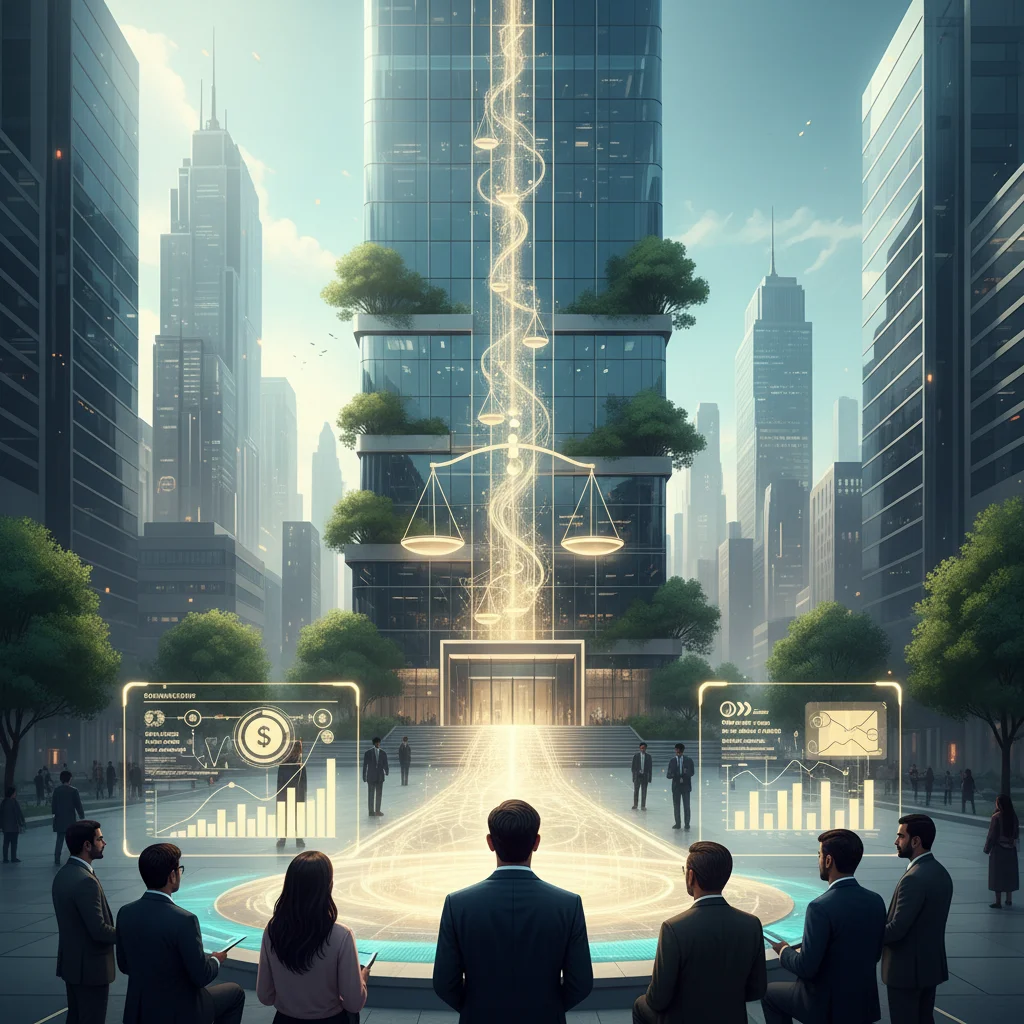
While AI offers immense operational benefits, its rapid integration into the entertainment industry also brings forth a host of complex challenges, particularly concerning ethics, intellectual property, and employment. One of the most pressing concerns is copyright infringement. Generative AI models are trained on existing content, raising questions about ownership and fair use when these models produce new works that bear resemblances to copyrighted material. The implications for creators are profound, as their original works could inadvertently be used to train AI systems without proper attribution or compensation. The World Intellectual Property Organization (WIPO) has highlighted these emerging issues, noting the need for new frameworks to address Generative AI and Copyright: A New Era.
Furthermore, ethical dilemmas arise with the potential for AI to create deepfakes or manipulate media in ways that blur the line between reality and fiction, posing risks to trust and authenticity. The potential for bias in AI algorithms, inherited from the data they are trained on, could also perpetuate stereotypes or misrepresent certain demographics in content. Perhaps the most significant human concern is job displacement. As AI automates more tasks in post-production, scriptwriting, and even acting (via digital avatars), fears of job losses for human artists, technicians, and performers are legitimate. Addressing these AI content creation challenges requires a proactive approach from industry leaders and policymakers in Singapore, focusing on reskilling initiatives, establishing clear ethical guidelines, and updating copyright laws to protect creators in the age of artificial intelligence. Balancing innovation with human welfare will be crucial for the sustainable growth of the entertainment sector.
The Future Landscape: Singapore’s Entertainment in 2026 and Beyond
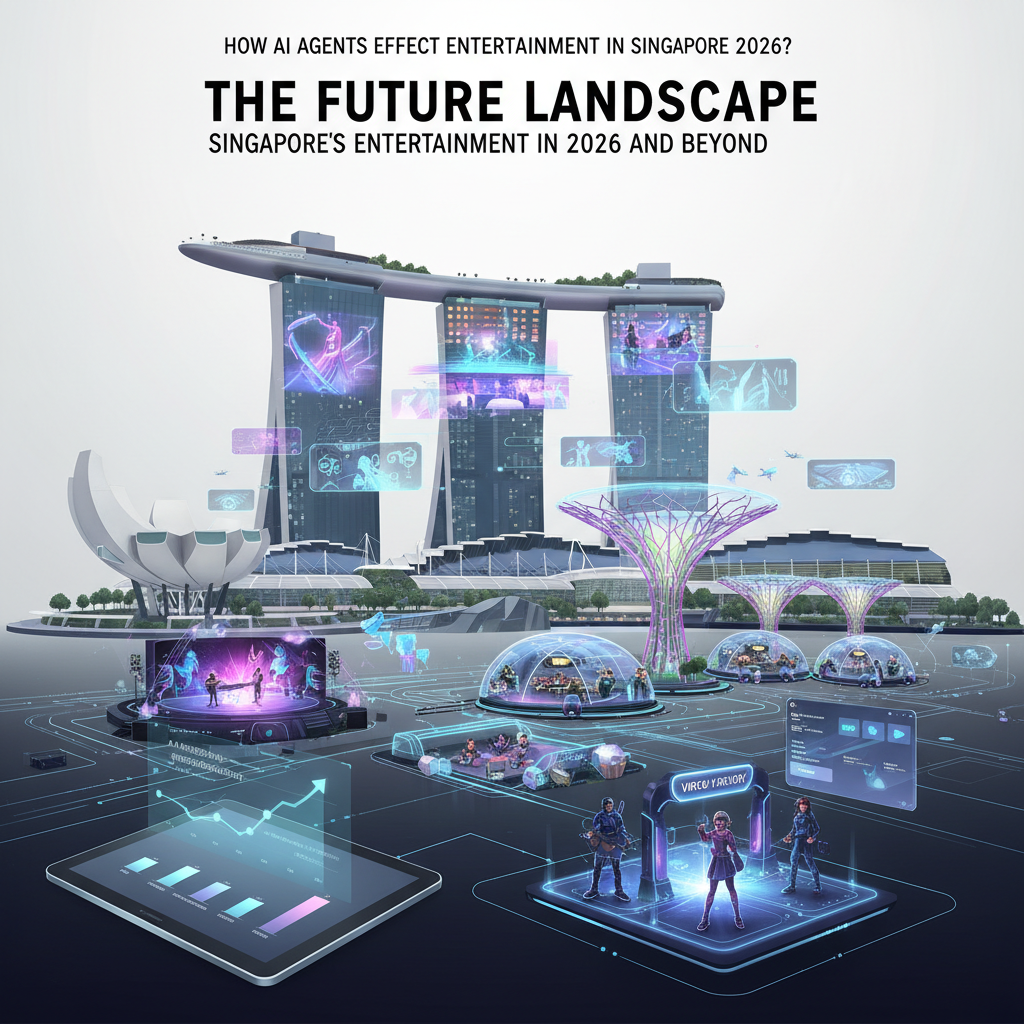
Singapore, a global hub for innovation and technology, stands on the cusp of a revolutionary transformation in its entertainment landscape. As we look towards 2026 and beyond, the profound influence of artificial intelligence (AI) agents is set to redefine how content is created, consumed, and experienced across the city-state. This forward-looking analysis delves into the potential trajectory of Singapore’s entertainment field, highlighting key trends, opportunities, and the pivotal role of innovation and policy in shaping its future. The central question remains: how AI agents will effect the entertainment field in Singapore, pushing the boundaries of creativity, personalization, and immersive experiences. The Lion City’s strategic embrace of AI will not only enhance its appeal as a cultural hotspot but also cement its position as a pioneer in the global digital entertainment arena.
1. Emerging AI Technologies and Unforeseen Trends
The immediate years ahead will witness an acceleration in the deployment of advanced AI technologies within Singapore’s entertainment sector. Generative AI, capable of producing original music compositions, intricate scripts, and photorealistic virtual environments, will become a commonplace tool for creators. Imagine AI agents assisting local filmmakers in storyboarding complex scenes or composing bespoke soundtracks that perfectly match emotional arcs. This shift will democratize content creation, allowing independent artists and smaller studios to produce high-quality output previously exclusive to larger enterprises. Personalized entertainment experiences will also reach unprecedented levels. AI-driven recommendation engines will evolve beyond simple suggestions, curating dynamic storylines in interactive games or tailoring live event experiences based on individual preferences and real-time biometric data. Virtual agents and avatars, powered by sophisticated natural language processing and emotional intelligence, will act as interactive performers, hosts, or even companions in virtual reality (VR) and augmented reality (AR) entertainment.
Beyond these tangible applications, unforeseen trends will inevitably emerge. The convergence of AI with blockchain technology might enable new models of intellectual property management and fan engagement, creating micro-economies around digital assets and experiences. We could see the rise of entirely new entertainment genres born from AI-human collaboration, perhaps leading to adaptive narrative experiences that evolve uniquely for each viewer. Ethical considerations surrounding AI-generated content, such as authenticity, bias, and deepfakes, will also become more pronounced, necessitating robust regulatory frameworks and industry best practices. Singapore’s proactive stance on technology governance will be crucial in navigating these complex ethical landscapes, ensuring responsible innovation within its vibrant entertainment ecosystem.
2. Singapore’s Aspiration as an AI Entertainment Hub
Singapore is strategically positioning itself to become a leading AI entertainment hub in Southeast Asia and beyond. Leveraging its robust digital infrastructure, strong governmental support for innovation through initiatives like the Smart Nation drive, and investments in AI Singapore, the nation is building a fertile ground for this evolution. The government’s vision extends to fostering a vibrant ecosystem where AI research, content production, and technological innovation converge. This includes attracting foreign direct investment into AI-powered entertainment ventures, incentivizing local startups, and facilitating partnerships between global tech giants and local creative industries. Events like the Singapore Media Festival are increasingly showcasing how AI is being integrated into storytelling, animation, and interactive media, signaling a clear trajectory towards future growth.
The aspiration is not merely to adopt AI but to innovate with it. Singapore aims to be a testbed for cutting-edge AI applications in entertainment, from developing next-generation immersive experiences to pioneering AI-driven content monetization models. This forward-thinking approach will draw international talent, researchers, and creative professionals, establishing Singapore as a magnet for those shaping the future of digital entertainment. Furthermore, collaboration between academic institutions, such as the National University of Singapore and Nanyang Technological University, and industry players will drive research and development, ensuring that Singapore remains at the forefront of AI innovation relevant to the creative sector. This concerted effort will demonstrate how Singapore’s national AI strategy and initiatives are paving the way for AI agents to fundamentally reshape the entertainment sector, creating new economic opportunities and cultural exports for the nation.
3. Preparing the Workforce for an AI-Powered Entertainment Future
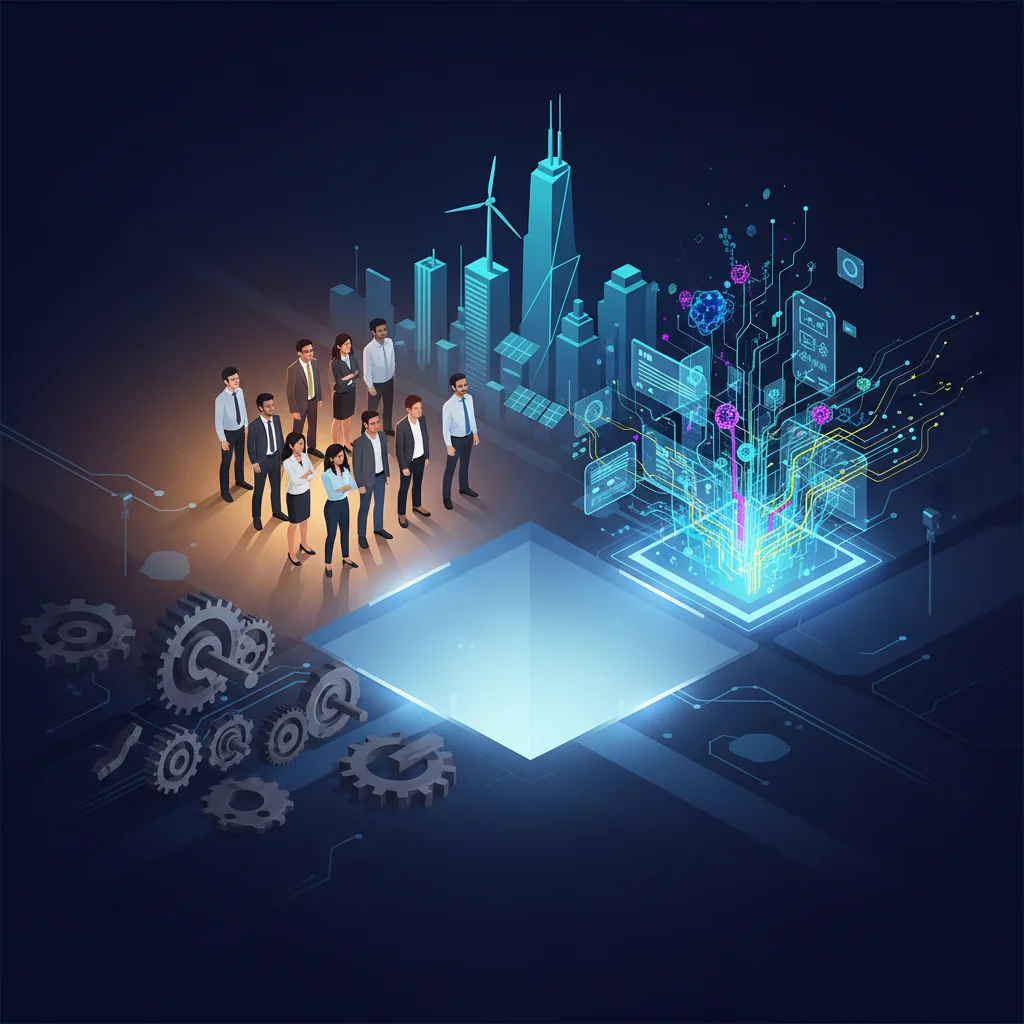
The transformation brought by AI will necessitate a significant evolution in the skill sets of Singapore’s entertainment workforce. While fears of job displacement are natural, the reality is likely to be a shift in roles, requiring new competencies rather than outright redundancy. Future entertainment professionals will need to be proficient in areas such as prompt engineering for generative AI, data analytics to understand audience engagement, and AI ethics to ensure responsible content creation. Digital creativity, combining artistic vision with technological prowess, will become paramount.
Singapore’s educational institutions and government agencies are already recognizing this imperative. Programs focused on upskilling and reskilling are vital to ensure the existing workforce can adapt. This includes developing specialized courses in AI for creatives, workshops on virtual production workflows, and interdisciplinary programs that blend artistic disciplines with data science and machine learning. Lifelong learning initiatives, supported by grants and subsidies, will empower individuals to acquire these new skills, transitioning from traditional roles to positions such as AI content strategists, virtual world designers, and ethical AI gatekeepers. Partnerships between the Ministry of Communications and Information (MCI), SkillsFuture Singapore, and industry associations will be crucial in developing targeted training programs that meet the evolving demands of an AI-powered entertainment future, ensuring Singapore’s talent pool remains competitive and innovative.
Partner with Shelby Global
You are looking for reliable HR Sevice Suppliers? Contact Shelby Global Now! To connect with verified talents and upgrade your orginization.
—————————————
References
– IMDA’s Digital Economy blueprint: https://www.imda.gov.sg/programme-listing/digital-economy
– How AI Is Transforming The Entertainment Industry: https://www.forbes.com/sites/forbescommunicationscouncil/2023/07/03/how-ai-is-transforming-the-entertainment-industry/
– Singapore’s National AI Strategy: https://www.smartnation.gov.sg/what-is-smart-nation/national-ai-strategy
– Generative AI and Copyright: A New Era: https://www.wipo.int/wipo_magazine/en/2023/02/article_0001.html
– IMDA’s Artificial Intelligence Programmes: https://www.imda.gov.sg/programme-listing/artificial-intelligence