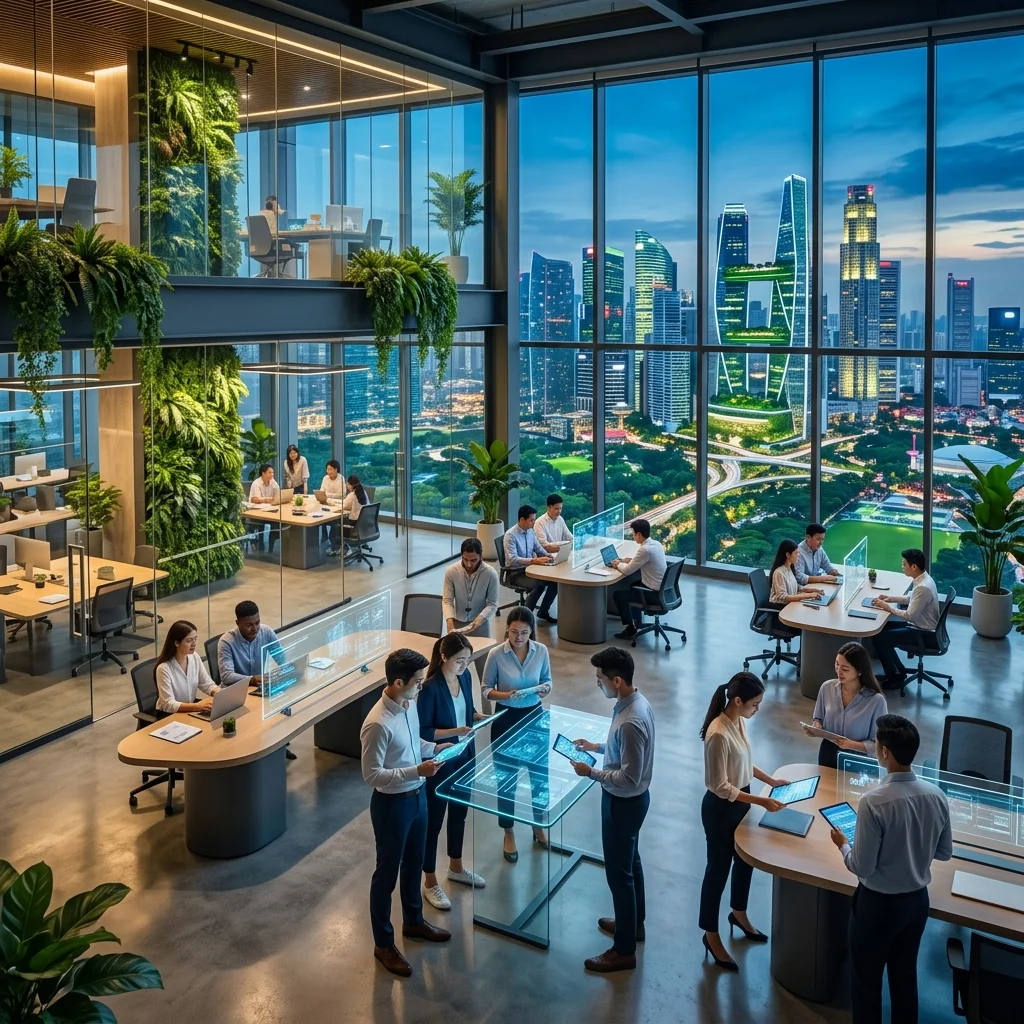
Laying the Foundation: Understanding Singapore’s SME HR Landscape
This section introduces the unique HR environment for Small and Medium Enterprises (SMEs) in Singapore, particularly within the travel sector, setting the stage for effective HR management. For a fresh CEO stepping into the dynamic world of travel, grasping the nuances of human resources within a Singaporean SME is paramount. This guide provides a Step by Step to understand SMEs HR Structure for the fresh the CEO in Travels field in singapore, ensuring that early decisions build a resilient and compliant workforce.
1. Defining SME HR in the Singapore Context
In Singapore, Small and Medium Enterprises (SMEs) form the backbone of the economy, typically defined by annual revenue of not more than S$100 million or employee headcount of not more than 200. For these businesses, especially within the travel sector, the approach to Human Resources (HR) is fundamentally different from larger corporations. SME HR is often lean, highly integrated with business operations, and may even be managed by an owner-operator or a single HR generalist who wears multiple hats. This generalist is responsible for a broad spectrum of HR functions, including talent acquisition, onboarding, payroll processing, employee relations, and even basic training and development. The lack of specialized departments means HR professionals in SMEs must be adaptable, proactive, and efficient, often leveraging technology for administrative tasks.
Given the resource constraints, many Singaporean travel SMEs opt for outsourced solutions for complex areas like payroll management or legal compliance to ensure accuracy and adherence to regulations. Employee engagement and retention strategies become crucial, as high turnover can significantly impact a small team. Effective workforce planning is also vital to manage fluctuating demand, a common characteristic of the travel industry. Understanding these structural realities is the first step for any new CEO aiming to build a robust and compliant HR framework.
2. Singapore travel industry HR challenges
The travel industry in Singapore presents a unique set of HR challenges for SMEs. Post-pandemic recovery has highlighted the need for resilience and agility, but underlying issues persist. A significant challenge is talent retention, particularly with the demand for skilled workers in areas like digital marketing, customer experience, and sustainable tourism. The industry often grapples with shift work, irregular hours, and the need for a diverse workforce capable of serving international clients, which can complicate scheduling and compensation. Attracting and retaining suitable talent requires competitive compensation packages and clear career development pathways, which can be difficult for smaller entities to provide.
Furthermore, digital transformation is rapidly reshaping job roles, creating skill gaps in areas such as data analytics, AI-powered customer service, and cybersecurity awareness. SMEs must invest in continuous skill development and training for their employees to remain competitive. Managing a multi-generational workforce with varying expectations regarding work-life balance and technology integration also adds a layer of complexity. Addressing these challenges effectively requires innovative HR strategies, strong leadership, and a commitment to fostering a positive and adaptable work environment.
3. Key Regulatory Frameworks & SME HR compliance Singapore
Navigating Singapore’s comprehensive regulatory landscape is non-negotiable for any SME, particularly for a fresh CEO. Strict adherence to labor laws not only prevents hefty penalties but also fosters a fair and productive workplace. The primary legislation governing employment in Singapore is the Employment Act, which covers aspects like terms and conditions of employment, working hours, annual leave, and termination procedures. While certain clauses apply to all employees, others are specific to non-managerial or non-executive staff earning below a certain salary threshold.
Beyond the Employment Act, SMEs must also comply with the Central Provident Fund (CPF) Act, mandating contributions to employees’ social security savings; the Work Injury Compensation Act (WICA), which requires employers to compensate employees for work-related injuries or diseases; and various foreign manpower regulations if employing non-Singaporean staff. Staying updated with policy changes from the Ministry of Manpower (MOM) is critical, as regulations like the Progressive Wage Model (PWM) are progressively being implemented across more sectors, potentially impacting roles within the travel industry such as cleaning, security, or even specific tourism service roles in the future. Implementing robust HR policies and systems from the outset is crucial for maintaining compliance and avoiding costly legal issues, allowing the CEO to focus on strategic growth within the travel sector.
Building Your Team: Talent Acquisition & Development Strategies
For a new CEO steering a travel SME in Singapore, navigating the dynamic and highly competitive landscape demands a shrewd approach to human capital. The bedrock of sustainable success lies in building and nurturing a team that is not only skilled but also agile and deeply committed to the company’s vision. Understanding the nuanced Step by Step to understand SMEs HR Structure for the fresh the CEO in Travels field in singapore is paramount for effective talent management, especially within the unique context of the travel industry. This section outlines key strategies for attracting, onboarding, and developing the right talent to propel your travel SME forward.
1. ### Effective Talent Acquisition in Singapore’s Travel Sector
Singapore’s vibrant travel industry, while offering immense opportunities, presents a fiercely competitive environment for talent acquisition travel Singapore. To attract top-tier travel professionals, a CEO must first define a clear employer value proposition (EVP). What makes your SME unique? Is it a niche market focus, innovative technology, a strong company culture, or exceptional growth opportunities? Articulating this EVP across all recruitment channels is crucial. Beyond traditional job boards, explore specialized industry platforms, professional networking events, and even partnerships with tourism and hospitality schools. Leverage digital marketing strategies, including social media campaigns and a compelling careers page, to showcase your company culture and employee testimonials. For a new CEO, understanding the local talent pool and potential skills gaps is vital. Proactive travel industry recruitment requires anticipating future needs, perhaps even scouting talent with a blend of traditional travel expertise and digital marketing acumen, as the industry increasingly shifts online. It’s also critical to consider government support initiatives for SMEs in Singapore that can aid in talent attraction, such as grants for hiring local talent or traineeships. The Singapore tourism workforce is constantly evolving, making a forward-thinking talent strategy indispensable.
2. ### Onboarding & Training for Travel Professionals
Once the right talent is identified, a structured and engaging onboarding process is non-negotiable for travel SME HR Singapore. It’s not merely about paperwork; it’s about integrating new hires seamlessly into your team and culture. A robust onboarding program should cover company vision and values, organizational structure, key systems and tools (e.g., booking platforms, CRM), product knowledge, and customer service standards unique to your offerings. Pair new employees with mentors or “buddies” to facilitate integration and provide a direct line for questions. Comprehensive initial training is particularly important for travel professionals, ensuring they are well-versed in destination knowledge, travel regulations, crisis management protocols, and the nuances of client communication. Regular check-ins during the probation period are essential to gauge progress and address any challenges. For effective employee development travel sector, early investment in training lays a strong foundation, reducing turnover and enhancing productivity. This initial phase sets the tone for an employee’s journey, influencing their long-term engagement and contribution to the team.
3. ### Upskilling & Reskilling in a Dynamic Industry
The travel industry is in a perpetual state of flux, driven by technological advancements, evolving consumer behaviors, and global events. For a CEO, fostering a culture of continuous learning and development is paramount to maintain a competitive edge and address the skills gap travel Singapore. This means regularly evaluating your team’s capabilities against current and future industry demands. Are your staff proficient in using AI-powered tools for itinerary planning or customer service? Do they understand data analytics to personalize travel experiences? Investing in digital transformation travel HR initiatives, such as workshops on social media marketing, SEO, or cybersecurity best practices, is crucial. Beyond technical skills, focus on developing soft skills like adaptability, problem-solving, emotional intelligence, and cross-cultural communication, which are invaluable for travel professionals. Develop clear career pathways and offer opportunities for upskilling and reskilling through certifications, online courses, and internal training programs. Consider tapping into government-funded training schemes available for SMEs in Singapore, which can significantly offset development costs. Regular performance reviews, coupled with constructive feedback and goal setting, are vital components of this ongoing development, ensuring that your workforce planning travel CEO strategies align with both individual growth and company objectives. By proactively investing in your team’s growth, you create a resilient, adaptable, and highly capable workforce ready to navigate the complexities of the modern travel landscape.
Managing Performance & Culture: Driving Productivity
For a fresh CEO stepping into the dynamic travel field in Singapore, understanding the nuances of human resources is paramount. Mastering how to manage performance and cultivate a thriving culture isn’t just about HR; it’s about directly impacting your agency’s bottom line and long-term success. This comprehensive guide provides a Step by Step to understand SMEs HR Structure for the fresh the CEO in Travels field in singapore, highlighting 8 critical areas to drive productivity, engagement, and retention within your team. By strategically approaching performance management and cultural development, travel agencies can not only meet but exceed business objectives, ensuring a robust and motivated workforce.
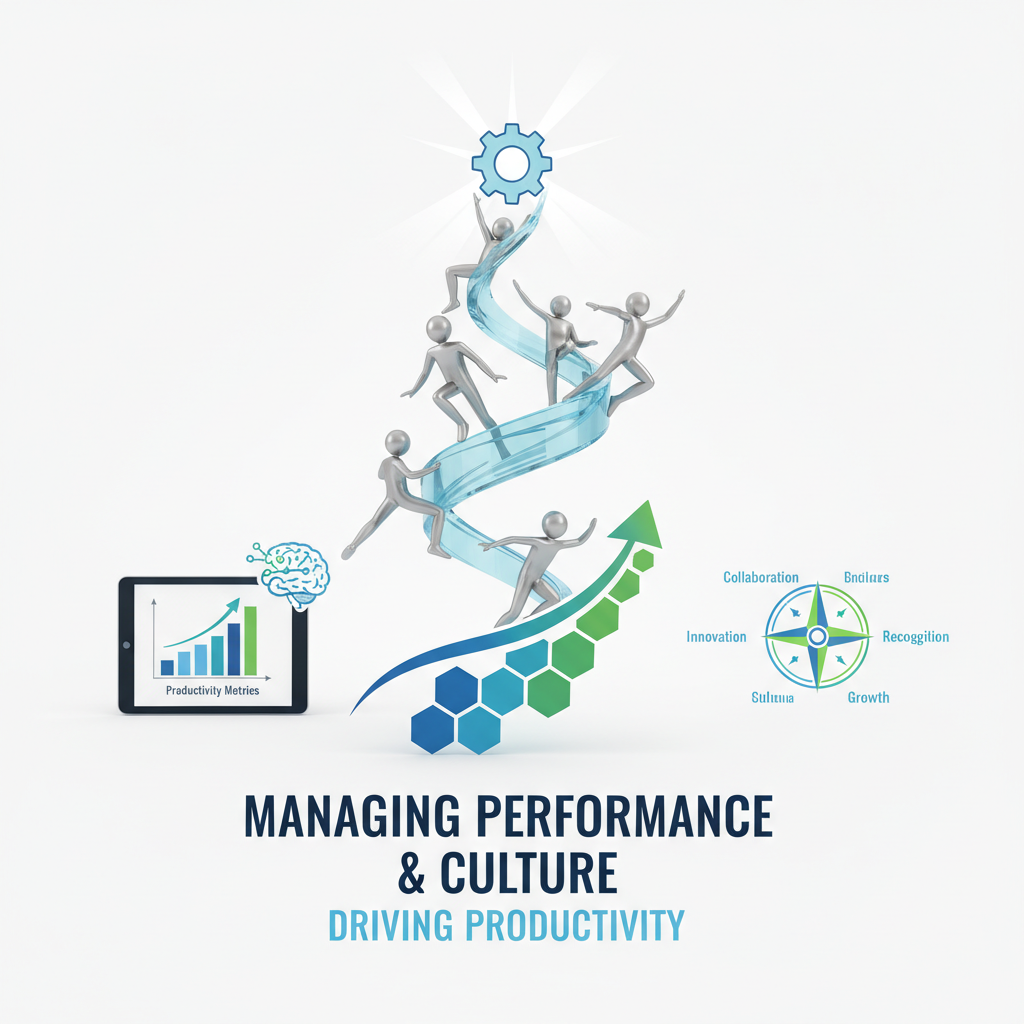
1. Setting Clear Goals: Performance management travel agencies
Effective performance management in travel agencies begins with setting exceptionally clear, measurable, achievable, relevant, and time-bound (SMART) goals. For a travel consultant, this might translate into specific monthly sales targets for premium packages, achieving a certain customer satisfaction score (e.g., 90% positive feedback), or improving booking efficiency by reducing average transaction time by 10%. For back-office support, goals could include reducing data entry errors, timely processing of vendor payments, or enhancing report accuracy. Regular check-ins, beyond the annual review, are crucial. These frequent conversations allow for real-time feedback, course correction, and acknowledgment of progress. It’s important for managers to collaboratively set these goals with employees, ensuring buy-in and a shared understanding of expectations. A robust performance management system helps employees understand their contribution to the agency’s overall success, creating a sense of purpose and direction. According to SHRM, effective performance management is a continuous process of communication and feedback, ensuring employees are aligned with organizational goals and have the support needed to achieve them. Learn more about how to manage employee performance effectively.
2. Fostering a Positive Work Environment
A positive work environment is the bedrock of high employee engagement and sustained productivity, particularly in the fast-paced travel industry where stress levels can fluctuate. Cultivating such an environment involves several key elements. Firstly, open and transparent communication channels are essential. Employees should feel comfortable voicing ideas, concerns, and feedback without fear of reprisal. This includes regular team meetings, accessible leadership, and clear internal communication about company direction and changes. Secondly, a culture of constructive feedback and recognition is vital. Publicly acknowledging achievements, big or small, through ‘Agent of the Month’ programs, peer recognition, or simple verbal praise, significantly boosts morale. Thirdly, prioritizing work-life balance is crucial. Given the irregular hours and peak seasons common in travel, offering flexible schedules, remote work options where feasible, and encouraging breaks can prevent burnout. A positive culture also encompasses opportunities for skill development and personal growth, demonstrating to employees that their long-term career trajectory within the agency is valued. This holistic approach not only makes the workplace more enjoyable but also directly correlates with lower absenteeism and higher levels of creativity and problem-solving.
3. Strategies for Employee retention travel industry
Employee retention is a critical challenge and a significant cost-saver for any travel agency. High turnover leads to increased recruitment expenses, loss of institutional knowledge, and potential dips in customer service quality. To combat this, travel agencies in Singapore must implement targeted retention strategies. Competitive compensation, including attractive base salaries and commission structures that reward high performance, is a fundamental starting point. However, retention goes beyond just pay. Offering clear career progression paths—for instance, from junior travel consultant to senior specialist, team lead, or product manager—shows employees a future within the company. Regular training and professional development opportunities are also key. This could involve familiarization trips to new destinations, workshops on emerging travel technologies, or certifications in specific booking systems. Mentorship programs can provide invaluable guidance to new hires and foster loyalty. Furthermore, robust benefits packages that address health, wellness, and financial security demonstrate a commitment to employee well-being. By investing in their growth, recognizing their contributions, and providing a supportive environment, travel agencies can significantly reduce turnover, ensuring a consistent, experienced, and highly motivated team that consistently delivers exceptional service to clients.
Operational HR: Payroll, Policies, & Technology
For a fresh CEO in the dynamic travel field in Singapore, mastering operational HR is paramount. This section offers a comprehensive Step by Step to understand SMEs HR Structure for the fresh the CEO in Travels field in singapore, focusing on the essential day-to-day HR operations crucial for any growing travel enterprise. From navigating complex payroll systems to developing robust internal policies and leveraging cutting-edge technology, efficient operational HR ensures compliance, boosts employee morale, and ultimately drives business success in a competitive market. Understanding these pillars is fundamental for effective workforce management within your small to medium-sized enterprise (SME).
1. Efficient Payroll management Singapore SMEs
Payroll management in Singapore SMEs, particularly within the travel sector, demands precision and a thorough understanding of local regulations. Accurate and timely payroll is not just about paying employees; it’s a cornerstone of HR compliance Singapore and employee satisfaction. As a CEO, you must ensure your payroll processes account for basic salaries, commissions (often significant in travel sales), allowances, and mandatory contributions like the Central Provident Fund (CPF). Singapore’s regulatory environment requires strict adherence to the Employment Act and various other labour laws, making a robust payroll system indispensable. Understanding specific Singapore payroll regulations, including calculation of overtime, public holiday pay, and annual leave encashment, prevents costly errors and potential disputes. Many SMEs opt for specialized payroll software or outsource this function to local providers, which can significantly streamline operations and reduce the burden on internal resources. This ensures that your team is compensated fairly and compliantly, allowing you to focus on core business strategies. For comprehensive guidelines on employment terms, the Ministry of Manpower’s (MOM) Key Employment Terms (KETs) serves as an authoritative resource.
2. Crafting Effective HR policies for small travel businesses
Beyond payroll, developing clear and effective HR policies is vital for creating a structured and fair work environment within your travel agency. These policies serve as a blueprint for expected behaviour, rights, and responsibilities, mitigating risks and fostering a positive workplace culture. For small travel businesses, policies should cover areas like leave management (annual leave, sick leave, compassionate leave), code of conduct, performance management, disciplinary procedures, and grievance handling. Consider industry-specific aspects, such as policies on travel perks, client interaction standards, and managing remote work arrangements common in the post-pandemic travel landscape. Effective policies also play a critical role in defining Employee benefits Singapore travel industry, such as travel allowances, incentives, and professional development opportunities, which are key for talent attraction and retention. By implementing clear HR best practices Singapore, you can address common Travel industry specific HR challenges, such as peak season staffing, flexible working hours, and managing a diverse workforce that often includes part-timers and freelancers. Transparent policies not only protect the company but also empower employees, giving them clarity and promoting a sense of equity and professionalism.
3. Leveraging HR tech for Singapore SMEs
In today’s digital age, leveraging technology is no longer an option but a necessity for operational efficiency. For Singaporean travel SMEs, HR technology can transform tedious manual processes into streamlined, automated workflows, leading to significant time and cost savings. Implementing HR software for travel agencies can automate everything from employee onboarding and leave management to performance reviews and expense claims. Cloud-based HR platforms are particularly beneficial, offering accessibility and scalability without heavy upfront infrastructure investments. These solutions can centralize employee data, enhance communication, and provide valuable analytics for better decision-making. Tools for Workforce management travel SME can help track staff availability, manage shifts for travel consultants, and ensure adequate coverage during peak travel seasons. Furthermore, embracing Digital HR transformation Singapore means moving beyond basic administrative tasks to integrate AI and data analytics for predictive HR, improving talent acquisition and retention strategies. For a CEO, investing in the right HR tech stack is a strategic move that not only improves operational efficiency but also enhances the overall employee experience, freeing up HR and management to focus on strategic initiatives rather than administrative burdens.
Future-Proofing Your HR: Growth & Strategic Planning
As the new CEO navigating the dynamic landscape of Singapore’s travel industry, understanding and evolving your Human Resources (HR) strategy is paramount. For Small and Medium-sized Enterprises (SMEs) in this sector, HR isn’t just about payroll and hiring; it’s a critical lever for sustained growth, adaptability, and maintaining a competitive edge. This guide offers a comprehensive, Step by Step to understand SMEs HR Structure for the fresh the CEO in Travels field in singapore, ensuring your HR function not only supports current operations but also anticipates and prepares for future challenges and opportunities.
The travel sector is particularly susceptible to rapid shifts—from technological advancements and changing consumer preferences to global economic fluctuations. Your HR strategy must be agile, proactive, and deeply integrated with your overall business objectives to cultivate a resilient workforce and a thriving organizational culture. Let’s explore how to transform your HR from an administrative overhead into a strategic partner for your growth trajectory.
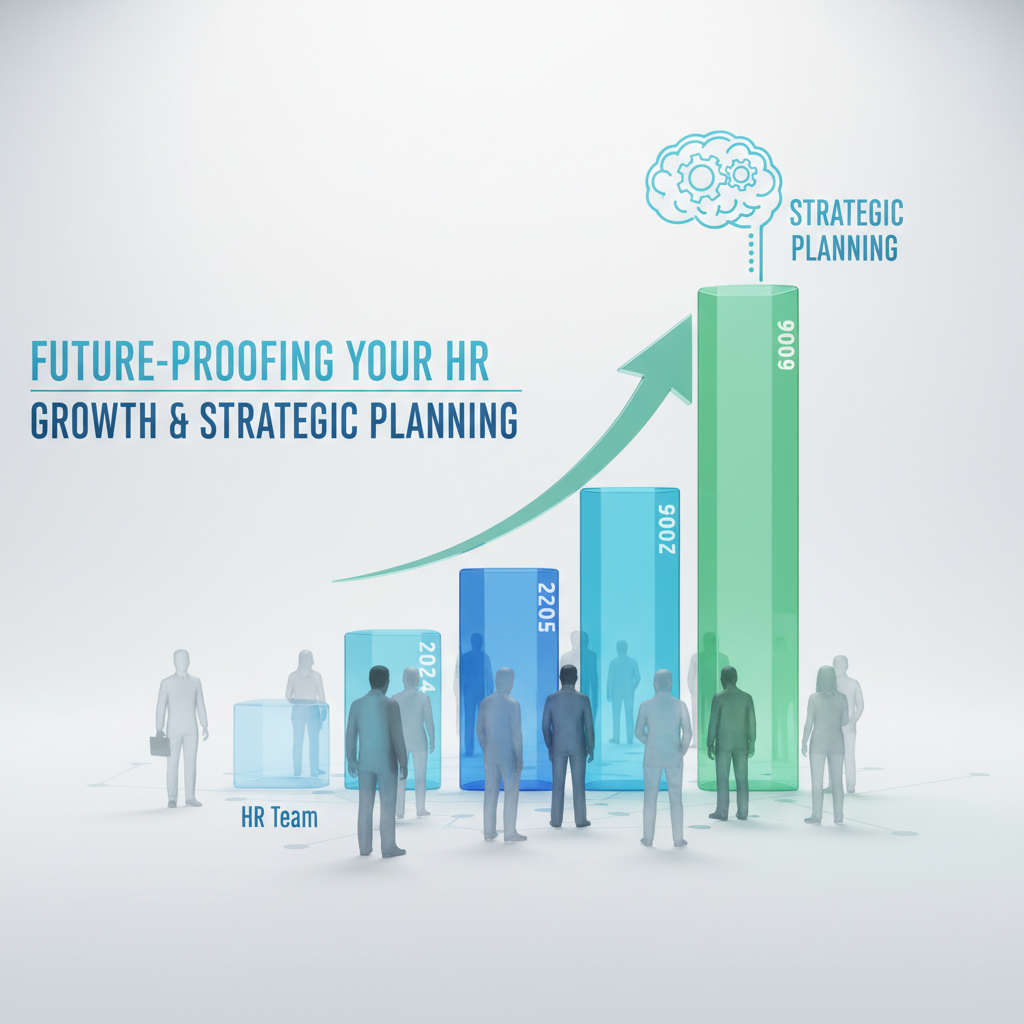
1. Scaling HR Operations with Business Growth
As your travel SME expands, your HR operations must evolve beyond basic administrative tasks. Initial growth often means increased hiring, which necessitates robust talent management strategies. This includes streamlined recruitment processes, effective onboarding programs that integrate new hires into your unique organizational culture, and performance management systems that foster continuous feedback and development. Embracing modern HR technology, such as HRIS (Human Resources Information Systems) or ATS (Applicant Tracking Systems), becomes crucial. These tools automate routine tasks, improve data accuracy for HR analytics, and free up your HR team to focus on strategic initiatives rather than manual data entry.
Furthermore, scaling HR means re-evaluating compensation and benefits to ensure they remain competitive within Singapore’s market, attracting and retaining top talent. Employee engagement initiatives move from informal interactions to structured programs designed to boost morale, productivity, and retention. Ensuring compliance with Singapore’s labor laws (e.g., Employment Act, CPF contributions, fair employment practices) becomes more complex with a larger workforce, requiring diligent oversight and potentially external legal expertise. A well-structured HR department, even in an SME, is foundational for managing this complexity and supporting sustained business expansion.
2. Adapting to Industry Trends & Future Workforce Needs
The travel industry is in a perpetual state of flux, driven by digital transformation, sustainability imperatives, and evolving traveler expectations. For your HR strategy to truly future-proof your business, it must actively anticipate and adapt to these shifts. Consider the rise of remote and hybrid work models, the increasing demand for specialist skills (e.g., digital marketing, data analytics, sustainable tourism expertise), and the growing importance of employee well-being. Your HR needs to implement proactive workforce planning, identifying skill gaps and developing robust skill development programs. This involves upskilling existing staff in new technologies or customer service approaches and reskilling them for emerging roles within the travel ecosystem.
Moreover, fostering a culture of continuous learning is vital. This prepares your workforce for changes like AI integration in travel planning or the shift towards personalized experiential tourism. HR plays a pivotal role in researching and understanding global and local workforce trends. For instance, reports like the World Economic Forum’s Future of Jobs Report highlight critical skills in demand, offering insights that can inform your talent development strategies. By proactively building capabilities and promoting agility, your HR strategy ensures your SME remains innovative and maintains a strong competitive advantage in Singapore’s competitive travel market.
3. Strategic HR’s Role in Business Expansion
Beyond operational excellence and adaptability, strategic HR acts as a true business partner, directly contributing to your company’s growth and expansion. This involves aligning HR initiatives directly with your strategic goals, whether it’s entering new markets, launching new travel products, or acquiring other businesses. HR’s input is invaluable in due diligence for mergers and acquisitions, assessing cultural fit, and managing post-merger integration. It’s also crucial for developing strong leadership pipelines and robust succession planning, ensuring that as your SME grows, you have the right people in place to lead future initiatives.
Building a resilient and attractive organizational culture is another strategic imperative. A positive culture, championed by HR, attracts and retains talent, enhances employee engagement, and drives productivity. HR leaders should participate in executive-level strategic planning, providing insights on human capital, market trends, and talent availability. By moving from a purely administrative function to a strategic one, HR ensures that your most valuable asset—your people—are optimally leveraged to achieve your business objectives and secure your SME’s future success in Singapore’s vibrant travel industry. Your Step by Step to understand SMEs HR Structure for the fresh the CEO in Travels field in singapore journey starts with this fundamental understanding.
Partner with Shelby Global
You are looking for reliable HR Sevice Suppliers? Contact Shelby Global Now! To connect with verified talents and upgrade your orginization.
—————————————
References
– :
– STB Talent Development Initiatives: https://www.stb.gov.sg/content/stb/en/trade-events-resources/stb-initiatives/tourism-development-fund/talent-development.html
– How to Manage Employee Performance: https://www.shrm.org/resources-and-tools/tools-and-samples/how-to-guides/how-to-manage-employee-performance
– Ministry of Manpower’s (MOM) Key Employment Terms (KETs): https://www.mom.gov.sg/employment-practices/employment-act/key-employment-terms
– World Economic Forum’s Future of Jobs Report: https://www.weforum.org/reports/the-future-of-jobs-report-2023/