Laying the Foundation: Why HR Matters to a Finance CEO
For a fresh CEO in the finance field navigating the dynamic landscape of Vietnamese Small and Medium-sized Enterprises (SMEs), understanding the intricate link between Human Resources (HR) and financial performance is not just beneficial—it’s imperative. Far too often, HR is mistakenly viewed solely as a cost center, a necessary administrative function rather than a strategic partner in driving profitability and sustainable growth. This perspective is a critical oversight, especially in a market like Vietnam where human capital is both a significant investment and a powerful differentiator. To truly understand the Step by Step to understand SMEs HR Structure for the fresh the CEO in finance field in vietnam, a finance-focused leader must first grasp how strategic HR practices directly impact the bottom line, mitigate risks, and foster a competitive edge.

1. Financial Impact of HR: Costs vs. Investments
From a finance CEO’s perspective, every expenditure is scrutinized for its return on investment (ROI). HR functions, traditionally seen as overheads encompassing salaries, benefits, and training, can be reframed as critical investments. Consider recruitment: a poorly executed hiring process leads to high turnover, which carries significant costs in terms of repeated recruitment efforts, lost productivity, and damaged team morale. Conversely, investing in robust talent acquisition strategies, comprehensive onboarding, and continuous professional development for employees in Vietnamese SMEs can drastically reduce churn, enhance employee engagement, and boost overall productivity. Effective HR minimizes legal risks, manages compensation and benefits strategically, and optimizes workforce planning to align with business objectives, thereby directly influencing operational efficiency and controlling costs more effectively. Understanding this shift from ‘cost’ to ‘investment’ is the first crucial step for any finance leader looking to optimize an SME’s HR structure.
2. Talent as Capital: HR’s Role in Value Creation
In today’s knowledge-driven economy, human capital is arguably the most valuable asset any SME possesses, especially in Vietnam’s competitive market. HR’s strategic role extends far beyond administrative tasks; it is about cultivating and harnessing this capital to create tangible value. HR is responsible for developing a strong organizational culture, fostering innovation, and ensuring that employees are engaged, motivated, and equipped with the skills needed to achieve company goals. When employees feel valued and have clear growth paths, they are more likely to contribute higher quality work, innovate solutions, and remain loyal. This directly translates into improved product development, enhanced customer service, and increased sales, all contributing to the company’s revenue streams. Recognizing that people are not just expenses but drivers of growth—true capital—is essential for a finance CEO. As highlighted by leading research, organizational health and talent management are directly linked to superior long-term financial performance and competitive advantage.
3. Regulatory Compliance: Avoiding Penalties in Vietnam
Navigating the complex regulatory environment in Vietnam is a significant challenge for any SME, and HR plays a pivotal role in ensuring compliance. From labor laws regarding contracts, working hours, and social insurance to health and safety regulations, non-compliance can result in hefty fines, legal disputes, and reputational damage—all of which directly impact an SME’s financial health. A proactive HR department stays abreast of the latest changes in Vietnamese labor legislation, implements appropriate policies and procedures, and educates employees and management to ensure adherence. This risk mitigation function is invaluable to a finance CEO, as it prevents unforeseen financial liabilities and legal battles that can drain resources and divert focus from core business activities. By expertly managing compliance, HR protects the company’s assets and ensures operational continuity, safeguarding the financial stability and reputation of the business in Vietnam.
Deciphering the Typical SME HR Structure in Vietnam
As a fresh CEO from a finance background entering the dynamic Vietnamese SME landscape, understanding the intricate web of human resources is paramount. While your financial acumen is invaluable, navigating the people-centric functions can be a steep learning curve. This guide offers a Step by Step to understand SMEs HR Structure for the fresh the CEO in finance field in vietnam, breaking down common HR department setups, from lean teams to those with specialized functions. We’ll explore various models, helping you, the finance CEO, effectively grasp and optimize your internal structures for growth and compliance. This deep dive into Vietnam’s HR ecosystem will equip you with insights into recruitment strategies, payroll management, performance reviews, and the nuances of HR administration, ensuring your SME thrives amidst fierce competition and evolving labor regulations.
1. Lean HR Teams: Roles and Responsibilities
In many Vietnamese Small and Medium-sized Enterprises (SMEs), particularly startups or those in their early growth phases, the HR department often operates as a lean, multi-functional team, sometimes even a single individual. This individual, often titled an HR Manager or HR Generalist, shoulders a broad spectrum of responsibilities. Their day-to-day could involve everything from posting job advertisements and screening resumes (recruitment) to onboarding new hires, managing employee records, administering basic payroll inputs, and handling employee relations issues. They are also typically responsible for ensuring the company’s adherence to Vietnamese labor laws and regulations, a critical and often complex task given the frequent updates and specific cultural contexts. For a finance CEO, understanding this integrated role is crucial. It means recognizing that HR might not have dedicated specialists for areas like compensation & benefits or training & development. Instead, these functions are often managed at a high-level by the HR Generalist or even directly by the CEO or department heads. The key is recognizing the breadth of their remit and providing adequate support and resources, especially concerning compliance and strategic HR initiatives that directly impact financial performance and operational efficiency. The success of such a lean team heavily relies on clear communication channels and robust foundational HR processes.
2. Outsourced HR Functions: When and Why in Vietnam
As Vietnamese SMEs grow, the complexities of HR can quickly overwhelm a lean internal team. This is where outsourcing HR functions becomes a strategic and cost-effective solution. Common outsourced services include payroll processing, ensuring accurate and timely salary disbursements while complying with local tax and social insurance regulations. Recruitment process outsourcing (RPO) is also popular, especially for specialized roles or high-volume hiring, allowing companies to tap into external expertise and broader talent pools without maintaining a large internal recruitment team. Furthermore, compliance and legal advisory services are frequently outsourced to specialized firms, helping SMEs navigate the intricate landscape of Vietnamese labor law updates and minimize legal risks. The ‘why’ behind outsourcing in Vietnam is multi-faceted: it reduces operational costs by eliminating the need for full-time specialists and infrastructure, provides access to specialized expertise that might be unaffordable internally, and allows the core team to focus on strategic business objectives. For a finance CEO, outsourcing can be seen as a variable cost that offers scalability and reduces fixed overheads, optimizing cash flow and allowing for better resource allocation. When considering outsourcing, it’s vital to assess the long-term strategic alignment and the reliability of the external provider, ensuring seamless integration with internal operations and data security.
3. Key HR Processes: Recruitment, Payroll, Performance Management
Regardless of the HR team’s size or whether functions are outsourced, certain core HR processes are indispensable for any Vietnamese SME. Recruitment is the lifeblood, focused on attracting, screening, and hiring the right talent to drive business growth. For a finance CEO, understanding the cost-per-hire, time-to-hire, and the impact of effective recruitment on productivity and retention is critical. This process involves job description development, candidate sourcing (via job portals, social media, referrals), interviewing, and offer management, all while adhering to non-discrimination principles. Payroll management is arguably the most sensitive HR function, directly impacting employee morale and regulatory compliance. It encompasses salary calculation, tax deductions, social insurance contributions, and timely disbursement, requiring meticulous accuracy and up-to-date knowledge of Vietnamese tax laws and social insurance regulations. Errors can lead to significant penalties and employee dissatisfaction. Finally, Performance Management is crucial for fostering a productive workforce. This typically involves setting clear objectives, regular feedback sessions, performance appraisals, and linking performance to compensation and career development. While often viewed as ‘soft HR’, effective performance management directly influences productivity, employee engagement, and ultimately, the company’s bottom line – a direct concern for any finance leader. Implementing transparent and fair systems for these processes is not just about compliance; it’s about building a robust, motivated workforce capable of achieving organizational goals and ensuring financial health.
Key HR Challenges & Opportunities for Vietnamese SMEs
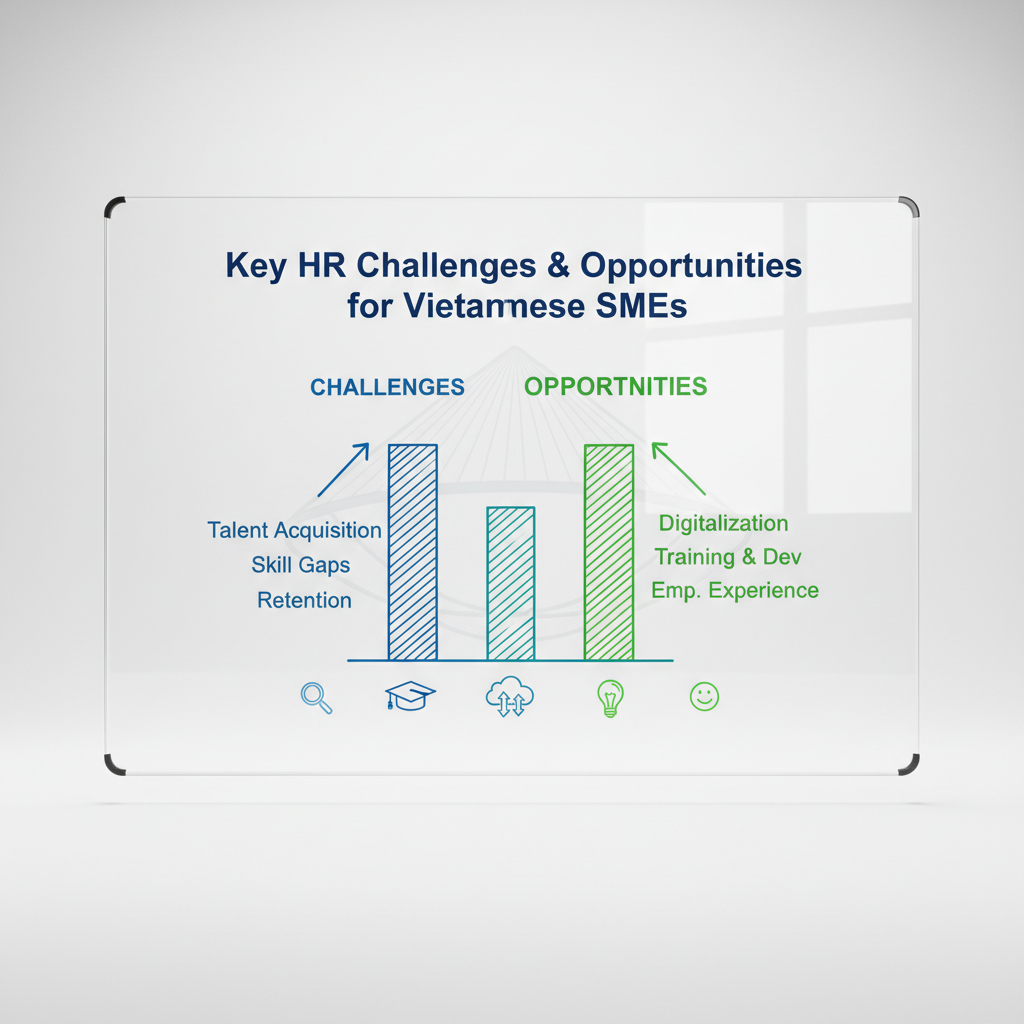
As a fresh CEO in the finance field in Vietnam, understanding the intricate landscape of human resources within Small and Medium-sized Enterprises (SMEs) is paramount for strategic planning and sustained growth. The vibrant Vietnamese economy presents both significant challenges and unique opportunities for SMEs, particularly concerning their most valuable asset: their people. Navigating these dynamics effectively requires a comprehensive HR strategy Vietnam that aligns with business objectives and leverages the local talent pool. This section offers a strategic overview, helping you to build a robust HR structure for SMEs in Vietnam, addressing critical aspects of Step by Step to understand SMEs HR Structure for the fresh the CEO in finance field in vietnam.
-
Talent Acquisition & Retention in a Competitive Market
One of the most pressing challenges for Vietnamese SMEs is talent acquisition in Vietnam. The rapidly expanding economy and the influx of foreign direct investment create an intensely competitive labor market trends Vietnam, especially for skilled professionals. SMEs often struggle to compete with larger corporations on competitive compensation Vietnam and benefits, leading to difficulties in attracting top talent. Beyond initial recruitment, employee retention strategies are critical. High turnover rates can severely impact productivity and incurred costs. SMEs must develop creative workforce development Vietnam programs, fostering a strong company culture, providing clear career progression paths, and offering non-monetary benefits like flexible working arrangements or enhanced learning opportunities. Investing in upskilling workforce initiatives not only enhances employee capabilities but also signals a commitment to their growth, thereby improving employee engagement SMEs. A well-defined talent management Vietnam framework, even in a lean HR setup, is essential for identifying, nurturing, and retaining valuable employees. Building a reputation as a great place to work, focusing on leadership development, and fostering a collaborative environment can be strategic differentiators against intense recruitment challenges Vietnam.
-
Adapting to Evolving Labor Laws & Regulations
Staying compliant with Vietnam’s dynamic HR compliance Vietnam and labor laws is another significant hurdle for SMEs. The legal framework, including the Labor Code and various decrees, is frequently updated to reflect economic changes and international labor standards. For a finance CEO, understanding these regulations is crucial to mitigate legal risks, avoid penalties, and ensure fair treatment of employees. Issues such as minimum wage, social insurance contributions, employment contracts, working hours, and termination procedures require careful attention. Non-compliance can result in substantial financial liabilities and reputational damage. SMEs often lack dedicated legal or HR departments to monitor these changes proactively. This necessitates a proactive approach to HR strategy Vietnam, potentially involving external legal counsel or HR consultants to stay abreast of the latest requirements. Implementing robust internal policies and training for HR personnel (even if it’s a multi-tasking manager) on these legal nuances is vital. This ensures a transparent and ethical working environment, which in turn fosters trust and stability among the organizational structure SMEs. Proactive adaptation to these changes represents an opportunity to demonstrate corporate responsibility and build a sustainable business model for SME human resources.
-
Leveraging Technology for HR Efficiency
In the modern business landscape, technology offers a powerful solution for improving HR efficiency within SMEs. Many Vietnamese SMEs still rely on manual processes for HR functions, leading to inefficiencies, errors, and a significant drain on resources. Adopting HR tech solutions can revolutionize how SMEs manage their human capital. Cloud-based HR Information Systems (HRIS) can automate tasks such as payroll processing, attendance tracking, leave management, and performance evaluations. This not only reduces administrative burdens but also provides valuable data insights for strategic decision-making. For a finance CEO, understanding the ROI of such investments is key. While the initial outlay might seem substantial, the long-term benefits in terms of reduced operational costs, improved accuracy, and enhanced employee experience are considerable. Technologies like applicant tracking systems (ATS) can streamline the recruitment challenges Vietnam by automating candidate screening and communication. Furthermore, e-learning platforms can facilitate cost-effective HR innovation and continuous professional development for employees. Embracing digital tools allows SMEs to operate with greater agility, focus on strategic HR initiatives, and ultimately enhance their competitiveness in the market. Exploring solutions that offer scalability and integrate with existing systems can provide a significant strategic advantage in managing SME human resources effectively.
For a deeper dive into establishing a sound HR framework, you might find valuable insights in a detailed guide on “Step by Step to understand SMEs HR Structure for the fresh the CEO in finance field in vietnam“. Moreover, staying informed about the broader economic context and competitive compensation Vietnam trends is crucial. According to a report by the World Bank on Vietnam’s labor market, the country’s labor market continues to grow and adapt, necessitating strategic HR management from businesses of all sizes. By strategically addressing these challenges and seizing these opportunities, Vietnamese SMEs can build resilient, high-performing workforces that drive sustainable success.
Financial Metrics HR Leaders Should Know (for Finance CEOs)
For a CEO from a finance background, especially one navigating the dynamic business landscape of Vietnam’s Small and Medium-sized Enterprises (SMEs), understanding the direct financial impact of human resources is paramount. HR is no longer merely an administrative function; it’s a strategic partner that significantly influences the company’s bottom line and overall financial health. This section focuses on key financial metrics and Human Resources Key Performance Indicators (HR KPIs) that bridge the gap between HR activities and core financial performance, enabling data-driven decisions that drive profitability and sustainable growth. For a fresh CEO in finance, gaining a clear perspective on these elements is a critical Step by Step to understand SMEs HR Structure for the fresh the CEO in finance field in vietnam, ensuring that human capital investments yield measurable financial returns.
By monitoring these metrics, finance leaders can gain insights into workforce planning, talent acquisition effectiveness, retention strategies, and overall employee productivity. These insights are crucial for optimizing operational costs, enhancing profitability, and making informed decisions about human capital investments. Understanding these metrics enables strategic HR initiatives to align seamlessly with financial performance goals, fostering a more robust and financially intelligent organization.
1. Cost Per Hire & Employee Turnover Rate Analysis
Cost Per Hire (CPH) is a critical metric for evaluating the efficiency of your talent acquisition process. It encompasses all expenses associated with recruiting a new employee, including advertising, background checks, recruiter salaries, onboarding costs, and administrative fees, divided by the number of hires. A high CPH can erode profitability, especially in an SME where every dong counts. HR leaders must continuously strive to optimize this cost without compromising talent quality. By analyzing CPH, finance CEOs can identify areas for improvement in recruitment strategies, negotiate better terms with recruitment agencies, or invest in more efficient HR technology.
Equally vital is the Employee Turnover Rate, which measures the percentage of employees who leave the company over a specific period. High turnover is a significant financial drain, directly impacting recruitment costs, training expenses for new hires, lost productivity during vacancies, and potential damage to team morale. The cost of replacing an employee can range from 0.5 to 2 times their annual salary, depending on the role’s seniority and specialization. For instance, a report by the Society for Human Resource Management (SHRM) highlights how these costs accumulate, affecting overall financial performance. Analyzing turnover rates by department, role, or manager can reveal underlying issues such as poor management, inadequate compensation, or lack of career development opportunities. Identifying and addressing these root causes through targeted retention strategies can lead to substantial cost savings and improved employee engagement, directly benefiting the company’s financial health and long-term stability.
2. ROI of Training & Development Programs
Investing in employee training and development is often seen as a significant expenditure, but its return on investment (ROI) can be substantial. The ROI of Training measures the financial benefits gained from training programs relative to their cost. This can be calculated by comparing improvements in employee productivity, reduction in errors, increase in sales, or enhanced customer satisfaction against the total investment in training, including program fees, instructor costs, and employees’ time away from work. For a finance CEO, understanding this ROI is crucial for justifying budget allocations and ensuring that skill development initiatives are not merely an expense but a strategic investment in human capital.
Effective training programs lead to a more skilled, efficient, and motivated workforce, directly impacting operational efficiency and financial outcomes. For example, technical training can reduce equipment downtime, leadership development can improve team performance, and compliance training can mitigate legal and financial risks. By tracking key performance indicators such as post-training performance metrics, employee satisfaction with training, and long-term career progression, HR leaders can demonstrate the tangible value of these programs. Presenting the financial gains derived from enhanced employee capabilities and reduced operational inefficiencies allows finance CEOs to see how HR initiatives contribute directly to revenue growth and cost savings, optimizing resource allocation for strategic growth.
3. Compensation & Benefits Benchmarking
Compensation and Benefits Benchmarking is the process of comparing your company’s pay structures and benefits packages against industry standards and competitors. This is a critical financial metric because an uncompetitive compensation strategy can lead to high turnover (increasing CPH and lost productivity), difficulty attracting top talent, and diminished employee motivation. Conversely, overpaying can unnecessarily inflate operational costs, impacting profitability and cash flow. HR leaders must conduct regular benchmarking exercises to ensure that salary scales, bonuses, healthcare, and other benefits are competitive yet cost-effective.
For finance CEOs, this metric provides crucial insights into workforce costs and market competitiveness. It informs strategic decisions regarding budget allocation for salaries and benefits, ensuring that human capital costs are optimized. A well-benchmarked compensation strategy helps in attracting and retaining high-performing employees, which is vital for maintaining a competitive edge in any market, particularly in Vietnam’s evolving labor market. It also helps manage employee expectations and fosters a sense of fairness, contributing to overall employee engagement and productivity. By strategically managing compensation and benefits, HR directly influences the company’s ability to acquire and retain the talent necessary to achieve its financial objectives, balancing the need for cost control with the imperative of attracting and retaining skilled professionals to drive sustained financial success.
Strategic Collaboration: Bridging Finance and HR
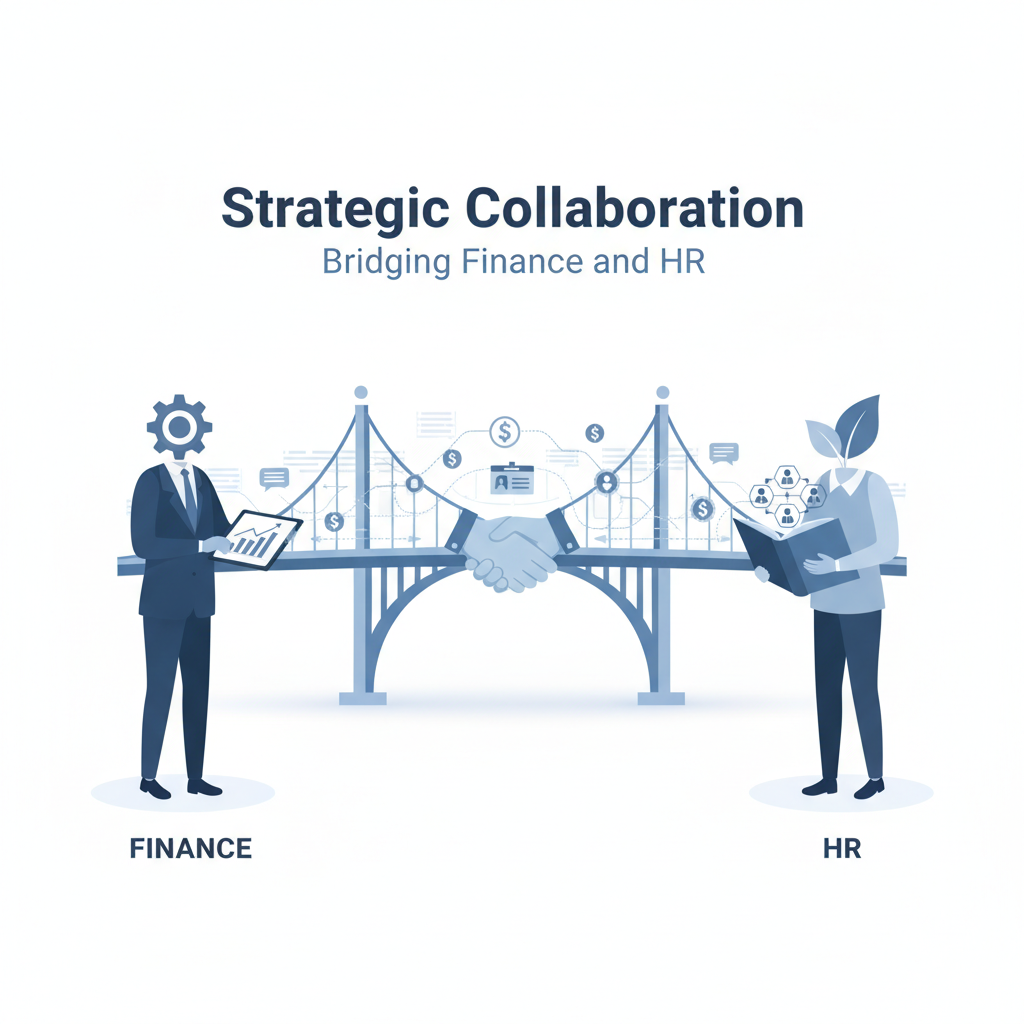
A fresh CEO in the finance field taking the helm, especially in Vietnam’s dynamic SME landscape, faces a unique challenge and opportunity: mastering the intricate relationship between finance and human resources. Beyond mere cost control, a truly effective finance leader understands that HR is a strategic partner, not just a department. Building a strong, collaborative relationship with the HR department is paramount for enhanced organizational success and efficiency. This section provides actionable steps for a finance CEO to foster this crucial synergy, offering a Step by Step to understand SMEs HR Structure for the fresh the CEO in finance field in vietnam, ensuring talent investment aligns with financial goals.
1.
Data-Driven Decision Making: HR & Finance Synergy
For a finance CEO, understanding the quantitative impact of human capital is no longer optional. HR departments, particularly in progressive Vietnamese SMEs, are increasingly leveraging data analytics to track key metrics such as employee turnover costs, recruitment efficiency, training ROI, and productivity per employee. A collaborative approach means finance leadership actively engages with HR to interpret these insights. For instance, finance can help HR translate employee retention rates into tangible savings, or recruitment lead times into opportunity costs. By linking HR metrics to financial outcomes, decisions around talent acquisition, compensation, and development become strategic investments rather than perceived expenditures. A deeper dive into the return on investment of human capital reinforces this imperative, fostering a culture where data informs every strategic move.
2.
Budgeting for HR Initiatives: A Joint Effort
Historically, HR budgeting might have been a contentious area, with finance often viewing HR requests as overheads. A truly collaborative model shifts this paradigm entirely. The finance CEO should initiate joint budget planning sessions where HR outlines its strategic objectives—be it expanding into new markets requiring specific talent, implementing new training programs to boost productivity, or enhancing employee well-being initiatives to reduce absenteeism. Finance, in turn, provides critical insights into financial constraints, projected revenue, and capital allocation priorities. This process isn’t about cutting costs arbitrarily; it’s about optimizing investment. By working together, both departments can prioritize initiatives that offer the highest return on investment, ensuring that essential HR programs are adequately funded and aligned with overall business strategy. This joint effort also builds transparency and mutual trust, allowing HR to understand financial realities and finance to appreciate the strategic value of human capital investments.
3.
Future-Proofing Talent: Strategic Workforce Planning
In Vietnam’s evolving economic landscape, successful SMEs require a workforce that is not only competent today but also prepared for tomorrow’s challenges. Strategic workforce planning is where HR and finance truly converge to secure long-term organizational viability. The finance CEO, armed with market forecasts and financial projections, can work with HR to identify future talent needs, skill gaps, and potential recruitment challenges. This collaborative foresight enables proactive measures, such as investing in upskilling current employees, developing robust succession plans for critical roles, or strategizing for talent acquisition in niche areas. For example, if finance forecasts significant growth in a new market segment, HR can immediately begin talent mapping and development programs. Conversely, HR insights into employee engagement and retention risks can inform financial decisions related to compensation structures or benefits packages. This joint approach ensures that human capital investments are not merely reactive but are strategically aligned to future business growth and sustained competitive advantage, effectively future-proofing the organization’s most valuable asset: its people.
Partner with Shelby Global
You are looking for reliable HR Sevice Suppliers? Contact Shelby Global Now! To connect with verified talents and upgrade your orginization.
—————————————
References
– McKinsey & Company: The organization for the future: https://www.mckinsey.com/capabilities/people-and-organizational-performance/our-insights/the-organization-for-the-future
– Vietnam Labour and Employment Law Update: https://www.dlapiper.com/en/vietnam/insights/publications/2023/10/vietnam-labour-and-employment-law-update-q4-2023
– World Bank on Vietnam’s labor market: https://www.worldbank.org/en/country/vietnam/publication/vietnam-economic-update-reports
– SHRM: The True Cost of Employee Turnover: https://www.shrm.org/resources-and-tools/hr-topics/talent-acquisition/retention/Pages/cost-of-turnover.aspx
– How HR Can Add Value Beyond the HR Department: https://hbr.org/2015/07/how-hr-can-add-value-beyond-the-hr-department