Navigating HR Challenges in Singapore’s Beauty Sector
Singapore’s vibrant beauty sector, encompassing spas, salons, aesthetic clinics, and wellness centers, faces a unique set of human resource complexities. While the industry thrives on innovation and client satisfaction, businesses often grapple with significant challenges ranging from talent acquisition and retention to ensuring stringent compliance with local labor regulations. Effectively addressing these issues is crucial for sustainable growth and maintaining service excellence. This section delves into the specific HR hurdles that beauty establishments encounter, highlighting how strategic HR management, supported by effective HR tools – applications for beauty field in singapore, can pave the way for success.

1. High Staff Turnover Rates in Beauty Establishments
One of the most persistent and costly HR challenges in Singapore’s beauty industry is the high staff turnover rate. Beauty professionals, including therapists, aestheticians, and stylists, often face demanding work environments, long hours, and direct client interactions that can lead to burnout. Factors contributing to this phenomenon include perceived lack of career progression, limited work-life balance, and competitive poaching by other establishments. High turnover not only disrupts service continuity and client relationships but also incurs substantial costs associated with recruitment, training new staff, and potential loss of intellectual property or client base. To mitigate this, businesses must focus on fostering a supportive work culture, offering competitive remuneration packages, and implementing robust employee engagement programs. Investing in professional development and clear career pathways can significantly enhance job satisfaction and loyalty, turning a revolving door into a stable workforce.
2. Recruiting & Retaining Skilled Beauty Professionals
Beyond simply retaining staff, the initial hurdle of attracting skilled beauty professionals remains formidable. Singapore’s highly competitive beauty landscape demands a workforce with not only technical expertise but also excellent interpersonal skills, a client-centric approach, and often, specific certifications. The scarcity of local talent in specialized areas often necessitates the recruitment of foreign professionals, adding layers of complexity related to work passes and cultural integration. Retention strategies must extend beyond just good pay; they need to encompass continuous skill upgrading, mentorship programs, and creating an environment where employees feel valued and empowered. Recognising and rewarding exceptional performance through bonuses, incentives, and public acknowledgement can significantly boost morale and commitment. Furthermore, providing access to advanced training and technology ensures that professionals stay at the forefront of industry trends, making their roles more engaging and future-proof.
3. Understanding Singapore’s Dynamic Employment Regulations
Operating a beauty business in Singapore requires an acute understanding of the nation’s comprehensive and ever-evolving employment regulations. The Ministry of Manpower (MOM) enforces strict guidelines covering areas such as the Employment Act, Central Provident Fund (CPF) contributions, foreign worker quotas, fair employment practices, and workplace safety and health. Non-compliance can lead to hefty fines, legal disputes, damage to reputation, and even business closure. Key areas of focus for beauty businesses include accurately processing payroll, ensuring proper work pass documentation for foreign employees, adhering to leave entitlements (annual leave, sick leave, maternity leave), and implementing robust grievance handling procedures. Staying updated with policy changes, such as adjustments to minimum qualifying salaries for Employment Passes or new guidelines on flexible work arrangements, is paramount. Businesses are strongly advised to regularly consult authoritative sources like the Singapore Ministry of Manpower’s Employment Act guidelines to ensure their HR practices are fully compliant and ethically sound. Leveraging HR software solutions can greatly assist in automating compliance checks and maintaining accurate employee records, reducing the administrative burden and risk of oversight.
Successfully navigating these HR challenges is not just about compliance; it’s about building a resilient, skilled, and motivated workforce that forms the backbone of a thriving beauty business in Singapore. By strategically addressing turnover, investing in talent, and rigorously adhering to regulations, beauty establishments can secure their operational stability and competitive edge in a dynamic market.
Essential HR Tools for Talent Acquisition & Onboarding
In the vibrant and competitive beauty industry of Singapore, attracting and retaining top talent is paramount for the success of any salon or spa. From expert estheticians to skilled massage therapists, finding individuals who possess both the required expertise and a client-centric approach can be challenging. This is where modern HR tools applications for the beauty field in Singapore become indispensable. These specialized applications streamline the entire employee lifecycle, from initial recruitment to seamless integration, ensuring beauty businesses can efficiently find, attract, and seamlessly integrate new employees into their teams. By leveraging the right technology, salons and spas can enhance their operational efficiency, reduce turnover rates, and ultimately deliver superior service to their clientele.
1. Applicant Tracking Systems (ATS) Tailored for Beauty Roles
The journey to acquiring exceptional talent begins with an efficient recruitment process. Applicant Tracking Systems (ATS) are designed to automate and manage the entire hiring workflow, making them a crucial component of modern HR infrastructure. For beauty salons and spas, an ATS can be specifically configured to handle the unique requirements of beauty roles. Imagine a system that can quickly filter candidates based on certifications in aesthetics, specific massage modalities, or experience with particular product lines. These systems go beyond basic keyword matching, allowing recruiters to pinpoint candidates with the exact skill sets needed for a high-end spa or a specialized nail salon.
An ATS tailored for the beauty industry can manage job postings across multiple platforms, collect and organize resumes, schedule interviews, and facilitate communication with candidates. It centralizes all applicant data, providing a comprehensive overview of each candidate’s journey. This not only saves valuable time for HR managers and salon owners but also ensures a consistent and fair hiring process. Features like automated resume parsing, customizable screening questions focused on beauty-specific skills (e.g., experience with facial treatments, waxing techniques, or spa therapies), and even video interview capabilities, help identify the best fit more quickly and objectively. Leveraging such HR tools significantly enhances the talent acquisition process, ensuring that top beauty professionals are not missed in a sea of applications.
2. Digital Onboarding Platforms for New Beauty Hires
Once a stellar candidate has been selected, the next critical step is ensuring a smooth and effective onboarding process. Digital onboarding platforms transform what used to be a paperwork-heavy and often disjointed experience into an engaging and efficient journey for new beauty hires. For salons and spas, this means new estheticians, therapists, or receptionists can quickly become productive members of the team, understanding the salon’s culture, service standards, and operational procedures from day one.
These platforms digitize all necessary forms, from employment contracts and tax documents to health and safety policies specific to a beauty environment. New hires can complete these documents electronically before their first day, reducing administrative burden and allowing them to focus on training and integration upon arrival. Beyond paperwork, digital onboarding platforms can host interactive training modules on product knowledge, signature service protocols, client communication best practices, and even brand-specific etiquette. They can provide access to employee handbooks, organizational charts, and introductions to team members, fostering a sense of belonging from the outset. A well-executed digital onboarding experience is proven to improve employee retention, crucial in an industry where staff turnover can be costly. It ensures that new beauty professionals feel valued and equipped, ready to contribute their expertise without unnecessary delays.
3. Skill Assessment Tools for Estheticians & Therapists
In the beauty and wellness sector, practical skills are paramount. While resumes and interviews can provide insights into a candidate’s experience, nothing replaces a direct assessment of their abilities. Skill assessment tools tailored for estheticians and therapists are invaluable for verifying competency and ensuring a high standard of service delivery. These tools go beyond traditional interviews by allowing employers to accurately evaluate a candidate’s hands-on proficiency before making a hiring decision.
These assessments can take various forms. Practical tests, often conducted in a simulated salon or spa environment, allow candidates to demonstrate their skills in facials, massages, nail art, waxing, or hair styling techniques. Virtual simulations are emerging, offering interactive scenarios that test decision-making and problem-solving skills in common client situations. Additionally, these tools can facilitate the verification of professional certifications, licenses, and continuous education credits relevant to the beauty industry in Singapore. By incorporating specialized skill assessments, salons and spas can make more informed hiring decisions, minimize the risk of hiring underqualified staff, and ensure that every new team member upholds the high-quality service expected by discerning clientele. This investment in thorough assessment ultimately translates into enhanced client satisfaction and a stronger reputation for the beauty business.
Adopting these advanced HR tools—from sophisticated Applicant Tracking Systems and seamless Digital Onboarding Platforms to precise Skill Assessment Tools—is no longer a luxury but a strategic imperative for beauty salons and spas in Singapore. They empower businesses to navigate the complexities of talent acquisition and retention, ensuring a steady influx of skilled professionals who are well-integrated and ready to contribute. By embracing these HR tools – applications for the beauty field in Singapore, businesses can build stronger teams, foster a positive workplace culture, and ultimately thrive in a competitive market.
Streamlining Operations with HR Management Systems (HRMS)
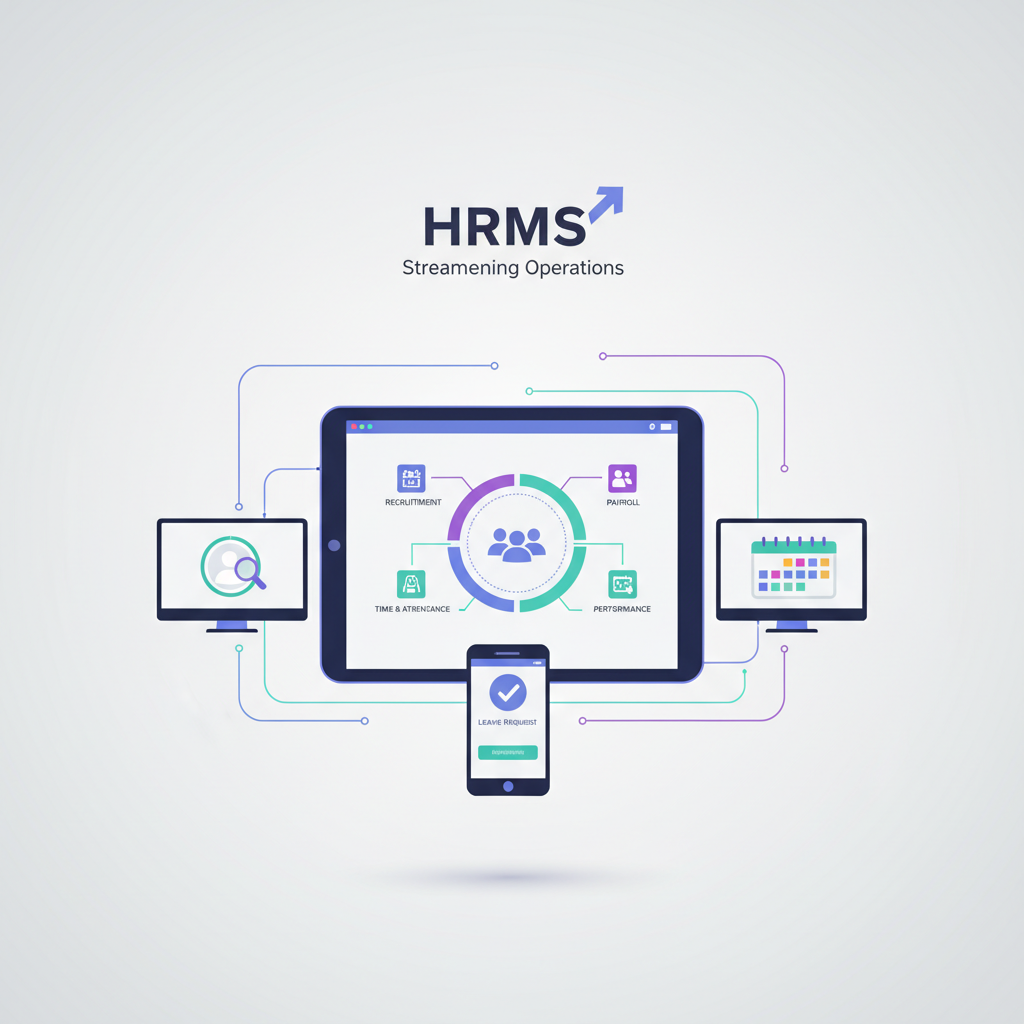
In the dynamic and customer-centric world of beauty businesses in Singapore, operational efficiency is paramount. Managing a team, from stylists and therapists to administrative staff, can be complex, often diverting valuable time and resources away from core services. This is where integrated HR Management Systems (HRMS) become indispensable. Discover how these powerful HR tools – applications for beauty field in Singapore – can centralize core HR functions, significantly improving operational efficiency, enhancing data management, and ensuring compliance for beauty businesses of all sizes, from boutique salons to multi-branch spa chains.
1. Employee Data Management & Self-Service Portals
At the heart of any efficient HR operation is robust employee data management. Traditional methods involving paper files or disparate spreadsheets are prone to errors, data silos, and time-consuming manual updates. An HRMS consolidates all employee information – personal details, job roles, contracts, training records, performance reviews, and compensation history – into a single, secure, and easily accessible database. For beauty businesses, this means quick access to a therapist’s certification for a specific treatment or a stylist’s preferred shift patterns.
Crucially, modern HRMS platforms include employee self-service portals. These empower staff to view and update their personal information, check their leave balances, access payslips, and even apply for leave directly through the system. This not only reduces the administrative burden on HR staff and managers, allowing them to focus on strategic initiatives rather than routine inquiries, but also fosters greater transparency and employee engagement. Staff feel more in control and informed, leading to a more satisfied and productive workforce in your beauty salon or spa.
2. Automated Leave and Attendance Tracking
Managing the varied schedules, part-time staff, and high client demands common in the beauty sector can make leave and attendance tracking a major headache. An HRMS automates this entire process, eliminating manual spreadsheets and paper-based forms. Employees can submit leave requests through their self-service portal, which are then routed to the appropriate manager for approval. The system automatically updates leave balances, flagging any potential conflicts or policy breaches.
Beyond leave, HRMS solutions often integrate with time-tracking devices or offer mobile check-in functionalities, accurately recording employee attendance, clock-in/out times, and overtime hours. This is especially beneficial for beauty businesses with shift-based work, ensuring accurate working hours for payroll and better resource planning. Automated tracking minimizes disputes, ensures fairness across the team, and provides clear data for performance analysis and compliance with Singapore’s employment laws.
3. Payroll Processing & Compliance in Singapore
Payroll is a critical HR function that demands precision and strict adherence to regulations. For beauty businesses operating in Singapore, navigating the complexities of CPF contributions, income tax, and various statutory requirements can be daunting. An HRMS simplifies payroll processing by integrating all relevant data – attendance, leave, bonuses, commissions, and deductions – to calculate salaries accurately and on time.
Many HRMS solutions are designed with built-in compliance features, helping businesses stay abreast of the latest labor laws and statutory obligations in Singapore. This minimizes the risk of penalties due to non-compliance. For instance, an HRMS can automatically calculate and deduct Central Provident Fund (CPF) contributions, manage foreign worker levies, and generate necessary reports for government agencies. This not only saves significant time and reduces the likelihood of costly errors but also provides peace of mind, allowing beauty business owners to focus on their clients and growth. To explore more about how specific HR tools – applications for beauty field in Singapore can transform your operations, consider a comprehensive system tailored to your unique needs.
Boosting Employee Engagement & Performance in Beauty
The dynamic and client-centric beauty industry, from bustling salons to serene spas, thrives on exceptional service and skilled professionals. However, its demanding nature often presents unique challenges in retaining top talent and fostering a motivated workforce. To navigate this, businesses in Singapore are increasingly turning to advanced tailored HR tools for beauty businesses in Singapore. These applications are meticulously designed to enhance staff satisfaction, drive performance, and support professional development, ensuring that beauty professionals not only meet but exceed client expectations while also feeling valued and engaged.
Investing in the right HR tools transforms operational efficiency and cultivates a positive work environment. By streamlining administrative tasks and providing clear pathways for growth, these technologies enable beauty businesses to focus on what truly matters: empowering their teams. From managing intricate schedules to facilitating continuous learning and fostering open communication, these solutions are indispensable for any beauty enterprise aiming for sustainable success and a thriving, high-performing team.
1. Performance Management Software for Beauty Professionals
Effective performance management is critical in an industry where individual skills and client satisfaction directly impact revenue. Specialized performance management software, designed as HR tools for the beauty field in Singapore, provides a structured framework for setting clear objectives, tracking progress, and delivering constructive feedback. For beauty professionals, this means setting tangible goals for client retention, sales targets for specific products or services, and skill mastery milestones (e.g., mastering a new treatment technique or hair styling trend). These platforms allow managers to monitor key performance indicators (KPIs) such unique KPIs for the beauty industry such as average service value, client rebooking rates, and customer feedback scores, all in real-time.
Beyond tracking, the software facilitates regular check-ins and formal reviews, ensuring that feedback is timely, objective, and actionable. This systematic approach helps identify training needs, celebrates achievements, and addresses areas for improvement proactively. By linking individual performance to broader business goals, these HR tools foster a sense of accountability and motivate beauty professionals to continuously refine their craft and enhance their client interactions, ultimately driving higher revenue and customer loyalty across beauty establishments in Singapore.
2. Learning Management Systems (LMS) for Skill Upgrades
The beauty industry is in a constant state of evolution, with new techniques, products, and technologies emerging regularly. To stay competitive, beauty professionals must engage in continuous learning and skill upgrades. Learning Management Systems (LMS) serve as vital HR tools, providing accessible and structured platforms for ongoing professional development. An LMS can host a diverse library of training modules, from advanced facial techniques and cutting-edge hair coloring methods to customer service excellence and product knowledge specific to brands used in Singaporean salons and spas.
These systems enable beauty businesses to standardize training across all employees, ensuring consistent service quality. Staff can access courses at their convenience, track their progress, and complete certifications, demonstrating their enhanced capabilities. For HR managers, an LMS simplifies compliance training, helps identify skill gaps within the team, and provides data on learning engagement. By investing in an LMS, beauty businesses empower their employees with the knowledge and skills needed to excel, fostering career growth and ensuring a highly competent and adaptable workforce capable of delivering premium services.
3. Employee Feedback & Engagement Platforms
A truly engaged workforce is the backbone of any successful beauty business. Employee feedback and engagement platforms are indispensable HR tools for creating a culture of open communication and mutual respect. These platforms offer various functionalities, including anonymous surveys, pulse checks, suggestion boxes, and peer recognition programs. They provide a safe space for beauty professionals to voice their opinions on workplace conditions, management styles, and client interactions without fear of reprisal. This invaluable feedback allows management to identify pain points, celebrate successes, and implement changes that genuinely resonate with their team.
Furthermore, these platforms can facilitate structured recognition programs, allowing managers and colleagues to acknowledge outstanding performance and positive contributions. Research consistently shows that engaged employees have a significant impact on business outcomes, including higher productivity, lower turnover, and improved client satisfaction. By actively listening and responding to employee feedback, beauty businesses can cultivate a supportive and engaging environment that reduces attrition and attracts top talent, solidifying their position in Singapore’s competitive beauty market.
Future-Proofing with Specialized HR Tech for Beauty in 2026
As Singapore’s dynamic beauty industry continues its rapid evolution, staying competitive requires more than just innovative treatments and exceptional customer service. In 2026, the strategic adoption of specialized HR technology will be paramount for businesses aiming to attract, retain, and optimize their talent pool. This forward-looking approach to HR tools is not merely about digitizing old processes; it’s about embedding intelligence and agility into every facet of human resources, specifically tailored for the unique demands of beauty professionals – from salon therapists and aestheticians to clinic managers and spa attendants. By embracing cutting-edge HR applications, Singaporean beauty businesses can future-proof their operations, enhance employee experiences, and drive sustainable growth in a highly competitive market.
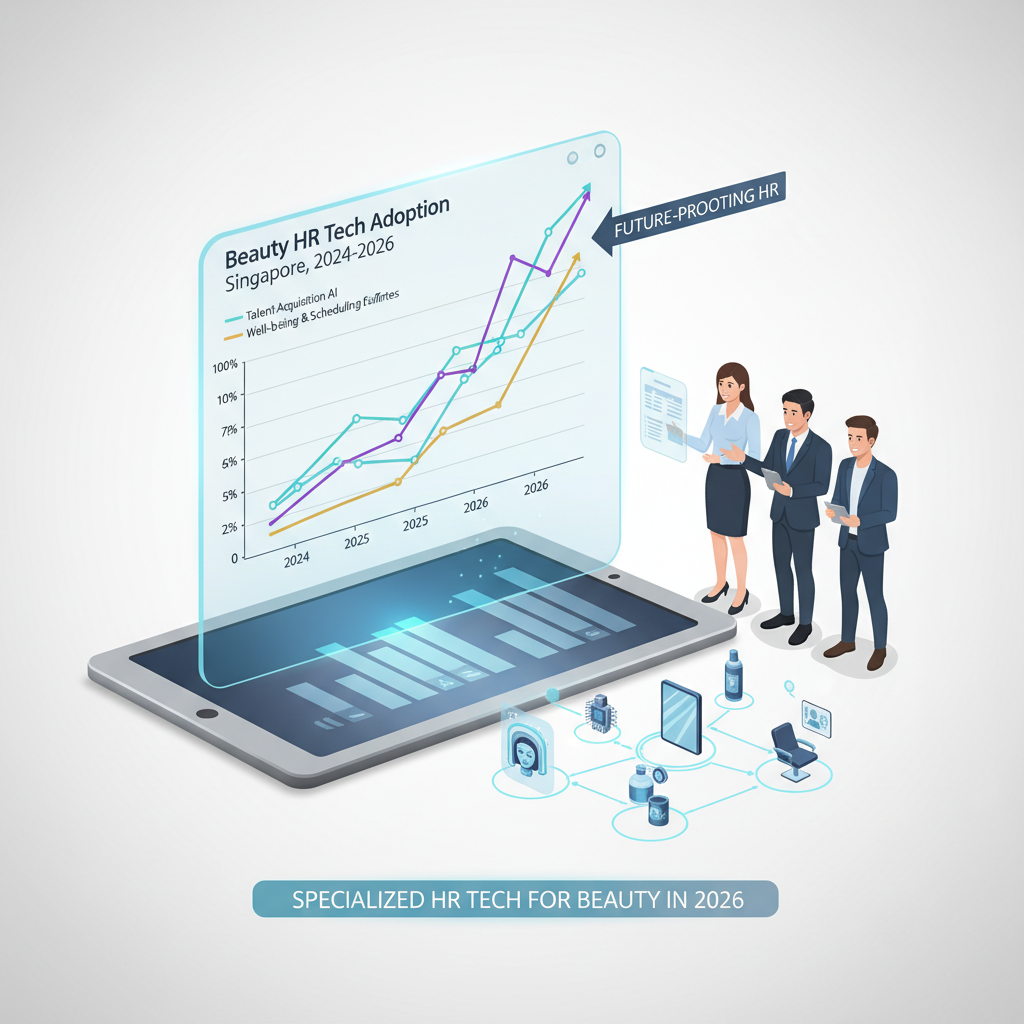
The next few years will see a significant shift in how HR functions within the beauty sector, moving towards more intelligent, mobile, and data-driven systems. These advancements will empower businesses to optimize workforce deployment, streamline communication, and make informed decisions, ensuring their teams are as polished and efficient as the services they provide. Let’s delve into the key HR innovations poised to transform the beauty field in Singapore by 2026.
1. AI-Powered Scheduling & Workforce Optimization
For beauty businesses with fluctuating demand, diverse service offerings, and staff with varying specializations, manual scheduling can be a significant time sink and a source of inefficiency. By 2026, AI-powered scheduling and workforce optimization tools will revolutionize this complex task. These advanced HR applications will leverage machine learning algorithms to analyze historical data on customer bookings, peak hours, staff availability, skill sets, and even individual therapist preferences. The result is an optimized schedule that minimizes downtime, prevents overbooking, ensures the right specialist is available for specific treatments, and helps achieve fair distribution of workload.
For the beauty field in Singapore, this means reduced administrative burden, higher client satisfaction due to better service availability, and improved employee morale through transparent and balanced rosters. AI can also predict staffing needs for special promotions or seasonal rushes, enabling proactive adjustments. This level of workforce optimization ensures that every team member is utilized effectively, contributing directly to the bottom line while enhancing the overall employee experience.
2. Mobile HR Apps for On-the-Go Beauty Teams
The nature of work in the beauty industry often involves professionals who are constantly on their feet, moving between treatment rooms, client consultations, and even different salon branches. Traditional desktop-based HR systems are simply not practical for such on-the-go beauty teams. Enter mobile HR apps, which by 2026 will become indispensable HR tools – applications for beauty field in singapore. These intuitive apps will provide beauty professionals with immediate access to essential HR functions directly from their smartphones or tablets.
Imagine a therapist instantly checking their schedule, submitting a leave request, reviewing their payslip, accessing training modules, or communicating with colleagues and management, all within a few taps. For beauty business owners and managers, these apps facilitate easy approval of requests, real-time tracking of attendance, and seamless dissemination of important announcements. This mobility drastically improves efficiency, enhances employee engagement by giving them control over their HR needs, and ensures that critical information is always accessible, fostering a more connected and productive workforce across the beauty sector.
3. Data Analytics for Strategic HR Decision-Making
Beyond automating tasks, the next generation of HR tech will empower beauty businesses with deep insights through advanced data analytics. In 2026, HR platforms will move beyond basic reporting to offer predictive and prescriptive analytics, transforming HR from an administrative function into a strategic partner. These sophisticated HR tools will aggregate data from various sources – performance reviews, training completion rates, employee turnover, engagement surveys, and even client feedback – to identify patterns and predict future trends.
For the beauty field in Singapore, this means businesses can strategically analyze why top performers stay or leave, identify effective training programs, forecast skill gaps, and even personalize employee benefits to maximize retention. By understanding key metrics such as employee lifetime value, the impact of wellbeing initiatives, or the ROI of specific recruitment channels, leaders can make data-backed decisions that drive growth and optimize their human capital. According to insights on the future of HR tech trends, leveraging such analytics will be crucial for maintaining a competitive edge and fostering a highly engaged workforce. This strategic approach ensures every HR dollar spent yields the maximum return, directly contributing to the long-term success and innovation of beauty businesses.
Partner with Shelby Global
You are looking for reliable HR Sevice Suppliers? Contact Shelby Global Now! To connect with verified talents and upgrade your orginization.
—————————————
References
– Singapore Ministry of Manpower’s Employment Act guidelines: https://www.mom.gov.sg/employment-practices/employment-act
– The Power Of Applicant Tracking Systems In Today’s Hiring Landscape: https://www.forbes.com/sites/forbeshumanresourcescouncil/2023/10/05/the-power-of-applicant-tracking-systems-in-todays-hiring-landscape/
– Central Provident Fund (CPF) contributions: https://www.mom.gov.sg/employment-practices/central-provident-fund
– Gallup: The Secret to Employee Engagement: Boost Business Outcomes: https://www.gallup.com/workplace/236366/boost-employee-engagement-business-outcomes.aspx
– The Future Of HR Tech: Trends To Watch In 2024 And Beyond: https://www.forbes.com/sites/forbeshumanresourcescouncil/2023/12/11/the-future-of-hr-tech-trends-to-watch-in-2024-and-beyond/