Understanding Vietnam’s Medical Sector Salary Landscape
The dynamic economic landscape of Vietnam presents a unique set of challenges and opportunities for leaders in the medical sector, particularly when it comes to compensation strategies. For a CEO tasked with the crucial role of salary budget optimizing manners for the CEO of medicine field in vietnam, a deep understanding of the local market’s intricacies is paramount. This section will delve into the specific economic and regulatory factors that shape medical professional compensation, laying the groundwork for developing effective and sustainable budgeting strategies. From the influence of government policies to the fierce competition for skilled talent, navigating Vietnam’s medical salary environment requires a nuanced approach.

1. Current Market Trends & Salary Benchmarking
Vietnam’s medical sector is characterized by a significant disparity in compensation between public and private healthcare facilities. While public hospitals, often government-funded, typically offer lower base salaries, they may compensate with job security, pension benefits, and opportunities for advanced training. Conversely, private hospitals and international clinics, driven by profit motives and a focus on specialized services, tend to offer more competitive remuneration packages to attract top talent. Demand for highly specialized doctors, particularly in fields like cardiology, oncology, and advanced surgery, far outstrips supply, driving up their market value. Similarly, experienced nurses and allied health professionals in urban centers command higher salaries due to increased patient volumes and a growing middle class seeking quality care.
For a CEO, effective salary benchmarking is not merely about matching competitor offers but understanding the true value proposition. This involves analyzing regional differences – with major cities like Hanoi and Ho Chi Minh City generally offering higher compensation than rural areas – and considering the total rewards package, including bonuses, allowances, and professional development opportunities. Staying abreast of these healthcare compensation Vietnam trends allows for strategic adjustments that can attract and retain staff without overextending the budget.
2. Impact of Government Policies & Healthcare Reforms
Government policies play a pivotal role in shaping the medical sector salary landscape Vietnam. The Ministry of Health frequently introduces reforms aimed at universal health coverage, improving service quality, and regulating healthcare costs. For instance, the expansion of social health insurance coverage (currently covering over 90% of the population) impacts the revenue streams of public hospitals, indirectly influencing their capacity to offer competitive salaries. Price controls on medical services and drugs also limit the financial flexibility of institutions, making it challenging to significantly increase staff wages.
Recent government initiatives, such as encouraging private sector investment in healthcare and promoting public-private partnerships, aim to alleviate the burden on public facilities and enhance service quality. While these reforms can introduce more competition and potentially push up salaries in the private sector, they also necessitate careful strategic planning for public institutions. Understanding the trajectory of these policies and their financial implications is crucial for any CEO seeking to optimize their salary budget while ensuring compliance and contributing to national health goals. The World Bank often publishes reports detailing Vietnam’s economic development and healthcare sector reforms, providing valuable insights for strategic planning. One such report on economic development, including human capital, can be found here: World Bank Vietnam Economic Update.
3. Challenges in Talent Acquisition & Retention
Recruiting and retaining skilled medical professionals in Vietnam presents significant challenges, directly influencing salary demands and budget allocation. The phenomenon of “brain drain,” where highly qualified doctors and specialists seek opportunities abroad in countries with higher salaries and advanced facilities, remains a concern. Domestically, there’s fierce competition for a limited pool of experienced and specialized personnel, particularly in private institutions that can offer more attractive compensation and better working conditions. Furthermore, the rigorous training required for medical professions means a longer lead time to produce new specialists, exacerbating existing shortages.
To counter these challenges, effective talent retention strategies Vietnam healthcare must extend beyond mere monetary compensation. CEOs must consider factors such as continuous professional development, opportunities for specialization, access to advanced medical technology, a positive work environment, and flexible working hours. Investing in training programs, fostering a culture of recognition, and offering clear career progression paths can significantly enhance staff loyalty and reduce turnover, ultimately optimizing the long-term salary budget optimizing manners for the CEO of medicine field in vietnam. Addressing these non-monetary aspects can make a substantial difference in attracting and keeping valuable team members, especially when direct salary increases are constrained.
Conclusion
Navigating Vietnam’s complex medical sector salary landscape requires a strategic, multi-faceted approach. By understanding current market trends, anticipating the impact of government policies, and proactively addressing talent acquisition and retention challenges, medical facility CEOs can implement effective salary budget optimizing manners for the CEO of medicine field in vietnam. This involves a delicate balance of competitive remuneration, strategic non-monetary benefits, and adherence to evolving regulatory frameworks to ensure both financial sustainability and the provision of high-quality healthcare services.
Data-Driven Strategies for Salary Budget Optimization
In the dynamic and competitive medical field of Vietnam, effective human capital management is paramount. For the CEO of a medicine field institution, optimizing the salary budget isn’t just about cost control; it’s a strategic investment in talent, ensuring maximum return on investment (ROI) and fostering a high-performance culture. Leveraging analytics and robust performance metrics provides the foundational insight needed for smarter, more efficient allocation of salary funds. This data-driven approach moves beyond traditional budgeting, transforming compensation into a powerful tool for talent attraction, salary budget optimizing manners for the CEO of medicine field in Vietnam, and long-term organizational growth in the challenging healthcare landscape.
1. Performance-Based Compensation Models
Shifting from traditional fixed salary structures to performance-based compensation models is a critical data-driven strategy. For healthcare institutions in Vietnam, this involves meticulously defining Key Performance Indicators (KPIs) that align with organizational objectives, patient outcomes, and individual roles. These KPIs might include patient satisfaction scores, treatment efficacy rates, research contributions, and operational efficiency. By linking a portion of an employee’s compensation directly to their achieved performance, medical CEOs can significantly enhance motivation, productivity, and accountability. This approach not only rewards high performers but also encourages continuous improvement, playing a vital role in linking pay to performance. It’s especially potent for fostering healthcare talent retention in Vietnam, as top professionals are incentivized to remain and excel within an equitable system. Successful implementation requires transparent communication, fair evaluation, and regular feedback to ensure employee buy-in in the Vietnamese medical context.
2. ROI Analysis of Salary Investments
Every salary paid represents an investment, and its return should be measurable. For the CEO in the medicine field in Vietnam, conducting a thorough ROI analysis of salary investments moves beyond simply comparing salary costs to revenue. It evaluates how compensation packages contribute to strategic outcomes such as improved patient care quality, reduced staff turnover, enhanced research output, and increased operational efficiency. This requires advanced human capital analytics, integrating HR and finance data to reveal patterns. For instance, analyzing a higher salary for a specialized surgeon against their patient success rates or secured research grants offers a clearer picture of their value. Similarly, assessing high employee turnover costs (recruitment, training, lost productivity) against investments in competitive salaries and benefits demonstrates long-term savings. This approach helps identify where budget allocations yield the greatest returns and where adjustments are needed, directly supporting strategic compensation Vietnam medical practices.
3. Predictive Analytics for Workforce Planning
Predictive analytics offers groundbreaking potential for optimizing salary budgets by anticipating workforce needs. For medical CEOs in Vietnam, this involves using historical data, market trends, and internal metrics to forecast staffing requirements, identify skill gaps, and predict turnover risks. By analyzing factors such as patient demographics, disease prevalence, technological advancements, and retirement trends, institutions can proactively plan talent acquisition and development. For example, if predictive models indicate a future shortage of specialists, leaders can allocate budget towards early career development programs or competitive recruitment packages in advance. This foresight prevents costly reactive hiring, reduces reliance on expensive locum staff, and ensures a steady supply of qualified personnel. Predictive analytics also aids in optimizing staffing levels, avoiding overstaffing or understaffing with significant salary budget implications. It’s a proactive approach to performance management healthcare Vietnam, ensuring efficient resource allocation to meet current and future demands while maintaining high standards of care.
Embracing data-driven strategies for salary budget optimization is no longer optional but essential for medical CEOs in Vietnam. By implementing performance-based compensation models, rigorously analyzing the ROI of salary investments, and leveraging predictive analytics for workforce planning, healthcare institutions transform compensation from mere costs into powerful strategic assets. This holistic approach ensures every dong spent on salaries contributes directly to enhancing patient care, attracting and retaining top-tier talent, and achieving sustainable growth in Vietnam’s evolving healthcare sector. It empowers leaders to make informed decisions that not only control expenditures but also cultivate a high-performing, engaged, and future-ready workforce, ultimately securing organizational success and reputation.
Beyond Basic Pay: Comprehensive Compensation Packages
Learn to design attractive compensation structures that include non-monetary benefits and incentives, boosting employee satisfaction and long-term loyalty.
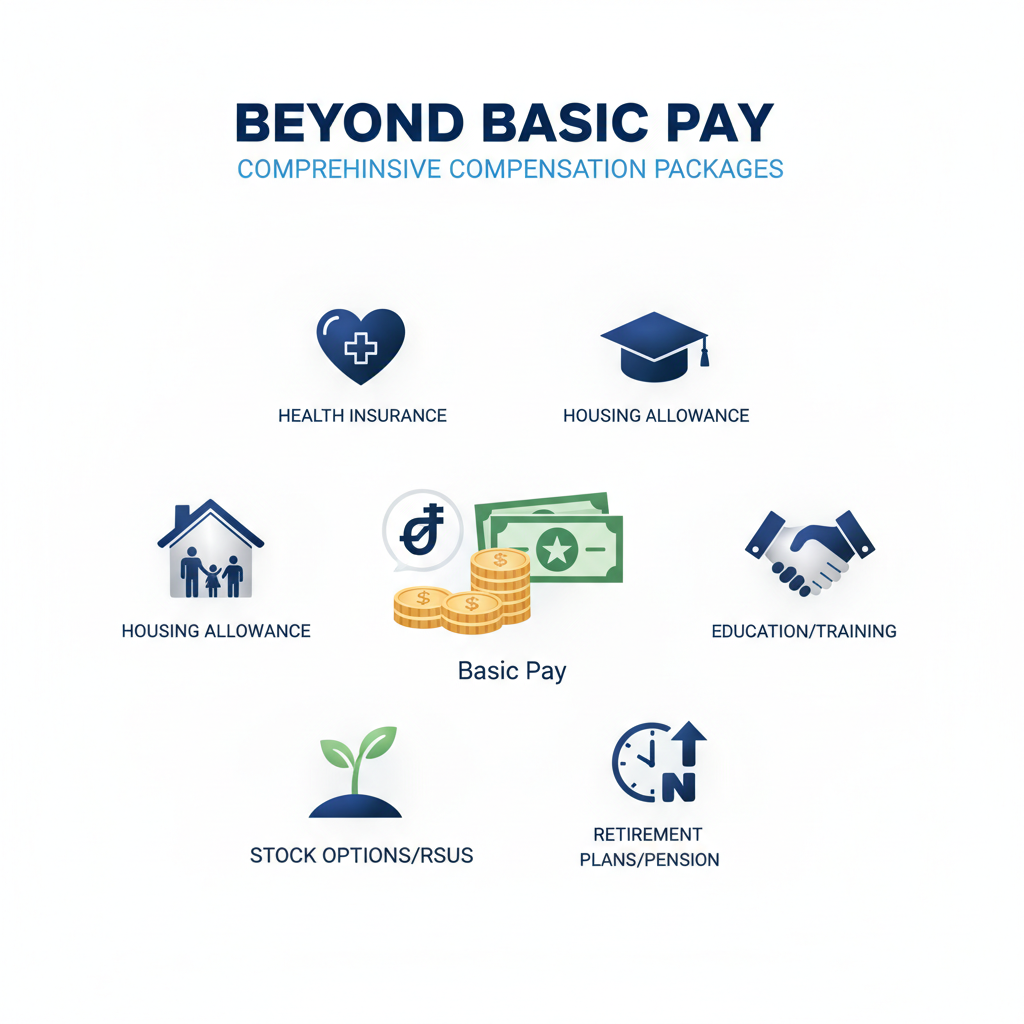
In Vietnam’s rapidly evolving medical landscape, attracting and retaining top-tier talent, particularly for leadership roles, demands a compensation strategy far beyond basic salary. For a CEO in the medicine field, mastering salary budget optimizing manners for the CEO of medicine field in vietnam isn’t just about controlling costs; it’s about crafting a holistic ‘total rewards strategy’ that resonates with high-performing professionals. A truly competitive package considers not only financial remuneration but also a spectrum of non-monetary benefits, incentives, and growth opportunities. This comprehensive approach is vital for enhancing employee retention strategies, fostering loyalty, and ensuring the sustained success of medical enterprises in a dynamic market.
1.
Benefits & Perks: Healthcare, Wellness, and Education
Beyond a competitive base salary, a robust benefits package is a cornerstone of an appealing compensation structure. For medical professionals, comprehensive healthcare coverage for themselves and their families is often paramount. This can include premium health insurance, dental, and vision plans, along with specialized medical benefits relevant to their expertise. Modern global talent and compensation trends also emphasize robust wellness programs. These aren’t just perks; they are strategic investments that contribute to employee well-being, reduce absenteeism, and boost productivity. Offering mental health support, fitness center memberships, stress management workshops, and preventative health screenings demonstrates a commitment to employees’ holistic health, which is crucial for demanding roles in medicine. Furthermore, supporting continuous learning through educational benefits, such as tuition reimbursement for advanced degrees, professional certifications, or specialized medical training, not only enhances an individual’s capabilities but also strengthens the organization’s collective expertise. Such investments are powerful employee retention strategies, showing a commitment to long-term career growth and personal development.
2.
Incentive Programs & Bonus Structures
Strategic incentive programs are critical for aligning employee performance with organizational goals and are central to salary budget optimizing manners for the CEO of medicine field in vietnam. Performance-based bonuses, tied to individual, departmental, or company-wide achievements, motivate staff to exceed expectations. For medical leaders, these might be linked to patient outcomes, operational efficiency improvements, successful project implementations (e.g., new clinic launches, research breakthroughs), or financial targets. Beyond short-term bonuses, long-term incentive plans (LTIPs) like stock options, restricted stock units, or phantom equity are particularly effective for senior leadership. These tie executives’ financial success directly to the long-term prosperity of the organization, fostering a strong sense of ownership and commitment. Profit-sharing schemes can also cultivate a shared sense of responsibility among all employees, encouraging teamwork and dedication to the company’s financial health. When carefully designed, these structures not only reward high performance but also act as powerful tools for talent acquisition Vietnam, attracting ambitious professionals who seek opportunities where their contributions are visibly recognized and rewarded. A well-designed incentive program is an integral part of a sophisticated total rewards strategy, driving both motivation and loyalty.
3.
Career Development & Growth Opportunities
In an industry as dynamic as medicine, opportunities for career advancement and professional growth are as valuable as monetary compensation. Providing clear career paths, access to leadership training programs, and mentorship initiatives is crucial for nurturing talent and ensuring employee retention strategies remain effective. For medical professionals, this could mean support for specialization, opportunities to lead research projects, or pathways into executive management roles. Investing in professional development not only benefits the individual but also strengthens the organization by cultivating a skilled and adaptable workforce. Succession planning, which identifies and prepares future leaders, is another critical component. By demonstrating a commitment to an employee’s long-term professional journey, medical enterprises can significantly enhance loyalty and reduce turnover, a costly endeavor in a specialized field. In the competitive landscape of talent acquisition Vietnam, showcasing robust development frameworks can be a decisive factor for top candidates. This element of a comprehensive package speaks directly to an individual’s aspirations, making them feel valued and invested in the company’s future, reinforcing the importance of salary budget optimizing manners for the CEO of medicine field in vietnam through strategic human capital development.
Navigating Legal & Compliance in Vietnamese Medical Salaries
Ensure your compensation practices adhere strictly to Vietnam’s labor laws, tax regulations, and ethical standards specific to the medical field.
For a CEO in the medicine field in Vietnam, optimizing salary budgets isn’t just about cost-efficiency; it’s fundamentally about robust compliance and ethical governance. The intricate landscape of Vietnamese legislation, coupled with the unique ethical demands of the healthcare sector, necessitates a meticulous approach to compensation. Understanding these nuances is critical for sustainable growth, attracting top medical talent, and avoiding significant legal and reputational risks. Effective salary budget optimizing manners for the CEO of medicine field in vietnam hinges on a deep dive into three core areas: labor law, tax implications, and ethical considerations, ensuring your healthcare payroll management is both efficient and compliant.
1. Vietnam Labor Law & Salary Regulations
Operating a medical institution in Vietnam requires an acute awareness of the nation’s comprehensive labor laws. The primary legislation governing employment and salaries is the Labor Code (Law No. 45/2019/QH14), which outlines fundamental rights and obligations for both employers and employees. Key areas to focus on include minimum wage requirements, social insurance contributions, working hours, and employment contract stipulations. Vietnam’s minimum wage is periodically adjusted and varies by region, meaning employers must ensure all staff, from administrative support to highly specialized doctors, receive at least the stipulated amount for their respective region. Neglecting these minimums can lead to severe penalties and retrospective pay demands.
Beyond the minimum wage, understanding the framework for overtime pay, severance allowances, and mandatory bonuses (like the 13th-month salary if specified in contracts or collective bargaining agreements) is crucial for accurate compensation compliance Vietnam. Employers are also mandated to contribute to various social insurance funds, including social insurance, health insurance, and unemployment insurance. These contributions are a significant component of the total cost of employment and must be accurately calculated and remitted to avoid non-compliance fines. Detailed information on Vietnam’s Labor Code, including updates and specific regulations, is essential for any medical organization seeking to maintain impeccable HR standards and a sustainable medical HR strategy.
2. Tax Implications for Employee Compensation
The tax landscape surrounding employee compensation in Vietnam is complex and requires careful navigation. Personal Income Tax (PIT) is levied on the earnings of both Vietnamese and foreign employees. Employers are responsible for withholding PIT from employee salaries and remitting it to the tax authorities. The PIT rates are progressive, ranging from 5% to 35%, depending on the income bracket. Accurately classifying various forms of compensation – including basic salary, allowances, bonuses, and non-cash benefits – is paramount, as each may have distinct tax treatments. Misclassification can lead to audits, penalties, and back taxes for both the employer and the employee.
Furthermore, employers must also consider corporate tax implications. While salaries and related benefits are generally tax-deductible business expenses, they must be reasonable, necessary, and adequately documented to qualify. There are specific rules regarding the deductibility of certain fringe benefits and welfare payments, which savvy CEOs should leverage within legal bounds to create attractive compensation packages without incurring unnecessary tax liabilities. A strategic approach to structuring compensation packages, taking into account tax efficiency for both the organization and its medical professionals, is a hallmark of effective fair pay healthcare Vietnam practices. Staying updated on changes to tax laws and consulting with tax experts ensures that compensation strategies remain compliant and fiscally sound.
3. Ethical Considerations in Medical Salaries
In the medical field, ethical considerations extend beyond mere legal compliance, especially concerning remuneration. Fair and transparent compensation practices are not only good for morale but also critical for maintaining trust, preventing conflicts of interest, and upholding the integrity of the healthcare profession. This means ensuring that salary scales are equitable, reflecting professional experience, qualifications, and performance, without discrimination based on gender, origin, or other protected characteristics. Pay transparency, where appropriate and culturally sensitive, can foster a sense of fairness and reduce internal discrepancies that might lead to dissatisfaction or high turnover.
A particular ethical challenge in the medical sector involves interactions with pharmaceutical companies and medical device manufacturers. Compensation structures must be designed to avoid any perception of undue influence or conflicts of interest that could compromise patient care or clinical judgment. For instance, tying physician bonuses directly to the prescription of specific medications or devices could be ethically problematic. Instead, compensation should primarily reward clinical excellence, research contributions, patient outcomes, and adherence to medical ethics. Implementing clear policies regarding gifts, sponsorships, and external remunerations for medical staff is essential. By upholding the highest ethical standards in medical salaries, institutions not only protect their reputation but also foster a culture of integrity and patient-centric care, which ultimately enhances their standing and success in the Vietnamese healthcare market.
Future-Proofing Salary Budgets: Strategic Planning for 2026 & Beyond
The landscape for healthcare in Vietnam is undergoing rapid transformation, driven by an expanding economy, evolving patient expectations, and a competitive global talent market. For CEOs in the medical field, merely reacting to salary demands is no longer viable. Instead, salary budget optimizing manners for the CEO of medicine field in Vietnam requires proactive, strategic planning that extends well beyond the next fiscal year. This involves developing long-term strategies to adapt salary budgets to evolving market conditions, technological advancements, and a competitive talent landscape for sustained success and unparalleled patient care.

1. Anticipating Market Shifts & Economic Factors
Effective salary budget planning begins with a deep understanding of broader economic and specific industry trends. For the Vietnamese medical sector, this means closely monitoring national economic growth, inflation rates, and global economic shifts. Predicting these factors allows healthcare organizations to forecast salary increment needs more accurately, ensuring competitive compensation without jeopardizing financial stability.
Anticipating market shifts requires a keen eye on the increasing demand for specialized medical professionals, driven by an aging population and a growing middle class seeking higher quality healthcare services. This creates upward pressure on healthcare compensation Vietnam, particularly for roles in high-demand specialties such as oncology, cardiology, and advanced surgery. CEOs must engage in rigorous economic forecasts healthcare, utilizing data from reputable sources to inform their projections. Understanding how regional and global talent mobility affects the local market is also crucial, as skilled Vietnamese medical professionals may seek opportunities abroad, intensifying local competition.
Staying abreast of changes in government policies regarding healthcare funding, insurance, and labor laws is paramount. These legislative shifts directly influence an organization’s capacity to allocate funds for salaries. Proactively analyzing these factors allows leaders to develop scenario-based budgeting, preparing for various economic outcomes and ensuring agile compensation strategies. Insights from reports such as the Willis Towers Watson Global Salary Budget Planning Report are vital for setting realistic and competitive compensation benchmarks, even for localized markets like Vietnam’s medical sector.
2. Integrating Technology in HR & Payroll
The future of salary budget optimization is inextricably linked to technological advancement. For the medical field, leveraging HR and payroll technology is not merely about administrative efficiency; it’s about gaining strategic insights. Modern HR Information Systems (HRIS) and payroll software can automate complex calculations, reduce errors, and free up HR personnel to focus on more strategic initiatives. Crucially, these systems provide invaluable data analytics capabilities.
CEOs can utilize advanced analytics to understand pay equity, identify compensation gaps, analyze performance-based pay effectiveness, and model the financial impact of various salary increase scenarios. This data-driven approach allows for precise adjustments, ensuring every dong spent on salaries yields maximum return in terms of talent attraction and retention. Implementing robust HR tech medical field solutions, including AI-powered tools for talent intelligence and predictive analytics, helps forecast future talent needs and associated compensation costs. Such technologies are instrumental in refining salary budget optimizing manners for the CEO of medicine field in Vietnam, moving from reactive adjustments to proactive, informed decision-making.
Beyond internal efficiencies, technology also enhances the employee experience. Transparent pay structures, accessible through employee self-service portals, can boost trust and engagement. Integrating performance management systems with compensation planning ensures that rewards are directly tied to individual and organizational achievements, fostering a culture of high performance. Cloud-based solutions offer scalability and security, essential for growing healthcare enterprises managing sensitive employee data.
3. Building a Sustainable & Adaptable Compensation Framework
A truly future-proofed salary budget relies on a compensation framework that is both sustainable and adaptable. This framework should extend beyond base salary to encompass total rewards, including benefits, professional development, and non-monetary recognition. For the medical sector, where burnout can be a significant issue, robust wellness programs, flexible working arrangements, and clear career progression paths are as critical as competitive pay in attracting and retaining top talent.
Developing an agile compensation structure means regularly reviewing and adjusting pay scales based on market data, internal equity, and performance metrics. This adaptability allows organizations to respond swiftly to new economic realities or emerging talent demands without overhauling the entire system. Implementing variable pay components, such as bonuses tied to patient outcomes, research contributions, or departmental performance, can align individual incentives with organizational goals while providing flexibility in the overall salary budget. This approach is key to improving talent retention medical sector, as it recognizes and rewards high performers, fostering loyalty and dedication.
Moreover, investing in continuous learning and development programs contributes significantly to long-term value. By upskilling and reskilling the existing workforce, healthcare organizations can reduce the need for external recruitment, which often comes with higher compensation costs. A sustainable framework also champions pay transparency, not just internally, but also in how it is communicated to potential recruits. Clear, fair, and competitive healthcare compensation Vietnam, articulated through a well-defined total rewards strategy, positions medical institutions as employers of choice.
In conclusion, future-proofing salary budgets for the medical field in Vietnam is a multifaceted endeavor. It demands a forward-looking perspective on economic and market dynamics, a willingness to embrace technological innovations in HR and payroll, and a commitment to building a flexible, holistic compensation framework. By adopting these salary budget optimizing manners for the CEO of medicine field in Vietnam, healthcare leaders can ensure their institutions not only attract and retain the best talent but also maintain financial health and continue to deliver exceptional care for years to come.
Partner with Shelby Global
You are looking for reliable HR Sevice Suppliers? Contact Shelby Global Now! To connect with verified talents and upgrade your orginization.
—————————————
References
– World Bank Vietnam Economic Update: https://www.worldbank.org/en/country/vietnam/publication/vietnam-economic-update-april-2024
– SHRM Q&A: Performance-Based Pay: https://www.shrm.org/resources-and-tools/tools-and-samples/hr-qa/pages/performancebasedpay.aspx
– Global Talent and Compensation Trends: https://www.mercer.com/our-thinking/future-of-work/global-talent-trends/
– :
– Willis Towers Watson Global Salary Budget Planning Report: https://www.wtwco.com/en-US/Insights/2023/11/2024-global-salary-budget-planning-report