
Laying the Foundation: Understanding SME HR Fundamentals
As a fresh CEO in a Singaporean production field, understanding Human Resources within a Small and Medium-sized Enterprise (SME) is critical for growth and operational efficiency. Unlike large corporations with extensive HR departments, SMEs operate with lean teams, demanding an agile, practical approach to people management. This section provides a clear, Step by Step to understand SMEs HR Structure for the fresh the CEO in production field in singapore, helping you navigate its unique landscape and build a robust, compliant, and motivated workforce essential for your production goals.
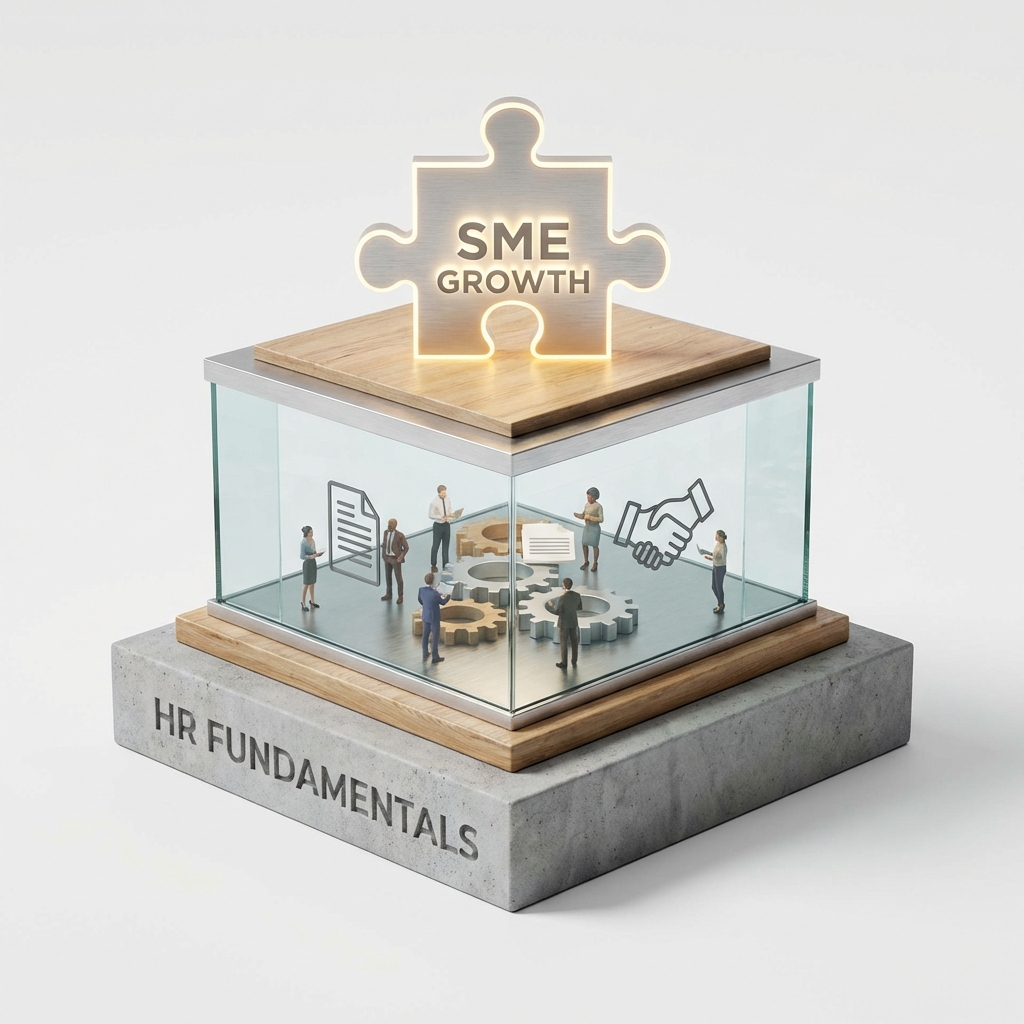
1. Defining SME HR: Scope & Limitations
SME HR is fundamentally distinct from large enterprise HR. The “HR department” in an SME might be a single individual, the finance manager, or even the CEO, often wearing multiple hats. This dictates both the scope and limitations. For an SME, HR’s primary focus shifts from highly specialized functions to core operational support: ensuring the right people are hired, compensated fairly, compliant with regulations, and engaged enough to contribute effectively to production goals.
Scope typically includes essential functions like recruitment, payroll, employee administration, and basic compliance. However, strategic HR initiatives such as extensive talent development or complex succession planning might be limited due to budget, lack of specialized HR personnel, and the immediate focus on core business operations. The challenge lies in maximizing impact with minimal resources. For a production company, HR decisions directly influence output, quality, and workplace safety. A pragmatic approach is key, prioritizing functions that directly support productivity and mitigate risks. Understanding this lean structure is the first crucial step for any new CEO in comprehending their HR function’s capabilities and current boundaries.
2. Key HR Functions in a Lean Setup (Recruitment, Payroll, Admin)
In a lean SME structure, certain HR functions become foundational pillars, directly impacting workforce stability and operational continuity for a production CEO.
Recruitment: Beyond filling vacancies, it’s about finding the right fit for a demanding production environment. SMEs often rely on direct sourcing, referrals, and cost-effective online platforms. Focus must be on attracting skilled production workers, technicians, and supervisors who possess both technical abilities and align with company culture. High turnover can severely disrupt operations, making effective, targeted recruitment paramount.
Payroll: Accuracy and timeliness in payroll are non-negotiable, forming the bedrock of employee trust. Beyond calculating wages, this function involves managing statutory contributions like the Central Provident Fund (CPF), income tax deductions, and processing various allowances or overtime pay relevant to a production schedule. Many Singaporean SMEs outsource payroll to specialized providers to ensure compliance and free up internal resources, a consideration that offers significant benefits.
Administration: This encompasses essential tasks: onboarding new employees, maintaining accurate employee records (critical for audits and compliance), managing leave applications, benefits administration, and handling basic employee relations. Efficient administration ensures production teams have necessary support and clarity regarding employment terms, allowing them to focus on core tasks without distractions. These seemingly mundane tasks form the critical backbone of an effective production workforce.
3. Compliance Basics for Singaporean SMEs
Navigating Singapore’s robust regulatory landscape is perhaps the most critical aspect of SME HR, especially for a production facility where safety and worker welfare are paramount. Non-compliance can lead to hefty fines, reputational damage, and even operational shutdowns.
Key regulations for Singaporean SMEs include:
- Employment Act: The bedrock of employment law, covering basic terms and conditions of employment, including hours of work, leave entitlements, and termination processes.
- Central Provident Fund (CPF) Act: Mandates contributions by both employers and employees to a national savings scheme.
- Work Injury Compensation Act (WICA): Requires employers to compensate employees for injuries or diseases arising out of and in the course of employment, particularly relevant in a production environment.
- Foreign Manpower Regulations: For facilities employing foreign workers, understanding work pass requirements, quotas, and levy payments mandated by the Ministry of Manpower (MOM) is essential.
As a new CEO, it’s vital to ensure your SME remains abreast of these regulations and any updates from the Ministry of Manpower (MOM) Singapore. Regular training for HR personnel (or the person responsible for HR) and periodic audits help ensure compliance. A proactive approach to compliance not only mitigates legal risks but also fosters a fair and safe working environment, crucial for retaining skilled production talent. For a comprehensive overview on how to establish a strong HR framework, particularly for new leaders, gaining a clear Step by Step to understand SMEs HR Structure for the fresh the CEO in the production field in Singapore is invaluable. You can find more detailed guidance on this topic by visiting our specialized resource.
Singapore’s Production Landscape & HR Nuances
For a fresh CEO stepping into Singapore’s dynamic production sector, understanding the nuances of Human Resources (HR) is paramount. The city-state’s advanced manufacturing landscape, coupled with its stringent regulatory framework, presents unique challenges and opportunities. This section offers a Step by Step to understand SMEs HR Structure for the fresh CEO in the production field in Singapore, focusing on critical HR aspects that directly impact operational efficiency, compliance, and long-term success. Navigating the local talent pool, stringent labour laws, and demanding safety standards requires a proactive and informed HR strategy, especially for Small and Medium-sized Enterprises (SMEs) where resources might be leaner but compliance expectations remain high.
-
Navigating Manpower Regulations in Singapore (MOM)
Operating a production facility in Singapore necessitates a deep understanding of the Ministry of Manpower (MOM) regulations. For any CEO, compliance with these laws is non-negotiable and directly impacts operational continuity and reputation. Key regulations include the Singapore’s Employment Act, which sets the fundamental terms and conditions of employment, covering aspects such as contracts, working hours, leave entitlements, and termination procedures. Employers must ensure all employment contracts are clear, legally compliant, and communicated effectively to avoid disputes.
Beyond the Employment Act, CEOs must contend with Singapore’s sophisticated foreign worker policies. Given the limited local workforce for certain production roles, many SMEs rely on foreign talent. This involves navigating complex quotas, levies (such as the Foreign Worker Levy), and application processes for various work passes (e.g., S Pass, Work Permit). Furthermore, the Fair Consideration Framework (FCF) mandates that employers fairly consider Singaporeans for job opportunities before hiring foreign talent, often requiring job advertisements on MyCareersFuture.sg. HR’s role here is crucial in managing documentation, ensuring visa compliance, and understanding the implications of changes in foreign worker policies on staffing levels and operational costs. A misstep in these regulations can lead to hefty fines, revocation of work pass privileges, and significant operational disruption, underscoring the importance of robust internal controls and up-to-date knowledge.
-
Talent Acquisition & Retention for Production Roles
The quest for skilled talent in Singapore’s production sector is a significant challenge for fresh CEOs. The manufacturing industry demands a blend of technical expertise, adaptability, and an understanding of advanced automation and Industry 4.0 concepts. Attracting and retaining production operators, technicians, engineers, and quality control specialists requires more than just competitive salaries; it demands a strategic approach to HR.
For talent acquisition, SMEs should leverage local polytechnics and ITEs, fostering partnerships for internships and direct hiring. Digital platforms and industry-specific job portals are vital for reaching a wider pool. However, retention is where the true competitive edge lies. HR must implement robust training and development programs that not only upskill employees in new technologies but also offer clear career progression pathways. Employee engagement initiatives, a positive work culture, recognition programs, and attractive benefits (beyond basic compensation) are critical. Addressing the specific needs of a production workforce – such as shift patterns, ergonomic workstations, and mental wellness support – can significantly reduce turnover. A proactive HR team that understands the evolving skill demands of the manufacturing landscape and continuously invests in its workforce will be instrumental in building a stable, high-performing production team, which is a key component in any Step by Step to understand SMEs HR Structure for a new leader.
-
Safety & Health Regulations (WSH Act) in Manufacturing
Workplace safety and health (WSH) is paramount in the production sector, where machinery, hazardous materials, and complex processes inherently pose risks. Singapore’s Workplace Safety and Health Act (WSH Act) places a significant duty on employers to ensure a safe and healthy environment for all workers. For a fresh CEO, integrating WSH into the core HR strategy is not just about compliance, but about protecting human lives, preventing operational downtime, and maintaining a positive brand image.
HR plays a critical role in implementing and enforcing WSH policies. This includes conducting regular risk assessments to identify potential hazards, establishing safe work procedures, and ensuring the provision and proper use of personal protective equipment (PPE). Beyond these tangible measures, HR is responsible for coordinating comprehensive safety training programs – from general safety inductions for new hires to specialized training for specific machinery or tasks. Promoting a strong safety culture through regular communication, safety committees, and rewarding safe practices is essential. Furthermore, HR must be well-versed in incident reporting and investigation procedures, ensuring that all accidents are thoroughly documented, analyzed, and preventative measures are put in place. Non-compliance with the WSH Act can lead to severe penalties, including imprisonment and hefty fines, in addition to the devastating human cost of workplace accidents. Therefore, embedding a robust WSH framework within the HR structure is fundamental for any production SME in Singapore, ensuring the well-being of its workforce and the resilience of its operations.
Assessing Your Current HR Structure as a New CEO
As a fresh CEO stepping into a production field SME in Singapore, one of your immediate critical tasks is to comprehensively evaluate the existing Human Resources (HR) framework. This initial assessment is paramount for laying a robust foundation for future growth and operational excellence. By understanding your current HR structure, you can identify inherent strengths to leverage, pinpoint weaknesses that demand attention, and highlight areas for immediate strategic improvement. This step-by-step guide to understanding SMEs HR structure will help you navigate this crucial initial phase, ensuring your HR functions are aligned with your company’s strategic objectives and the unique demands of the Singaporean production environment.
1. Conducting an HR Audit: Tools & Techniques
The first critical step for a new CEO is to initiate a thorough HR audit. This systematic review is vital for gaining a clear picture of your company’s HR practices, policies, and overall compliance, particularly for a production-focused SME in Singapore. Key tools and techniques include:
- Document Review: Scrutinize all HR documents (employment contracts, handbooks, performance reviews, training, safety protocols) for compliance with Singapore’s Employment Act and Workplace Safety and Health (WSH) regulations.
- Employee Surveys & Interviews: Gather qualitative and quantitative data from employees and managers at all levels to understand job satisfaction, management effectiveness, and policy fairness.
- Process Mapping: Chart out key HR processes (recruitment, onboarding, performance management, payroll) to identify bottlenecks and inconsistencies.
- Compliance Checks: Verify adherence to local labour laws, mandatory reporting, and industry-specific regulations relevant to the production sector, ensuring practices like working hours, overtime, and leave are compliant.
An effective HR audit provides a clear baseline, highlighting both strengths and areas needing improvement.
2. Identifying Gaps in Policies and Procedures
Following the audit, the next crucial phase involves identifying specific gaps in your HR policies and procedures. These gaps can expose your SME to legal risks, employee dissatisfaction, and operational inefficiencies, especially within a demanding production environment. Key areas to scrutinize include:
- Recruitment & Onboarding: Assess if current practices attract suitable talent for skilled production roles and effectively integrate new hires, focusing on safety training.
- Compensation & Benefits: Evaluate if salary structures are competitive and if benefits packages, overtime, and shift allowances are clear, fair, and sufficient for retention.
- Performance Management: Determine if a clear, objective, and regular performance review system exists, tailored to production KPIs, to foster development and address underperformance.
- Training & Development: Given production technology advancements, check for adequate training programs for upskilling/reskilling the workforce, emphasizing technical and safety competencies.
- Workplace Safety & Health (WSH): Ensure WSH policies are robust, updated, effectively communicated, and enforced, with clear incident reporting, which is critical in production.
- Employee Relations & Grievance Handling: Verify clear, fear-free channels for employee concerns and fair, transparent, legally compliant disciplinary procedures.
Addressing these policy and procedural gaps is critical for a safe, fair, and productive work environment that supports your production goals.
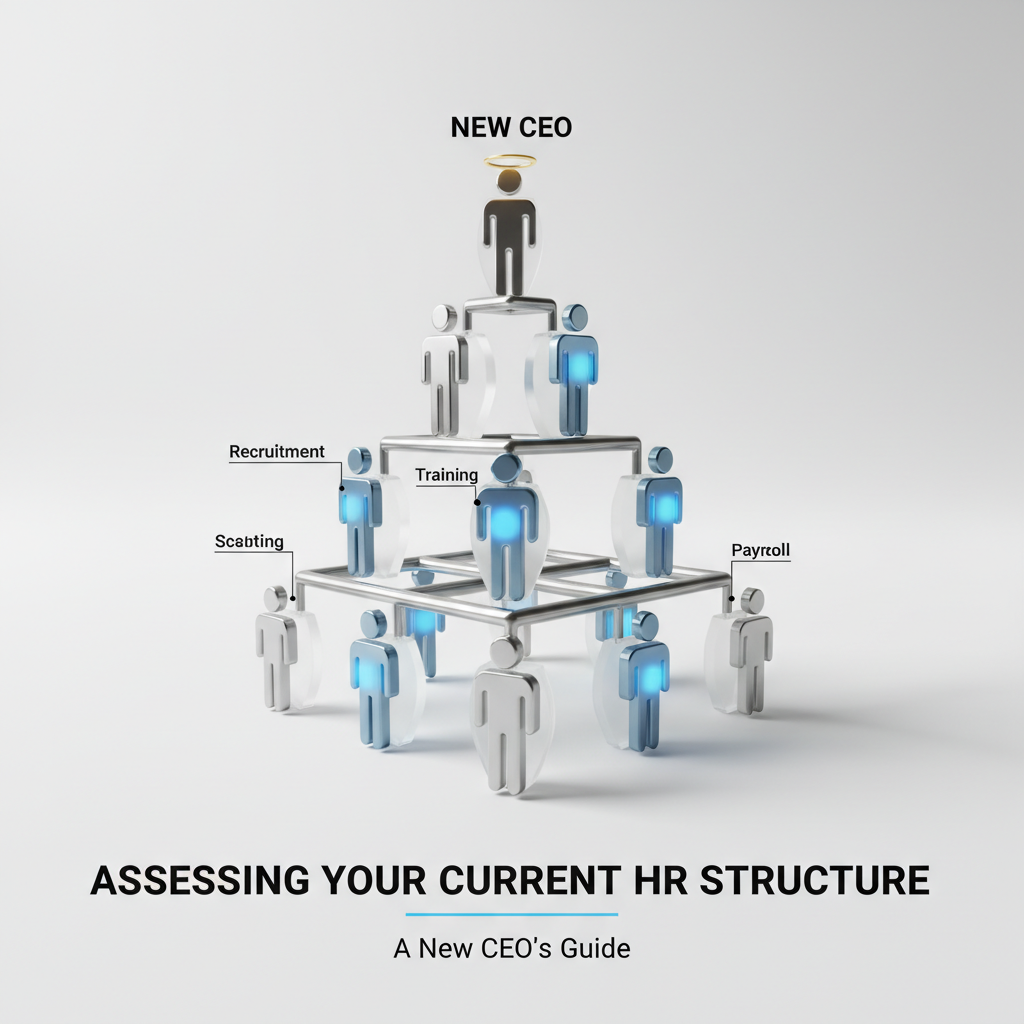
3. Understanding Current HR Technology & Systems (or lack thereof)
In today’s digital age, HR technology plays a pivotal role in efficiency and data-driven decision-making. As a new CEO, it’s essential to understand the current state of HR technology within your production SME. This evaluation involves:
- Current Tools Assessment: Identify all systems used for HR functions (payroll, leave, performance, data storage). Are you relying on outdated software, basic spreadsheets, or an integrated HR platform?
- Data Management & Accuracy: Assess how employee data is collected, stored, and retrieved. Manual systems lead to errors; integrated systems offer real-time, accurate data.
- Efficiency & Automation: Evaluate if current systems automate routine tasks like leave requests, attendance, or onboarding, especially critical for production shift work.
- Reporting & Analytics Capabilities: Can your technology easily generate reports on headcount, turnover, training, or compliance? Insights from HR data are crucial for strategic decisions.
- Scalability: Consider if existing technology can scale with company growth, as manual systems hinder expansion.
Understanding these technological capabilities (or their absence) will guide your strategy for modernizing HR operations, enhancing efficiency, and supporting a data-driven approach to workforce management.
By systematically addressing these three core areas, a new CEO can quickly gain a comprehensive understanding of the HR landscape, paving the way for targeted improvements that will drive both compliance and competitive advantage in the Singaporean production sector.
Strategizing for an Optimized SME HR Structure
As a fresh CEO stepping into the dynamic production field in Singapore, understanding and optimizing your Human Resources (HR) structure is paramount. A well-designed HR framework isn’t just about compliance; it’s a strategic pillar for fostering growth, ensuring operational excellence, and navigating the unique challenges of the SME landscape. This section provides a Step by Step to understand SMEs HR Structure for the fresh the CEO in production field in singapore, offering actionable strategies to transform your HR function from an administrative necessity into a powerful driver for business success.
-
Developing a Scalable HR Roadmap
A strategic HR roadmap begins with a clear understanding of your current organizational capabilities and future aspirations. For a production SME, this means aligning HR initiatives directly with production targets, efficiency goals, and market demands. Start by conducting a thorough needs assessment, identifying skill gaps within your workforce, and forecasting future talent requirements driven by planned growth or technological shifts. This proactive approach ensures you’re not just reacting to HR issues but strategically building a pipeline of skilled talent – from experienced production supervisors to entry-level technicians – essential for sustained operations. Your roadmap should outline strategies for talent acquisition (attracting top local talent in Singapore’s competitive market), retention (creating compelling career paths within a smaller organization), and talent development (upskilling and reskilling programs tailored to evolving production technologies). Building a scalable roadmap means designing processes that can efficiently accommodate growth without constant overhauls, allowing your HR structure to evolve alongside your business.
-
Leveraging Technology: HRIS & Automation for SMEs
Many SMEs mistakenly view HR technology as an unnecessary expense, but for a production company aiming for efficiency, it’s a critical investment. Implementing an HR Information System (HRIS) or similar HR software suite can revolutionize your HR operations. An HRIS centralizes employee data, streamlines payroll, benefits administration, leave management, and even performance tracking, significantly reducing manual errors and administrative burdens. For a production environment, automation can be particularly impactful: automating shift scheduling, time and attendance tracking, and even preliminary stages of recruitment can free up HR personnel to focus on more strategic tasks like talent development and employee engagement. Cloud-based solutions are often ideal for SMEs, offering affordability, scalability, and accessibility. By embracing HR technology, you not only enhance efficiency but also provide better data insights for decision-making, ensuring that your HR structure is data-driven and agile. Understanding the benefits of strategic human resources management, particularly when augmented by technology, is key to competitive advantage.
-
Building a Culture of Performance & Employee Engagement
An optimized HR structure extends beyond systems and processes; it fundamentally shapes your company culture. For a production SME, fostering a culture of high performance and strong employee engagement is crucial for productivity, quality control, and reducing turnover. Implement clear, measurable performance metrics that are directly linked to production goals, providing regular, constructive feedback sessions rather than just annual reviews. Recognition programs, whether formal or informal, play a vital role in motivating your workforce. Beyond performance, focus on employee well-being and engagement. This includes creating safe working conditions, offering professional development opportunities relevant to the production sector, and establishing channels for open communication. Engaged employees are more productive, innovative, and loyal, directly impacting your bottom line. By strategically integrating performance management, continuous feedback, and robust engagement initiatives into your HR structure, you cultivate a workforce that is not only efficient but also deeply committed to your company’s success and growth in Singapore’s competitive industrial landscape.
Implementation & Future-Proofing Your HR Operations
For a fresh CEO stepping into a production field in Singapore, understanding and optimizing the HR structure is paramount. Your HR department isn’t just an administrative function; it’s a strategic partner essential for driving productivity, ensuring compliance, and fostering innovation. This section provides a Step by Step to understand SMEs HR Structure for the fresh the CEO in production field in singapore, outlining practical steps to implement new strategies and fortify your HR operations against future challenges and opportunities in the dynamic Singaporean business landscape. Effective implementation means transforming HR from a reactive unit into a proactive powerhouse that directly contributes to your bottom line and employee well-being.

1. Training & Development Initiatives for HR & Management
Successful implementation of any new HR strategy hinges on the capabilities of your people. For SMEs, particularly in the production sector, investing in targeted training and development is crucial. Your HR team, often lean, needs to evolve beyond traditional administrative roles. They must be equipped with strategic HR skills, a deep understanding of Singapore’s labor laws, and proficiency in modern HR technologies. This includes training in talent acquisition, performance management systems, employee relations, and even basic data analytics to inform decision-making. Furthermore, as a new CEO from a production background, you’ll benefit from understanding the strategic value HR brings. Equally important is upskilling your line managers. They are the frontline of HR implementation, responsible for daily employee engagement, performance oversight, and policy adherence. Training for management should focus on effective communication, conflict resolution, understanding mental wellness in the workplace, and fair performance appraisal techniques. Fostering a continuous learning culture ensures that both HR and management remain agile and responsive to the evolving needs of your workforce and business.
2. Measuring HR Effectiveness: KPIs for SMEs
What gets measured gets managed. To truly understand the impact of your HR structure, especially as a CEO overseeing production, you need clear, actionable Key Performance Indicators (KPIs). For SMEs in the production field, these KPIs should directly link HR activities to operational outcomes. Consider tracking: employee turnover rate (especially for skilled production roles, where high turnover can severely disrupt operations), time-to-hire (critical for filling production gaps swiftly), training completion rates and post-training effectiveness, and employee engagement scores. Beyond these, productivity metrics per employee can offer insights into the human capital’s direct contribution. Compliance adherence rate is another vital KPI, ensuring your operations meet Singapore’s stringent labor regulations. By regularly analyzing these metrics, you gain a data-driven perspective on HR’s efficiency and impact, allowing you to identify areas for improvement and demonstrate HR’s value to the entire organization. This data empowers you to make informed decisions, optimize resource allocation, and strategically position your HR operations for growth.
3. Adapting to Evolving HR Trends & Regulations (e.g., sustainability, digital skills)
The world of HR is in constant flux, driven by technological advancements, societal shifts, and evolving regulatory landscapes. Future-proofing your HR operations means proactively adapting to these trends. In Singapore, and globally, two significant areas are sustainability and digital skills. HR plays a pivotal role in integrating environmental, social, and governance (ESG) principles into your company culture. This includes promoting ethical labor practices, ensuring diversity and inclusion, supporting employee well-being, and even contributing to the company’s broader sustainability goals by advocating for green initiatives in the workplace. Furthermore, the rapid pace of digitalization demands that your HR structure champions digital transformation. This involves not only adopting HR information systems (HRIS) and leveraging analytics but also actively developing the digital skills of your entire workforce, from the factory floor to leadership. This is especially pertinent in Singapore, where government initiatives like SkillsFuture actively support lifelong learning and skill upgrading. Staying abreast of and adapting to Singapore’s evolving employment regulations is equally crucial to mitigate risks and ensure fair practices. By embracing these trends, your HR operations will not only remain compliant but will also become a strategic enabler for your SME’s long-term resilience and competitive advantage.
Partner with Shelby Global
You are looking for reliable HR Sevice Suppliers? Contact Shelby Global Now! To connect with verified talents and upgrade your orginization.
—————————————
References
– :
– Singapore’s Employment Act: https://www.mom.gov.sg/employment-practices/employment-act
– Employment Act: https://www.mom.gov.sg/employment-practices/employment-act
– What Is Strategic Human Resources Management?: https://www.shrm.org/topics-tools/tools-templates/hr-qa/whatisstrategichr
– Digital Skills Programmes & Initiatives by SkillsFuture Singapore: https://www.skillsfuture.gov.sg/programmes-and-initiatives/digital-skills



































































































