Introduction & Overview of Vietnam’s Logistics Landscape
Vietnam has rapidly emerged as a pivotal economic force in Southeast Asia, attracting significant global attention for its dynamic growth and strategic importance. Positioned at a crucial crossroads for international trade, the nation’s economic vitality is inextricably linked to the efficiency and robustness of its logistics sector. This section sets the stage, highlighting Vietnam’s strategic economic importance and providing a comprehensive overview of its current logistics ecosystem and its foundational role in national development. Understanding the intricacies of this landscape is essential for anyone seeking insights into a market demand trend report of logistics field in vietnam, offering a holistic view of the forces shaping its future.

-
Vietnam’s Economic Growth & Trade Dynamics Impacting Logistics
Vietnam’s journey to becoming a manufacturing and export powerhouse is underscored by its impressive economic growth rates, often among the highest globally. This rapid economic expansion is fueled by a burgeoning manufacturing sector, substantial foreign direct investment (FDI), and a proactive integration into global trade networks through numerous free trade agreements (FTAs). These include major pacts like the Comprehensive and Progressive Agreement for Trans-Pacific Partnership (CPTPP), the EU-Vietnam Free Trade Agreement (EVFTA), and the Regional Comprehensive Economic Partnership (RCEP).
These trade dynamics have dramatically reshaped demand within the logistics field. Increased exports and imports necessitate more sophisticated and expansive freight forwarding, customs brokerage, and cross-border transportation services. The ‘China+1’ strategy, where companies diversify their supply chains beyond China, has further positioned Vietnam as a preferred alternative, driving substantial growth in industrial production and, consequently, the demand for warehousing, distribution, and intermodal transport solutions. This continuous growth trajectory makes the analysis of a market demand trend report of logistics field in vietnam critical for stakeholders aiming to capitalize on these opportunities.
-
Key Macroeconomic Drivers of Logistics Demand in Vietnam
Beyond headline economic growth, several specific macroeconomic factors are powerful engines for logistics demand in Vietnam. Firstly, sustained foreign direct investment, particularly in high-tech manufacturing, electronics, textiles, and automotive industries, directly translates into increased cargo volumes for raw materials inbound and finished goods outbound. Secondly, the rapid pace of urbanization and the expansion of a vibrant middle class are fueling domestic consumption. This demographic shift drives demand for retail logistics, including efficient last-mile delivery and the establishment of robust distribution networks for consumer goods.
Thirdly, the explosive growth of e-commerce has fundamentally transformed the logistics landscape. Online retail requires highly responsive and scalable logistics services, including fulfillment centers, parcel delivery networks, and reverse logistics capabilities. This sector is witnessing significant investment in technology and automation to meet consumer expectations for speed and reliability. Lastly, government initiatives aimed at improving supply chain resilience and promoting regional connectivity further underpin the long-term demand for logistics services, making Vietnam a focal point for investment in this crucial sector.
-
Current State of Vietnam’s Logistics Infrastructure and Capacity
Vietnam’s government has recognized the critical role of infrastructure in supporting its economic ambitions, leading to substantial investments in upgrading and expanding its logistics capacity. The country boasts a growing network of deep-water ports, such as Cai Mep-Thi Vai and Lach Huyen, which are vital for international trade and container handling. The road network is also undergoing continuous development, with new expressways improving connectivity between key economic zones and ports, though last-mile and rural connectivity still present challenges.
Airports are being expanded, notably with the ongoing construction of Long Thanh International Airport, poised to become a major regional aviation hub. While rail infrastructure remains less developed compared to roads and ports, there are plans for modernization and expansion. The warehousing sector has seen an influx of modern facilities, particularly in key industrial clusters, driven by international developers. However, challenges persist, including congestion in major urban centers and around ports, a fragmented logistics service provider market, and the need for greater adoption of digital technologies and skilled labor. Addressing these areas is paramount for Vietnam to enhance its logistics competitiveness and meet the escalating demands reflected in any comprehensive market demand trend report of logistics field in vietnam.
Analysis of Market Demand Trends (2023-2026)
The Vietnamese logistics sector is experiencing dynamic growth, driven by a confluence of robust economic expansion, evolving consumer behaviors, and strategic governmental policies. A comprehensive market demand trend report of the logistics field in Vietnam reveals significant shifts expected between 2023 and 2026. This period is characterized by accelerated digitalization, increasing sophistication in supply chain management, and a pronounced emphasis on efficiency and sustainability. Understanding these Vietnamese logistics market dynamics is crucial for businesses aiming to capitalize on the country’s burgeoning economic potential. The overarching Vietnam supply chain trends indicate a sector poised for substantial investment and innovation, addressing the complex needs arising from both domestic consumption and international trade.
1. E-commerce Boom Driving Last-Mile Delivery & Fulfillment Demands
The explosion of e-commerce continues to be a primary catalyst shaping e-commerce logistics Vietnam. With a rapidly expanding digital consumer base and increasing internet penetration, online retail sales are projected to grow significantly, placing immense pressure on existing logistics infrastructure. This surge in online shopping translates directly into soaring demand for efficient last-mile delivery Vietnam solutions. Consumers expect faster, more reliable, and often free delivery, compelling logistics providers to invest heavily in advanced route optimization software, real-time tracking, and a wider network of micro-fulfillment centers.
Furthermore, the need for sophisticated fulfillment centers Vietnam is paramount. These centers require cutting-edge automation, inventory management systems, and strategic locations to minimize transit times. The increasing variety of products, from fresh groceries to high-value electronics, also drives demand for specialized services such as cold chain logistics Vietnam, ensuring product integrity from warehouse to doorstep. Companies looking to thrive in this environment must develop agile and responsive operations. For a deeper dive into these evolving needs, refer to our latest analysis on the market demand trend report of the logistics field in Vietnam. The competitive landscape demands innovation in warehousing solutions Vietnam and a seamless integration of technology to manage the complexities of fragmented orders and diverse delivery locations. This trend underscores the urgency for digital logistics Vietnam transformations across the board.
2. Growth in Manufacturing & Industrial Logistics Requirements
Vietnam’s allure as a manufacturing hub continues unabated, fueled by foreign direct investment (FDI) and global supply chain diversification strategies. Major international manufacturers are increasingly relocating or expanding their operations within the country, generating substantial manufacturing logistics Vietnam needs. This influx of industrial activity necessitates robust industrial logistics solutions that can handle everything from raw material procurement to finished goods distribution, often involving complex international networks.
The demand extends beyond mere transportation to include value-added services such as customs clearance, inventory management, just-in-time (JIT) deliveries, and specialized handling for various industrial components. As global companies seek to de-risk their supply chains, Vietnam’s strategic location and supportive policies make it an attractive destination. This growth also drives the need for enhanced logistics infrastructure Vietnam, including industrial parks, ports, and improved road networks. The World Bank’s insights into Vietnam‘s economic trajectory frequently highlight the nation’s rising role in global manufacturing, reinforcing the significant impact on its logistics sector. The shift towards higher-value manufacturing also demands more sophisticated and secure logistics, driving investment in technology and skilled personnel.
3. Impact of Free Trade Agreements on Cross-Border Logistics Flows
Vietnam’s proactive engagement in international trade agreements is profoundly reshaping its cross-border logistics Vietnam. Agreements such as the Comprehensive and Progressive Agreement for Trans-Pacific Partnership (CPTPP), the EU-Vietnam Free Trade Agreement (EVFTA), and the Regional Comprehensive Economic Partnership (RCEP) have significantly reduced tariffs and streamlined customs procedures. This has led to an exponential increase in trade volumes, both imports and exports, directly boosting demand for international freight forwarding, customs brokerage, and multimodal transport solutions.
These FTAs not only facilitate trade with traditional partners but also open new markets, creating intricate supply corridors that span continents. Logistics providers are now tasked with navigating a more complex regulatory environment, optimizing routes for efficiency across multiple borders, and ensuring compliance with varied international standards. The emphasis is on seamless cross-border movements, necessitating greater collaboration between logistics operators, customs authorities, and technology platforms. This surge in international trade underscores the critical role of efficient FTA impact logistics in supporting Vietnam’s integration into the global economy and reinforces the need for continuous upgrades in port capabilities and land border infrastructure.
In conclusion, the market demand trend report of the logistics field in Vietnam for 2023-2026 paints a picture of a sector undergoing rapid transformation. From the relentless expansion of e-commerce to the strategic growth of manufacturing and the far-reaching implications of free trade agreements, each trend presents both challenges and unparalleled opportunities for innovation and investment in the country’s logistics landscape. Adapting to these dynamics with a focus on technology, efficiency, and sustainability will be key to unlocking the full potential of Vietnam’s logistics prowess.
Key Challenges and Opportunities in the Sector
Vietnam’s logistics sector stands at a critical juncture, marked by rapid economic growth and increasing integration into global supply chains. As businesses look to capitalize on the country’s strategic location and burgeoning manufacturing base, understanding the market demand trend report of logistics field in vietnam becomes paramount. While the industry offers immense potential, it simultaneously grapples with significant hurdles that, if unaddressed, could impede its trajectory. This section delves into the major challenges impeding efficient logistics operations, such as critical infrastructure limitations and pressing labor issues, while also highlighting the promising avenues for strategic investment and innovative solutions necessary for sustainable growth.
1. Addressing Infrastructure Gaps, Congestion & Connectivity Issues
One of the most persistent hurdles facing Vietnam’s logistics industry is its underdeveloped infrastructure. Despite continuous government investment, the existing network of roads, ports, and airports struggles to keep pace with the exponential growth in trade volume and urban development. Road infrastructure, in particular, suffers from inadequate capacity and poor maintenance in many regions, leading to severe congestion, especially around major economic hubs like Ho Chi Minh City and Hanoi. This congestion not only causes significant delays and increases transportation costs but also impacts the overall efficiency and competitiveness of Vietnamese businesses in the global market. Furthermore, intermodal connectivity remains a challenge; the seamless transfer between different modes of transport (road, rail, sea, air) is often hindered by inefficient processes and insufficient facilities. Opportunities abound in this area for targeted investment in upgrading existing infrastructure and developing new projects. Public-private partnerships can play a crucial role in funding critical expansions, such as new expressways, deep-water ports, and modern logistics centers. Developing smart city initiatives and improving last-mile delivery infrastructure, particularly in urban areas, can alleviate congestion. Investments in specialized infrastructure like cold chain logistics are also vital to support Vietnam’s growing agricultural and food processing industries, enhancing supply chain resilience and reducing spoilage. By strategically enhancing these foundational elements, Vietnam can unlock substantial gains in logistics efficiency and cost-effectiveness.

2. Labor Shortages, Skill Development, and Workforce Retention Needs
Beyond physical infrastructure, the logistics sector in Vietnam faces a critical human capital challenge: a significant shortage of skilled labor across various functions. This includes everything from professional drivers and warehouse managers to IT specialists proficient in logistics software and supply chain analysts. The rapid expansion of the industry has outstripped the supply of adequately trained personnel, leading to rising labor costs and operational inefficiencies. Many existing workers lack the advanced skills required for modern, technology-driven logistics operations, highlighting a pressing need for comprehensive skill development programs. Workforce retention is another concern, as high demand often leads to frequent turnover, impacting institutional knowledge and service quality. To address these labor issues, strategic initiatives are required. Collaborations between vocational schools, universities, and logistics companies can help tailor curricula to industry needs, producing a pipeline of job-ready graduates. Companies must also invest in continuous training and upskilling programs for their current employees, focusing on areas like digital literacy, data analytics, and operational management. Implementing competitive compensation packages, fostering positive work environments, and offering clear career progression paths are crucial for improving workforce retention. Moreover, the adoption of automation and advanced technologies can help mitigate the impact of labor shortages by optimizing workflows and reducing reliance on manual tasks, allowing the existing workforce to focus on higher-value activities. Addressing these challenges is essential for building a robust and sustainable logistics workforce capable of supporting Vietnam’s economic ambitions.
3. Leveraging Digital Transformation & Technology Adoption for Efficiency
The traditional, often manual, nature of many logistics operations in Vietnam presents a substantial barrier to achieving optimal efficiency. A significant opportunity lies in accelerating digital transformation and technology adoption across the sector. Many small and medium-sized enterprises (SMEs) still rely on outdated processes, leading to a lack of real-time visibility, increased error rates, and suboptimal resource utilization. However, the potential for leveraging cutting-edge technologies is immense. Implementing Internet of Things (IoT) devices for real-time tracking, using Artificial Intelligence (AI) for demand forecasting and route optimization, and adopting blockchain for enhanced supply chain transparency and security can revolutionize operations. Warehouse automation, including robotics and automated storage and retrieval systems (AS/RS), can dramatically improve throughput and accuracy, compensating for labor shortages. Furthermore, the widespread adoption of robust logistics software, such as Transportation Management Systems (TMS) and Warehouse Management Systems (WMS), can streamline processes from order placement to delivery. Data analytics offers profound insights into operational performance, allowing businesses to make informed decisions and proactively address potential disruptions. The integration of e-commerce logistics solutions is also vital, as online retail continues its explosive growth, necessitating agile and efficient last-mile delivery capabilities. By embracing digital transformation, Vietnamese logistics companies can not only overcome existing inefficiencies but also unlock new levels of innovation, improve customer service, and significantly enhance their competitive edge in a rapidly evolving global market. This strategic shift is crucial for positioning Vietnam as a leading logistics hub in Southeast Asia.
In conclusion, while Vietnam’s logistics sector faces considerable challenges related to infrastructure, labor, and technological adoption, these very hurdles present significant opportunities for growth and innovation. By strategically investing in infrastructure upgrades, developing a skilled workforce, and aggressively pursuing digital transformation, the industry can overcome its current limitations. The insights gleaned from a comprehensive market demand trend report of logistics field in vietnam will be instrumental in guiding these efforts, ensuring that the sector not only meets but exceeds the demands of a dynamic global economy, cementing Vietnam’s position as a vibrant logistics hub.
Emerging Technologies & Innovation Driving Change
The Vietnamese supply chain ecosystem is undergoing a profound transformation, propelled by the rapid adoption of new technologies and innovation that are revolutionizing logistics operations. This shift is not merely about incremental improvements; it’s about fundamentally enhancing efficiency, bolstering resilience, and forging significant competitive advantages. As Vietnam solidifies its position as a global manufacturing hub and its e-commerce growth in Vietnam continues to surge, the demand for sophisticated, agile, and transparent logistics solutions has never been higher. This section delves into how cutting-edge technologies are reshaping the landscape, from automated warehouses to intelligent data-driven decision-making and secure, transparent tracking systems, all contributing to the nation’s robust market demand trend report of logistics field in vietnam that highlights ongoing logistics infrastructure development and digital transformation logistics.
1. Automation & Robotics in Warehousing and Fulfillment Centers
The traditionally labor-intensive domain of warehousing is being rapidly redefined by automation and robotics. In Vietnam, where smart warehousing solutions are becoming critical, the deployment of Automated Guided Vehicles (AGVs), Autonomous Mobile Robots (AMRs), and robotic picking systems is gaining traction. These technologies drastically improve operational speed, reduce human error, and optimize space utilization within fulfillment centers. For businesses grappling with the complexities of inventory management optimization for a diverse product range, robotic systems offer unparalleled accuracy and efficiency. Collaborative robots (cobots) are also emerging, working alongside human employees to enhance productivity in tasks such as packing and sorting. This move towards automation addresses challenges related to labor availability and rising operational costs, offering a scalable solution for companies looking to meet escalating consumer demands, particularly in the fast-paced last-mile delivery solutions segment. The investment in such logistics technology adoption signifies a commitment to modernizing the supply chain and achieving higher throughput, ultimately shaping the Vietnamese logistics market outlook.
2. AI & Big Data Analytics for Supply Chain Optimization and Forecasting
The sheer volume of data generated across modern supply chains presents both a challenge and an immense opportunity. Artificial Intelligence (AI) and Big Data analytics are at the forefront of harnessing this information to drive intelligent decision-making and achieve unparalleled supply chain optimization. In Vietnam, these tools are crucial for predicting demand fluctuations, optimizing transportation routes, and managing inventory levels with greater precision. Predictive analytics, powered by AI, can analyze historical data, market trends, and even weather patterns to forecast demand for products, enabling companies to proactively adjust their freight management systems and stock levels, thereby minimizing waste and stockouts. Route optimization algorithms reduce fuel consumption and delivery times, directly impacting profitability and contributing to sustainable supply chains. Furthermore, AI-driven insights are invaluable for identifying bottlenecks, assessing risks, and enhancing supply chain resilience in the face of disruptions. This advanced analytics capability empowers businesses to move beyond reactive responses to proactive, data-informed strategies.
3. Blockchain for Enhanced Transparency and Traceability in Logistics
Trust, transparency, and traceability are paramount in today’s global supply chains. Blockchain technology offers a robust solution to these critical needs, providing an immutable, distributed ledger that records every transaction and movement of goods. For industries in Vietnam dealing with high-value goods, perishable items, or those requiring stringent regulatory compliance, such as cold chain logistics Vietnam or pharmaceuticals, blockchain ensures end-to-end visibility. This technology allows stakeholders – from manufacturers and logistics providers to retailers and consumers – to track products from origin to destination with verifiable authenticity. It can significantly reduce instances of fraud, enhance product safety, and streamline customs processes by providing verifiable documentation. The application of blockchain contributes to a more secure and reliable logistics network, fostering greater trust among participants and enabling faster resolution of disputes. As Vietnam’s role in international trade expands, the adoption of blockchain becomes a vital component for ensuring the integrity and efficiency of its entire supply chain, aligning with global standards for accountability and transparency.
Future Outlook and Strategic Recommendations
Vietnam’s logistics sector is on the cusp of significant transformation, driven by robust economic growth, a burgeoning e-commerce landscape, and strategic integration into global supply chains. As a critical pillar supporting the nation’s manufacturing prowess and export-led economy, the market demand trend report of logistics field in vietnam indicates a trajectory of sustained expansion and increasing sophistication. Understanding and proactively responding to these trends is paramount for all stakeholders – government, businesses, and investors – to unlock the sector’s full potential by 2026 and beyond.
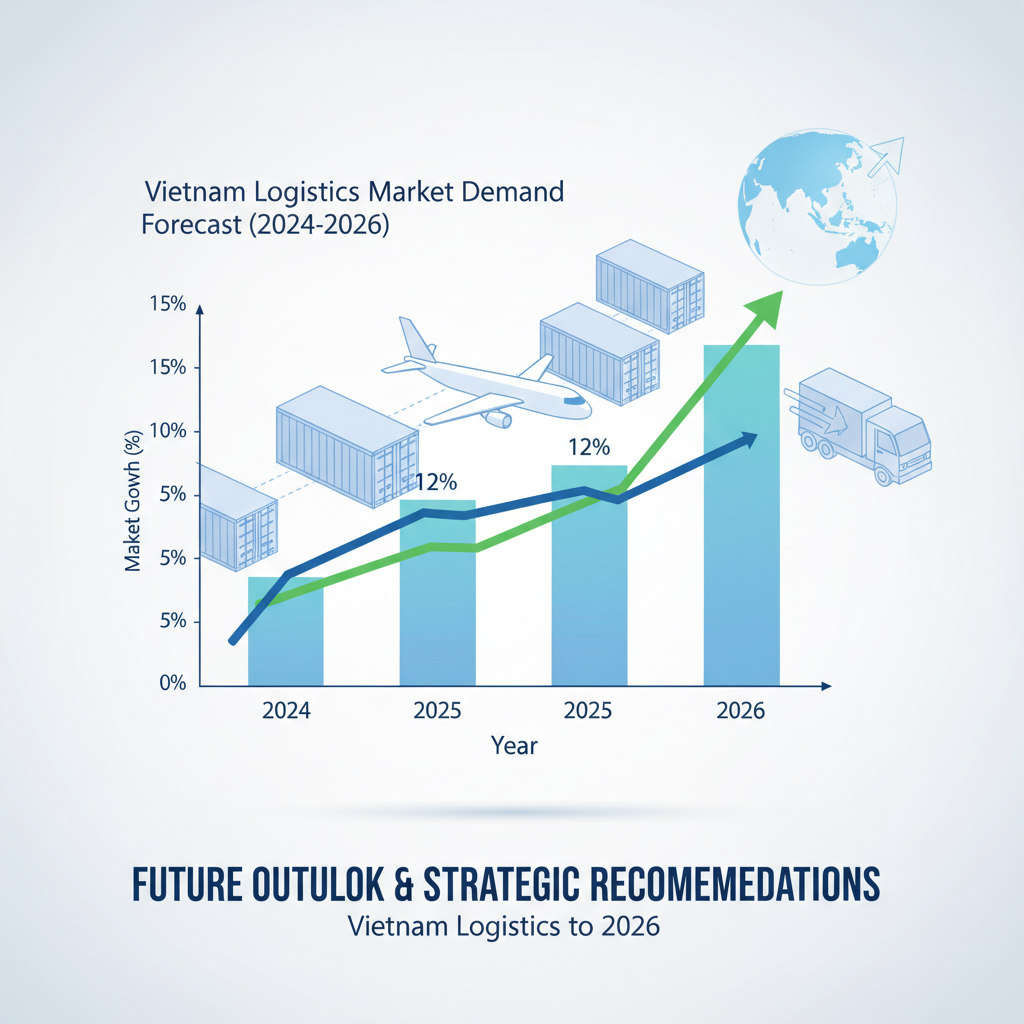
1. Market Size & Growth Projections for Vietnam’s Logistics Field to 2026
The Vietnamese logistics market is projected to experience robust growth, fueled by several key factors. The nation’s strategic location, preferential trade agreements (such as EVFTA and CPTPP), and a shifting global manufacturing base continue to attract substantial foreign direct investment. This influx stimulates demand across all logistics segments, including warehousing, freight forwarding, last-mile delivery, and cold chain solutions. Projections suggest a compound annual growth rate (CAGR) in the high single digits, potentially pushing the market value significantly higher by 2026. This expansion is not merely quantitative but also qualitative, driven by a greater need for efficiency, traceability, and integrated solutions. The rapid ascent of e-commerce, projected to continue its double-digit growth, is a primary catalyst, demanding advanced fulfillment centers, efficient last-mile networks, and reverse logistics capabilities. Furthermore, an increasingly affluent domestic consumer base and a growing appetite for diverse goods are escalating the complexity and volume of intra-country logistics, as highlighted by recent analyses. For a deeper dive into the market dynamics, a comprehensive market demand trend report of logistics field in vietnam is essential to inform strategic decisions.
2. Investment Opportunities & Government Policy Support for Sector Growth
The Vietnamese government recognizes the pivotal role of logistics in national economic development and has proactively rolled out supportive policies and investment incentives. The National Logistics Development Strategy to 2025, with a vision to 2030, aims to reduce logistics costs, improve infrastructure, and enhance service quality. Key investment opportunities abound in modernizing existing infrastructure and developing new facilities, particularly in multimodal transport hubs, smart warehouses, and specialized cold storage facilities to cater to agricultural and pharmaceutical sectors. There’s also significant potential in digital infrastructure, including logistics software, IoT solutions for tracking, and AI-driven optimization platforms. Government support often comes in the form of tax incentives, land-use preferences, and streamlined administrative procedures for projects deemed critical to national logistics development. Public-private partnerships (PPPs) are being encouraged for large-scale infrastructure projects, such as deep-water ports, expressways, and railway networks, creating fertile ground for both domestic and international investors. Insights from bodies like the Grand View Research on Vietnam Logistics Market often underscore these policy-driven opportunities.
3. Strategic Imperatives for Logistics Providers to Remain Competitive
To capitalize on Vietnam’s promising logistics future, providers must embrace a multi-faceted strategic approach. Firstly, technology adoption is non-negotiable. Investing in automation (e.g., automated storage and retrieval systems), advanced analytics, blockchain for supply chain transparency, and cloud-based logistics management systems will drive efficiency, reduce costs, and enhance service reliability. Secondly, diversification of services is crucial. Moving beyond basic transportation and warehousing, providers should offer value-added services such as customs brokerage, cross-docking, specialized packaging, and comprehensive supply chain consulting. Thirdly, sustainability and green logistics practices are becoming increasingly important. Implementing eco-friendly transport options, optimizing routes to reduce carbon footprint, and adopting energy-efficient warehousing solutions will not only meet growing regulatory and consumer demands but also offer long-term operational advantages. Finally, talent development and strategic partnerships are vital. Investing in training programs to upskill the workforce in technology and complex logistics operations, and forging alliances with local and international players, can expand reach, leverage expertise, and create integrated service offerings that meet the dynamic demands of the Vietnamese market.
Partner with Shelby Global
You are looking for reliable HR Sevice Suppliers? Contact Shelby Global Now! To connect with verified talents and upgrade your orginization.
—————————————
References
– Vietnam Economic Overview – World Bank: https://www.worldbank.org/en/country/vietnam/overview
– World Bank’s insights into Vietnam: https://www.worldbank.org/en/country/vietnam
– World Bank Vietnam Overview: https://www.worldbank.org/en/country/vietnam/overview
– Logistics in Vietnam: Latest Industry Reports: https://www.vietnam-briefing.com/news/logistics-in-vietnam-latest-industry-reports.html/
– Grand View Research on Vietnam Logistics Market: https://www.grandviewresearch.com/industry-analysis/vietnam-logistics-market