Overview of Singapore’s Healthcare Landscape
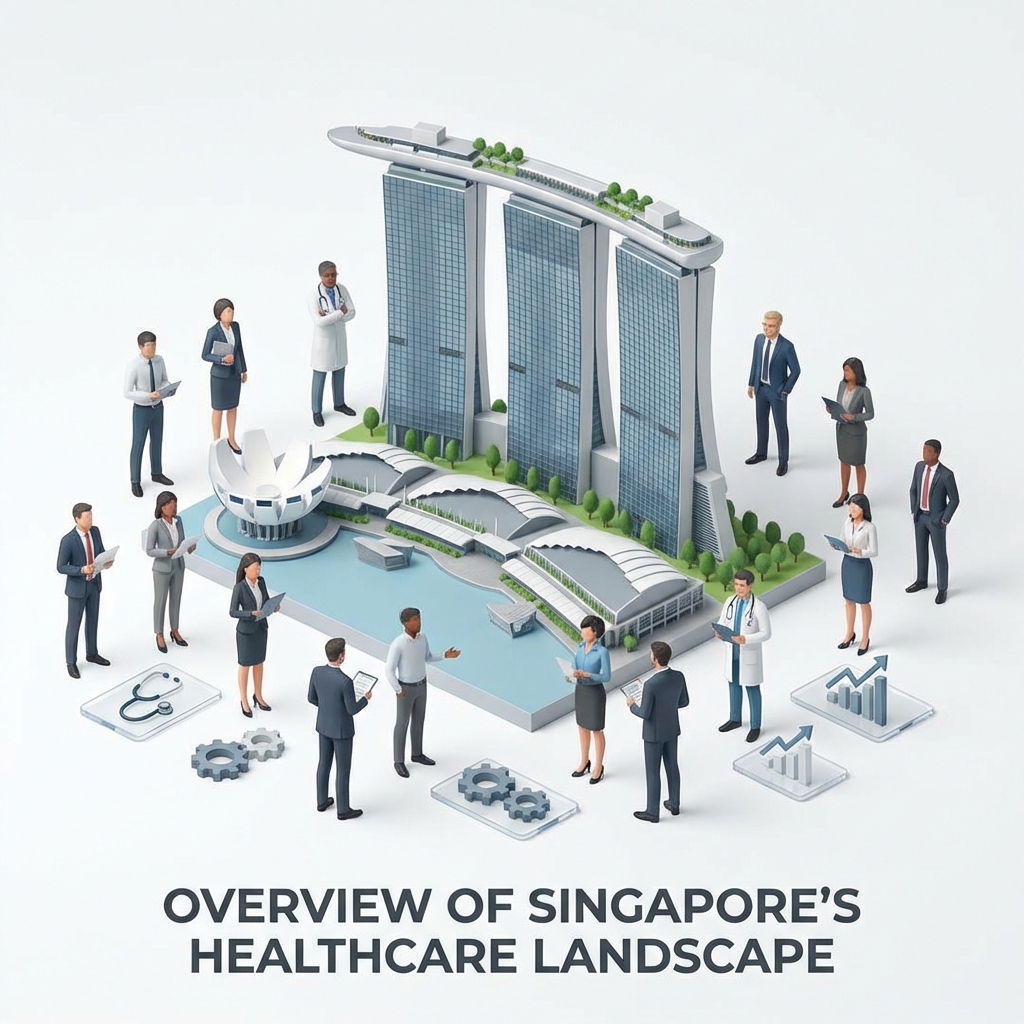
Singapore’s healthcare system is renowned globally for its efficiency, accessibility, and high quality outcomes. It operates on a unique co-payment model, blending government subsidies with individual savings (MediSave, MediShield Life, CareShield Life) and private insurance, creating a multi-tiered approach to healthcare provision. This intricate balance ensures universal healthcare coverage while promoting shared responsibility, profoundly influencing the dynamics of the market demand trend report of medicine field in singapore. Understanding this foundational structure is crucial for any stakeholder looking to navigate the Lion City’s robust and evolving medical sector. The current state is characterized by an intensified focus on preventive care, digital transformation, and capacity expansion, all driven by a forward-looking national health strategy aimed at sustaining healthcare excellence amidst demographic shifts.
1. Key Demographics and Health Profile of Singapore
Singapore’s population demographics are a primary driver of its healthcare needs and, consequently, the market demand trend report of medicine field in singapore. With a rapidly aging population, the proportion of residents aged 65 and above is projected to reach nearly one in four by 2030. This demographic shift inevitably leads to a higher prevalence of chronic diseases such as diabetes, hypertension, cardiovascular conditions, and various cancers. The demand for long-term care, geriatric medicine, and specialized treatments for age-related ailments is therefore experiencing significant growth. Furthermore, lifestyle changes, while contributing to economic progress, have also led to an uptick in non-communicable diseases among younger segments, necessitating broader public health interventions and a sustained demand for pharmaceuticals and medical devices across all age groups. Data from the Ministry of Health Singapore consistently highlights these trends, underscoring the urgent need for a healthcare system that is not only robust but also adaptable to these evolving health profiles. This translates directly into specific demands within the pharmaceutical and medical technology sectors.
2. Government Healthcare Policies & Strategic Initiatives (e.g., Healthier SG)
The Singaporean government plays a pivotal role in shaping the healthcare landscape through its proactive policies and strategic initiatives. Programs like Healthier SG represent a significant paradigm shift from episodic care to preventive health and population-based wellness. Launched in 2023, Healthier SG aims to empower citizens to take charge of their health through regular engagements with a trusted family doctor, emphasizing screening, vaccinations, and lifestyle modifications. This initiative, while designed to reduce future healthcare burdens, also reshapes current demand by increasing the uptake of preventive medicines, diagnostic tests, and health education services. Other government initiatives, such as the national strategy for tackling diabetes and efforts to enhance mental wellness, further influence the market demand trend report of medicine field in singapore by directing resources and incentivizing innovation in these specific areas. These policies create clear pathways for pharmaceutical companies, medical device manufacturers, and healthcare service providers to align their offerings with national health objectives, fostering a collaborative ecosystem focused on patient outcomes and cost-effectiveness. The government’s unwavering commitment to affordable and accessible healthcare, outlined comprehensively on the official Ministry of Health Singapore website, ensures a stable and predictable environment for market growth.
3. Infrastructure Development & Capacity Building in Hospitals and Clinics
Continuous investment in healthcare infrastructure is a cornerstone of Singapore’s strategy to meet future demand and maintain its reputation for medical excellence. The expansion and upgrading of public and private hospitals, polyclinics, and specialized medical centers are ongoing efforts designed to enhance capacity and improve accessibility. New hospitals like Woodlands Health Campus, along with the redevelopment of existing facilities, are incorporating state-of-the-art technology, advanced medical equipment, and integrated care models. This capacity building directly influences the market demand trend report of medicine field in singapore, particularly for cutting-edge medical devices, hospital supplies, and specialized pharmaceutical products. Beyond physical infrastructure, there’s a strong emphasis on leveraging technology, including telemedicine, artificial intelligence in diagnostics, and electronic health records, to improve efficiency and patient care. The push towards smart hospitals and digitally integrated clinics creates significant opportunities for innovation and product deployment. Furthermore, the development of specialized centers of excellence, catering to areas like oncology, cardiology, and neurological disorders, attracts both local and regional patients, further solidifying Singapore’s position as a medical hub and driving a consistent demand for high-value medical solutions. These strategic investments reflect a clear commitment to supporting a growing population with increasingly complex healthcare needs, ensuring a dynamic and expanding market for medical products and services.
In conclusion, Singapore’s healthcare landscape is shaped by a confluence of demographic shifts, proactive government policies, and continuous infrastructure development. These foundational elements collectively dictate the trajectory of the market demand trend report of medicine field in singapore, presenting both challenges and significant opportunities for innovation and growth. Stakeholders must therefore maintain a keen understanding of these underlying forces to effectively contribute to and capitalize on Singapore’s evolving healthcare ecosystem.
Current Market Demand Trends in Medicine
Singapore, a rapidly developing nation with a sophisticated healthcare system, is experiencing dynamic shifts in its medical landscape. These shifts are predominantly driven by evolving population needs, significant demographic changes, and the emergence of new health challenges. Understanding these market demand trends in medicine field in Singapore is crucial for healthcare providers, policymakers, and investors looking to navigate and contribute to the nation’s health ecosystem. The demand for specific medical services and specializations is undergoing substantial transformation, reflecting the country’s proactive approach to public health and the increasing expectations of its citizens for quality care.
1. Rise in Chronic Disease Management (Diabetes, Hypertension, Cardiovascular)
One of the most prominent market demand trends in medicine field in Singapore is the escalating need for chronic disease management. Diseases like diabetes, hypertension, and cardiovascular conditions are on a worrying upward trajectory, primarily due to lifestyle changes, an aging population, and increased early detection efforts. The Ministry of Health (MOH) consistently highlights the growing burden of these non-communicable diseases. This surge necessitates a robust and integrated approach to healthcare, creating significant demand for primary care physicians equipped to manage multiple comorbidities, specialized endocrinologists and cardiologists, and allied health professionals such like dietitians and physiotherapists. Furthermore, there’s a heightened focus on preventive care programs, patient education, and home-based monitoring solutions to empower individuals in self-managing their conditions, thereby reducing hospital readmissions and improving overall quality of life. The demand extends to innovative pharmaceuticals and medical devices that offer better management and treatment outcomes for these persistent health issues.
2. Growing Demand for Specialized Medical Services (Oncology, Geriatrics, Mental Health)
Beyond general chronic care, Singapore is witnessing a substantial increase in the demand for highly specialized medical services. Oncology, for instance, remains a critical area, with cancer being a leading cause of morbidity and mortality. Advances in diagnostic technologies, targeted therapies, and immunotherapy mean that patients are seeking state-of-the-art cancer treatment, driving demand for specialized oncologists, radiation therapists, and advanced surgical facilities.
Geriatrics is another rapidly expanding field, directly correlating with Singapore’s aging demographic. As the proportion of seniors increases, so does the need for comprehensive geriatric assessment, polypharmacy management, rehabilitation services, and long-term care solutions, including both institutional and home-based care. There is a growing emphasis on maintaining the independence and quality of life for the elderly, fueling demand for specialized geriatricians and integrated care models tailored to their complex needs.
Moreover, mental health services are experiencing an unprecedented surge in demand. Increased public awareness, reduced stigma, and the pressures of modern life have led more individuals to seek help for conditions ranging from anxiety and depression to more severe psychiatric disorders. This has created a significant need for psychiatrists, psychologists, counselors, and community-based mental health support programs. The focus is shifting towards accessible, integrated mental healthcare within primary care settings and through digital health platforms, recognizing mental well-being as integral to overall health.
3. Impact of Aging Population on Healthcare Needs and Service Utilization
The seismic demographic shift towards an aging population profoundly influences healthcare needs and service utilization across Singapore’s medicine field. Singapore is projected to become a “super-aged” society by 2030, with one in four citizens aged 65 and above. This demographic reality is arguably the single most significant driver behind many of the evolving market demand trends in medicine field in Singapore. An older population typically presents with multiple chronic conditions, requires more frequent medical consultations, undergoes more surgical procedures, and has a greater need for long-term care and rehabilitation.
This phenomenon puts immense pressure on healthcare infrastructure, workforce planning, and financial sustainability. There is an amplified demand for services ranging from age-friendly primary care and preventative screenings to specialized geriatric medicine, palliative care, and end-of-life support. Furthermore, the reliance on home healthcare services, assistive technology, and community support networks is growing as families seek to keep their elderly loved ones comfortable at home for longer. Understanding Singapore’s demographic shifts is critical for any comprehensive market demand trend report of medicine field in Singapore, as it underpins the escalating demand for virtually every segment of healthcare, requiring innovative and integrated solutions to meet these evolving challenges.
Pharmaceutical Industry Growth & Innovation
Singapore’s pharmaceutical sector is undergoing a significant transformation, evolving into a vibrant hub for drug development, advanced manufacturing, and strategic market access within Asia and beyond. This expansion is driven by robust government support, substantial R&D investments, and a highly skilled workforce, positioning the nation as a key player in the global life sciences landscape. The country’s commitment to fostering innovation and attracting top-tier biomedical companies has cemented its reputation as a preferred location for cutting-edge pharmaceutical activities. For businesses, investors, and stakeholders seeking to navigate this dynamic environment, a comprehensive market demand trend report of medicine field in Singapore is essential to identify opportunities and understand emerging patterns.
1. Growth in Biologics, Biosimilars, and Advanced Therapies
Singapore has strategically invested heavily in the high-growth segments of biologics, biosimilars, and advanced therapies. Recognising the shift from traditional small-molecule drugs to complex biological products, the nation has cultivated an ecosystem conducive to their research, development, and manufacturing. Institutions like A*STAR (Agency for Science, Technology and Research) and the Singapore Economic Development Board (EDB) have been instrumental in attracting global pharmaceutical giants to establish biologics manufacturing plants and R&D centres here. This focus is not only on production but also on developing the next generation of cell and gene therapies, which promise revolutionary treatments for previously untreatable diseases. This surge underscores Singapore’s ambition to be a leader in Singapore pharma innovation, making it an attractive destination for companies looking to tap into the future of medicine.
2. R&D Investments, Clinical Trials Landscape, and Drug Approvals
The strength of Singapore’s pharmaceutical industry is deeply rooted in its substantial R&D investments and a well-structured clinical trials landscape. Both the public and private sectors are channelling significant funds into drug discovery and translational research, supported by world-class research institutes and academic medical centres. Singapore offers a streamlined regulatory framework overseen by the Health Sciences Authority (HSA), which facilitates efficient drug approvals while maintaining rigorous safety and efficacy standards. The nation’s diverse patient population and high standards of medical care make it an appealing location for conducting multi-centre clinical trials, accelerating the pace at which new therapies reach patients. These efforts are pivotal in strengthening biologics manufacturing Singapore and overall drug development capabilities, driving breakthroughs that address global health challenges.
3. Supply Chain Resilience, Local Manufacturing, and Regional Hub Status
Singapore’s reputation as a reliable and efficient manufacturing base is unparalleled in the region. The pharmaceutical sector benefits from state-of-the-art facilities that often incorporate advanced manufacturing technologies, including Pharma 4.0 principles, to enhance productivity and quality. Beyond local production, Singapore plays a crucial role as a regional distribution and supply chain hub. Its strategic geographical location, coupled with world-class logistics infrastructure and a robust regulatory environment, ensures the resilient and timely delivery of critical medicines across Asia. This capability was particularly highlighted during recent global disruptions, where Singapore demonstrated its capacity to maintain an uninterrupted supply chain. The nation’s focus on building highly resilient supply chains and fostering advanced local manufacturing capabilities reinforces its status as a critical node in the global pharmaceutical network, attracting further investment and ensuring continued growth in the medicine field in Singapore.
In conclusion, Singapore’s pharmaceutical industry is on an impressive growth trajectory, driven by strategic investments in biologics and advanced therapies, a flourishing R&D ecosystem, and an exceptionally resilient supply chain. These factors combine to create a dynamic and innovative environment that continues to attract global pharmaceutical players. Understanding these intricate dynamics through a market demand trend report of medicine field in Singapore is key to unlocking the full potential within this rapidly expanding sector.
Emerging Technologies and Their Influence
Singapore’s healthcare landscape is undergoing a profound transformation, driven by rapid advancements in technology. This shift is not merely incremental but represents a fundamental reimagining of patient care, diagnostics, drug discovery, and medical device development. As a global hub for innovation, Singapore is strategically leveraging cutting-edge technologies to enhance healthcare delivery, improve patient outcomes, and address the evolving market demand trend report of medicine field in singapore. This section delves into the key technological forces shaping the future of medicine in the city-state, highlighting their pervasive influence across various facets of the healthcare ecosystem.
The nation’s proactive approach to adopting and integrating these technologies positions it at the forefront of global medical innovation. From enhancing diagnostic precision to enabling personalized therapeutic strategies, these emerging tools are not just supplementary but are becoming foundational to Singapore’s ambitious goals for digital healthcare transformation and patient-centric services. This foresight ensures a robust and responsive healthcare system capable of meeting future challenges.
-
AI and Data Analytics in Diagnostics, Drug Discovery, and Personalized Treatment
Artificial Intelligence (AI) and data analytics are revolutionizing medicine by offering unprecedented capabilities in processing vast amounts of complex information. In Singapore, AI is increasingly deployed in diagnostics, where algorithms can analyze medical images (like X-rays, MRIs, and CT scans) with remarkable speed and accuracy, often detecting anomalies that might be missed by the human eye. This leads to earlier and more precise disease detection, significantly improving prognosis. Furthermore, AI is accelerating drug discovery by identifying potential drug candidates, predicting their efficacy and safety profiles, and optimizing clinical trial designs, thereby reducing the time and cost associated with bringing new therapies to market. For personalized treatment, AI-driven platforms analyze individual patient data—including genetic information, medical history, and lifestyle factors—to predict disease progression, recommend tailored treatment plans, and forecast responses to specific medications. This hyper-personalization is central to the future of medicine in Singapore, enabling more effective and targeted interventions.
-
Telemedicine, Remote Monitoring, and Digital Health Platforms Adoption
The adoption of telemedicine and digital health platforms has surged, fundamentally altering how patients access care and how healthcare providers deliver it. Singapore has embraced these technologies to enhance accessibility, convenience, and continuity of care. Telemedicine allows patients to consult with doctors remotely via video calls, reducing the need for physical visits, which is particularly beneficial for managing chronic conditions, follow-up appointments, and for patients with mobility issues. Remote monitoring devices, including wearables and smart sensors, continuously collect vital health data (e.g., heart rate, blood pressure, glucose levels), transmitting it to healthcare providers for real-time analysis. This enables proactive intervention, prevents acute episodes, and empowers patients to better manage their health. Digital health platforms integrate electronic health records, appointment scheduling, and secure communication channels, creating a seamless and efficient experience for both patients and clinicians. This robust biomedical innovation streamlines administrative tasks and ensures that critical patient information is readily available, driving a more connected and responsive healthcare system.
-
Genomics, Precision Medicine, and Advanced Medical Devices
Genomics and precision medicine represent a paradigm shift towards highly individualized healthcare, moving beyond a one-size-fits-all approach. In Singapore, significant investments are being made in genomic sequencing and research to understand how an individual’s genetic makeup influences their health and response to treatments. This enables the development of therapies that are precisely tailored to a patient’s genetic profile, leading to more effective outcomes and minimizing adverse reactions. This focus on genomic insights is crucial for advancing targeted cancer therapies, rare disease diagnostics, and pharmacogenomics. Alongside this, advanced medical devices are continuously evolving, offering improved diagnostic capabilities and therapeutic interventions. This includes sophisticated imaging technologies, robotic surgical systems that enhance precision and reduce invasiveness, and smart implantable devices. These innovations are critical components of Singapore’s strategy to provide world-class medical care, pushing the boundaries of what is possible in diagnostics, treatment, and patient recovery.
The confluence of AI, telemedicine, genomics, and advanced medical devices is not merely changing medicine; it is redefining it. Singapore’s strategic embrace of these emerging technologies underscores its commitment to fostering a resilient, innovative, and patient-centric healthcare future. This continuous evolution promises not only improved health outcomes but also positions the nation as a leader in global healthcare innovation, actively shaping the next generation of medical solutions and addressing the dynamic market demand trend report of medicine field in singapore.
Future Outlook and Strategic Implications for 2026
Projecting key future trends and offering strategic recommendations for stakeholders navigating the dynamic medicine field in Singapore.
Singapore’s medicine field is set for significant transformation by 2026, driven by demographic shifts, technological advancements, and evolving patient expectations. Stakeholders, from healthcare providers to investors, must adopt proactive strategies to navigate this dynamic landscape. This market demand trend report of medicine field in singapore projects key growth drivers, identifies emerging opportunities, addresses challenges, and offers actionable recommendations for sustained success and a resilient healthcare ecosystem.
1. Key Growth Drivers and Emerging Market Opportunities
Several factors will fuel growth in Singapore’s medicine sector. The nation’s rapidly aging population will lead to a surge in demand for chronic disease management, geriatric care, and specialized medical services. Concurrently, increasing affluence and health awareness are driving preferences for advanced treatments, personalized medicine, and preventive care. This environment is ripe for healthcare innovation Singapore, particularly in leveraging cutting-edge technology.
- Precision Medicine and Advanced Therapies: Singapore’s robust biomedical research infrastructure and government support position it as a hub for precision oncology, cell and gene therapies, and genomic medicine. AI and big data analytics will enhance diagnostic accuracy and treatment efficacy.
- Digital Health and Telemedicine: The accelerated adoption of digital health solutions, including telemedicine, remote monitoring, and AI-powered diagnostics, will continue. This trend facilitates greater accessibility to care and enhances operational efficiencies.
- Preventive Health and Wellness: A shift from treatment to prevention will drive demand for robust wellness programs, health screenings, and lifestyle management solutions, encompassing digital coaching to specialized nutrition.
- Medical Tourism and Regional Hub Status: Singapore’s reputation for high-quality healthcare will continue to attract patients from across Southeast Asia, bolstering its position as a regional hub for complex procedures and specialized treatments.
2. Challenges, Regulatory Considerations, and Competitive Landscape
The medicine field in Singapore faces inherent challenges. Escalating healthcare costs remain a pressing concern, driven by expensive advanced therapies and an aging population. The global shortage of skilled healthcare professionals, particularly in specialized fields, poses a significant constraint. The rapid pace of technological change introduces complexities around data privacy, cybersecurity, and ethical implications of AI.
Singapore’s regulatory environment, overseen by MOH and HSA, is comprehensive and evolving. Regulations for novel medical devices, digital health solutions, and advanced therapeutic products are continuously refined to ensure patient safety and foster innovation. Stakeholders must remain agile in navigating these frameworks. For insights into Singapore’s broader healthcare transformation goals, refer to the Ministry of Health’s initiatives on healthcare journey.
The competitive landscape is intensifying, with multinational pharmaceutical companies and agile local startups vying for market share. Regional players and global tech giants are also entering the digital health Singapore space, necessitating differentiated strategies. Collaboration may prove key to success, particularly in developing integrated care pathways.
3. Recommendations for Healthcare Providers, Pharmaceutical Companies, and Investors
To thrive in the dynamic Singaporean medicine field towards 2026, strategic foresight and adaptability are crucial for all stakeholders.
- For Healthcare Providers:
- Embrace Digital Transformation: Invest in telehealth infrastructure, EHR interoperability, and AI tools to enhance efficiency and patient experience.
- Focus on Value-Based Care: Shift towards preventive health and chronic disease management programs emphasizing outcomes and patient well-being.
- Workforce Development: Implement continuous training for staff in digital literacy, gerontology, and specialized therapeutic applications.
- For Pharmaceutical Companies:
- Strategic R&D and Market Access: Prioritize R&D into therapies addressing unmet needs in an aging population. Develop robust market access strategies for novel drugs, understanding local regulatory nuances.
- Foster Partnerships: Collaborate with local research institutions, hospitals, and health tech startups to co-develop solutions and penetrate the market.
- Data-Driven Insights: Utilize real-world data and analytics to demonstrate product value and optimize patient outcomes.
- For Investors:
- Identify Niche Opportunities: Look for opportunities in specialized health tech platforms (e.g., AI diagnostics, remote monitoring), geriatric care facilities, and biotech startups focusing on precision medicine.
- Evaluate Scalability: Prioritize investments in companies with scalable business models and a clear path to market, leveraging Singapore’s regional hub status.
- Assess Regulatory Compliance: Conduct thorough due diligence on regulatory adherence and IP protection, given the stringent healthcare sector.
The market demand trend report of medicine field in singapore clearly indicates a robust yet complex future. By strategically aligning with these projected trends and addressing challenges, stakeholders can secure their position and contribute significantly to advancing healthcare in Singapore and the broader region.
Partner with Shelby Global
You are looking for reliable HR Sevice Suppliers? Contact Shelby Global Now! To connect with verified talents and upgrade your orginization.
—————————————
References
– Ministry of Health Singapore website: https://www.moh.gov.sg/resources/publications/singapore-s-healthcare-system
– Population Facts – National Population and Talent Division: https://www.nptd.gov.sg/who-we-are/population-facts
– Singapore Economic Development Board (EDB): https://www.edb.gov.sg/en/our-industries/healthcare-and-biomedical-sciences.html
– Innovating for Health – A*STAR: https://www.a-star.edu.sg/Our-Impact/Innovating-for-Health
– Beyond 2020: Singapore’s Healthcare Journey: https://www.moh.gov.sg/news-highlights/details/beyond-2020-singapore’s-healthcare-journey