
Overview of Malaysia’s Beauty Market Landscape
Malaysia’s beauty industry is a vibrant and rapidly evolving sector, representing a significant component of the nation’s retail economy. Characterized by dynamic consumer preferences, increasing disposable incomes, and a strong digital adoption rate, the market presents lucrative opportunities for both local and international brands. Understanding the intricacies of this landscape requires a comprehensive market demand trend report of beauty field in malaysia, revealing key insights into its current trajectory and future potential.
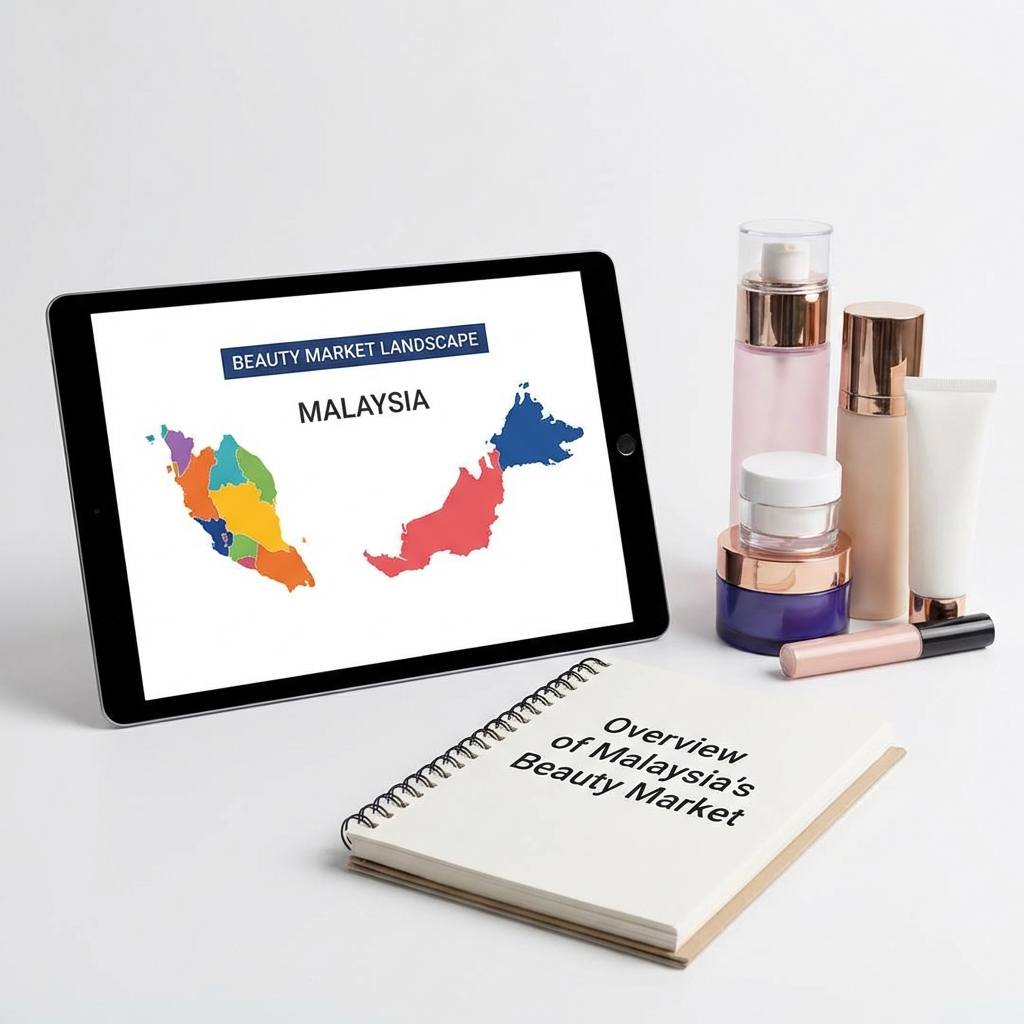
1. Current Market Size & Growth Projections
The Malaysian beauty and personal care market has demonstrated robust growth over recent years, driven by urbanization and a growing middle class with heightened awareness of personal grooming and well-being. The market, encompassing skincare, haircare, cosmetics, fragrances, and personal hygiene products, is projected to continue its upward trajectory. For instance, the beauty and personal care market in Malaysia is estimated to reach significant revenue figures, with a steady annual growth rate expected over the next five years. This expansion is largely fueled by the rising consumer demand for premium and specialized products, alongside the widespread adoption of e-commerce platforms which have significantly broadened market reach. The beauty market size continues to expand, reflecting a healthy economic environment and evolving lifestyle choices among Malaysians. According to Statista, the revenue in the Beauty & Personal Care market in Malaysia is projected to reach US$2.71bn in 2024, with an expected annual growth rate (CAGR 2024-2028) of 5.09%, resulting in a market volume of US$3.31bn by 2028. This growth highlights the market’s resilience and its appeal to investors and brands looking for expanding opportunities.
2. Key Demographics & Consumer Profiles
Malaysia’s diverse population plays a crucial role in shaping its beauty market. The demographic landscape, comprising a significant youth population and an increasingly affluent middle-income segment, drives a variety of consumer preferences. Malaysian consumers are increasingly sophisticated, well-informed, and digitally savvy, making them highly receptive to global beauty trends, particularly those originating from Korea (K-beauty) and Japan (J-beauty). There is a growing emphasis on natural and organic ingredients, sustainable and ethical sourcing, and products tailored to specific skin concerns and cultural needs. The demand for Halal-certified beauty products is particularly strong, catering to the country’s large Muslim population and positioning Malaysia as a hub for Halal cosmetics. Furthermore, male grooming products are experiencing a surge in popularity, indicating a broadening consumer base. Brands that resonate with these specific consumer profiles – whether through product innovation, ethical branding, or effective digital engagement – are best positioned for success in the Malaysian beauty industry.
3. Regulatory Environment & Local Manufacturing
The regulatory framework governing the beauty industry in Malaysia is primarily overseen by the National Pharmaceutical Regulatory Agency (NPRA) under the Ministry of Health. This agency ensures that all cosmetic products marketed in Malaysia comply with stringent safety and quality standards, aligning with ASEAN Cosmetic Directive guidelines. This robust regulatory environment fosters consumer trust and promotes fair competition. Concurrently, Malaysia boasts a burgeoning local manufacturing sector, with a growing number of domestic brands gaining recognition both locally and regionally. These local brands often leverage indigenous ingredients and traditional formulations, providing a unique selling proposition. The strong support for Halal certification not only addresses religious requirements but also opens doors to the global Halal market, giving Malaysian manufacturers a distinct competitive edge. The ease of doing business, coupled with government initiatives to support local industries, contributes significantly to the dynamism and self-sufficiency of the beauty market in Malaysia, encouraging innovation and economic growth within the sector.
Emerging Product Categories and Demand Drivers
The Malaysian beauty landscape is undergoing a significant transformation, driven by evolving consumer preferences and a heightened awareness of product efficacy, ethical sourcing, and personalized solutions. With the beauty and personal care market in Malaysia projected for robust expansion, understanding these shifts is crucial for any market demand trend report of the beauty field in Malaysia. This section delves into specific beauty product categories experiencing high demand and the underlying factors fueling their growth within the dynamic skincare and cosmetics market in Malaysia, highlighting key areas such as the burgeoning interest in natural ingredients beauty Malaysia and the burgeoning demand for highly personalized cosmetics Malaysia. The beauty sector’s robust expansion, with its projected market growth, underscores the opportunities in these evolving segments.
1. Rise of Skincare Market Malaysia
The skincare market Malaysia has witnessed an unprecedented boom, establishing itself as a dominant force within the broader beauty sector. Malaysian consumers are increasingly educated about skincare ingredients and routines, moving beyond basic cleansing and moisturizing to incorporating advanced treatments. This surge is partly attributed to the pervasive influence of K-beauty and J-beauty trends, which have popularized multi-step routines and the use of potent active ingredients. Consumers are not just seeking solutions for existing problems but are adopting preventive skincare measures, driving the beauty product demand Malaysia for items like serums, essences, and high-SPF sunscreens. There’s a particular inclination towards products featuring natural ingredients beauty Malaysia, such as centella asiatica, tea tree oil, and various botanical extracts, believed to be gentle yet effective. The focus has shifted towards achieving a healthy skin barrier, addressing hyperpigmentation, and combating the effects of urban pollution, making products targeting these concerns highly sought after.
2. Growth in Sustainable & Halal Beauty Products Malaysia
A significant demand driver in the Malaysian beauty landscape is the increasing consumer consciousness regarding sustainability and ethical practices. The sustainable beauty Malaysia segment is rapidly expanding, with consumers actively seeking products that are cruelty-free, vegan, ethically sourced, and housed in eco-friendly packaging. Brands that prioritize transparent supply chains and minimize environmental impact are gaining considerable traction. Parallel to this, the Halal beauty Malaysia market continues its robust growth, particularly within a predominantly Muslim country. Halal certification is no longer a niche requirement but a mainstream expectation for many consumers, ensuring products are free from haram ingredients (like alcohol and pork derivatives) and manufactured according to Islamic guidelines. This dual emphasis on sustainability and Halal compliance is pushing brands to innovate, reformulate, and secure appropriate certifications, transforming these once niche segments into major pillars of the market.
3. Demand for Personalized & Niche Cosmetics Market Malaysia
The era of ‘one-size-fits-all’ beauty is fading, replaced by a strong consumer desire for tailored and specialized solutions. The demand for personalized cosmetics Malaysia is on an upward trajectory, reflecting consumers’ willingness to invest in products that cater precisely to their unique skin concerns, tones, and preferences. This includes everything from custom-blended foundations and serums to niche brands specializing in solutions for sensitive skin, acne-prone skin, or specific anti-aging concerns. Consumers are becoming ingredient-savvy, scrutinizing product labels and opting for formulations with proven active ingredients and transparent sourcing. This trend also extends to the color cosmetics segment, where individuals seek unique shades and finishes that complement their individuality. Digital platforms and AI-driven diagnostic tools are playing an increasingly vital role in facilitating this personalization, offering recommendations based on individual profiles. For any comprehensive market demand trend report of the beauty field in Malaysia, recognizing this shift towards bespoke beauty and specialized products within the skincare market Malaysia and beyond is essential for understanding future growth trajectories.
The Digital Transformation: E-commerce and Social Media Influence
The Malaysian beauty sector is undergoing a profound digital metamorphosis, fundamentally reshaping how consumers discover, purchase, and engage with beauty brands. This shift, driven by the pervasive influence of e-commerce platforms and the dynamic power of social media, presents both unprecedented opportunities and challenges. To truly understand the evolving landscape, businesses must delve into a comprehensive market demand trend report of beauty field in malaysia, recognizing that digital fluency is no longer an option but a necessity. The traditional retail model is rapidly giving way to a more agile, personalized, and digitally-centric ecosystem, demanding that brands adapt their strategies to meet the expectations of an increasingly connected consumer base.
1. E-commerce Beauty Malaysia Dominance
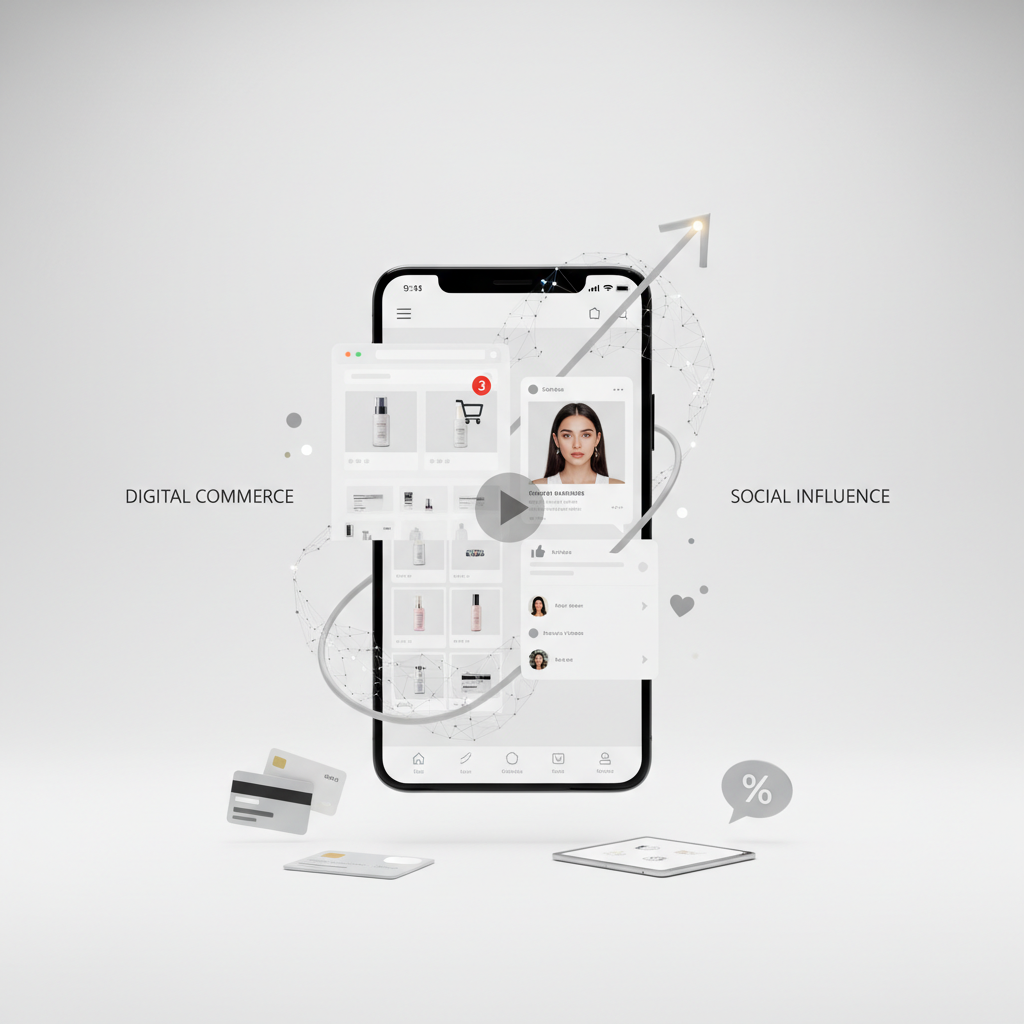
The rise of e-commerce has been nothing short of revolutionary for the online beauty market in Malaysia. Consumers are increasingly bypassing physical stores in favor of the convenience, extensive product ranges, and competitive pricing offered by online platforms like Shopee, Lazada, Sephora Malaysia, and brand-specific websites. This migration online is not just about transactions; it’s about access. Shoppers, particularly the tech-savvy Malaysian beauty consumers, now have global brands at their fingertips, often with detailed reviews and user-generated content influencing their decisions. This digital storefront approach allows brands to reach wider audiences beyond urban centers and cater to niche demands that traditional retail might overlook. According to Statista, the e-commerce market in Malaysia is projected to continue its robust growth, indicating a persistent shift in consumer purchasing behavior towards online channels for beauty products. This dominance signifies a fundamental re-calibration of distribution channels and marketing priorities within the sector.
2. Influencer Marketing & Social Selling
Beyond direct e-commerce, social media platforms have emerged as pivotal battlegrounds for brand engagement and sales. Influencer marketing, fueled by Key Opinion Leaders (KOLs) and micro-influencers, plays a critical role in shaping perceptions and driving purchases. These digital personalities often hold significant sway over their followers, providing authentic product reviews, tutorials, and lifestyle integration that resonate deeply with Malaysian beauty consumers. Platforms like Instagram, TikTok, and Facebook are not merely for content consumption but have transformed into powerful social commerce hubs. Live selling sessions, shoppable posts, and direct messaging capabilities are blurring the lines between content and commerce, fostering immediate purchase decisions. This immersive digital engagement strategy allows brands to cultivate a sense of community and trust, transforming passive followers into active buyers. The visual nature of beauty products makes them particularly suited for this model, where demonstration and testimonial drive conversion. This phenomenon is a cornerstone of the modern market demand trend report of beauty field in malaysia, highlighting the power of peer influence in the digital age.
3. Digital Adoption Across Consumer Segments
The digital transformation is not confined to a single demographic but spans across various consumer segments, albeit with differing levels of engagement and preferred platforms. Gen Z and Millennials, digital natives by definition, are highly proficient in navigating online beauty spaces, seeking out diverse brands and embracing innovative beauty tech solutions. However, older generations are also increasingly adopting digital channels, driven by convenience and the accessibility of information. Brands are now leveraging data analytics to personalize marketing efforts, tailoring product recommendations and content based on individual browsing and purchase histories. This data-driven approach fosters stronger brand loyalty by making consumers feel understood and valued. The direct-to-consumer (D2C) model, heavily reliant on digital channels, has also seen significant traction, allowing emerging brands to bypass traditional retailers and build direct relationships with their clientele. Understanding these nuanced shifts in adoption patterns is crucial for any comprehensive market demand trend report of beauty field in malaysia, as it dictates where and how brands should invest their digital resources to capture and retain market share. Further insights into these dynamics can be found when exploring the nuances of a market demand trend report of beauty field in malaysia, which delves deeper into segment-specific trends and opportunities.
The digital transformation has irrevocably altered the landscape of the Malaysian beauty sector. E-commerce platforms provide unparalleled access and convenience, while social media acts as a powerful engine for discovery, engagement, and sales. Brands that strategically embrace these digital shifts – from optimizing their online storefronts and leveraging influencer marketing to personalizing consumer experiences and understanding cross-segment digital adoption – will be best positioned for success. The ongoing evolution demands continuous monitoring and agile adaptation, making a robust market demand trend report of beauty field in malaysia an indispensable tool for navigating this dynamic and exciting future.
Shifting Consumer Preferences and Future Sustainable Beauty Trends Malaysia
The Malaysian beauty landscape is undergoing a profound transformation, driven by evolving consumer preferences Malaysia that increasingly prioritize health, ethics, and environmental responsibility. As disposable incomes rise and access to global trends expands, Malaysian consumers are demanding more from their beauty products than superficial benefits. This deep dive into these shifts is crucial for any comprehensive market demand trend report of beauty field in malaysia, revealing significant growth opportunities in wellness-focused, ethically sourced, and inclusive beauty solutions, including the rapidly expanding men’s grooming Malaysia market.
1. Focus on Wellness & Holistic Beauty
The pursuit of beauty in Malaysia is increasingly intertwined with an overall commitment to well-being, giving rise to a strong wellness beauty Malaysia movement. Consumers are no longer content with products that merely address surface-level concerns; instead, they seek solutions that contribute to mental, physical, and emotional health. This holistic approach means a growing demand for products formulated with natural, organic, and plant-based ingredients known for their therapeutic properties. Aromatherapy-infused skincare, stress-relief beauty rituals, and products designed to improve sleep quality are gaining traction. The emphasis is on formulations free from harsh chemicals, parabens, and sulfates, aligning with a desire for ‘clean beauty’ that nourishes the body from within. This trend reflects a broader lifestyle shift where self-care is paramount, and beauty routines are viewed as opportunities for personal rejuvenation and mindfulness. Brands that can effectively communicate the intrinsic wellness benefits of their products – beyond just aesthetic improvements – are poised to capture a significant share of this expanding segment, catering to discerning consumer preferences Malaysia for truly beneficial beauty solutions.
2. Sustainable Beauty Trends Malaysia & Ethical Consumption
Environmental consciousness and ethical considerations are no longer niche concerns but mainstream drivers of purchase decisions within the Malaysian beauty sector. The rise of sustainable beauty trends Malaysia is unmistakable, with consumers actively seeking brands that demonstrate a genuine commitment to responsible practices. This encompasses a broad spectrum of ethical consumption, including the demand for cruelty-free and vegan products, clear communication about ingredient sourcing, and a strong preference for brands that minimize their environmental footprint. Terms like “clean beauty” and “transparent sourcing” resonate deeply, as consumers want to know where ingredients come from and how they are produced. Moreover, there’s a significant push towards eco-friendly packaging, with refillable options, recycled materials, and plastic-free alternatives becoming increasingly important. Brands adopting fair trade practices and supporting local communities through their supply chains also gain a competitive edge, appealing to consumers’ desire for products that do good beyond just looking good. According to a report by Euromonitor International, sustainable practices continue to drive growth in the global beauty and personal care market, a trend mirrored in Malaysia where ethical sourcing Malaysia and eco-conscious manufacturing are becoming non-negotiable for many buyers. This segment is not just about avoiding harm but actively contributing to positive social and environmental change, setting a new standard for beauty brands.
3. Expansion of Men’s Grooming Malaysia Market
Historically, the beauty market has predominantly targeted women, but Malaysia is witnessing a significant and rapid expansion in the men’s grooming Malaysia market. Traditional gender stereotypes around self-care are eroding, replaced by a growing acceptance and enthusiasm among Malaysian men for investing in their appearance and well-being. This shift is fueled by increased exposure to global beauty standards, the influence of social media, and a general understanding that good grooming contributes to both professional success and personal confidence. The market now encompasses a wide range of products beyond basic shaving essentials, including specialized skincare (face washes, moisturizers, serums, anti-aging creams), elaborate haircare routines, beard grooming kits, and even male-specific makeup. Brands are responding by launching targeted campaigns featuring male influencers and developing product lines tailored to men’s specific skin and hair needs. This burgeoning segment represents a lucrative opportunity for brands looking to diversify their offerings and tap into a demographic that is increasingly comfortable with and interested in comprehensive self-care. Understanding the nuances of this market, from preferred product types to marketing channels, is a critical component of any forward-looking market demand trend report of beauty field in malaysia, highlighting the inclusivity and breadth of modern beauty consumption in the country.
In conclusion, the Malaysian beauty market is dynamic and responsive, shaped by a confluence of factors including a deeper embrace of wellness, an unwavering commitment to sustainability, and the emergence of a robust men’s grooming sector. Brands that adapt to these consumer preferences Malaysia by offering transparent, ethically produced, and holistically beneficial products will thrive. Staying abreast of these shifts is vital for success in this evolving beauty landscape.
Strategic Outlook and Opportunities for 2026
As Malaysia’s beauty sector continues its robust growth trajectory, understanding the underlying market demand trend report of beauty field in Malaysia is paramount for brands aiming for sustained success. The insights gleaned from recent analyses point towards significant opportunities for innovation, strategic investment, and enhanced consumer engagement. This strategic outlook for 2026 offers actionable recommendations, equipping businesses to capitalize on emerging preferences and evolving market dynamics.

1. Investment Hotspots in Malaysian Beauty
The Malaysian beauty market is ripe with investment opportunities, particularly in segments showing accelerated consumer adoption. Halal cosmetics continue to be a dominant force, driven by a large Muslim population and increasing global demand for ethically produced, Sharia-compliant products. Investors should look at brands with strong Halal certifications and a clear value proposition in this niche. Beyond Halal, the sustainable beauty segment is rapidly expanding. Malaysian consumers, particularly the younger demographic, are increasingly conscious of environmental impact and ethical sourcing. Investments in eco-friendly packaging, clean formulations, and cruelty-free brands promise significant returns. Furthermore, the burgeoning e-commerce growth within the beauty sector presents a low-barrier entry point for new brands and a scalable channel for established players. Platforms offering seamless user experiences, personalized recommendations, and efficient logistics are seeing considerable capital injection. Identifying localized distribution networks and digital marketing agencies specializing in the Malaysian landscape will be crucial for maximizing these investments. The overall cosmetics and personal care market in Malaysia is projected to grow, indicating a healthy environment for strategic capital deployment. According to Statista’s market outlook, the market shows consistent revenue growth, underpinning these investment potentials.
2. Innovation & Product Development
To truly capture market share towards 2026, brands must prioritize innovation that aligns with evolving consumer expectations. Personalized products are no longer a luxury but a growing expectation. Advanced beauty tech, including AI-powered skin analysis and customized formulation services, offers a significant competitive edge. Brands should explore partnerships with tech firms to integrate these solutions into their offerings. Beyond personalization, there’s a strong demand for products that offer wellness integration. This includes beauty-from-within supplements, stress-reducing skincare, and holistic self-care routines. Formulations incorporating local Malaysian botanicals and traditional remedies, while backed by modern science, can resonate deeply with consumers seeking both efficacy and cultural relevance. Moreover, product development must emphasize transparency – clear ingredient lists, ethical sourcing stories, and verifiable claims build trust. Miniaturization and multi-functional products also cater to the convenience-driven lifestyle of urban Malaysians. Continuous research and development, coupled with agile product launches, will be key to staying ahead in this dynamic market.
3. Navigating Competitive Landscape
The Malaysian beauty market, while burgeoning, is also intensely competitive, populated by both global giants and nimble local brands. Successful navigation requires a multi-pronged approach focused on distinct brand positioning and robust digital engagement. Brands must cultivate a strong online presence through engaging content marketing, influencer collaborations, and active social media management. Leveraging platforms like TikTok, Instagram, and local e-commerce sites is critical for reaching and retaining consumers. Customer relationship management (CRM) systems are essential for understanding consumer behavior, enabling targeted marketing campaigns, and fostering loyalty. Beyond digital, building community and experiential retail, even through pop-ups or partnerships, can create memorable brand interactions. Differentiation can also come from superior customer service, loyalty programs, and a compelling brand narrative that speaks to Malaysian values and aspirations. Continuous market analysis, including monitoring competitor strategies and consumer sentiment, will allow businesses to adapt quickly and maintain their competitive edge. The ability to pivot and innovate rapidly in response to new trends, as highlighted in the broader market demand trend report of beauty field in Malaysia, will be a defining factor for success.
The landscape of the Malaysian beauty market for 2026 presents a mosaic of challenges and unparalleled opportunities. Brands that strategically invest in Halal and sustainable segments, champion personalized and wellness-integrated product innovation, and master the art of digital engagement will not only thrive but also set new benchmarks. By embracing these actionable insights and staying attuned to the nuanced preferences of Malaysian consumers, businesses can secure a dominant and profitable position in this vibrant and dynamic market.
Partner with Shelby Global
You are looking for reliable HR Sevice Suppliers? Contact Shelby Global Now! To connect with verified talents and upgrade your orginization.
—————————————
References
– Statista: Beauty & Personal Care Market Malaysia: https://www.statista.com/outlook/cmo/beauty-personal-care/malaysia
– Beauty & Personal Care – Malaysia | Statista Market Forecast: https://www.statista.com/outlook/cmo/beauty-personal-care/malaysia
– E-commerce Market in Malaysia – Statista: https://www.statista.com/outlook/dmo/ecommerce/malaysia
– Euromonitor International: https://www.euromonitor.com/blog/2023/11/green-products-drive-growth-in-beauty-and-personal-care
– Statista’s market outlook on Malaysian Cosmetics & Personal Care Market: https://www.statista.com/outlook/cmo/cosmetics-personal-care/malaysia



































































































