Overview of Malaysia’s Education Landscape & Market Drivers
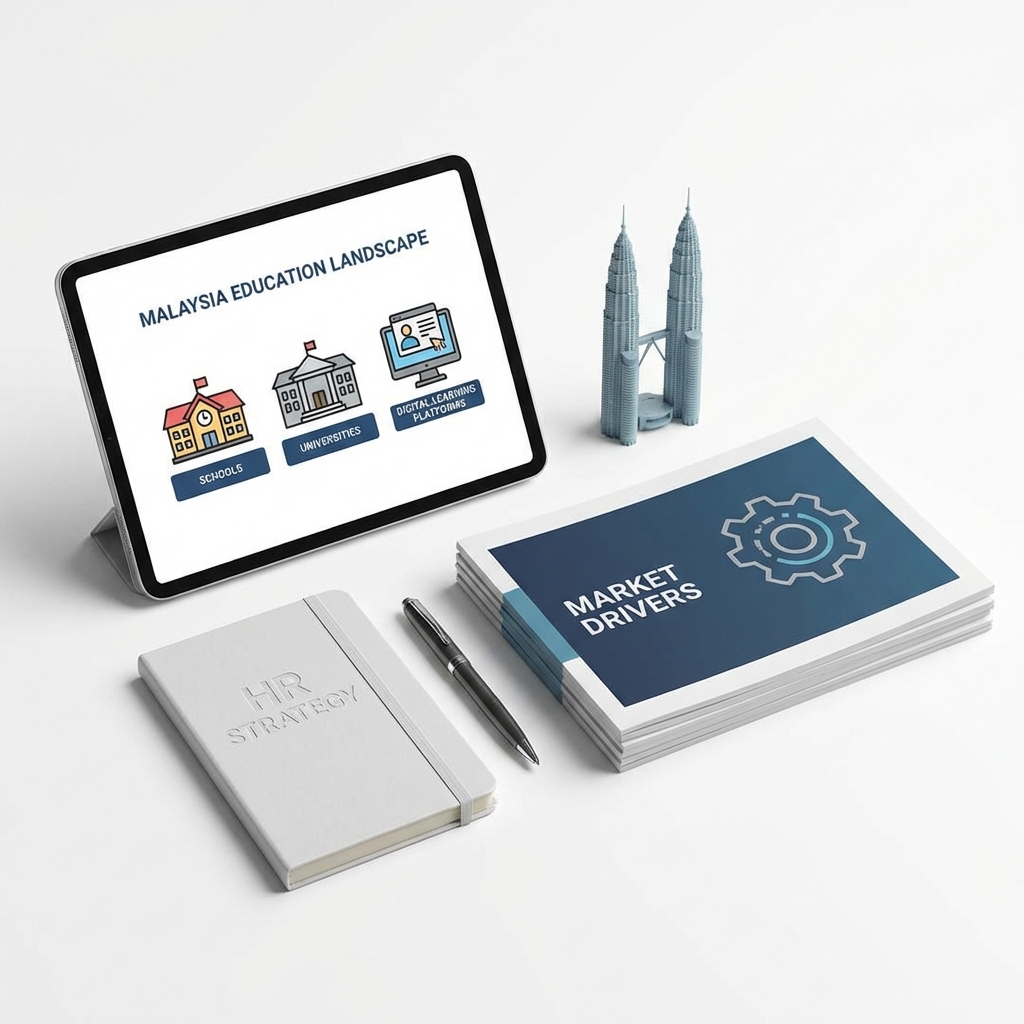
Malaysia’s education landscape is a dynamic and evolving sector, shaped by a unique blend of demographic shifts, strategic government interventions, and robust economic growth. Understanding the intricate interplay of these factors is crucial for anyone looking to navigate or invest in this promising field. This section delves into the current state of education in Malaysia, exploring the primary drivers that influence its demand and future trajectory, ultimately contributing to a comprehensive market demand trend report of education field in Malaysia.
1. Current Demographics and Student Enrollment Trends
Malaysia boasts a relatively young population, which has historically ensured a consistent demand for education at all levels. While birth rates have seen a slight decline in recent years, the sheer volume of school-age children continues to drive enrollment in primary and secondary education. The country’s strong emphasis on education as a pathway to social mobility and economic advancement means that parental investment in schooling remains high. Furthermore, the burgeoning middle class increasingly seeks quality education, often opting for private institutions that offer diverse curricula and advanced facilities, contributing to the overall expansion of the private education sector.
In higher education, the trends are equally significant. There’s a growing preference among Malaysian students for degrees that align with future job market demands, such as those in STEM (Science, Technology, Engineering, and Mathematics), digital technologies, and specialized vocational fields. While a significant portion of students pursues education domestically, there remains a strong outbound flow of students seeking international qualifications, though government initiatives aim to attract more students to local universities and establish Malaysia as a regional education hub. Understanding these demographic shifts and enrollment patterns is fundamental to projecting future demand in various educational segments across the nation.
2. Government Policies and Funding Initiatives (e.g., Malaysia Education Blueprint)
The Malaysian government plays a pivotal role in shaping the education landscape through ambitious policies and substantial funding. The Malaysia Education Blueprint 2013-2025 (MEB) for pre-tertiary education and the Malaysia Education Blueprint (Higher Education) 2015-2025 are cornerstone documents outlining the nation’s strategic direction. These blueprints emphasize holistic education, fostering critical thinking, digital literacy, and bilingual proficiency. Key initiatives include enhancing the quality of teaching, improving access for underserved communities, and strengthening Technical and Vocational Education and Training (TVET) to meet industry needs.
Funding allocations reflect these priorities, with significant investments in upgrading school infrastructure, providing scholarships, and supporting research and development in higher learning institutions. The government’s push for digital transformation in education, accelerated by recent global events, has led to increased investment in e-learning platforms and digital skills training for both educators and students. These policy-driven initiatives not only ensure equitable access to education but also steer the development of curricula and pedagogical approaches, directly influencing the demand for specific educational services and technologies.
3. Economic Growth and Disposable Income Impact on Education Spending
Malaysia’s sustained economic growth over the past few decades has significantly boosted disposable incomes, directly impacting household spending on education. As the economy diversifies and moves up the value chain, there is an increased recognition of education’s role in securing better employment opportunities and higher earning potential. This perception fuels demand for high-quality education, from early childhood enrichment programs to postgraduate studies and professional development courses.
The rise in disposable income has particularly stimulated the growth of the private education sector, including international schools, private universities, and a thriving market for extra-curricular classes and tutoring services. Parents are willing to invest more to ensure their children receive a competitive edge. Moreover, the evolving demands of the job market necessitate continuous upskilling and reskilling among the adult workforce, creating a robust demand for lifelong learning programs, corporate training, and professional certifications. This economic buoyancy, combined with a strong cultural value placed on education, positions Malaysia as a fertile ground for educational innovation and investment, further detailed in any comprehensive market demand trend report of education field in Malaysia.
Emerging Trends in Educational Demand (2023-2026)
The Malaysian education landscape is undergoing a profound transformation, driven by technological advancements, evolving workforce requirements, and shifts in student expectations. This market demand trend report of education field in Malaysia for 2023-2026 highlights the critical areas where students, parents, and industries are increasingly focusing their attention and investment. Educational institutions that successfully adapt to these shifts will be best positioned to meet the demands of a dynamic global economy, ensuring graduates are equipped with relevant skills for future success. Understanding these key trends is vital for strategic planning and curriculum development within the nation’s educational ecosystem.
1. Rise of Digital Learning and Hybrid Models
The acceleration of digital adoption, catalyzed by recent global events, has cemented the prominence of online education Malaysia. Students and professionals alike now seek flexible, accessible, and personalized learning experiences that transcend traditional classroom settings. This has led to a significant surge in demand for hybrid learning solutions, which seamlessly blend face-to-face instruction with online components. Such models offer unparalleled flexibility, allowing learners to balance education with work or other commitments, a crucial factor for fostering lifelong learning Malaysia.
For educational providers, this means investing heavily in robust learning management systems, high-quality digital content creation, and upskilling educators in virtual pedagogy. The emphasis is no longer solely on content delivery but also on creating engaging, interactive virtual environments that foster collaboration and critical thinking. The shift also democratizes access to education, reaching individuals in remote areas or those with specific accessibility needs, thereby expanding the potential student pool for institutions committed to innovation in digital education.
2. Demand for TVET (Technical and Vocational Education and Training) Programs
As Malaysia strives towards high-income nation status, the country faces a growing TVET skills gap, with industries urgently requiring a workforce equipped with practical, job-ready skills. This has fueled a robust demand for Technical and Vocational Education and Training (TVET) programs. Vocational training Malaysia is no longer seen as a secondary option but as a vital pathway to gainful employment and career advancement, particularly in sectors experiencing rapid growth. The focus is on practical competencies, industry-relevant certifications, and hands-on experience, often facilitated through apprenticeships and industry partnerships.
Government initiatives to bolster TVET further underscore its critical national agenda. These programs are designed to address the specific needs of various economic sectors, preparing individuals for future jobs Malaysia in manufacturing, technology, hospitality, and services. The renewed emphasis on TVET is also about shifting perceptions, demonstrating that vocational pathways offer equally rewarding and often more immediate career opportunities compared to purely academic routes, contributing significantly to national productivity and economic resilience.
3. Growth in Specialized Niche Fields (e.g., AI, Green Technology, Digital Marketing)
The rapid pace of technological innovation and global challenges has created an urgent need for highly specialized skills across various niche fields. Students and employers are increasingly seeking programs that address these emerging areas directly. For instance, the explosion of data and automation has made AI education Malaysia a pivotal area, with demand for experts in machine learning, data science, and artificial intelligence skyrocketing. Similarly, with growing environmental concerns, green technology courses are gaining traction, focusing on sustainable practices, renewable energy, and environmental management, preparing professionals for the burgeoning green economy.
Furthermore, the ubiquitous presence of the internet and e-commerce has propelled digital marketing education to the forefront. Businesses across all sectors require professionals skilled in SEO, content marketing, social media strategy, and data analytics to navigate the complex digital landscape. This trend signifies a move away from generic qualifications towards highly targeted, industry-specific training that offers a competitive edge. Educational institutions that are agile enough to develop and offer these specialized programs will attract a significant portion of the new generation of learners seeking to fill these critical skill gaps and capitalize on future market opportunities.
Key Growth Sectors Within Malaysian Education
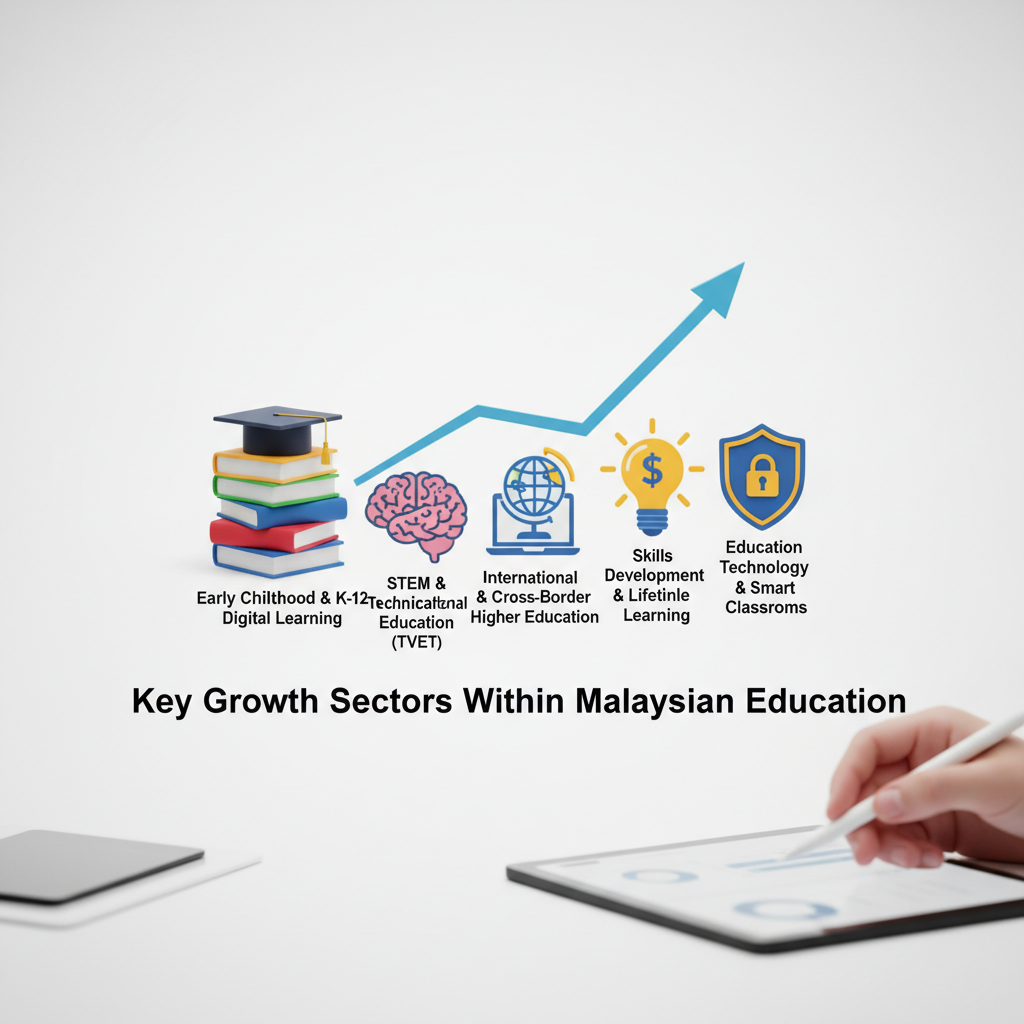
Malaysia’s education sector is a dynamic and evolving landscape, characterized by significant investment, policy reforms, and a burgeoning demand for quality learning opportunities across all age groups. Understanding the market demand trend report of education field in malaysia is crucial for stakeholders looking to identify lucrative segments experiencing substantial growth, attracting both domestic and international investment, and ultimately shaping the nation’s future development. From foundational learning to advanced professional training, several key sectors stand out as pillars of this educational expansion.
1. Early Childhood Education (ECE) Expansion
The Early Childhood Education (ECE) sector in Malaysia is undergoing a remarkable transformation, driven by increased parental awareness of its critical role in child development and robust government support. There’s a growing consensus that quality ECE provides a strong foundation for lifelong learning and future academic success. This recognition has fueled a surge in demand for well-structured and engaging pre-school programs, kindergartens, and child enrichment centers. Government initiatives, such as subsidies and improved regulatory frameworks for childcare providers, have further stimulated growth, encouraging private sector participation. We are witnessing a proliferation of innovative learning methodologies and specialized programs, from Montessori to play-based learning, catering to diverse parental preferences and learning styles. The expansion of the middle class and a rising birth rate in certain regions continue to bolster this sector, making ECE a high-growth area attracting significant investment and innovation aimed at nurturing Malaysia’s youngest learners.
2. Private Higher Education and International Branch Campuses
Malaysia has firmly established itself as a regional hub for higher education, a reputation significantly bolstered by its vibrant private higher education sector and the increasing presence of international branch campuses. This segment addresses the growing demand for tertiary education that often outstrips the capacity of public universities, while also offering specialized programs aligned with global industry needs. Private universities and colleges provide a diverse range of courses, often with a strong emphasis on practical skills and industry relevance. More notably, the establishment of international branch campuses from renowned global universities offers Malaysian students and international students in the region the opportunity to attain a world-class degree at a comparatively lower cost than studying abroad. This trend not only enhances the quality and reputation of Malaysia’s education system but also attracts a substantial influx of foreign students, contributing significantly to the economy. Malaysia’s steady growth as a destination for international education hub is a testament to the success of this strategy, positioning the country as a competitive player in the global education market, particularly in fields like business, engineering, IT, and hospitality.
3. Lifelong Learning and Professional Development Programs
In an era of rapid technological advancement and evolving job markets, the demand for lifelong learning and professional development programs in Malaysia has skyrocketed. The Fourth Industrial Revolution (IR 4.0) and the increasing pace of digitalization necessitate continuous upskilling and reskilling across all industries. This sector caters to working professionals, graduates seeking specialized competencies, and individuals looking to pivot their careers. Growth is evident in areas such as digital skills (e.g., AI, data science, cybersecurity), project management, soft skills, leadership training, and vocational and technical education (TVET). Both public and private institutions, along with corporate training providers, are actively developing and offering flexible learning pathways, including online courses, blended learning, and modular programs. Government initiatives, such as HRD Corp (Human Resources Development Corporation) and various grants, further incentivize both employers and employees to invest in continuous learning. This emphasis on adaptability and continuous improvement underscores a national commitment to fostering a highly skilled and resilient workforce, ensuring Malaysia remains competitive in the global economy and meets the dynamic demands highlighted in any comprehensive market demand trend report of education field in malaysia.
Challenges and Opportunities in the Education Market
Description: Discusses the obstacles faced by the education sector and potential avenues for innovation, expansion, and strategic partnerships.
The global education landscape is undergoing a profound transformation, driven by technological advancements, evolving workforce demands, and changing student expectations. In this dynamic environment, understanding the specific `market demand trend report of education field in malaysia` is crucial for stakeholders to navigate obstacles and capitalize on emerging opportunities. Malaysia’s education sector, much like its global counterparts, faces a unique blend of persistent challenges and promising avenues for growth and innovation, particularly as it strives for digital readiness and a highly skilled workforce. This analysis delves into the critical issues confronting the sector and highlights strategic pathways for development.
1. ### Challenges: Talent Retention, Funding Gaps, Regulatory Hurdles
The Malaysian education market contends with several entrenched challenges that impact its ability to deliver high-quality, future-ready learning. Talent retention remains a significant hurdle across all levels, from early childhood to higher education and vocational training. Attracting and keeping qualified educators, especially those proficient in digital literacy and specialized fields like STEM, is vital. Competitive salaries, professional development opportunities, and conducive working environments are often insufficient to prevent a brain drain to other sectors or countries. This `skills gap analysis Malaysia` extends to institutional leadership and administrative roles, which require strong strategic foresight and adaptability.
Funding gaps represent another persistent obstacle. While government investment is substantial, meeting the ever-increasing demands for modern infrastructure, advanced learning technologies (`EdTech Malaysia`), and competitive research funding often falls short. Educational institutions frequently struggle to secure adequate resources for curriculum development, teacher training, and the integration of new pedagogical approaches. This financial strain can limit access to quality education, especially for underserved communities, and hinder the capacity for innovation.
Furthermore, **regulatory hurdles** can stifle agility and progress. The existing frameworks, while designed to ensure quality and standardization, can sometimes be slow to adapt to rapid changes in technology and industry requirements. Navigating complex accreditation processes, curriculum approval, and policy implementation can be time-consuming for institutions. This can delay the introduction of innovative programs, impact `education policy challenges`, and make it difficult for Malaysian institutions to respond swiftly to global educational shifts or the specific needs of the `workforce development` agenda. Ensuring regulations support, rather than impede, growth is essential for the `private education investment` landscape.
2. ### Opportunities: EdTech Innovation, Public-Private Partnerships
Despite these challenges, the Malaysian education market is ripe with opportunities for significant advancements, particularly through strategic investment in technology and collaborative models. **EdTech innovation** stands out as a primary driver for transforming learning and addressing many existing issues. The rapid growth of `digital learning trends` has opened doors for personalized learning experiences, accessible online courses, virtual laboratories, and AI-powered tutoring systems. Embracing `EdTech Malaysia` can bridge geographical divides, provide flexible learning pathways for `lifelong learning initiatives`, and enhance teaching methodologies. Investment in digital platforms and infrastructure can make education more inclusive, efficient, and engaging. For instance, the adoption of advanced learning analytics can help identify student needs more effectively, leading to improved outcomes. UNESCO: Digital Learning and Transformation
Public-private partnerships (PPPs) offer a powerful mechanism to overcome funding gaps and leverage external expertise. Collaborations between government bodies, private educational providers, and industry players can facilitate shared investment in infrastructure, curriculum design, and research and development. These partnerships can also ensure that educational programs are aligned with industry needs, reducing the `skills gap analysis Malaysia` and enhancing graduate employability. For example, private sector involvement can bring in specialized training, modern equipment for `TVET Malaysia` institutions, and real-world projects that enrich student learning. Such alliances are crucial for fostering an ecosystem where innovation thrives and resources are optimized across the `Malaysia education sector`.
3. ### Impact of Global Economic Shifts and Geopolitical Factors
The Malaysian education market is not immune to broader global forces. **Global economic shifts**, such as recessions, inflation, and changes in trade policies, directly influence educational funding, student mobility, and job market demands. Economic downturns can lead to reduced government spending on education, decreased affordability for students, and shifts in parental investment towards more cost-effective educational options. Conversely, periods of economic growth can spur greater investment in higher education and skills training as countries aim to maintain a competitive edge.
**Geopolitical factors** also play a significant role. Regional stability, international relations, and global talent migration patterns affect Malaysia’s appeal as an educational hub and its ability to attract international students and faculty. Policies related to visas, international student quotas, and academic collaborations with specific countries can significantly impact the influx of foreign talent and revenue. Furthermore, global health crises, as evidenced by the recent pandemic, have underscored the critical need for resilient, digitally-enabled education systems that can adapt quickly to unforeseen disruptions. These factors necessitate a forward-looking and adaptable strategy for the `market demand trend report of education field in malaysia`, focusing on strengthening domestic capabilities and fostering international resilience. Understanding these macro trends is vital for institutions to plan effectively, mitigate risks, and seize new opportunities, as detailed in any comprehensive market demand trend report of education field in malaysia.
In conclusion, while the Malaysian education sector grapples with complex issues related to talent, funding, and regulation, it is also on the cusp of significant transformation. By strategically embracing EdTech innovation, forging robust public-private partnerships, and proactively responding to global economic and geopolitical shifts, Malaysia can build a more resilient, equitable, and future-ready education system that meets the evolving demands of its populace and economy.
Future Outlook and Strategic Recommendations (Towards 2026)
As Malaysia’s education sector navigates a rapidly evolving global landscape, a forward-looking perspective coupled with actionable strategies is paramount. Building upon insights from the market demand trend report of education field in malaysia, this section offers strategic recommendations designed to foster resilience, innovation, and sustainable growth towards 2026 and beyond. The imperative for digital transformation education Malaysia, coupled with evolving learner expectations, demands a proactive stance from all stakeholders.

1. Investment Hotspots and Emerging Markets within Education
The Malaysian education sector presents several lucrative areas for strategic investment, driven by demographic shifts, technological advancements, and evolving workforce needs. Key among these is the continued expansion of TVET expansion Malaysia. Technical and Vocational Education and Training (TVET) is poised for significant growth, addressing critical skill gaps in industries like advanced manufacturing, digital technology, and green economy sectors. Investments in modern TVET infrastructure, industry-standard equipment, and highly skilled instructors will yield substantial returns.
Another burgeoning area is digital learning platforms and EdTech solutions. The pandemic accelerated the adoption of online learning, creating a sustained demand for high-quality, interactive, and personalized digital content. This includes adaptive learning systems, virtual reality (VR) and augmented reality (AR) educational tools, and AI-powered tutoring. Furthermore, the early childhood education segment, particularly in urban and semi-urban areas, continues to be an early childhood education investment hotspot, driven by increasing parental awareness of foundational learning importance. Lifelong learning and professional development programs, including upskilling reskilling programs Malaysia, represent another high-growth market. As industries transform, there’s a constant need for adults to acquire new competencies, making micro-credentials, executive education, and specialized certification programs highly sought after.
2. Strategies for Educators and Institutions to Adapt and Thrive
To remain competitive and relevant, educators and institutions must embrace innovation and adaptability. A primary strategy involves integrating blended learning models, which combine face-to-face instruction with online learning components. This approach enhances flexibility, caters to diverse learning styles, and ensures continuity during disruptions. Professional development for educators must prioritize digital literacy, pedagogical innovation, and skills in facilitating hybrid learning environments. Embracing new technologies is not merely about tools, but about transforming teaching methodologies to foster critical thinking, creativity, and problem-solving skills.
Institutions should also cultivate stronger industry partnerships. Collaborations with businesses can inform curriculum development, provide students with practical experience through internships and apprenticeships, and facilitate research and development initiatives. This ensures graduates possess skills directly relevant to market demands. Moreover, fostering a culture of personalized learning, where student pathways are tailored to individual needs and career aspirations, will enhance engagement and outcomes. Quality assurance frameworks must be robust, ensuring that both traditional and digital offerings meet high standards, promoting transparency and trust.
3. Policy Recommendations for Sustainable Growth and Quality Enhancement
Government policies play a pivotal role in shaping the future of education. To ensure sustainable education development, policymakers should focus on several key areas. Firstly, continued investment in digital infrastructure, particularly in rural and underserved areas, is crucial to bridge the digital divide and ensure equitable access to quality education. This includes affordable broadband and access to devices for all learners. Secondly, developing a flexible and future-proof regulatory framework for EdTech and private education providers is essential to encourage innovation while maintaining quality standards. This framework should be adaptive, allowing for rapid integration of new technologies and pedagogical approaches.
Furthermore, policies should actively promote lifelong learning initiatives and create pathways for continuous professional development for the workforce. This could involve subsidies for adult education, recognition of prior learning, and incentivizing employers to invest in employee training. Enhancing the quality and attractiveness of the teaching profession through competitive remuneration, continuous professional growth opportunities, and recognizing educator excellence will be vital. Finally, fostering international collaborations and benchmarking against global best practices can elevate Malaysian education on the world stage, contributing to Education for Sustainable Development in Malaysia. By proactively addressing these strategic areas, Malaysia can ensure its education system is robust, equitable, and capable of producing a skilled workforce ready for the challenges and opportunities of the 21st century.
Partner with Shelby Global
You are looking for reliable HR Sevice Suppliers? Contact Shelby Global Now! To connect with verified talents and upgrade your orginization.
—————————————
References
– Malaysia Education Blueprint 2013-2025 (MEB): https://www.moe.gov.my/en/about-us/blueprint/malaysia-education-blueprint-2013-2025
– TVET Malaysia – Ministry of Higher Education: https://mohe.gov.my/en/initiatives/tvet-malaysia
– New data highlights Malaysia’s steady growth as a destination for international students: https://monitor.icef.com/2023/07/new-data-highlights-malaysias-steady-growth-as-a-destination-for-international-students/
– UNESCO: Digital Learning and Transformation: https://www.unesco.org/en/articles/unesco-digital-learning-transformation
– Education for Sustainable Development in Malaysia: https://bangkok.unesco.org/content/education-sustainable-development-malaysia