Understanding Singapore’s Evolving Transportation Landscape
Singapore, a global city-state renowned for its strategic location and visionary urban planning, presents a uniquely dynamic and critical landscape for transportation development. Far from static, its transportation ecosystem is in a perpetual state of evolution, driven by ambitious sustainability targets, rapid technological advancements, and the ever-changing demands of a dense, affluent population. This continuous transformation underscores the vital need for a comprehensive market demand trend report of transportation field in singapore, one that can accurately capture the nuances of its growth and direct future investments.
The city-state’s commitment to efficient, integrated, and sustainable mobility solutions makes it a fascinating case study. Stakeholders, from policymakers and urban planners to technology innovators and private service providers, are constantly adapting to new paradigms, from the rise of autonomous vehicles to the expansion of digital platforms for ride-sharing and logistics. Understanding these intricate shifts is paramount for anyone looking to navigate or invest in Singapore’s vibrant transport sector.
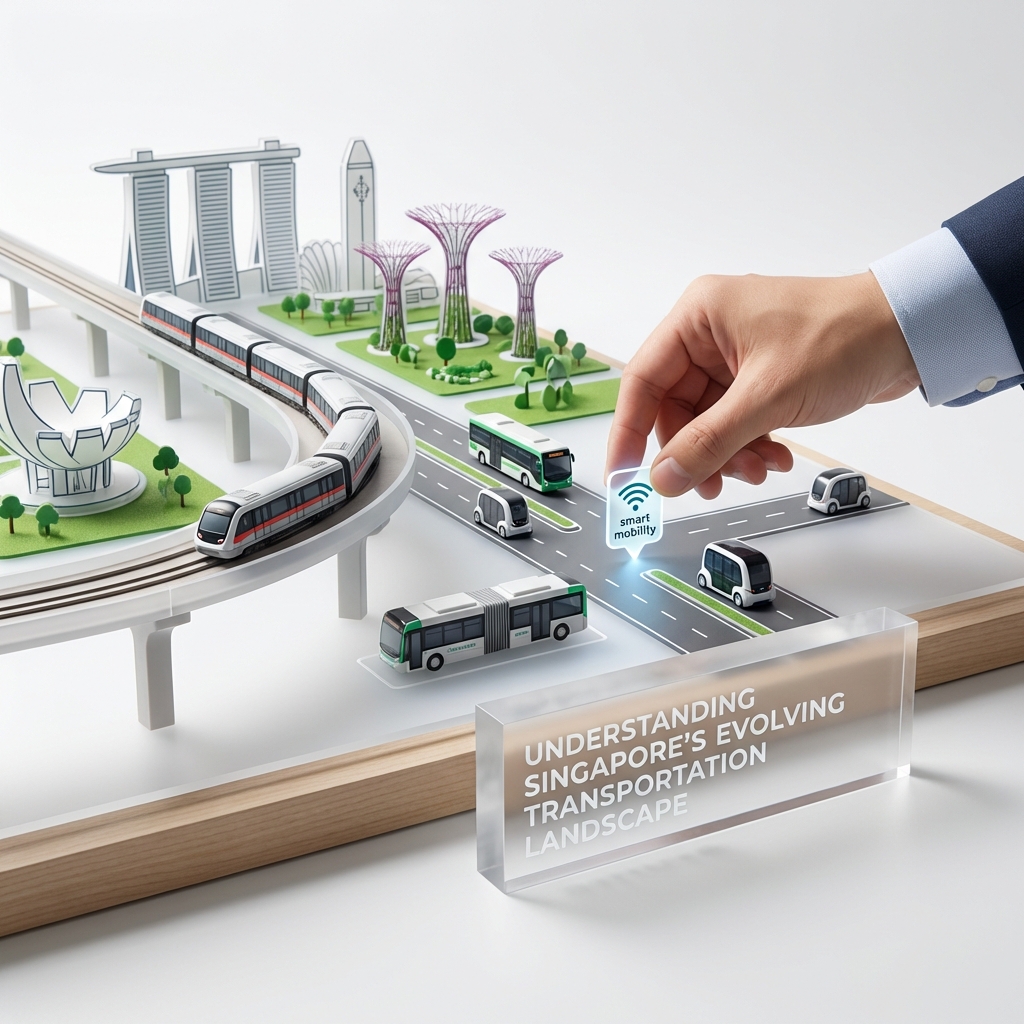
1. Overview of Singapore’s urban mobility goals
At the heart of Singapore’s transportation strategy are ambitious urban mobility goals aimed at creating a car-lite, people-centric city. The Land Transport Authority (LTA) envisions a future where 9 out of 10 peak-hour journeys are made via public transport or active mobility by 2040. This includes enhancing connectivity to ensure that residents can reach amenities within 20 minutes from their homes and access the city centre within 45 minutes, all without relying on private cars. These goals encompass significant investments in expanding the rail network, improving bus services, and promoting walking and cycling infrastructure. The focus is on seamless, integrated multi-modal journeys, where smart technologies play a crucial role in optimising routes, managing traffic, and providing real-time information to commuters. Achieving these urban mobility goals requires a holistic approach that balances infrastructure development with behavioral changes, setting a clear trajectory for the market demand within the transportation field in Singapore.
2. Key factors shaping transportation demand
Several pivotal factors are continuously shaping transportation demand in Singapore. Rapid urbanisation, coupled with a consistently growing and aging population, inherently increases the need for efficient public and private transit options. The rise of the digital economy and e-commerce has spurred a significant demand for last-mile logistics and delivery services, impacting road usage and requiring innovative urban logistics solutions. Furthermore, Singapore’s strategic position as a regional hub for business and tourism drives substantial cross-border and intra-city travel. Government policies, such as vehicle quota systems (COE) and Electronic Road Pricing (ERP), actively manage private car ownership and usage, pushing a greater proportion of the population towards public and shared transport modes. Changing work patterns, including the increasing prevalence of remote and hybrid work models, also influence peak-hour travel patterns and overall transportation demand. These interwoven factors create a complex tapestry that a comprehensive market demand trend report of transportation field in Singapore must meticulously unravel.
3. Importance of sustainable transportation Singapore
The urgency for sustainable transportation Singapore cannot be overstated. As a low-lying island nation susceptible to climate change impacts, Singapore is deeply committed to decarbonising its transport sector. This commitment is articulated through strategies outlined in its Land Transport Master Plan 2040, which prioritises electric vehicles (EVs), active mobility (walking and cycling), and enhanced public transport usage. The government aims for all new car and taxi registrations to be cleaner energy models from 2030, with a target of phasing out internal combustion engine vehicles by 2040. Investments in EV charging infrastructure, promotion of shared micromobility options like e-scooters and bicycles, and the development of intelligent transport systems (ITS) are all part of this overarching sustainability drive. This shift towards greener modes of transport not only addresses environmental concerns but also improves urban liveability, reduces congestion, and fosters a healthier populace. For businesses and innovators, understanding these sustainability imperatives is crucial for aligning with the future market demand trend report of transportation field in Singapore and identifying lucrative opportunities in green technologies and services.
What’s Fueling Demand in Singapore’s Transportation Sector?
Singapore, a global connectivity hub and a leading “Smart Nation,” possesses a vibrant and highly integrated transportation sector. Its strategic geographical location, coupled with proactive government policies and continuous investment in infrastructure, has consistently driven demand across various transport modes. Understanding the market demand trend report of transportation field in Singapore requires a deep dive into the interplay of economic dynamism, evolving social preferences, and technological advancements that shape its mobility landscape. From daily commutes to international trade, several core factors are propelling the growth and transformation of the nation’s transport needs.
1. Public transport ridership: Trends and forecasts
Public transport remains the backbone of daily mobility for the majority of Singaporeans, aligning with the nation’s “car-lite” vision. Pre-pandemic, public transport ridership – encompassing both the extensive Mass Rapid Transit (MRT) network and bus services – showed a steady upward trajectory, driven by urbanisation, population growth, and enhanced connectivity. The COVID-19 pandemic introduced an unprecedented dip, but post-pandemic recovery has been robust, indicating a strong return to pre-existing travel patterns.
Future public transport forecasts point towards continued growth, bolstered by ongoing infrastructure expansion projects like new MRT lines (e.g., Cross Island Line, Jurong Region Line) and dedicated bus lanes. Government initiatives to improve accessibility for an aging population, coupled with fare adjustments and the integration of digital payment solutions, further encourage usage. The drive for sustainable transport also plays a crucial role, positioning public transport as an eco-friendly choice. These factors collectively contribute to a complex yet predictable pattern in public transport ridership and are critical insights for any market demand trend report of transportation field in Singapore. For a deeper understanding of these evolving dynamics, you can refer to insights on market demand trend report of transportation field in Singapore.
2. Growth of logistics and supply chain trends
Singapore’s standing as a premier global logistics hub is a significant driver of demand within its transportation sector. The exponential growth of e-commerce, accelerated during the pandemic, has created immense pressure and opportunities for e-commerce logistics and last-mile delivery services. This trend fuels demand for freight transport, warehousing, and sophisticated supply chain management solutions. Furthermore, Singapore’s role in global trade means its port and airport constantly handle vast volumes of cargo, necessitating efficient multimodal transport solutions.
The focus on supply chain resilience in the wake of global disruptions has also led to increased investment in advanced logistics infrastructure and technologies, including automation, AI, and IoT for tracking and optimisation. Regional trade agreements and Singapore’s strategic position in ASEAN contribute significantly to cross-border logistics traffic. The nation consistently ranks high in global logistics performance indices, reflecting its robust infrastructure and service efficiency. This sustained growth in logistics trends underscores its vital contribution to the overall market demand trend report of transportation field in Singapore. The World Bank’s Logistics Performance Index provides further insights into the global standing and efficiency of logistics hubs like Singapore.
3. Impact of tourism and economic expansion on aviation demand Singapore
Changi Airport is not merely an airport; it’s a critical nexus of global air travel and a key economic pillar for Singapore. The rebound in global tourism post-pandemic has directly translated into surging aviation demand Singapore. Government efforts to reinvigorate the tourism sector, including new attractions and marketing campaigns, are pivotal. This demand isn’t limited to leisure travel; Singapore’s robust economic expansion and its status as a leading MICE (Meetings, Incentives, Conferences, and Exhibitions) destination generate substantial business travel.
The ongoing expansion projects at Changi Airport, particularly the long-term vision for Changi East and Terminal 5, are concrete indicators of anticipated future demand in aviation demand Singapore. These infrastructure developments are designed to accommodate projected increases in passenger and cargo volumes, solidifying Singapore’s position as a regional and international aviation hub. Airlines based in Singapore, such as Singapore Airlines, serve as barometers for the health of the aviation sector, with their capacity deployments and route expansions reflecting market confidence. The synergy between tourism recovery, economic growth, and strategic investment in transport infrastructure continues to fuel a robust demand trajectory in the nation’s air transportation segment, contributing significantly to the overall market demand trend report of transportation field in Singapore.
The integration of these diverse elements – robust public transport usage, dynamic logistics growth, and a resurgent aviation sector – paints a comprehensive picture of the forces shaping Singapore’s transportation landscape. The continued commitment to smart nation initiatives and sustainable development will further refine these future mobility patterns, ensuring Singapore remains at the forefront of global transportation innovation.
Innovation Shaping Future Transportation Demands in Singapore
Singapore, a global hub for innovation and urban planning, stands at the forefront of transforming its transportation landscape. The city-state’s commitment to sustainability, efficiency, and smart city initiatives is profoundly influencing market demand trends in the transportation field in Singapore. New technologies are not merely incremental improvements; they are creating entirely new paradigms for how people and goods move, opening up significant opportunities for businesses and investors alike.
The strategic adoption of cutting-edge innovations, from electric vehicles to autonomous systems and advanced digitalization, is meticulously crafted to address Singapore's unique challenges, such as land scarcity and environmental sustainability. This proactive approach ensures that the nation remains competitive and offers a high quality of life, positioning itself as a living lab for future mobility solutions that are reshaping global transportation norms.
-
Electric Vehicle Adoption Singapore and Charging Infrastructure
The drive towards a greener future is heavily reliant on the widespread electric vehicle adoption in Singapore. The government has set ambitious targets, aiming for all vehicles to run on cleaner energy by 2040, a move that is significantly altering consumer preferences and infrastructure requirements. Incentives like the EV Early Adopter Incentive (EEAI) and the revised Additional Registration Fee (ARF) floor for EVs have made electric cars more appealing, spurring a rapid increase in demand.
Critical to this shift is the parallel development of robust charging infrastructure. The Land Transport Authority (LTA) plans to deploy 60,000 charging points nationwide by 2030, transforming carparks, residential areas, and public spaces into accessible charging hubs. This expansion is not just about quantity; it's about smart, efficient, and interconnected networks that support seamless EV ownership. This initiative is a cornerstone of Singapore’s sustainable land transport goals, as detailed by the Land Transport Authority's ‘Going Electric’ strategy, which underscores the nation's commitment to reducing carbon emissions and enhancing air quality. The burgeoning EV market presents immense opportunities for charging technology providers, energy management solutions, and vehicle manufacturers.
-
Rise of Autonomous Vehicles Singapore and Smart City Initiatives
Singapore is a global leader in the development and testing of autonomous vehicles (AVs), viewing them as a cornerstone of its broader smart city initiatives. With limited land and a dense urban population, AVs offer solutions to enhance public transport efficiency, reduce traffic congestion, and improve road safety. The city-state has established dedicated testbeds in areas like One-North and Jurong Island, allowing for the rigorous evaluation of AV technology in real-world conditions.
The integration of AVs into public transport networks, such as on-demand shuttles and last-mile connectivity solutions, promises to transform urban mobility. Beyond passenger transport, AVs are also being explored for logistics and industrial applications. This futuristic vision necessitates advanced sensor technology, AI-driven decision-making systems, and robust cybersecurity protocols. Singapore's comprehensive regulatory framework and strategic partnerships with industry players are accelerating the deployment of these technologies, creating a fertile ground for innovation in mobility services.
-
Digitalization in Transport: Ride-Sharing Market and Last-Mile Delivery Solutions
The pervasive digitalization in transport has fundamentally reshaped consumer expectations and business models. The ride-sharing market, spearheaded by platforms like Grab and Gojek, has become an indispensable part of daily commuting in Singapore. These apps leverage data analytics to optimize routes, manage fleets, and offer dynamic pricing, providing unparalleled convenience and efficiency. The competition in this sector continues to drive innovation, pushing for integrated multimodal platforms and enhanced user experiences.
Simultaneously, the boom in e-commerce has led to an explosion in demand for efficient last-mile delivery solutions. Companies are increasingly investing in sophisticated logistics technologies, including automated sorting facilities, drone delivery trials, and robotic delivery solutions for urban environments. The need for faster, more reliable, and sustainable delivery options fuels innovation in areas such as route optimization software, real-time tracking, and green delivery fleets. Understanding these evolving dynamics is crucial for any comprehensive market demand trend report of transportation field in Singapore, as digital transformation continues to unlock new efficiencies and business opportunities across the entire transport value chain.
In conclusion, Singapore’s transportation sector is undergoing a profound transformation driven by innovation across electric vehicles, autonomous technologies, and pervasive digitalization. These trends are not only influencing present-day operations but are also laying the groundwork for future mobility landscapes. The strategic integration of technology, supportive government policies, and a robust innovation ecosystem ensures that Singapore remains a global leader in defining the future of transportation, continuously creating new market demands and opportunities.
Navigating Policies, Sustainability & Challenges in Singapore’s Transport
Singapore, renowned for its forward-thinking urban planning, presents a fascinating case study in the evolution of its transportation sector. Understanding the market demand trend report of transportation field in singapore requires a deep dive into its intricate regulatory environment, aggressive sustainability pursuits, and the inherent challenges that shape its trajectory. The nation’s transport landscape is continuously reshaped by proactive government policies, a strong commitment to environmental responsibility, and the imperative to develop a future-ready workforce, all of which directly influence demand across various transport modes.
1. Government initiatives for urban mobility solutions
Singapore’s government has consistently championed progressive policies aimed at creating a highly efficient, integrated, and accessible transport network. The Land Transport Master Plan (LTMP) serves as a cornerstone, outlining strategic directions such as enhancing public transportation infrastructure, promoting active mobility (walking and cycling), and leveraging technology for smart mobility solutions. Initiatives like the expansion of the MRT network, aiming for 360km by the early 2030s, significantly boost public transport ridership and reshape commuting patterns, influencing the overall market demand trend report of transportation field in singapore. Furthermore, the embrace of Mobility-as-a-Service (MaaS) concepts and the pilot deployment of autonomous vehicles (AVs) exemplify Singapore’s commitment to cutting-edge urban mobility solutions within its Smart Nation transport vision. These efforts are designed not only to improve connectivity but also to manage traffic congestion and reduce reliance on private car ownership, thereby influencing demand for shared transport options and car-lite lifestyles. The regulatory framework continually adapts to integrate these innovations, creating a dynamic environment for transport service providers and users alike.
2. Addressing environmental concerns and congestion
Environmental sustainability is a critical driver behind many of Singapore’s transport policies. The nation is dedicated to reducing its carbon footprint from the transport sector, with ambitious targets outlined in its Singapore Green Plan 2030. This commitment directly impacts the market demand trend report of transportation field in singapore by accelerating the transition towards cleaner energy vehicles and promoting sustainable transport options. The push for electric vehicles (EVs) is evident through significant incentives, robust charging infrastructure development, and a gradual phasing out of internal combustion engine (ICE) vehicle registrations. Such policies drive demand for EVs and associated services, while also creating opportunities in battery technology and charging solutions. Moreover, congestion management strategies, including the Electronic Road Pricing (ERP) system and enhanced public transportation reliability, aim to optimize road usage and discourage peak-hour private vehicle travel. These measures encourage a shift towards public transport and active mobility, directly influencing demand for buses, trains, and shared mobility services, while also shaping transport infrastructure development priorities to support these shifts. For more details on these efforts, refer to the Land Transport Authority’s sustainability initiatives.
3. Workforce development and skill gaps
The rapid technological advancements in the transport sector, including the rise of autonomous vehicles, data analytics, and digitalization in transport operations, are creating new demands on the workforce. For the market demand trend report of transportation field in singapore to remain positive, the industry must proactively address potential workforce skills gaps. There is a growing need for professionals skilled in areas such as AI, cybersecurity for smart infrastructure, data science for traffic management, and maintenance of complex EV and AV systems. Government agencies, in collaboration with educational institutions and industry players, are rolling out initiatives to upskill and reskill the existing workforce and attract new talent into the sector. Programs like the SkillsFuture for the Land Transport Sector aim to prepare workers for future roles, ensuring that the enhanced transport infrastructure can be effectively managed and innovated upon. Failure to address these skill gaps could hinder the adoption of advanced technologies, impact service quality, and ultimately constrain the sector’s growth potential and its ability to meet evolving market demands for efficient and modern transport solutions.
In conclusion, Singapore’s integrated approach to transport policy, encompassing robust government initiatives for urban mobility solutions, a strong emphasis on environmental sustainability, and proactive workforce development strategies, collectively shapes the market demand trend report of transportation field in singapore. As the nation continues to innovate and adapt, these foundational pillars will be crucial in defining the future trajectory of its dynamic transport sector.
Singapore’s Transportation Market: Outlook and Investment Potential by 2026
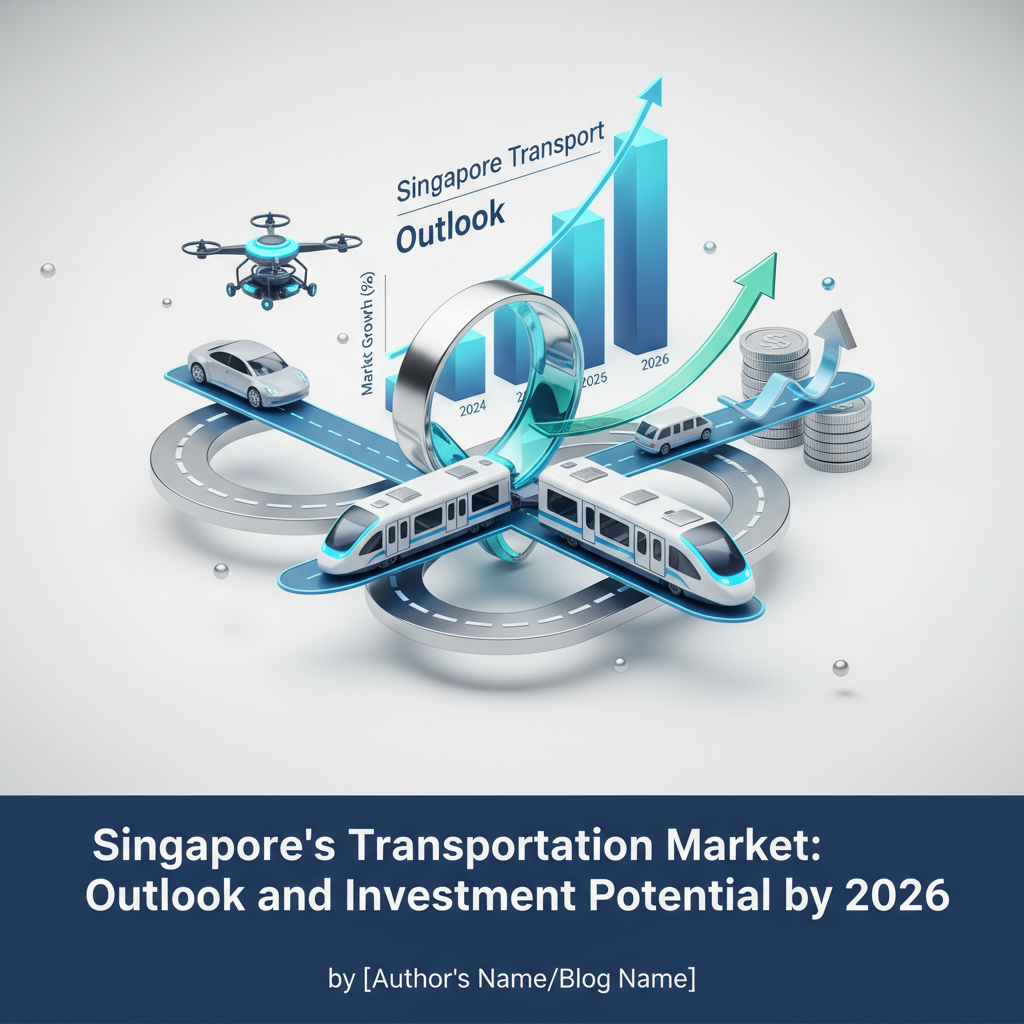
Singapore, a global hub for trade and innovation, continues to evolve its transportation infrastructure to meet the demands of a growing population and dynamic economy. This section provides a forward-looking perspective on the market demand trend in the transportation field in Singapore, identifying key growth areas and promising investment prospects up to 2026. As a compact city-state, Singapore’s strategic approach to urban mobility, logistics, and sustainable transport solutions sets a global benchmark, making its market ripe for both domestic and international stakeholders.
1. Forecasted growth in various transport segments
The market demand trend report of transportation field in Singapore indicates robust growth across several segments. Public transport remains the backbone, with significant investments in expanding the MRT and LRT networks, including ongoing projects like the Cross Island Line and the Jurong Region Line, which are set to enhance connectivity and increase daily ridership. This expansion will drive demand for smart signaling systems, station infrastructure, and maintenance services. In the private transport sector, while car ownership policies continue to manage congestion, there’s a surge in demand for shared mobility solutions, electric vehicles (EVs), and advanced driver-assistance systems. The government’s push for EV adoption, coupled with incentives, promises a substantial shift in the automotive landscape, creating opportunities in charging infrastructure and related services.
Logistics and freight transportation are experiencing a boom, largely fueled by the relentless growth of e-commerce and Singapore’s position as a regional distribution hub. This translates into increased demand for efficient last-mile delivery solutions, warehousing automation, and cold chain logistics. Furthermore, the push for smart mobility solutions is accelerating, with pilot programs for autonomous vehicles (AVs) and the integration of Mobility as a Service (MaaS) platforms gaining traction. The emphasis on sustainable transport Singapore initiatives, including active mobility such as cycling paths and pedestrian networks, alongside the greening of public and commercial fleets, underscores a holistic approach to urban mobility trends.
2. Opportunities for private sector investment
The evolving transportation market in Singapore presents diverse and lucrative opportunities for private sector investment. Infrastructure development remains a cornerstone, with Public-Private Partnerships (PPPs) becoming crucial for financing and executing large-scale projects like new rail lines, depots, and multimodal transport hubs. Investors can find prospects in supplying innovative technologies for these developments, from advanced sensor systems to intelligent traffic management solutions. The transition to electric mobility opens avenues in developing, operating, and maintaining extensive EV charging networks, battery storage solutions, and even manufacturing or assembly of EV components.
Technology-driven solutions offer particularly strong investment potential. This includes firms specializing in data analytics for traffic optimization, AI-powered logistics platforms, integrated MaaS applications, and cybersecurity for critical transport infrastructure. The demand for efficient and sustainable urban logistics is also fostering innovation in drone delivery, robotic last-mile solutions, and micro-mobility services. Moreover, Singapore’s strong commitment to research and development (R&D) creates an attractive environment for piloting new transport technologies and scaling innovative solutions for regional and global markets. Companies aligning with Singapore’s Land Transport Master Plan 2040 will find significant governmental support and conducive regulatory frameworks.
3. Strategic recommendations for stakeholders
To capitalize on these dynamics, strategic recommendations for stakeholders are vital. For government bodies, continued proactive planning, robust regulatory frameworks, and sustained investment in core infrastructure are paramount. Incentivizing green transport initiatives and fostering an ecosystem for technological innovation will further solidify Singapore’s leadership in sustainable urban mobility. For private companies, the focus should be on agility, innovation, and strategic partnerships. Companies should invest in R&D, embrace data-driven decision-making, and integrate sustainability into their core business models to meet evolving consumer and environmental demands. Exploring collaborations with academic institutions and startups can unlock new solutions and market access.
Investors are advised to identify long-term trends such as electrification, digitalization, and the push towards a circular economy in transportation. Prioritizing scalable solutions that address urban challenges and contribute to environmental sustainability will yield the highest returns. Furthermore, understanding the nuances of Singapore’s regulatory environment and aligning with national strategic goals will be crucial for successful market entry and expansion. Collaborative efforts between public and private sectors will be the driving force behind achieving Singapore’s vision for an efficient, sustainable, and smart transportation future by 2026 and beyond, ultimately shaping a vibrant Singapore transport market outlook.
Partner with Shelby Global
You are looking for reliable HR Sevice Suppliers? Contact Shelby Global Now! To connect with verified talents and upgrade your orginization.
—————————————
References
– Land Transport Master Plan 2040: https://www.lta.gov.sg/content/ltagov/en/Our_LTA_Story/Land_Transport_Master_Plan_2040.html
– World Bank Logistics Performance Index: https://lpi.worldbank.org/
– Going Electric – Land Transport Authority: https://www.lta.gov.sg/content/ltagov/en/sustainable_journeys/going_electric.html
– Driving Sustainability – LTA: https://www.lta.gov.sg/content/ltagov/en/industry_innovations/driving_sustainability.html
– Singapore’s Land Transport Master Plan 2040: https://www.lta.gov.sg/content/ltagov/en/who_we_are/our_vision/land_transport_master_plan_2040.html